Rolex has long understood the political value of the wrist.
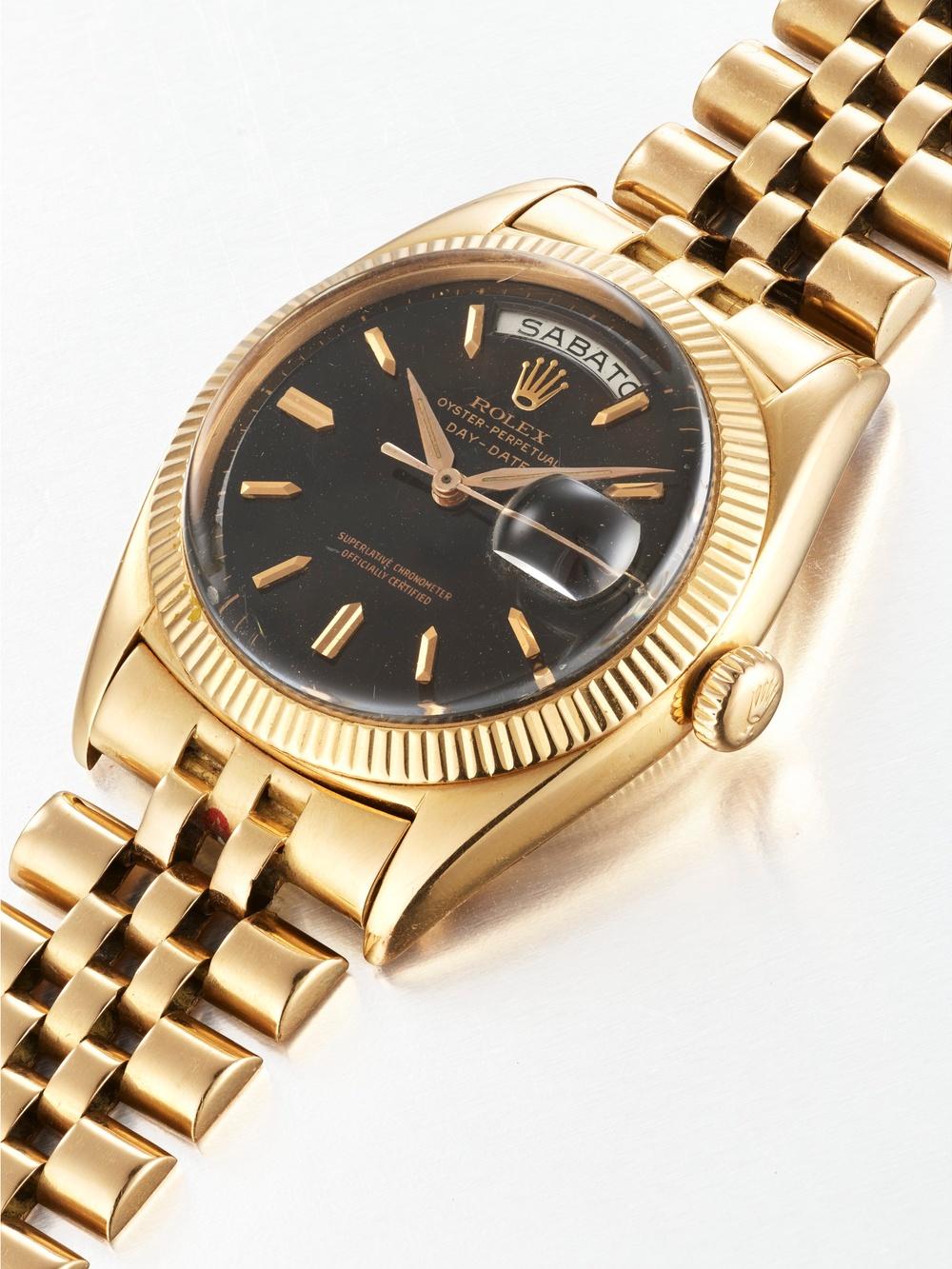
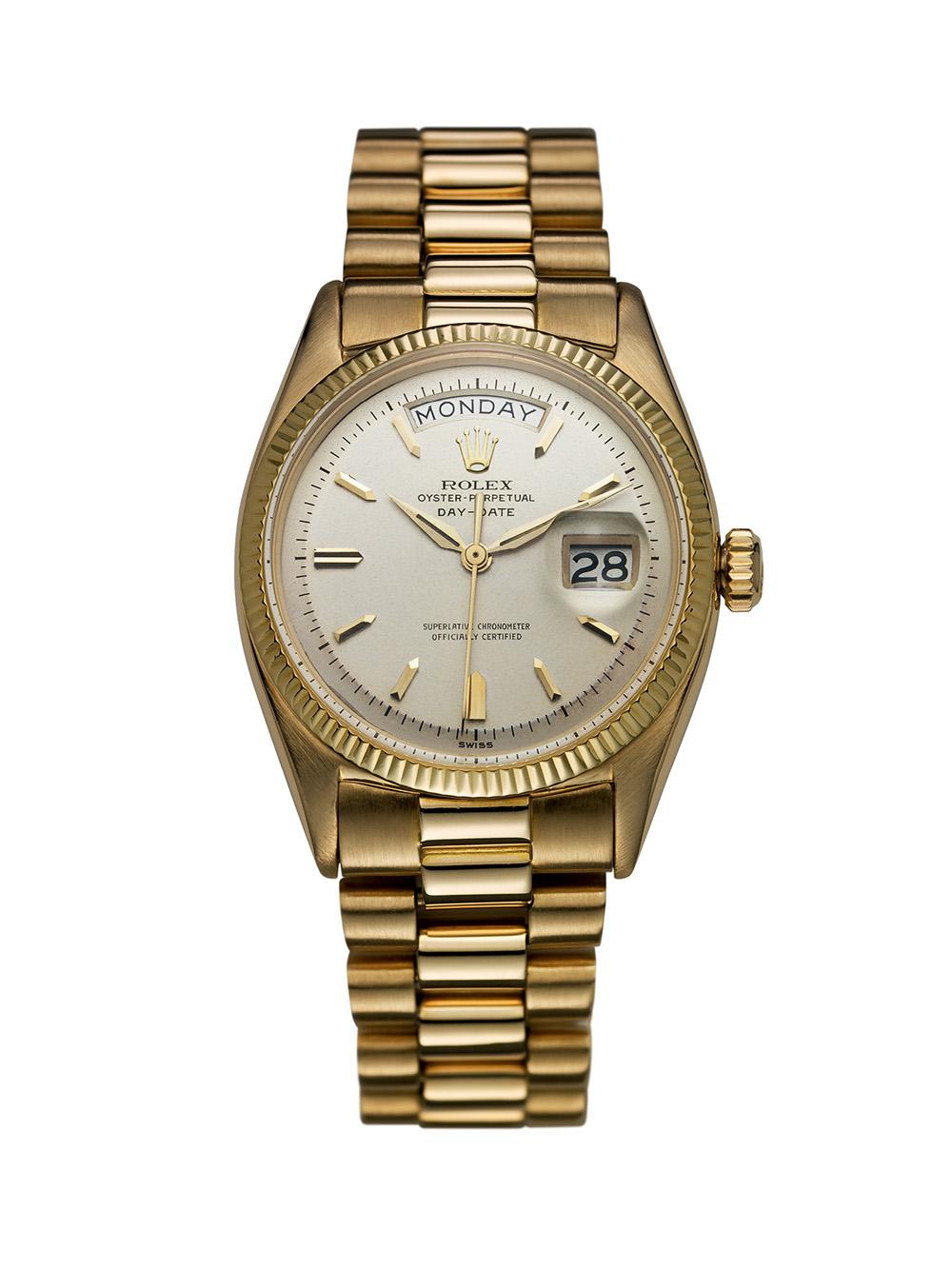
When the Day-Date arrived in 1956, the brand framed it as a watch for people who shaped history, and that message travelled far beyond the Western boardrooms and presidential offices it seemed designed to court.
One of the more revealing contradictions in modern watch culture is that some of the 20th century’s most visible communist leaders chose Rolex, often in gold, while publicly rejecting the material language those watches represented.
At a glance
- Rolex became an unlikely status object for communist leaders from Fidel Castro and Che Guevara to Brezhnev, Mao and Ceauşescu.
- Castro and Guevara wore practical professional models, while several Eastern bloc leaders favoured gold Datejusts.
- The story reveals how Rolex’s image of authority crossed ideological lines during the Cold War.
The Day-Date campaign that reached beyond the West
Rolex’s 1956 slogan for the Day-Date was direct and unusually political for a watch advertisement.
“Men who guide the destinies of the world wear Rolex” did not sell a complication so much as a place in the hierarchy.
The Day-Date, later tied closely to the “President” nickname, became the clearest expression of that idea, but the message applied more broadly to the brand.
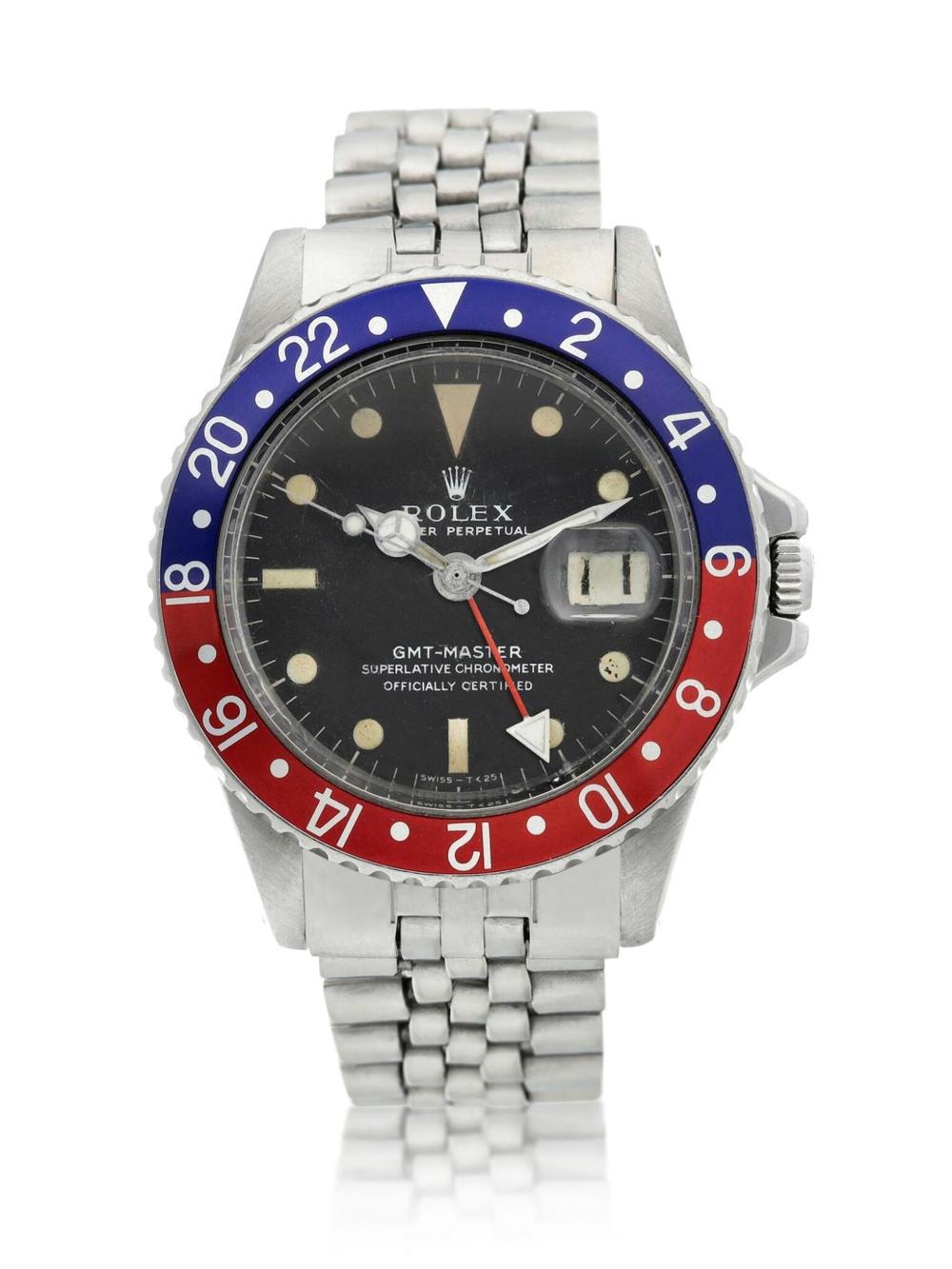
Rolex cultivated its association with statesmanship through figures such as Winston Churchill, Dwight Eisenhower and Lord Mountbatten, helping turn the Crown into a shorthand for authority.
The surprise is that the same language resonated with men leading states that officially opposed capitalist luxury.
Castro, Che and the Rolex as field equipment
Fidel Castro is the central figure in the communist Rolex story because his watches were not merely ceremonial objects.
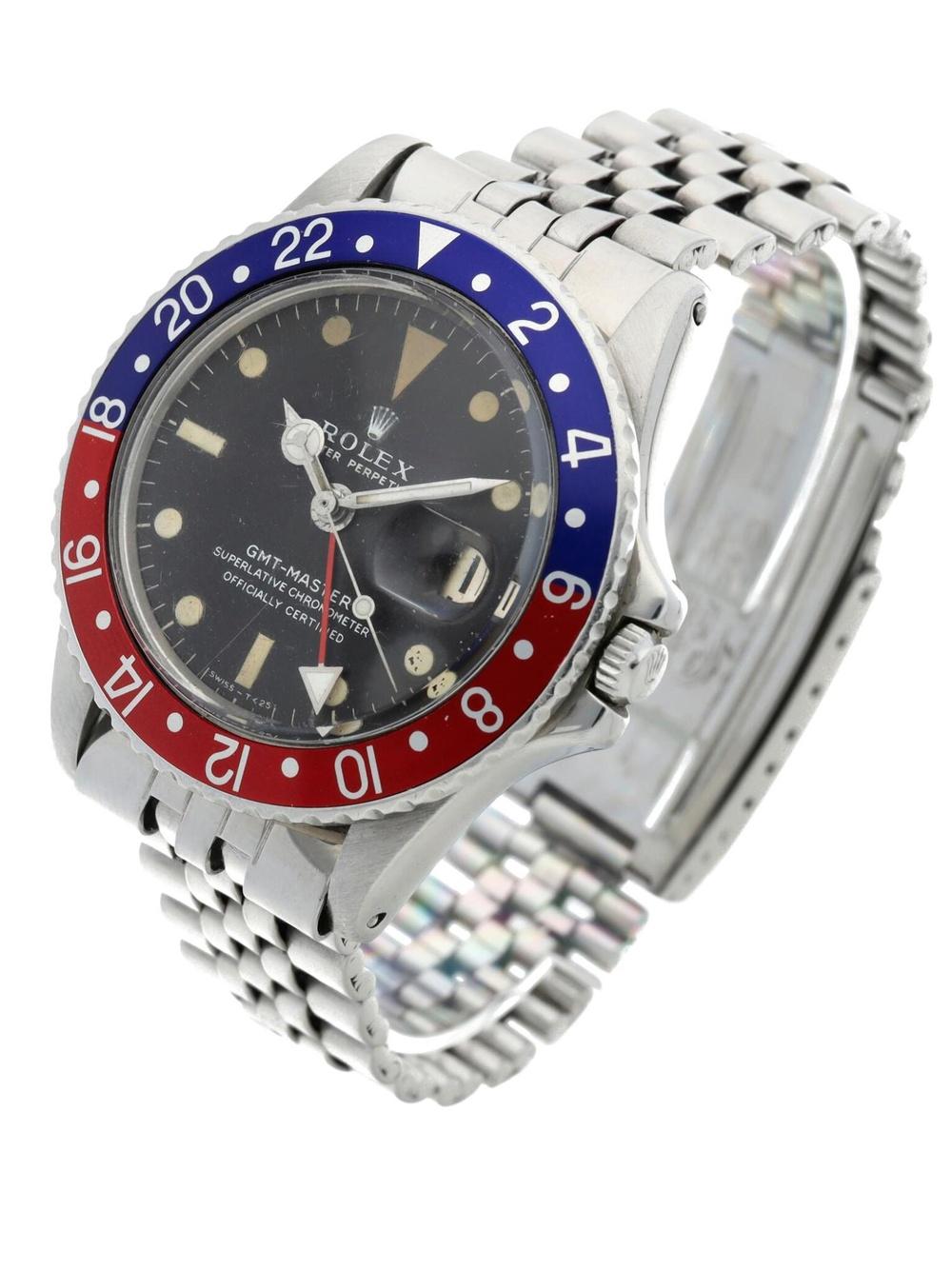
He is known to have worn several Rolex models, including a Submariner ref. 6536, a GMT-Master ref. 6542, a GMT-Master ref. 1675 and a yellow gold Day-Date.
Castro was also photographed wearing two watches at once, a detail that has become one of the enduring images of his relationship with Rolex.
In the Cuban revolutionary context, the watches had a practical use before they became symbols.
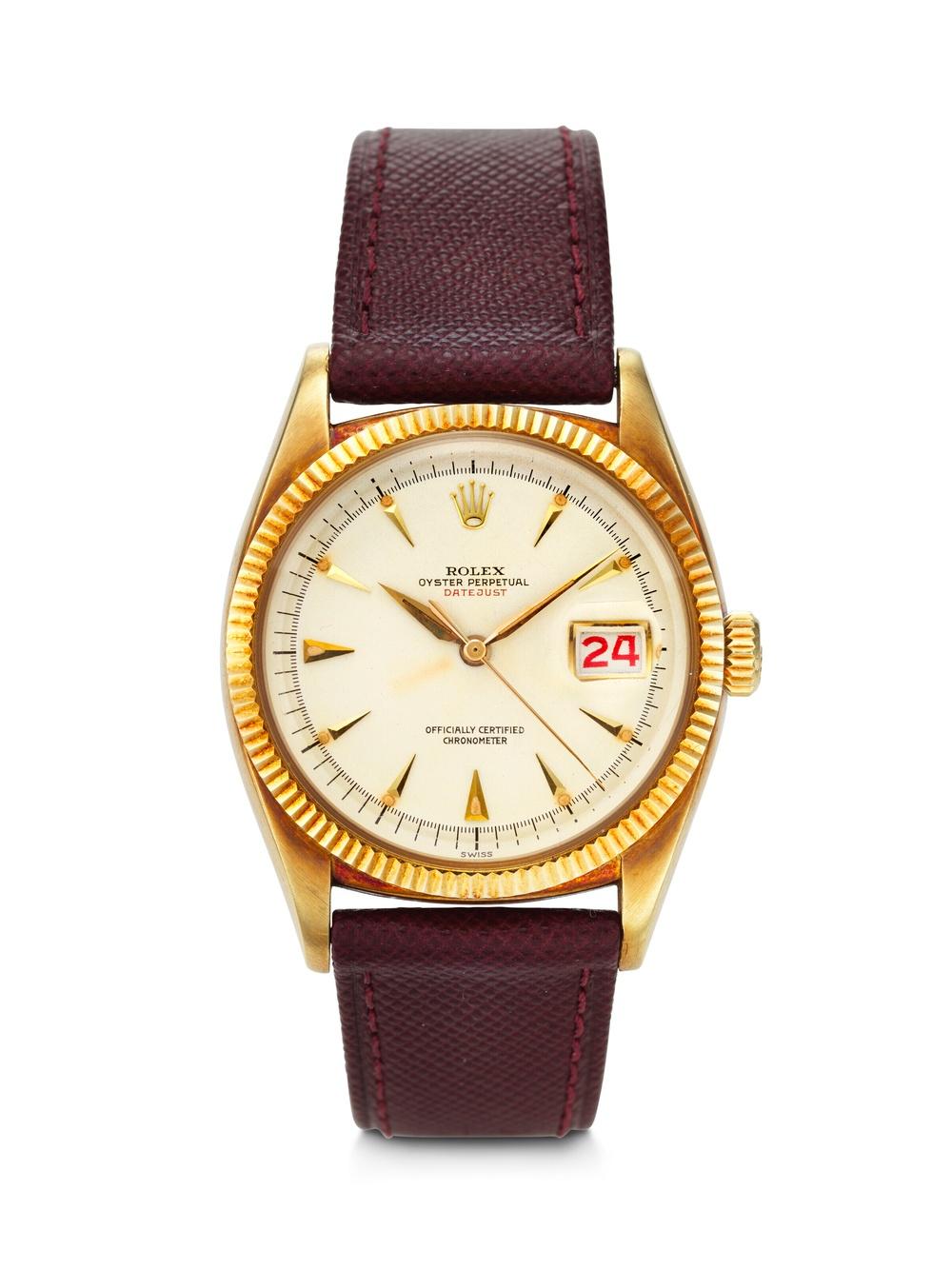
Robust cases, dependable timekeeping and legibility mattered in humid jungle conditions where timing could carry real consequences.
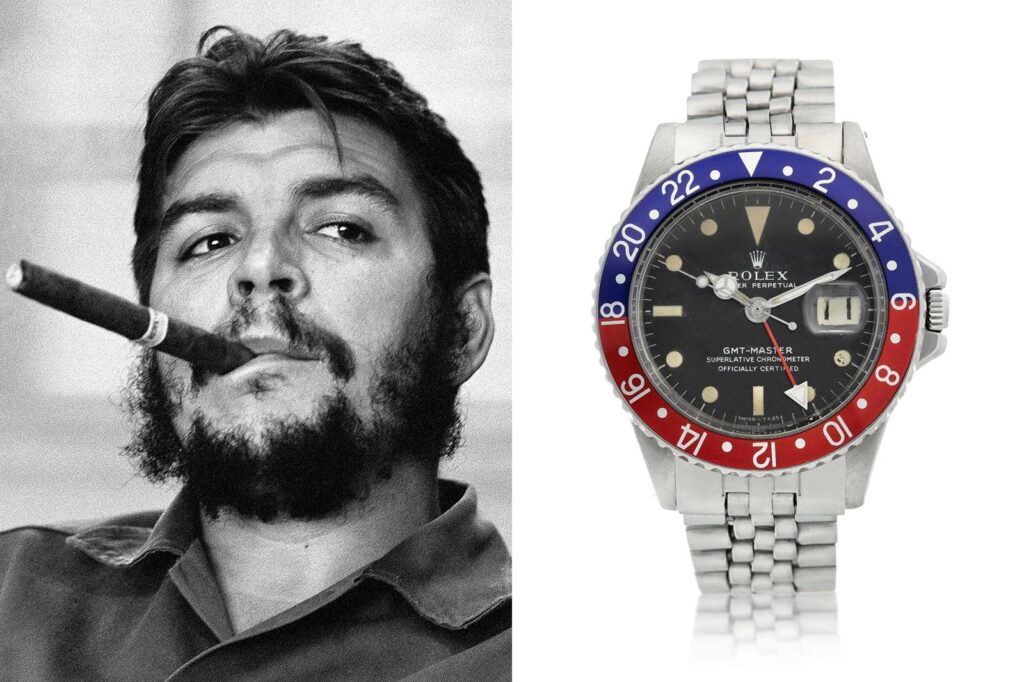
Ernesto “Che” Guevara’s connection to Rolex came through Castro.
Guevara received a Rolex from Castro in 1958 after being promoted to Comandante, then later received a GMT-Master ref. 1675 before leaving for Bolivia in 1966.
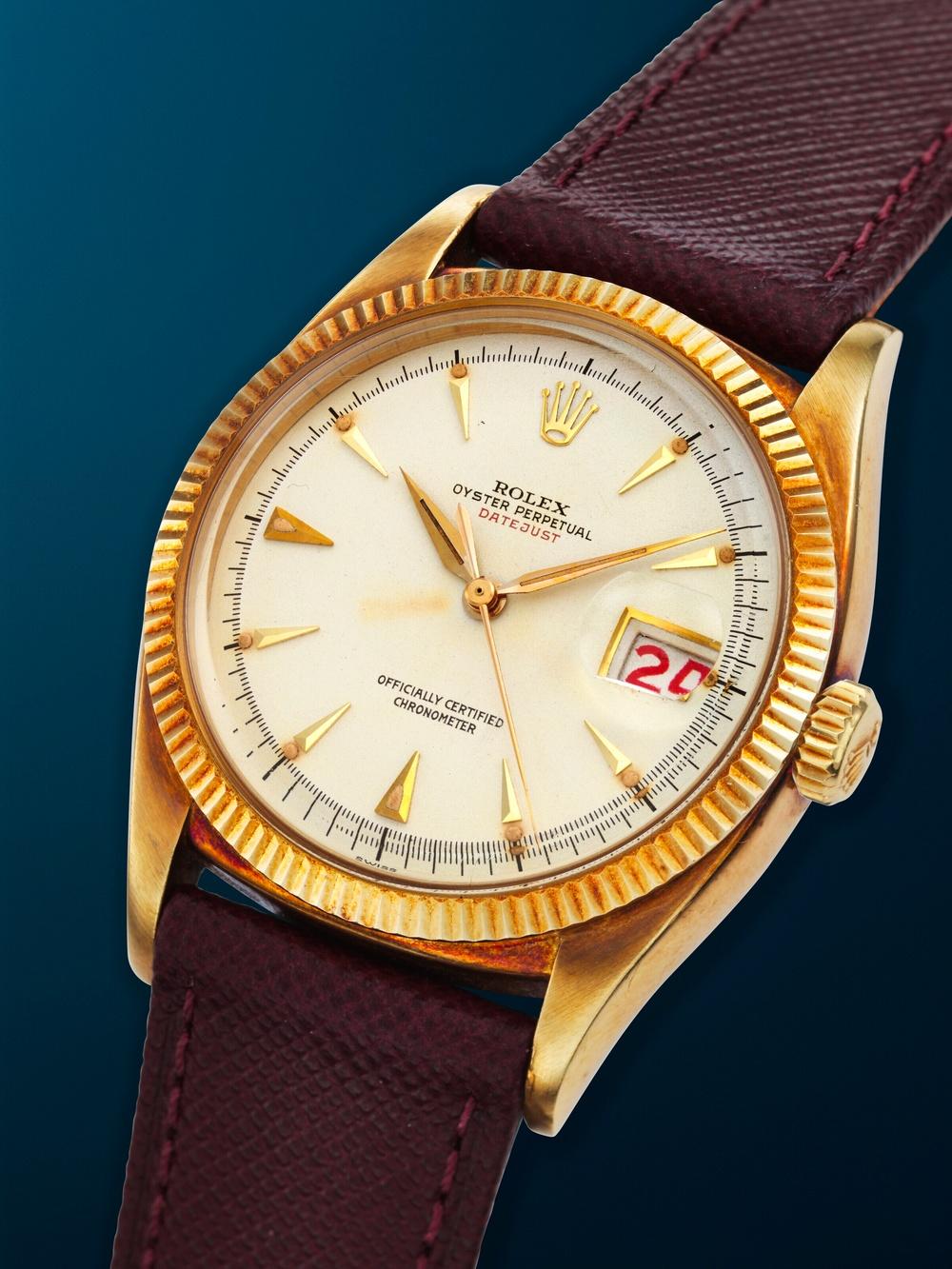
That second watch was on Guevara’s wrist when he was captured and executed on 9 October 1967.
CIA operative Félix Rodríguez, who was present at the execution, removed the watch from Guevara’s body and reportedly kept it.
For collectors, that single GMT-Master sits at the intersection of tool-watch history, revolutionary mythology and Cold War violence.
Gold Datejusts behind the Iron Curtain
Outside Cuba, the Rolex story becomes less about field use and more about rank.
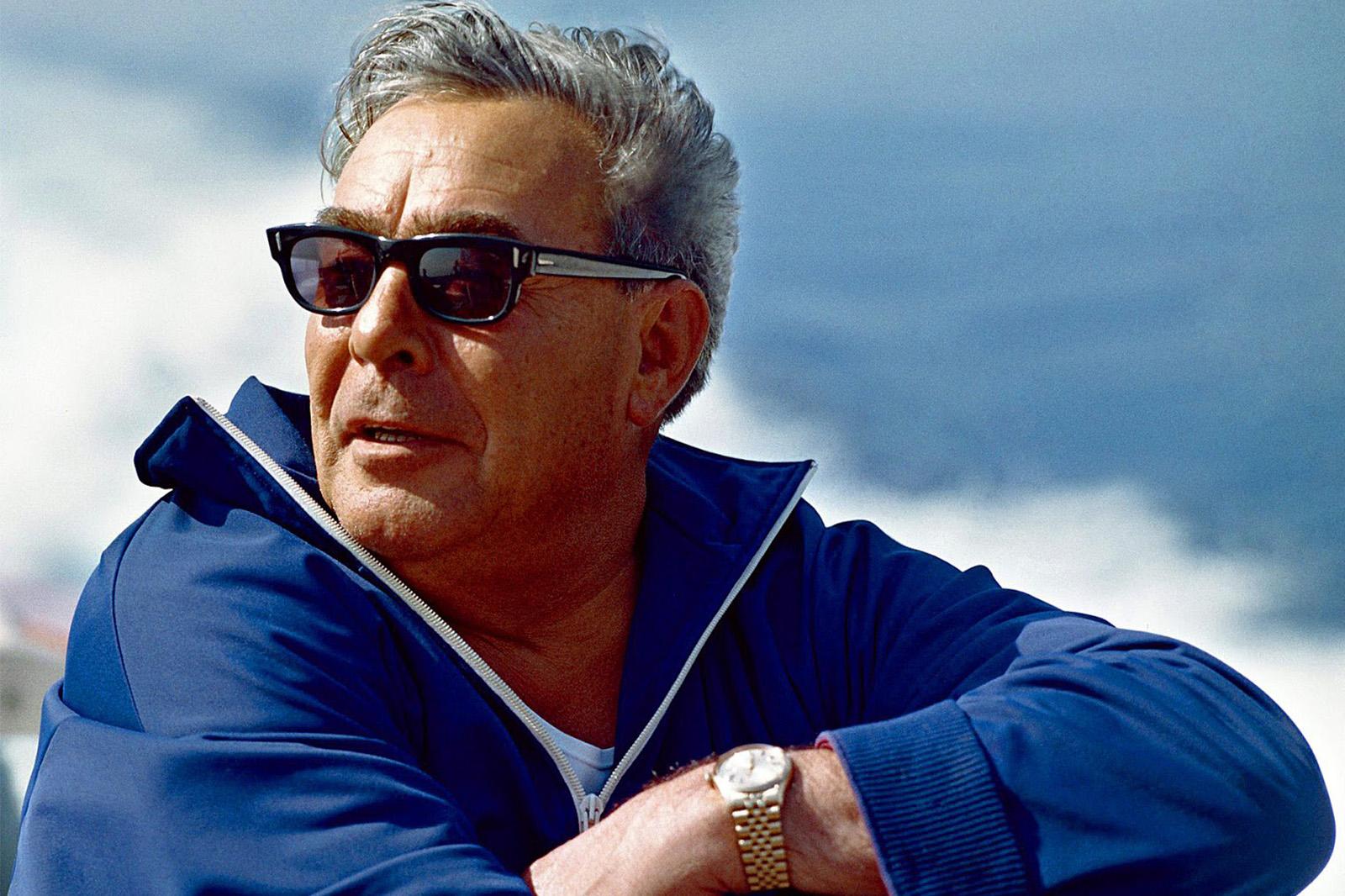
Leonid Brezhnev, who led the Soviet Union after Nikita Khrushchev, was frequently seen wearing a gold Rolex Datejust during his years in power.
The choice is striking because Brezhnev’s rule narrowed many of the personal freedoms that had briefly opened under Khrushchev.
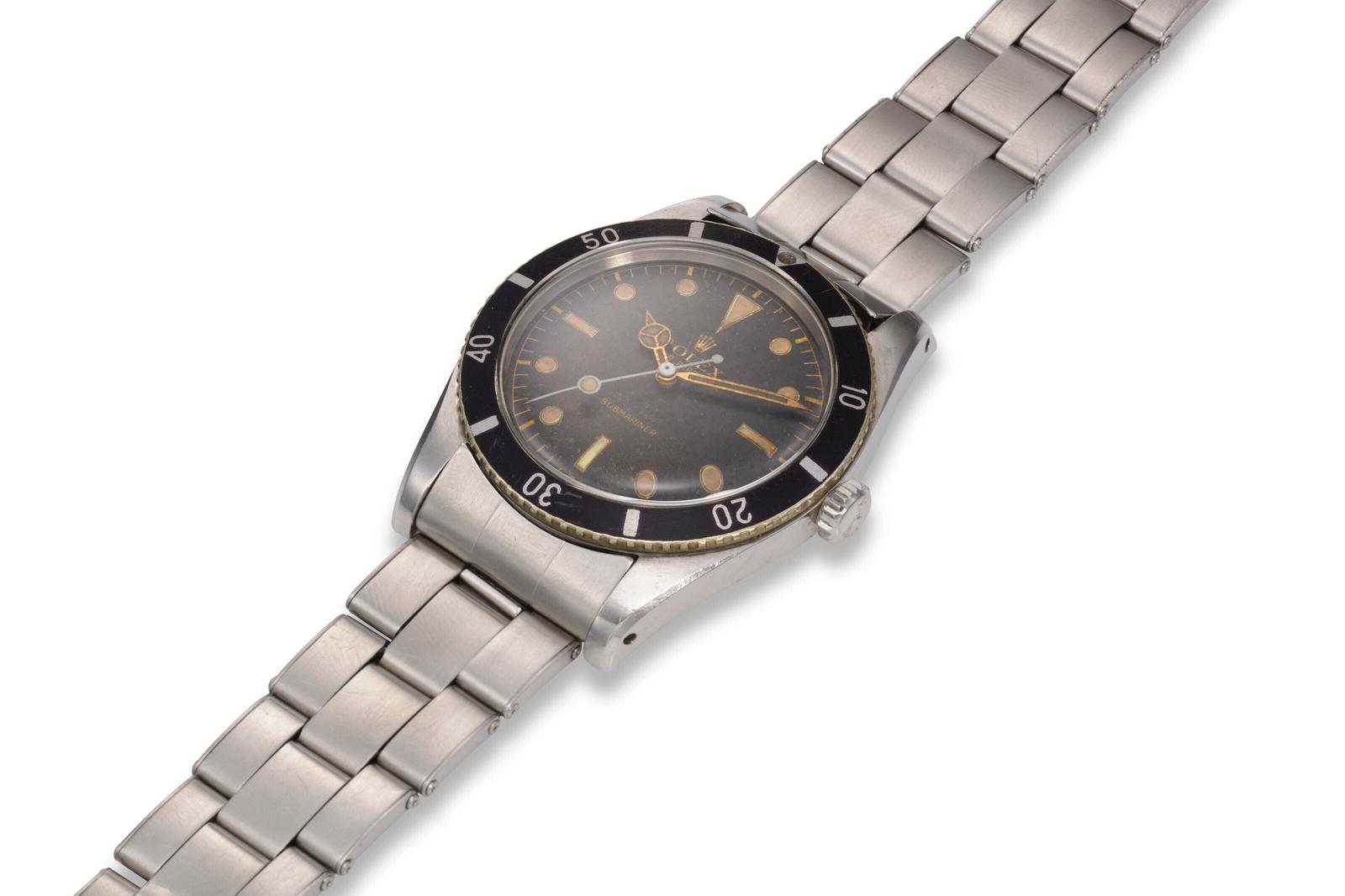
Individual expression was constrained, yet the leader’s wrist carried one of Switzerland’s most recognisable luxury watches.
Mao Zedong also wore a gold Datejust, a contrast made sharper by the Cultural Revolution’s hostility toward perceived bourgeois influence and Western intellectual life.
Erich Honecker of East Germany and Josip Broz Tito of Yugoslavia were also associated with gold Rolex Datejusts.
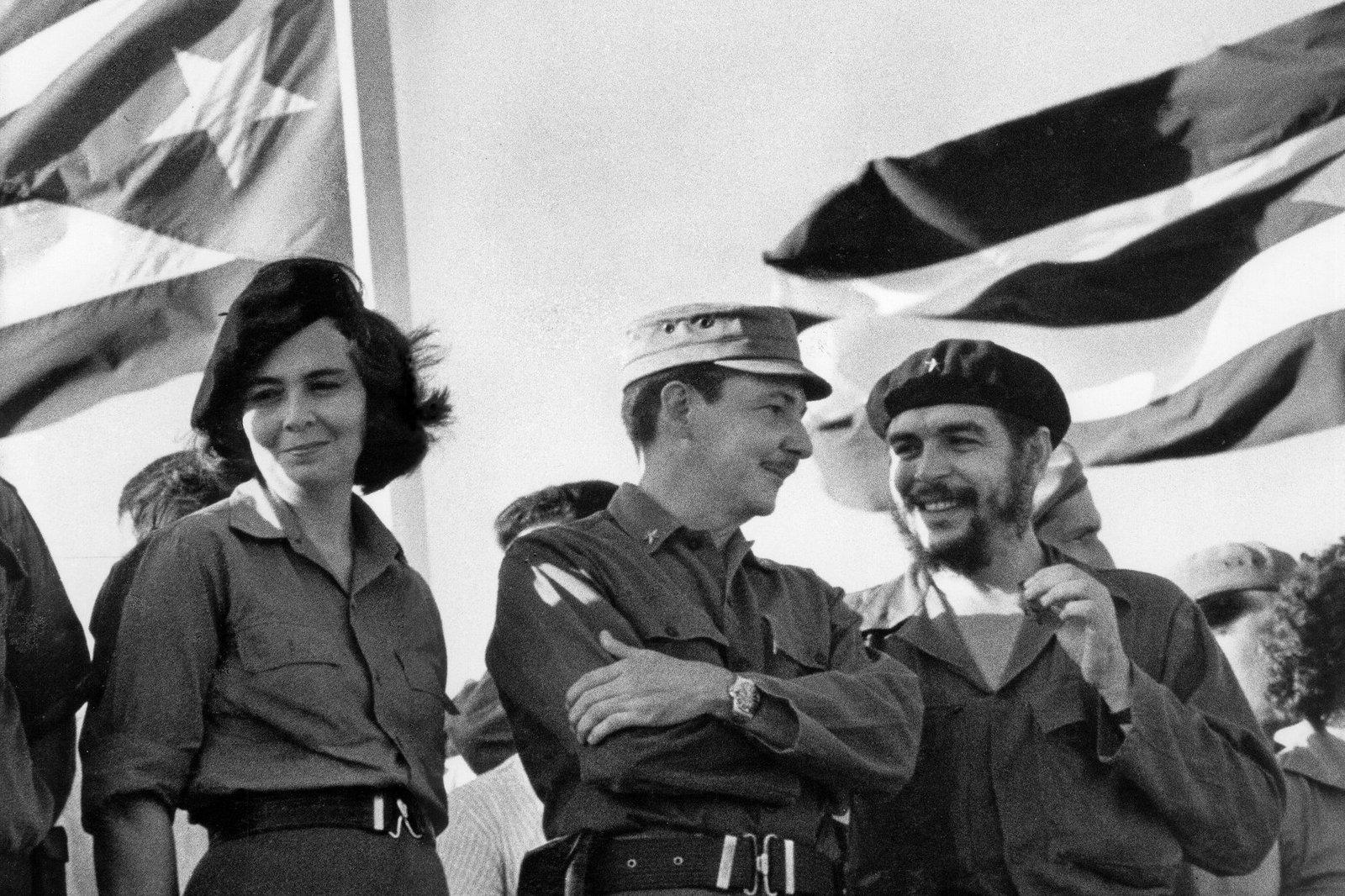
Across these cases, the Datejust served as a quieter counterpart to the Day-Date, less overtly presidential but still unmistakably linked to prosperity, power and Western precision.
Ceauşescu, OREX and an awkward Romanian experiment
Nicolae Ceauşescu adds another layer to the story because his own Rolex habit collided with Romania’s attempt at watchmaking independence.
In 1977, his government set up The Fine Mechanics Enterprise in Bucharest to produce mechanical watches domestically.
The brand name chosen for the watches was OREX, formed from the Romanian word “ora,” meaning hour, and “EX,” meaning excellence.
The similarity to Rolex was difficult to miss.
Rolex challenged the name in court, and OREX did not survive.
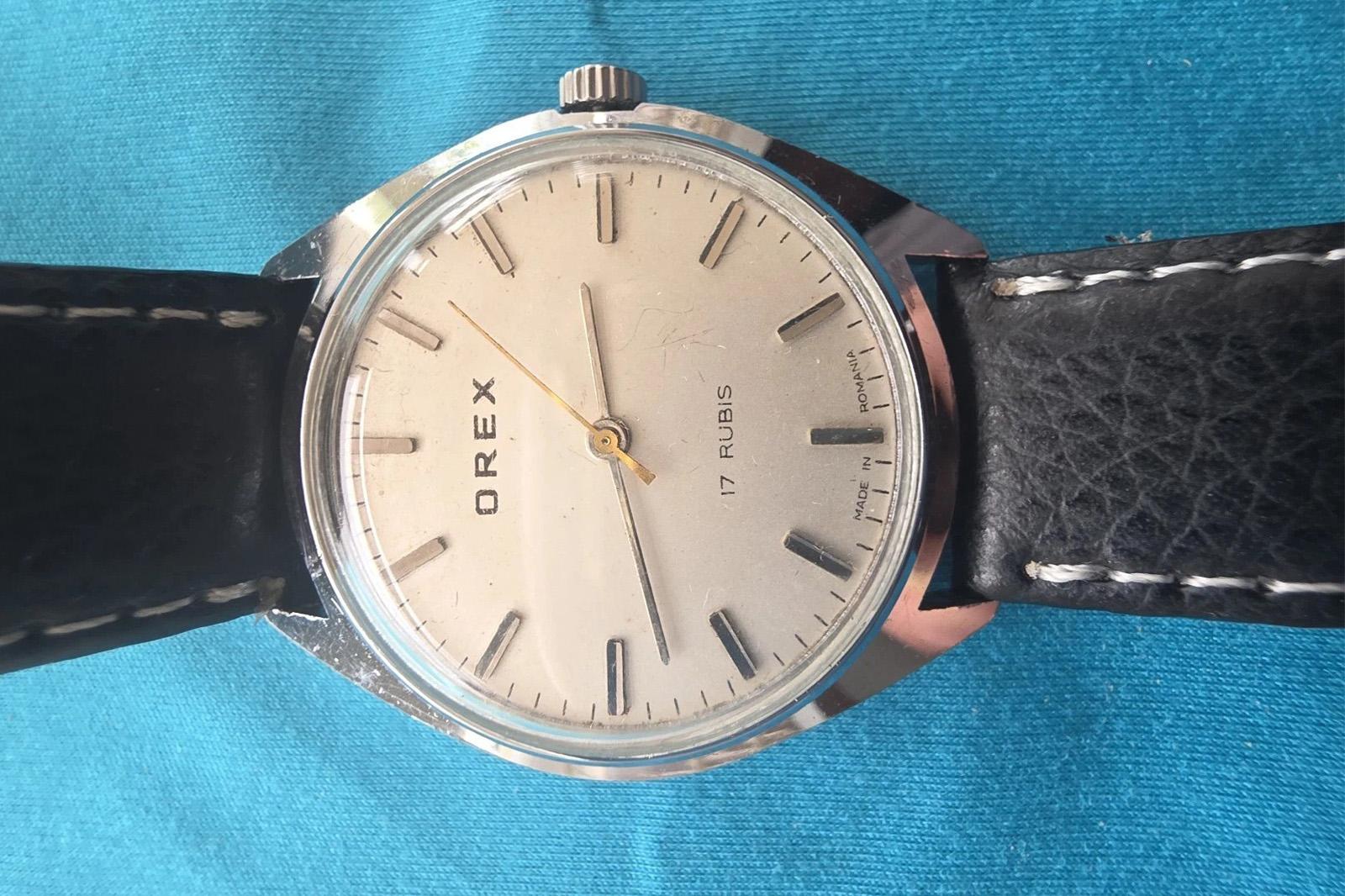
It remains one of the more pointed ironies of Cold War watch history, with a communist state seeking horological self-sufficiency while its leader wore the Swiss marque that helped end the project.
What these watches really signalled
The communist leaders who wore Rolex were not all making the same choice.
For Castro and Guevara, early Rolex sports models could plausibly be read as functional instruments before they became collector lore.

For Brezhnev, Mao, Honecker, Tito and Ceauşescu, the gold Datejust spoke a different language.
It was not a revolutionary tool but a private marker of position, one that sat uneasily against public ideals of austerity and collective identity.
That tension is precisely what makes the subject so compelling.
Rolex’s genius was never only mechanical reliability or precious metal finishing, but the creation of a symbol that even its ideological opponents found useful.
In that sense, the Crown achieved something few luxury brands ever manage. It became not just a watch for power, but a watch power recognised in itself.