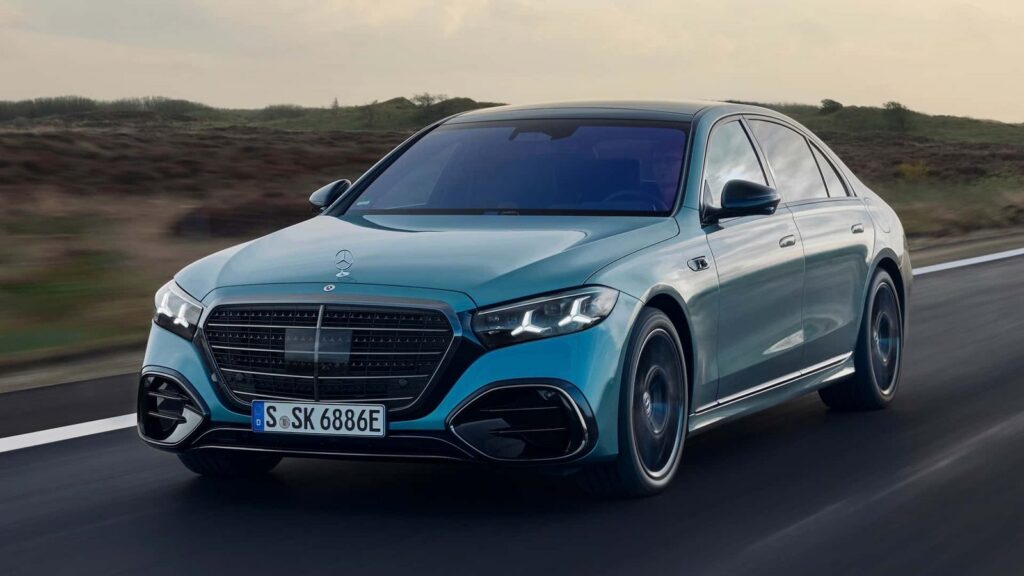
Mercedes-Benz is paying close attention to the speed of China’s most ambitious carmakers, and not from a distance.
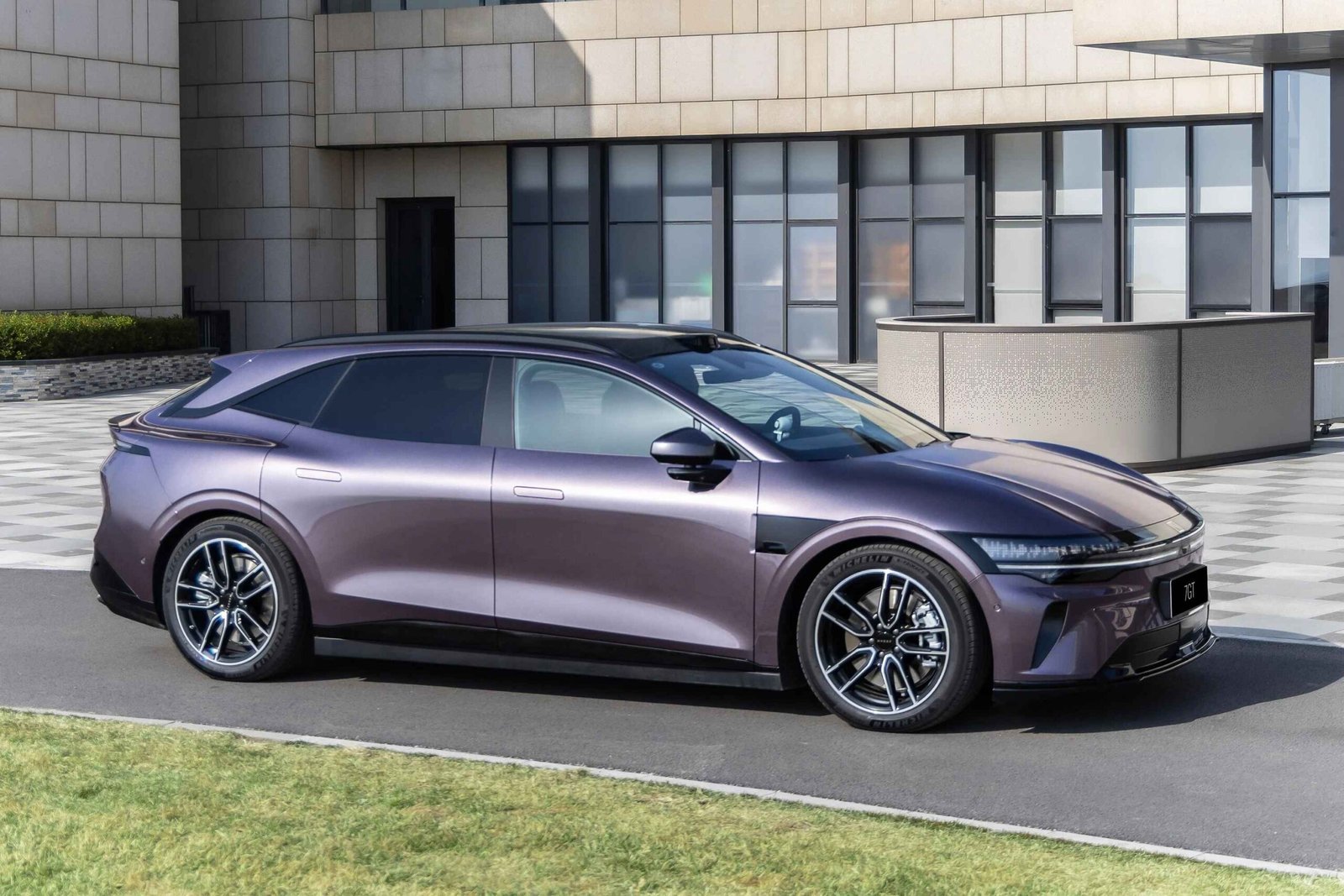
The German brand regularly benchmarks rival models, including cars from Zeekr and Denza, as it looks for ways to move faster without losing the engineering discipline expected of Mercedes.
That shift now includes a deeper use of artificial intelligence in vehicle development, with a new internal system designed to link engineering, production, sales and after-sales into one connected workflow.
At a glance
- Mercedes-Benz has acknowledged the rapid development pace and technology focus of Chinese carmakers.
- The company is introducing PLM.AI to connect vehicle development, production, sales and after-sales service.
- Mercedes claims the system could cut development time by up to 30 percent and deliver efficiency gains of up to 50 percent.
What Mercedes sees in China’s faster carmakers
Mercedes chief technology officer Jörg Burzer has pointed to the short development cycles, customer focus and advanced driver assistance systems of Chinese brands as areas the company is watching closely.
That assessment matters because Chinese carmakers have moved from being regional challengers to global reference points in software, electronics and speed to market.
Mercedes’ benchmarking of Zeekr and Denza shows how seriously established premium brands are treating this new competitive pressure.
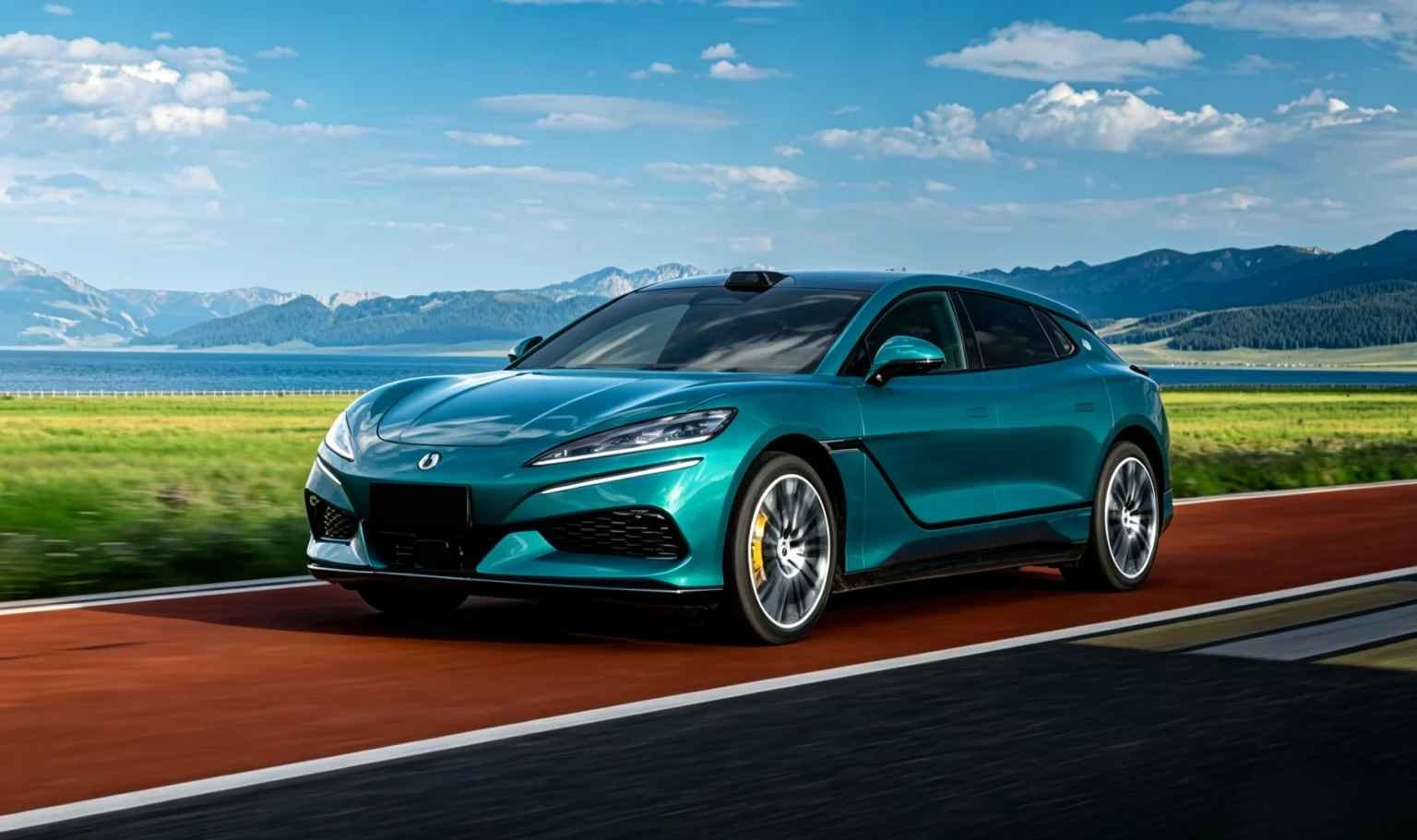
It also reflects a wider change in the luxury car business, where cabin technology, driver assistance and update speed can shape a buyer’s perception as much as traditional measures such as refinement and craftsmanship.
PLM.AI brings the vehicle lifecycle into one system
Mercedes is introducing a system called PLM.AI, short for product lifecycle management with artificial intelligence at its core.
The company says the platform connects different stages of a vehicle’s life, from development and production to sales and after-sales service.
In practice, that points to a more integrated development process where data can move faster between teams and decisions can be made with fewer delays.
Mercedes claims PLM.AI could reduce development time by up to 30 percent and deliver efficiency gains of up to 50 percent.
One example given by the company is crash-test simulation, where AI can complete data connections in hours rather than the two to four weeks previously required by engineers.
That kind of gain is especially important as cars become more software-defined and engineering teams must coordinate hardware, electronics and digital systems at the same time.
Competition in China and Europe
Burzer described the competition as good for customers and said Mercedes is confident it can take on Chinese rivals in both China and Europe.
That confidence will be tested in markets where buyers are increasingly accustomed to fast product updates, large digital interfaces and sophisticated driver assistance features.
For Mercedes, the challenge isn’t simply matching Chinese brands for speed.
It’s about bringing quicker development cycles into a company whose reputation still rests on durability, comfort, safety and long-term product depth.
The most interesting part of this strategy is that Mercedes isn’t dismissing the new competition.
It is studying it, benchmarking it and adapting parts of its own process in response.
A faster Mercedes without losing its identity
Artificial intelligence won’t replace the judgement that defines a luxury car, but it can remove bottlenecks in the way complex vehicles are developed.
If PLM.AI delivers the gains Mercedes claims, it could help the brand respond more quickly to changing customer expectations while keeping its engineering standards intact.
For buyers and enthusiasts, the result could be a Mercedes product cycle that feels more responsive to the market, particularly in the areas where Chinese brands have raised expectations.
The message is clear enough. Mercedes sees the pace of Chinese carmakers as a serious benchmark, and it intends to use AI to close the gap on speed while competing on the qualities that have long defined the brand.