François-Paul Journe is one of the few living watchmakers whose name has become shorthand for a point of view.
At F.P. Journe, mechanics aren’t treated as decoration with gears attached, but as a way to pursue better timekeeping with visible intellectual ownership.
That clarity is a major reason collectors speak about the brand with a different kind of intensity.
At a glance
- François-Paul Journe turned a Paris restoration apprenticeship into one of modern independent watchmaking’s defining careers.
- His reputation rests on chronometry-led creations including the Tourbillon Souverain, Chronomètre à Résonance and Octa calibre.
- The F.P. Journe brand launched in 1999 and is known for the motto “Invenit et Fecit” and 18ct rose gold movement architecture.
From Marseille to the restoration bench in Paris
Journe’s path into watchmaking didn’t begin with a polished brand narrative or a corporate apprenticeship.
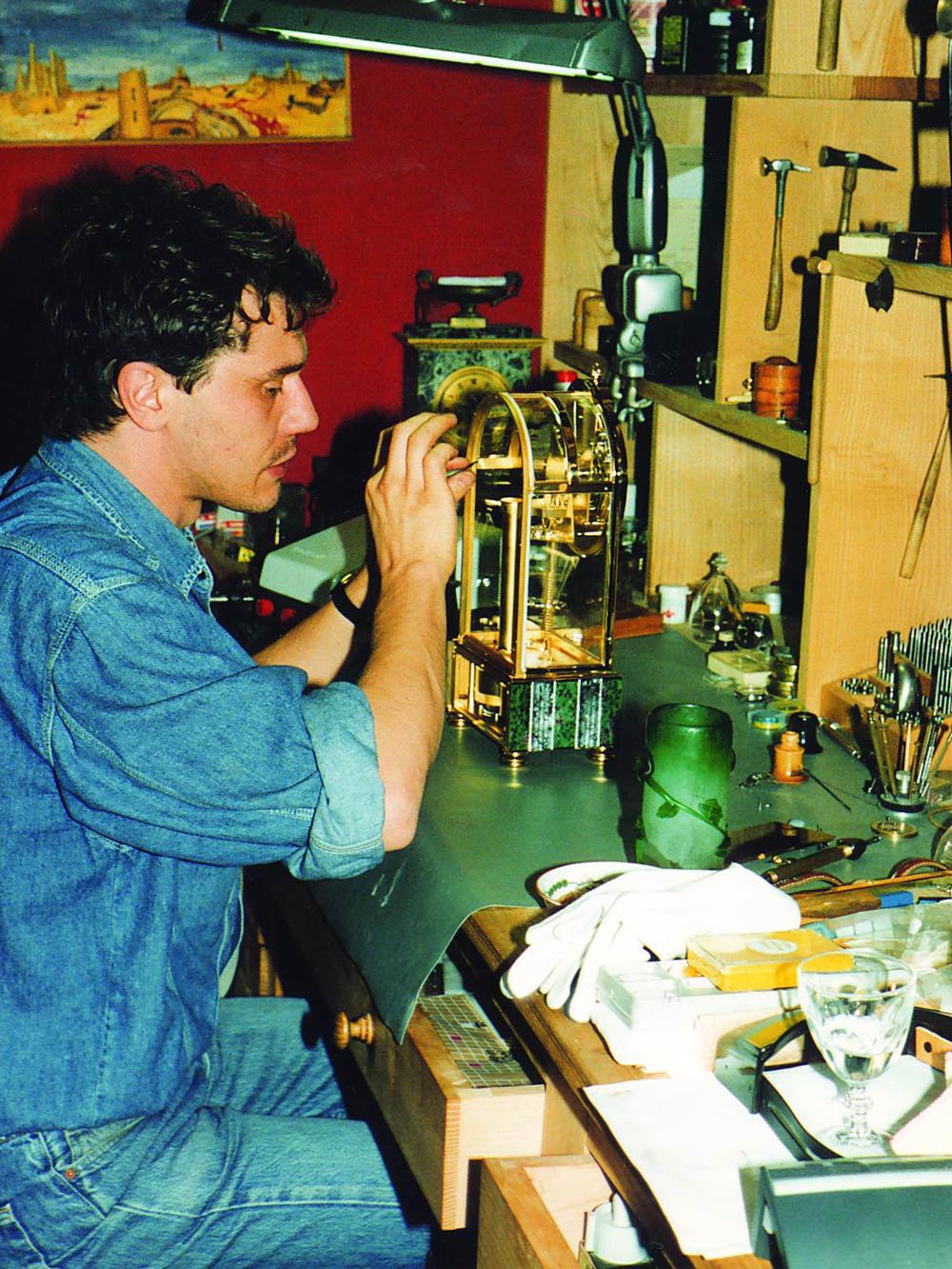
As a teenager from Marseille in the 1970s, he was sent to work with his uncle Michel in Saint-Germain-des-Prés after proving ill-suited to the routine of a local technical school.
That change of environment mattered.
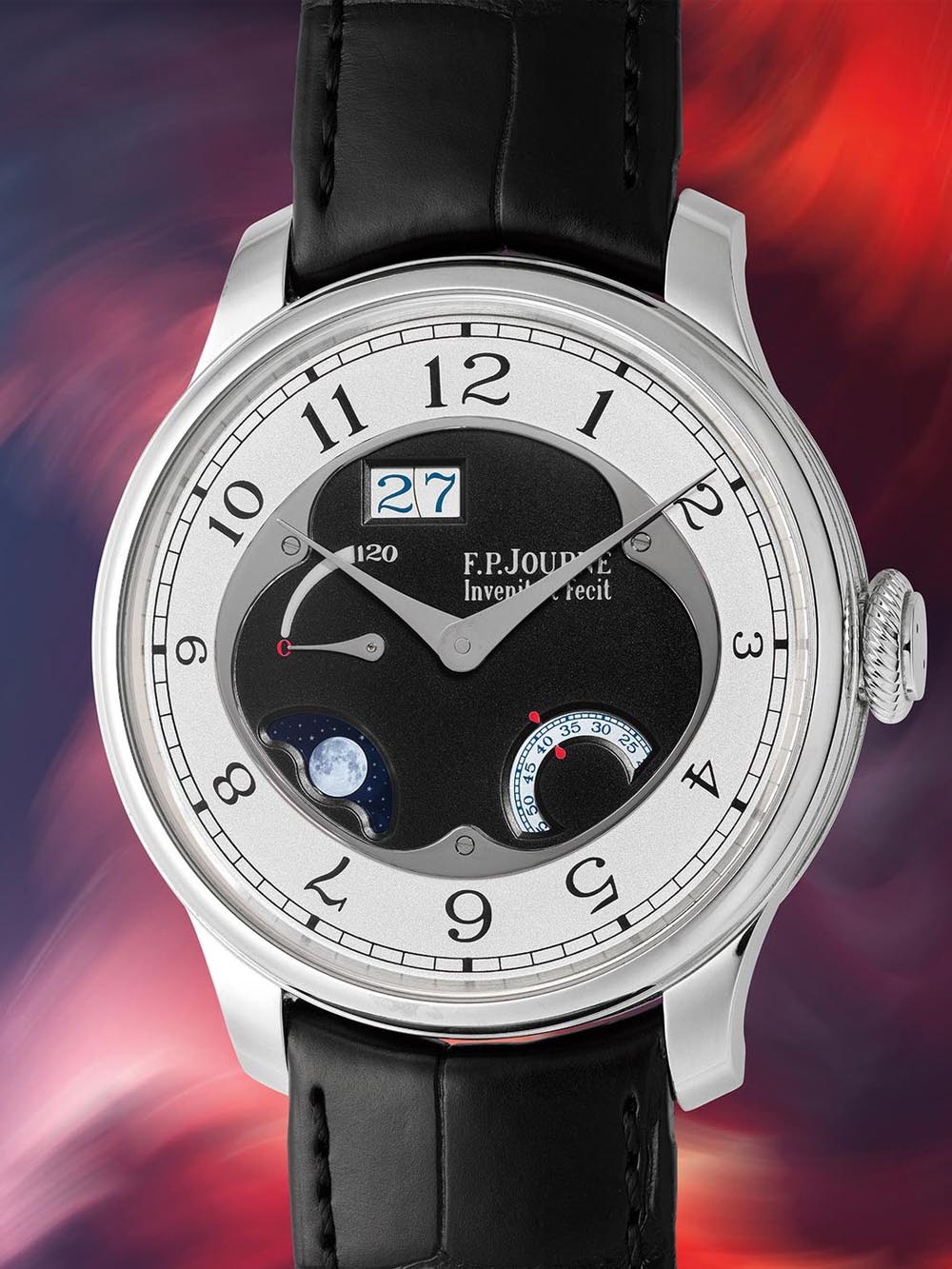
Michel was not merely repairing everyday watches, but restoring important historical pieces by names such as Abraham-Louis Breguet, Antide Janvier and Ferdinand Berthoud.
For a young watchmaker, dismantling antique marine chronometers and complicated pocket watches was a rare education in how the great minds of horology solved mechanical problems.
Journe later formalised his training at the École d’horlogerie de Paris, but the more decisive classroom was the workshop itself.

The habits formed there would shape the rest of his career, especially the conviction that a watch should be understood from the inside out.
A first tourbillon and a name on the dial
By his early twenties, Journe wanted a tourbillon pocket watch of his own.
Buying one was out of reach, so he began making one himself, fabricating the components and working through the problem piece by piece.
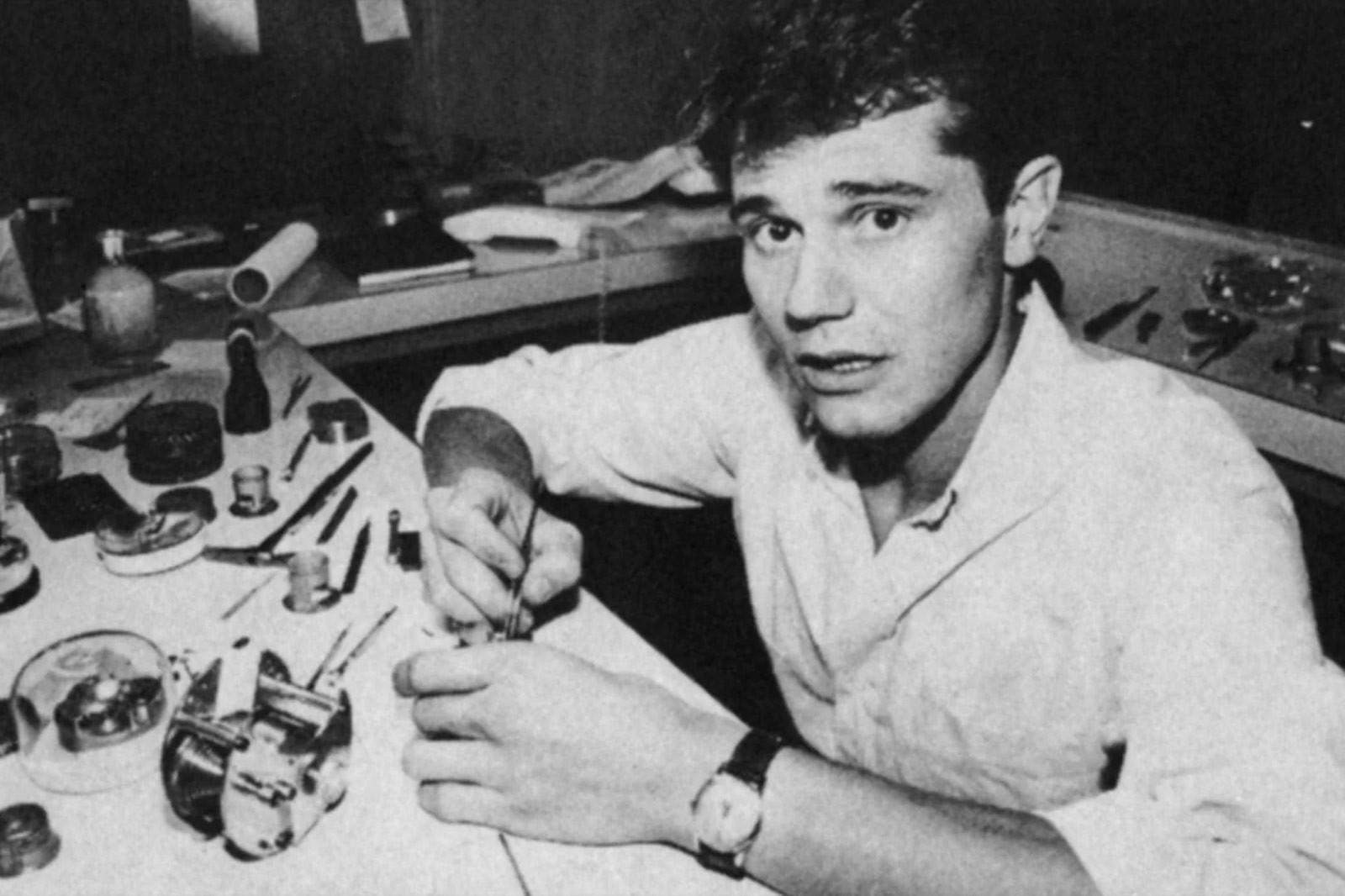
The project took five years and was completed in 1983.
That first tourbillon pocket watch was more than a youthful technical exercise.
It showed the scale of Journe’s ambition at a moment when independent watchmaking was not yet the cultural force it would become.
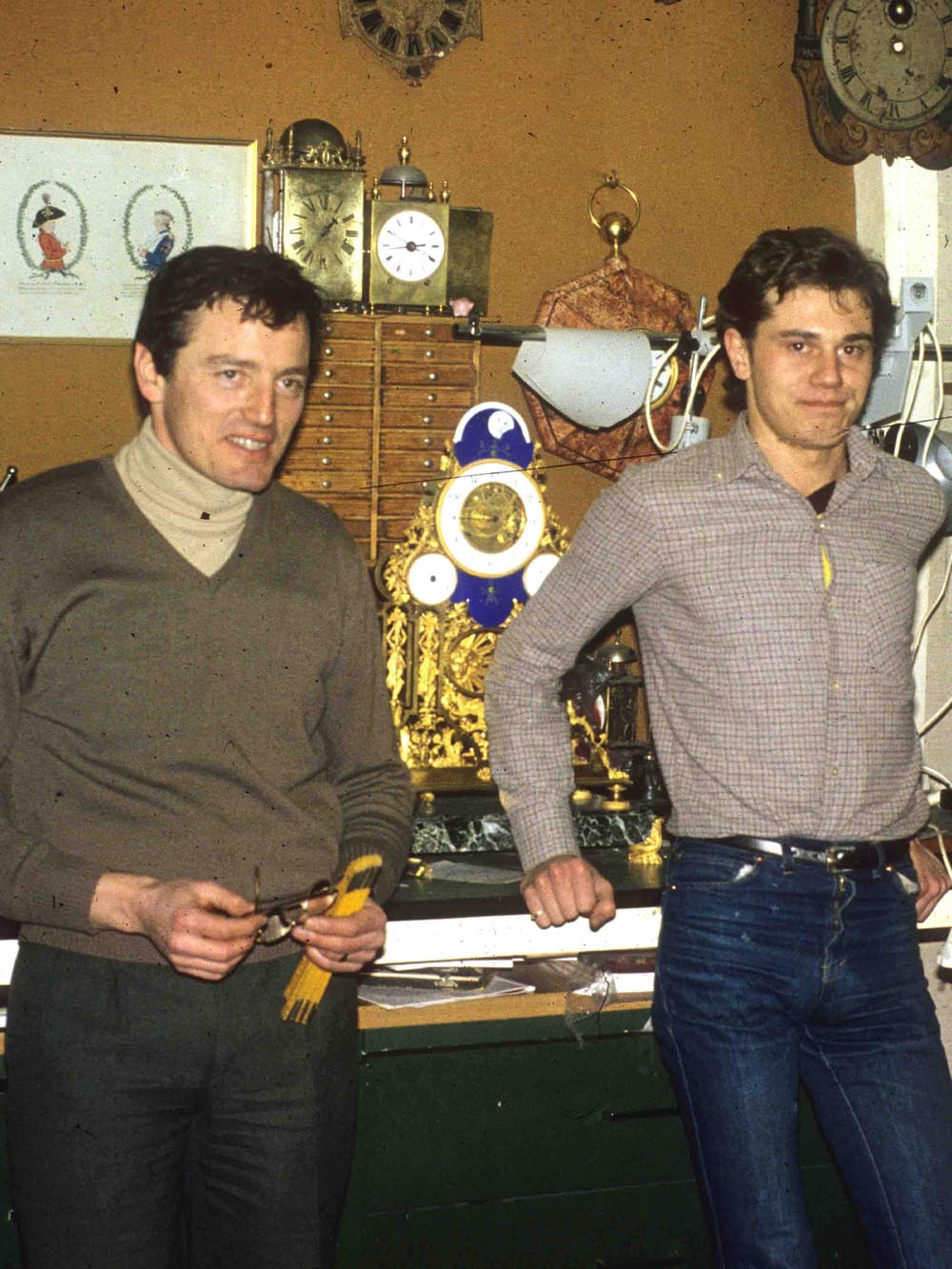
During the late 1980s and through the 1990s, Journe built complicated mechanisms and bespoke pieces for established luxury houses, with other names appearing on the dials.
The arrangement gave him work, but it also sharpened a frustration that would become central to his identity.
In 1999, he launched Montres Journe SA and put his own philosophy in plain sight with the Latin phrase “Invenit et Fecit,” meaning “he invented it and he made it.”
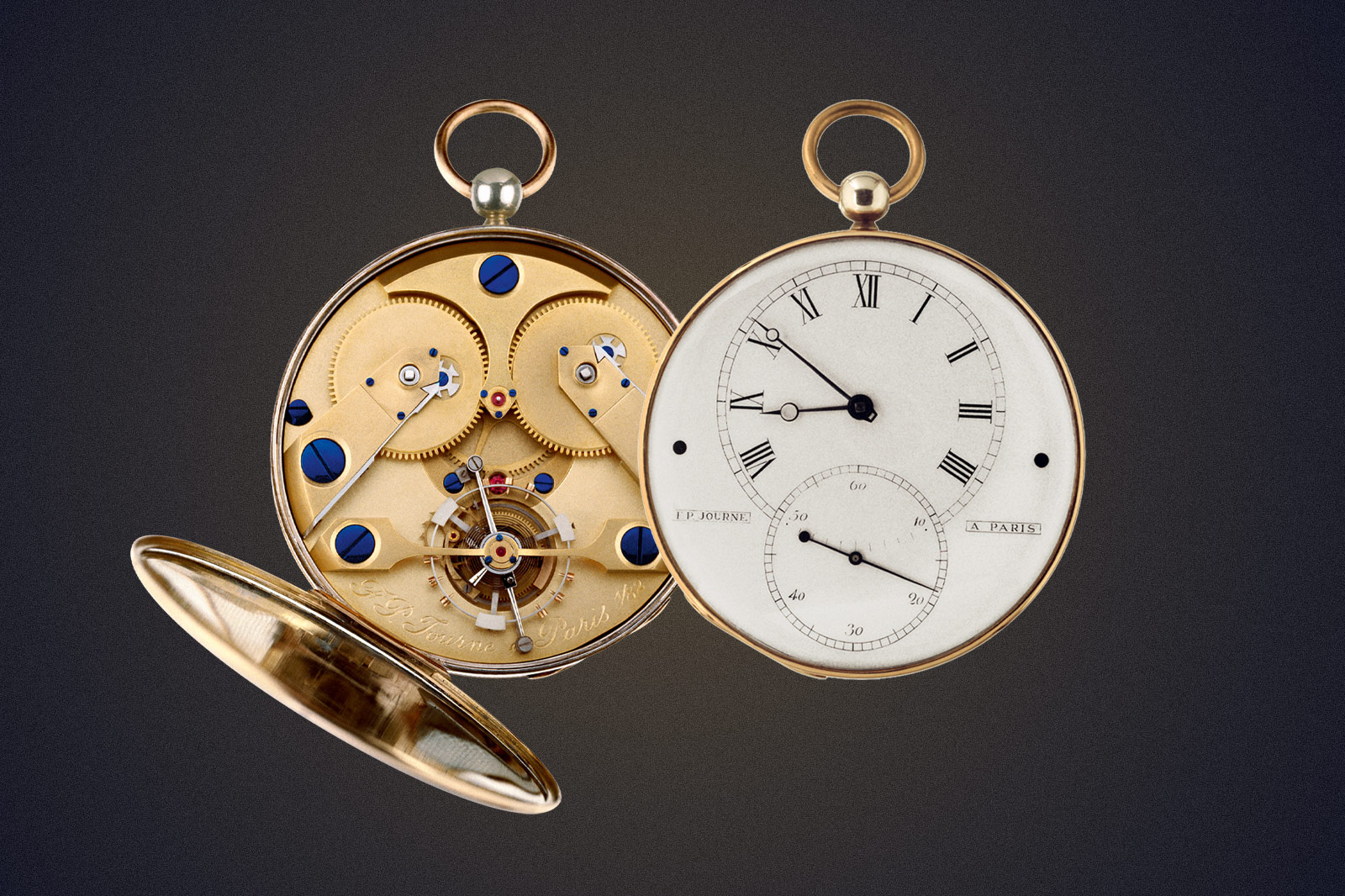
It was not just branding.
It was a declaration that design, invention and execution belonged together.
Tourbillon Souverain and the pursuit of constant force
To finance the early business, Journe used the souscription model associated with Breguet, inviting early clients to pay in advance for watches that had not yet been completed.
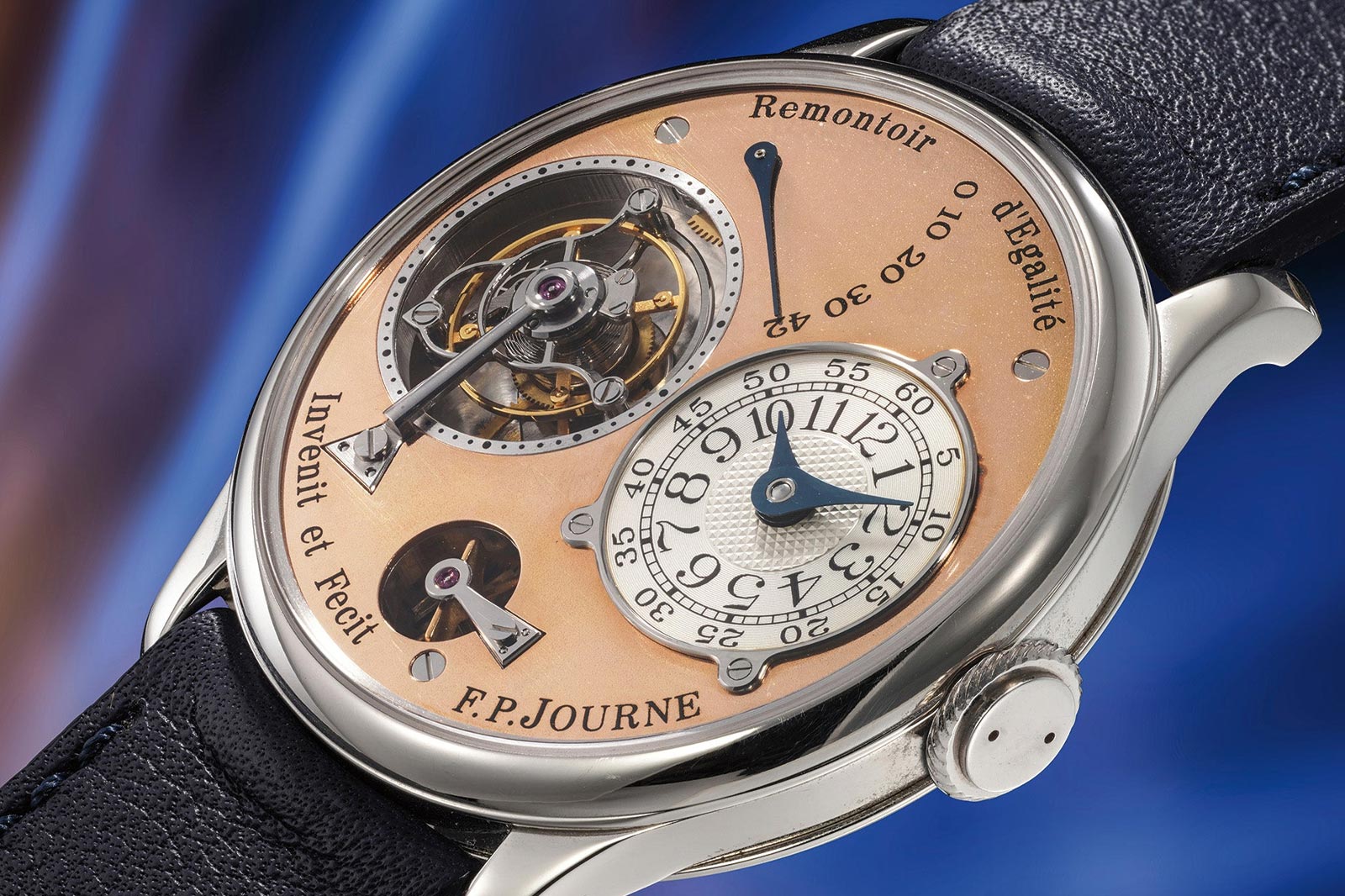
The result was the Tourbillon Souverain, the watch that placed F.P. Journe firmly in the conversation around contemporary high horology.
Journe approached the tourbillon not as a visual performance alone, but as a chronometric instrument.
His concern was the way a mainspring loses energy as it unwinds, causing changing levels of force to reach the escapement.
The answer was the remontoire d’égalité, a constant-force mechanism positioned near the escapement.
Rather than allowing the mainspring’s changing power to act directly on the balance, the remontoire stores and releases energy in controlled, regular pulses.
In practical terms, it helped give the Tourbillon Souverain a seriousness that separated it from tourbillons designed mainly to be admired through an aperture.
For collectors, that distinction is still important.
Resonance, gold movements and the Octa idea
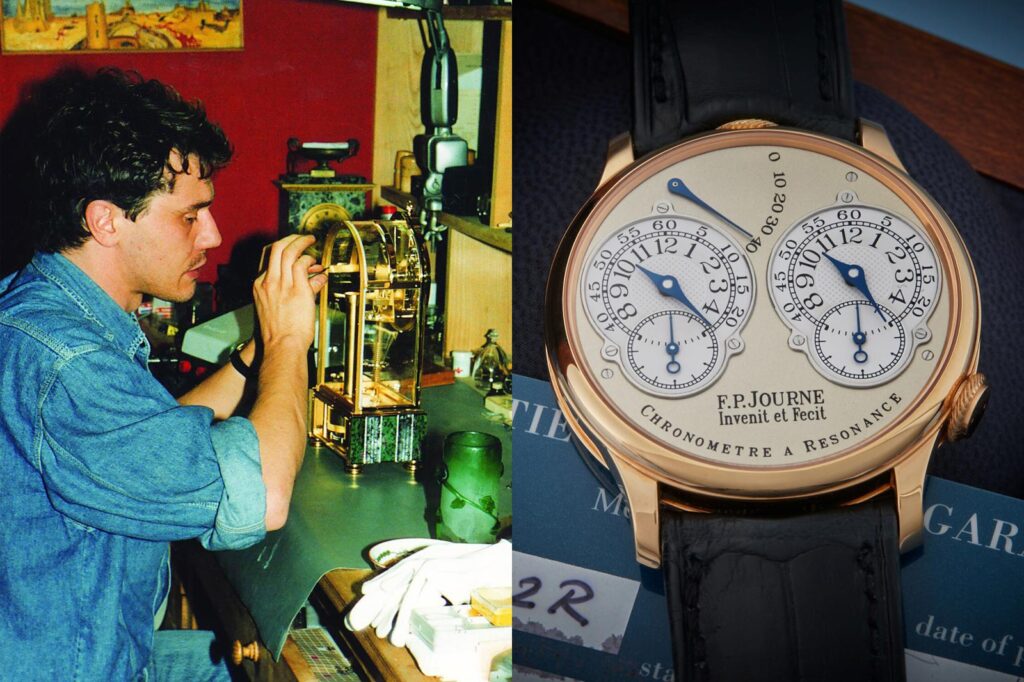
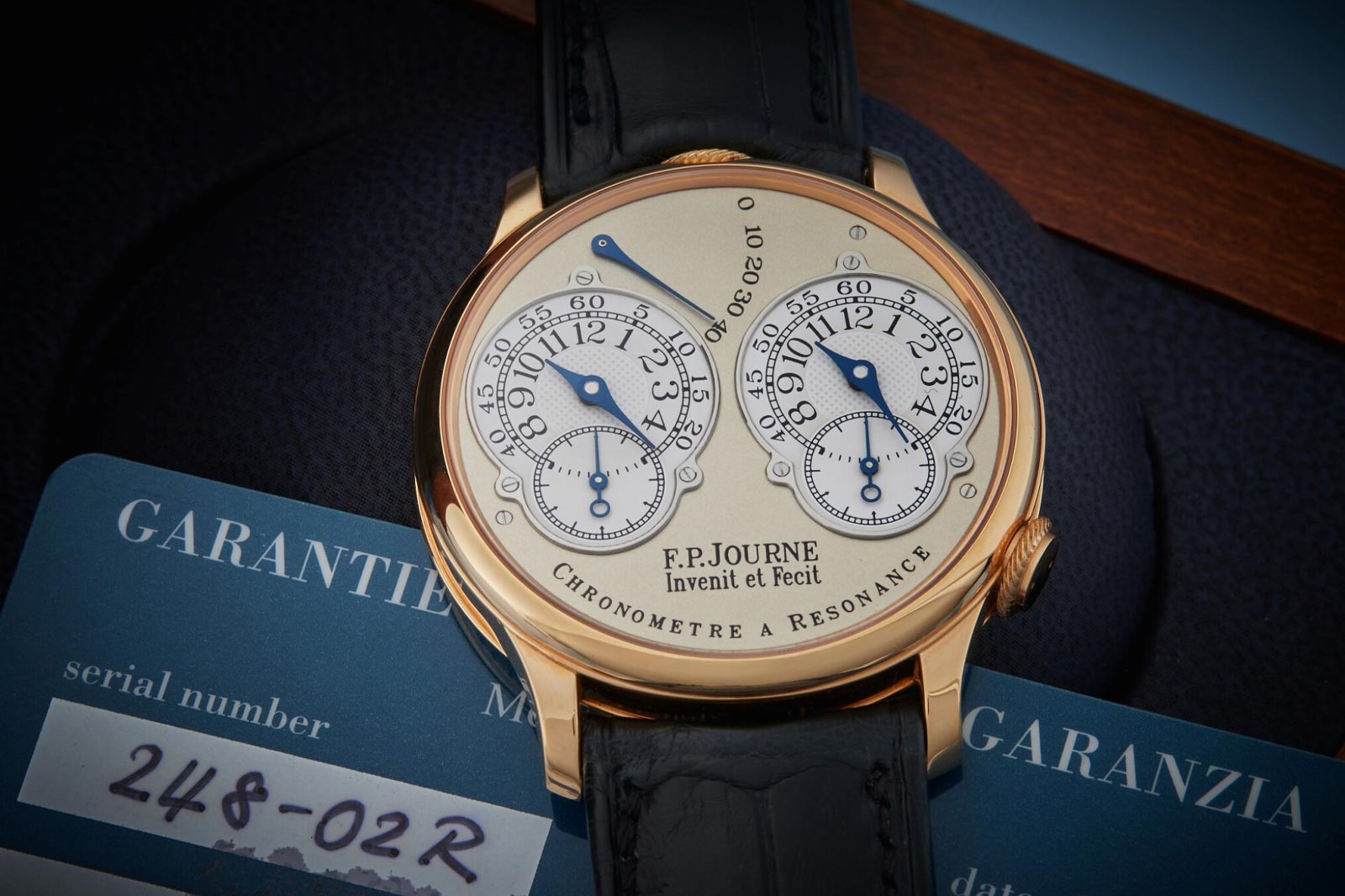
If the Tourbillon Souverain announced Journe’s arrival, the Chronomètre à Résonance made his ambitions impossible to ignore.
Introduced in 2000, it revisited the phenomenon of resonance that had fascinated earlier masters including Breguet and Janvier.

The principle had been explored in clocks, where two pendulums placed close together could influence each other and eventually beat in synchrony.
Journe translated that idea into a wristwatch by using two independent balance wheels placed extremely close together.
As they beat, the balances interact through tiny vibrations and energy transfer, encouraging a synchronised rhythm that can help correct minute rate variations.
It remains one of the defining watches of the independent era because it turns a historical scientific idea into a wearable mechanical object.
Journe’s appetite for difficult choices extended beyond visible complications.
In 2004, he began making movement plates and bridges in 18ct rose gold rather than the more common rhodium-plated brass or German silver.
Gold is difficult to machine cleanly because of its softness, but the result is unmistakable through a caseback.
The warm metal gives F.P. Journe movements a visual identity as strong as their technical one.
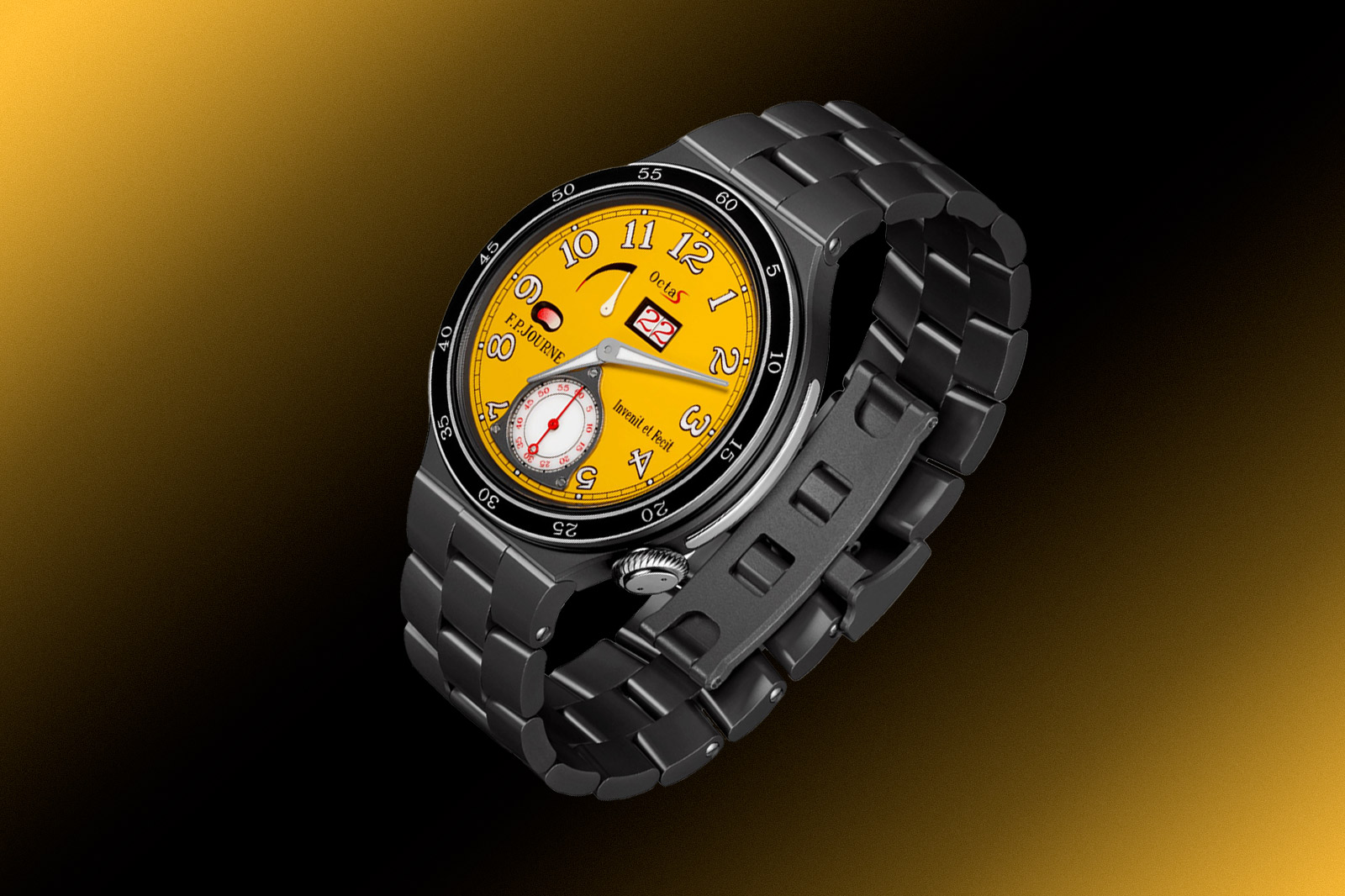
The Octa calibre added another important chapter.
Designed with a 120-hour power reserve, the calibre used an ultra-thin base architecture with room reserved for different complications, including chronograph, moon phase and annual calendar executions.
That allowed the Octa watches to keep the slender profile and recognisable case proportions associated with the brand while supporting a wider family of functions.
Why F.P. Journe matters to collectors
F.P. Journe appeals because it feels unusually authored.
The watches carry a consistent way of thinking, from the asymmetrical dial layouts to the mechanical decisions hidden beneath them.
They also sit at the meeting point between historical horology and modern independence.
Journe borrows questions from the past, then answers them in his own language rather than treating heritage as a costume.
That is why his work attracts collectors who care about more than rarity or status.
The attraction is in the combination of intellectual conviction, technical risk and a recognisable hand behind the machine.
In a watch world often shaped by committees and inherited logos, François-Paul Journe’s greatest achievement may be that his watches still feel like the work of one demanding, restless mind.