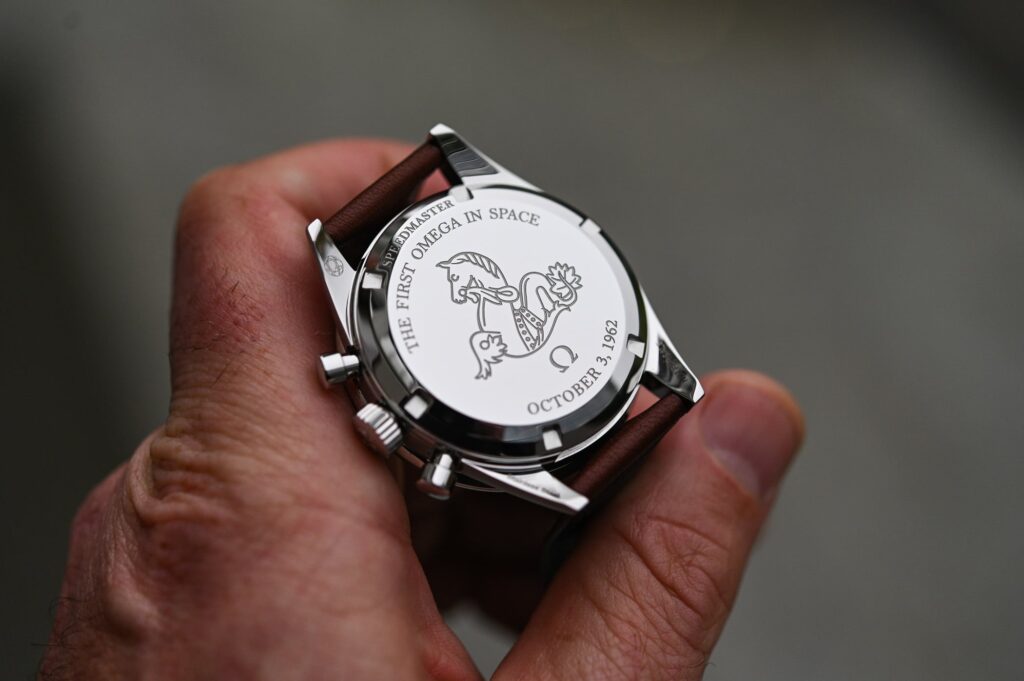
The back of a watch rarely gets the same attention as the dial, yet it’s one of the most important parts of the case.
It protects the movement, controls access for servicing, helps determine water resistance and, in modern watchmaking, can turn the mechanism into part of the visual experience.
From hinged lids on early pocket watches to screw-down systems and sapphire display backs, the caseback tells a quiet story about how watches became tougher, slimmer and more technically refined.
At a glance
- Watch casebacks range from simple snap-on covers to threaded, clamped, display and fully integrated designs.
- The attachment method affects water resistance, case thickness, service access and how securely the movement is protected.
- The evolution of the caseback is closely tied to the rise of waterproof wristwatches and modern movement display.
From hinged covers to early protective cases
The earliest portable timekeepers didn’t have casebacks in the modern sense.
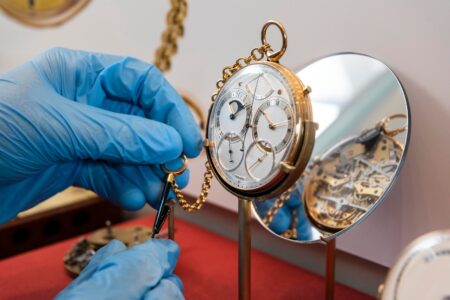
Early 16th-century Nuremberg Eggs, more small clocks than wrist-ready watches, used hinged metal lids that gave access to the movement while offering only basic protection from dust and moisture.
Those lids were practical because winding, setting and servicing required regular access to the mechanism.
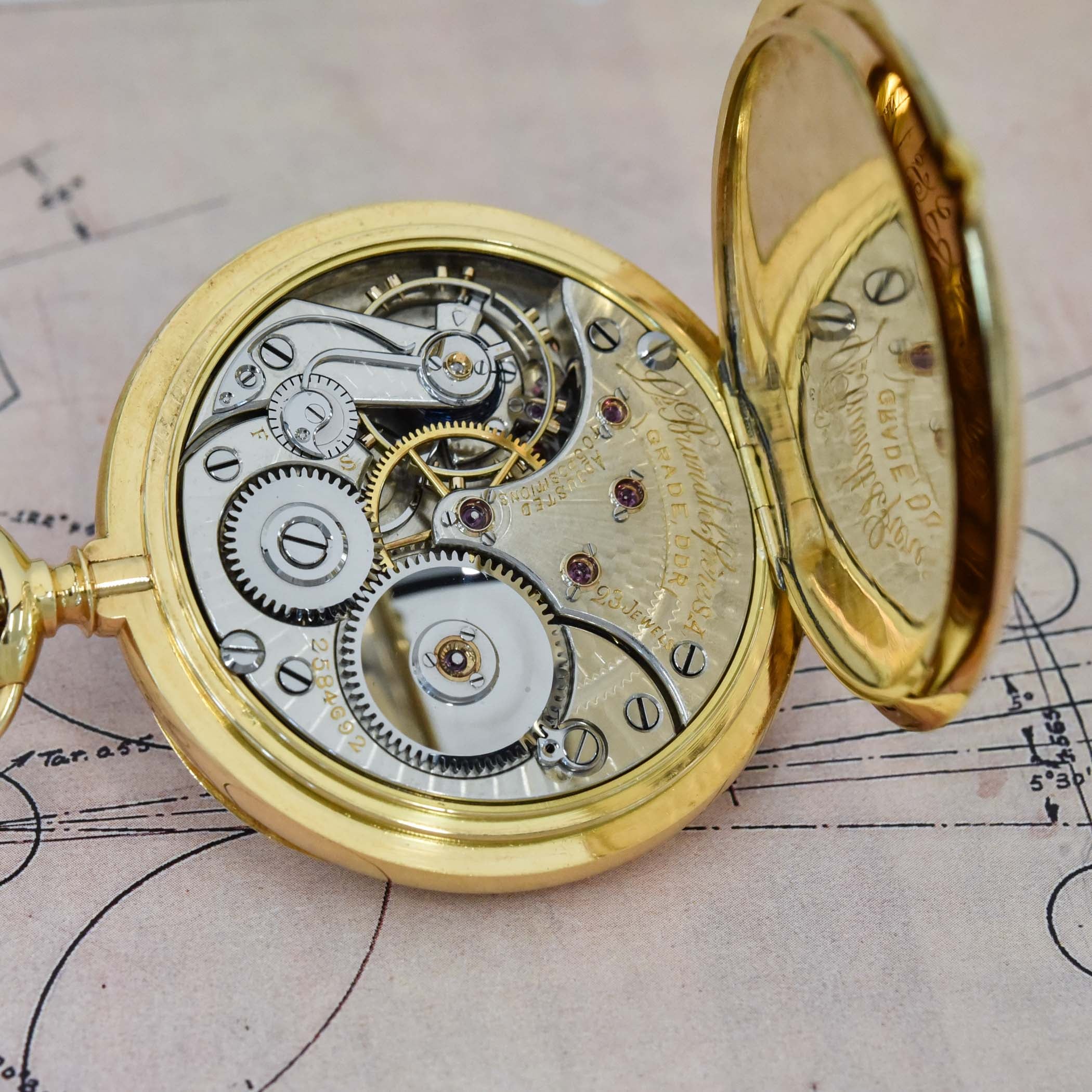
As pocket watches became thinner and more refined, hinged backs remained common, often paired with front covers that protected the dial and crystal.
The hunter pocket watch, developed in England in the early 19th century, added a spring-loaded metal cover over the glass to guard against damage during riding and hunting.
Double hunter cases went further, with covers front and back, while some watches used an additional inner rear cover known as a cuvette.
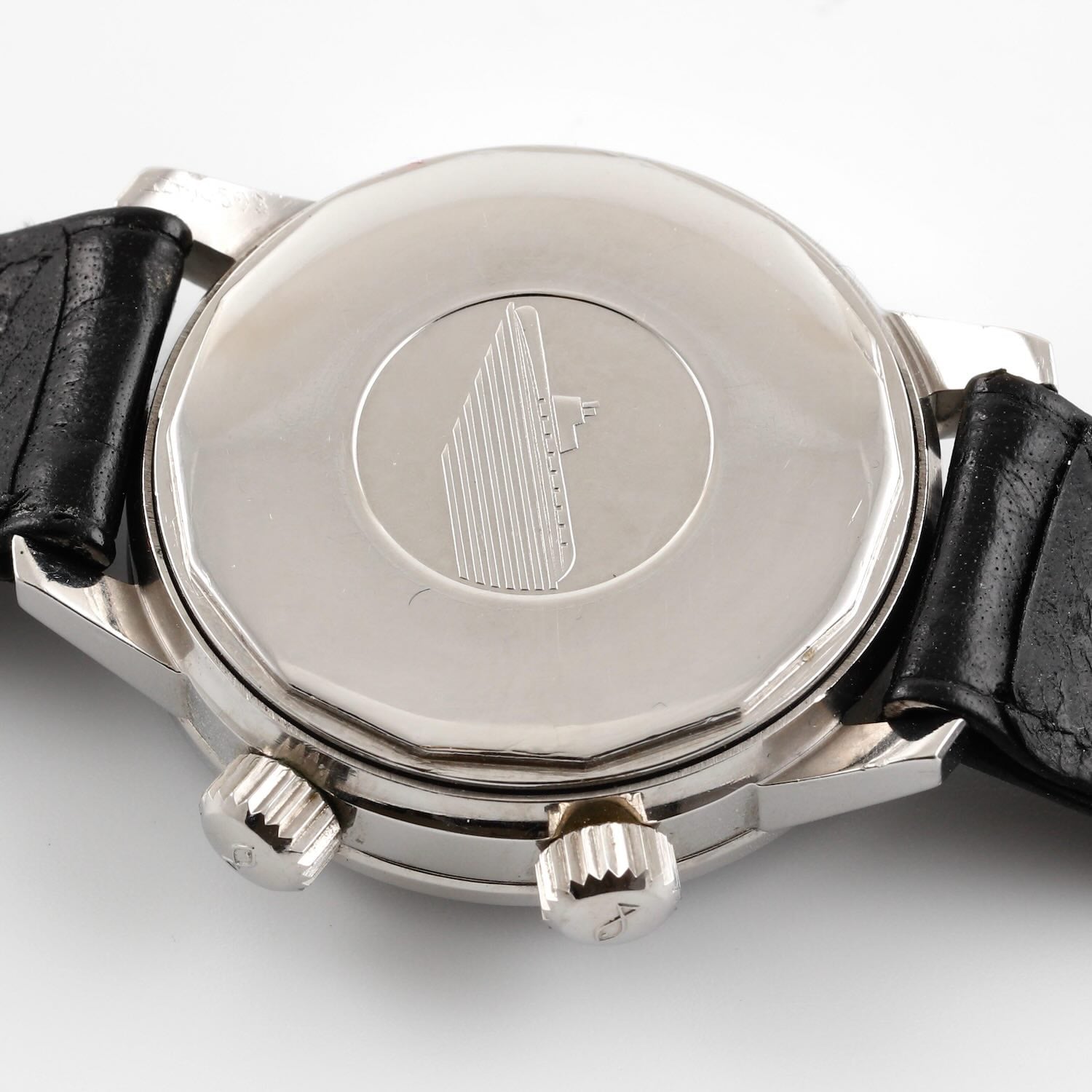
Before keyless stem winding became commercially established in the 1850s, easy access was more than a convenience.
Owners often needed to open the case to wind or set the watch, which explains why early designs were built around accessibility rather than sealed performance.
Snap-on backs and the search for slimmer protection
The snap-on caseback marked a shift toward a more secure and compact watch case.
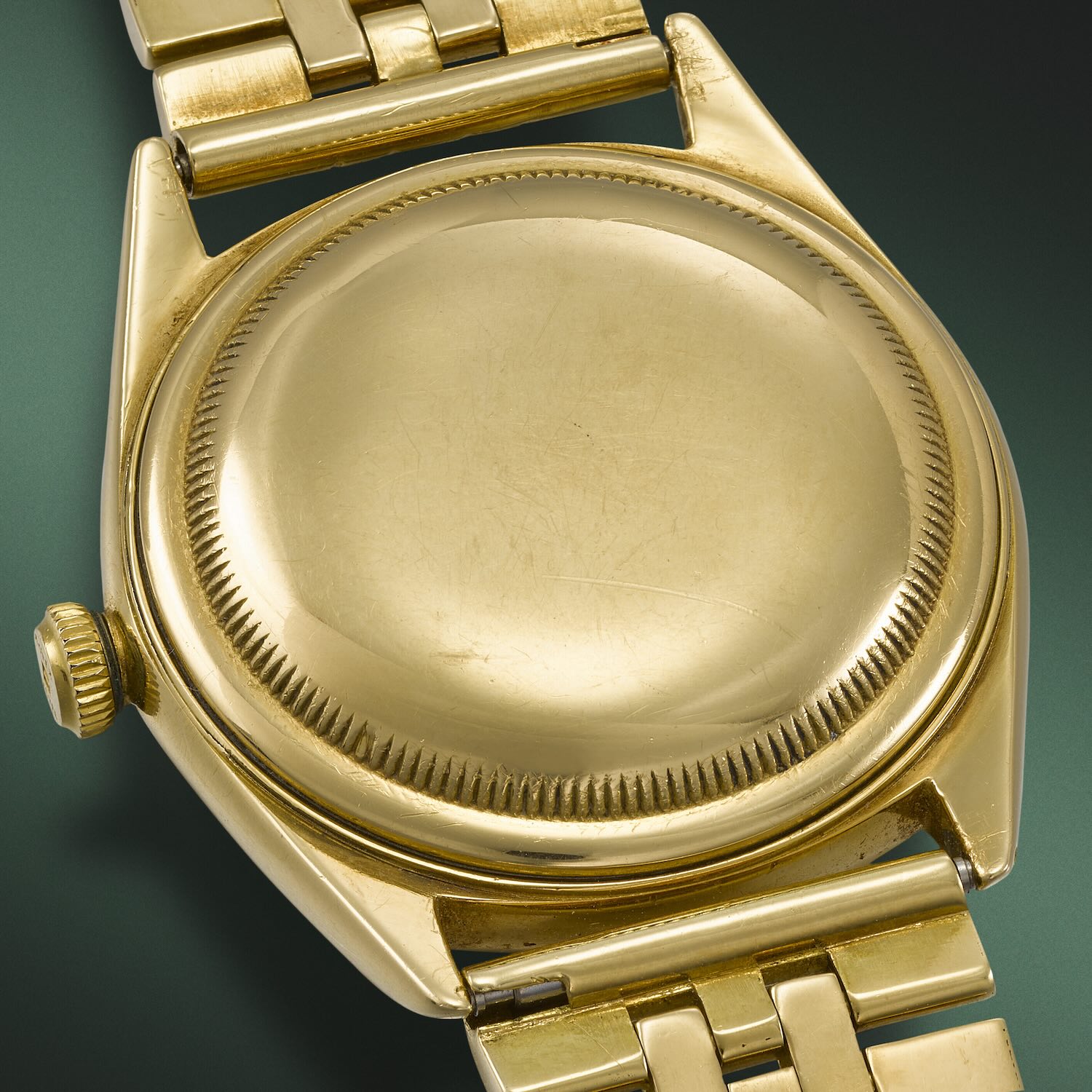
Instead of hinging open for regular use, the back was pressure fitted into place and removed mainly for service or repair.
This construction helped keep dust away from the movement and reduced the risk of accidental opening.
It also allowed watchmakers to build thinner cases, a major advantage as wristwatches moved away from their pocket-watch roots.
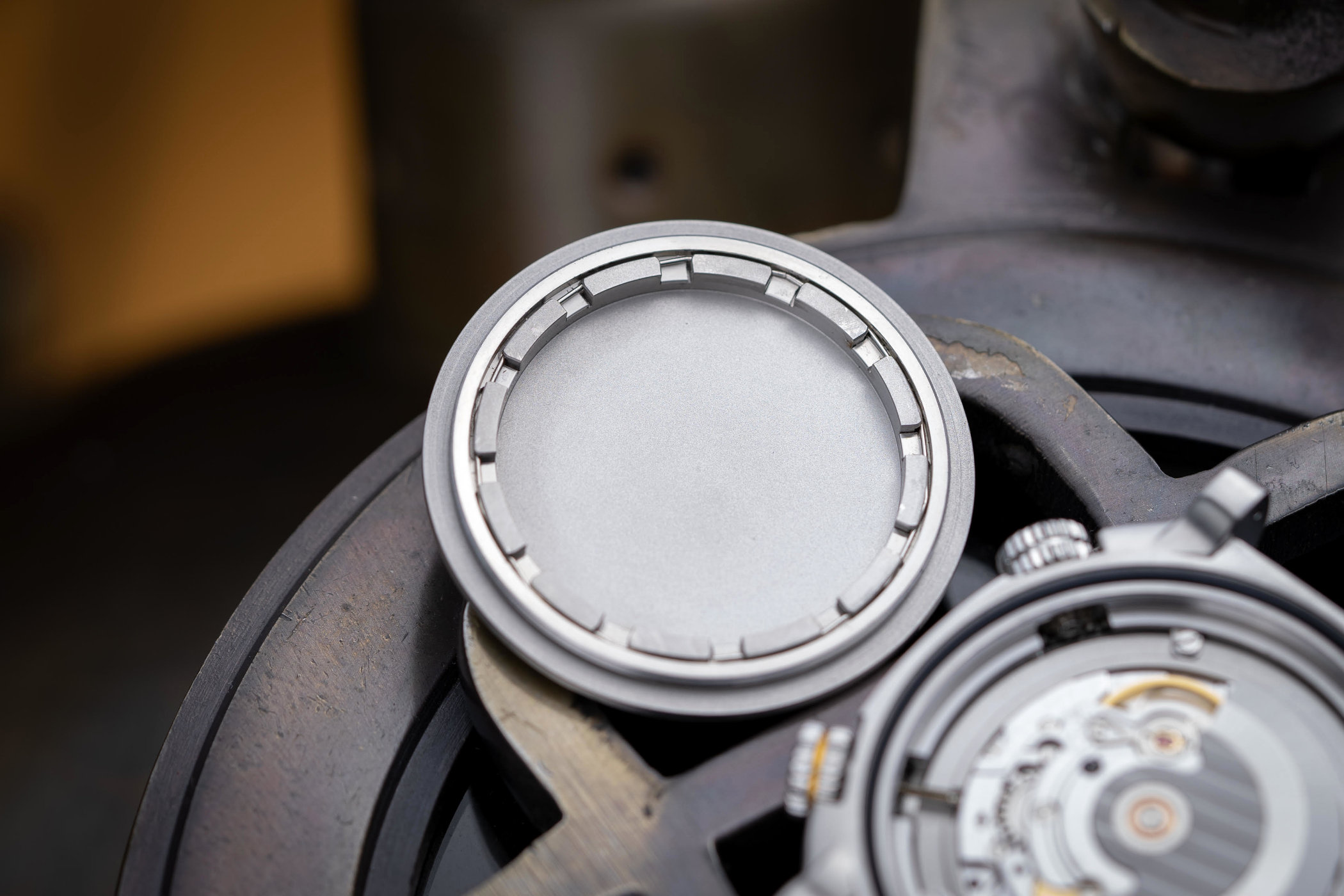
A well-executed snap-on back can still be useful today, especially on dress watches where elegance and slimness matter more than serious aquatic capability.
With the right seal, some modern snap-on cases can handle everyday splash resistance, though they aren’t the typical choice for demanding dive-watch architecture.
Threaded casebacks changed water resistance
The threaded caseback was one of the decisive steps in making watches more durable.
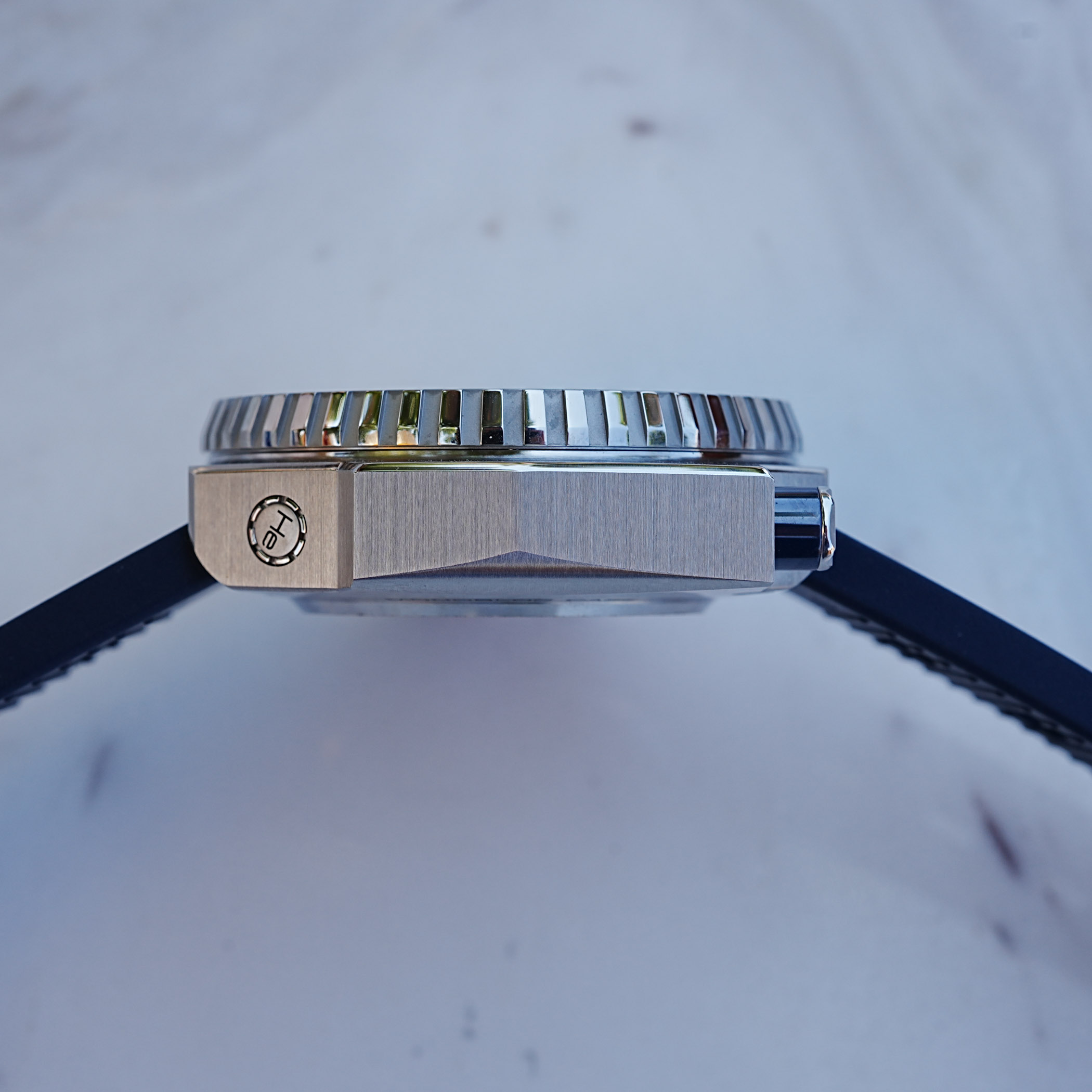
By screwing into the case, the back could compress a seal more effectively than a simple pressure-fit design.
American watchmaker Aaron L. Dennison patented a threaded caseback in 1872, and by the late 19th century similar ideas were appearing in pocket watches that needed better protection from water and dust.
Swiss case maker François Borgel helped push threaded construction further, influencing both pocket watches and early wristwatches.
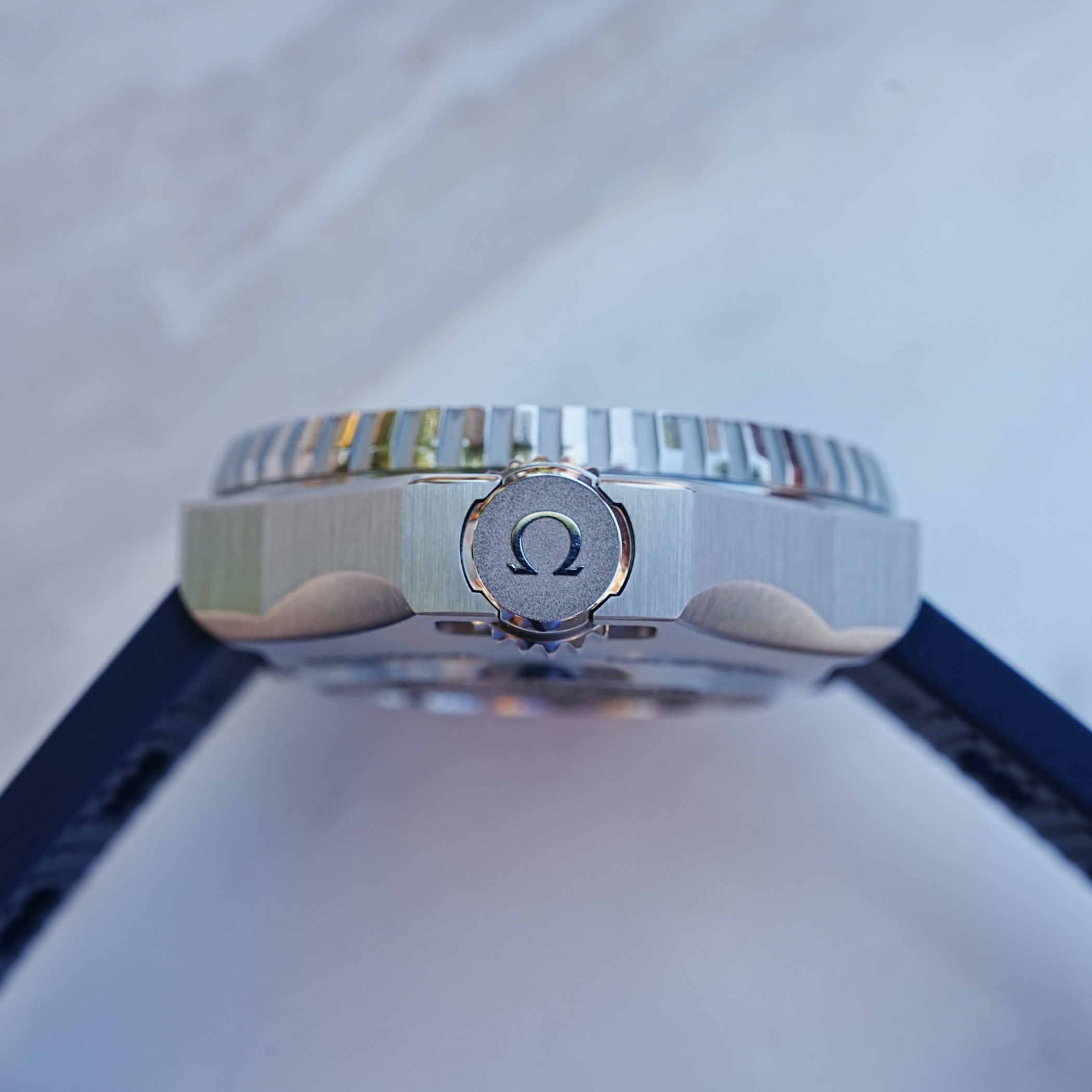
A sealed back alone wasn’t enough, though.
The crown and bezel also had to be brought into the same waterproof system, which is why screw-down crowns became so important in the 1920s.
Paul Perregaux and Georges Perret patented a screw-down crown in 1926, a development that Rolex founder Hans Wilsdorf quickly pursued while working on a more reliably sealed wristwatch case.
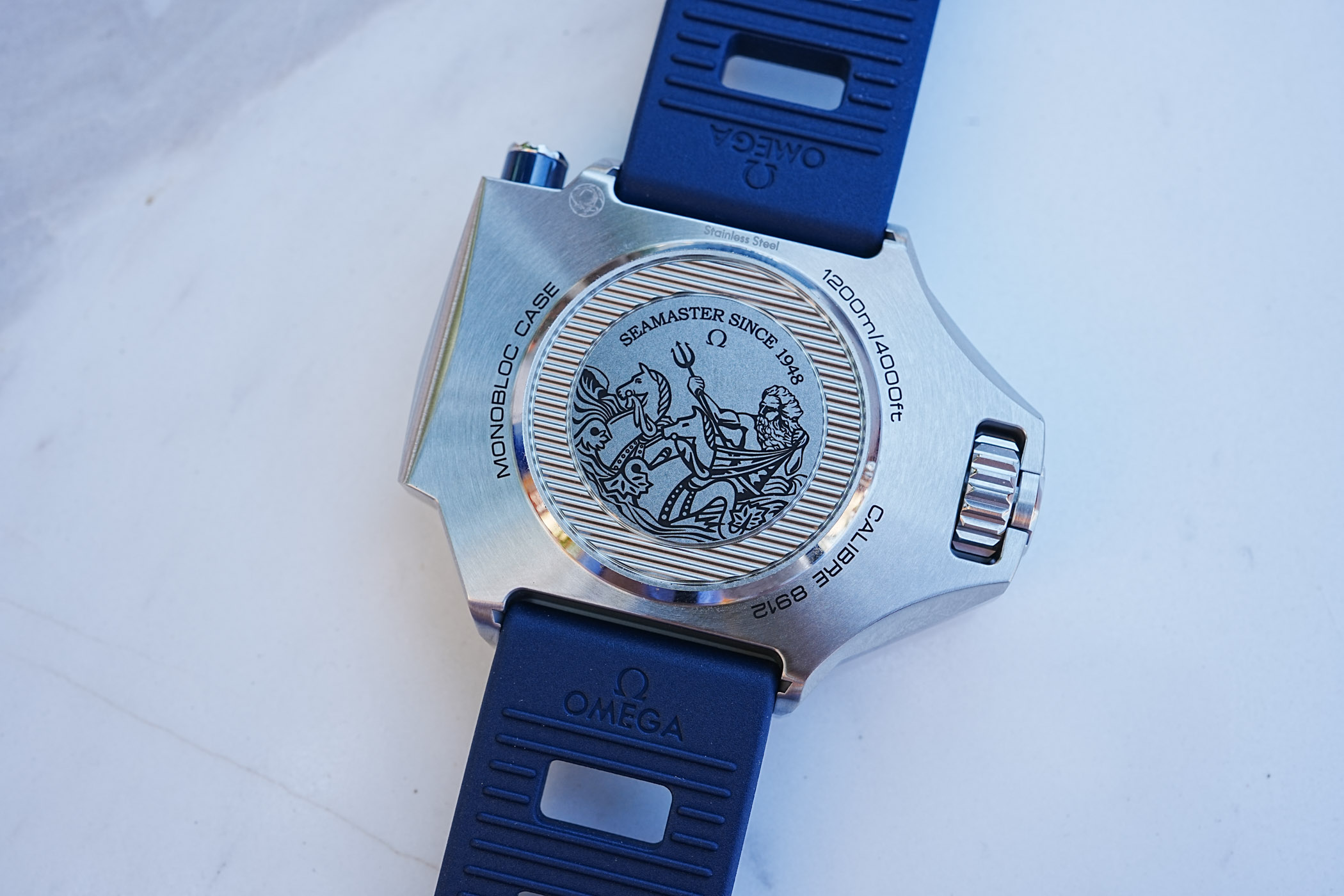
Rolex refined the idea and paired it with a screw-down caseback and bezel for the Oyster case, introduced in 1926.
The Oyster made the waterproof wristwatch a commercial reality and gave the threaded caseback a lasting role in sports-watch design.
Its credibility was strengthened in 1927 when Mercedes Gleitze swam the English Channel with a Rolex Oyster worn on her wrist for the crossing.
Display backs and modern case architecture
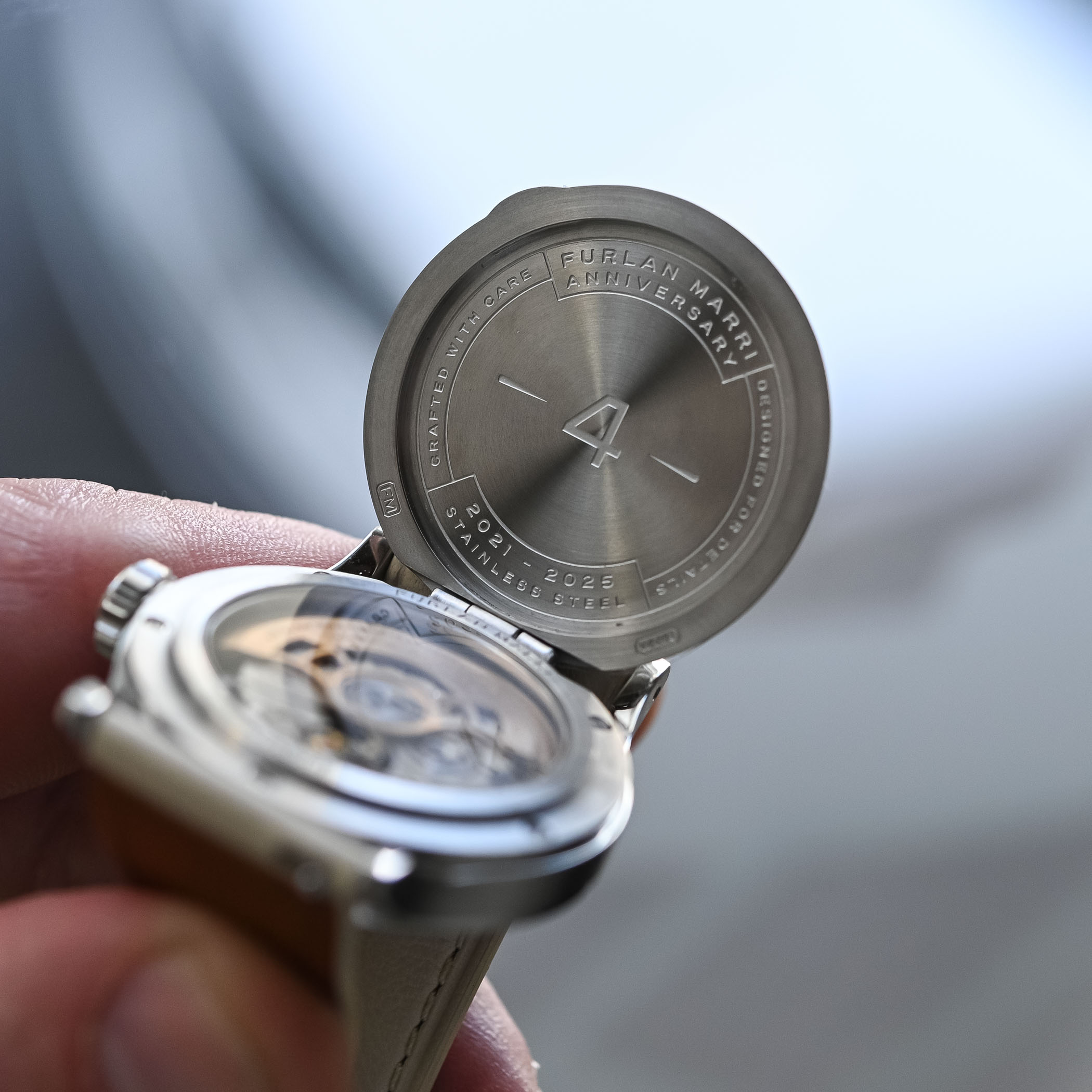
Today, the caseback is no longer only a service hatch.
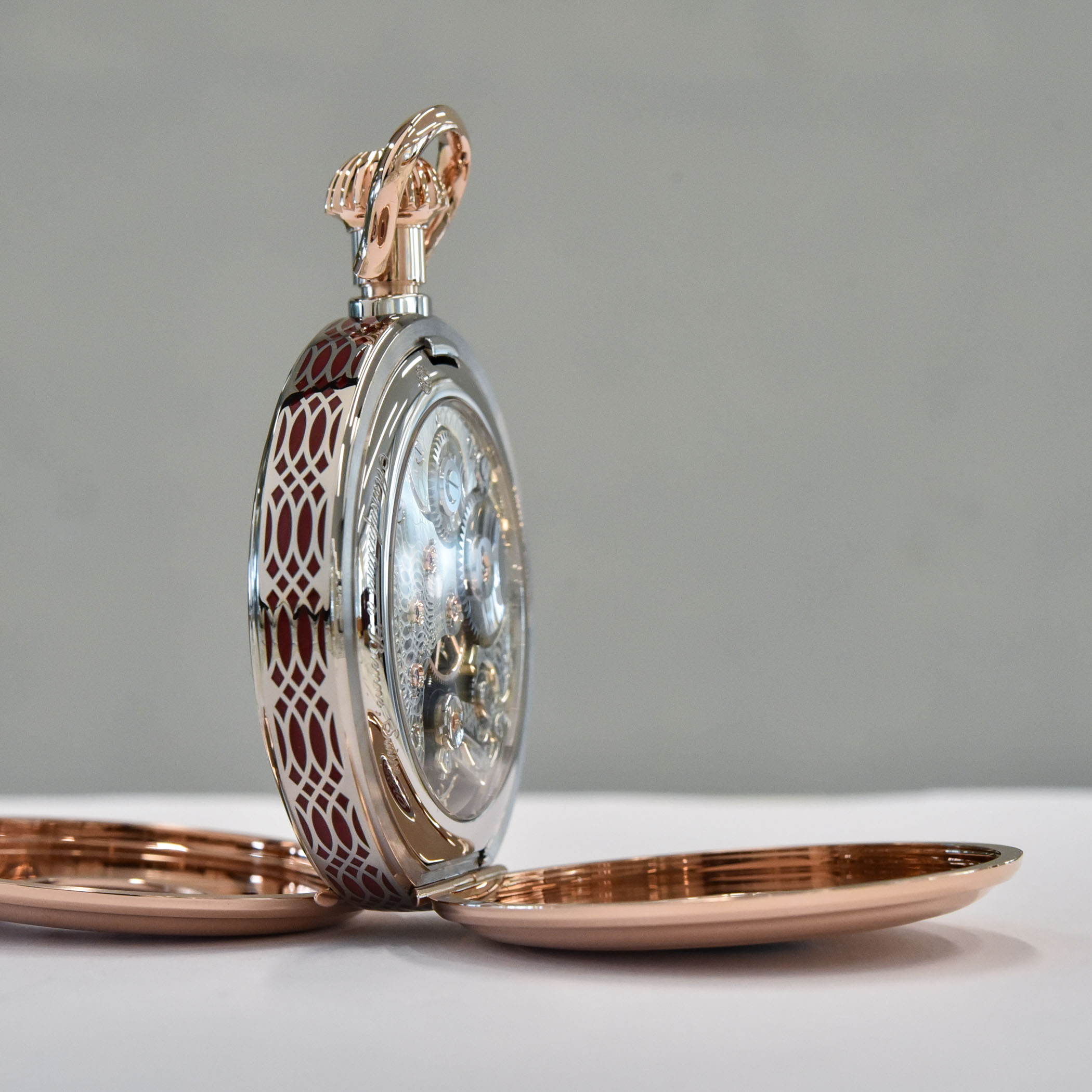
On many fine watches, a sapphire display back frames the movement and turns bridges, finishing, rotors and complications into part of the ownership experience.
The idea is simple, but the execution is not.
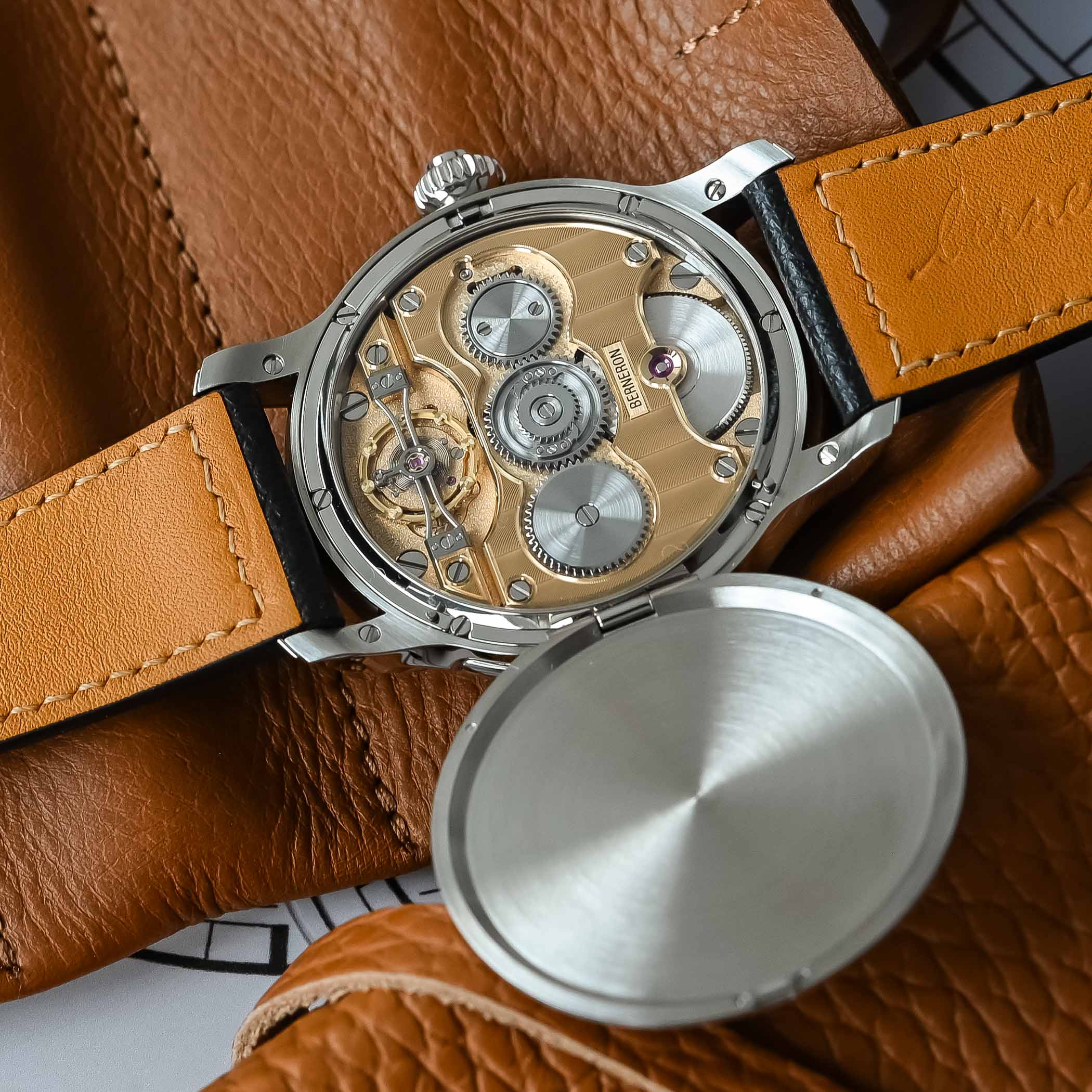
A display back must still preserve the structure of the case, maintain the required sealing and hold a transparent panel securely without compromising serviceability.
Materials add another layer of complexity.
Casebacks often match the case metal, but they don’t always follow that rule, especially when the case is made from bronze or ceramic and a steel or titanium back is more practical against the skin or better suited to the construction.
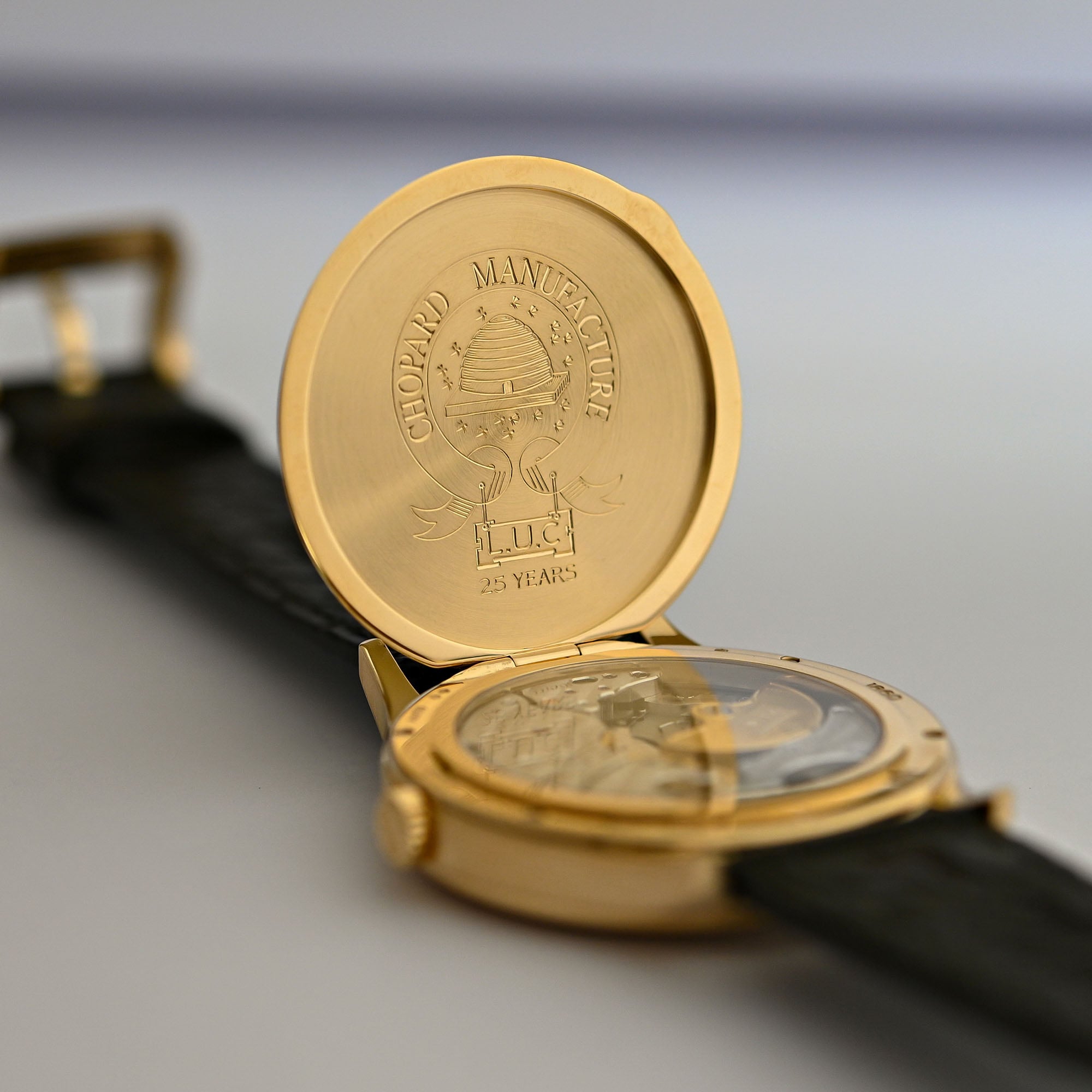
Some backs are clamped rather than threaded, a design that became popular in the 1930s.
In this system, screws secure the back through the lugs and compress the case against a gasket, provided the screws are tightened evenly.
Integrated cases take the idea in another direction by making the back part of the case itself.
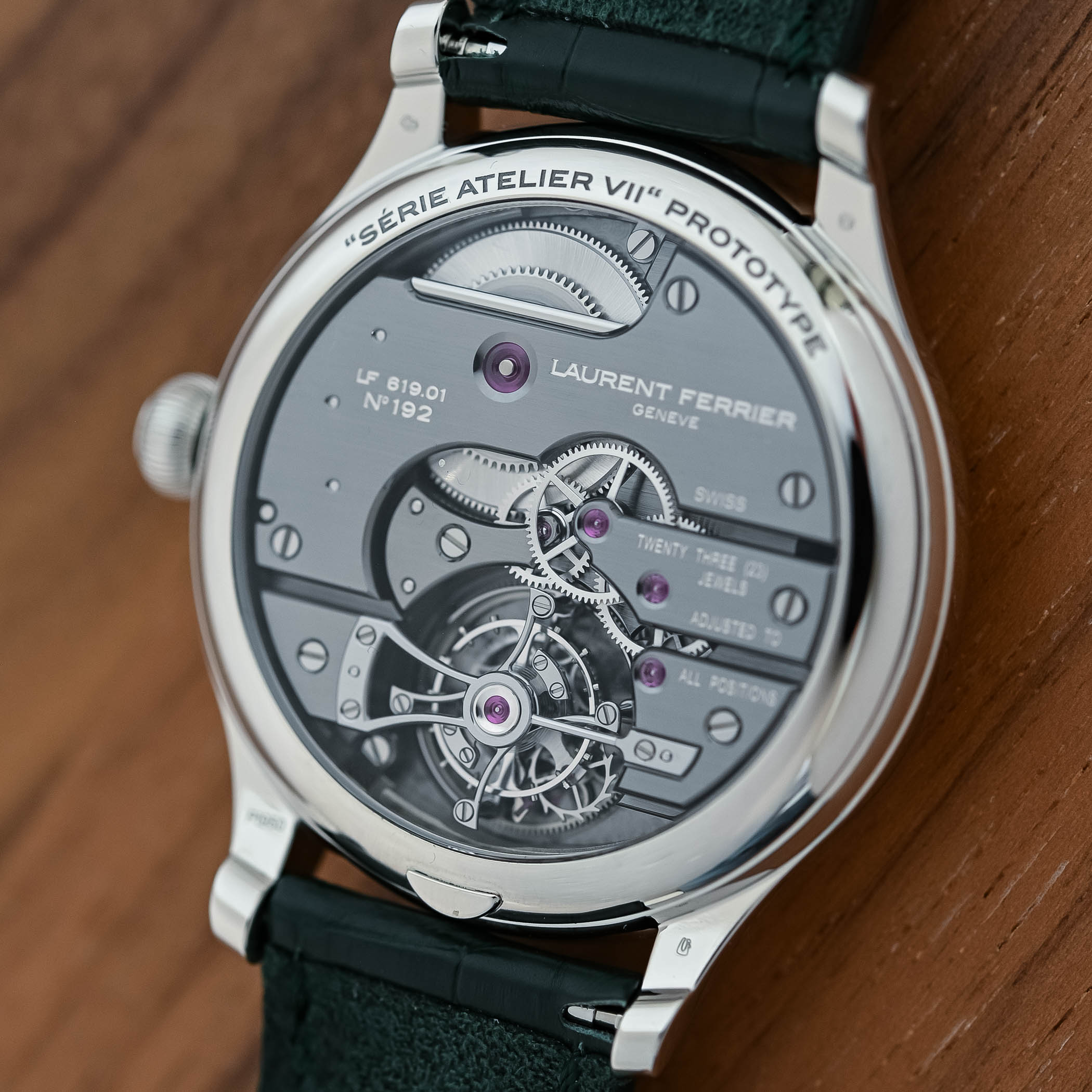
This can create a stronger or cleaner construction, though it also changes how a watchmaker accesses the movement for servicing.
The caseback as a sign of intent
A caseback reveals what a watch is trying to be.
A slim snap-on back often points toward elegance and restraint, while a deeply threaded back usually signals robustness and water resistance.
A sapphire back tells you the movement is meant to be seen.
A solid back may be chosen for engraving, strength, magnetic shielding, comfort or simply because the watch’s character is better served without a window.
The Rolex Oyster Perpetual of 1931 also showed how the caseback could adapt to a changing movement.
Its automatic winding system needed extra space for a full rotor, leading to the rounded Bubbleback profile that became one of the brand’s recognisable early wristwatch forms.
That’s the quiet importance of the caseback.
It sits out of sight for most of the day, but it shapes how a watch is built, worn, sealed, serviced and understood.