Rolex and Omega sit in a rare category of watch brands that are recognised well beyond the collecting world.
They both make serious mechanical watches, both have deep cultural reach and both have produced models that shaped the modern idea of a sports watch. The meaningful difference is less about which brand is “better” and more about what kind of ownership experience you want.
At a glance
- Rolex generally leads on prestige, desirability and pre-owned value, particularly for steel sports models.
- Omega stands out for technical credibility, strong historical moments and easier access at retail.
- For many buyers, Rolex is the status play, while Omega is the more practical value proposition.
Heritage, ownership and public image
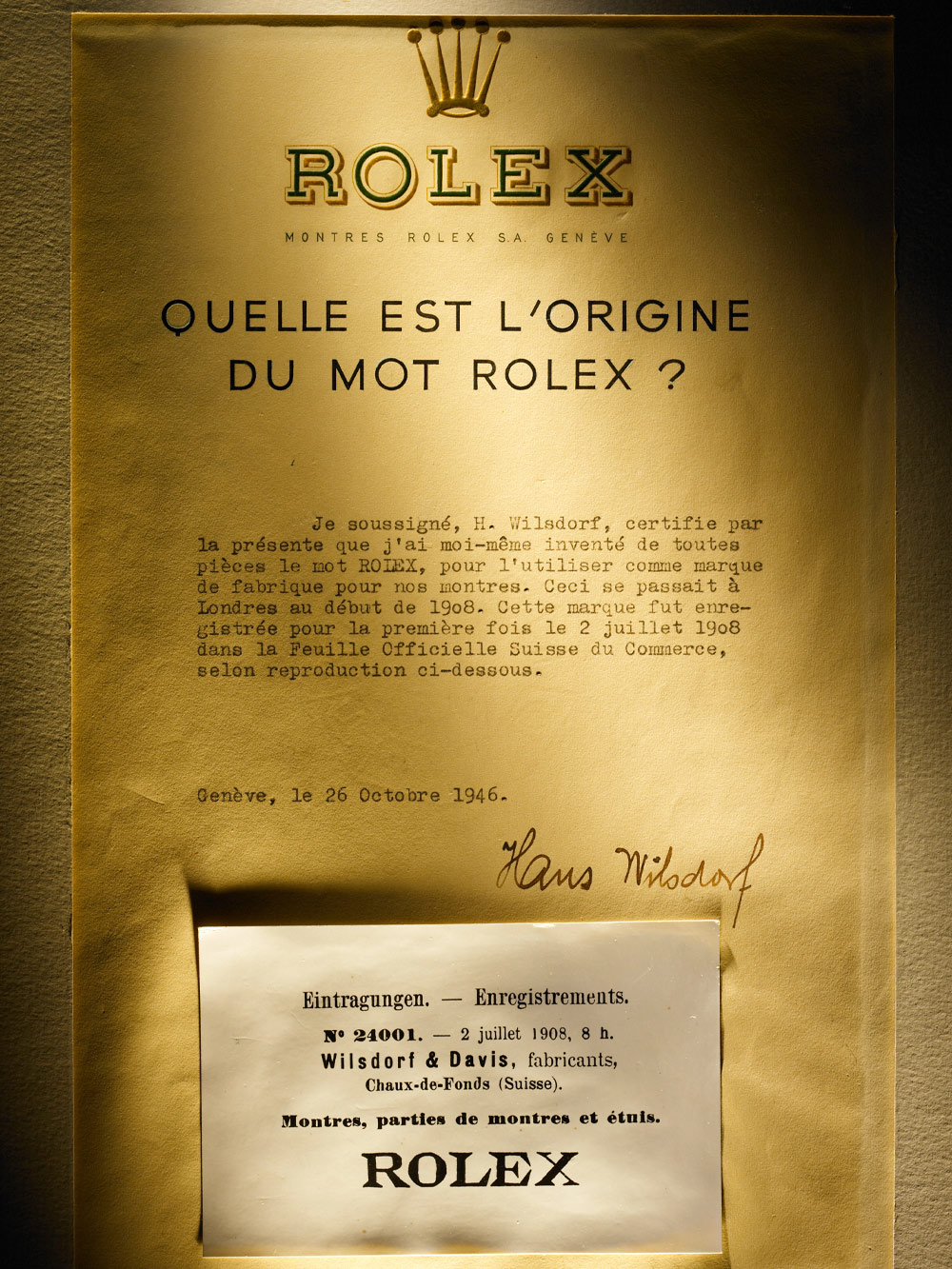
Rolex was founded in London in 1905 by Hans Wilsdorf before relocating to Geneva in 1919.

That early London address matters because Rolex was built as much around commercial instinct as watchmaking discipline, with Wilsdorf understanding that the future of the wristwatch depended on trust, visibility and a name people could remember.
Omega’s roots go back further, to Louis Brandt’s workshop in 1848.
The Omega name arrived in 1894 with a new calibre of the same name, and by 1903 the company had become the largest manufacturer of finished watches in Switzerland.
The two brands are also structured very differently today.
Rolex is privately held and owned by the Hans Wilsdorf Foundation, which gives the brand an unusual level of independence and opacity in an industry often shaped by quarterly pressure.
Omega belongs to Swatch Group, the publicly listed Swiss watchmaking giant formed during the industry’s response to the quartz crisis.

That group structure gives Omega access to broad manufacturing resources and has also allowed it to participate in major cross-brand projects, most famously the Swatch x Omega MoonSwatch.
Exploration stories that still define the brands
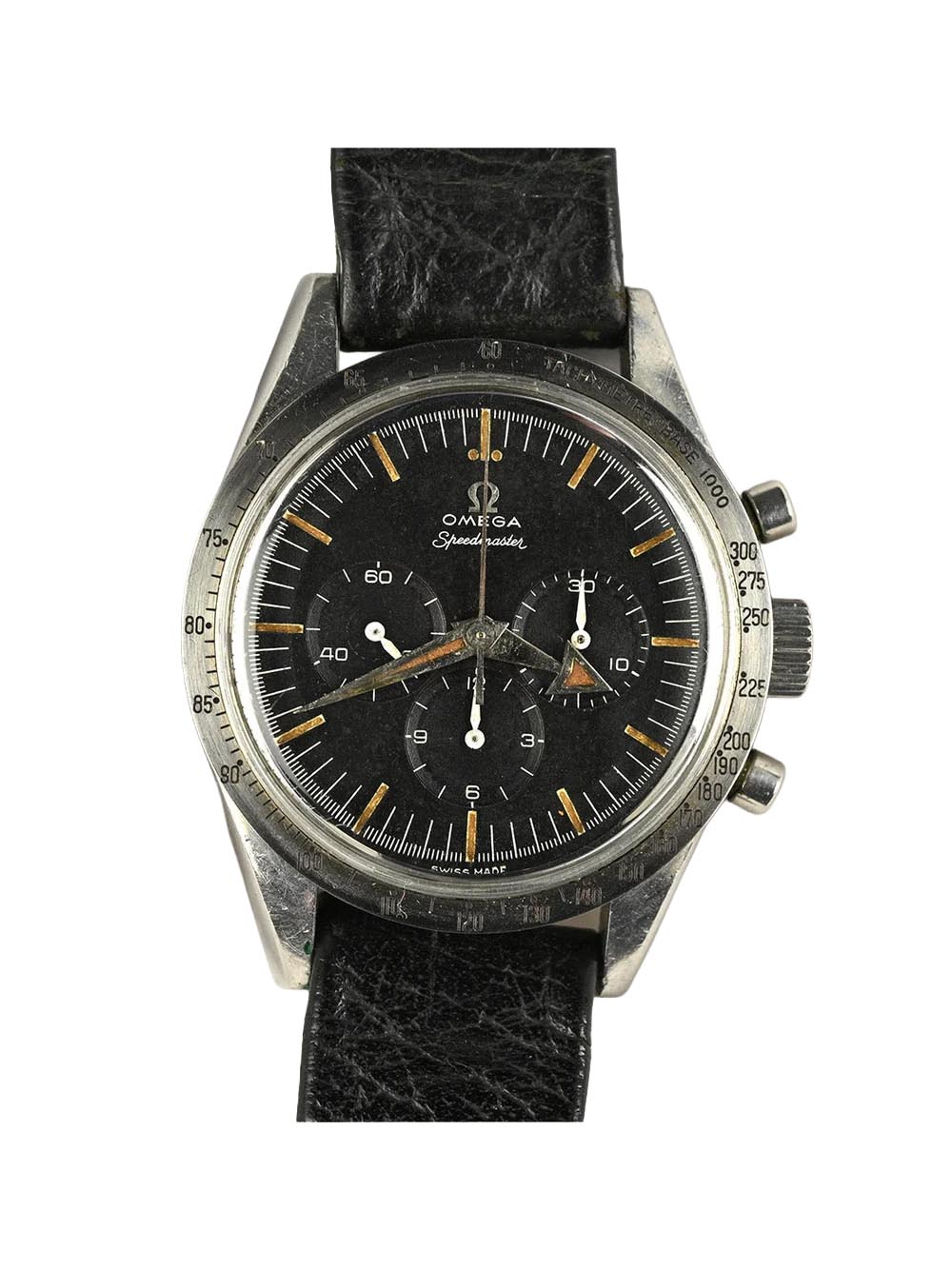
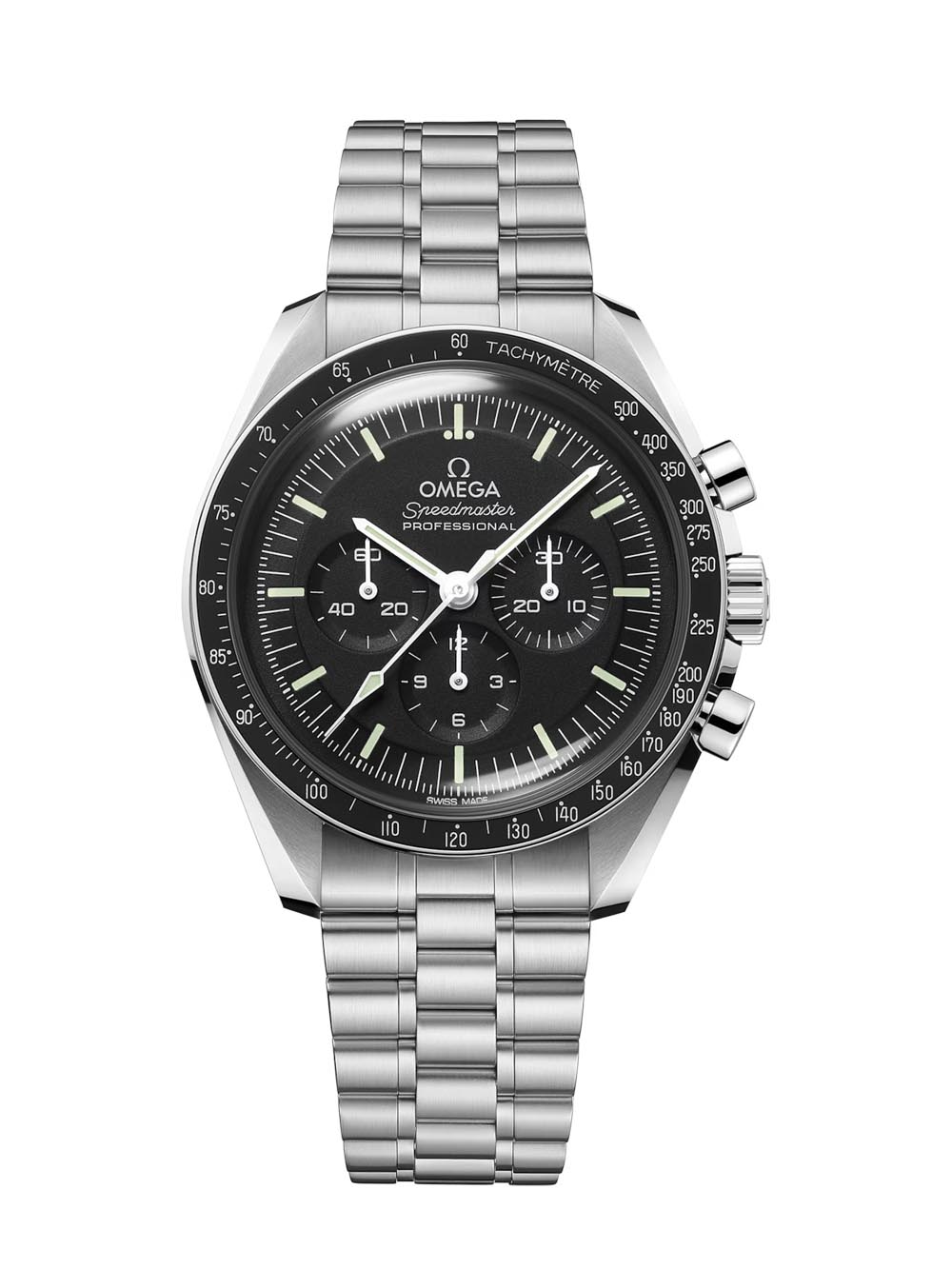
Omega’s most important cultural credential remains the Speedmaster Professional’s role in the Apollo 11 moon landing.
When Buzz Aldrin wore a Speedmaster on the lunar surface in 1969, the watch gained a story that no marketing department could manufacture.
The Speedmaster’s Moonwatch identity still anchors Omega’s modern collection, while the brand’s position as official Olympic timekeeper since 1932 gives it a second pillar of technical legitimacy.
Omega’s connection with James Bond adds another kind of recognition, especially for the Seamaster, which became Bond’s watch in GoldenEye in 1995.
Rolex built its mythology through a different kind of frontier.
Its watches are tied to mountaineering, deep-sea exploration and the idea of functional toughness expressed through simple, highly legible design.
Sir Edmund Hillary wore a Rolex wristwatch during the 1953 ascent of Mount Everest with Tenzing Norgay, giving the brand one of the great adventure narratives in watch history.
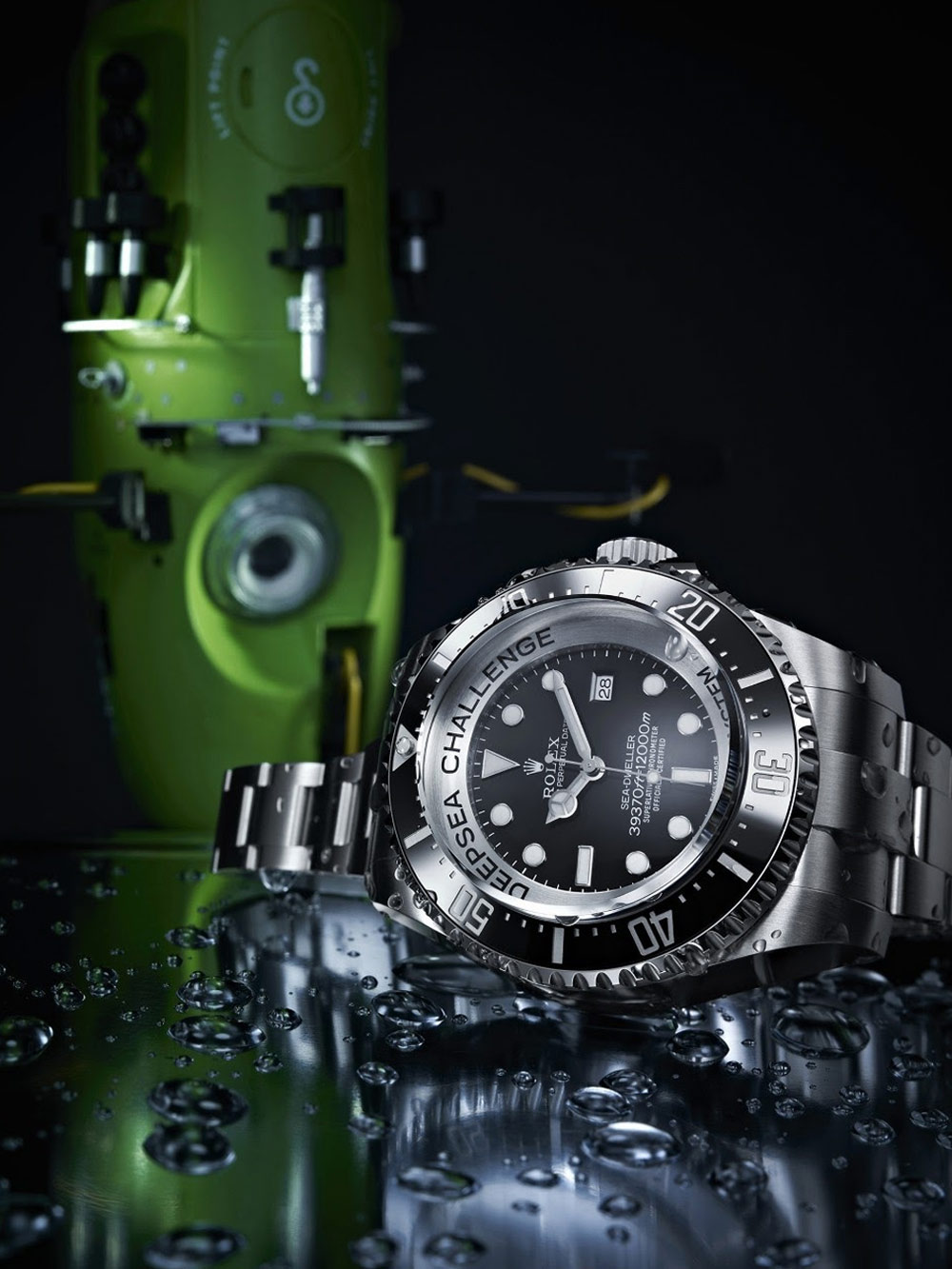
Decades later, Rolex joined James Cameron’s 2012 Deepsea Challenge expedition to the Mariana Trench, where an experimental Deepsea Challenge watch was fixed to the exterior of the submersible and survived the dive to 10,908 metres.
That project later informed the commercially available Oyster Perpetual Deepsea Challenge launched in 2022.
Submariner, Seamaster, Daytona and Speedmaster
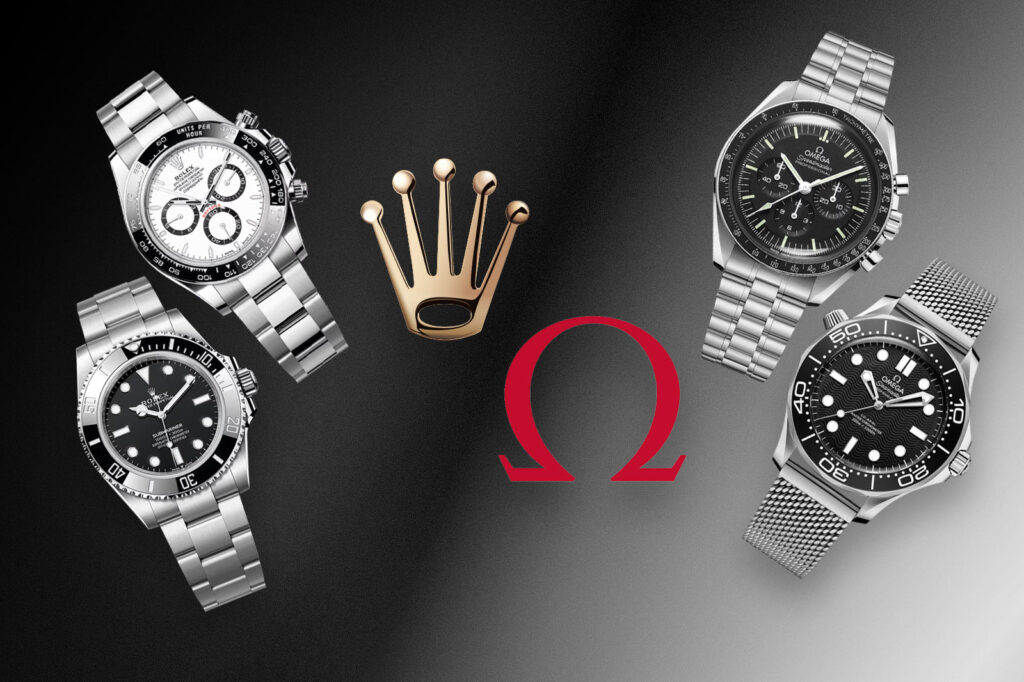
The clearest everyday comparison is between the Rolex Submariner and the Omega Seamaster Diver 300M.
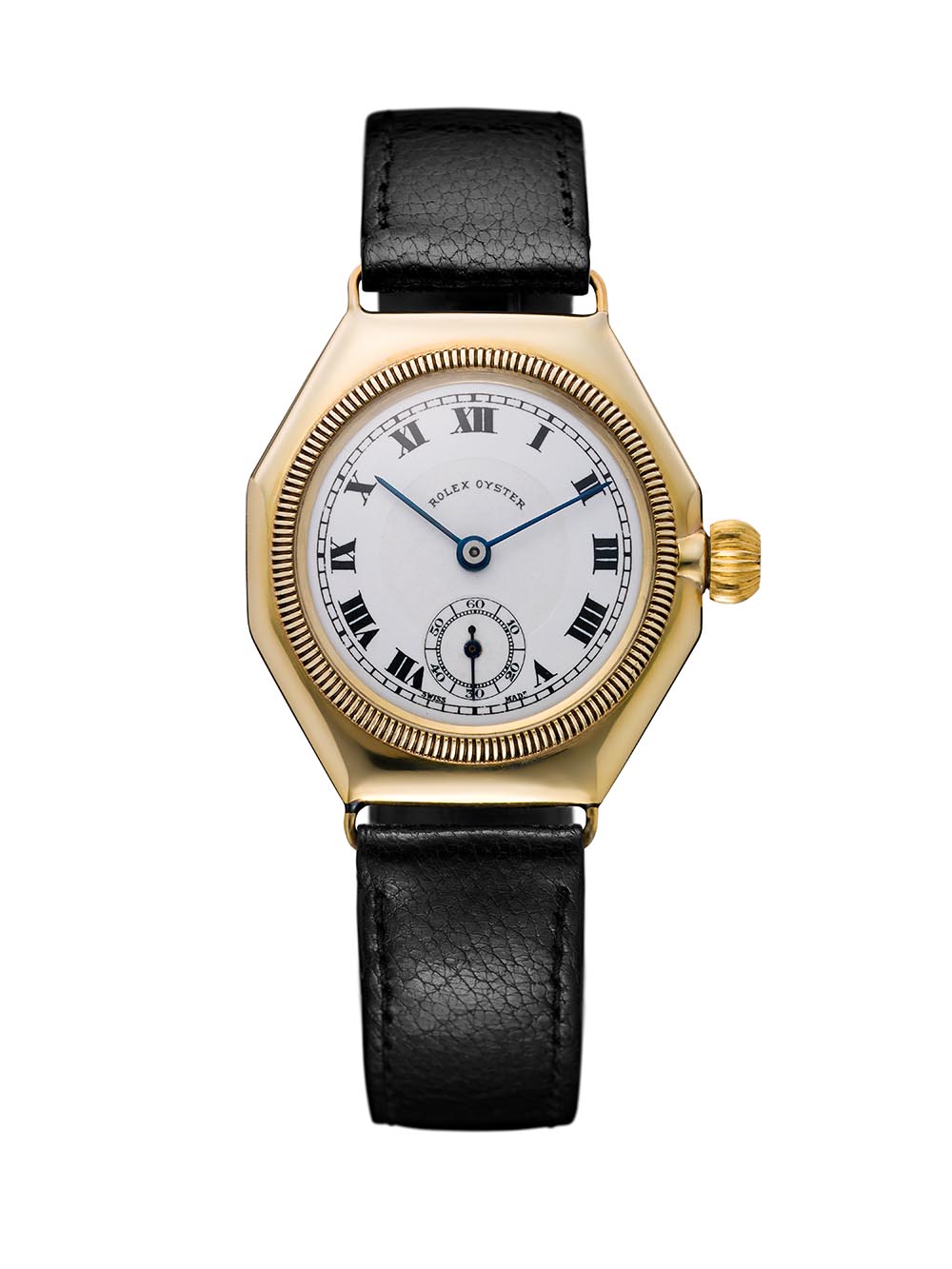
The Submariner traces its philosophy back to the Rolex Oyster of 1926 and arrived as a professional dive watch in 1954, bringing together a water-resistant case, rotating bezel and highly legible dial layout.
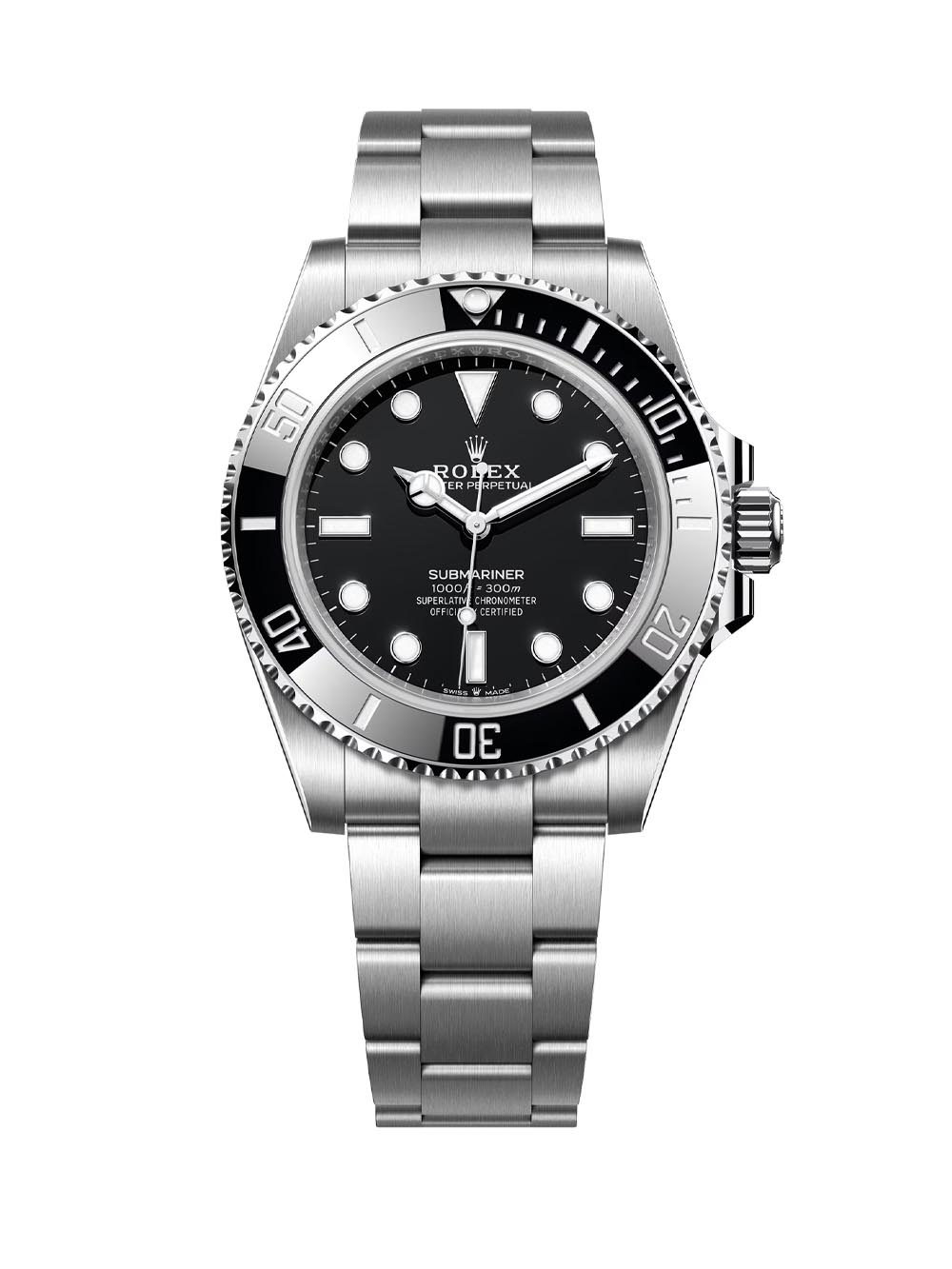
The current no-date Submariner Ref. 124060 measures 41mm in Oystersteel, is water resistant to 300 metres and uses Rolex’s calibre 3230 automatic movement with a 70-hour power reserve.
It carries Rolex’s Superlative Chronometer certification with a stated accuracy of plus or minus two seconds per day.
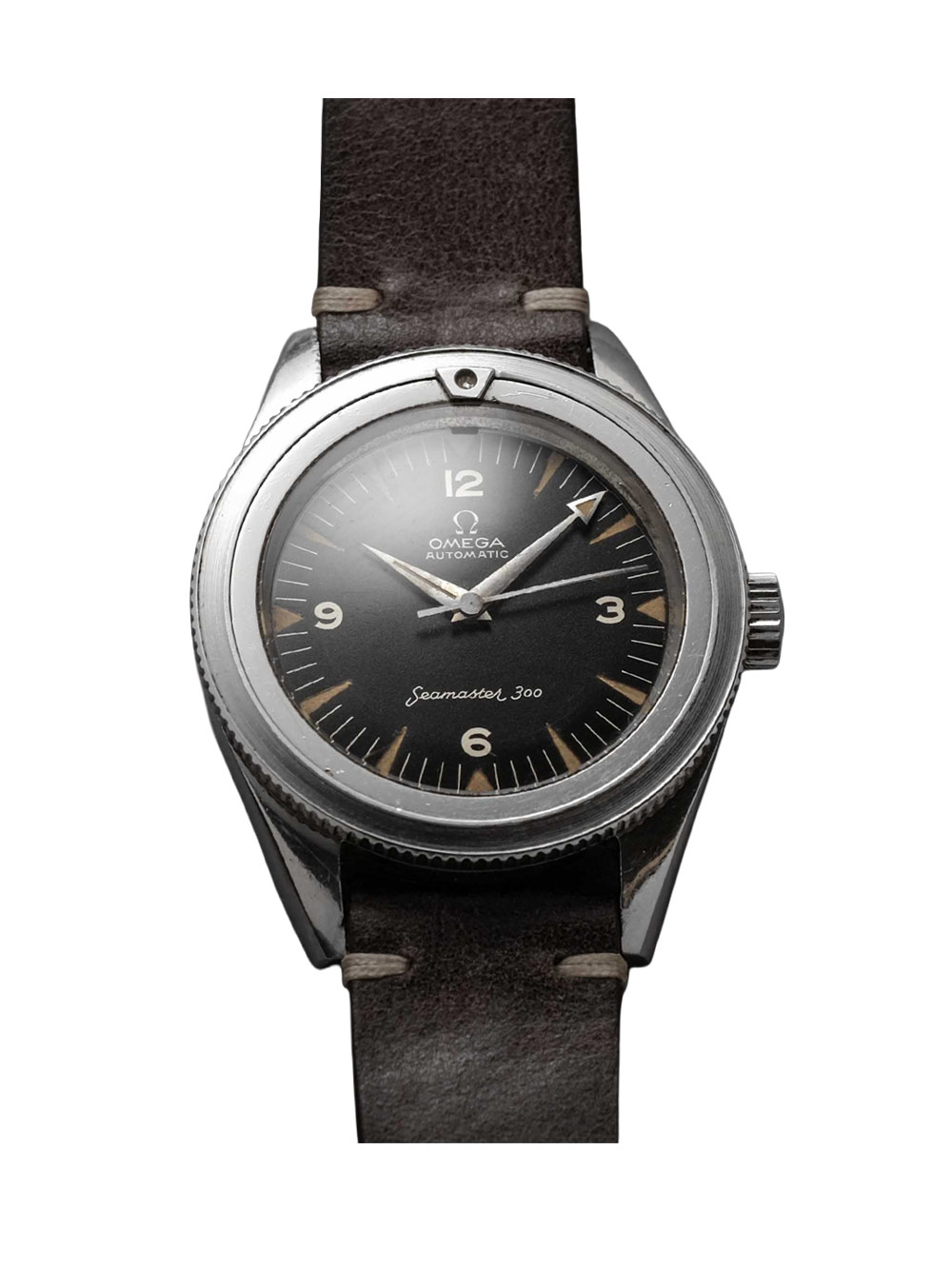
Omega entered the professional dive-watch category with the Seamaster 300 in 1957, then reshaped the modern Seamaster identity with the Diver 300M in 1993.
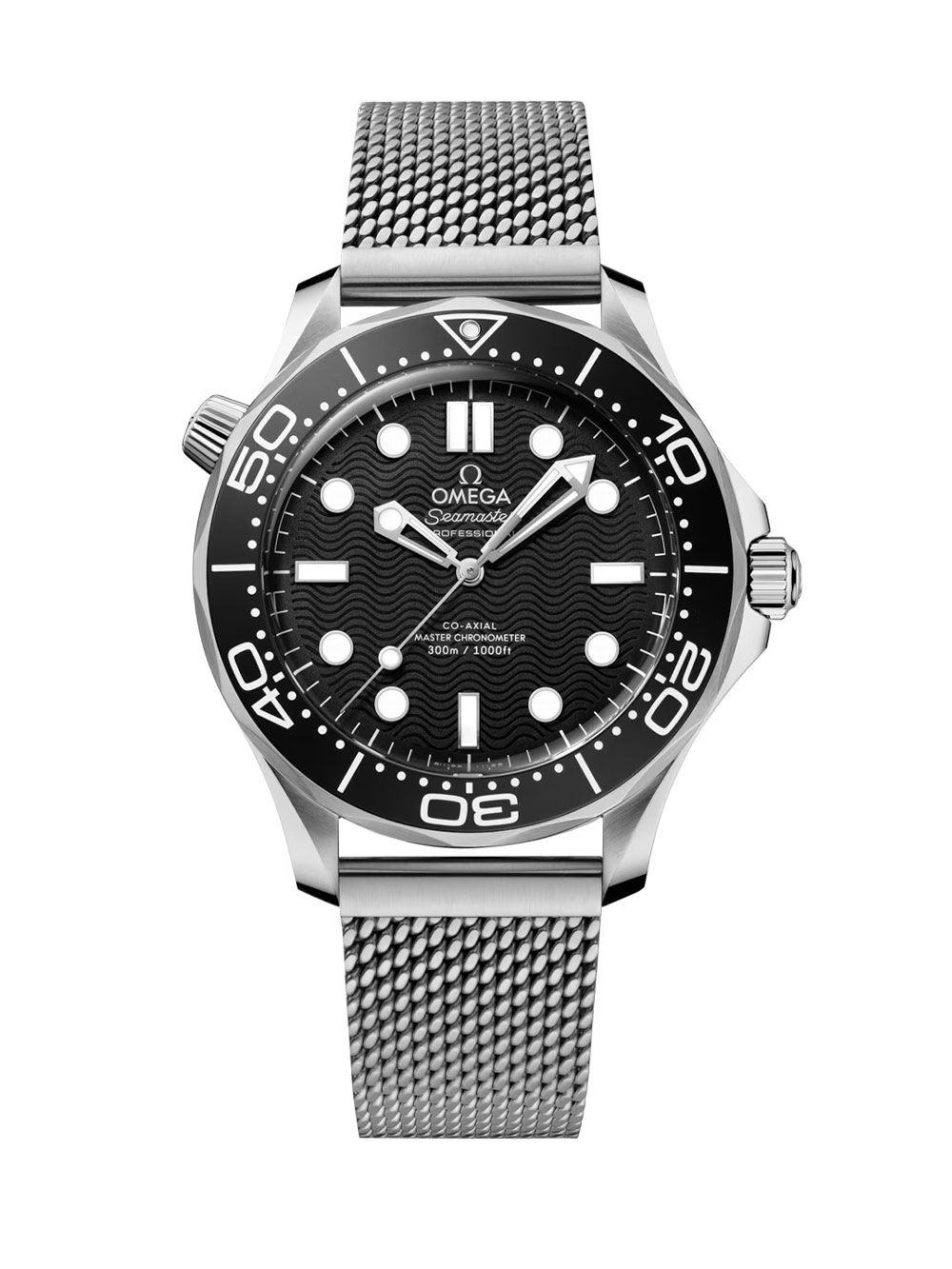
The black no-date Seamaster Diver 300M Ref. 210.30.42.20.01.010 is a 42mm steel diver with 300 metres of water resistance, a helium escape valve at 10 o’clock and Omega’s Master Chronometer calibre 8806 with a 55-hour power reserve.
In price terms, the contrast is sharp.
The Submariner Ref. 124060 has an RRP of £8,450 and typically trades above that on the pre-owned market, while the Seamaster Diver 300M is priced at £6,100 on a steel bracelet and can often be found pre-owned below retail.
The chronograph comparison is more emotional than purely technical.
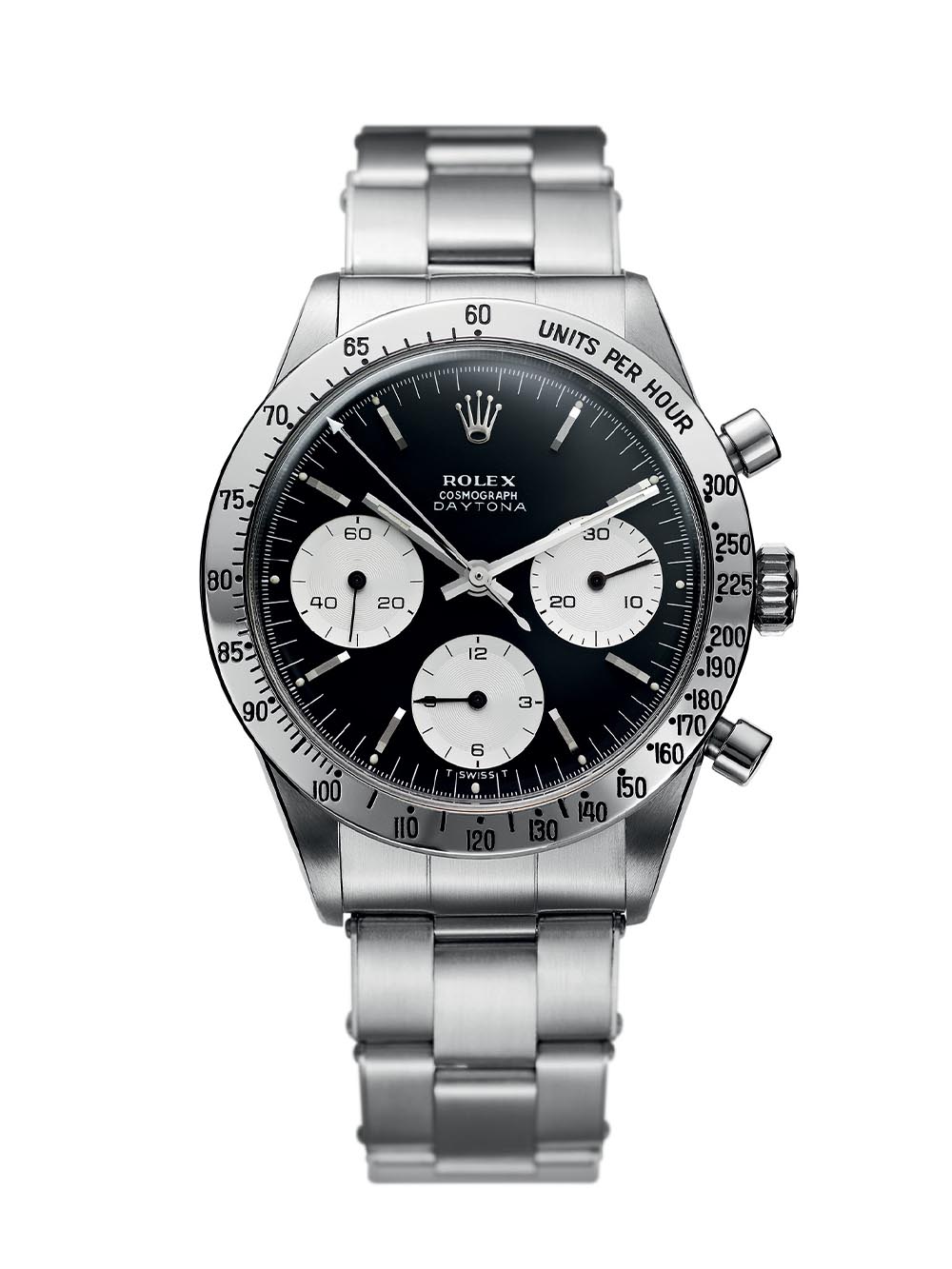
Rolex launched the Cosmograph Daytona in 1963, but the model’s reputation changed dramatically through its association with Paul Newman and the collectability of early references such as the Ref. 6239.
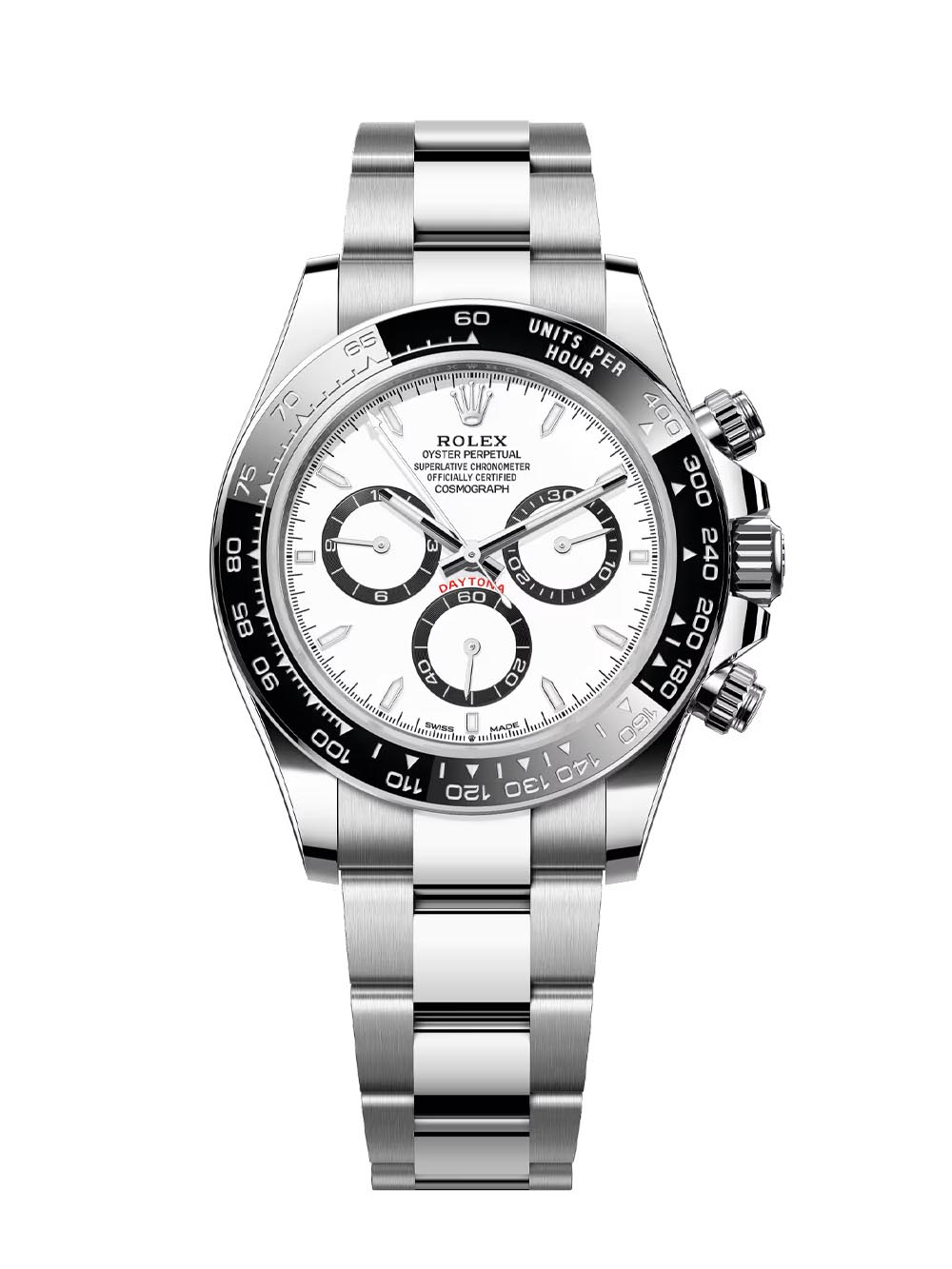
The modern Daytona Ref. 126500LN arrived as part of Rolex’s 2023 collection update, with a 40mm case, black dial and silver-ringed subdials.
Omega’s Speedmaster Professional occupies a different kind of space.
It is not merely a famous chronograph, but one of the few watches whose nickname is inseparable from a defining 20th-century event.
Details & Specifications
| Rolex Submariner Ref. 124060 | 41mm Oystersteel case, black no-date dial, 300m water resistance, calibre 3230 automatic movement, 70-hour power reserve |
|---|---|
| Rolex Submariner pricing | £8,450 RRP, with typical pre-owned pricing around £9,600 to £12,000 |
| Omega Seamaster Diver 300M Ref. 210.30.42.20.01.010 | 42mm steel case, black no-date dial, 300m water resistance, helium escape valve, Master Chronometer calibre 8806, 55-hour power reserve |
| Omega Seamaster Diver 300M pricing | £6,100 on steel bracelet, with typical pre-owned pricing around £4,500 to £5,000 |
| Rolex Cosmograph Daytona Ref. 126500LN | 40mm case, black dial, silver-ringed subdials, introduced in the 2023 collection update |
Choosing between prestige and access
Rolex remains the stronger brand if the priorities are status, resale strength and broad recognition.
Its most desirable steel sports watches are difficult to buy at retail, and that scarcity is part of the brand’s current aura.
Omega is the more straightforward proposition for someone who wants a high-grade Swiss watch without turning the purchase into a waiting-list exercise.
It offers real technical substance, major historical credibility and, in many cases, better buying conditions.
That makes the Rolex versus Omega question less of a clean victory and more of a personality test.
Choose Rolex if you want the stronger badge and the market confidence that comes with it. Choose Omega if you want deep watchmaking credibility, easier availability and a more accessible route into an icon.