
The best tech right now isn’t just chasing bigger screens or louder specifications.
August’s standout launches are more nuanced, from a smart ring that finally leans into jewellery-like wearability to speakers that remove the need for separate amplification, and a phone that treats disconnection as a premium feature.
For buyers who want useful innovation without carrying around another obvious gadget, this is a strong month.
At a glance
- August 2026 brings notable new releases from Oura, Focal, Sendy Audio, Mudita and Ray-Ban Meta.
- The strongest theme is refinement, with slimmer wearables, active hi-fi, lighter planar headphones and a pared-back E Ink phone.
- Prices range from approximately £330 for the Mudita Kompakt to price-on-application for Focal’s French-made Diva Alta Utopia speakers.
Wearables that look less like tech
The Oura Ring 5 is the clearest example of where health tracking is heading.
It’s 40 percent smaller than its predecessor, with a thinner and lighter titanium construction that’s designed to sit closer to jewellery than a gadget.
The hardware remains reassuringly practical, with 100m water resistance and a battery life of six to nine days.
The more interesting part is the breadth of tracking, with more than 50 health metrics including sleep staging, HRV, blood pressure signals and nighttime breathing patterns.
New AI-powered health tools add another layer for anyone who wants a daily picture of recovery and wellbeing without wearing a smartwatch to bed.
Pricing starts at £399, with availability through Oura.

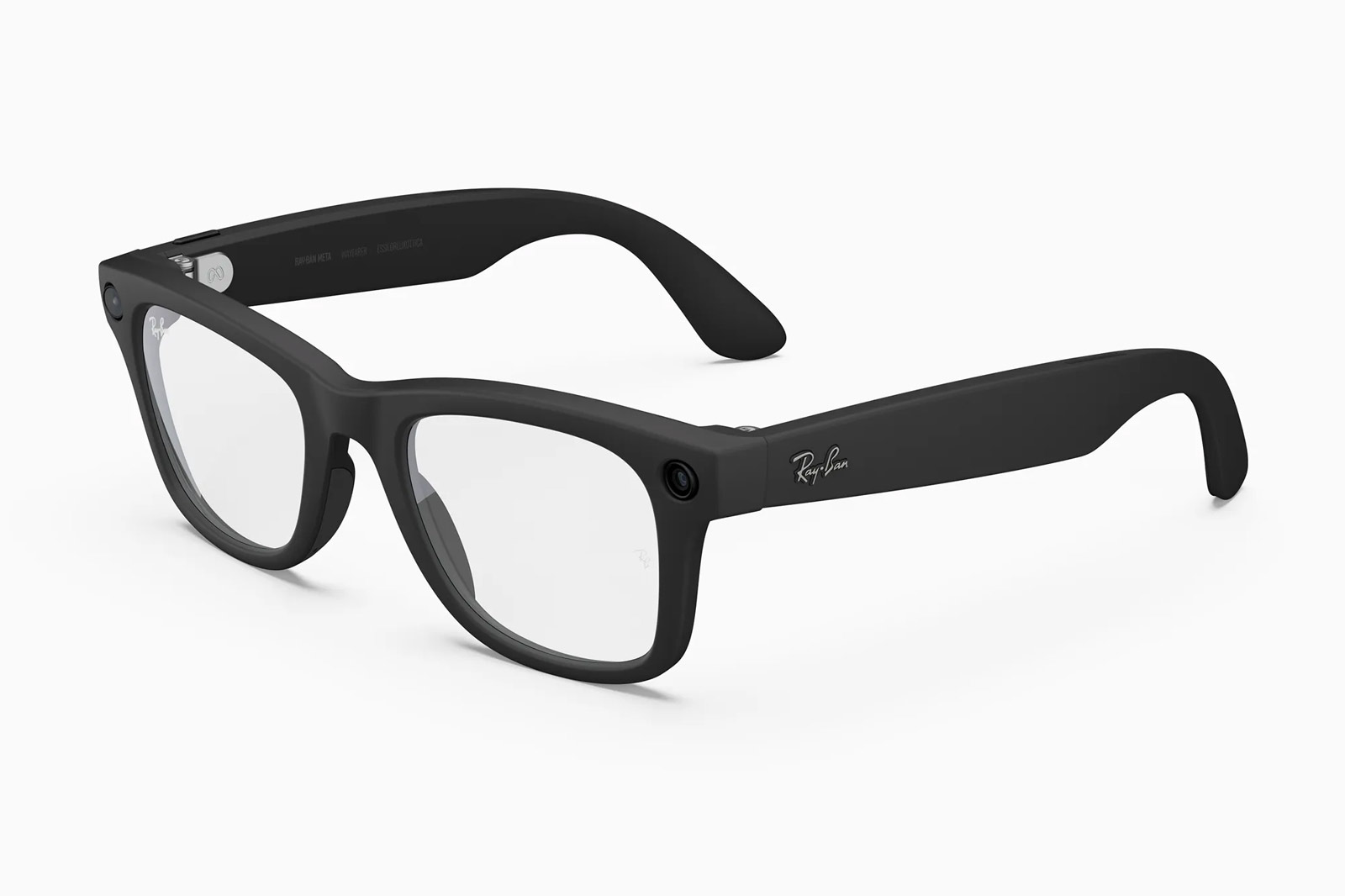
Ray-Ban Meta’s Blayzer Optics Gen 2 takes a different route into everyday wearability.
Built with prescription users in mind, the frame is slim and lightweight, with adjustable temple tips and interchangeable nose pads.
Inside, it carries Meta AI, a 3K Ultra HD camera, open-ear speakers and more than eight hours of battery life on a single charge.
It’s made for hands-free capture, calls, translation and streaming, which makes the proposition feel less experimental than smart glasses did only a short time ago.
The Blayzer Optics Gen 2 starts from £429 and is available through Ray-Ban.
Hi-fi without the usual hardware stack
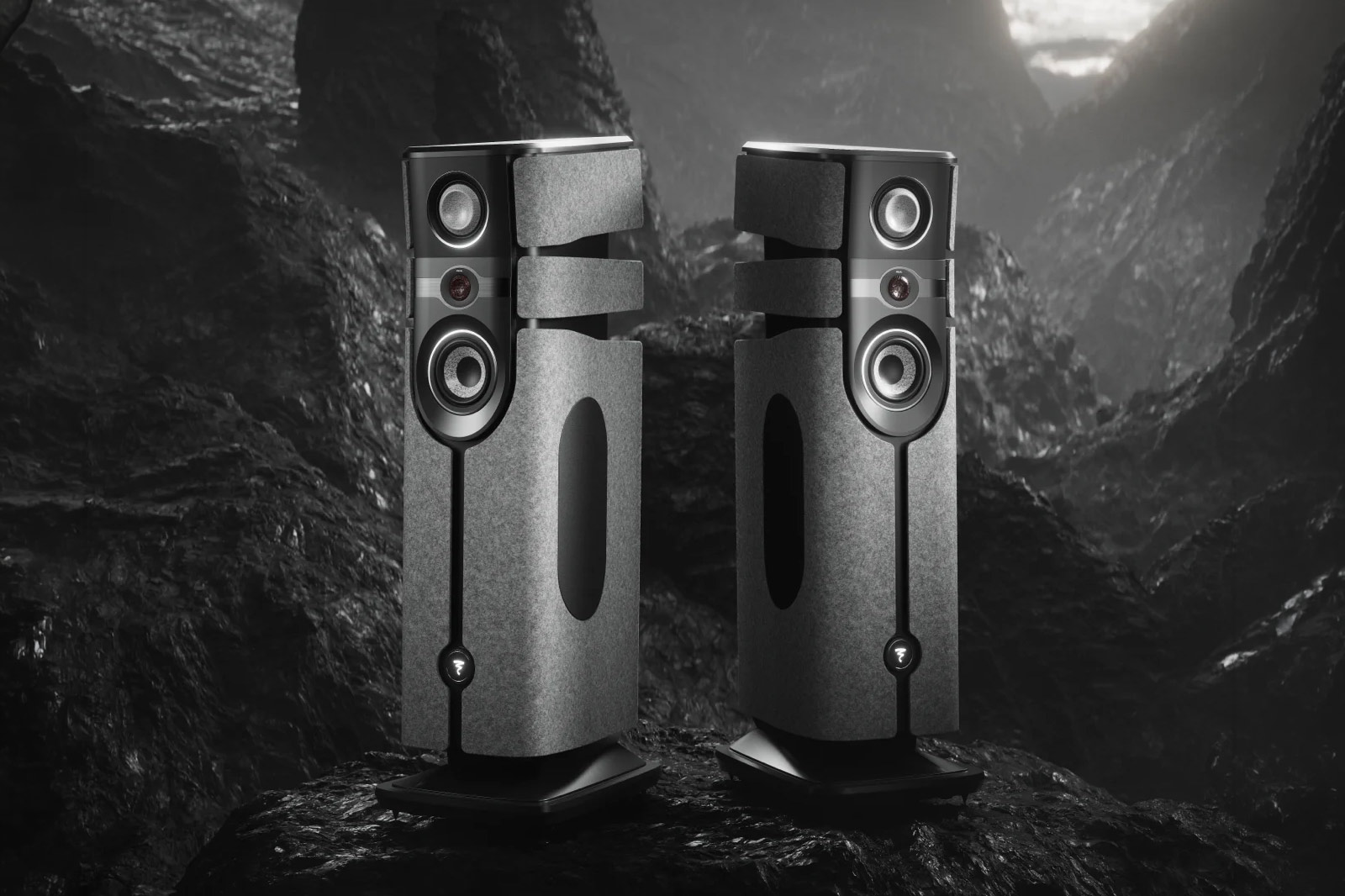
Focal’s Diva Alta Utopia is the third speaker in the Diva Utopia line and the most ambitious member of the family.
It’s a four-way active floorstanding speaker, which means amplification is built in rather than sitting in a separate rack.
The electronics have been developed by Naim, the British hi-fi specialist that partnered with Focal in 2011.
Each speaker delivers 600 watts and is intended for rooms up to 120m², giving it a serious domestic footprint without the usual complexity of external amplification.
The headline development is PRISM, a new-generation tweeter designed to exceed beryllium in rigidity while retaining the lightness and damping central to Focal’s sound.
Made in France and priced on application, the Diva Alta Utopia is aimed at listeners who want a high-end system that feels integrated rather than assembled piece by piece.
Planar headphones with a lighter touch
Planar magnetic headphones have a loyal following for their speed, openness and transparency, but comfort has often been the trade-off.
The Sendy Audio Apollo PRO makes a strong case at 354g.
It uses a 78mm nano-scale diaphragm and is designed to deliver the open soundstage associated with planar designs without becoming a burden during longer sessions.
The material choices also push it beyond the purely technical, with zebrawood earcups, a lambskin headband and velvet pads.
A balanced cable is included, which makes the £449 price feel considered for listeners already building a more serious desktop or portable audio setup.
The Apollo PRO is available through Sendy Audio.
A phone designed to be left alone
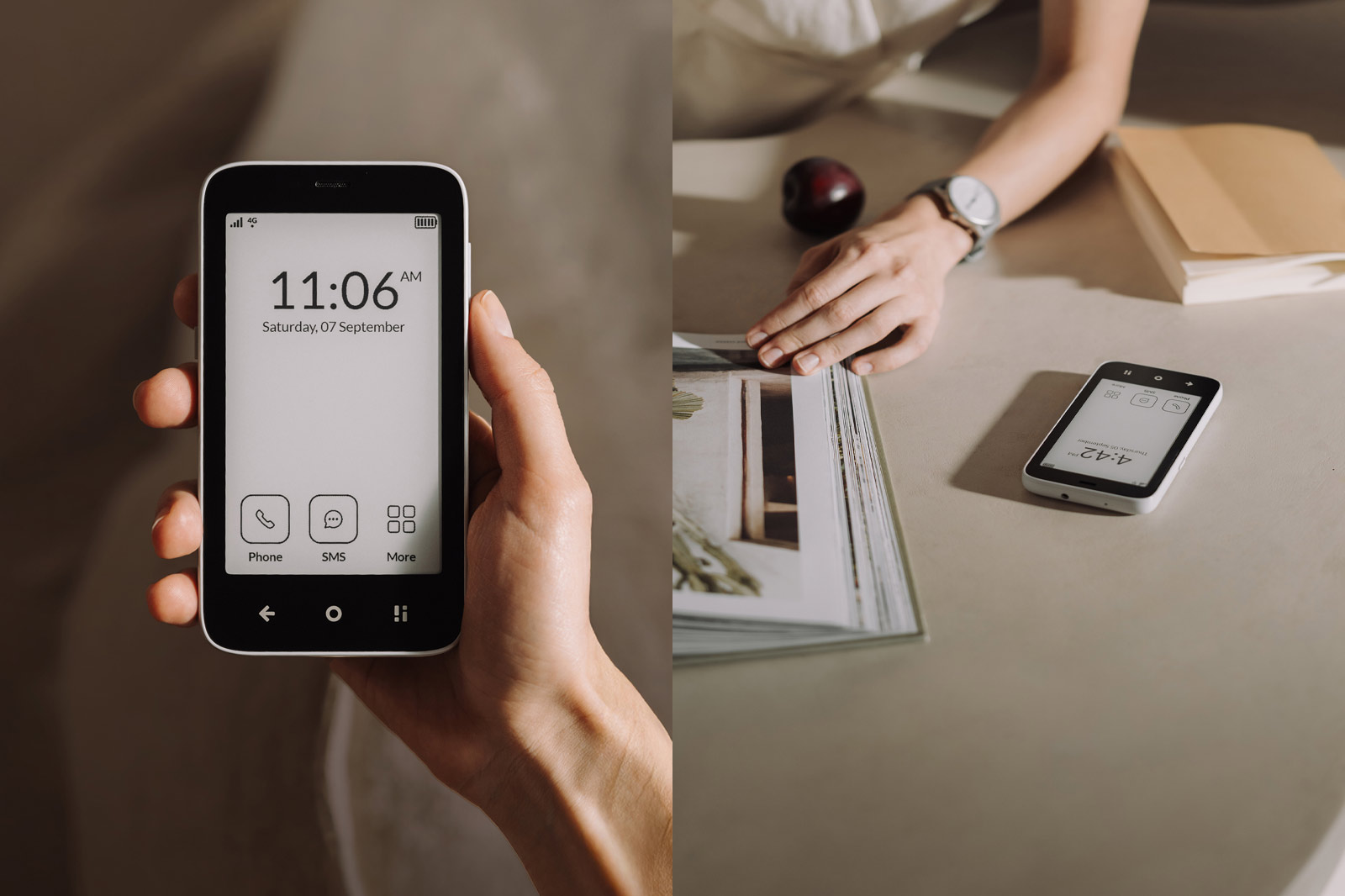
The Mudita Kompakt is the month’s most pointed response to smartphone fatigue.
It runs a de-Googled operating system on a 4.3 inch E Ink display, giving it a paper-like, glare-free character that’s very different from a conventional glass slab.
There’s no app store, no social feeds and no algorithmic pull into endless scrolling.
Instead, it focuses on calls, messages, offline maps and a meditation timer.
The defining feature is Offline+ mode, which physically disconnects the modem and microphones at hardware level when you want to be genuinely unreachable.
Battery life runs up to six days, while wireless charging, eSIM and NFC keep it from feeling wilfully primitive.
At approximately £330, the Kompakt is for people who don’t want to abandon modern convenience entirely, but do want a phone with firmer boundaries.
What connects these releases is a quieter kind of progress.
They’re not all chasing spectacle, but they do suggest a smarter direction for personal technology, with better ergonomics, fewer boxes, lighter listening and more control over when the digital world gets access to your attention.