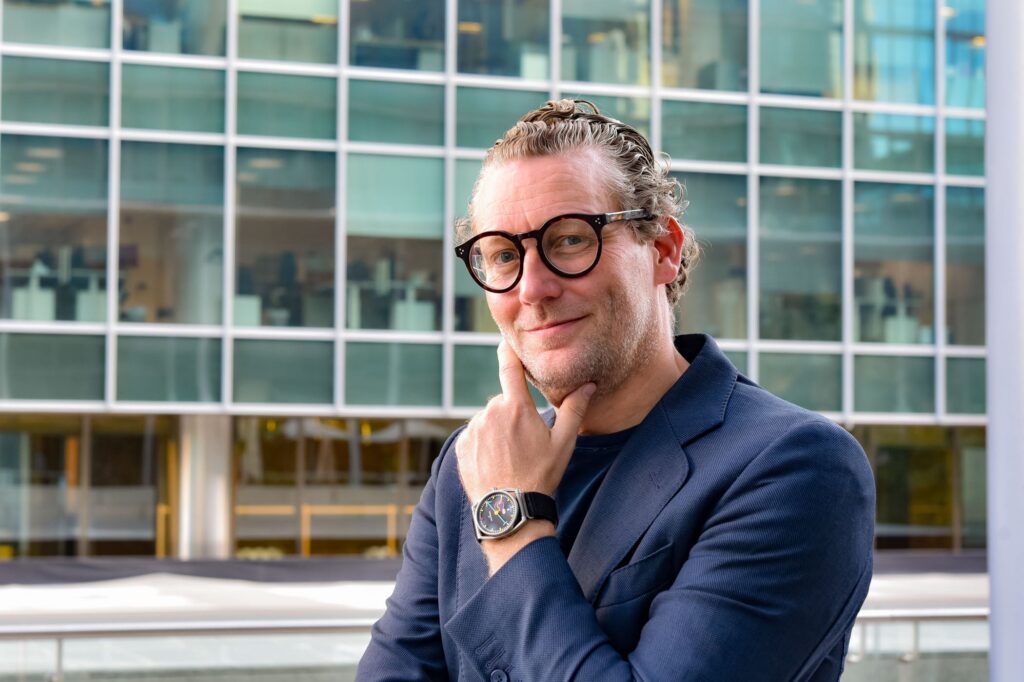
Manuel Emch has built a reputation for treating watchmaking as a cultural act rather than a spreadsheet exercise.
At Louis Erard, through Kollokium and across his wider consulting work, he has pushed for watches with personality, creative tension and a clear point of view.
His relationship with time is shaped less by complication for its own sake than by design, emotion and the discipline of knowing what to leave out.
At a glance
- Manuel Emch reflects on the watches and people that shaped his view of modern watchmaking.
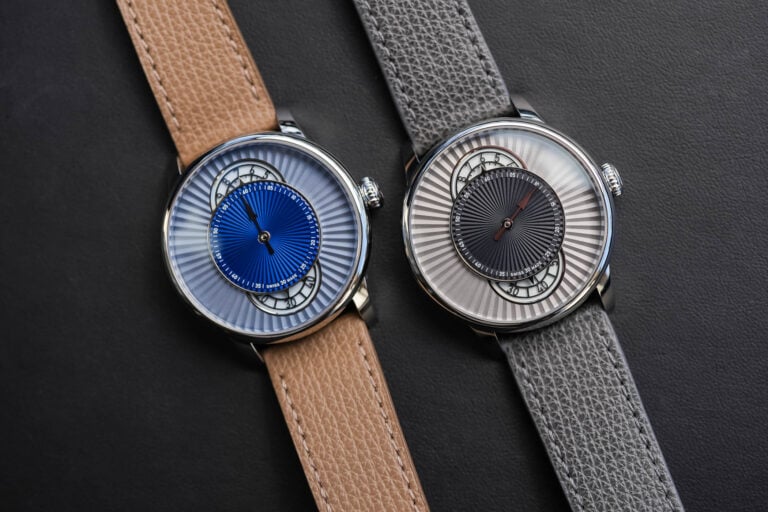
- His taste leans toward characterful time-only watches, decentralised displays and dials with real depth and intent.
- He sees cultural relevance, authenticity and curiosity as the key challenges for brands and younger collectors alike.
The Lange 1 and the lesson of coherence
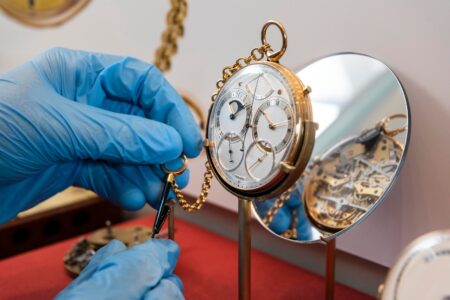
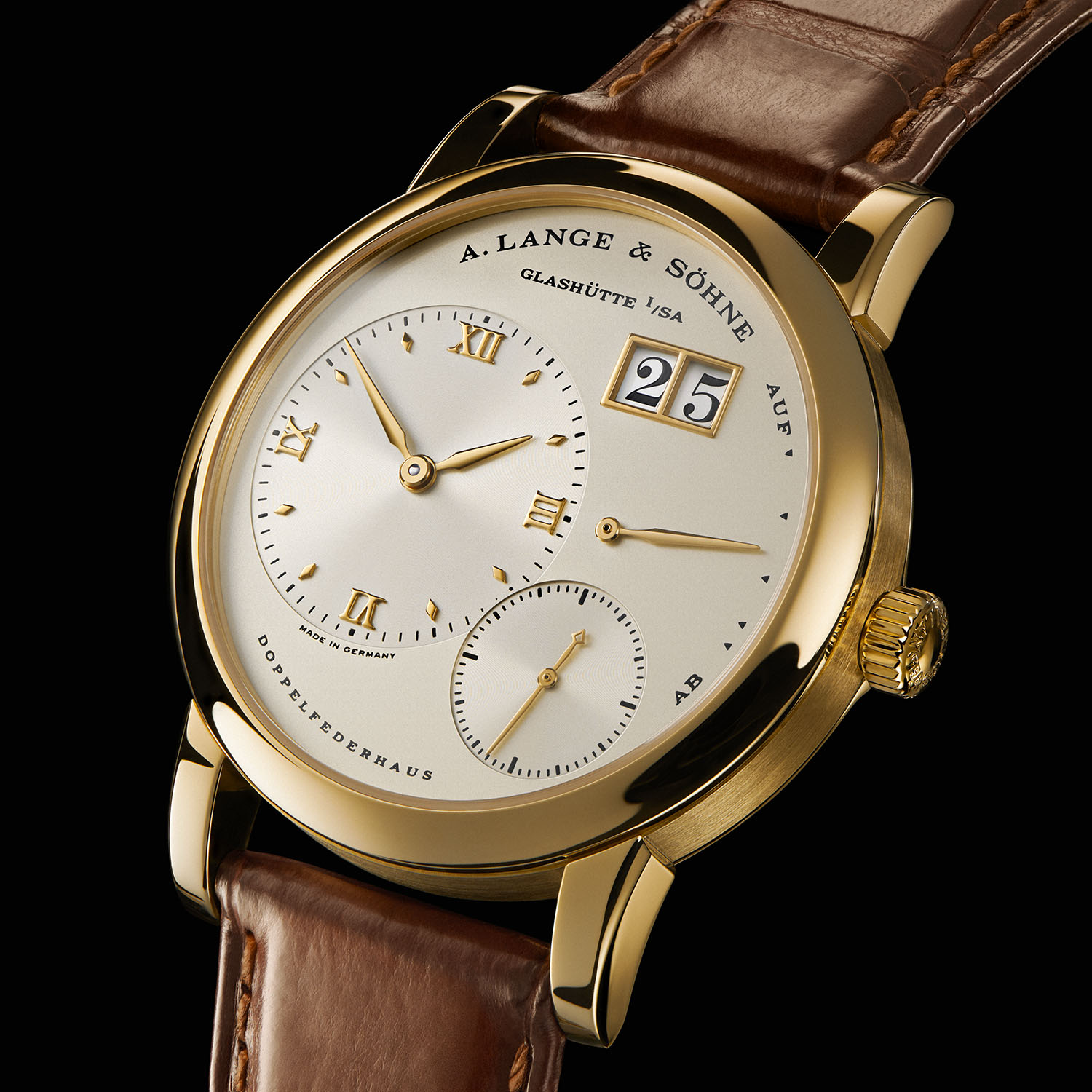
For Emch, the A. Lange & Söhne Lange 1 remains the watch that changed the way he understood the craft.
His admiration isn’t limited to the object itself, but extends to Günter Blümlein’s wider vision for what a modern mechanical watch could be.
The Lange 1 brought together movement architecture, finishing, proportion and an unconventional time display without feeling forced.
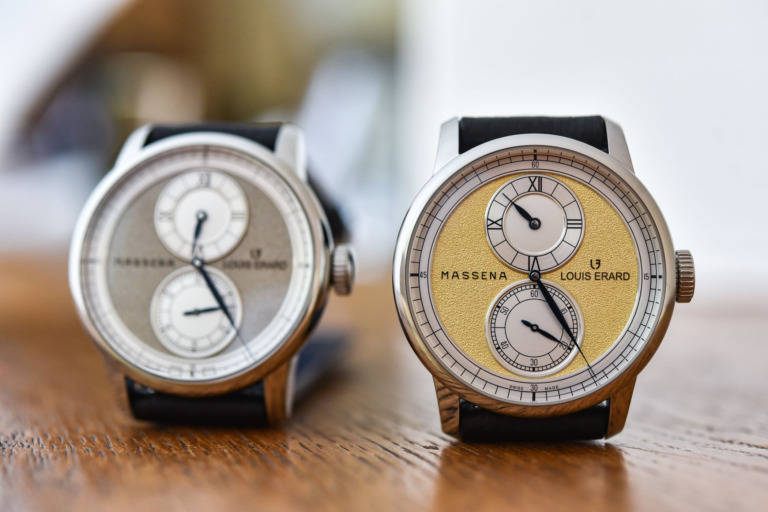
That balance matters in Emch’s view, because real innovation doesn’t come from adding more features.
It comes from rethinking the whole object with purpose, restraint and consistency.
That idea runs through much of his own work, where a strong graphic identity often carries as much weight as mechanical specification.
Character before specification
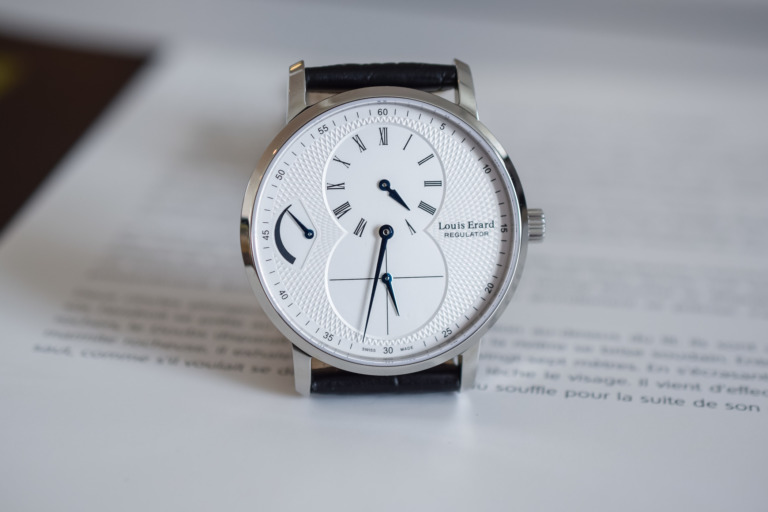
The quality Emch values most in a watch is character.
In practical terms, that means a watch should be recognisable before the logo is legible.
It’s a sharp way of describing a problem many modern watches face, where technical credentials can be impressive while the object itself remains strangely anonymous.
Emch’s preference for simple time-only watches also fits that view.
When pressed on complications, his interest turns to displays that decentralise time rather than pile on mechanical theatre.
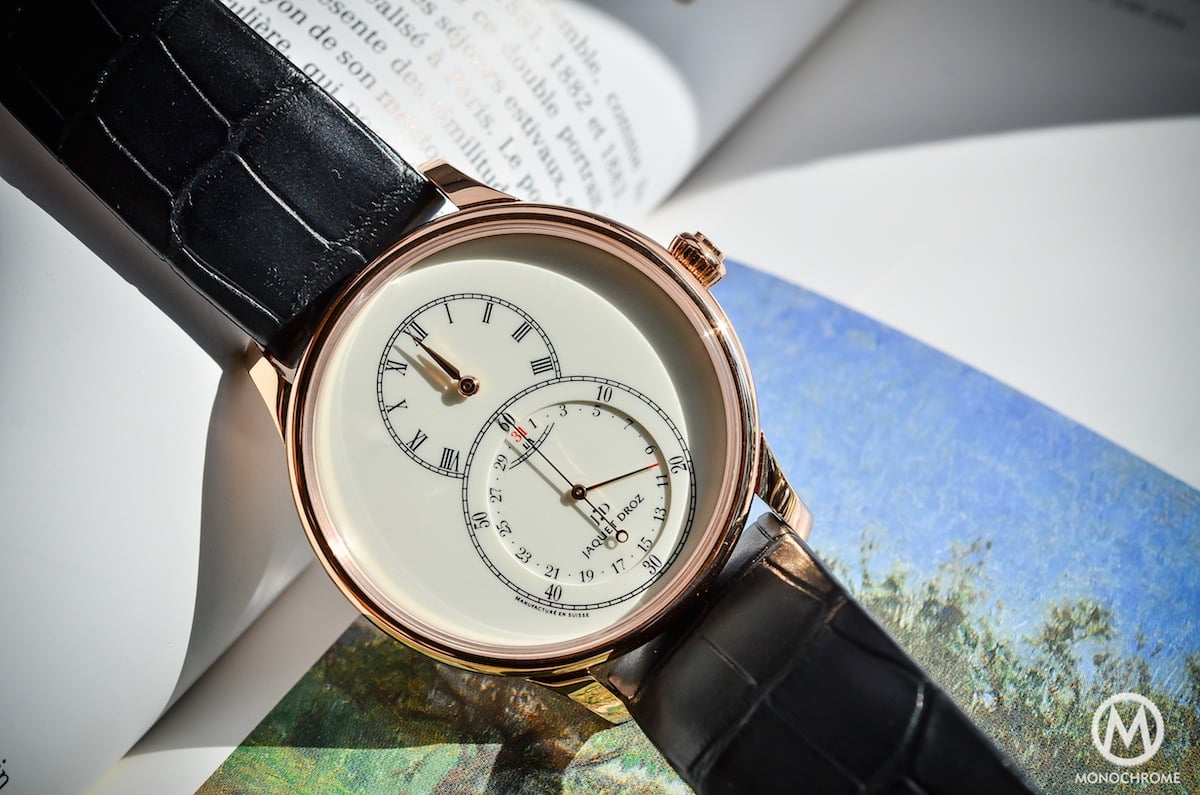
Grande Seconde layouts, regulators and off-centred indications all appeal to him because they adjust the way the wearer reads time without necessarily making the watch feel complicated.
That preference has a personal history.
His first creation at Jaquet Droz, the Grande Seconde, helped define his attraction to layouts where a modest shift in display can completely alter a watch’s personality.
The dial, unsurprisingly, is the detail that tells him most quickly whether a watch has been made with care.
Proportion, depth, texture, typography and finishing all meet there, making the dial the point where craft becomes emotional rather than merely technical.
Scarcity, collaborations and the culture problem
Emch is notably direct about one of the industry’s most common habits.
Artificial scarcity, when used as a marketing strategy, strikes him as one of modern watchmaking’s most overrated trends.
Limited editions have value when they carry creativity, craftsmanship or a meaningful idea.
They become hollow when rarity is used to disguise the absence of a stronger concept.
His view on collaborations is similarly specific.
Emch is closely associated with collaborative projects, but he sees them as worthwhile only when they grow out of friendship, mutual respect and a shared creative aim.
Otherwise, the format risks becoming a commercial shortcut rather than a path to something genuinely new.
That distinction is especially relevant at Louis Erard, where collaborations have helped reposition the brand around accessible independent-minded watchmaking.
The better examples don’t simply attach a name to a dial.
They give the watch a reason to exist.
For Emch, the larger challenge facing the industry is cultural relevance.
Young collectors, in his view, are less interested in status signalling than in authenticity, meaning and emotion.
Brands that keep selling heritage without creating contemporary culture risk becoming beautifully preserved but increasingly irrelevant.
From the Quartz Crisis to the Cartier Crash
Emch sees the Quartz Crisis as the moment that most fundamentally shaped watchmaking as it exists today.
The paradox, as he frames it, is that quartz nearly destroyed mechanical watchmaking and ultimately clarified its purpose.
Mechanical watches no longer had to justify themselves as the most accurate timekeeping instruments.
They had to stand for craftsmanship, emotion, memory and culture.
That belief also explains his admiration for Nicolas G. Hayek, the figure Emch credits with most shaping his view of the industry.
Hayek understood watches as stories, emotions and people, not merely products moving through a market.
He also proved that courage and vision can matter more than research-led caution.
Outside watchmaking, Emch’s thinking is strongly influenced by contemporary art, followed by architecture and industrial design.
He wants watches to participate in the present rather than function only as polished tributes to the past.
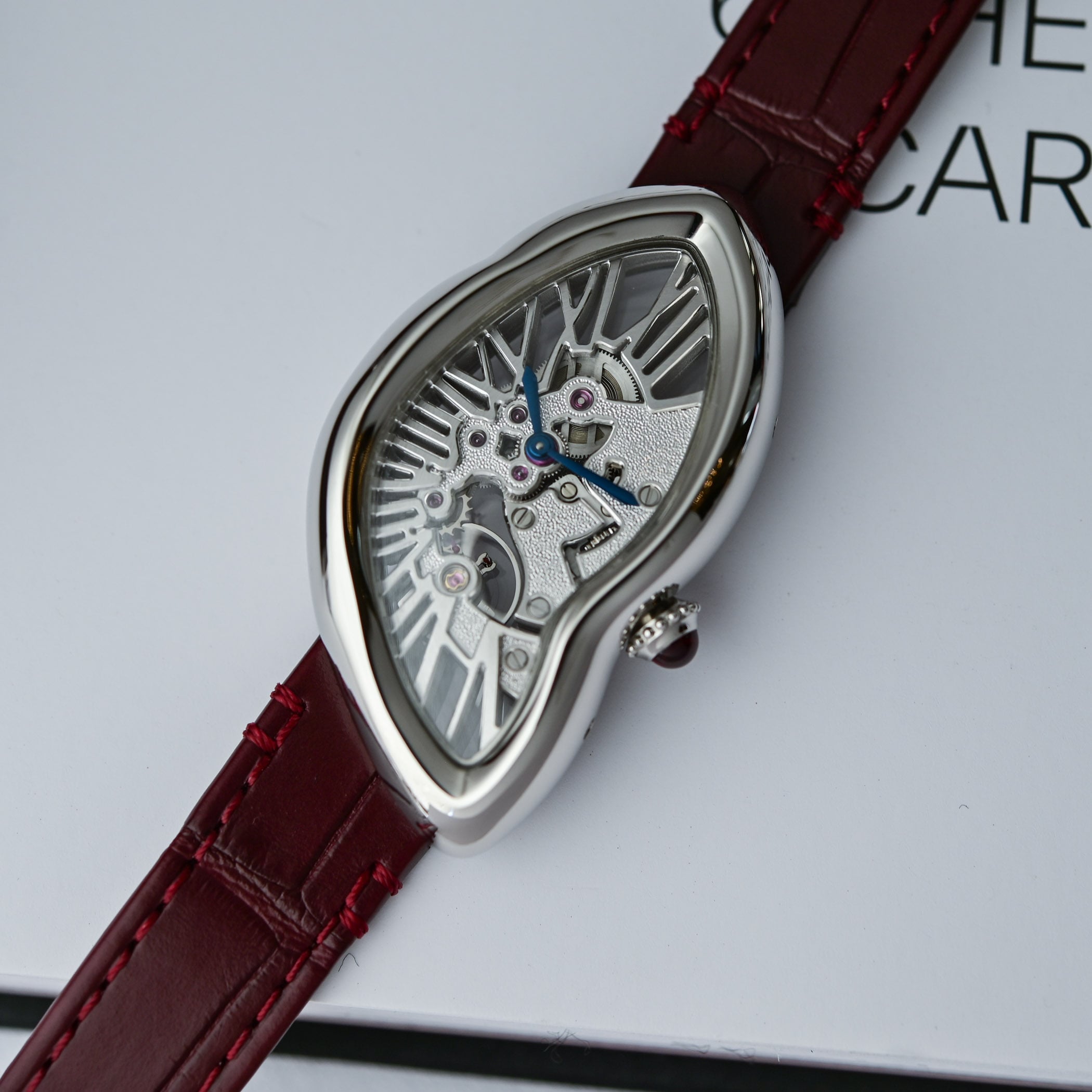
When asked which watch he wishes he had created, his answer is the Cartier Crash.
It’s an apt choice for someone drawn to objects that bend convention without losing elegance.
The Crash proves that a watch can move beyond utility and become a cultural object in its own right.
The watches he actually wears
Emch owns more than a hundred watches and rotates through them with genuine enthusiasm.
Even so, two current pieces capture different parts of his personality.
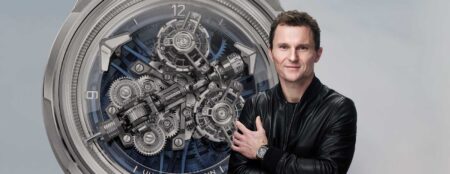
The Louis Erard × Alain Silberstein Tourbillon represents his belief that a high complication can still be worn daily rather than hidden away.
He regards it as an everyday tourbillon, built for real use rather than safe-bound reverence.
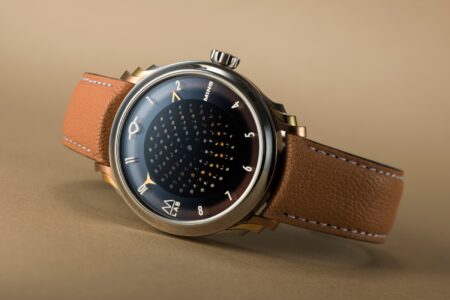
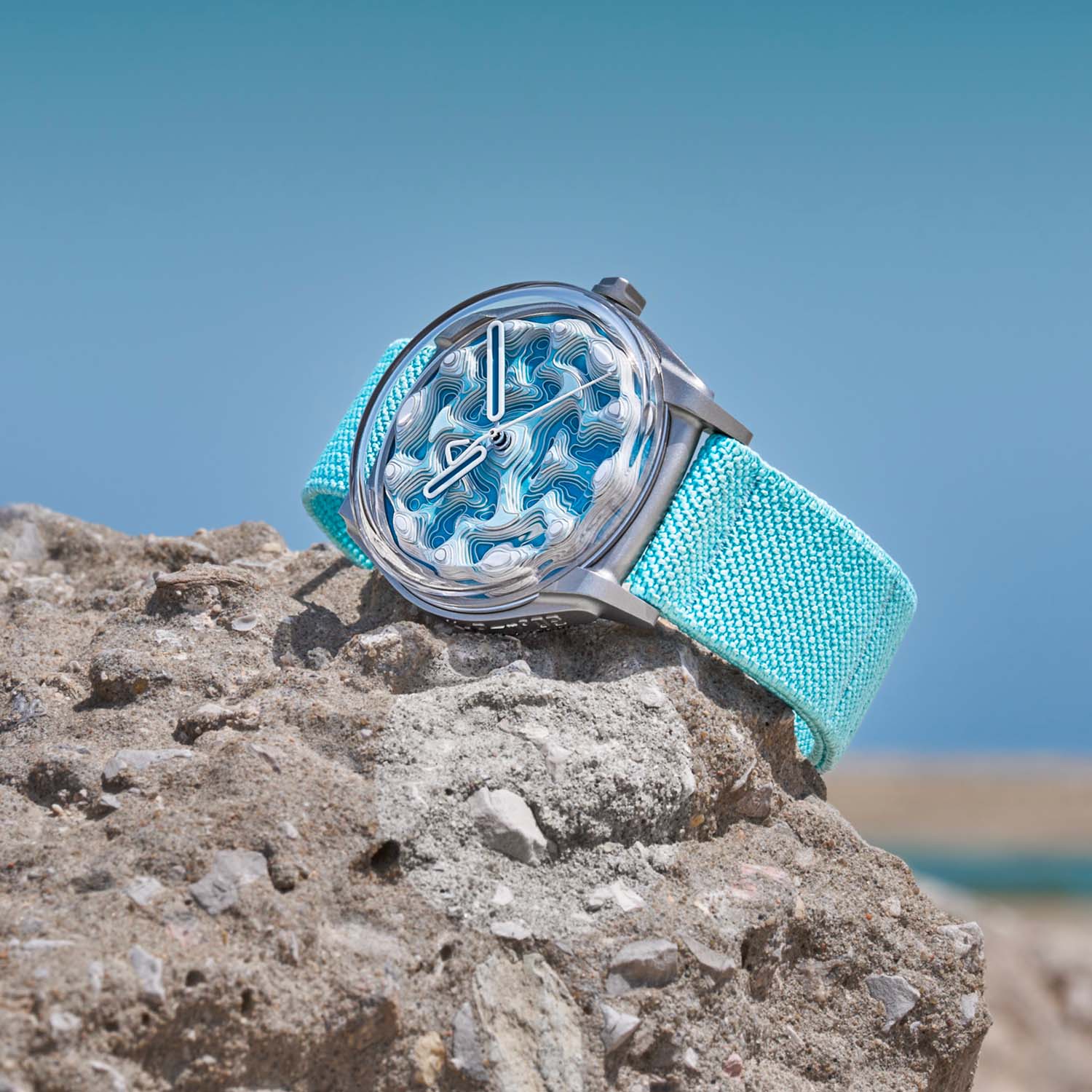
The Kollokium Projekt 02 Variant C expresses a different instinct.
It reflects his appetite for experimentation in design, materials and convention, which has become a defining theme in his recent work.
His advice to younger collectors is simple but useful.
Buy the watch that still excites you six months after you first discover it, not the one other people insist you should want.
Taste, in Emch’s world, is something that needs time to mature.
Don’t collect hype; collect curiosity.