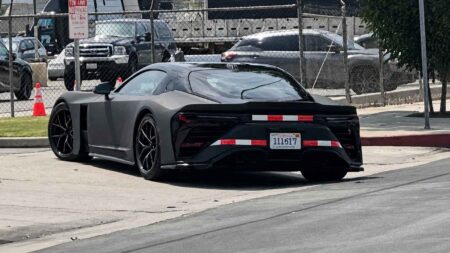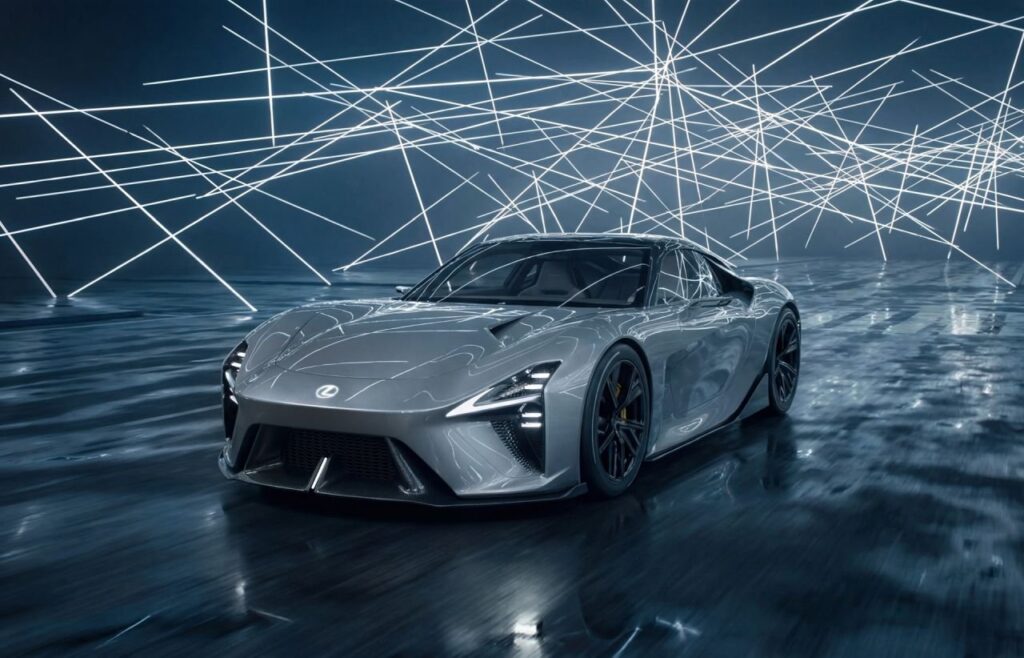
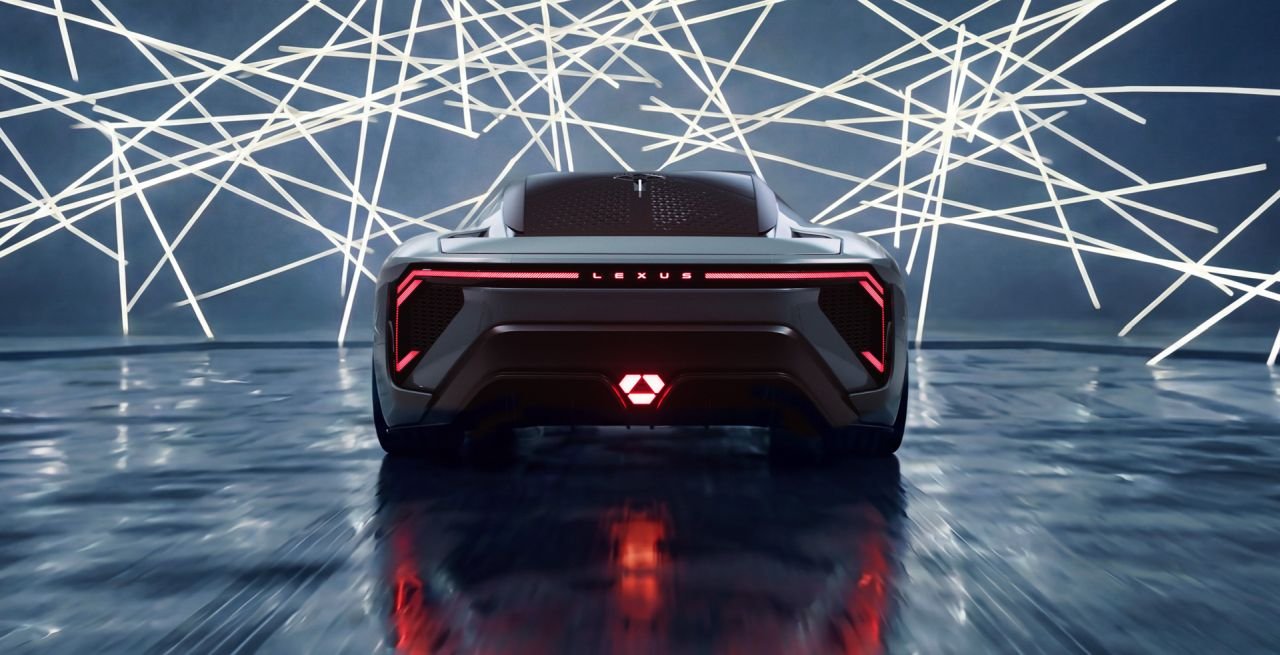
The next Lexus LFA is shaping up to be something more nuanced than a battery-electric supercar.
BestCar reports that Lexus has no plans to make the next-generation LFA a pure EV, with some form of combustion power expected to remain in the car’s mechanical mix.
That matters because the original LFA wasn’t remembered only for speed, but for the sound, response and theatre of its V10.
At a glance
- Lexus is reportedly not planning a pure-electric next-generation LFA.
- The car could use a conventional hybrid, plug-in hybrid or a more advanced performance-focused electrified powertrain.
- Key details such as engine layout, output and production timing have not been revealed.
Combustion stays in the LFA story
The important shift is not that the next LFA will avoid electrification, but that it reportedly won’t abandon combustion altogether.
That leaves Lexus with several possible routes, including a conventional hybrid setup, a plug-in hybrid arrangement or a more complex performance-oriented electrified powertrain.
Each would let Lexus use electric assistance while still keeping an engine at the centre of the experience.
For a badge as emotionally loaded as LFA, that distinction is more than technical.
A pure EV could deliver huge performance, but an engine gives Lexus a way to preserve some of the mechanical identity that made the original car so memorable.
The V10 benchmark remains hard to escape
The first LFA set a standard that still hangs over any successor.
Its Yamaha-developed 4.8-litre naturally aspirated V10 produced 552 hp and revved to 9,000 rpm.
The titanium exhaust system became part of the car’s legend, giving the LFA a voice that was as central to its appeal as its carbon-fibre construction or performance figures.
That makes the next car a particularly difficult brief.
Lexus doesn’t just need a fast flagship, it needs one that can carry the LFA name without feeling detached from what made the original distinctive.
The unanswered powertrain questions
Lexus has not revealed the powertrain layout, output figures or whether the new car will use a naturally aspirated engine.
Those omissions are important, because the character of the car will depend heavily on how Lexus blends combustion and electrification.
BestCar has also linked the project to Toyota’s solid-state battery technology, though that detail remains unconfirmed.
If such technology were used, it could add another layer of intrigue, but it shouldn’t be treated as settled until Lexus confirms it.
For now, the clearest takeaway is that the next LFA is reportedly being developed with an engine still in the equation.
A flagship for a different performance era
The next LFA won’t be arriving into the same world as its predecessor.
Electrification is now embedded in high-performance car development, and Lexus appears to be looking for a path that acknowledges that shift without turning the LFA into a silent reinvention.
That balance could make the car especially interesting to enthusiasts who accept electrification but still care about sound, revs and powertrain feel.
The original LFA earned its reputation by being obsessive rather than obvious, and the next one will need a similarly sharp point of view.
If Lexus can combine modern electrified performance with genuine engine character, the LFA name may have a future that feels evolutionary rather than merely nostalgic.