Mechanical watches weren’t always ready for ordinary life.
In the early centuries of portable timekeeping, a hard knock could cripple a movement, and accuracy was often measured in hours lost or gained per day rather than seconds.
Shock resistance became one of watchmaking’s quiet revolutions, not because it made watches more glamorous, but because it made them usable.
At a glance
- Shock resistance evolved from an elite 18th-century invention into a near-essential feature of the modern mechanical watch.
- Breguet’s pare-chute protected delicate balance pivots, while Incabloc later brought adaptable shock protection to mass wristwatch production.
- The rise of wristwatches made impact protection far more important, especially as watches moved from pockets to exposed daily wear.
From fragile pocket watches to Breguet’s pare-chute
The earliest watches of the 16th century were mechanical curiosities for the very wealthy, closer to miniature clocks than robust personal instruments.
For generations, watchmakers were more occupied with accuracy, reliability, size and weight than impact protection.
That focus made sense.
Pocket watches gradually became thinner, more precise and easier to carry, moving from objects worn around the neck to refined timepieces that could slip into a vest pocket.
The arrival of the balance and hairspring in the late 17th century improved timekeeping dramatically, but it also highlighted a weakness.
The balance assembly, especially its tiny pivots, remained highly vulnerable to damage from knocks and falls.
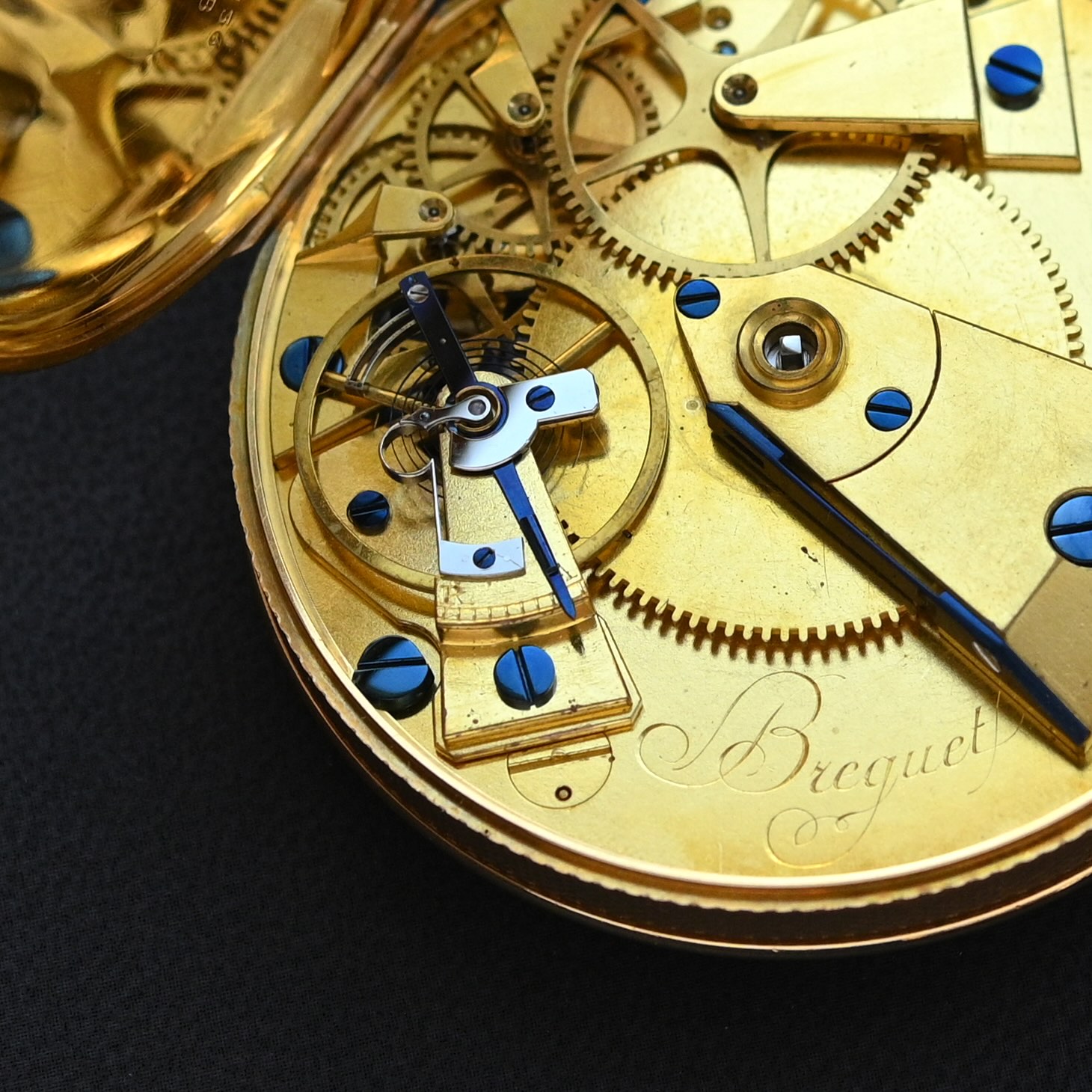
Abraham-Louis Breguet changed the conversation in 1790 with the pare-chute system, a name drawn from the French word for parachute.
Its purpose was direct and practical, protecting the balance wheel pivots from the worst effects of impact.
Breguet shaped the ends of the balance staff into cones and seated them in cup-like bearings mounted on small blade springs.
Instead of a blow travelling straight into the pivots, the system absorbed energy through a miniature suspension, not unlike the leaf springs used on horse-drawn carriages of the period.
A final version appeared in 1806, giving Breguet’s watches a level of resilience that was exceptional for the time.
In one famous demonstration at the home of Charles-Maurice de Talleyrand-Périgord, Breguet dropped a pocket watch to the floor and let guests confirm that it continued running.

The pare-chute remained an exclusive solution at first, appearing on high-end Perpétuelle automatic watches in the 1790s before expanding across more Breguet models in the early 19th century.
Most watches beyond Breguet’s workshops remained largely unprotected, though some gained a measure of security from outer protective cases.
Why the wristwatch made durability urgent
Pocket watches had one practical advantage over later wristwatches.
They spent much of their lives in soft pockets and were often attached to chains or lanyards, which helped prevent catastrophic falls.
That changed when wristwatches moved from novelty to necessity.
During World War I, soldiers needed hands-free timekeeping in the field, and the wristwatch became a practical tool rather than a feminine accessory or curiosity.
Returning soldiers helped shift public taste in the 1920s, and wristwatches quickly became mainstream.
They also introduced a new problem.
A watch on the wrist is exposed to desks, doors, walls, steering wheels and daily movement in a way a pocket watch rarely was.
Water and dust protection advanced commercially with the Rolex Oyster case in 1926, but mechanical shock resistance needed another solution.
By the 1930s, that solution arrived in a form that could be adapted across the industry.
Incabloc and the modern shock absorber
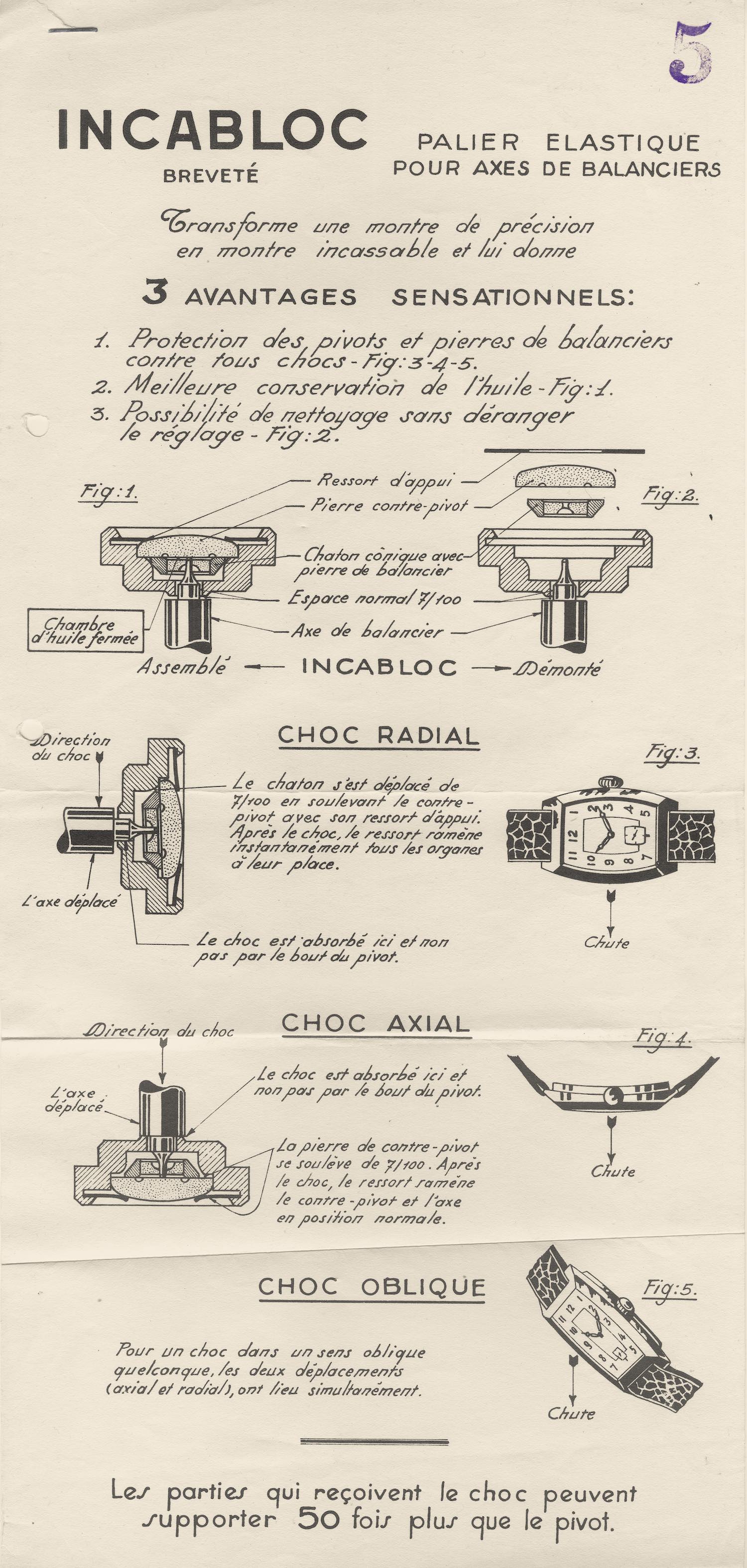
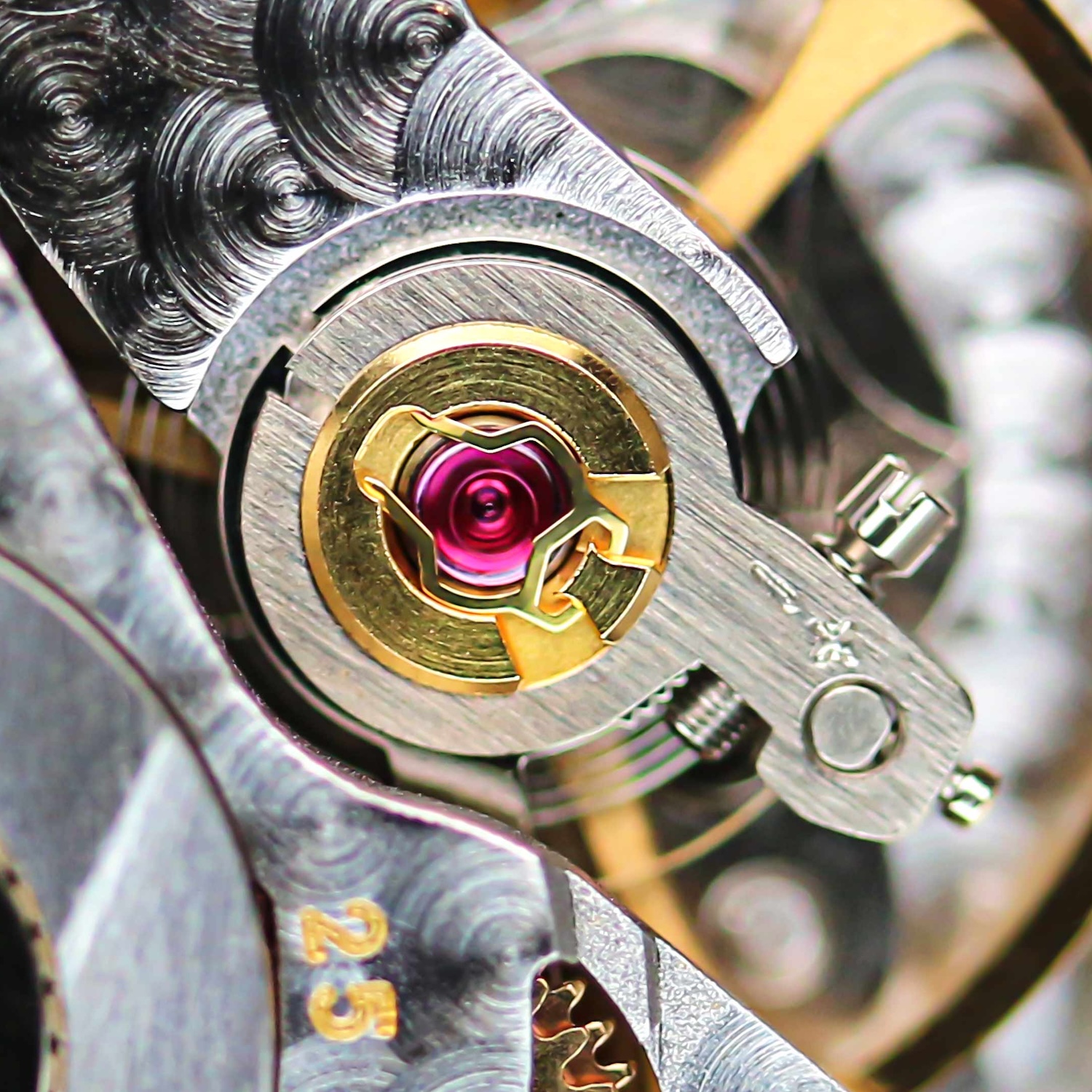
Incabloc debuted in 1934 and became the defining shock-protection system of the modern mechanical wristwatch.
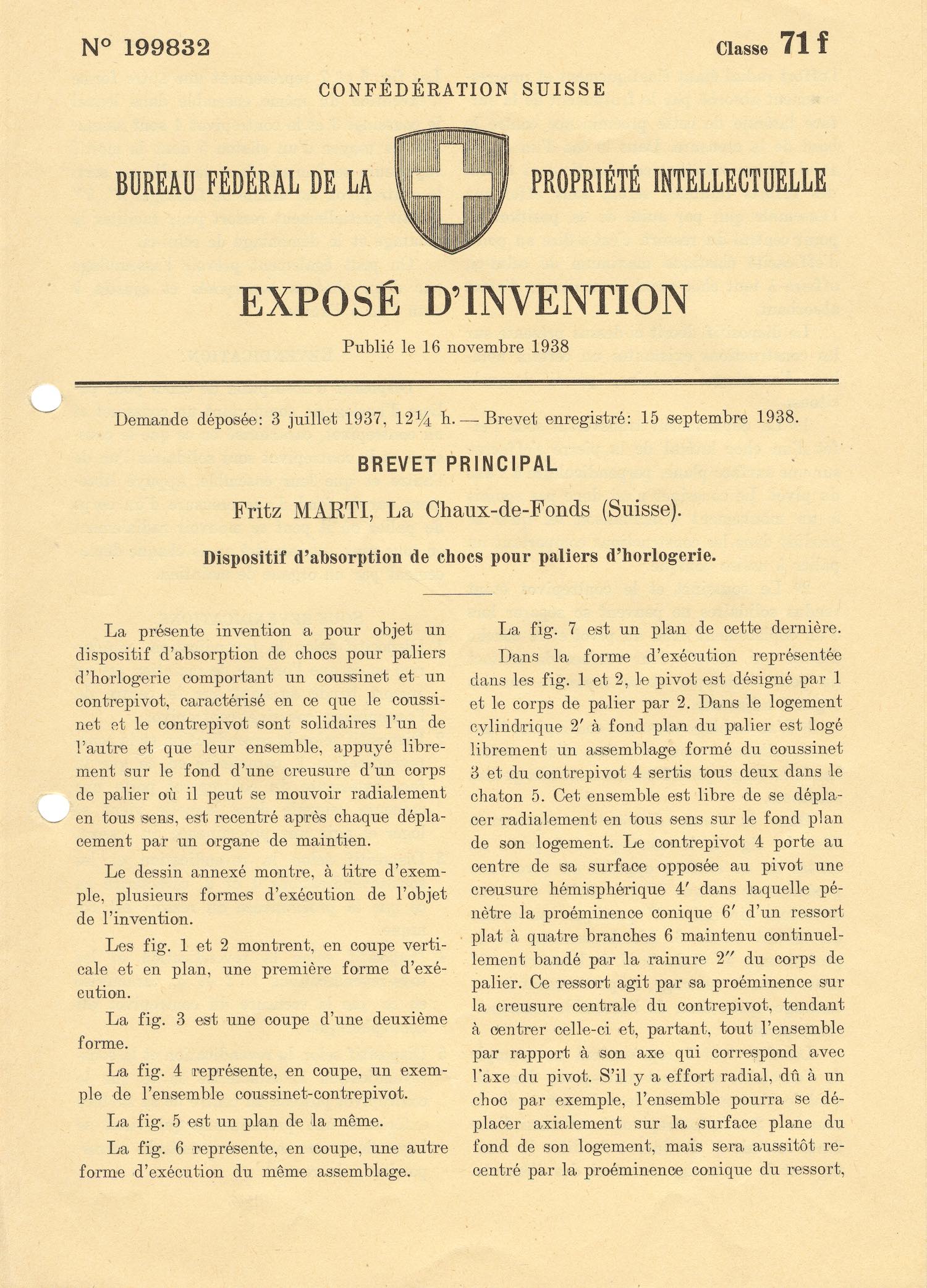
It was developed by Swiss engineers Georges Braunschweig and Fritz Marti of La Chaux-de-Fonds, with research underway by 1928.
Marti received a Swiss patent in 1929 for a movable balance jewel, and the pair founded Porte-Echappement Universel SA to manufacture the system.
The company later became Portescap SA in 1963.
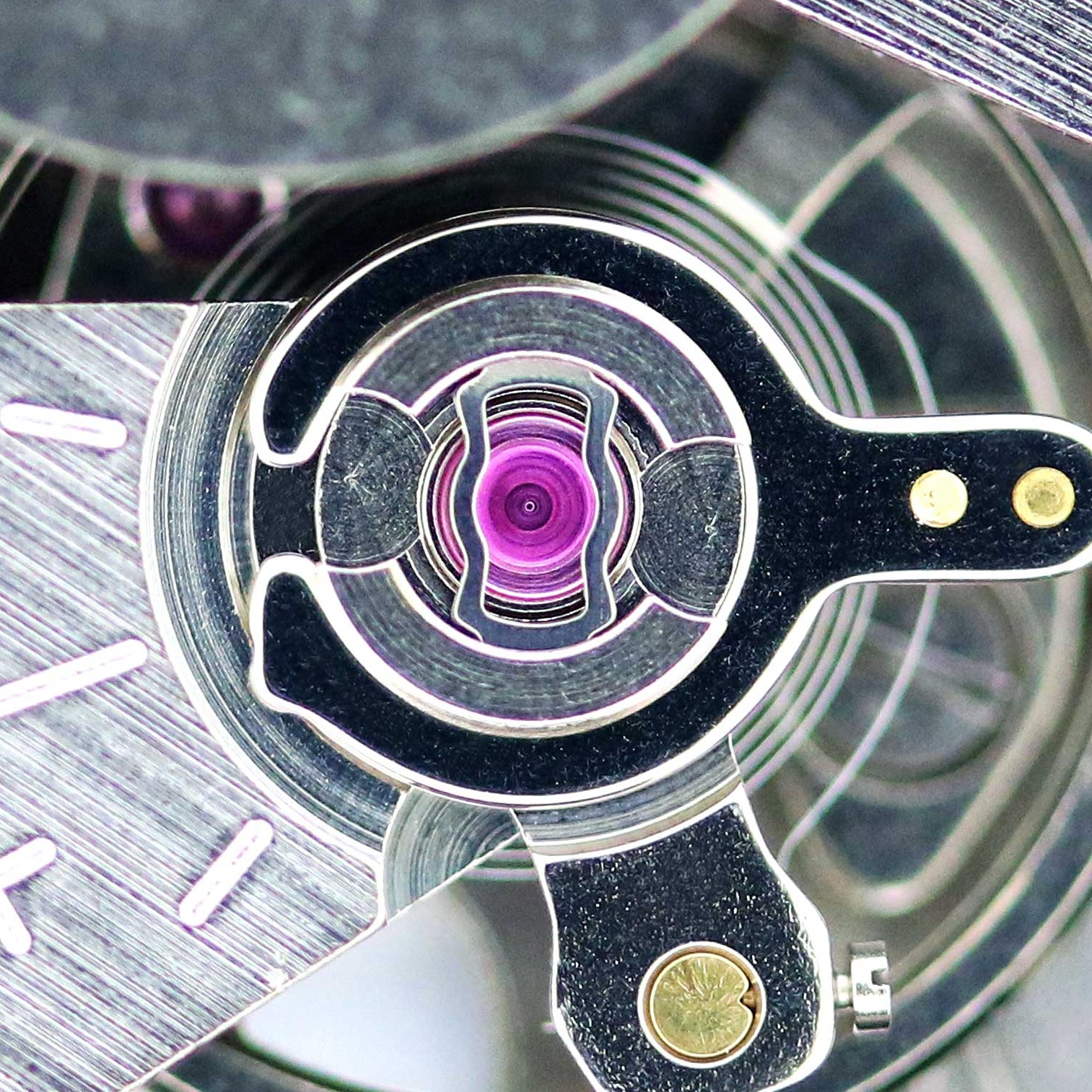
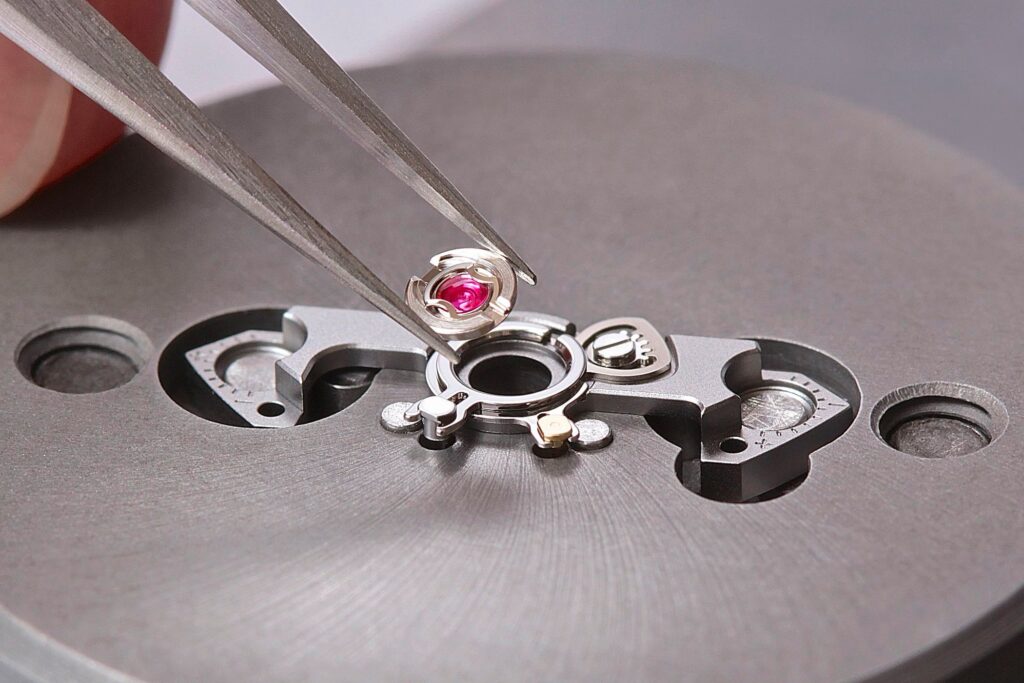
Incabloc addressed the same vulnerable area that concerned Breguet, the balance staff and its extremely delicate pivots.
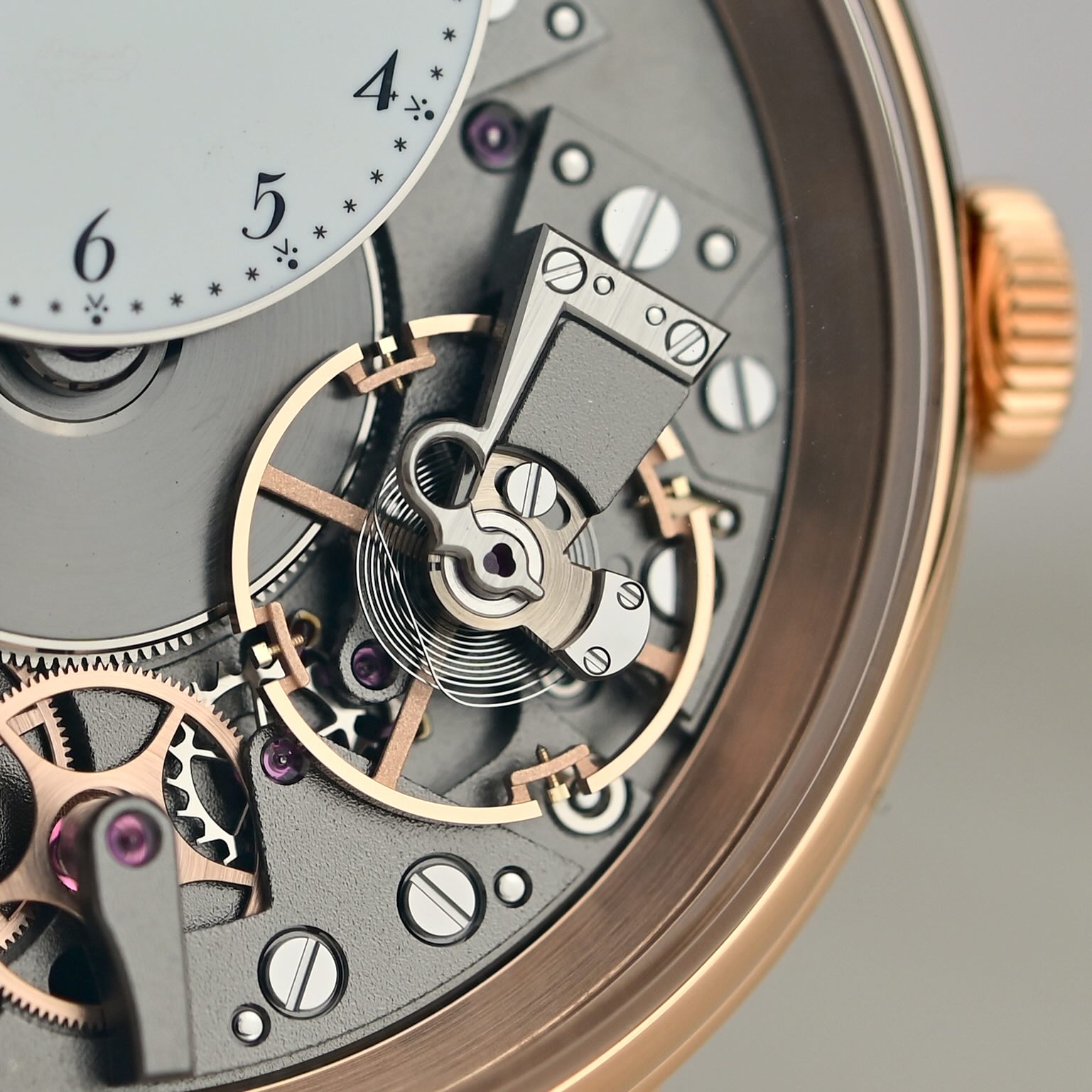
Its design placed the jewel bearings and balance staff end stones inside bushings held by lyre-shaped springs.
Those springs allow the assembly to move vertically and laterally during an impact, then return immediately to the correct position.
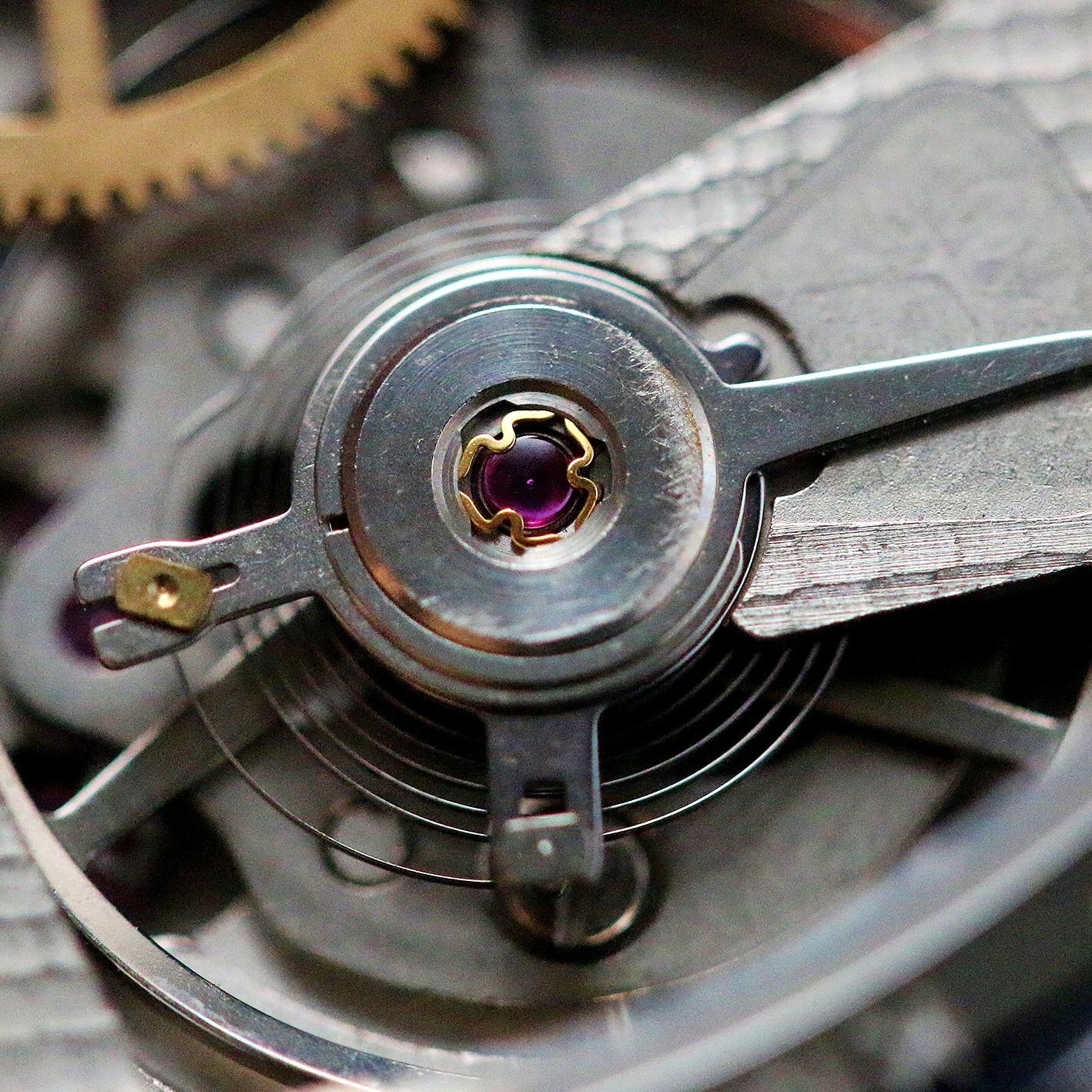
The importance of that adaptability can’t be overstated.
Unlike Breguet’s proprietary pare-chute, Incabloc could be fitted to a wide range of movements, which made it suitable for industrial watchmaking rather than just elite horological production.
Deliveries reached 300,000 units in 1935, and by 1950 the system was widely used across the industry.
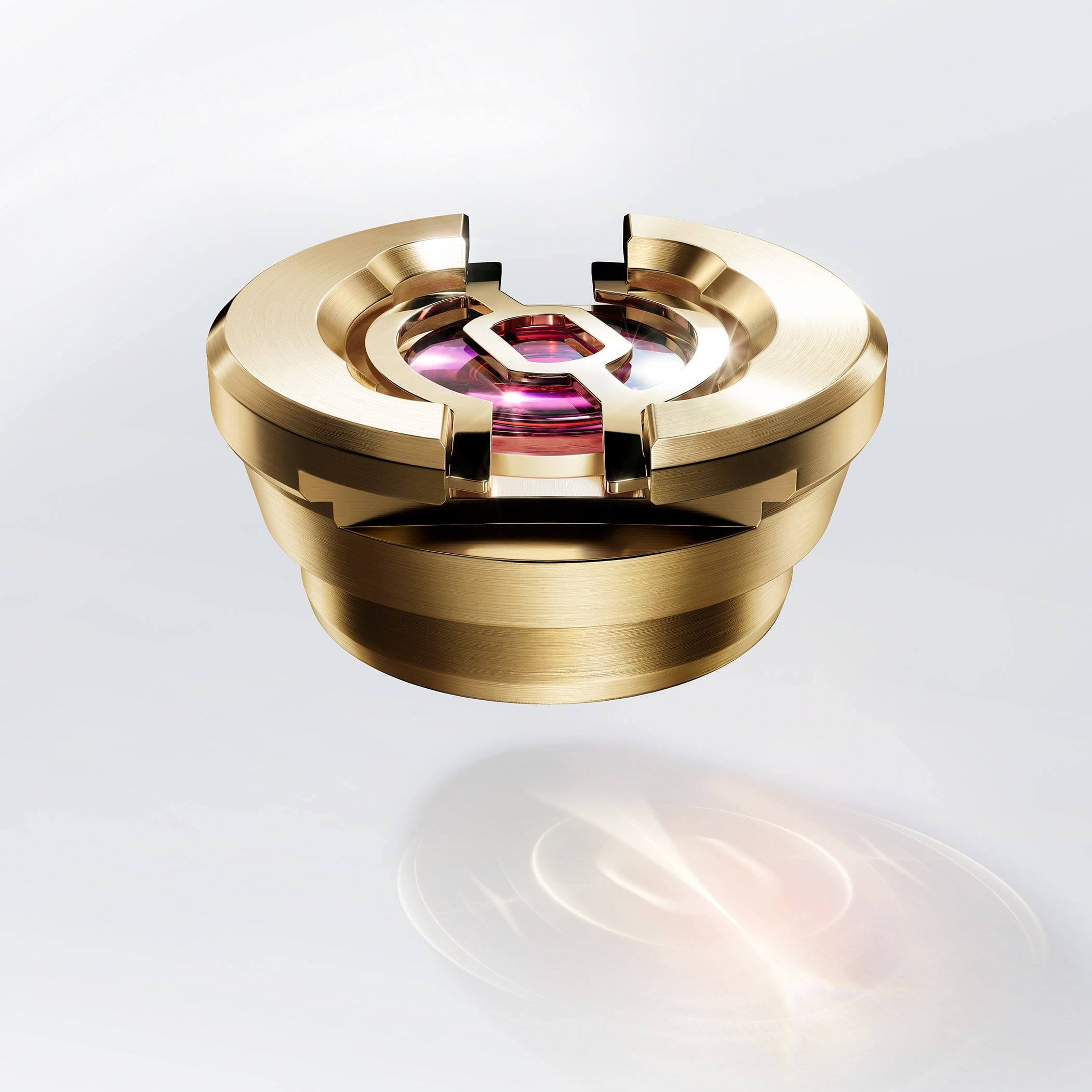
By 1960, a majority of watches were fitted with Incabloc, and the name often appeared proudly on dials as a visible sign of durability.
Annual production climbed to 36 million units by the 1970s.
The quartz crisis of the 1980s threatened the company’s future, since quartz watches didn’t rely on the same vulnerable mechanical balance system.
In 1988, Eric Zutter acquired the business and established Incabloc SA, positioning it for the mechanical watch revival of the 1990s and 2000s.
Even with numerous competing systems now in use, Incabloc remains one of the most familiar and widely adopted names in mechanical shock protection.
KIF Parechoc and the high-end Swiss approach
Incabloc wasn’t alone for long.
KIF Parechoc SA was founded in 1944 by Georges Galet in Le Sentier, in Switzerland’s Vallée de Joux.
The company’s name came from the French phrase for shock absorber, and its early designs used blade-type springs before moving in the 1950s toward a free bearing system loaded with a spring.
KIF became an important supplier to Swiss brands, particularly at the higher end of the market.
Its most famous long-term user was Rolex, which relied on KIF shock protection from the early 1950s into the mid-2000s.
Rolex later developed its own Paraflex system, with a gradual rollout that included calibre 3186 in models such as the GMT-Master II, Explorer II and Cellini Prince.
Like Incabloc, KIF faced pressure during the quartz crisis and had to diversify to remain viable.
The company was acquired by the Acrotec Group in 2006 and returned its focus to shock protection and related watchmaking components.
Shock resistance is easy to overlook because it usually works in silence.
There’s no hand to admire and no complication to activate, yet it’s one of the reasons a mechanical watch can survive real wrists, real travel and real accidents.
From Breguet’s early suspension idea to the industrial spread of Incabloc and KIF, the history of shock protection is really the history of the mechanical watch becoming fit for daily life.