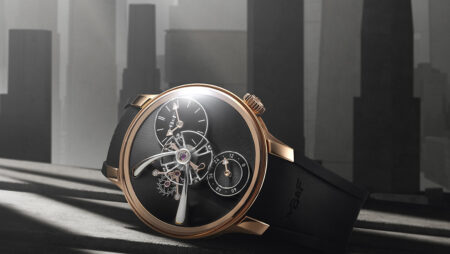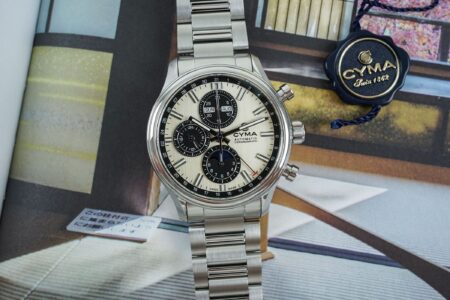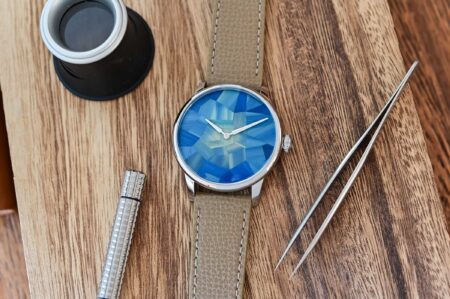
The Grand Prix d’Horlogerie de Genève 2026 has moved into its next major phase with 84 nominated timepieces now in contention.
For collectors, retailers and the wider watch industry, the GPHG shortlist is more than a prize-season formality. It’s a useful snapshot of where contemporary watchmaking is placing its energy, from craft and complication to wearability, design language and independent creativity.
At a glance
- The Grand Prix d’Horlogerie de Genève 2026 has named 84 nominated timepieces.
- The selection frames a broad competition across contemporary watch design, mechanical craft and specialist horology.
- The nominations mark a key step toward the eventual GPHG 2026 prize winners.
A key moment in the watch calendar
The GPHG occupies an unusual place in watch culture because it sits between industry recognition and collector conversation.

It doesn’t simply reward commercial scale or brand visibility. Its importance comes from the way it brings established maisons, specialist makers and smaller creative workshops into the same annual discussion.
That makes the nomination stage particularly interesting.
Before trophies are awarded, the 84-watch selection gives the market a concentrated view of what jurors, brands and the broader horological community consider worthy of close attention in 2026.

It also tends to sharpen debate around the difference between a successful product and a significant watch.
A popular release can generate demand, but a GPHG nomination asks a different question. It asks whether the watch contributes something meaningful to design, technique, execution or the ongoing language of mechanical watchmaking.
What 84 nominations tell us about the year
A list of 84 watches is large enough to show diversity, but still selective enough to feel curated.
That balance is part of the appeal.
In any given year, the watch world produces far more launches than any collector can reasonably follow. The GPHG nomination stage creates a smaller field where key ideas become easier to read.
Some nominated watches will be valued for their movement architecture. Others will stand out for case construction, dial craft, jewellery work, calendar display, chronograph execution or the simple difficulty of making a watch feel genuinely fresh.
The most compelling entries are often those that succeed on more than one level.
A technically sophisticated watch still needs proportion, legibility and presence. A beautiful object needs more than surface charm if it wants to hold attention beyond its first impression.
That tension is exactly why the GPHG remains relevant.
It places traditional watchmaking skills in conversation with changing collector tastes, including the appetite for smaller cases, stronger identities, independent voices and complications that feel emotionally engaging rather than merely impressive on paper.
Why collectors pay attention
For seasoned collectors, a nomination can bring a watch back into focus after the noise of launch season has passed.
It can also introduce names that sit outside the usual retail spotlight.
The GPHG has long been useful in that respect. It gives visibility to watches that might otherwise be discussed mainly within specialist circles, particularly when independents and niche makers compete alongside larger houses.
That doesn’t mean every nominated watch becomes a future classic, and it certainly doesn’t mean every collector will agree with the selection.
Disagreement is part of the ritual.
The value lies in the conversation that follows. Which pieces show real invention, which ones refine a familiar idea with uncommon discipline, and which ones best capture the mood of the year.
For buyers, the nomination list can be a prompt to look again. For brands, it’s validation in a crowded market. For enthusiasts, it’s an annual chance to take the temperature of high-end watchmaking without reducing the discussion to price, scarcity or social media visibility.
Geneva’s awards keep the spotlight on craft
The Grand Prix d’Horlogerie de Genève remains closely tied to the idea that watchmaking is both a technical discipline and a cultural one.
That distinction matters.
Mechanical watches are no longer necessary tools in the everyday sense, yet the best examples continue to justify themselves through ingenuity, tactile pleasure and the human skill embedded in their making.
An award structure like the GPHG helps frame that value for a broader audience.
It reminds people that a watch can be judged through many lenses, including engineering, finishing, originality, ergonomics, artistic craft and emotional clarity.
The 2026 nominations now set the stage for the next round of scrutiny.
As the field moves toward its eventual winners, the more interesting exercise may be watching which watches generate lasting discussion beyond the awards cycle itself.
That, ultimately, is where the strongest nominated pieces prove their worth. A trophy can define a moment, but a genuinely memorable watch continues to make its case long after the ceremony ends.