Ferrari has finally gone fully electric, and it hasn’t done it quietly. The new Luce is a five-seat, four-door GT crossover with four motors, a huge battery and a design that deliberately steps away from familiar Maranello cues. It’s fast, strange, technical and priced deep into Ferrari territory.
At a glance
- Ferrari Luce is the brand’s first fully electric production car and arrives as a spacious high-performance GT crossover.
- The Luce uses four electric motors for 1,050 PS, a 122 kWh battery, 800-volt architecture, active suspension and rear-wheel steering.
- Pricing is expected to sit around €550,000, placing it far above most electric performance rivals.
The Ferrari Luce marks a major shift for Maranello, not because Ferrari has used electric assistance before, but because this is the first time the company has built a production car without a combustion engine at all.
Rather than make an electric Purosangue, Ferrari has created a separate kind of machine, one that blends GT comfort, crossover packaging and supercar-grade electric performance.
A Ferrari EV with a very different silhouette
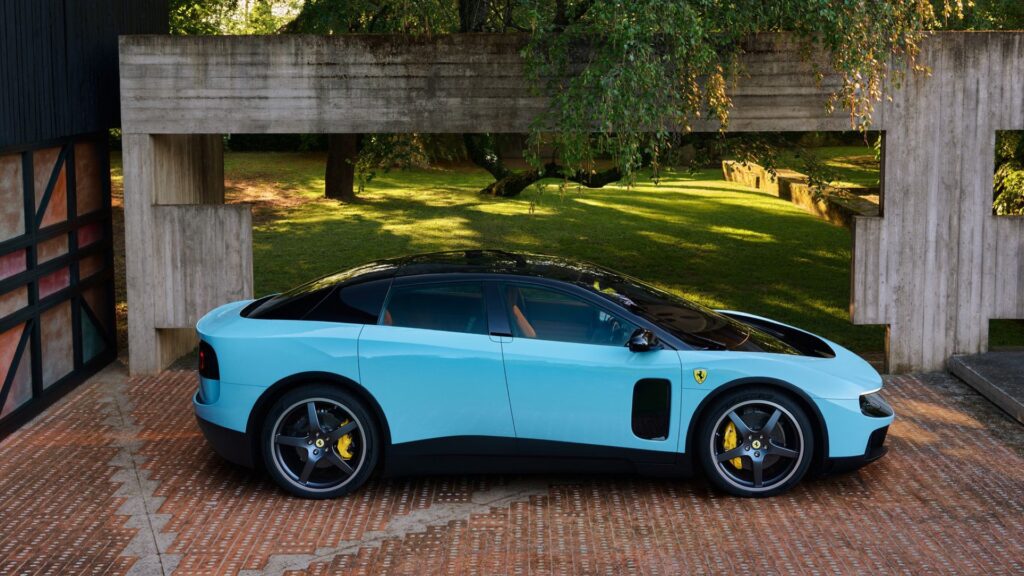
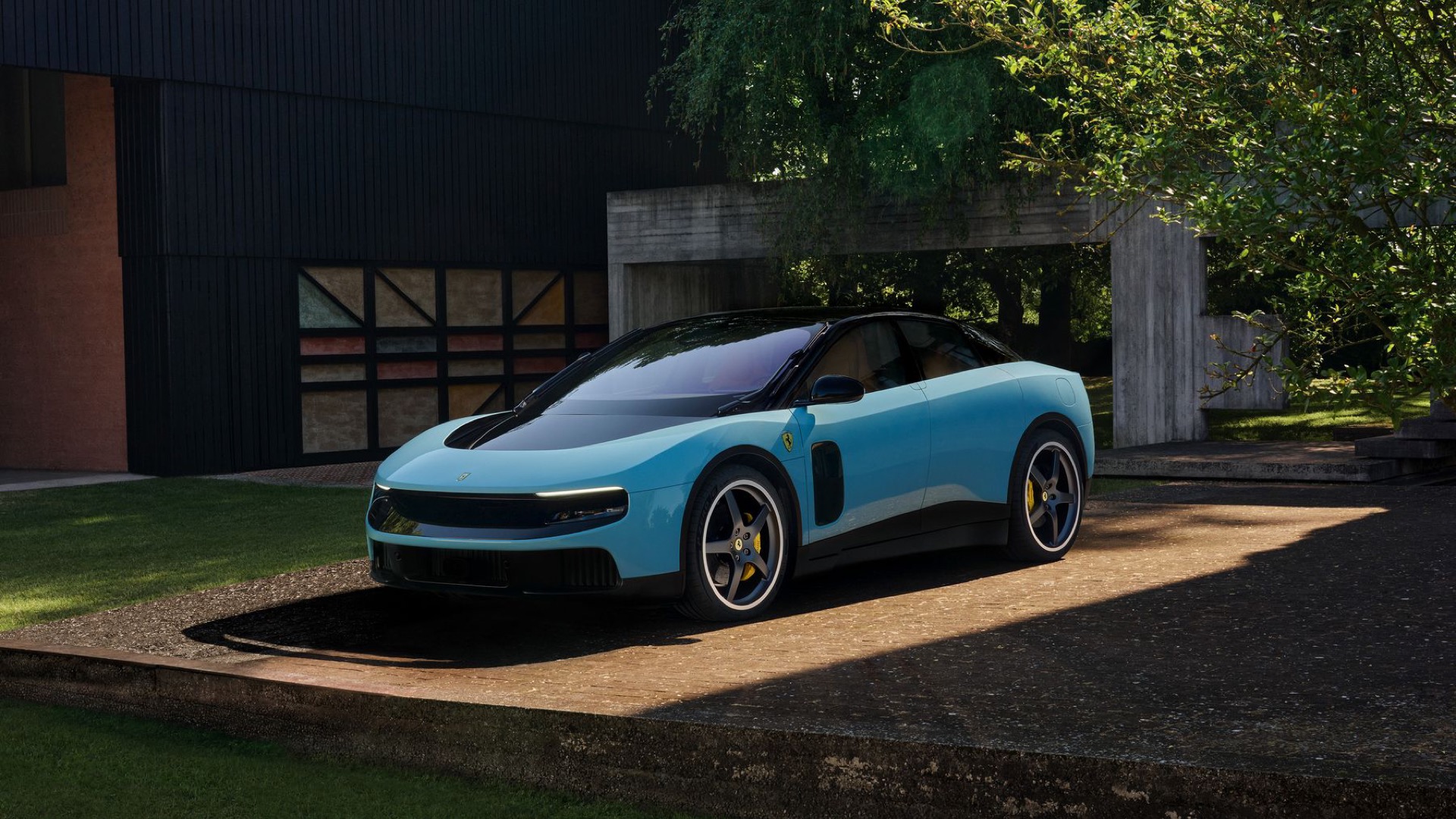
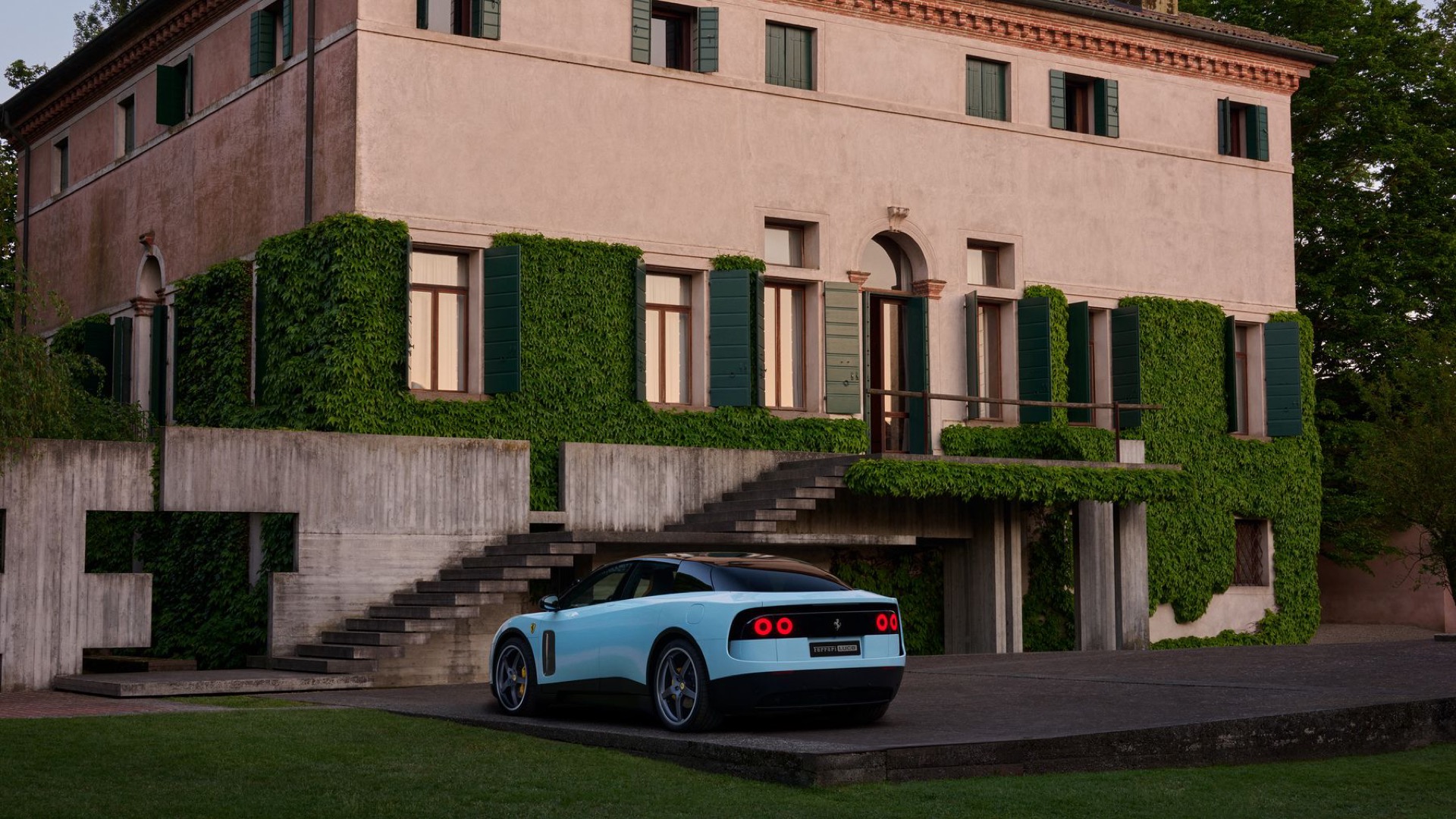
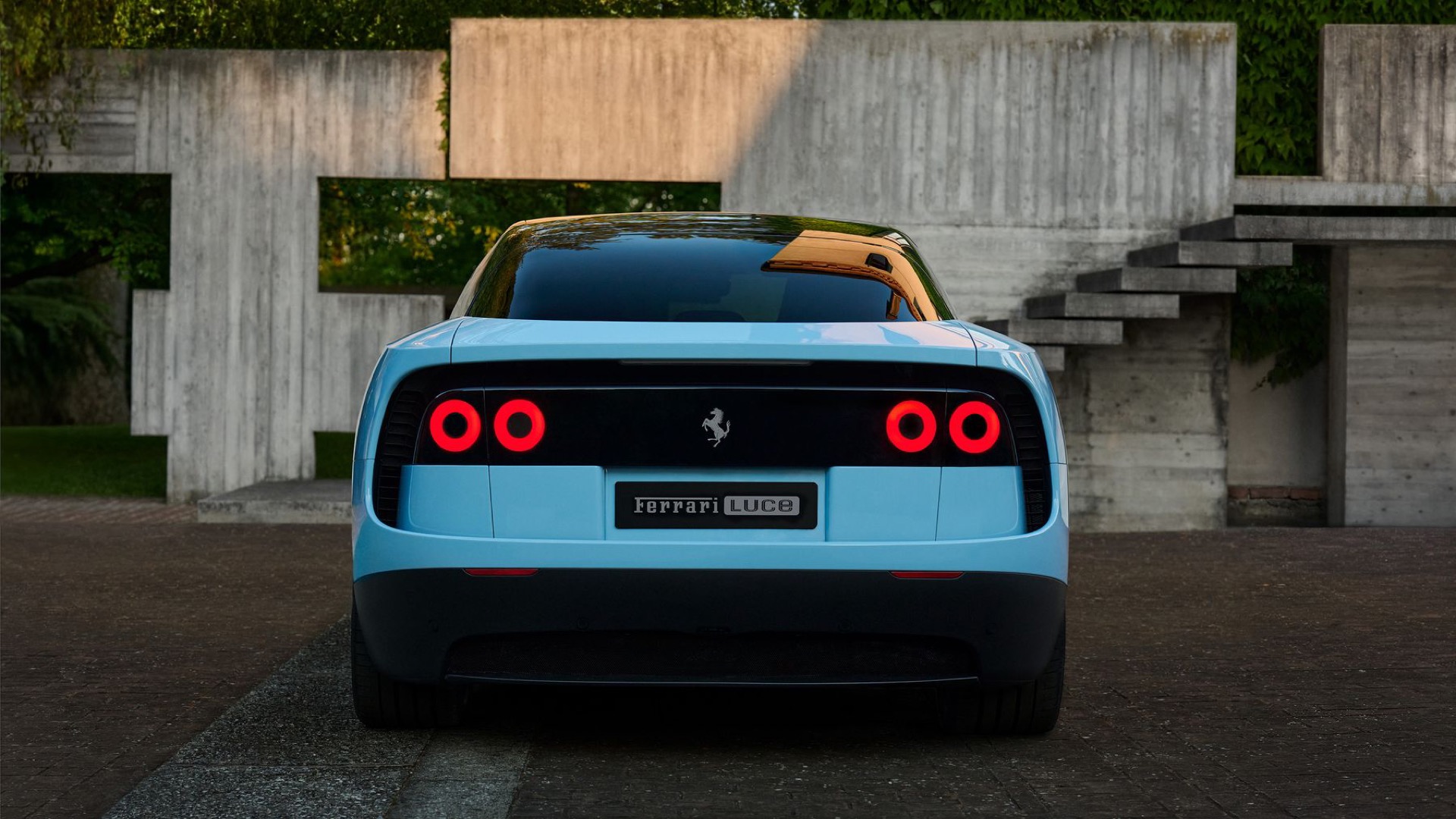
The Luce, Italian for “light”, doesn’t chase the low, aggressive shape normally associated with Ferrari’s mid-engined cars.
Its design was developed with LoveFrom, the studio founded by Jony Ive and Marc Newson, alongside Ferrari’s own design team.
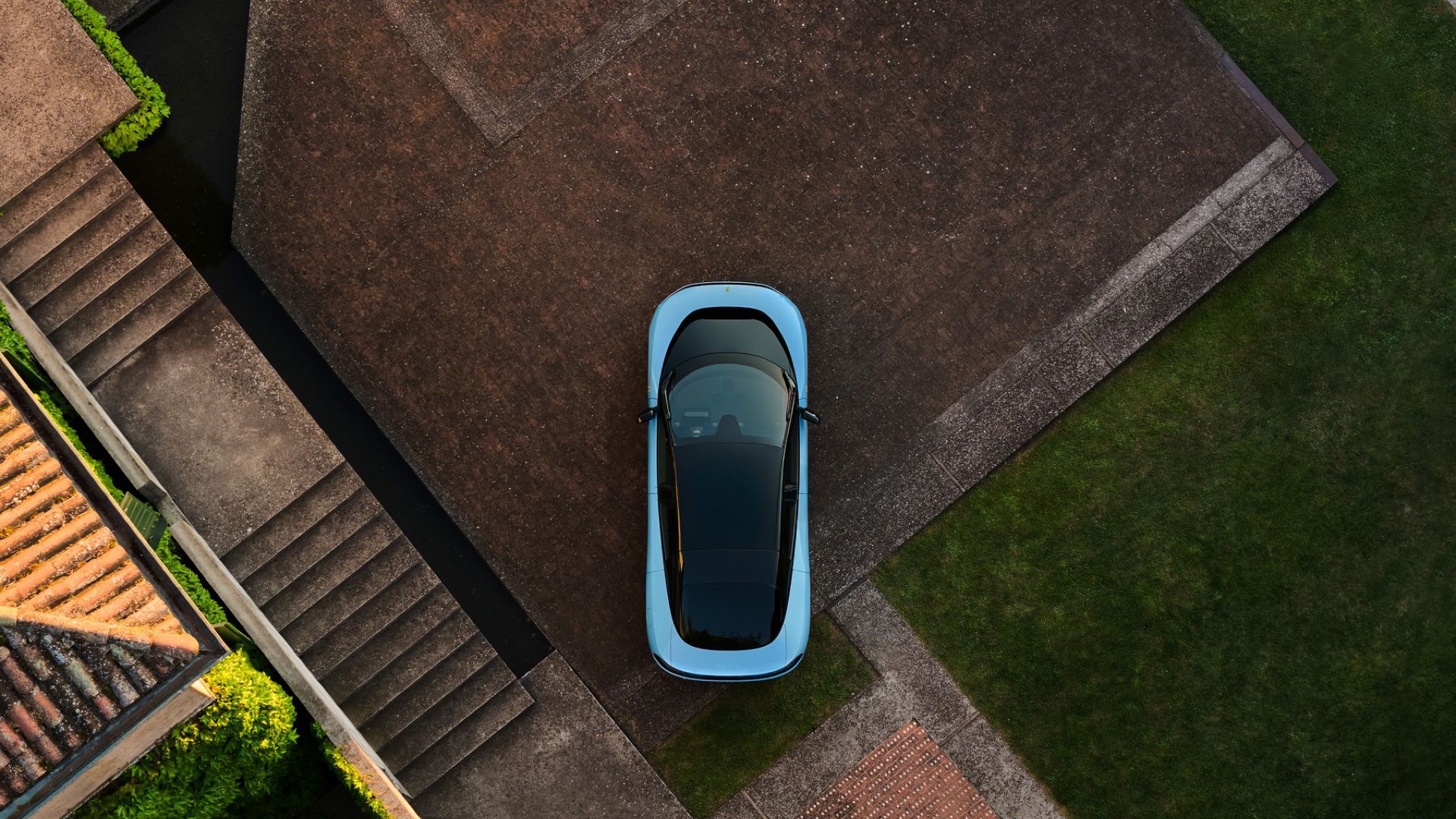
The result is centred on a glazed upper section Ferrari calls the “Glass House”, giving the car a two-layer look with a sculpted lower body and a wide glass capsule above it.
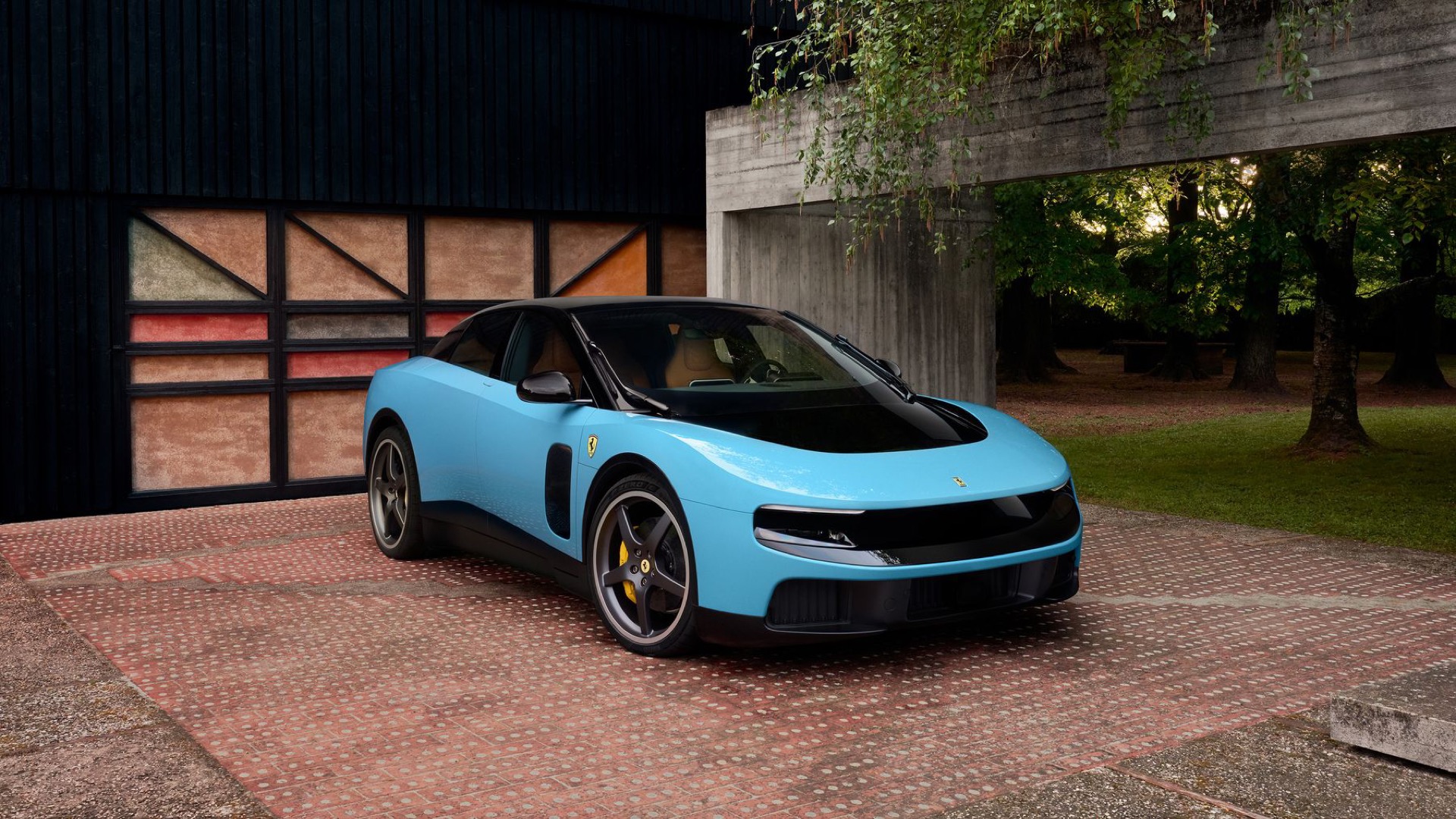
Rear-hinged doors help cabin access, and Ferrari says five adults can fit inside, which makes the Luce unusually practical by the brand’s standards.
Four motors and serious pace
Each wheel is driven by its own permanent-magnet synchronous motor, with the rear motors producing 310 kW each and the front motors contributing 105 kW apiece.
Total output is 1,050 PS, enough for 0-100 km/h in 2.5 seconds, 0-200 km/h in 6.8 seconds and a top speed of 310 km/h.
The 122 kWh battery uses a module-to-pack structure designed to allow future cell replacement as battery technology develops.
Charging peaks at 350 kW, while claimed range is around 530 kilometres, which is strong but not the headline figure in a field that includes cars such as the Lucid Air Sapphire, Porsche Taycan Turbo GT and Lotus Emeya R.
The handling brief still sounds like Ferrari
The Luce is large at 5.026 metres long and almost two metres wide, yet Ferrari has worked hard to keep the mass in check.
Kerb weight is listed at 2,260 kilograms, which is still heavy in Ferrari terms but relatively contained for a five-seat EV with a battery of this size.
Ferrari claims the centre of gravity sits 9.5 centimetres lower than in the Purosangue, while active suspension, rear-wheel steering and individual torque control at each wheel are intended to give the car real agility.
A new vehicle control unit processes sensor data 500 times per second, while the wheel package is equally dramatic with 23-inch fronts and 24-inch rears.
Inside the electric theatre
Ferrari hasn’t tried to mimic a V12 soundtrack, which is the right call.
Instead, the Luce amplifies natural vibrations from the electric drive units using accelerometers, creating a sound profile tied to the hardware rather than a synthetic engine fantasy.
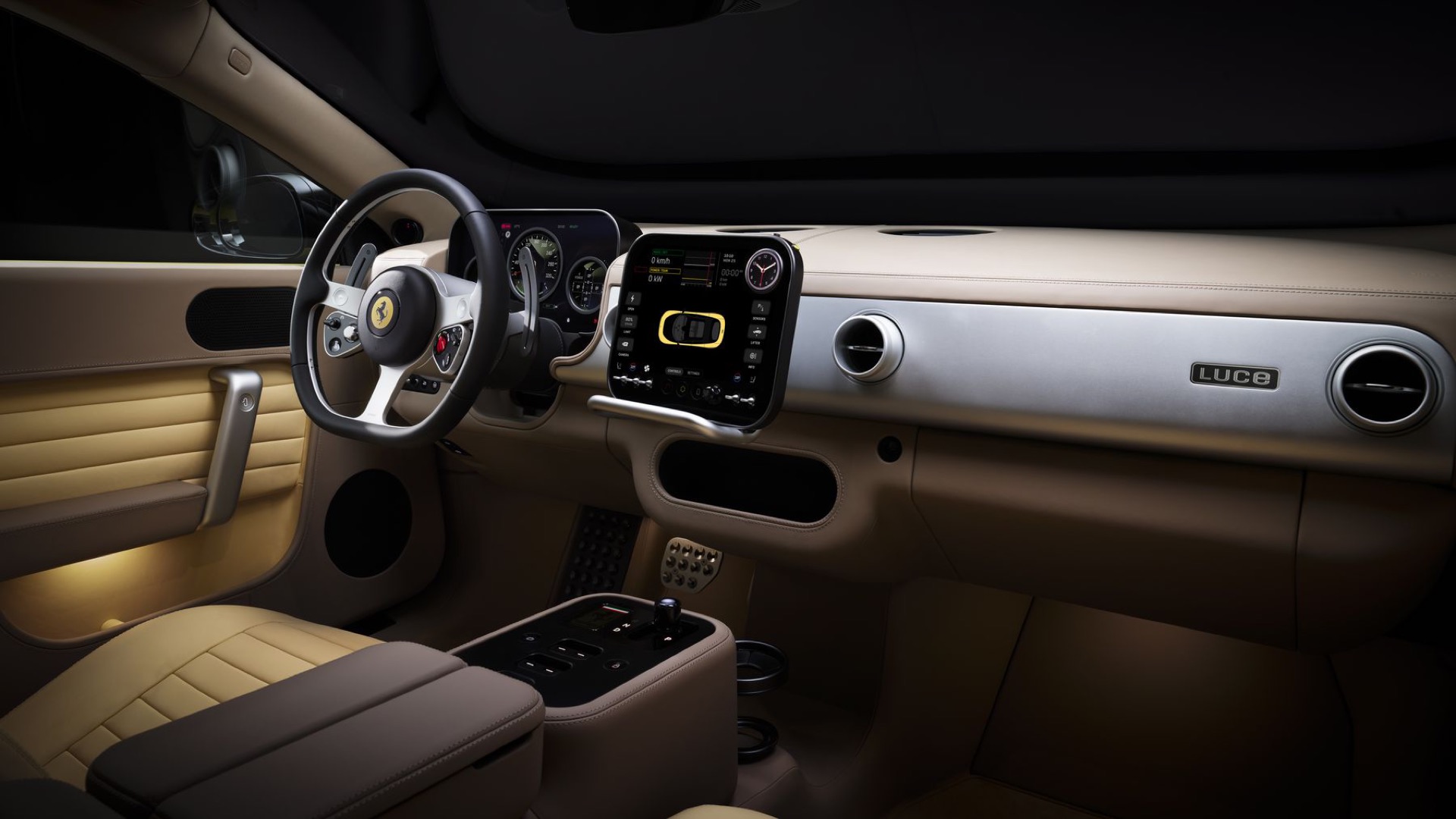
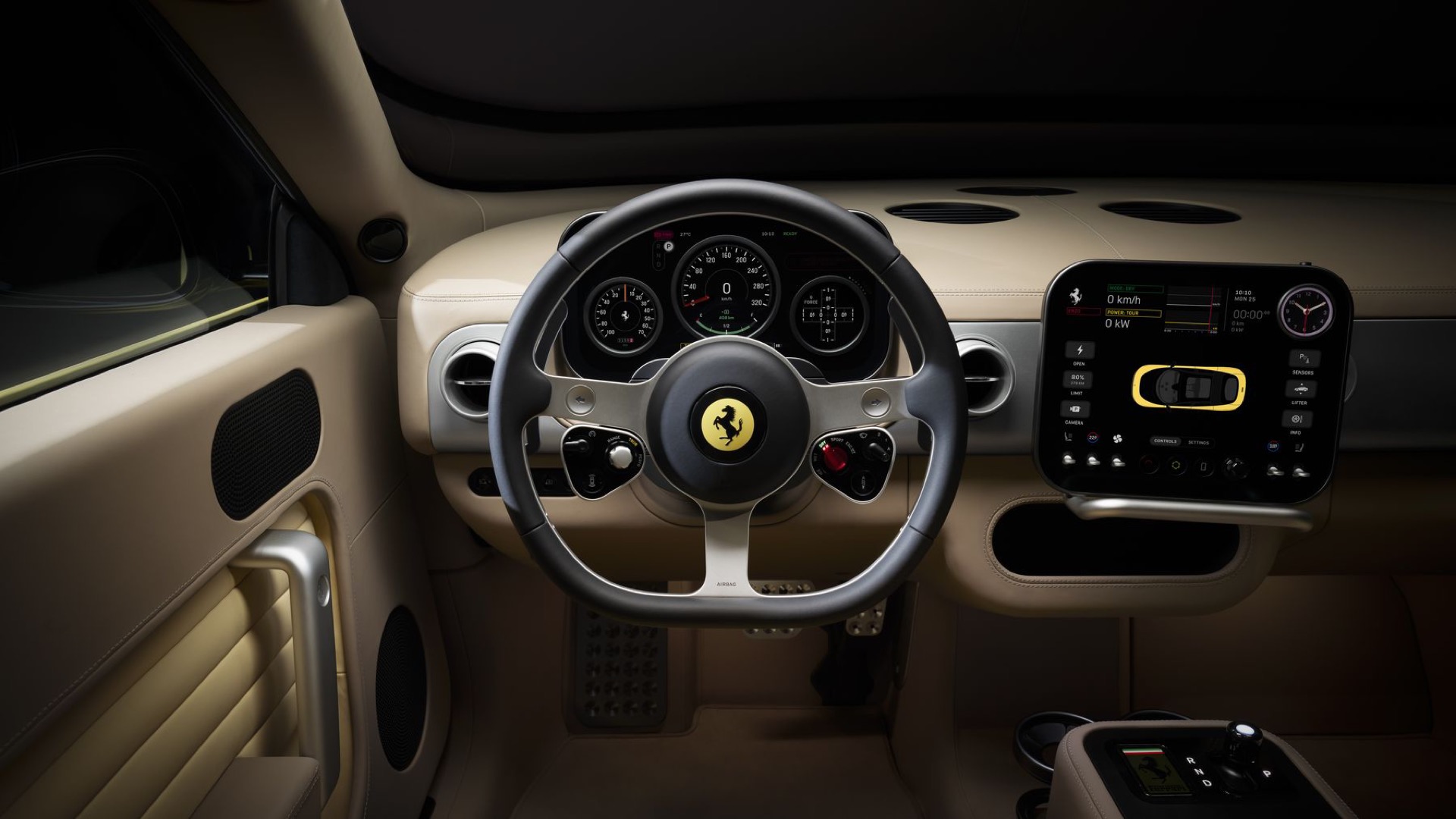
The cabin mixes physical controls, rotary switches, OLED displays and machined aluminium surfaces, with a rotating tablet-style screen integrated into the centre console.
In a curious move, Ferrari has left built-in navigation out and relies on Apple CarPlay and Android Auto, while over-the-air updates are also absent.
The startup ritual remains pure theatre, with the key placed into a dedicated centre-console slot and pressed down to wake the car through lighting and animation.
At around €550,000, the Luce is not simply competing with fast electric saloons, it’s asking buyers to accept a new definition of what an electric Ferrari can be.
Details & Specifications
| Brand | Ferrari |
|---|---|
| Model | Luce |
| Body style | Five-seat, four-door GT crossover |
| Powertrain | Four permanent-magnet synchronous electric motors |
| Power | 772 kW / 1,050 PS |
| Battery | 122 kWh module-to-pack battery |
| Architecture | 800-volt electrical system |
| Charging | Up to 350 kW |
| Range | Approximately 530 km claimed |
| Acceleration | 0-100 km/h in 2.5 seconds, 0-200 km/h in 6.8 seconds |
| Top speed | 310 km/h |
| Kerb weight | 2,260 kg |
| Length | 5.026 metres |
| Key chassis systems | Active suspension, rear-wheel steering, individual wheel torque control |
| Price | Around €550,000 |
FAQ
What is the Ferrari Luce?
The Ferrari Luce is Ferrari’s first fully electric production car. It’s a five-seat, four-door GT crossover rather than an electric version of the Purosangue, with its own design language and a fully battery-electric drivetrain.
How fast is the Ferrari Luce?
The Luce produces 1,050 PS from four electric motors, one for each wheel. Ferrari quotes 0-100 km/h in 2.5 seconds, 0-200 km/h in 6.8 seconds and a top speed of 310 km/h.
What range and charging speed does the Luce offer?
Ferrari claims a driving range of around 530 kilometres from the Luce’s 122 kWh battery. Its 800-volt electrical architecture allows charging at up to 350 kW, where compatible ultra-fast chargers are available.
How is the Luce different from the Ferrari Purosangue?
The Luce is fully electric, while the Purosangue is built around a combustion-engine Ferrari grand touring formula. The Luce also has a lower claimed centre of gravity, four independently controlled electric motors and a more experimental crossover silhouette shaped around its glazed “Glass House” upper section.
How much does the Ferrari Luce cost?
Pricing is expected to sit around €550,000, putting the Luce well above most high-performance electric saloons and crossovers. Final market-specific pricing and detailed availability have not been confirmed in the supplied information.