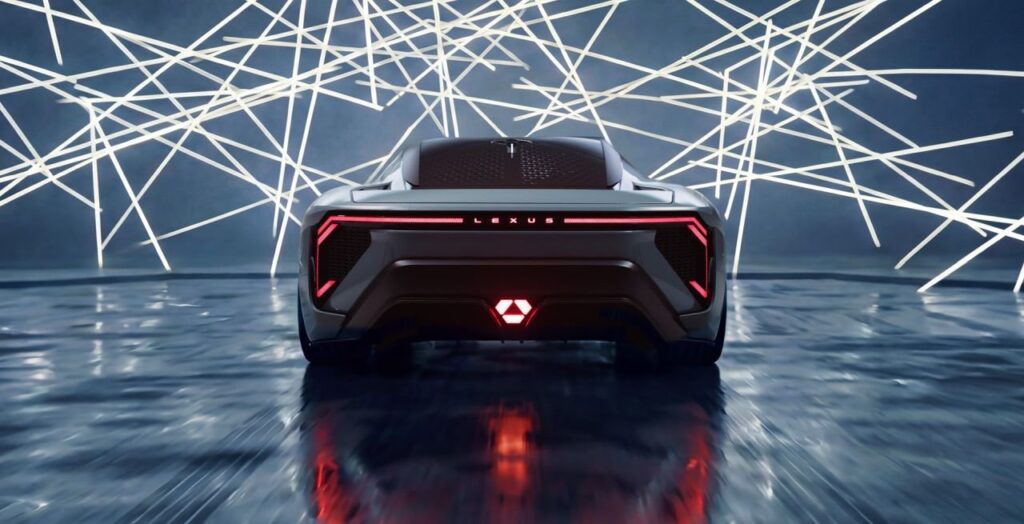
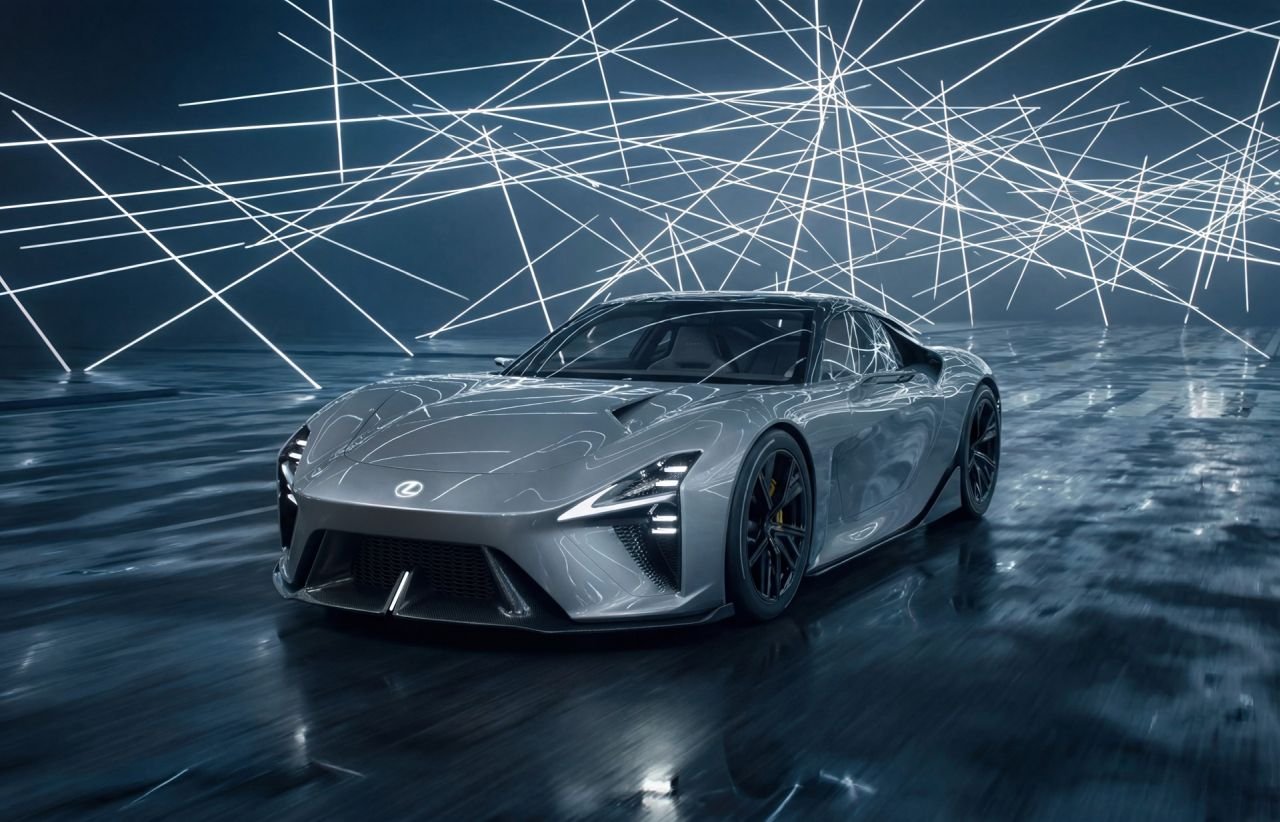
The Lexus LFA earned its reputation with a V10 that still feels almost impossible to replace.
If the next one arrives as an EV, Lexus may need more than raw speed to make the nameplate feel right.
CarBuzz reports that the new-generation LFA is expected in 2027, with a newly discovered Toyota patent suggesting one possible answer: simulated gearshifts that do more than play pretend.
At a glance
- The next Lexus LFA is reportedly expected in 2027 and is being developed as an electric supercar.
- A Toyota patent describes virtual gear selection with torque management to mimic the feel of sequential shifts.
- The system could offer different shift characteristics, including sharper behaviour for sportier driving modes.
A different kind of LFA problem
Building an electric supercar is no longer the hard part for a major manufacturer.
Making one feel memorable is the bigger challenge, especially when the badge in question is tied so closely to one of the great modern combustion engines.
The original Lexus LFA’s appeal was never just about acceleration figures.

Its character came from response, sound and the sense of machinery working with a driver rather than simply delivering speed in silence.
Toyota’s patent focuses on the moment between gears
The Toyota patent described by CarBuzz points to a system that would let an EV driver select virtual gears rather than relying only on a continuous stream of motor output.
The important detail is how the system handles torque during the simulated shift.
Instead of merely changing the rate of acceleration, the motor could briefly reduce torque to zero, creating a sensation similar to power being cut while a clutch is disengaged.
Torque would then return with a small surge, giving the impression of the clutch biting again as the next ratio engages.
That detail matters because a convincing shift is about interruption as much as acceleration.
A well-timed pause, followed by the right amount of shove, can make a car feel more physical and more involving even when no conventional gearbox is present.
Virtual shifts could change with drive modes
The patented system is described as working for both upshifts and downshifts.
CarBuzz also reports that different settings could alter the aggression of the shift feel.
In a sport or track mode, the response could become sharper, giving the driver a more pronounced sense of mechanical action.
That doesn’t make an EV gearbox real, but it does suggest Toyota is thinking beyond synthetic sound or dashboard theatre.
If applied to an LFA successor, the appeal would be less about nostalgia and more about creating a repeatable driving rhythm that enthusiasts can interact with.
Details & Specifications
| Brand | Lexus |
|---|---|
| Model | Next-generation LFA |
| Expected arrival | 2027, as reported by CarBuzz |
| Powertrain | Reportedly electric |
| Related technology | Toyota patent for simulated EV gearshifts |
| Shift function | Driver-selectable virtual gears with managed motor torque |
| Shift behaviour | Torque can briefly fall to zero before returning with a surge |
| Supported shift types | Upshifts and downshifts |
| Drive mode behaviour | Settings could vary shift aggression, including sharper sport or track calibration |
The appeal is involvement, not imitation
There will always be purists who view simulated gearshifts in an EV as theatre.
They’re not entirely wrong, but driver engagement has always involved carefully engineered sensations, from throttle mapping to shift speed to pedal feel.
For Lexus, the harder question is whether an electric LFA can carry the emotional weight of the name without trying to recreate the old car too literally.
A well-executed virtual shifting system could help by giving the driver something deliberate to do and something tactile to feel.
The V10 won’t be easy to follow, and a patent is not the same thing as a production confirmation.
Still, if the next LFA is indeed electric, this kind of detail may be exactly where Lexus proves it understands what made the original matter.