Cartier’s long-running prize for emerging watchmaking talent has always occupied an interesting corner of the industry.
Rather than asking young makers to chase complication for complication’s sake, the 28th edition invited them to question the very act of reading time.
The result was a quietly ambitious showcase of technical discipline, mechanical imagination and the kind of poetic thinking that has often defined Cartier’s most distinctive horological work.
At a glance
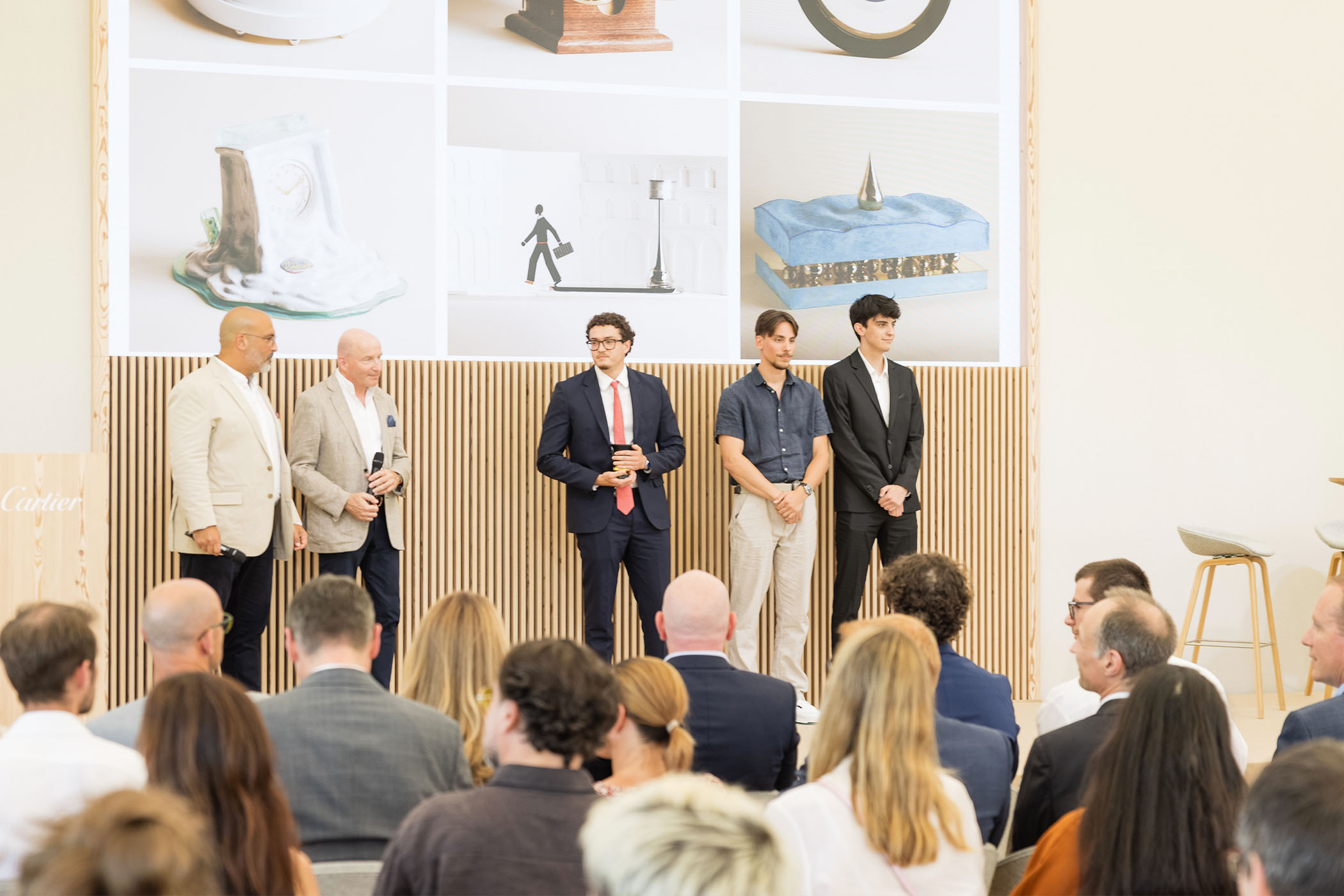
- The 28th Cartier Prize for Watchmaking Talents of Tomorrow honoured young watchmakers working around the theme “Shifting the balance: Reading and understanding time differently”.
- Eleven apprentices and technicians from France, Switzerland and Belgium created pieces using a Cartier desk clock movement, with 80 hours, three months and a CHF 500 budget.
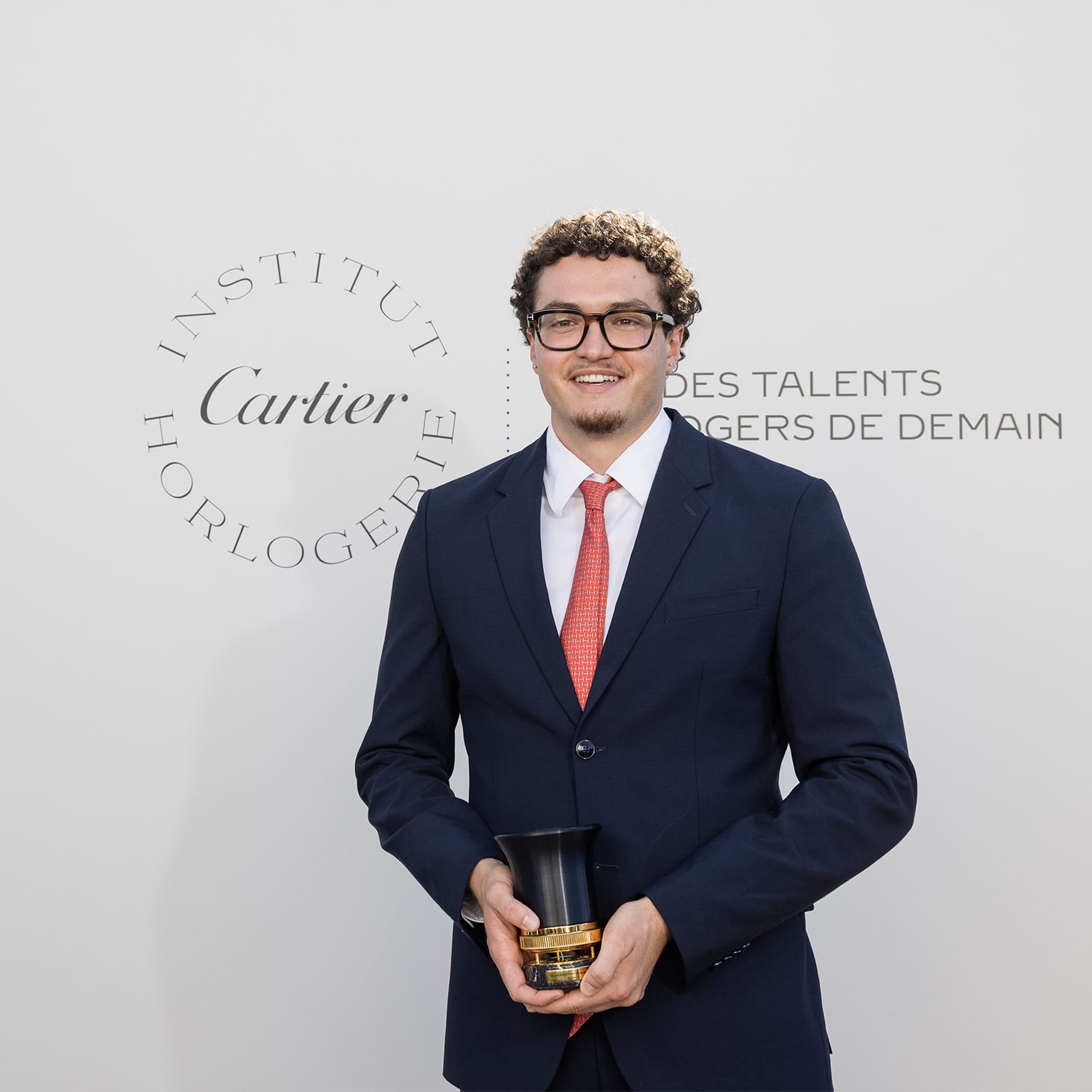
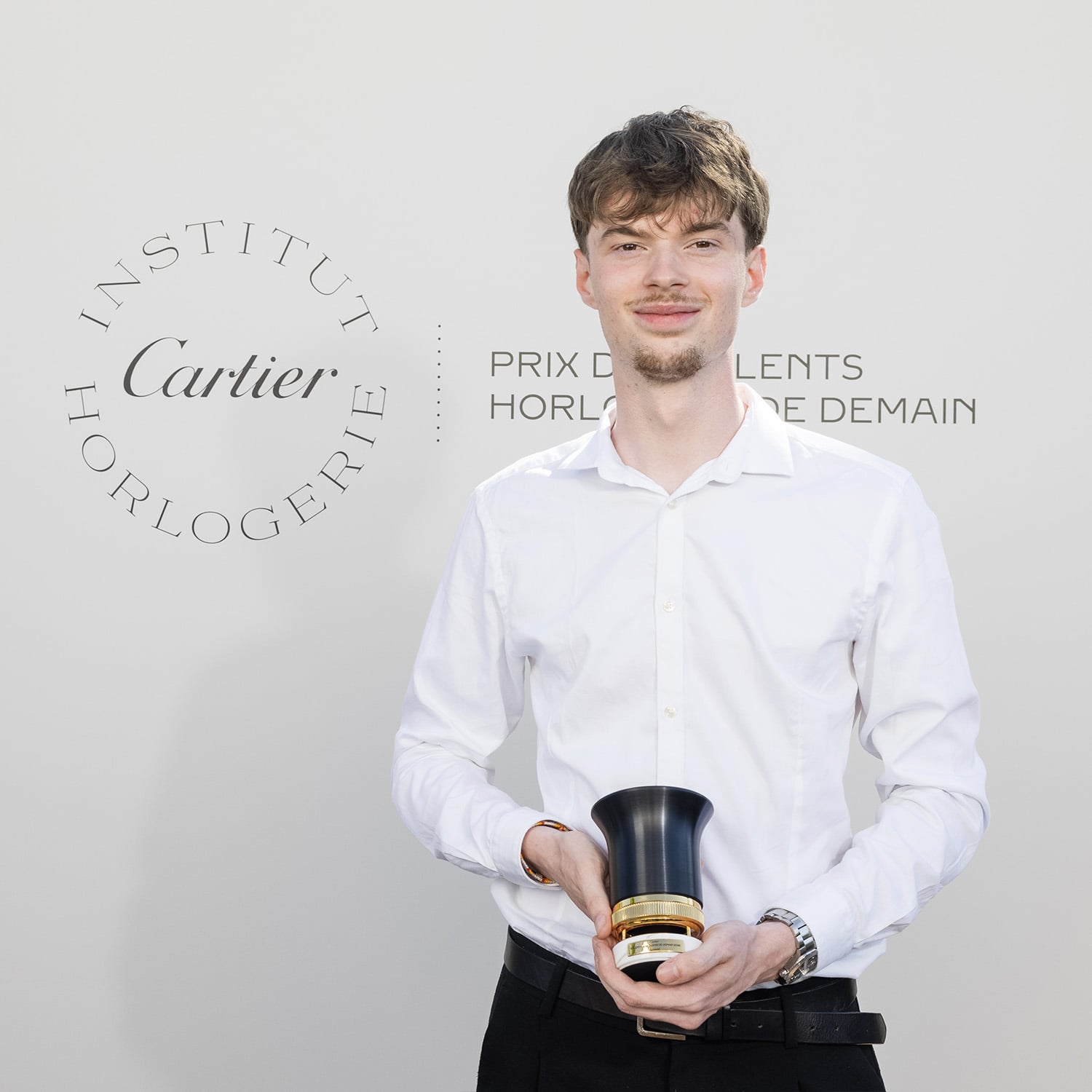
- Aymeric Peters won the Apprentice Watchmakers category, while Arthur Choquet took the Technicians category, with applications for the 29th edition due to open next autumn.
A Cartier brief with room for invention
Launched in 1995, the Cartier Prize for Watchmaking Talents of Tomorrow is one of the more quietly important platforms for young horological craft.
Its purpose is straightforward but demanding, giving emerging watchmakers a defined mechanical framework and asking them to bring a personal idea to life.
For the 28th edition, the challenge centred on the motion of a pendulum and the theme “Shifting the balance: Reading and understanding time differently”.
That framing feels particularly Cartier.
The Maison has often treated time display as a field for surprise, from mystery clocks to watches such as the Révélation d’une Panthère, Santos-Dumont Rewind and Tank à Guichets.
Here, the entrants were not simply asked to make an impressive mechanism.
They were asked to start with an idea, then find the mechanics to serve it.
Eleven finalists, one movement and a strict constraint
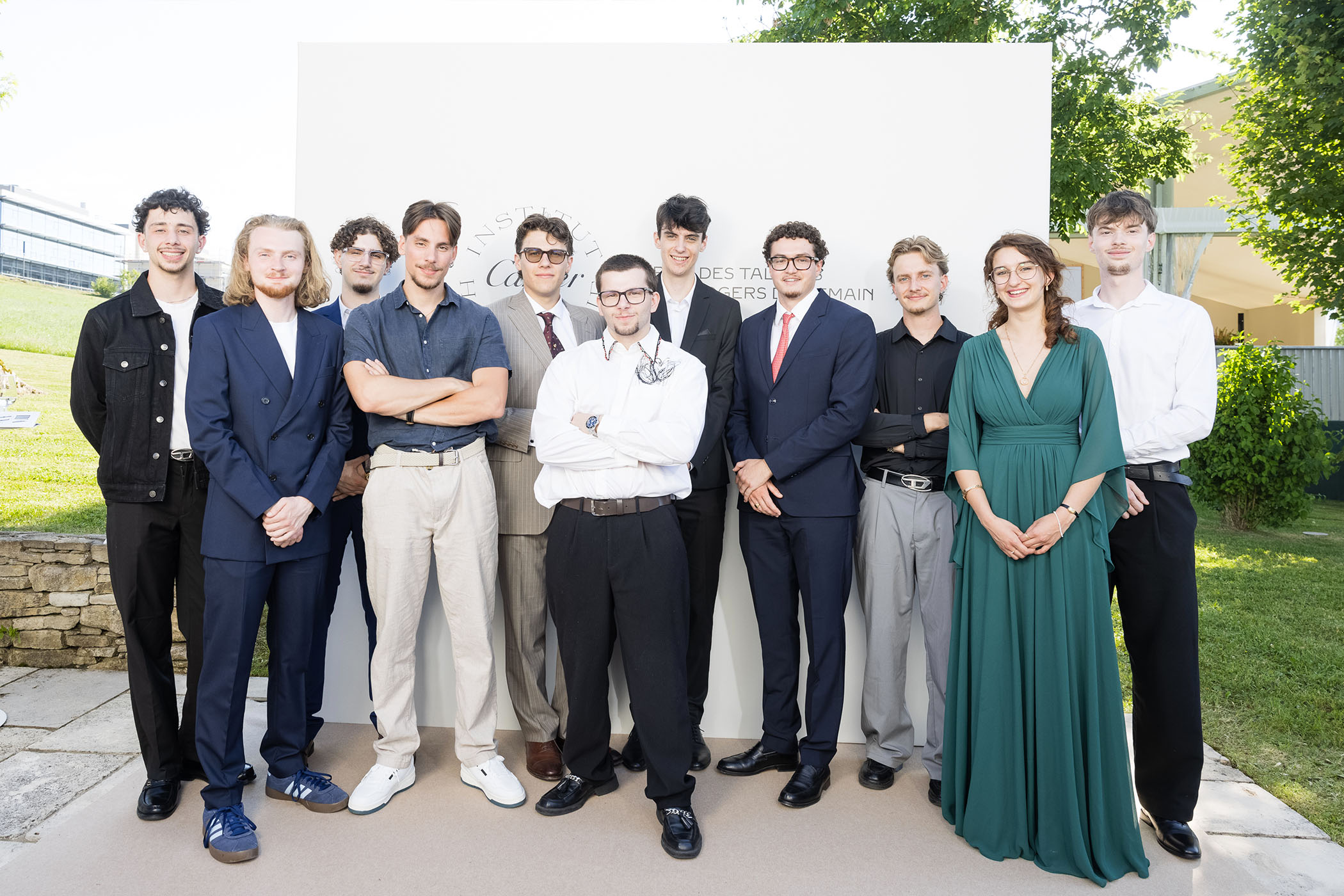
The 2026 finalists came from France, Switzerland and Belgium, spanning young apprentices and technicians still building their professional foundations.
Each entrant worked from a Cartier desk clock movement and had 80 hours spread across three months to complete the project.
The budget was CHF 500, and participants were allowed to seek guidance from a mentor.
Those limits matter, because they force decisions.
A small budget and fixed movement remove the temptation to solve every problem with excess, leaving the strength of the concept, finishing and mechanical logic exposed.
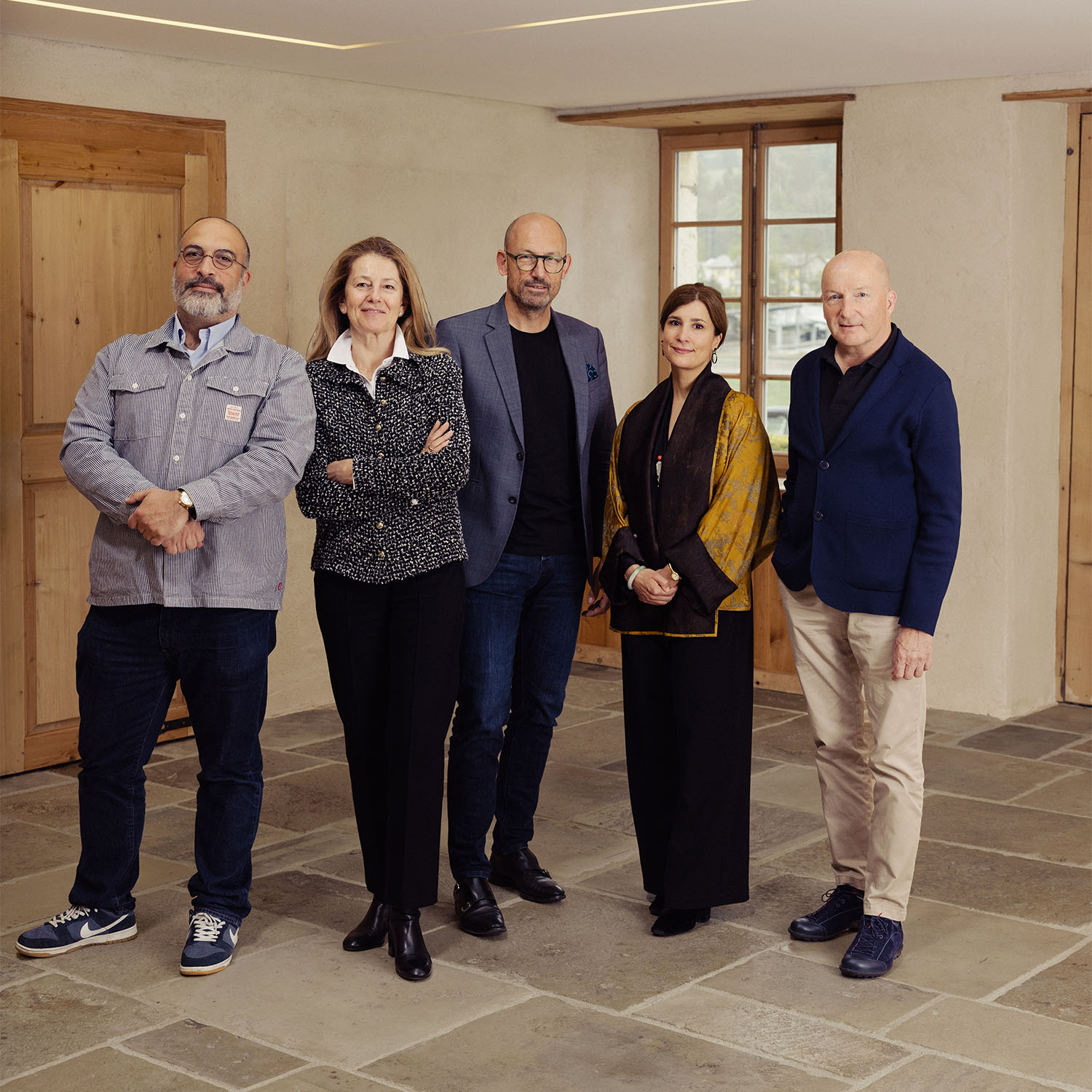
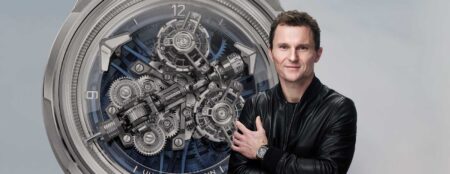
The jury included Kari Voutilainen, whose presence underlined the seriousness of the exercise and the level of craft expected from the finalists.
Aymeric Peters and a clock that reveals time only when asked
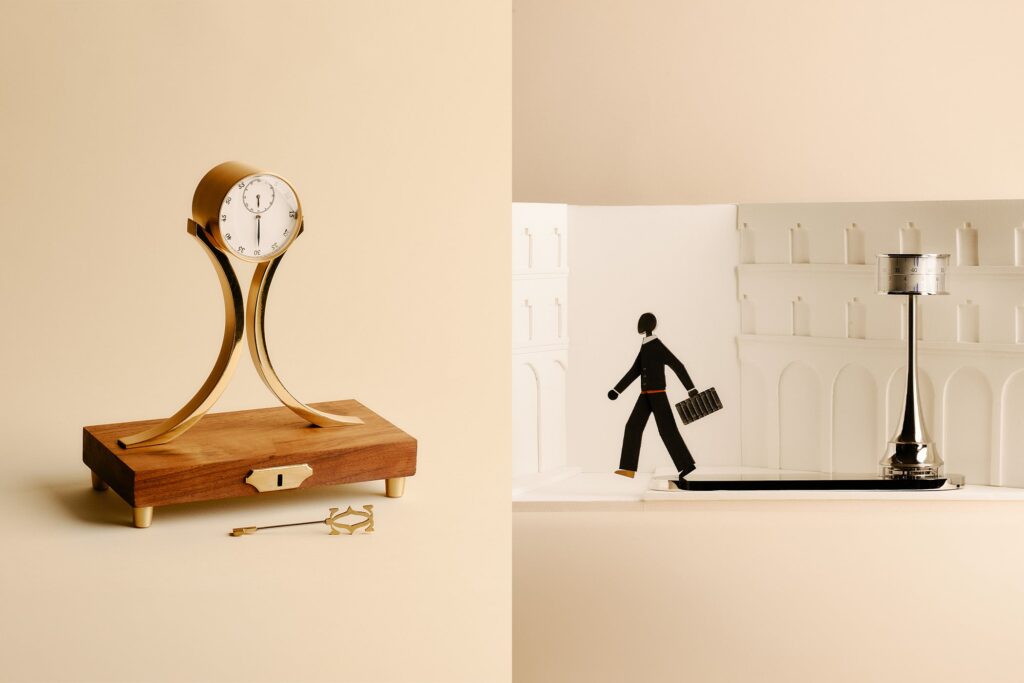
The Apprentice Watchmakers Prize went to Aymeric Peters of IATA in Namur, Belgium, for Silence Choisi, or Chosen Silence.
His clock takes inspiration from late 19th and early 20th century clocks made in wood and brass, but its central idea is strikingly contemporary.
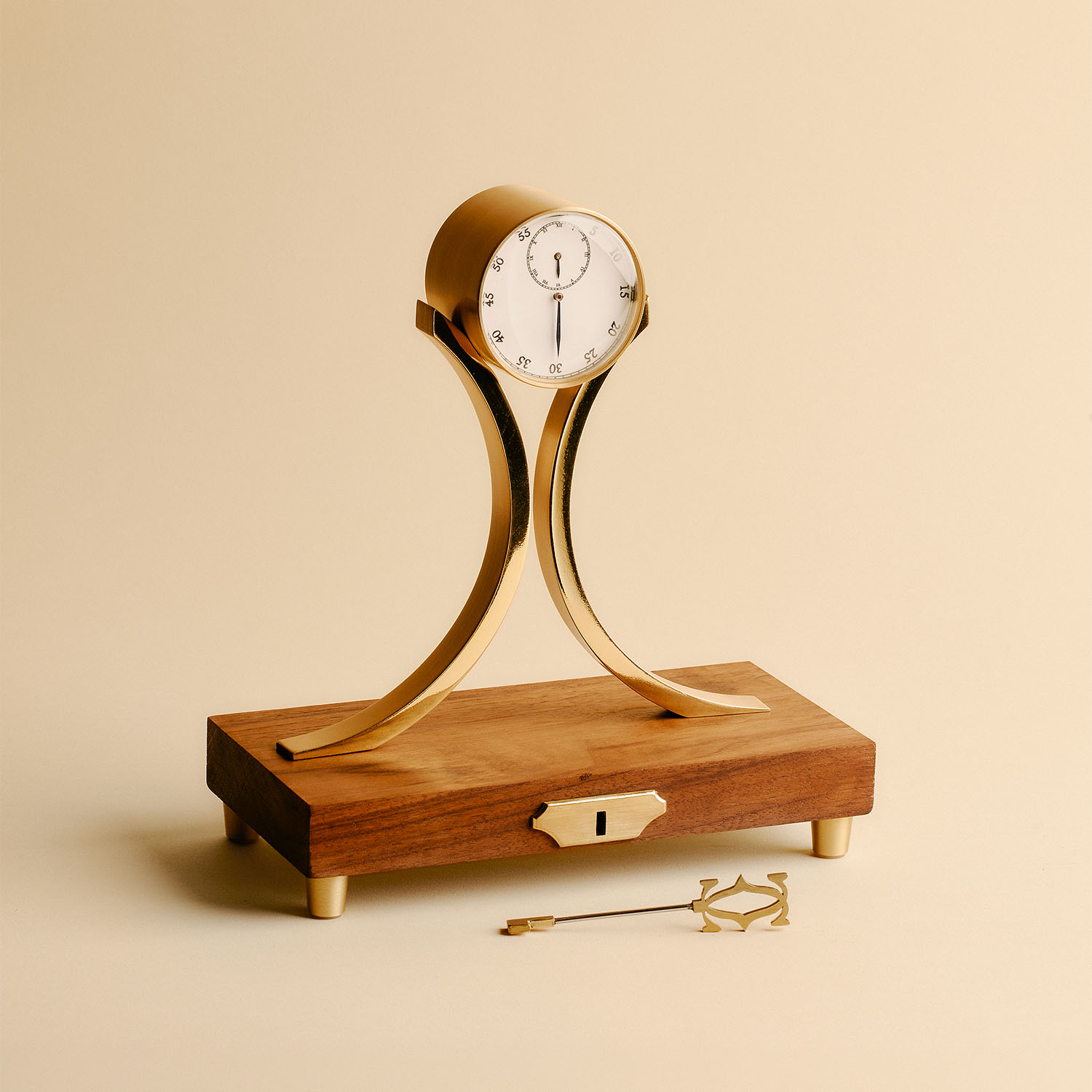
Most of the time, it withholds the hour.
The piece displays time only on demand, after a key at the foot of the clock is inserted and turned.
Before activation, the hour and minute hands sit pointing downwards in a regulator-style layout.
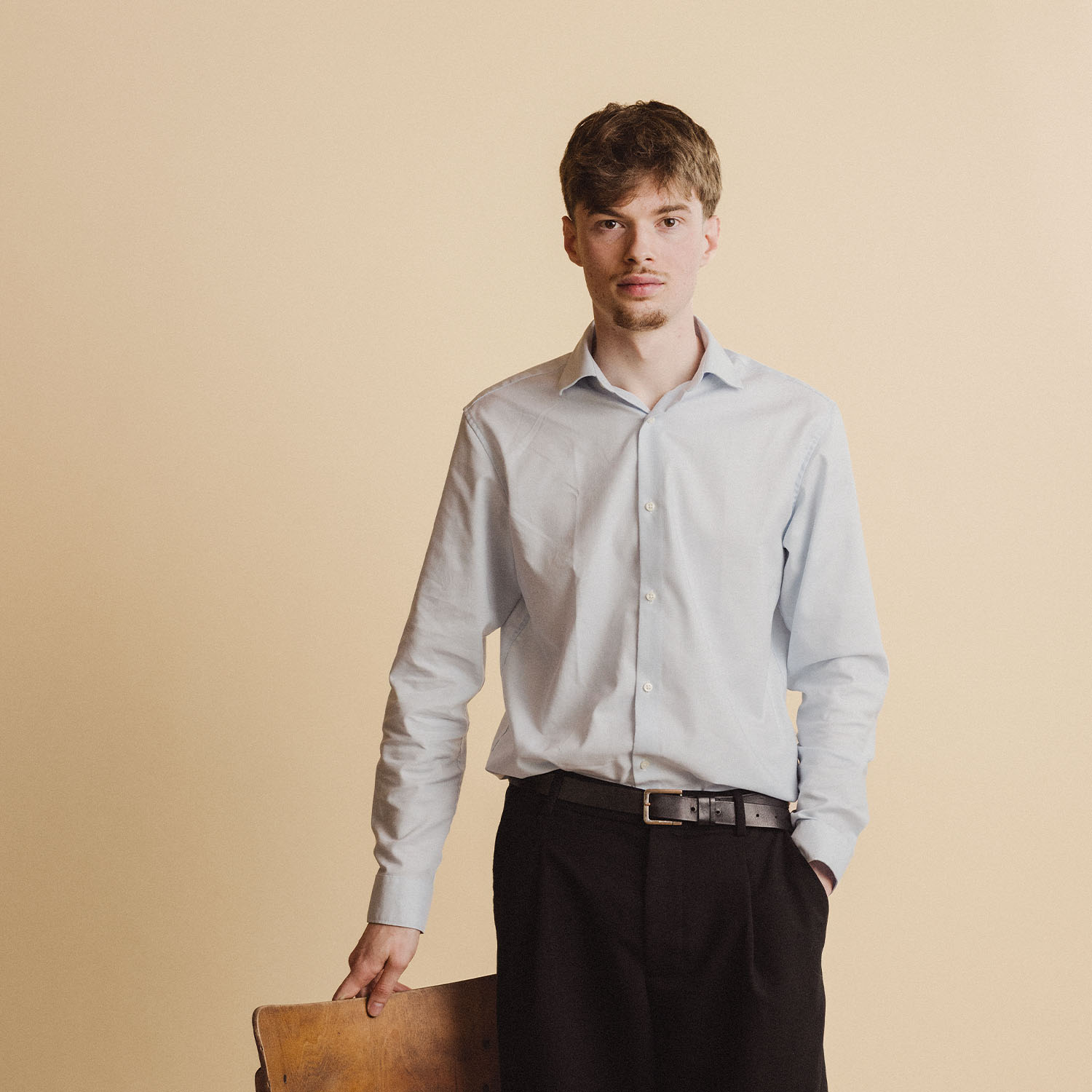
Once the key is turned, the hands jump into the correct position and reveal the actual time.
The mechanical intrigue lies in the use of two rattrapante mechanisms, which allow the display to move from a suspended state to the current time.
The Cartier movement continues to keep time in the background, while the display module controls the visible freezing and release of the hands.
It’s an unusually elegant interpretation of the theme, because the act of reading time becomes a choice rather than a passive habit.
Arthur Choquet’s Parisian moment in motion
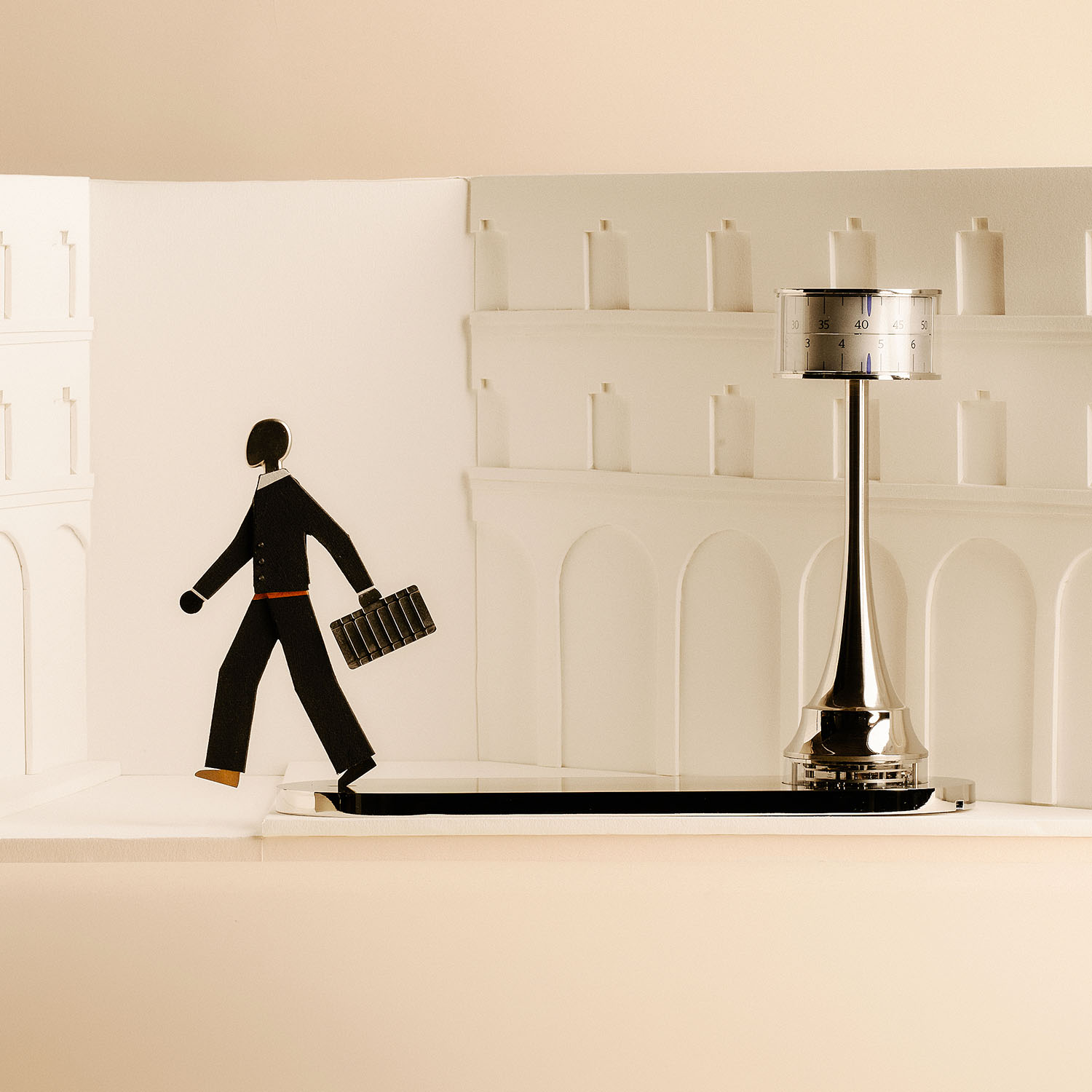
The Technicians Prize was awarded to Arthur Choquet of Lycée Jean Jaurès in Rennes, France, for Un Instant, or A Moment.
His creation looks to Cartier’s Parisian identity, drawing on the architecture of the city and the Art Nouveau character of its street lighting.

The clock takes the form of a traditional Parisian street lamp, turning a familiar urban object into a timekeeper.
Choquet also drew inspiration from Henri Cartier-Bresson, particularly the tension between a captured instant and time’s uninterrupted movement.
That contrast sits at the centre of the piece.

A figure appears held in a suspended moment, while the clock continues its steady measurement of time around it.
It is a thoughtful response to the brief, less concerned with spectacle than with atmosphere and narrative.
In both winning projects, the most compelling quality is restraint.
Neither clock treats young watchmaking talent as a contest of maximal complexity alone, even when the mechanics are serious.
Instead, both use horology to explore behaviour, memory and perception.
That’s precisely why this prize remains relevant after nearly three decades.
It gives young makers permission to think like designers, storytellers and watchmakers at once, which is often where the most interesting mechanical objects begin.
Applications for the 29th edition are scheduled to open next autumn, offering another group of young horological minds the chance to test their craft under Cartier’s unusually imaginative brief.