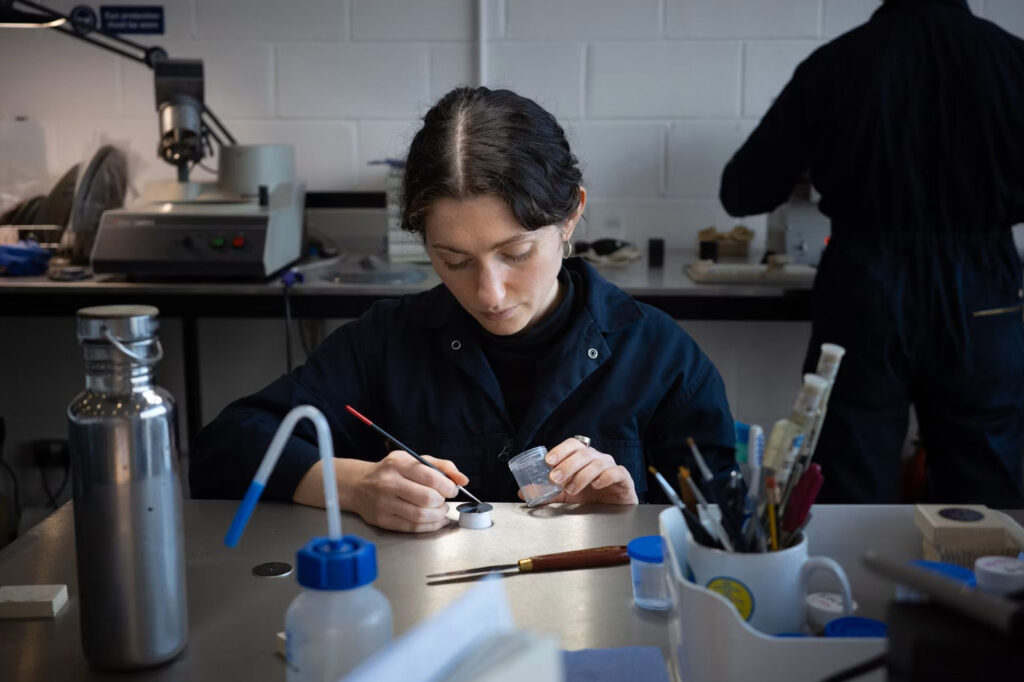
British watchmaking is enjoying a rare moment of energy, with independent brands expanding, collectors turning up in force and workshops busier than they’ve been in years.
That success brings a harder question into view.
Who will do the work when the most experienced hands retire?

At a glance
- British watch brands are investing in UK assembly, servicing, manufacturing and training as demand for skilled horologists rises.
- The biggest pressure point is succession, especially in specialist crafts such as restoration, dial making, engine turning and enamelling.
- New apprenticeships and established schools are helping, but many endangered skills still need direct workshop-to-workshop transmission.
A growing industry is meeting a smaller skills pool
Walk into the right British watch workshop today and the mood is anything but nostalgic.
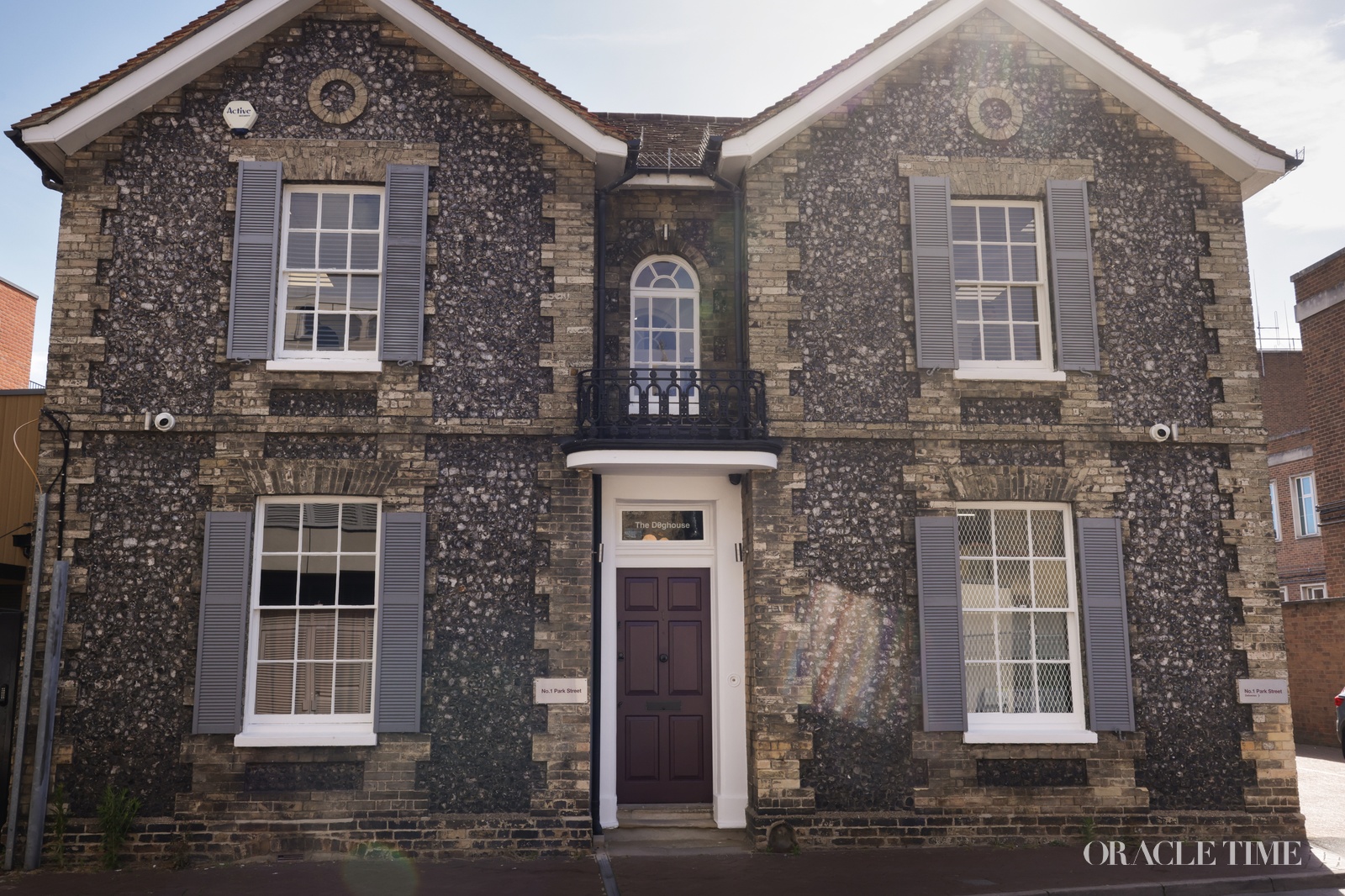
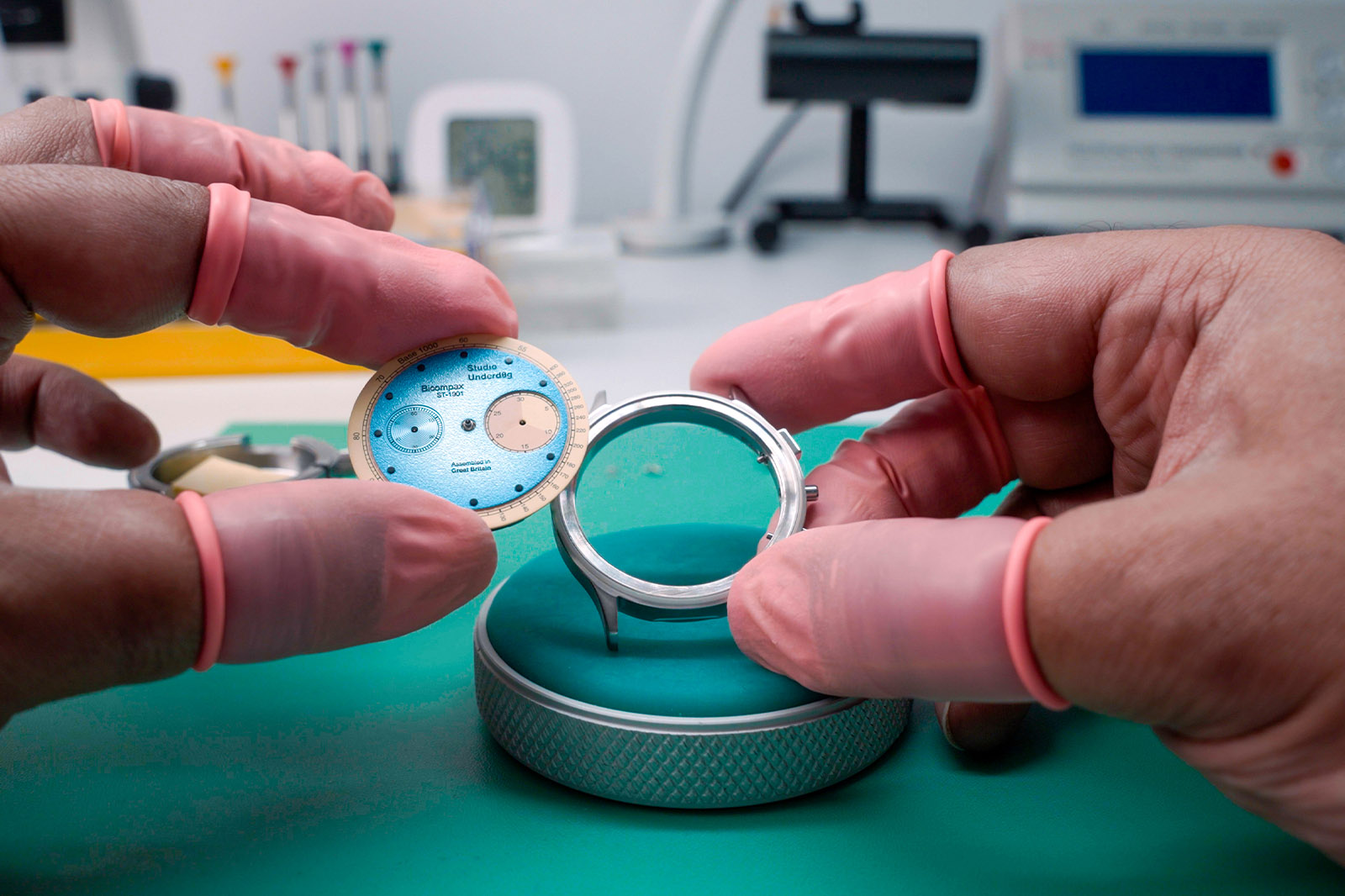
Studio Underd0g has moved into British assembly through its acquisition of long-time partner Horologium, creating The D0ghouse in Maidenhead as a working assembly operation that is recruiting and training watchmakers.
Bremont remains the country’s largest investor in industrial-scale watch manufacturing, with The Wing near Henley-on-Thames supporting case manufacturing, some movement component manufacture, assembly, servicing, testing and training in the UK.
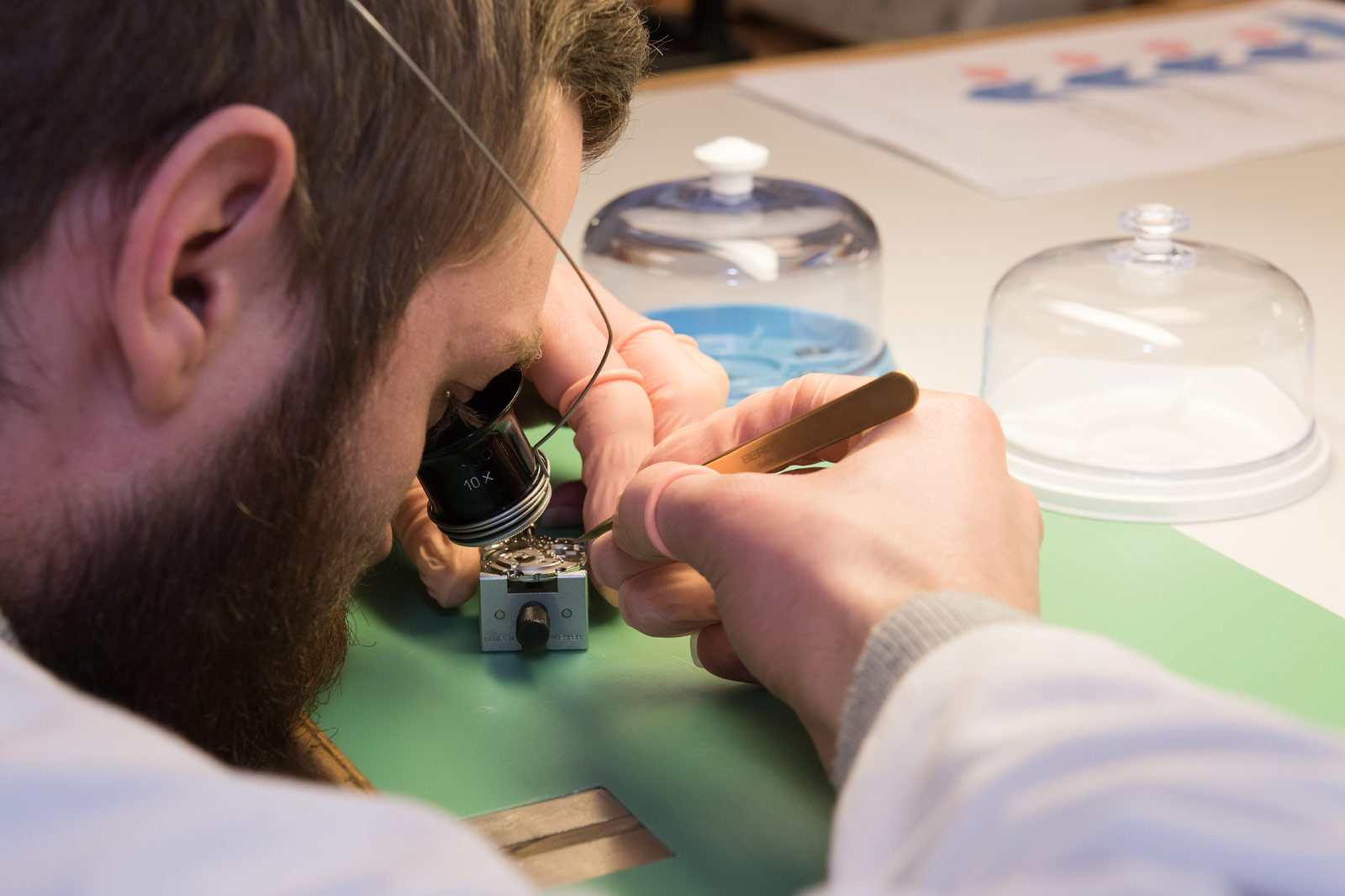
Christopher Ward has also expanded its Maidenhead headquarters and continues to build technical capability, with British engineering, servicing, quality control and product development forming a larger part of its operation.
Beyond the bigger names, the independent scene has real depth.
Roger W. Smith continues to produce exceptional handmade watches, Rebecca and Craig Struthers work in rarefied handcrafted horology, Garrick makes limited British-built watches, and Charles Frodsham & Co. has given modern wristwatch collectors one of the country’s most important technical achievements with the Double Impulse Chronometer.
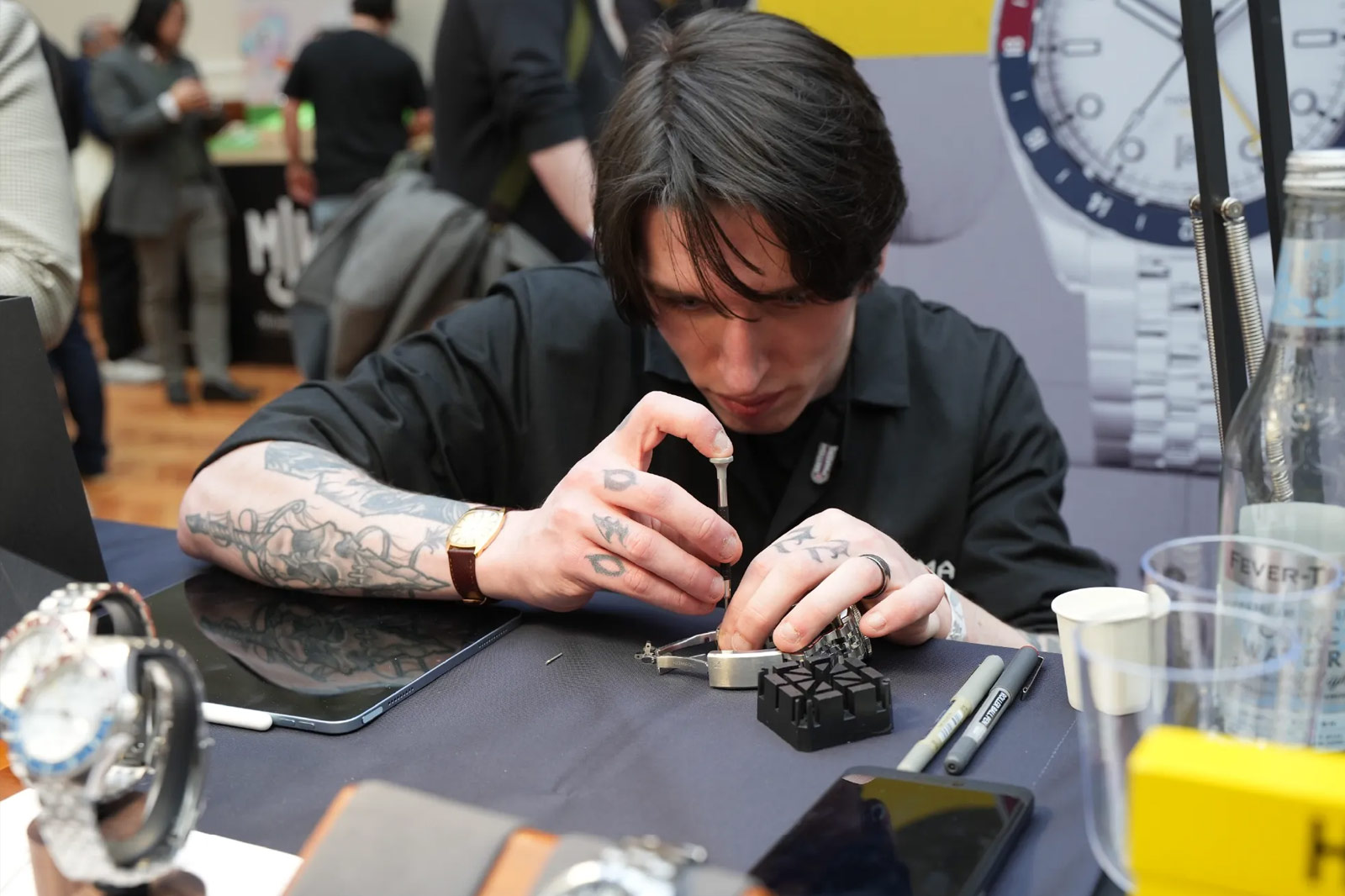
This is not a lack of ambition.
It’s a lack of enough trained people to support the ambition now arriving at the bench.
The endangered crafts behind a finished watch
Watchmaking is often imagined as the work of servicing a movement under a loupe, but the British ecosystem depends on a much wider set of disciplines.
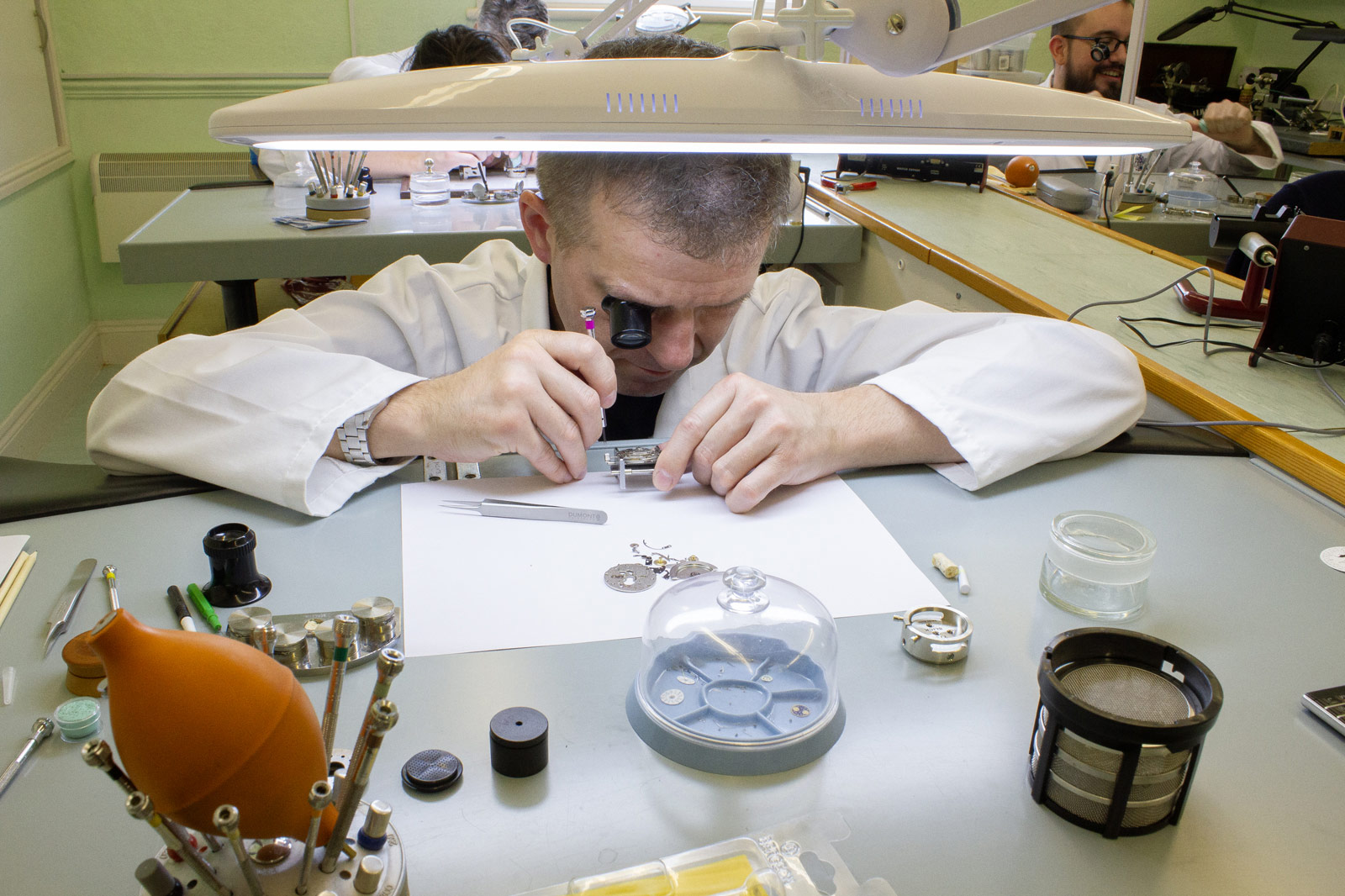
Traditional case making, engine turning, engraving, dial finishing, restoration, leatherwork, clockmaking and cabinetmaking all sit around the core craft.
Many of these skills are held by a very small number of people in the UK.
The issue is that the most valuable knowledge is often physical rather than written.
The pressure of a cutting tool during engine turning, the judgement needed to restore an antique clock, or the feel required to finish a bridge properly can’t be preserved by instruction manuals alone.
It has to be shown, repeated and corrected at the bench.
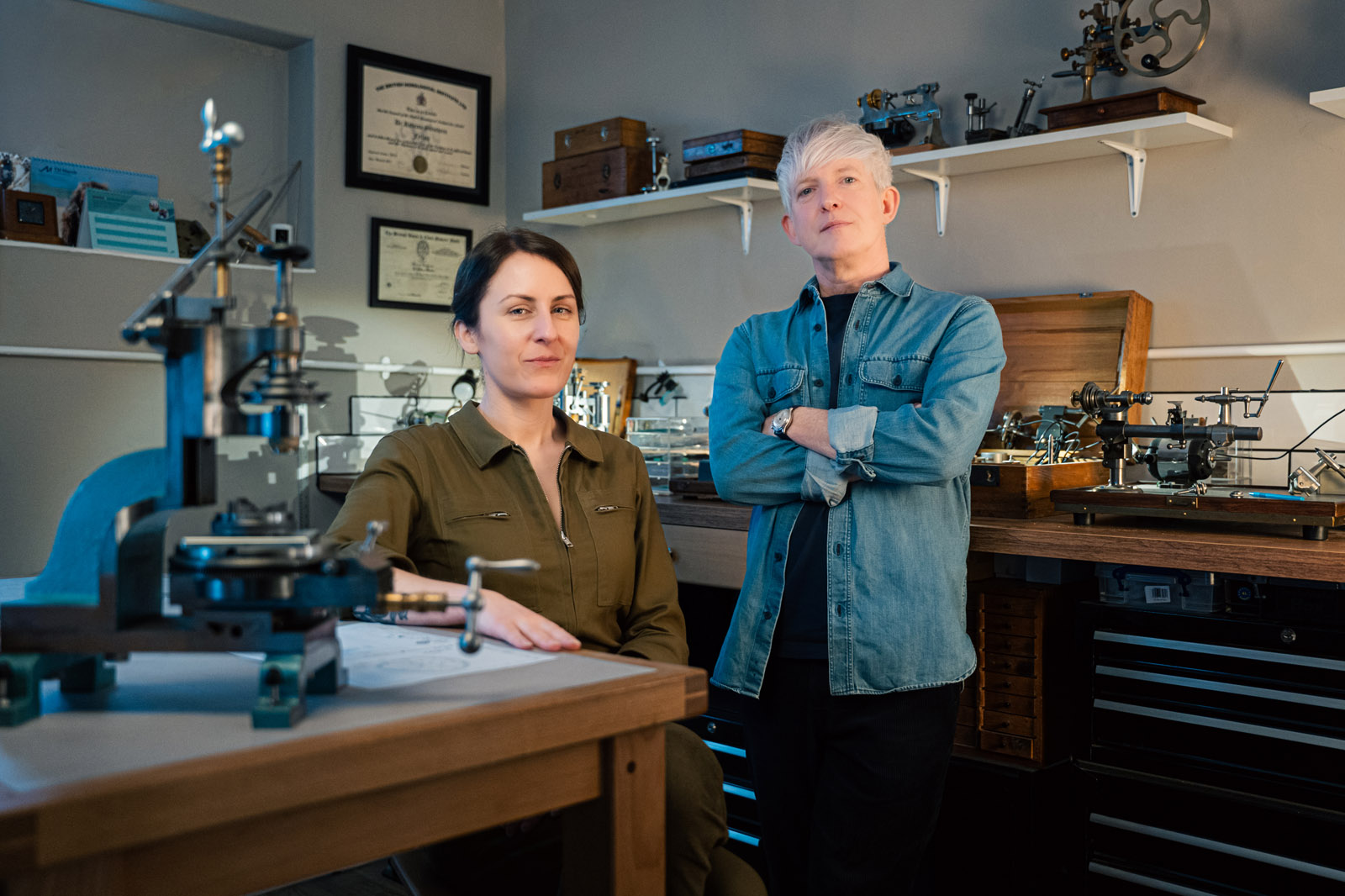
anOrdain in Glasgow is a strong example of the opportunity and the problem existing together.
The company has shown that world-class manufacturing capability can be built in Britain, but vitreous enamelling remains one of the UK’s critically endangered heritage crafts, and each additional enameller takes years of practical training.
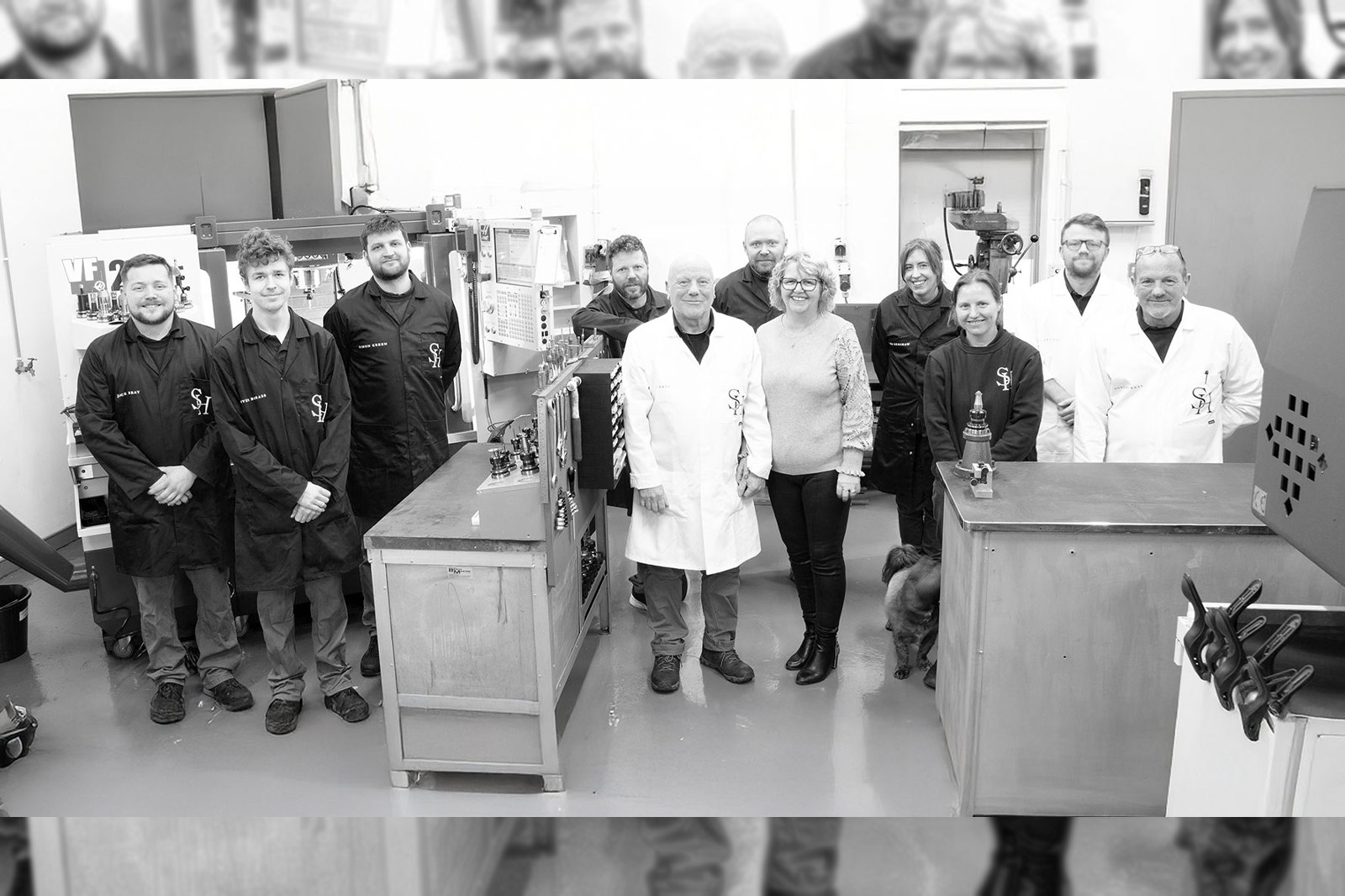
Sinclair Harding shows the same tension in clockmaking.
The Yorkshire maker combines traditional English clockmaking with modern technology, has launched its first wristwatch, the Bray Watch, and operates with a team of 11 that is largely made up of Bray family members.

That closeness to craft is part of the appeal, but it also shows how easily specialist knowledge can become concentrated in a few hands.
Apprenticeships are only part of the answer
The arrival of government-approved watchmaking apprenticeships in the UK is a significant step.
It gives employers a recognised route to bring new people into the profession while allowing trainees to earn nationally recognised qualifications.
Formal education already has important foundations in place.
The British School of Watchmaking in Manchester, Birmingham City University’s School of Horology and West Dean College continue to place graduates into employment, a clear sign that demand from servicing, restoration and manufacturing is strong.
Events such as Hands on Horology and British Watchmakers’ Day selling out quickly point to the same cultural shift.

There is curiosity, enthusiasm and a new collector base that wants to understand how watches are made.
The limitation is that not every skill fits neatly inside a curriculum.
A specialist decorative process or restoration technique may need days with one expert, not a term of broad instruction.
For some crafts, the most urgent training may come from independent workshops opening their doors, retired makers passing on what they know, and brands funding short, focused periods of hands-on learning.
What the next generation needs from British watchmaking
The brands with momentum are already showing different routes forward.
Fears has opened its own boutique in Bristol, Vertex is investing in UK facilities for assembly and servicing, and younger companies are treating British operations as more than a marketing line.
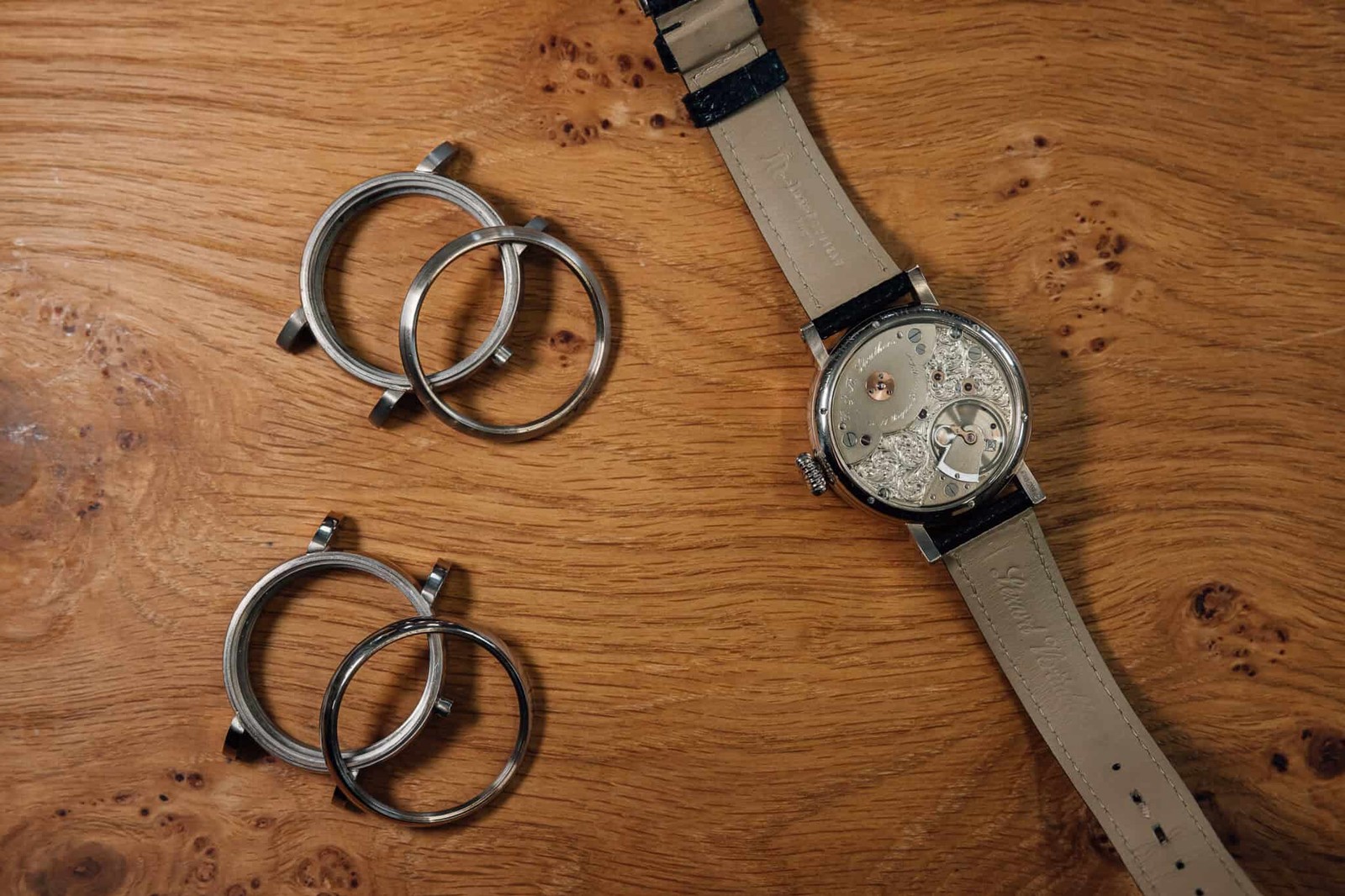
That matters because skills follow infrastructure.
If assembly, servicing, restoration and small-scale manufacturing stay in the UK, there are more reasons for young watchmakers to train here and remain here.
The next stage is less glamorous than a new dial colour or limited edition, but far more important.

British watchmaking needs time at benches, paid training routes, access to experienced craftspeople and enough commercial confidence for workshops to take on learners before they are fully productive.
For collectors, this should make British watches more interesting, not less.
A thriving watch culture is not only measured by finished pieces in display cases, but by whether the skills behind them can survive another generation.
Britain has the enthusiasm, the brands and the historical weight to matter again in horology.
Its next test is whether it can train enough people to turn that momentum into a lasting industry.