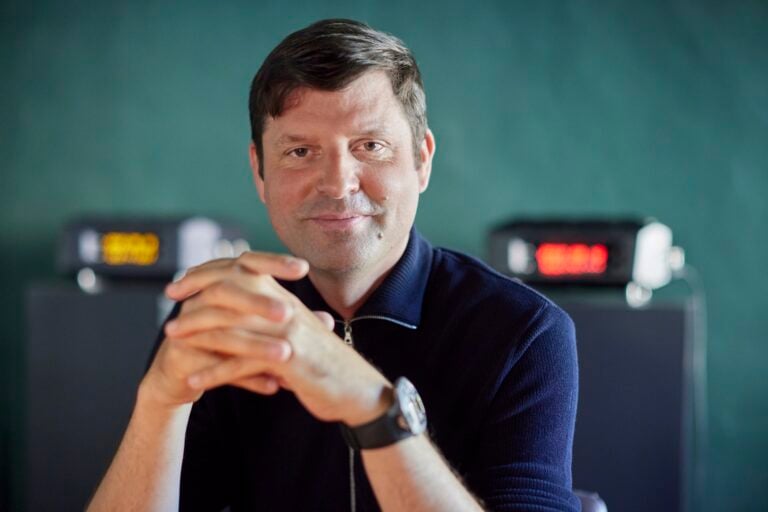
Yvan Arpa has never treated watchmaking as a quiet exercise in restraint.
The founder of independent brand ArtyA has built his reputation on provocation, experimentation and a refusal to let a watch become a polite object that merely tells the time.
His view of horology is rooted in something older and more philosophical, where mechanics, mortality and imagination all share the same dial.
At a glance
- ArtyA founder Yvan Arpa frames watchmaking as a creative act that should carry emotion beyond timekeeping.
- His touchpoints range from Roman sundials and tourbillons to escapement regulation, the quartz crisis and connected watches.
- For younger collectors, Arpa places passion, excellence and innovation ahead of brand familiarity or status.
A Roman sundial and the emotional weight of time
For Arpa, the object that changed his understanding of watchmaking wasn’t a grand complication or a famous wristwatch, but a Roman sundial.
He sees it as the beginning of the story, not simply because it measured time, but because it carried meaning.
Ancient sundials were often engraved with mottos, and Arpa is especially drawn to “Vulnerant omnes, ultima necat,” commonly translated as “all hours wound, the last one kills.”

That sentence neatly captures the tension that runs through his work at ArtyA.
A watch, in his view, should never be reduced to a functional instrument, because time itself is inseparable from life, memory and urgency.
It’s a philosophy that explains why Arpa gravitates toward watches with visual force and mechanical drama.
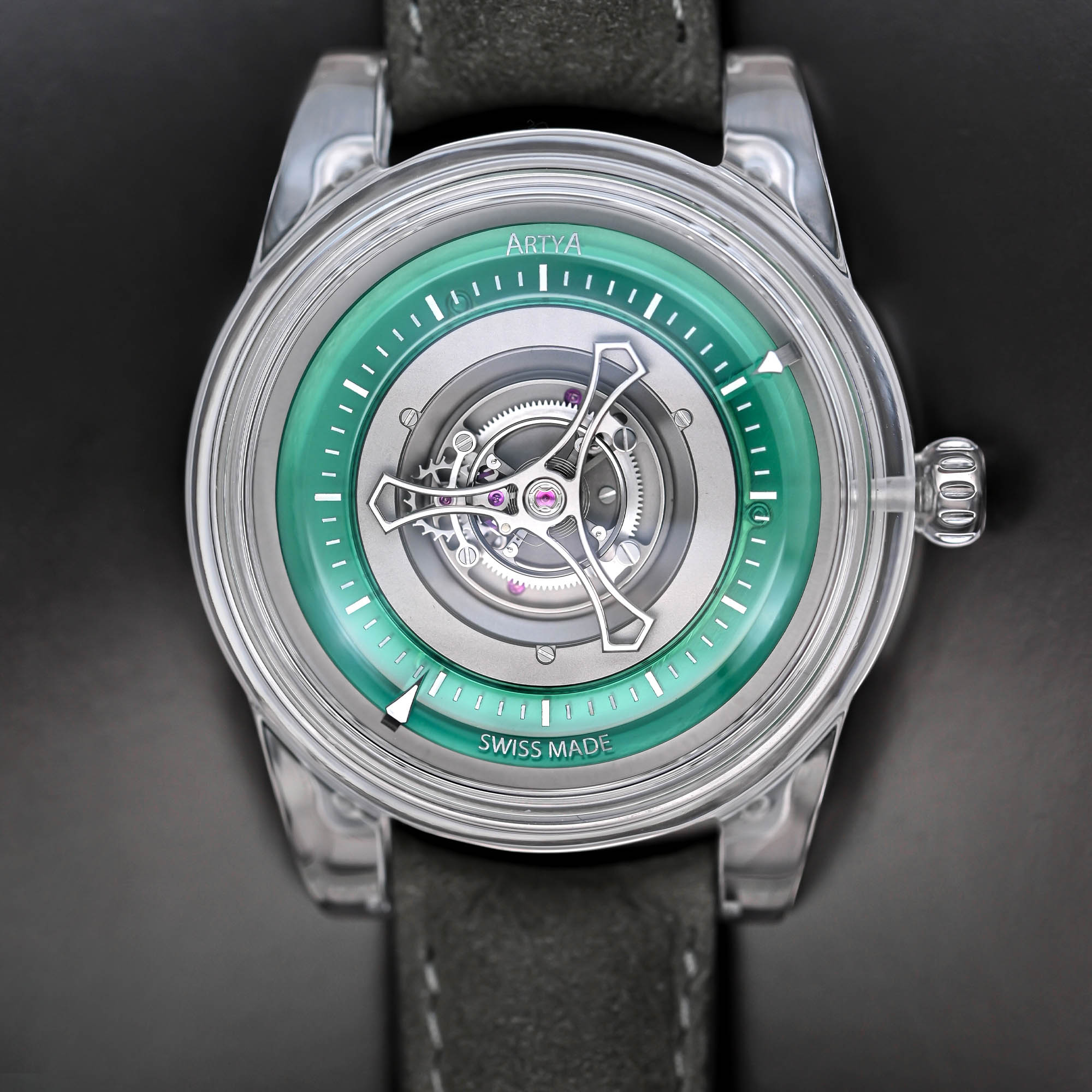
Innovation as ArtyA’s operating system
Ask Arpa what quality he values most in a watch and the answer is direct.
Innovation matters above all else.
He argues that after centuries of watchmaking, repetition isn’t enough to keep the craft alive or culturally relevant.
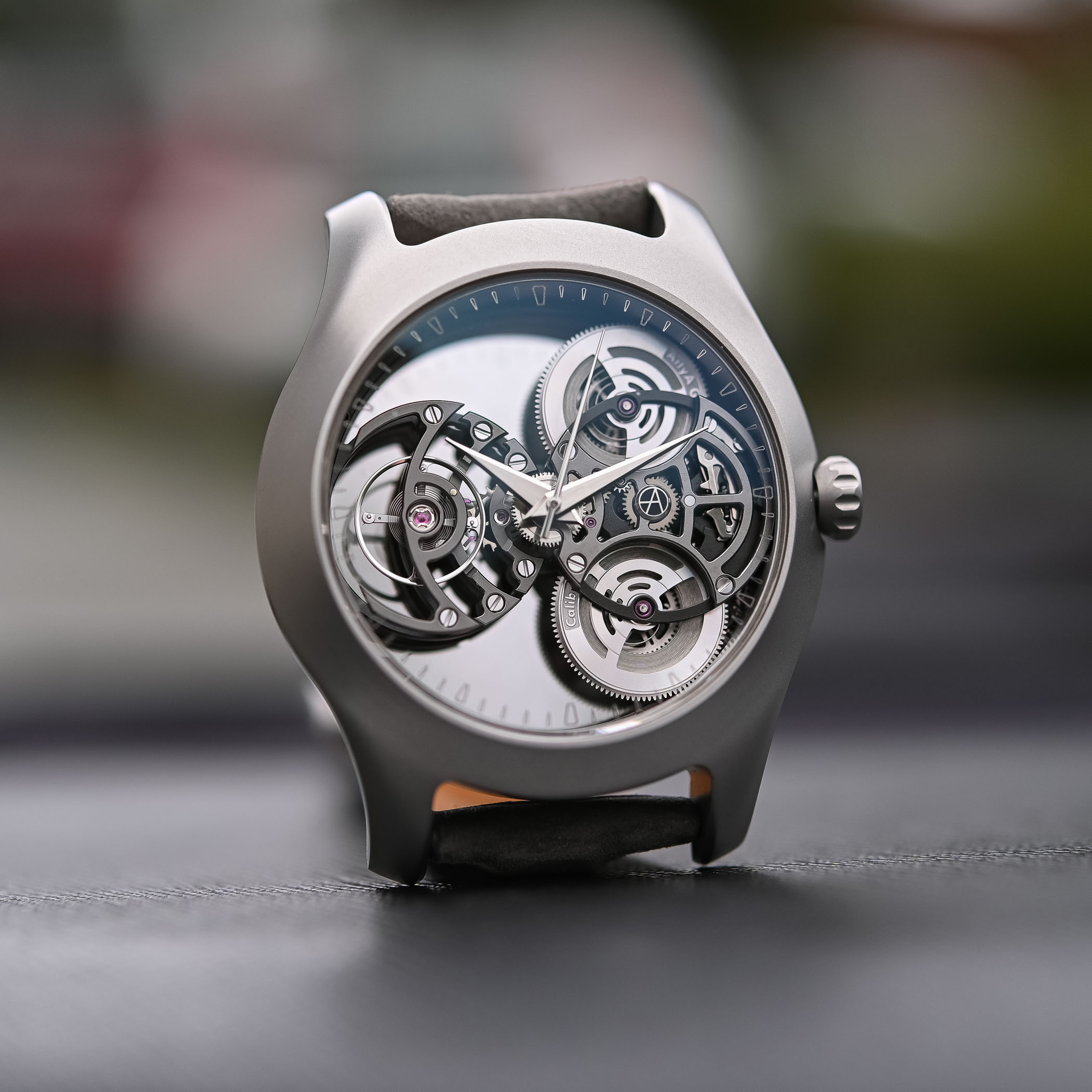
The challenge is not to polish the same ideas indefinitely, but to create new emotions and show the wrist something it hasn’t seen before.
That appetite for invention also explains his affection for the tourbillon.
Arpa describes it less as a technical badge and more as a poetic mechanism, a way of watching time pass from a small but deliberate distance.
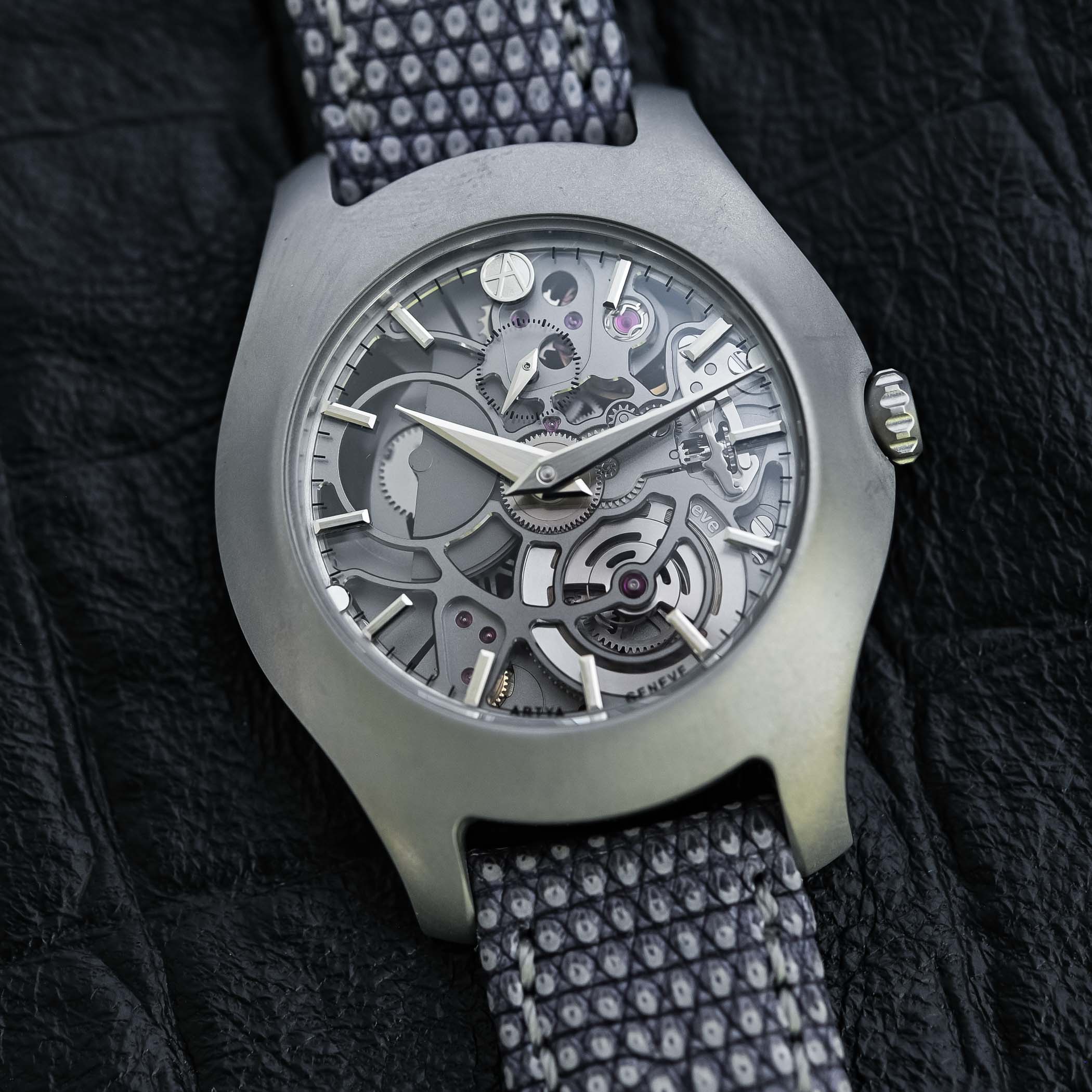
He also looks closely at the escapement and its regulation when judging whether a watch has been made with care.
For him, those details reveal the watchmaker’s hand more honestly than surface decoration alone.
The independent watchmaking argument
Arpa is openly wary of collectors who trust only famous names.
His point is not that heritage brands lack value, but that habit can make buyers miss the energy coming from independents.
Small makers often carry the risk, obsession and personal involvement that give contemporary watchmaking its edge.
That view feels especially relevant in an industry still shaped by the long shadow of the quartz crisis.
Arpa sees that period as the moment that forced mechanical watchmaking to define its purpose again.
If a watch no longer needs to be the most efficient way to know the hour, it must offer something richer.
He talks about the wrist as a place for spectacle, engineering and emotional attachment.
The comparison he draws is blunt but useful: once-common objects can become niche when culture moves on, and watches have to avoid becoming the new hat.
Inspiration, technology and the next generation
Arpa’s creative references aren’t confined to watch archives.
He points to flowers, animals, people, buildings and architecture, but the real key is keeping a childlike capacity for wonder.
That sense of openness also appears in his relationship with technology.
Arpa was head of design for the Samsung Gear S3, and he still wears a connected watch when boxing with friends.
It’s a telling detail from someone associated with expressive mechanical watchmaking, because it suggests his curiosity extends beyond category boundaries.
His children have also shaped his view of where watches may go next.
Arpa values their perspective because they belong to a different generation, with different instincts and a different reading of what watchmaking can become.
For younger collectors, his advice is equally personal.
He believes they should look for passion, excellence and innovation, and, when possible, connect with the person behind the watch rather than relying only on sales channels or brand prestige.
That idea sits at the centre of Arpa’s watchmaking world: the best watches are not anonymous luxury objects, but conversations between the maker, the mechanism and the person who chooses to wear it.