Watchmaking has a complicated relationship with the word innovation.
A new shade of blue can be presented with the same energy as a new escapement, which makes the genuinely interesting work harder to spot.
In 2026, the strongest ideas aren’t simply cosmetic. They change the way a watch is wound, how a chronograph is built, how a case behaves in the dark, how gems can be set into sapphire and how metal cases can be produced.

At a glance
- 2026’s most convincing watchmaking advances focus on function, materials and manufacturing rather than simple styling changes.
- Key developments include H. Moser & Cie’s pump-action winding, TAG Heuer’s Evergraph chronograph mechanism and IWC’s full-lume ceramic Ceralume case.
- Several ideas remain limited or expensive, but they point to practical and aesthetic directions that could shape future watches.
Winding and timing get a rethink
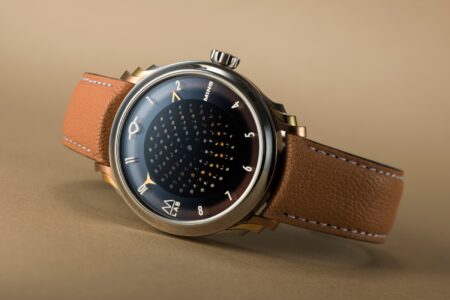
H. Moser & Cie’s collaboration with Reebok could easily have been dismissed as a clever streetwear crossover.
Instead, the Streamliner Pump introduces one of the year’s most memorable changes to how a mechanical watch is used.
The black-cased Streamliner borrows the pump idea from Reebok’s famous sneaker system and applies it to winding, with a pusher at eight o’clock that adds power to the movement.
Each press gives the watch one hour of power reserve, so a fully depleted movement takes 74 presses to fill.
That sounds playful, but it also addresses a practical weakness in daily watch ownership.
A crown stem is a delicate interface, and reducing the need to pull, turn and manipulate the crown could make sense for wearers who find conventional winding awkward or fiddly.
It’s also a rare moment where physical accessibility enters the conversation around high-end mechanical watches.
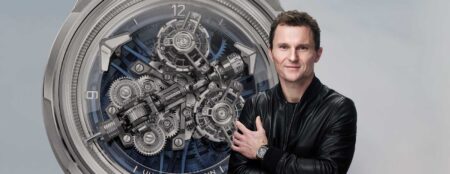
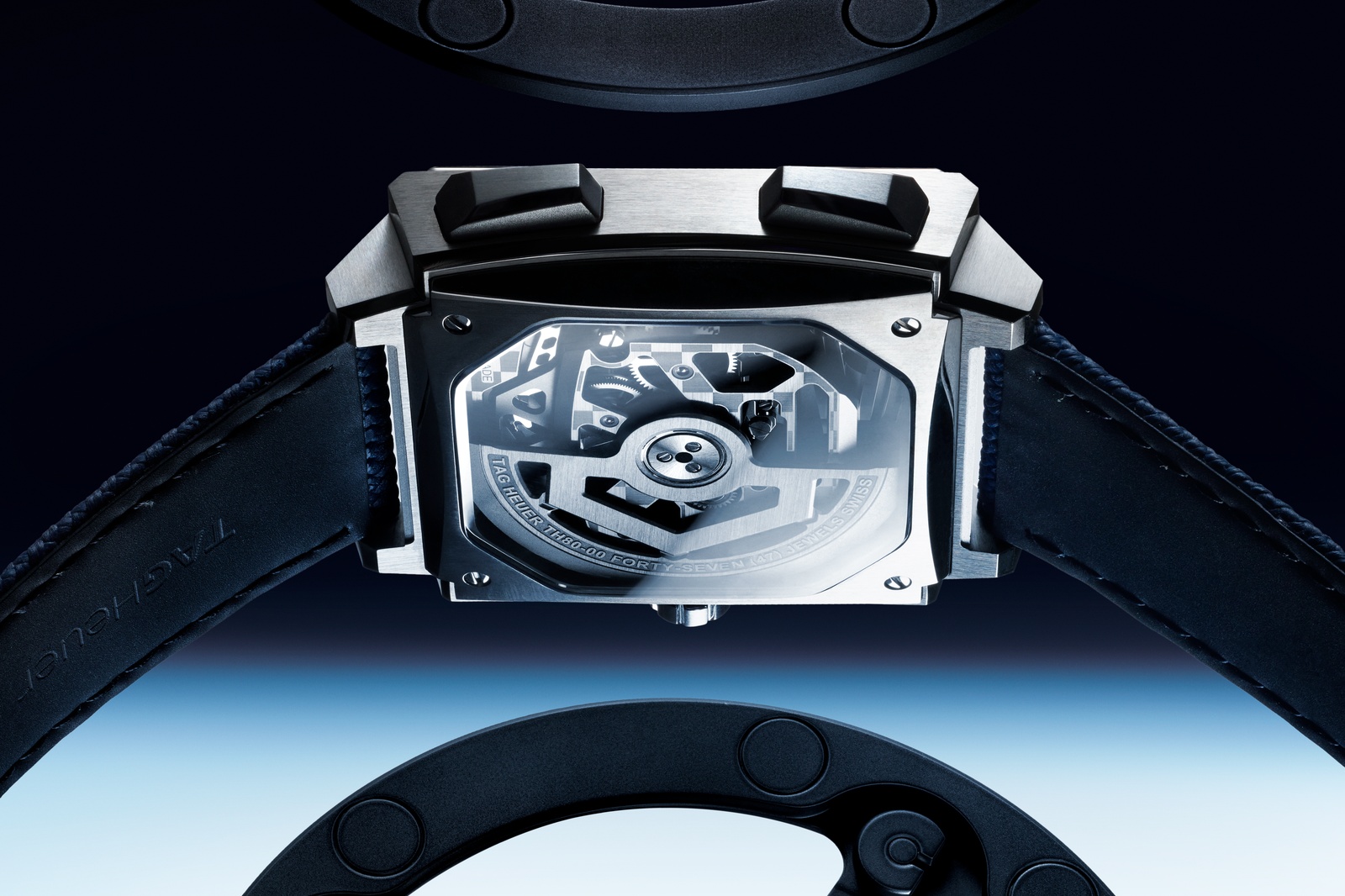
TAG Heuer’s Evergraph is a very different kind of advance, and far less visible to the casual observer.
Inside the TH80-80 movement, the brand uses a compliant mechanism with bistable components to rethink part of the chronograph architecture.
In plain terms, a bistable component can flex between two stable positions.
TAG Heuer’s single-part bistable hammer is made from nickel-phosphorus and switches between start, stop and reset functions, working with a second nickel-phosphorus component to interact with the movement.
The result is not a chronograph that asks the wearer to learn a new operating method.
It remains familiar at the pushers, but the mechanism is streamlined, with fewer components, reduced wear and the potential for greater reliability.
Ceramic and sapphire become more expressive
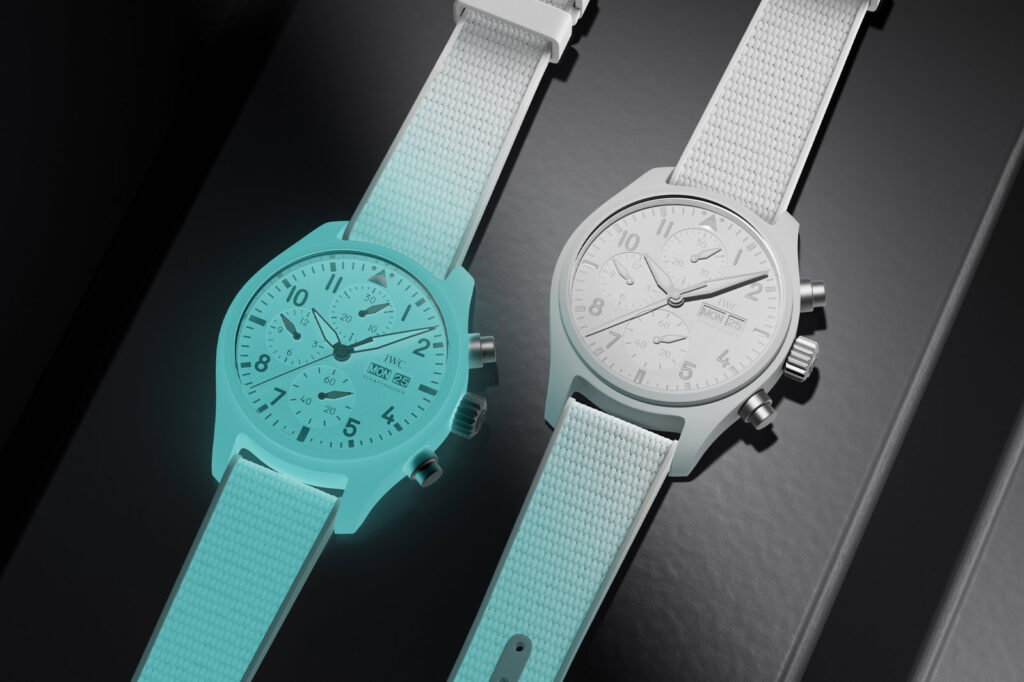
IWC’s Ceralume shows that luminous cases can move beyond novelty composites.
Full-lume watches aren’t new, but combining a fully luminous effect with a ceramic case changes the feel of the object.

Ceramic brings hardness, a cool tactility and strong resistance to wear, which gives the concept a more premium character than many glow-in-the-dark case experiments.
IWC has deep form here, having produced a ceramic watch in the Da Vinci Perpetual Calendar in 1986.
The 2026 Ceralume execution appears in the Big Pilot Perpetual Calendar, where the case reads as crisp white in bright light and glows blue in the dark.

For now, it is a rare and expensive expression of the idea.
The Ceralume Big Pilot Perpetual Calendar is limited to 250 pieces and priced at £61,300, a steep increase over the white ceramic Le Petit Prince edition at £31,800.
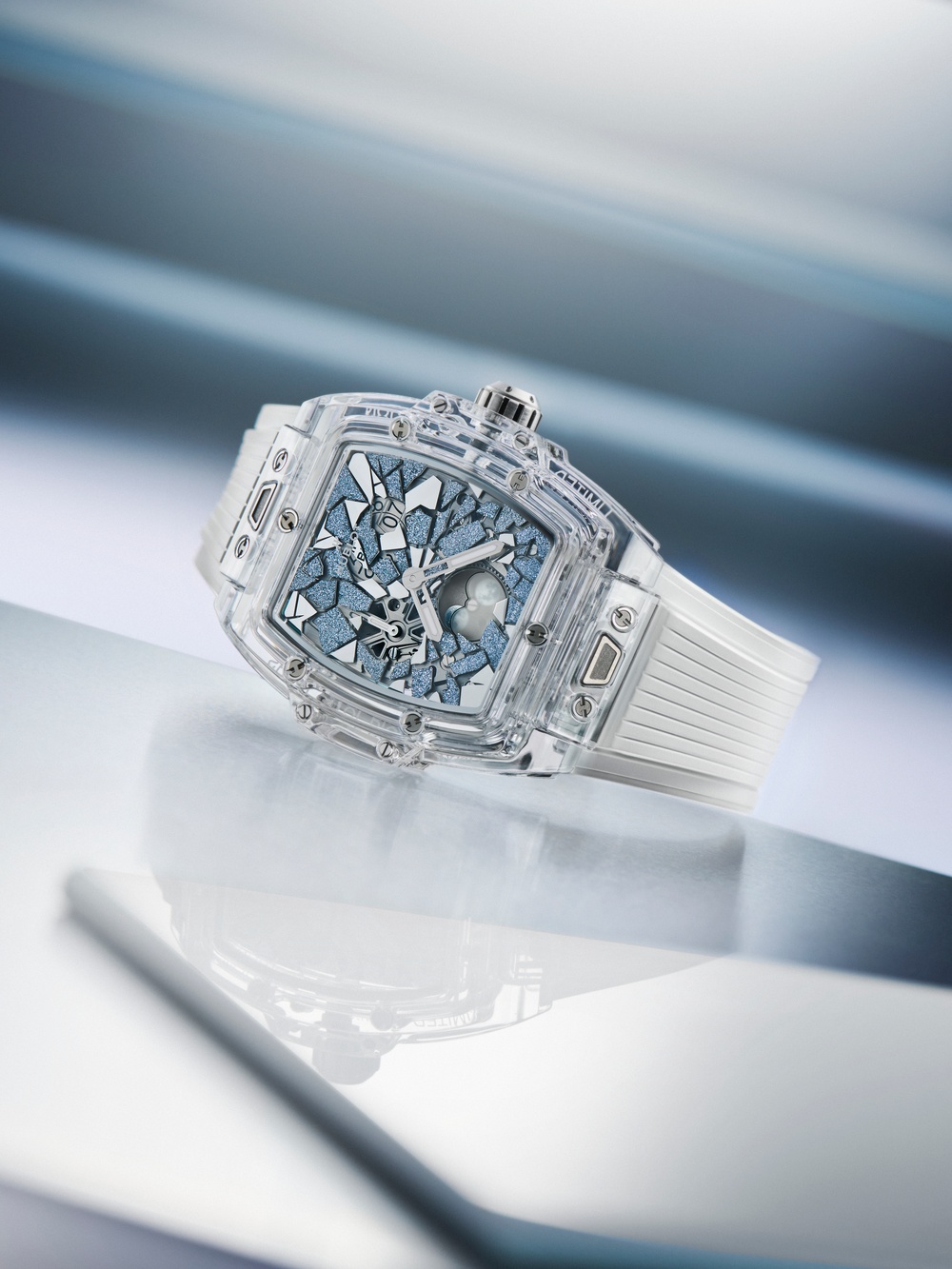
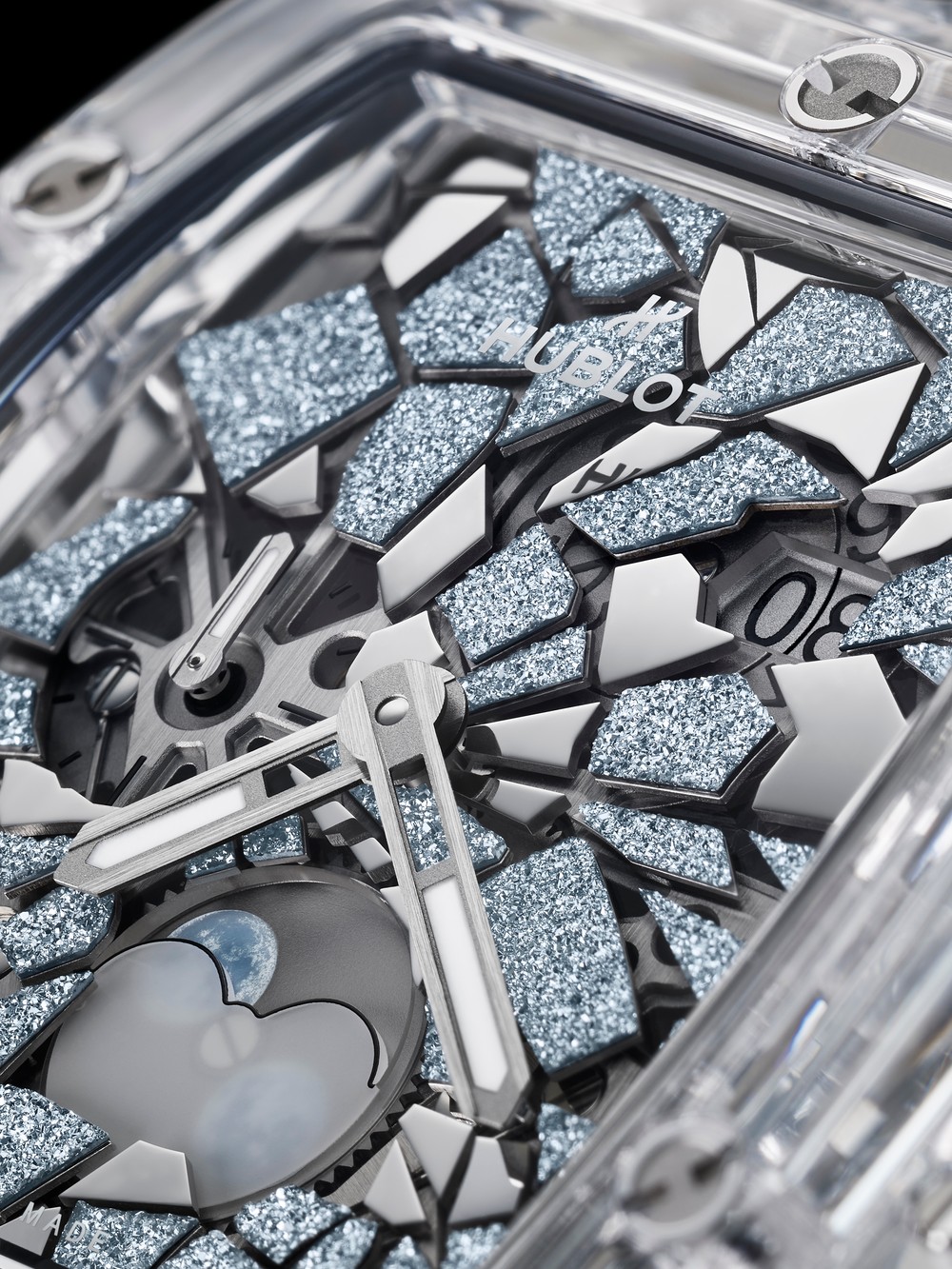
Hublot’s Big Bang Impact pushes material drama in a different direction.
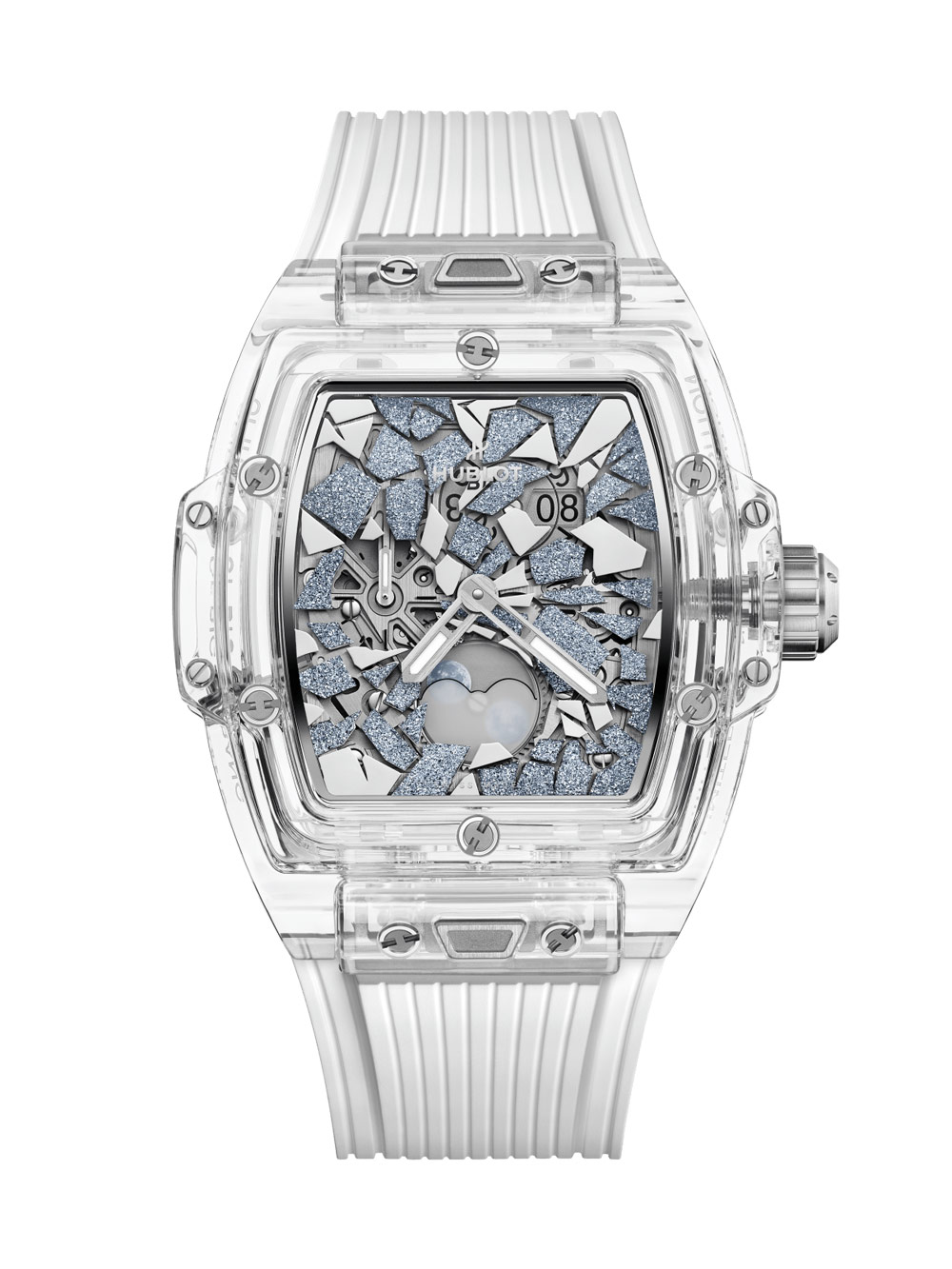
Sapphire cases are already difficult to machine, and setting diamonds directly into sapphire adds another layer of risk and complexity.
Rather than drilling the brittle transparent material, Hublot uses lasers to create micron-precise channels.
Those channels are lined with gold so the diamonds have a setting structure to hold onto, before the stones are placed into the sapphire.
The process takes hundreds of hours, and that slow pace is part of the point.
Used sparingly in future watches, the technique could open the door to gemstone markers or decorative elements set into transparent components rather than placed only on the dial or bezel.
Metal case production moves into additive territory
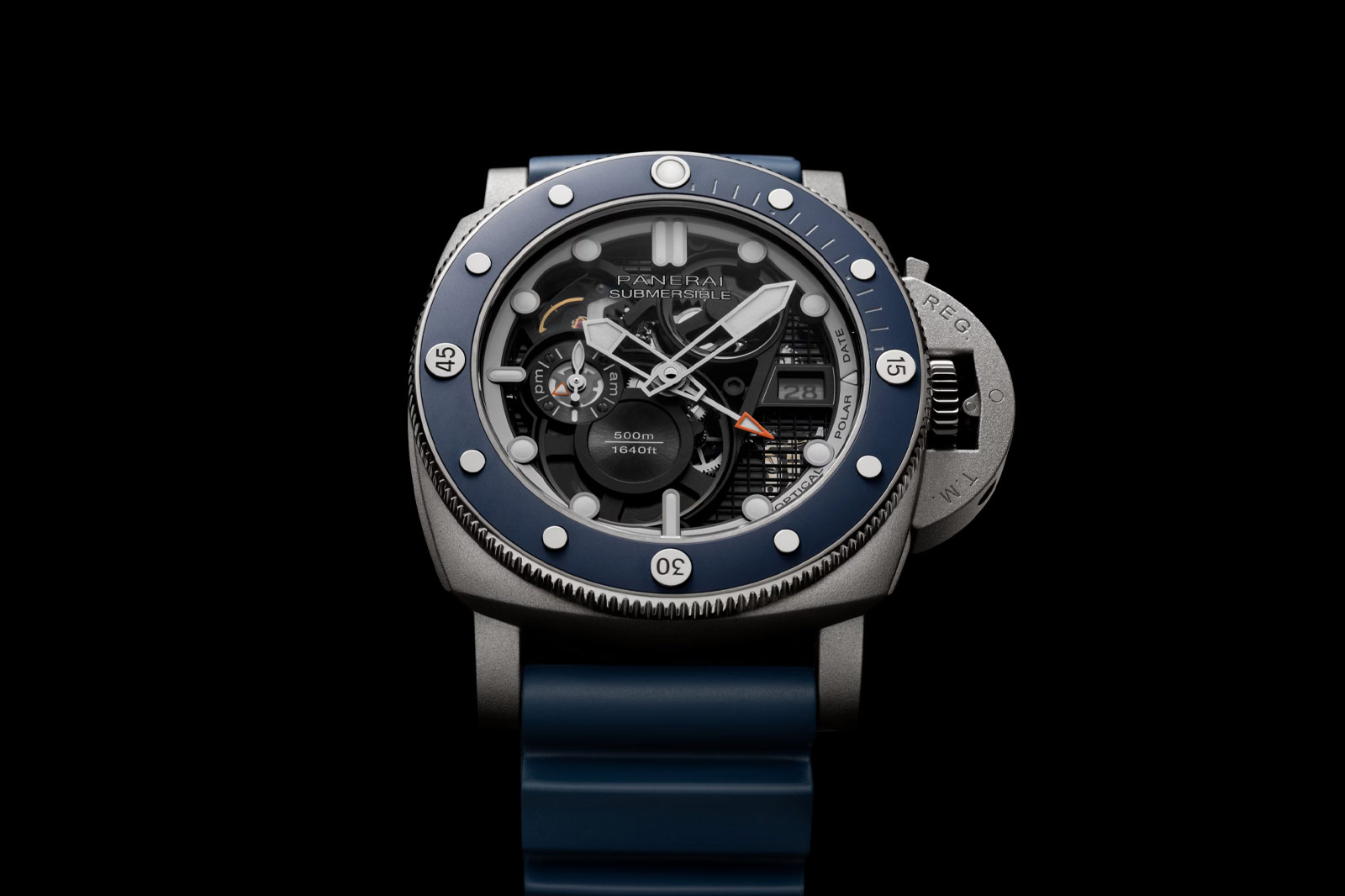
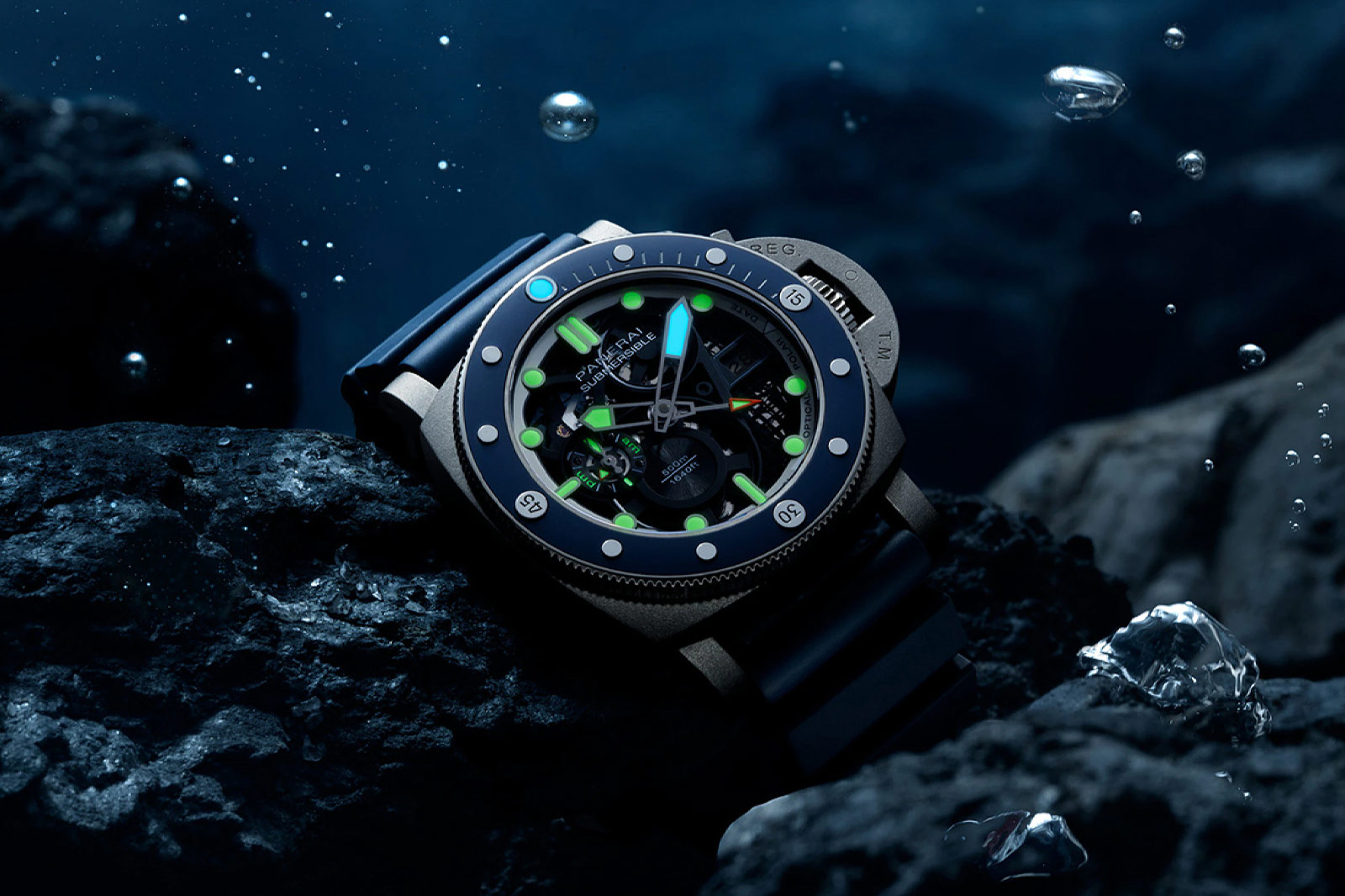
Panerai’s use of Direct Metal Laser Sintering brings another manufacturing conversation into the mainstream luxury-watch space.

The technique is essentially metal 3D printing, a process already familiar in other industries and increasingly visible in independent watchmaking.
British brand Apiar has built its identity around additive manufacturing, and Panerai’s adoption of DMLS shows how the method is moving into larger, heritage-driven watch brands.
The significance is not just that a case can be made differently.

Additive methods encourage watchmakers to think about form, construction and production from the inside out, rather than treating the case as something carved from a conventional block of metal.
For a brand so closely associated with bold case architecture, that shift feels particularly relevant.
Details & Specifications
| H. Moser & Cie Streamliner Pump | Black-cased Streamliner created with Reebok, featuring a winding pusher at eight o’clock |
|---|---|
| Streamliner Pump winding | One press adds one hour of power reserve, with 74 presses needed from empty |
| TAG Heuer Evergraph | Chronograph system within the TH80-80 movement using a compliant mechanism with bistable nickel-phosphorus components |
| IWC Ceralume | Full ceramic case that glows blue in the dark, used on the Big Pilot Perpetual Calendar |
| IWC Ceralume availability | Limited to 250 pieces |
| IWC Ceralume price | £61,300 |
| Hublot Big Bang Impact | Diamond setting directly into sapphire using laser-cut channels lined with gold |
| Panerai DMLS | Direct Metal Laser Sintering, described as metal 3D printing for case production |
The common thread across these launches is that they don’t depend on novelty alone.
Some are playful, some are highly technical and some remain out of reach for most collectors, but each one gives watchmaking a different tool to work with.
That’s where the real interest lies in 2026, not in louder claims of newness, but in ideas that could quietly change what a watch can do and how it can be made.