Seiko’s Prospex Speedtimer family has always lived close to the overlap between sport timing and accessible mechanical watchmaking.
The latest additions sharpen that identity with four new models, split between a more everyday countdown-timer format and a pair of larger mechanical chronographs aimed squarely at driving-watch territory.
It’s a broad update rather than a single-watch release, and it shows how flexible the Speedtimer name has become inside the Prospex catalogue.
At a glance
- Seiko has added four Prospex Speedtimer models across Heritage Motoring Countdown and Grand Touring Mechanical Chronograph lines.
- The Countdown models use an internal rotating 60-minute bezel, while the Grand Touring models house the automatic 8R48 column-wheel chronograph movement.
- UK pricing starts at £840 for the Countdown range and rises to £2,340 for the mechanical chronographs.
Heritage Motoring brings the Speedtimer into daily-watch territory
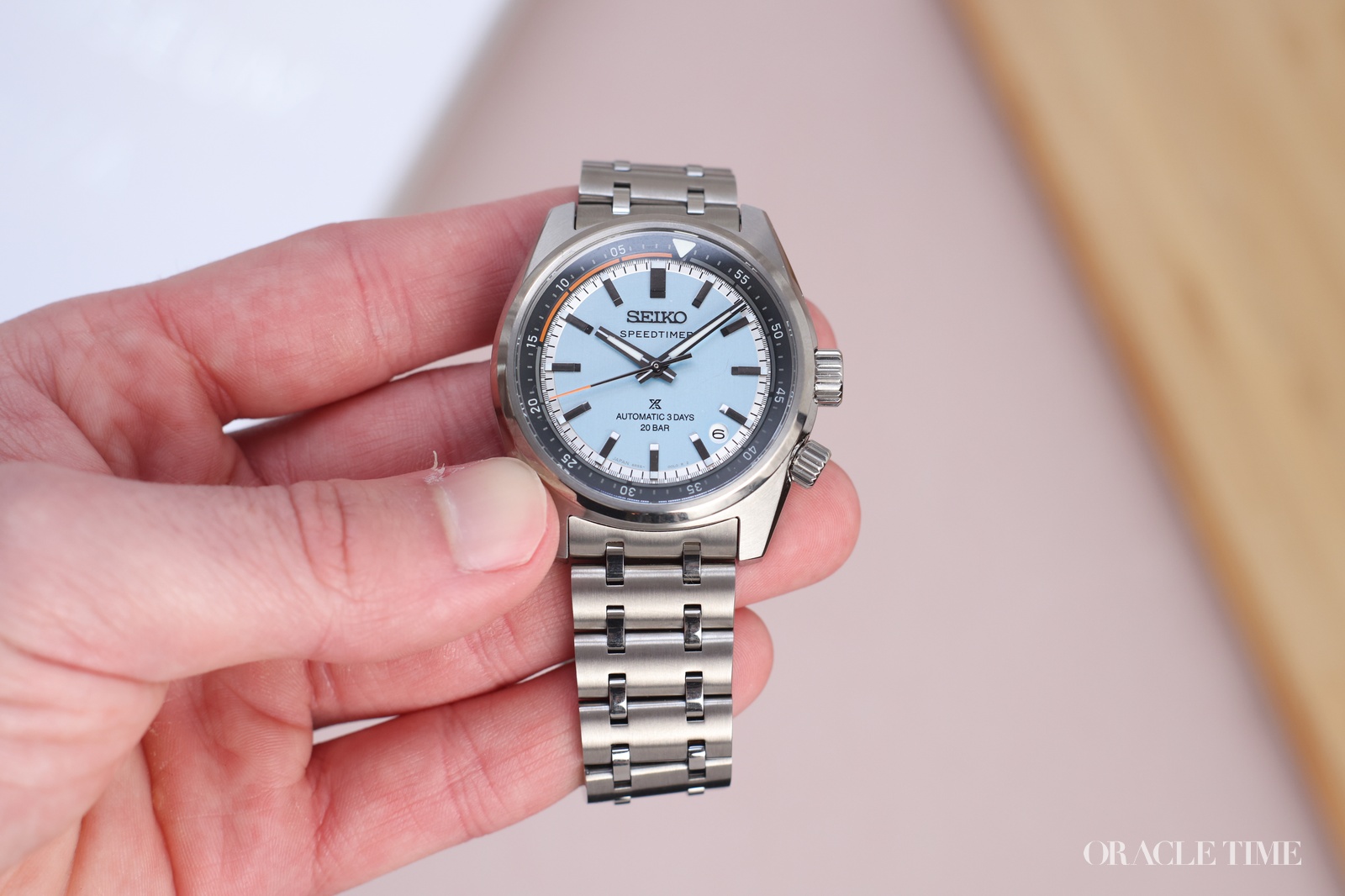
The Heritage Motoring Countdown Speedtimers are the more compact and versatile half of the release.
Although they carry the Speedtimer name, these aren’t chronographs in the traditional sense.
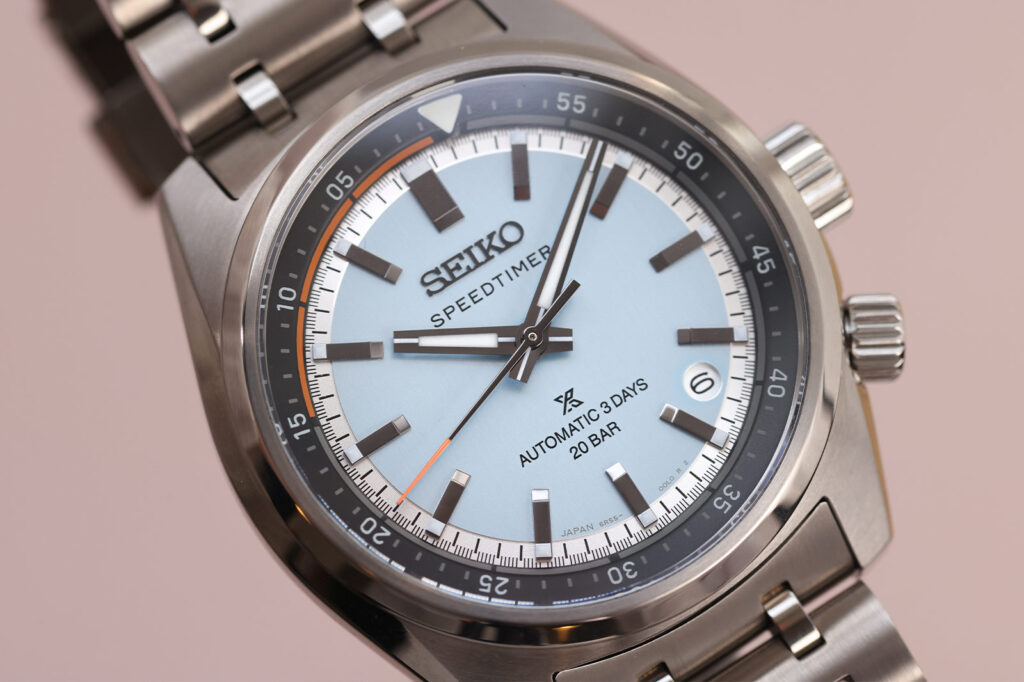
Instead, Seiko has fitted the watches with an internal rotating bezel controlled by a secondary crown at 4 o’clock.
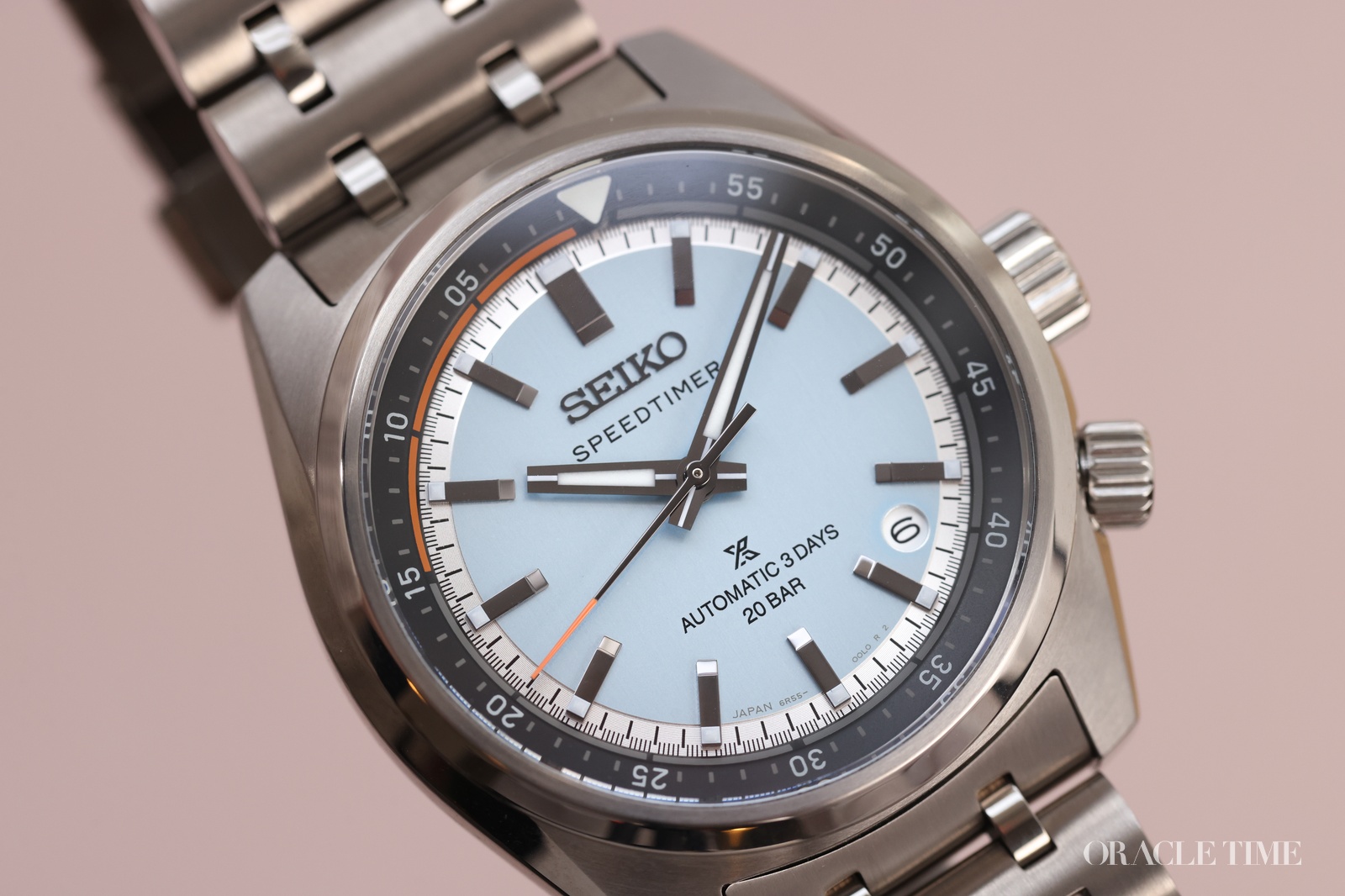
The bezel is marked with a 60-minute countdown scale, which makes the watch useful for timing anything from a departure window to a start sequence before a race.
That setup gives the model a different personality from a standard elapsed-time bezel.
It’s less about measuring what has already happened and more about keeping an eye on what’s coming next.
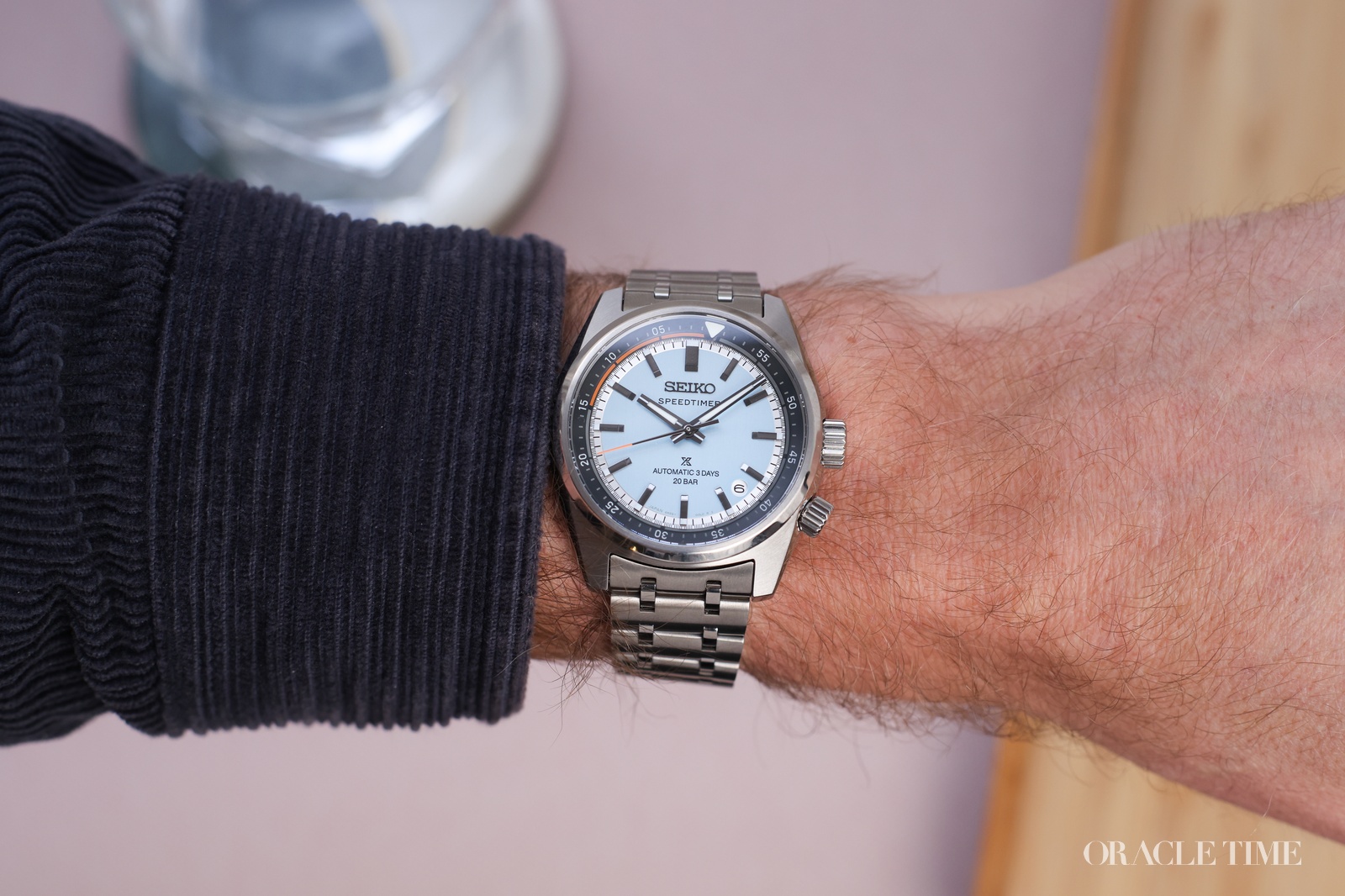
The 39.5mm stainless steel case is a sensible size for a modern sports watch, with a 12mm thickness that should keep it wearable under a cuff.
Water resistance is rated to 200 metres, so the format isn’t limited to motoring theatre or everyday scheduling.
Two dial options define the pair.
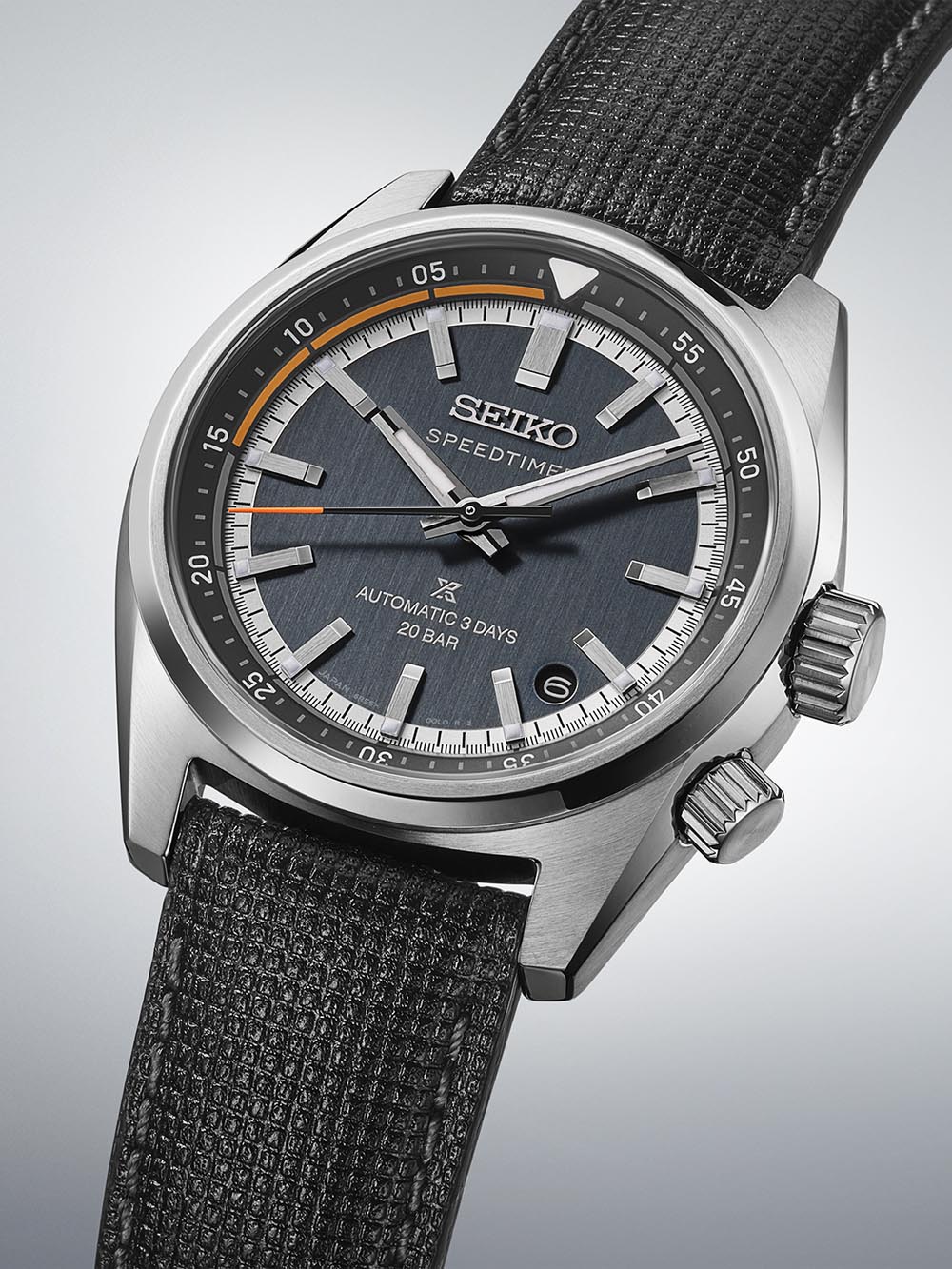
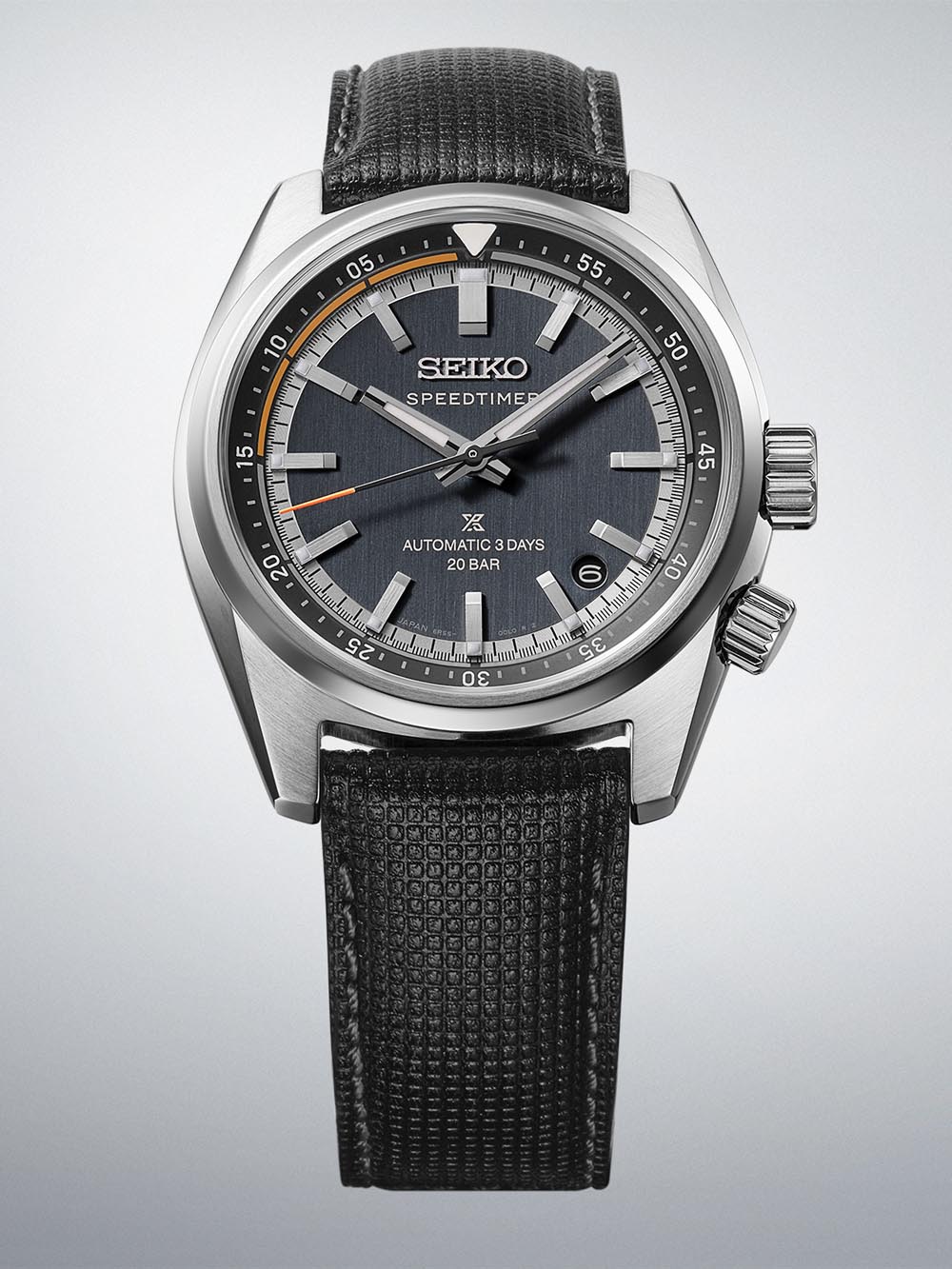
The lighter Powder Blue version is matched with a stainless steel bracelet, while the darker Petrol Blue model takes its cue from 1970s young-timer cars and comes on a leather strap inspired by automotive interiors.
The 6R55 gives the Countdown models a more serious engine
Behind the solid steel caseback is Seiko’s automatic calibre 6R55.
The movement provides hours, minutes, seconds and date, with a 72-hour power reserve that makes the watch easier to leave aside for a weekend and pick up again without resetting.
That movement choice helps explain the positioning.
These are three-hand watches at heart, but they sit a little above Seiko’s entry-level mechanical offerings thanks to the longer-running calibre, internal timing bezel and Prospex-grade case specification.
Pricing is set at £870 for the Powder Blue model on bracelet and £840 for the Petrol Blue version on leather.

Grand Touring turns up the mechanical chronograph presence
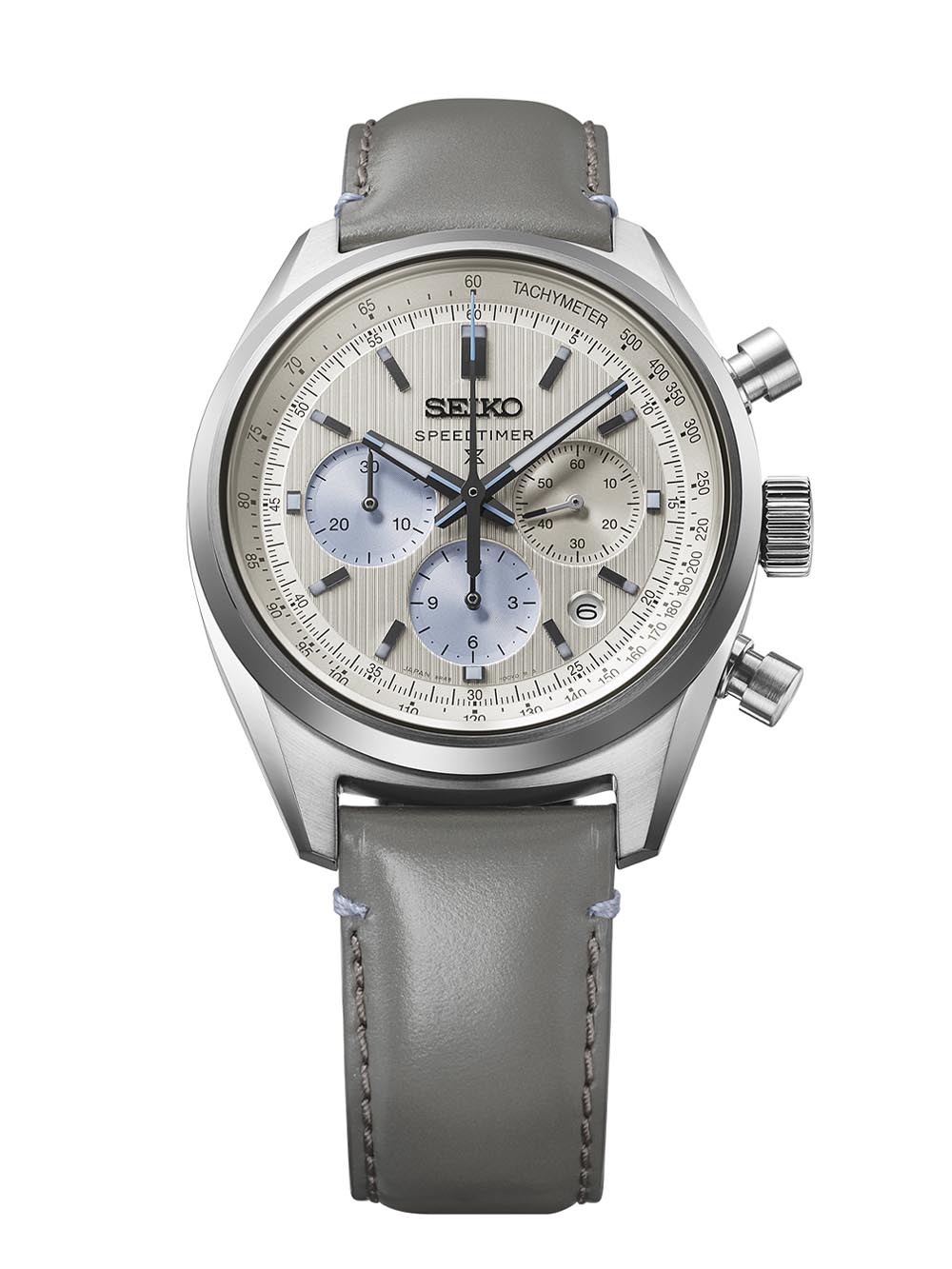
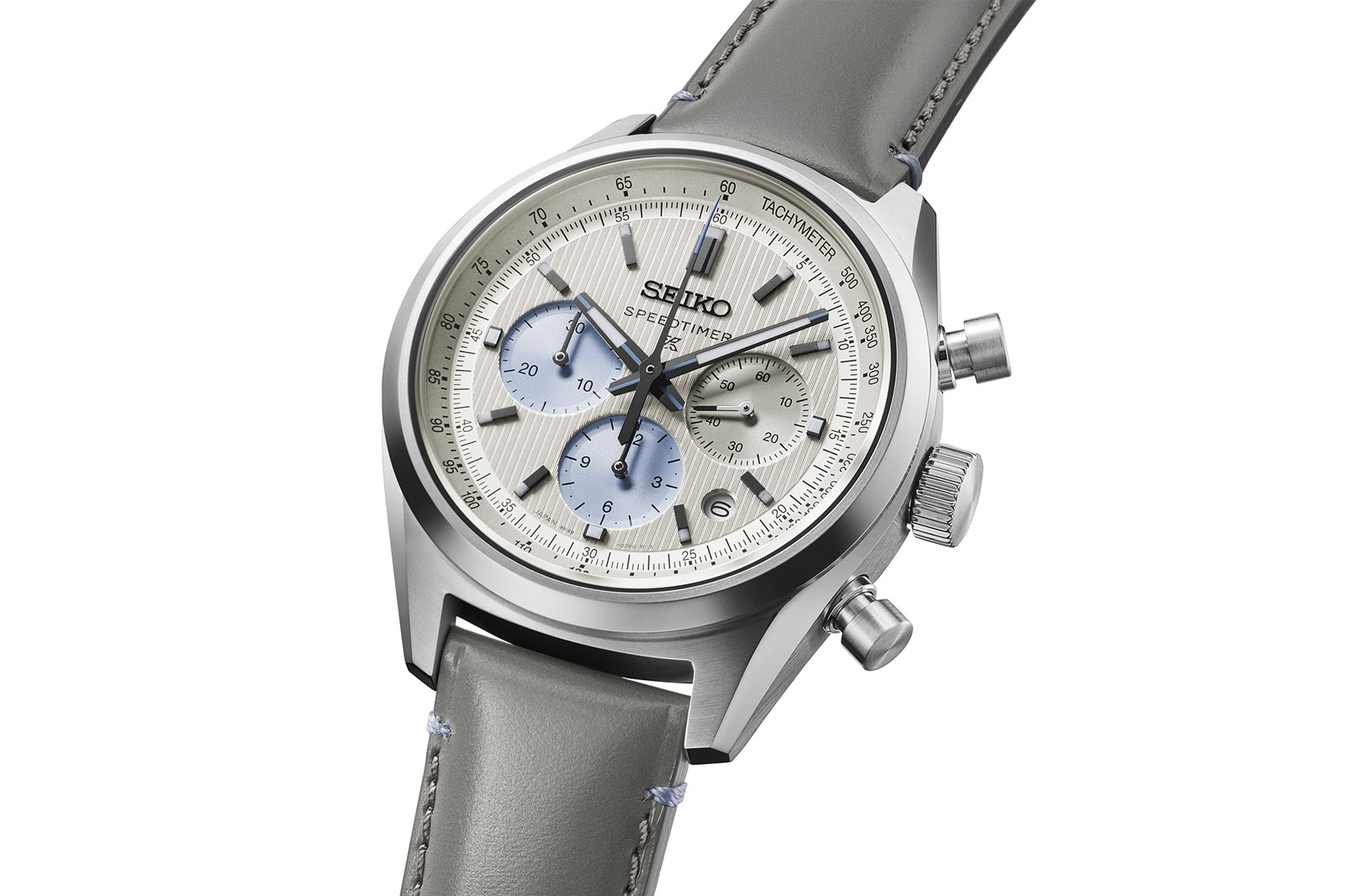
The Grand Touring Mechanical Chronographs move into a larger and more technically involved part of the Speedtimer range.
At 42mm wide and 14.6mm thick, they have the wrist presence expected of an automatic mechanical chronograph.
That extra scale also has a practical role, giving the dial furniture enough space to remain readable while accommodating the subdials and tachymeter track.

The dials use vertical engraving intended to suggest the open road and passing sky, tying the design language directly to the Grand Touring name.
A peripheral tachymeter allows speed calculations over a known distance, which keeps the watch connected to the motorsport timing tradition that defines the Speedtimer line.
Inside is Seiko’s calibre 8R48, an automatic chronograph movement with a column wheel and a 45-hour power reserve.
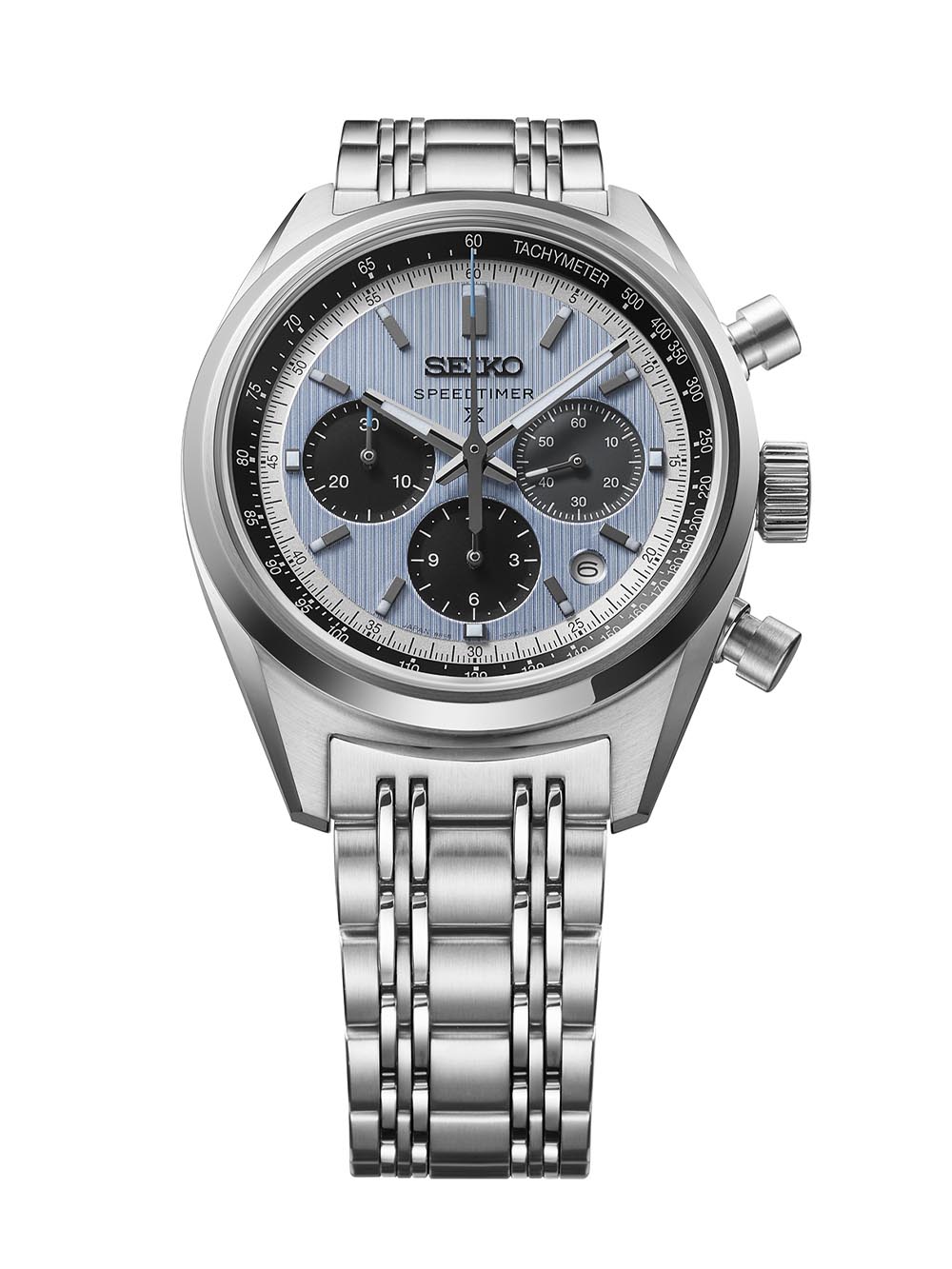
The pump pushers flanking the crown control the chronograph, with the upper pusher used to start and stop timing and the lower pusher resetting the display.
The Grand Touring models are priced at £2,340 on a steel bracelet and £2,250 on a leather strap.
That places them in a more competitive and considered bracket, where buyers are likely weighing the appeal of an in-house Seiko mechanical chronograph against Swiss alternatives at the lower end of luxury chronograph pricing.
Details & Specifications
| Collection | Seiko Prospex Speedtimer Heritage Motoring Countdown |
|---|---|
| Case | 39.5mm x 12mm super-hard-coated stainless steel |
| Dial options | Powder Blue, Petrol Blue |
| Timing function | Internal rotating 60-minute countdown bezel |
| Movement | Seiko calibre 6R55 automatic |
| Power reserve | 72 hours |
| Functions | Hours, minutes, seconds, date |
| Water resistance | 200 metres |
| Strap or bracelet | Stainless steel bracelet or leather strap |
| Price | £870 on bracelet, £840 on leather |
| Collection | Seiko Prospex Speedtimer Grand Touring Mechanical Chronograph |
| Case | 42mm x 14.6mm super-hard-coated stainless steel |
| Movement | Seiko calibre 8R48 automatic column-wheel chronograph |
| Power reserve | 45 hours |
| Functions | Hours, minutes, seconds, date, chronograph |
| Water resistance | 100 metres |
| Strap or bracelet | Stainless steel bracelet or leather strap |
| Price | £2,340 on bracelet, £2,250 on leather |
Solar Speedtimer models also receive a refresh
Alongside the mechanical additions, Seiko is updating several Solar Speedtimer references.
The Speed Yellow, Grand Prix White and Champagne Gold models receive new SKU treatment and adjusted pricing, while a new Racing Green edition joins the group.
All four are priced at £670, bringing the refreshed solar models into line as a cleaner entry point beneath the new mechanical releases.
Taken together, the update gives the Speedtimer range a wider spread of personalities, from practical solar chronographs to a compact countdown sports watch and a more substantial mechanical chronograph.
For buyers drawn to Seiko’s motorsport-adjacent design language, the choice now feels less like picking one Speedtimer and more like choosing which kind of timing watch best fits the way they actually wear one.