Seiko’s latest ambassador piece for Shohei Ohtani isn’t a signature colourway or a commemorative caseback.
It’s a one-off mechanical object built around a question that feels unusually personal for a professional athlete. How do you measure the time left in a career defined by pressure, repetition and rare talent?
The answer is the Seiko Star Time, a custom watch that counts elapsed time on a scale far beyond normal horology.
At a glance
- Seiko created the Star Time as a unique watch for baseball star and long-time ambassador Shohei Ohtani.
- The watch uses five discs to display elapsed time up to one million hours, with a full rotation taking around 114 years.
- It has a 41.8mm titanium case, an arched profile and design details tied directly to Ohtani’s career.
A watch made around Ohtani’s baseball time
Ohtani has been a Seiko ambassador for 10 years, but the Star Time goes well beyond the usual athlete partnership playbook.
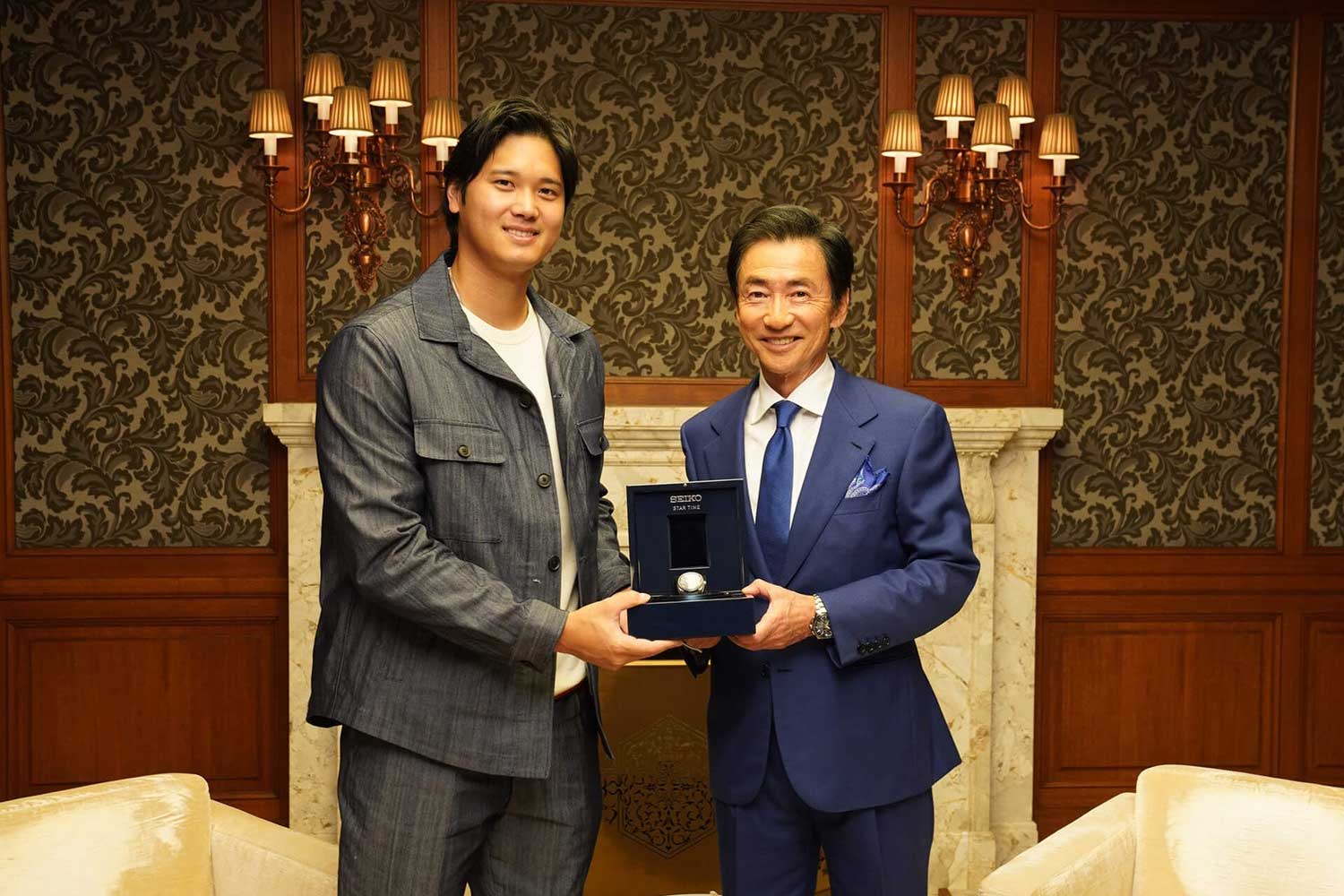
The watch was presented to him by Seiko Watch Corporation Chairman, CEO and CCO Shinji Hattori, marking it as a serious internal project rather than a simple ceremonial piece.
Its central idea comes from Ohtani’s wish for a watch that could represent the span of his professional baseball career.
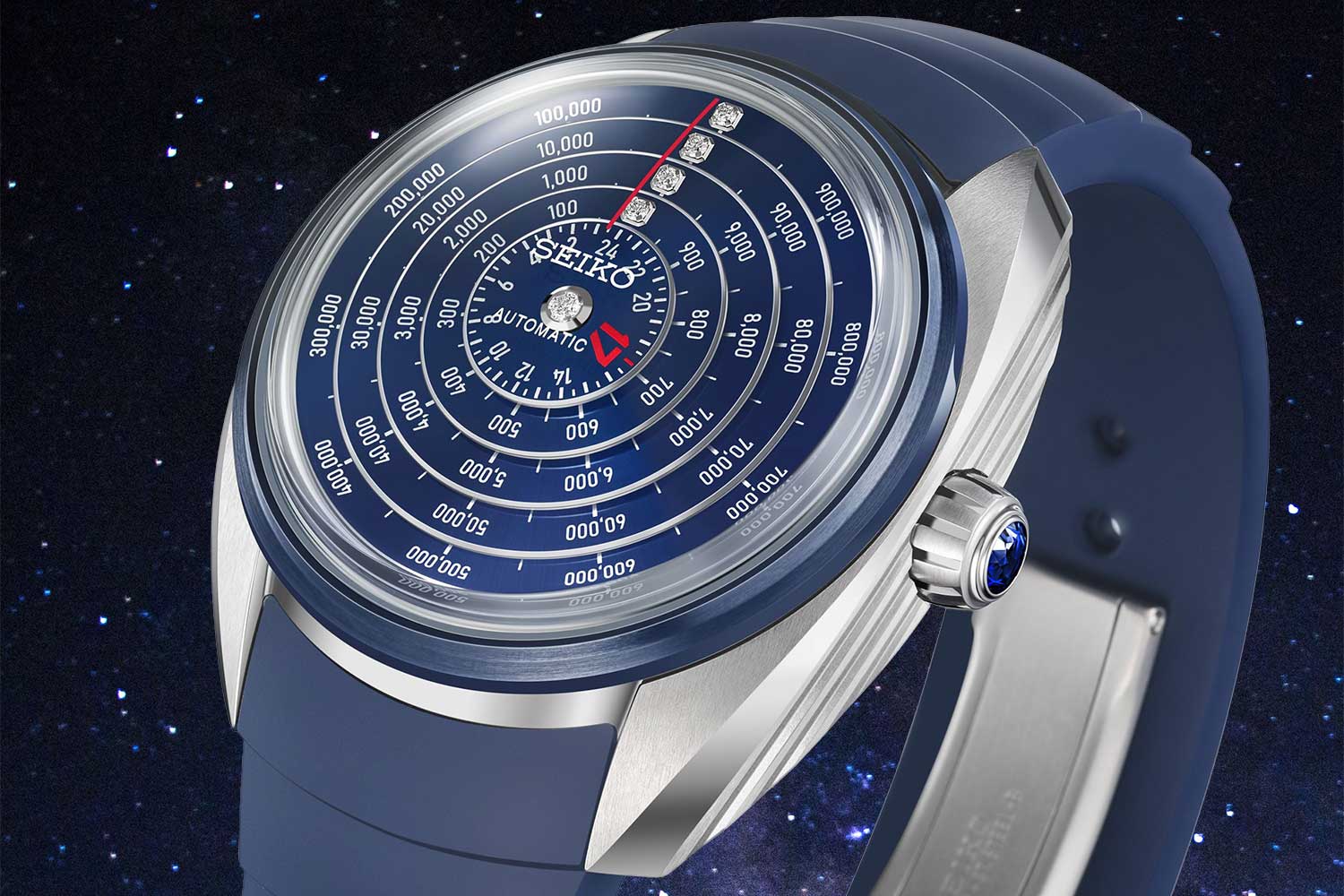
That makes the Star Time unusually reflective for Seiko, a brand more often associated with practical everyday watches, divers, dress pieces and high-volume engineering discipline.
Here, practicality is still present, but it’s aimed at an almost abstract problem.
Five discs and one million hours
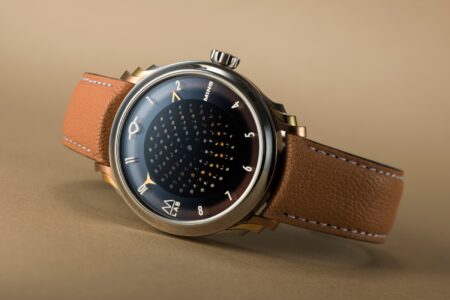
The Star Time displays elapsed time through five concentric discs, each dedicated to a different scale of measurement.
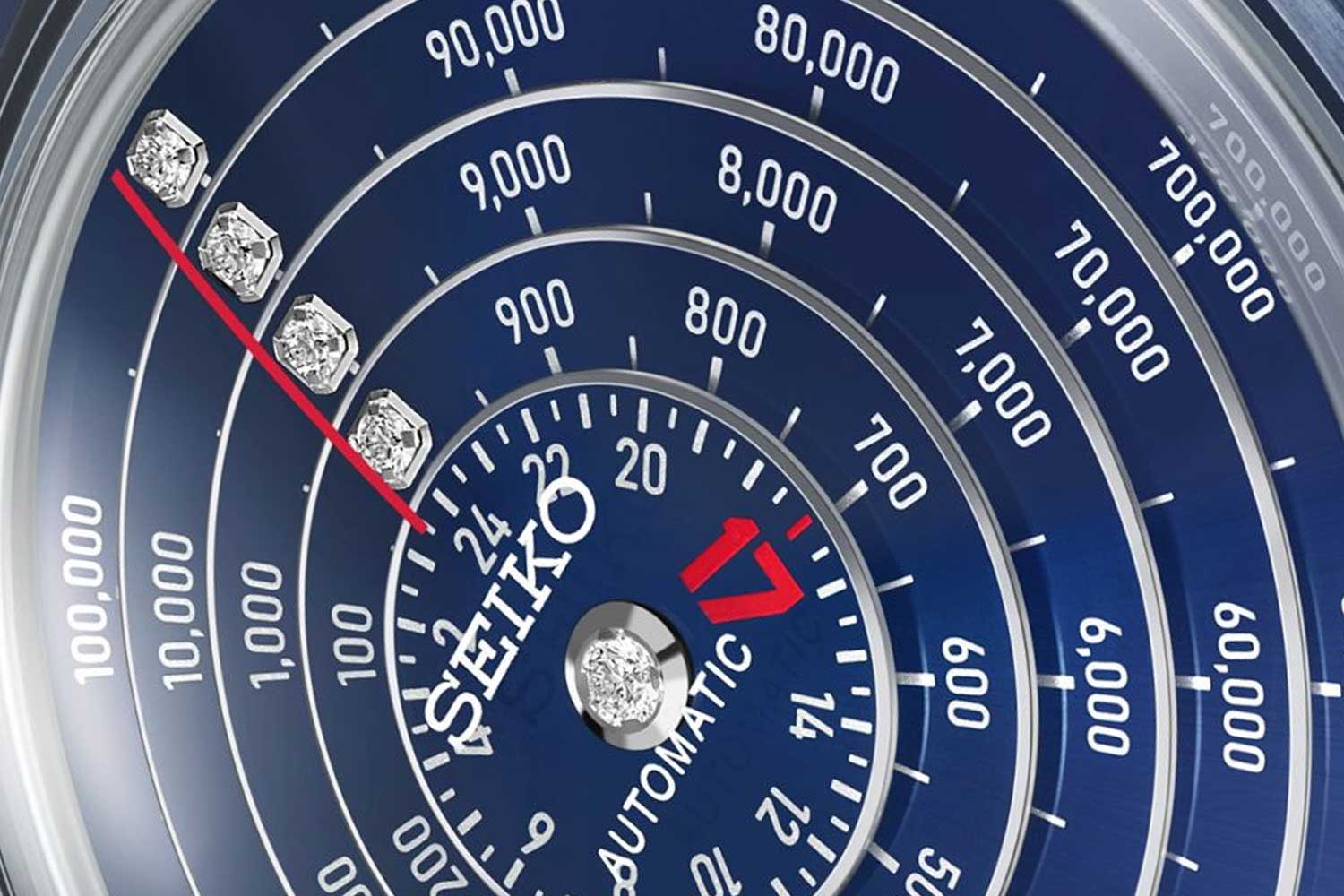
The innermost display handles 24 hours, while the surrounding discs expand the count dramatically.
They measure 1,000 hours, 10,000 hours, 100,000 hours and, at the outer edge, 1,000,000 hours.
In practical terms, the full cycle of the dial discs would take roughly 114 years to complete.
That’s an extraordinary framework for a wristwatch, and one that shifts the conversation away from daily timekeeping toward endurance, ambition and the finite nature of an athletic prime.
It’s also a quietly audacious technical gesture from Seiko.
The company hasn’t released extensive movement information, though the watch uses a brand-new module built from an existing Seiko calibre.
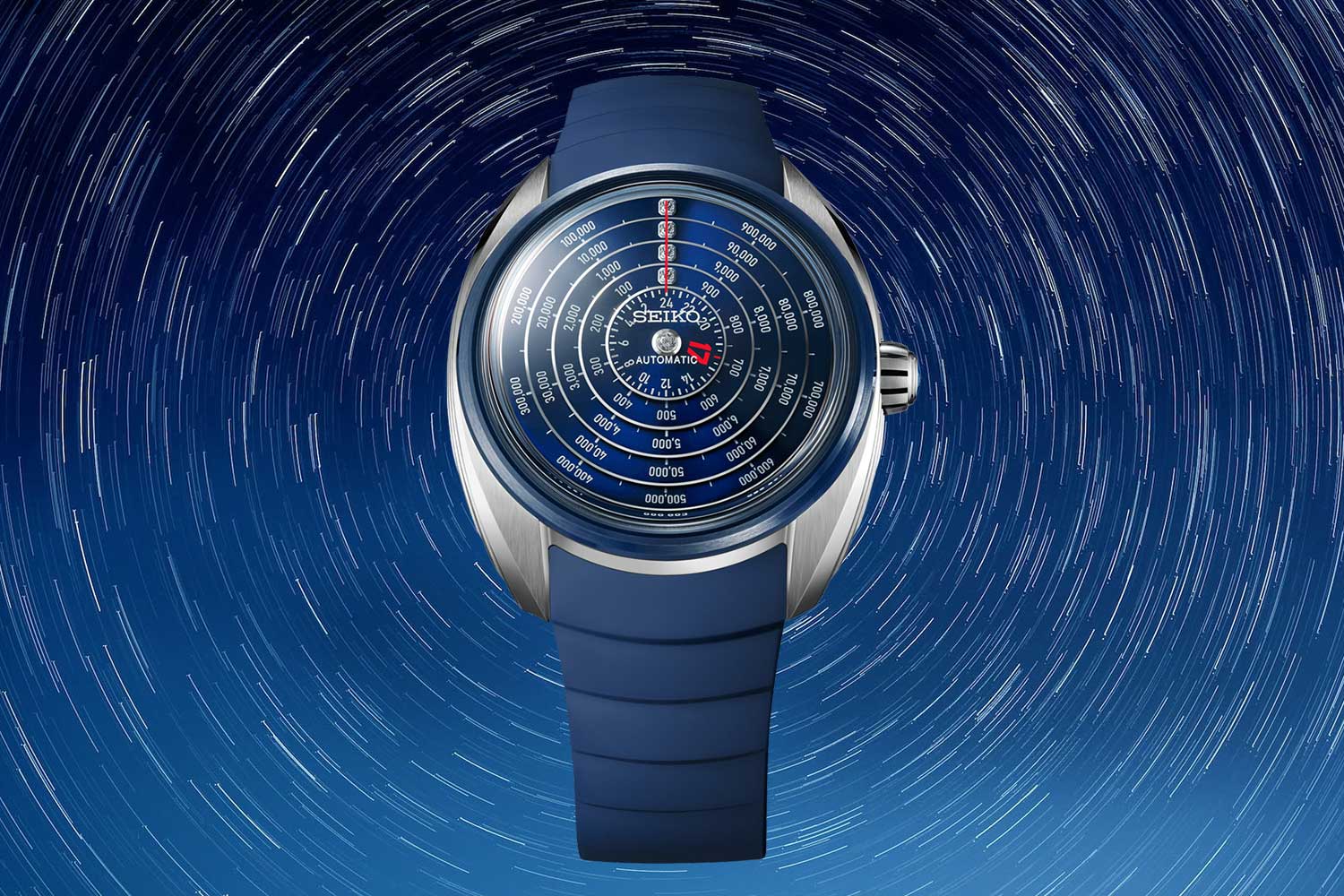
Given the size of the discs and the delicacy required in the gearing, the Star Time is necessarily substantial on the wrist.
Titanium casework and Ohtani details
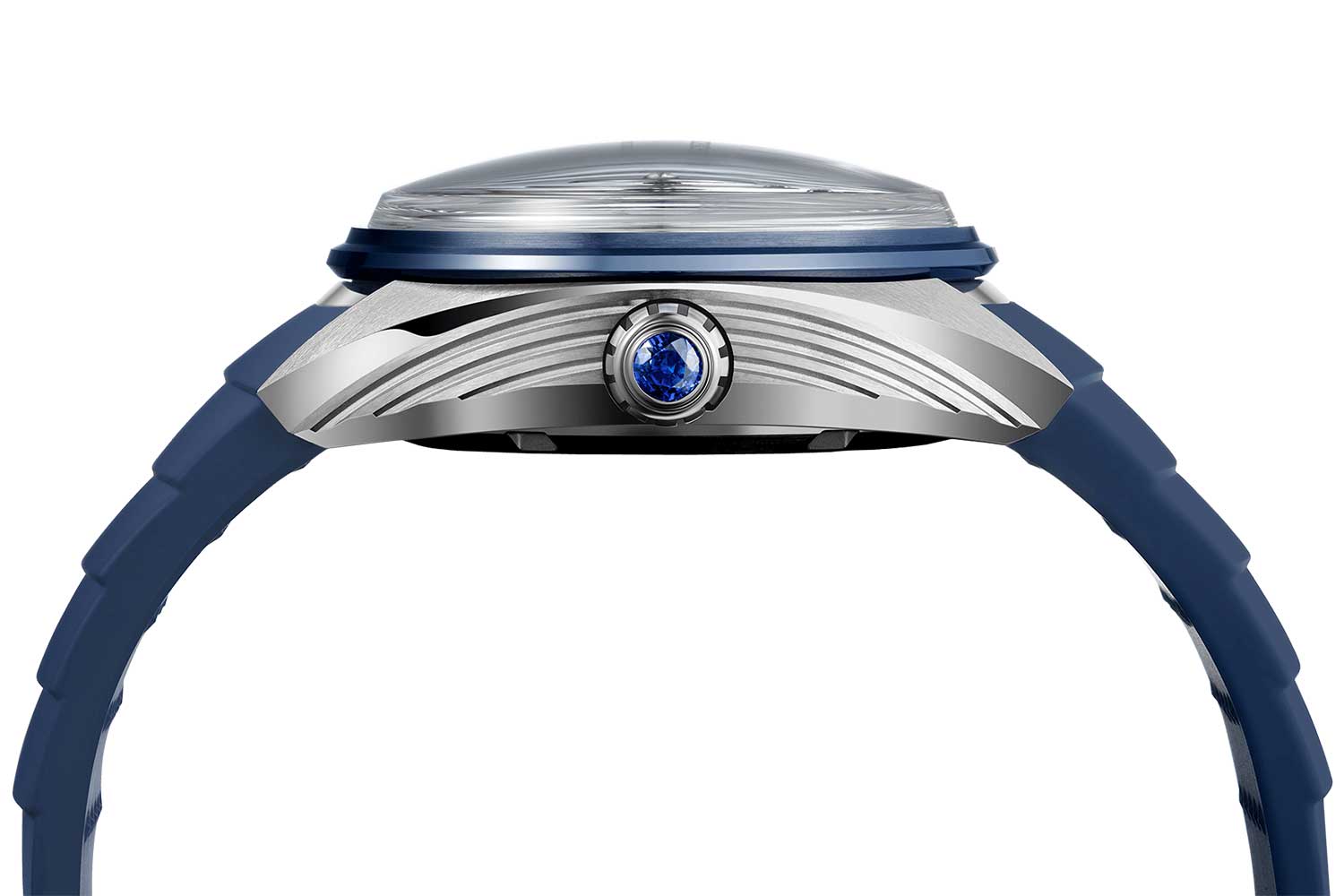
The case is made from titanium and measures 41.8mm across, with a height of more than 17.4mm.
That thickness is softened by an arched case profile, which gives the watch a more deliberate sculptural shape rather than the blunt mass of a pure instrument.
The dial includes diamond zero-hour markers on the outer discs, small but pointed accents that help anchor the unusual display.
There is also an oversized 17, a direct nod to Ohtani’s jersey number.
Seiko has indicated that Ohtani was closely involved in the design, which matters here because the watch’s concept is too specific to feel like a decorative tribute added after the fact.
It’s a piece about duration, discipline and the way an athlete understands time differently from the rest of us.
Details & Specifications
| Brand | Seiko |
|---|---|
| Model | Star Time |
| Created for | Shohei Ohtani |
| Case size | 41.8mm |
| Case height | Over 17.4mm |
| Case material | Titanium |
| Display | Five-disc elapsed time display |
| Maximum elapsed time display | 1,000,000 hours |
| Full disc rotation | Approximately 114 years |
| Movement | New module built from an existing Seiko calibre |
| Notable details | Diamond zero-hour markers and oversized 17 jersey-number detail |
| Availability | Unique custom piece |
The Star Time is compelling because it doesn’t feel like Seiko trying to imitate traditional high-complication theatre.
It feels more like Seiko being Seiko in a stranger, more philosophical register, using mechanical logic to answer a deeply human question.
Whether a public version ever appears is unknown, but this one-off watch already shows how much expressive territory remains inside the simple act of measuring time.