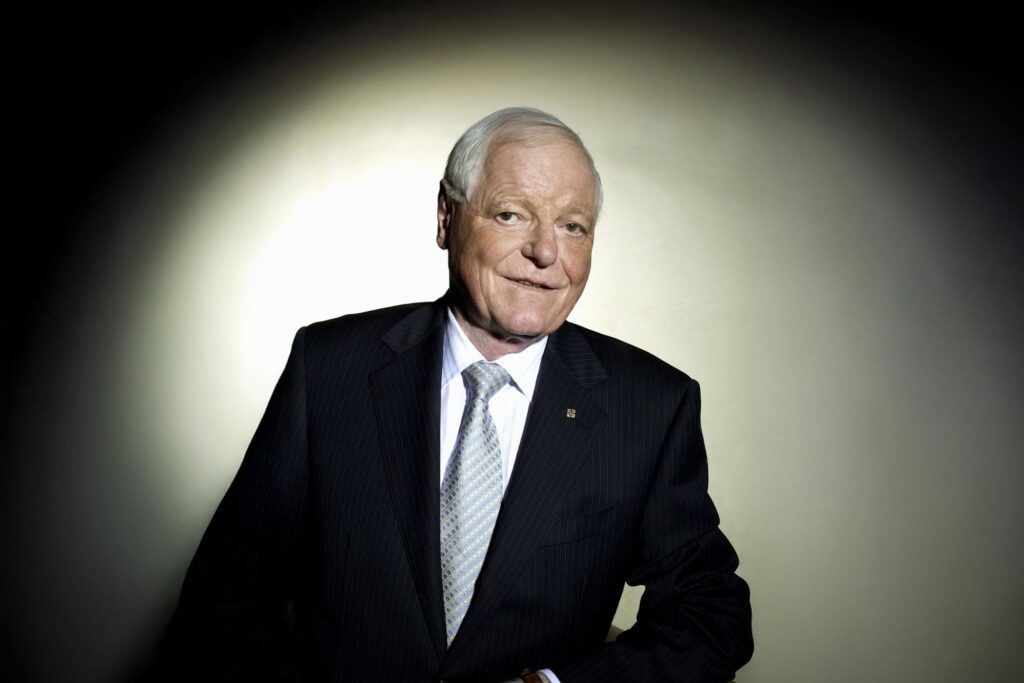
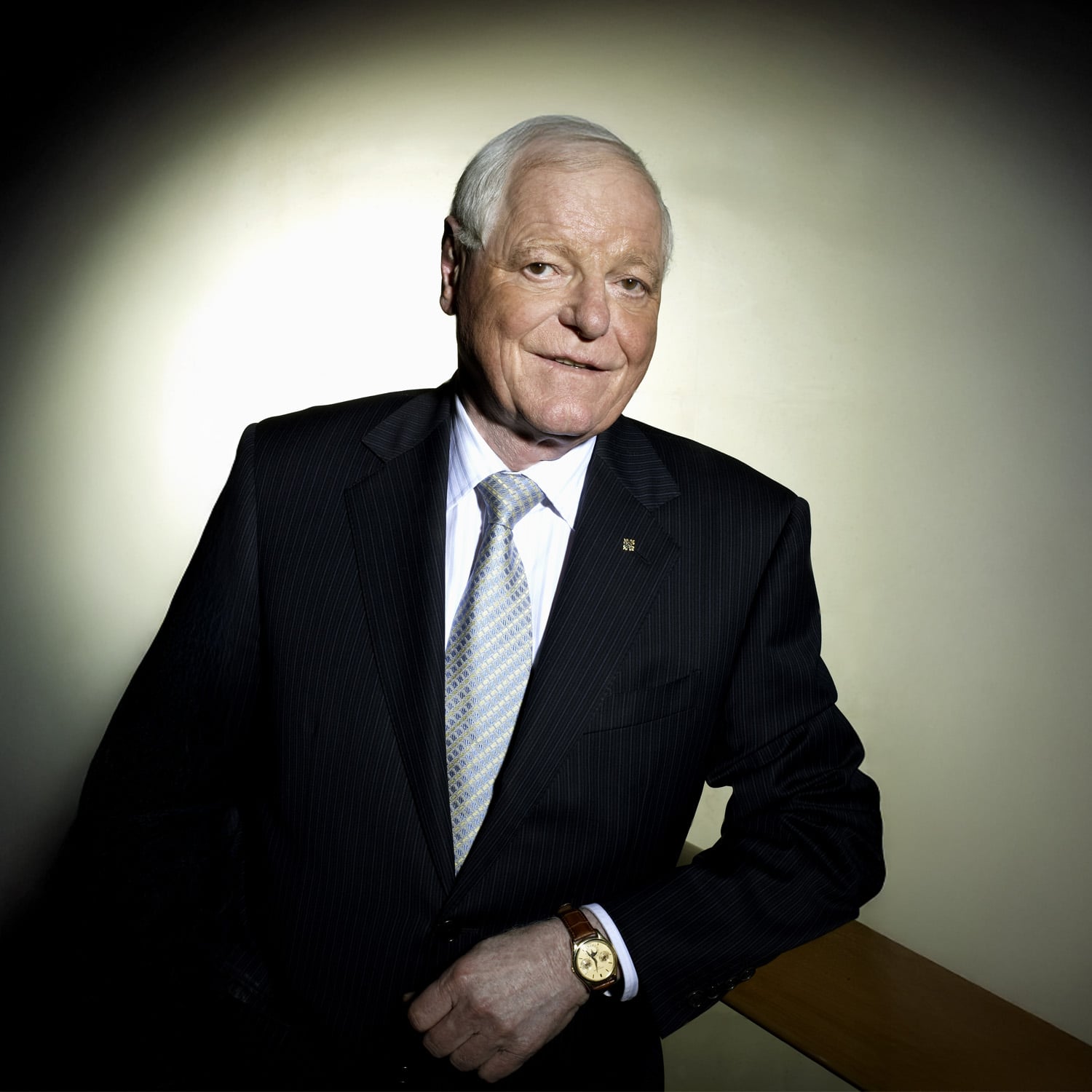
Philippe Stern, Honorary President of Patek Philippe, died on 14 June 2026 in his 88th year.
For much of the modern watch era, Stern was one of the defining guardians of family-owned Swiss horology, steering Patek Philippe through industrial upheaval while strengthening its reputation for mechanical watchmaking, independence and long-term craft.
His legacy sits not only in landmark watches, but in the culture of patience and continuity that still frames Patek Philippe today.
At a glance
- Philippe Stern, former President and later Honorary President of Patek Philippe, died on 14 June 2026.
- He led the company through the quartz crisis, supported the Nautilus, championed high complications and preserved rare handcrafts.
- His tenure helped secure Patek Philippe’s independence and shaped its modern manufacture in Plan-les-Ouates.
A Geneva upbringing inside watchmaking
Born in Geneva in 1938, Philippe Stern entered a family already deeply tied to Patek Philippe.
His grandfather Charles Stern and Charles’s brother had been dial makers through Cadrans Stern Frères before acquiring Patek Philippe in 1932, while Philippe’s father, Henri Stern, joined the company soon after.
After studying economics and commerce, Philippe Stern spent time in New York with the Henri Stern Watch Agency from 1963 to 1966.
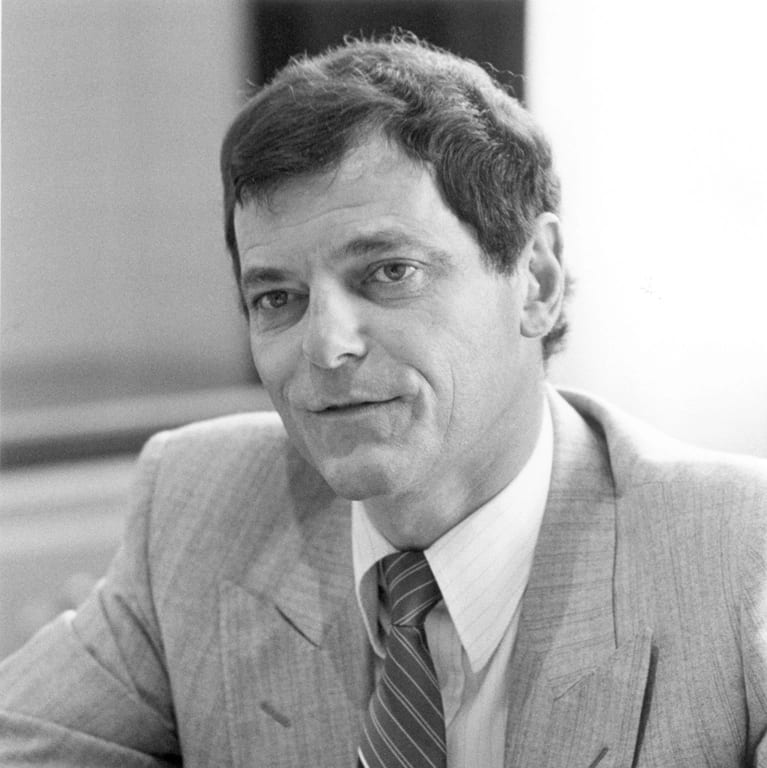
That period gave him direct exposure to an important international market before he returned to Geneva and worked across several departments of the family business.
Keeping Patek Philippe independent through the quartz years
Stern became General Director of Patek Philippe in 1977, at a moment when the Swiss watch industry was under intense pressure from quartz technology.
Rather than retreat from mechanical watchmaking, he continued to invest in traditional production and the tools required to develop it further.
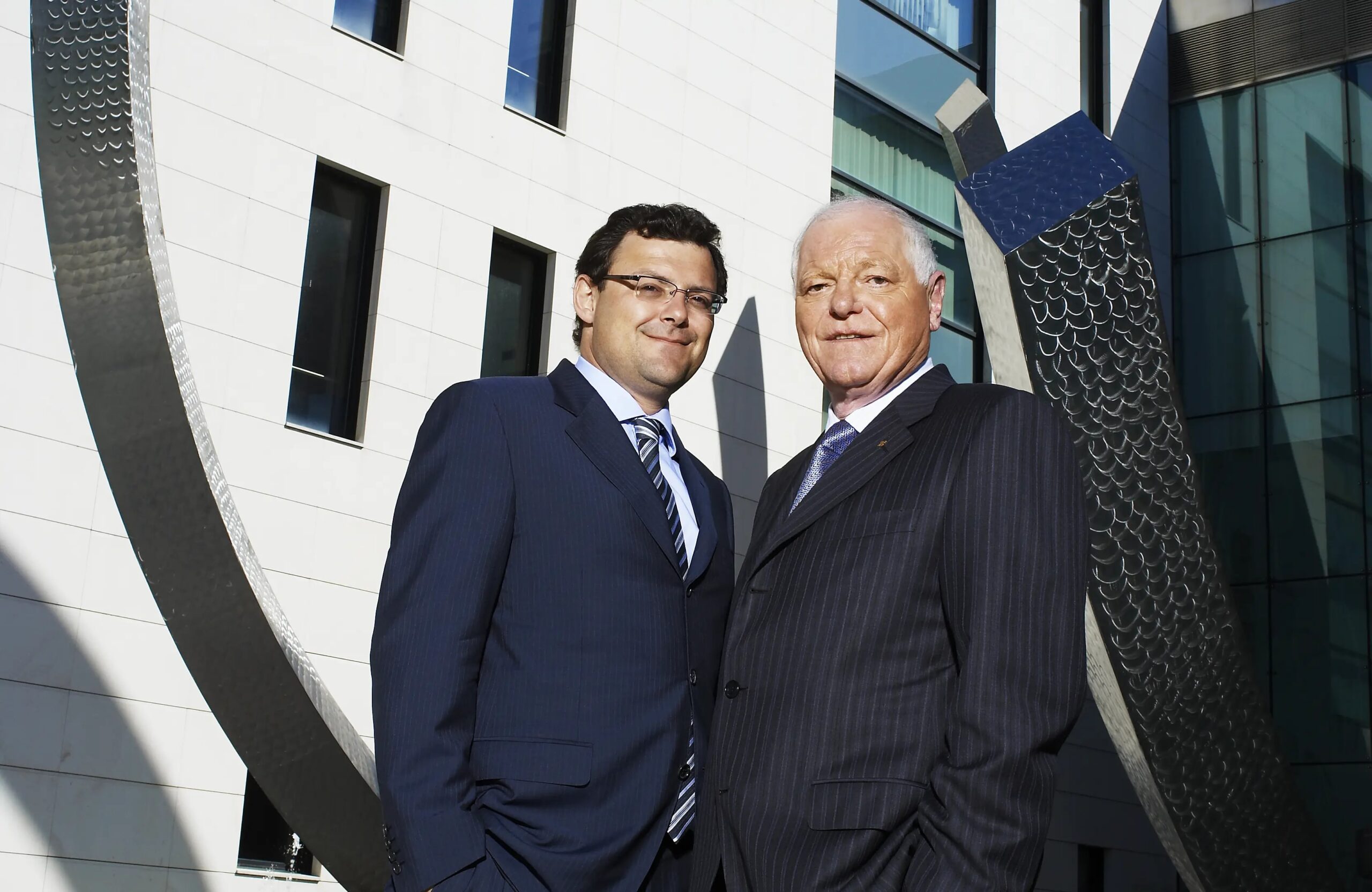
That decision now looks central to Patek Philippe’s modern identity.
At a time when many historic Swiss names were joining larger groups to survive, Stern defended the company’s financial and technical independence.
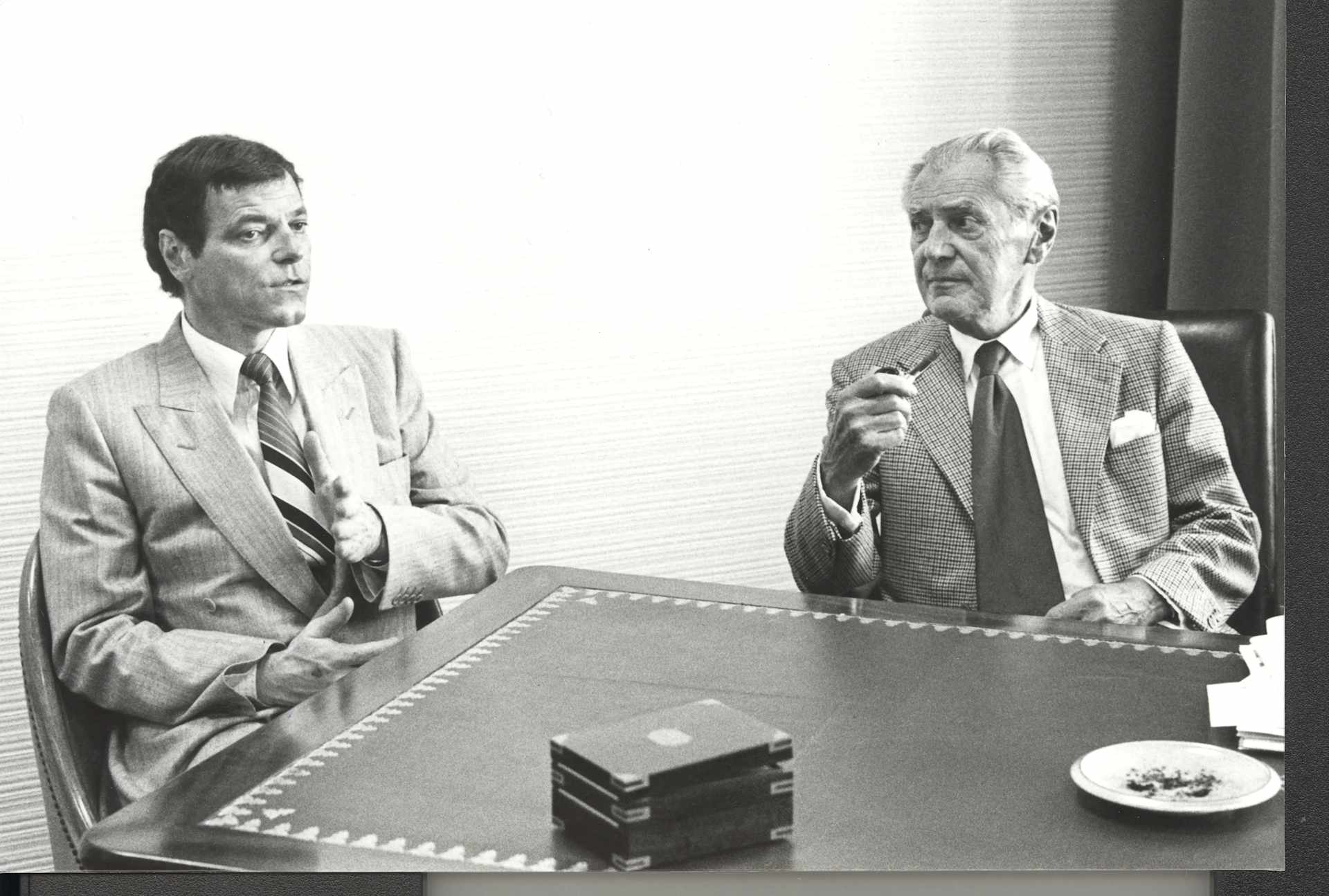
He later became President in 1993, representing the third generation of the Stern family in that role.
The Nautilus, Calibre 89 and a broader idea of prestige
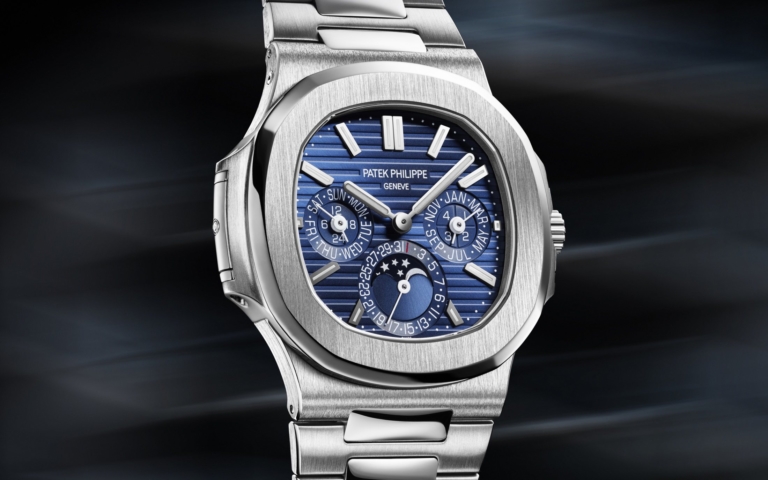
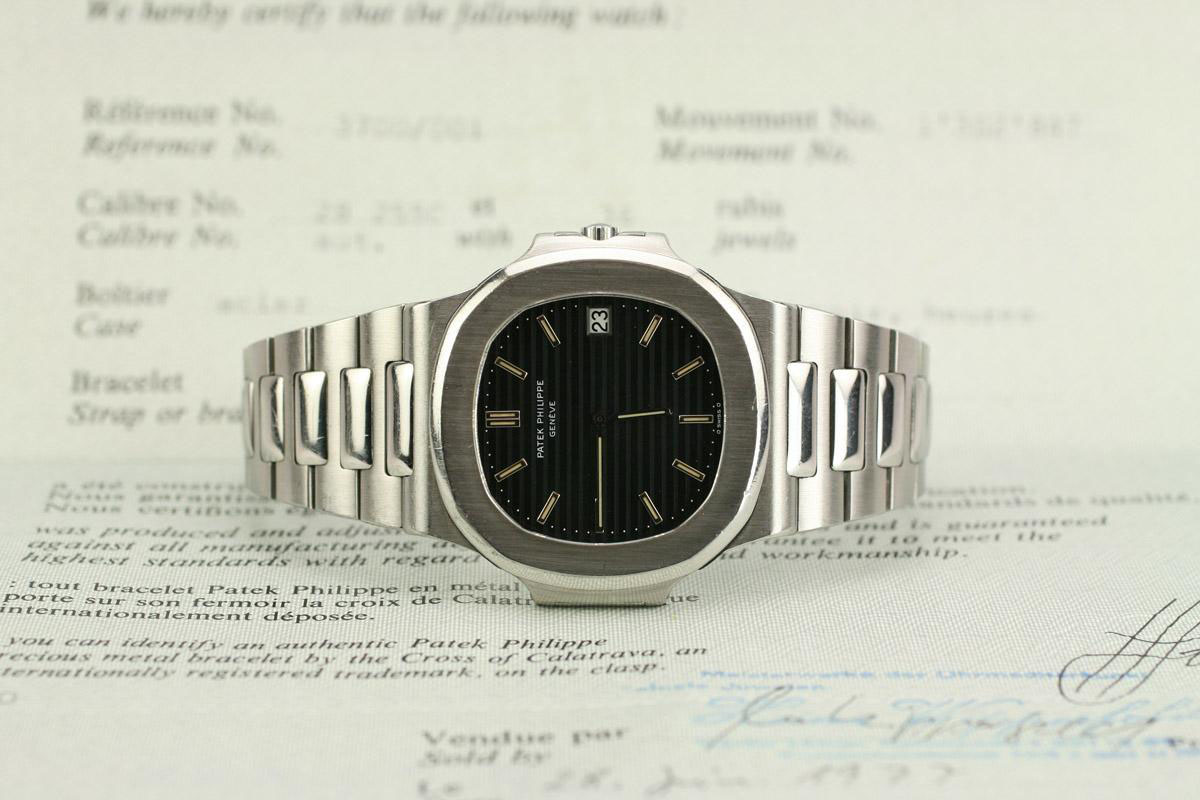
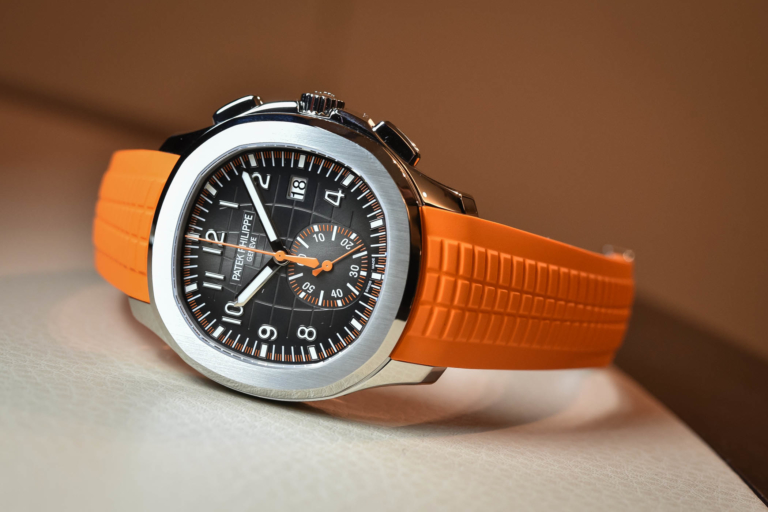
Stern’s influence was already visible in the 1970s, when Patek Philippe introduced the Nautilus in 1976.
The steel luxury sports watch gave the manufacture a more contemporary voice and helped it speak to a new generation of clients without abandoning its high-watchmaking foundations.
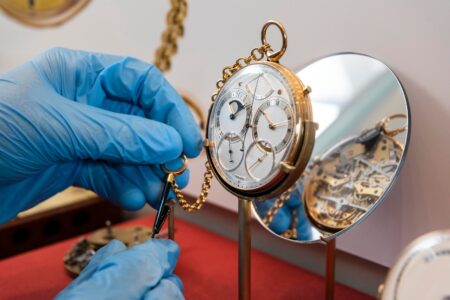
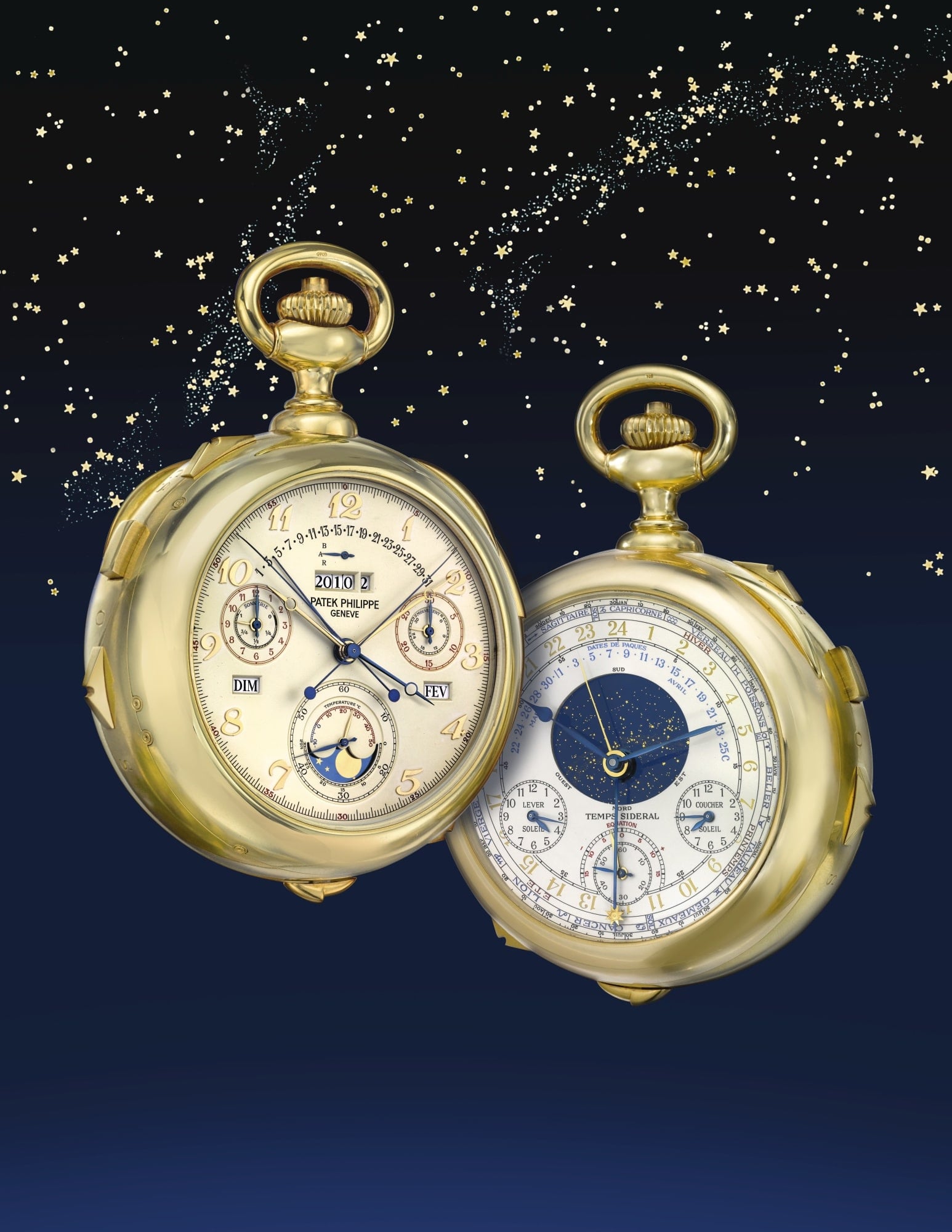
His tenure also produced one of Patek Philippe’s most ambitious mechanical projects, the Calibre 89.
Created for the company’s 150th anniversary after nine years of research and development, the portable mechanical watch carried 33 complications and stood as a statement of what traditional horology could still achieve.
Stern also maintained support for Rare Handcrafts watches, including métiers d’art work that preserved specialist artisanal skills even when such pieces were not the most commercially obvious route.
A museum, a manufacture and the next generation
One of Stern’s most important structural achievements was the consolidation of Patek Philippe’s Geneva workshops into a new manufacture in Plan-les-Ouates.
The site remains the company’s headquarters and reflects his belief that independence required control over both craft and industrial capability.
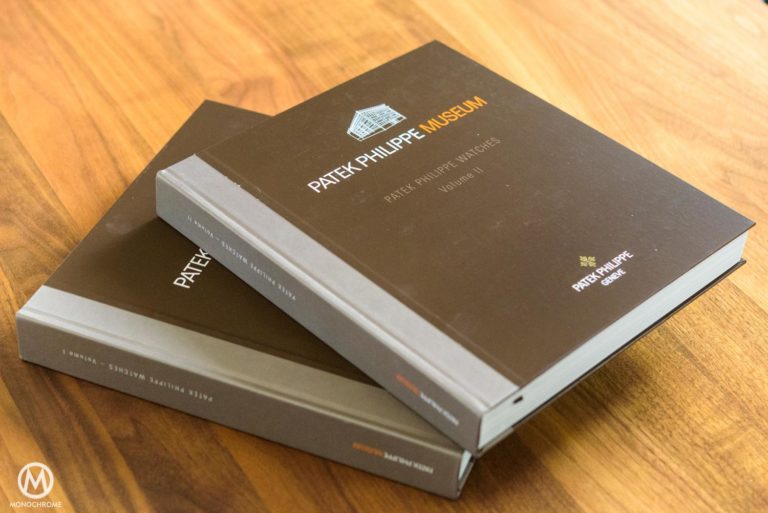
In 2001, he opened the Patek Philippe Museum in Geneva, bringing together important pieces from the brand and historically significant watches tracing the evolution of horology from the 16th century onward.
Stern was not only a custodian of heritage.
In 2005, Patek Philippe Advanced Research began under his watch, opening a path for technical experimentation that included the use of silicon in modern production.
In 2009, Philippe Stern and his son Thierry Stern formalised the manufacture’s internal quality requirements through the Patek Philippe Seal.
That same year, Philippe Stern handed the presidency to Thierry Stern and later continued as Honorary President.
Beyond watchmaking, Stern was known as a husband and father, an accomplished skier, a sailor and a devoted lover of Lake Geneva.
His passing closes a remarkable chapter for Patek Philippe, but the company he helped shape still carries the imprint of his convictions in every discussion about independence, craft and mechanical permanence.