The lever escapement is one of watchmaking’s great survivors, not because the industry lacks imagination, but because it works astonishingly well.
Invented in the 18th century and refined into the Swiss lever form that dominates today, it remains reliable, accurate and practical to manufacture at scale.
Yet mechanical watchmaking has never been only about leaving well enough alone, and a growing number of modern escapements show how much room still exists for experimentation at the heart of a watch.
At a glance
- The Swiss lever escapement still regulates the vast majority of mechanical watches, but several modern alternatives are gaining serious attention.
- Silicon has improved escapement efficiency, while natural, detent, dual-impulse and magnetic systems pursue more radical gains.
- The appeal lies in precision, energy efficiency, lower friction and the possibility of rethinking a mechanism that has shaped watches since 1754.
Why the Swiss lever still owns the wrist
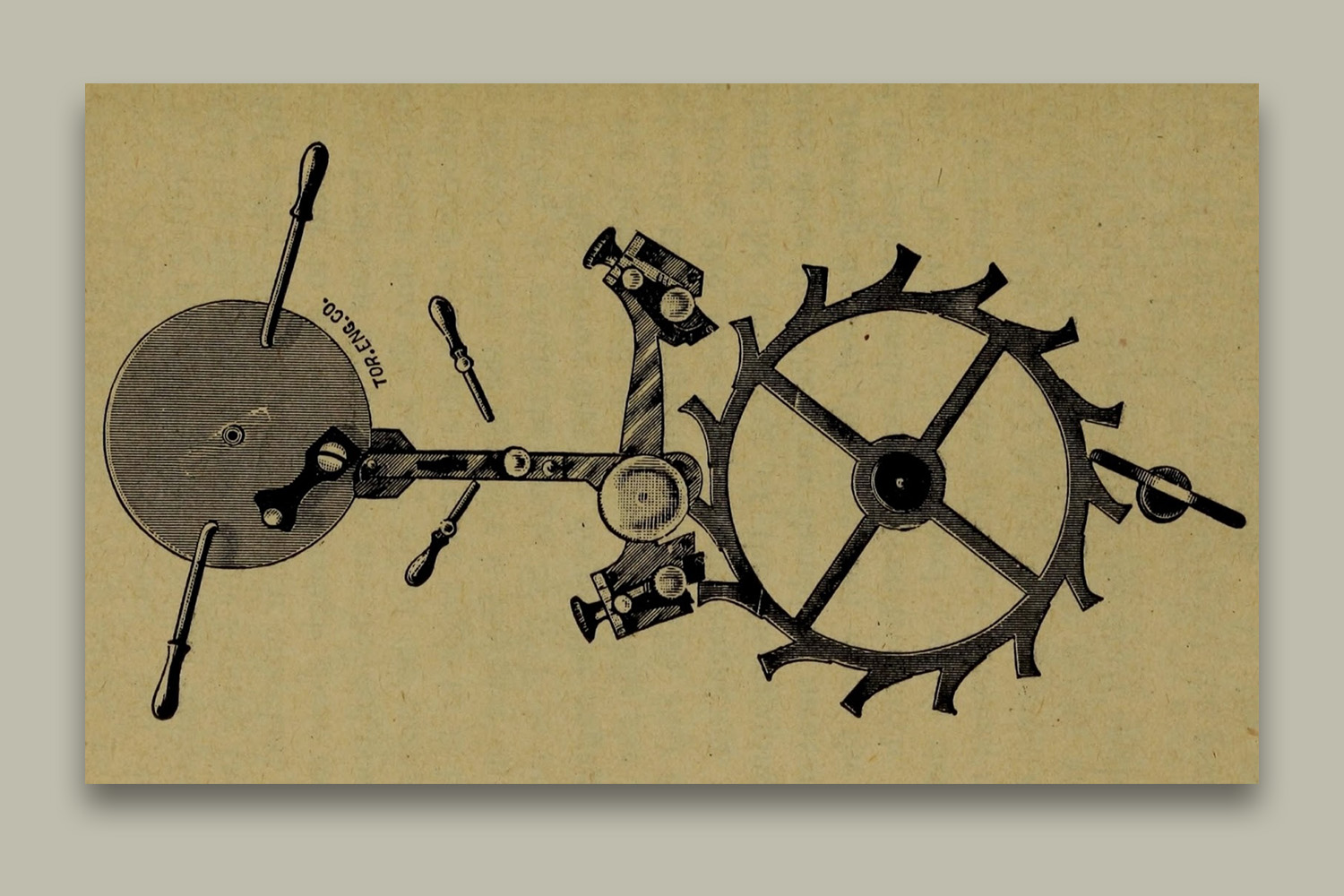
The modern lever escapement owes its origins to Thomas Mudge, who developed the design for pocket watches in 1754.
Its genius is the detached action, where the lever engages the balance only during brief impulse moments rather than remaining in constant contact.
That matters because older escapements suffered heavily from friction, wear and inconsistent performance.
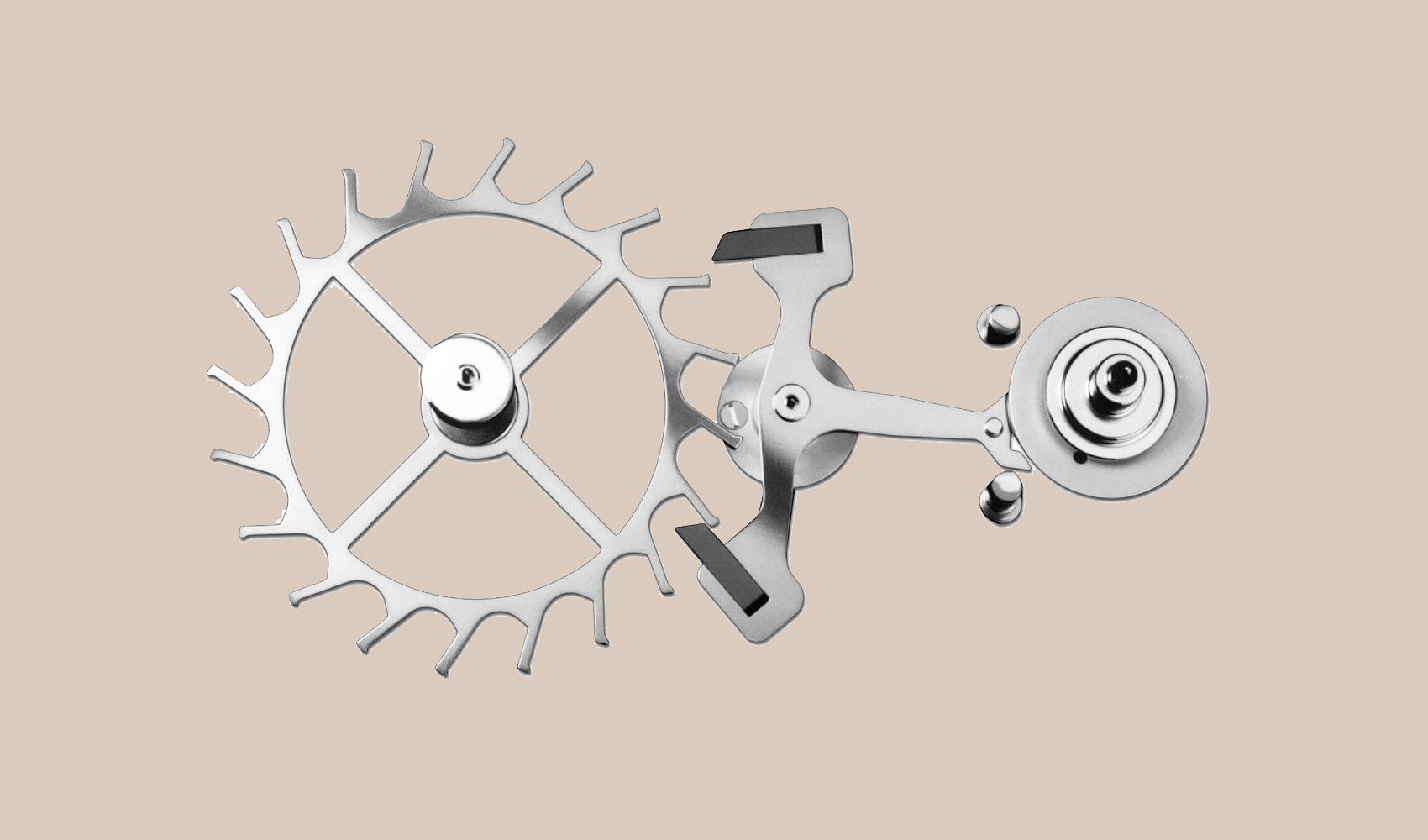
Over time, Swiss watchmakers refined the geometry of the lever and escape wheel, reducing friction and shortening the impulse.
By the start of the 20th century, machinery developed for mass production helped make the Swiss lever escapement the industry standard.
Its dominance is still remarkable.
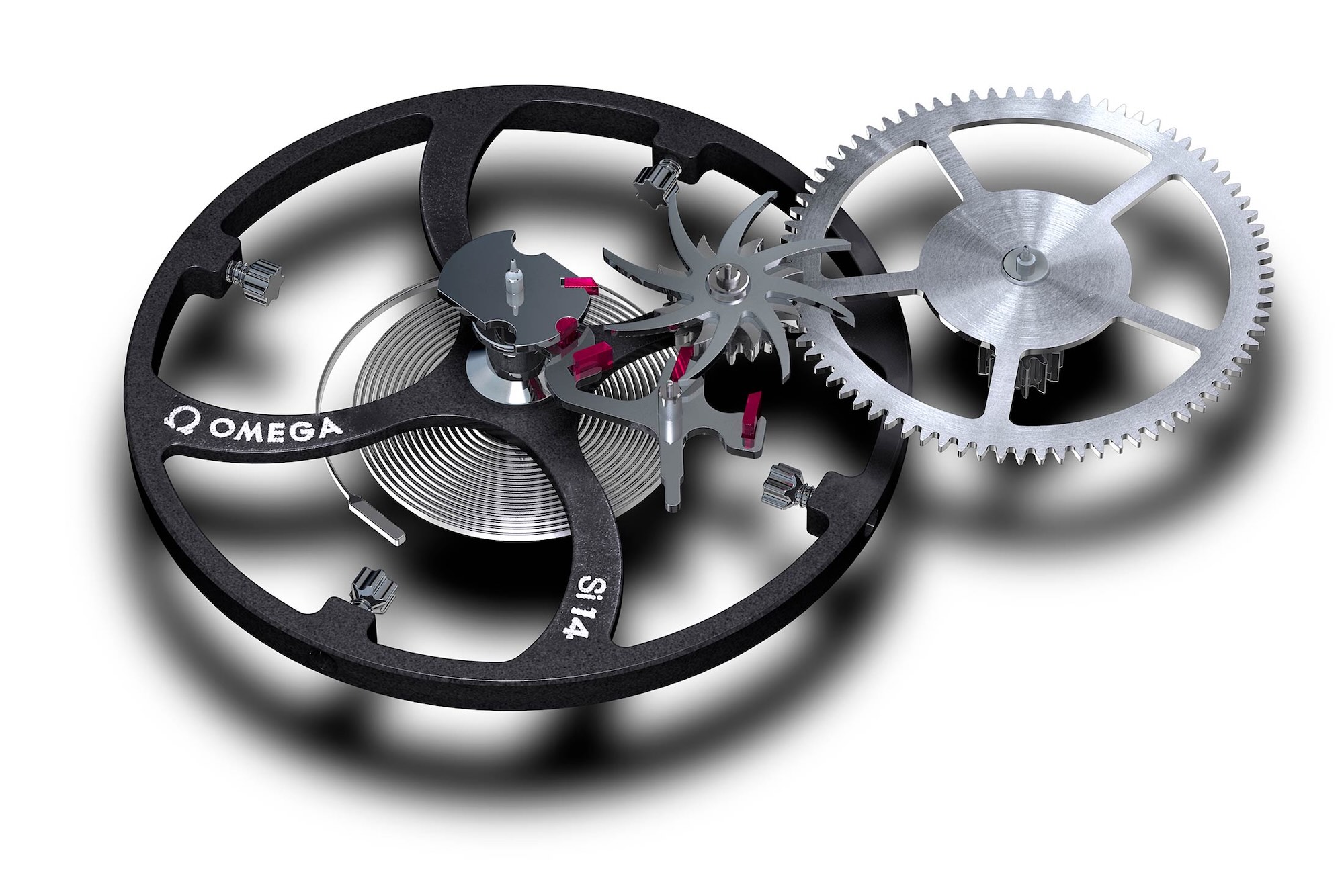
Today, it regulates roughly 99 percent of mechanical watches, from accessible hand-wound pieces to highly finished movements from the most prestigious maisons.
The performance ceiling is hardly modest.
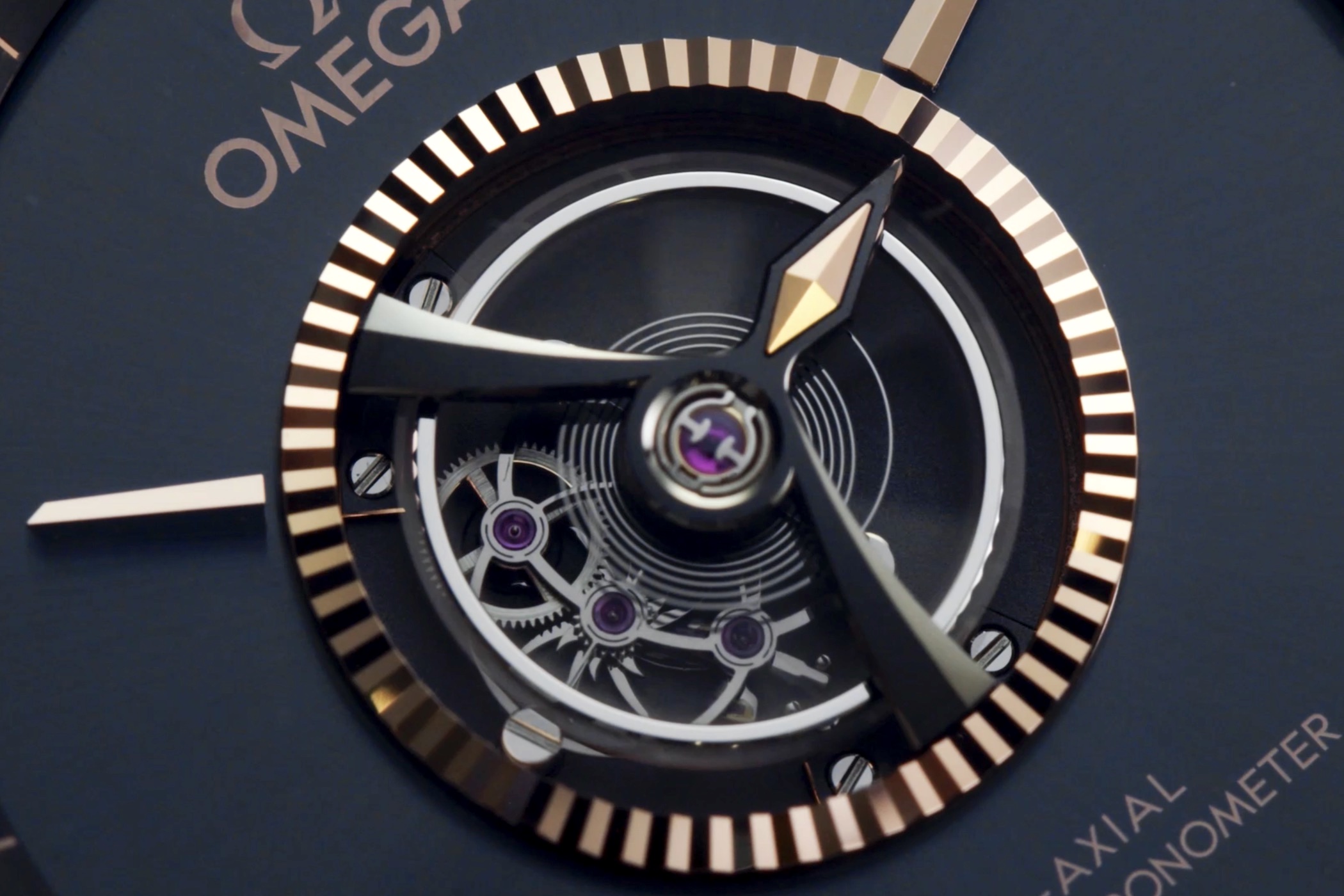
Brands such as Rolex and Patek Philippe have produced lever escapement movements rated to within two seconds per day, a tighter tolerance than the widely recognised COSC chronometer range of -4/+6 seconds per day.
The efficiency problem watchmakers keep revisiting
The lever escapement isn’t weak, but it isn’t perfectly efficient.
As much as 30 percent of the mainspring’s energy can be consumed by friction between the lever and escape wheel, as well as by the impulse action that keeps the balance oscillating.
In a mechanical watch, that lost energy matters.
It can affect power reserve, amplitude stability and the broader efficiency of the movement, which is why watchmakers have spent generations looking for better ways to release energy in controlled beats.
The earliest mechanical clocks used the verge escapement, a medieval solution paired with hanging weights and a foliot.
It was good enough for clock towers that rang the hours, but its accuracy was crude by modern standards, sometimes missing the day by around an hour.
Miniaturised into early portable watches, including the so-called Nuremberg Eggs of the 16th century, the verge became even less precise.
The balance wheel and hairspring changed the game in the late 17th century by improving portable timekeeping from errors of hours per day to errors measured in minutes.
The cylinder escapement of 1695 then helped make thinner watch cases possible, before the lever eventually became the more robust, more efficient and more scalable answer.
Silicon made the old architecture feel new
The most important recent shift hasn’t necessarily been the abandonment of the lever, but the transformation of its materials.
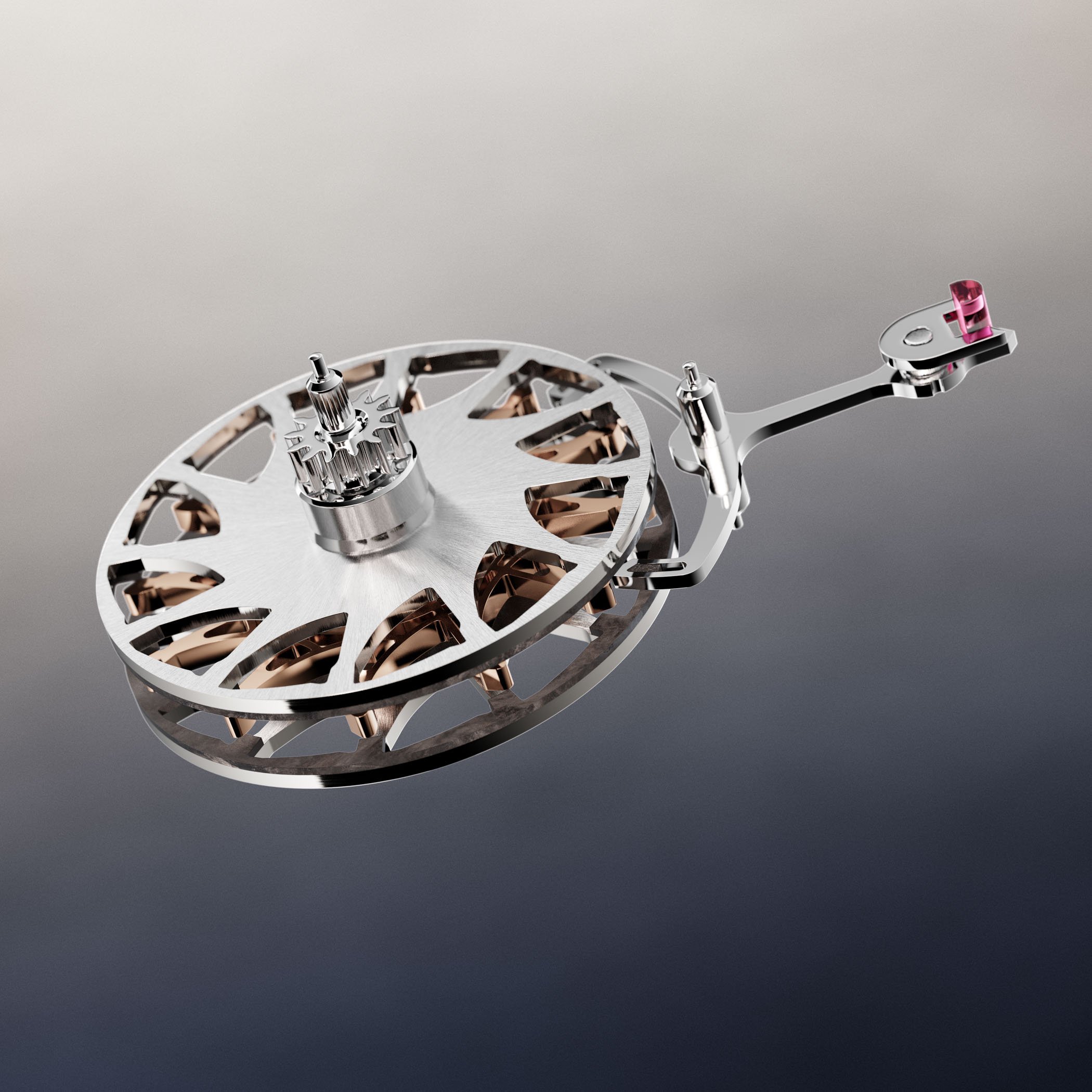
Silicon escapement components and hairsprings brought a genuine technical leap to modern watchmaking.
The material is lightweight, durable, resistant to magnetism and stable across temperature changes.
It also has such low friction that some silicon escapement parts can run without traditional lubricating oil.
That is a major advantage in a mechanism where the condition of microscopic contact surfaces has a direct effect on long-term performance.
Silicon watch parts are cut from monocrystalline wafers, using manufacturing techniques adapted from the semiconductor world.
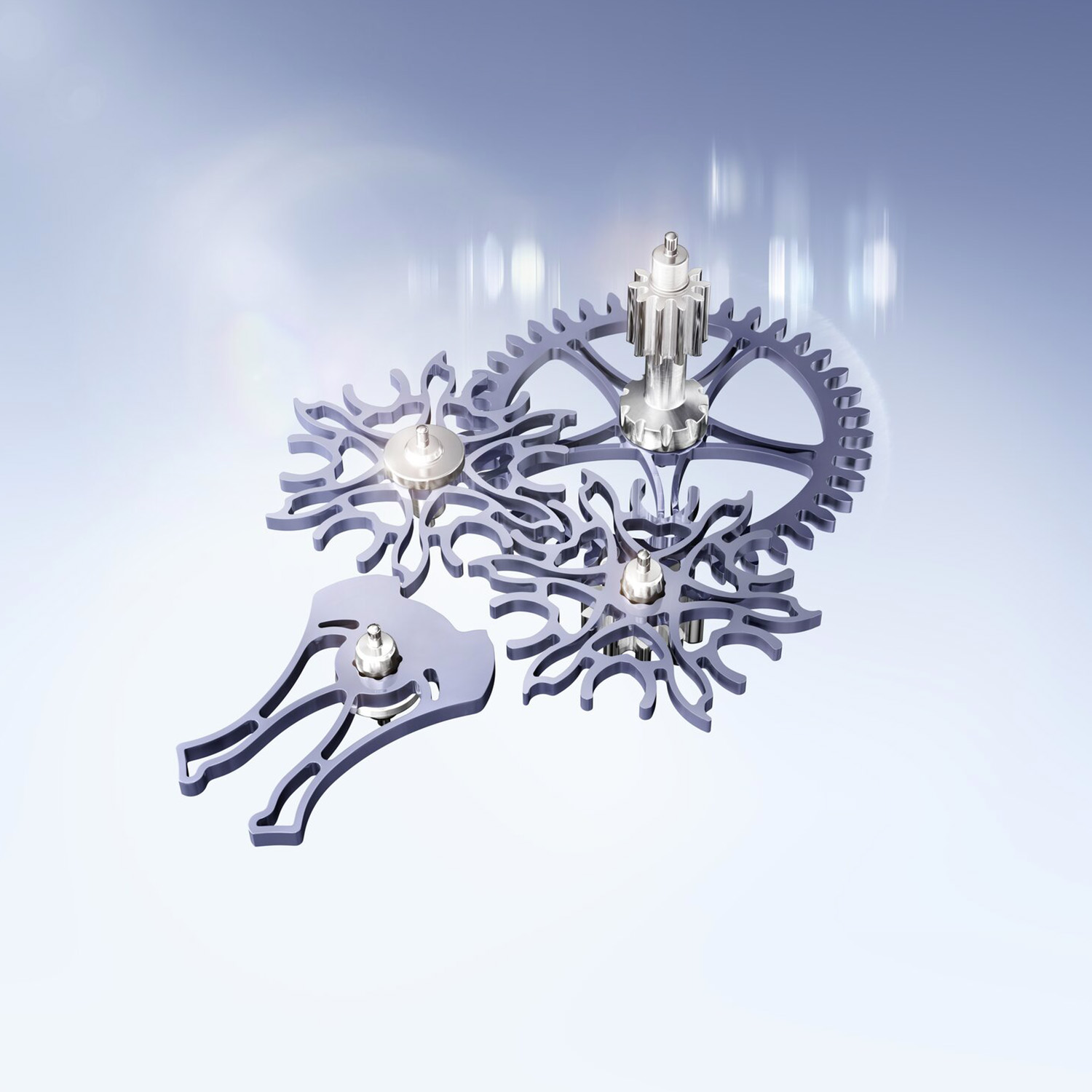
Deep-Reactive Ion Etching, often shortened to DRIE, allows makers to produce intricate escape wheels, levers and other components with extremely tight tolerances.
This precision has allowed established escapement architecture to become more efficient without requiring brands to abandon a system they already understand deeply.
The modern alternatives gaining credibility
The most interesting work now sits beyond simple material upgrades.
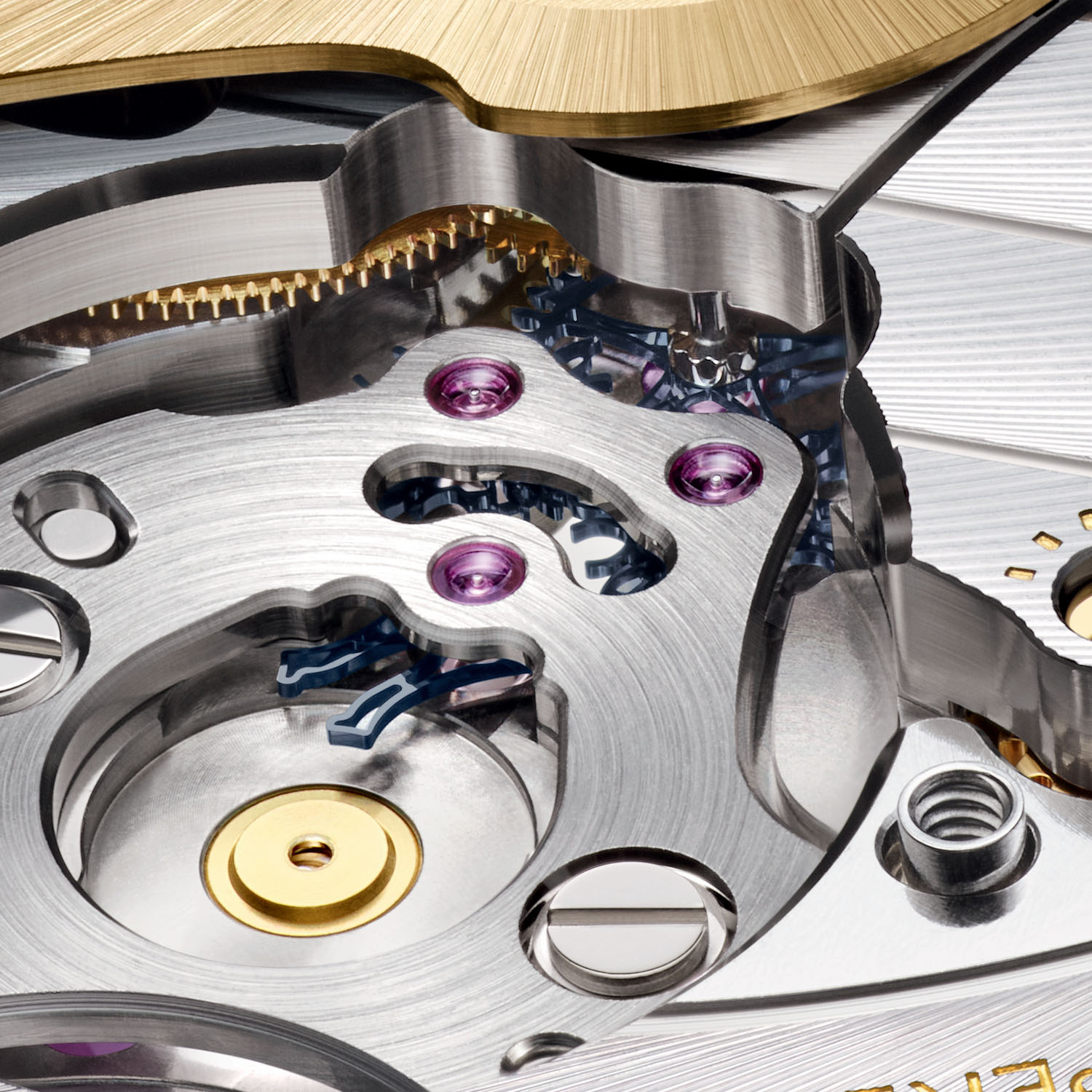
Several watchmakers are revisiting escapements that deliver impulse differently, reduce sliding friction or challenge the assumption that the lever must remain the default solution.
The natural escapement remains one of the most compelling ideas in this field.
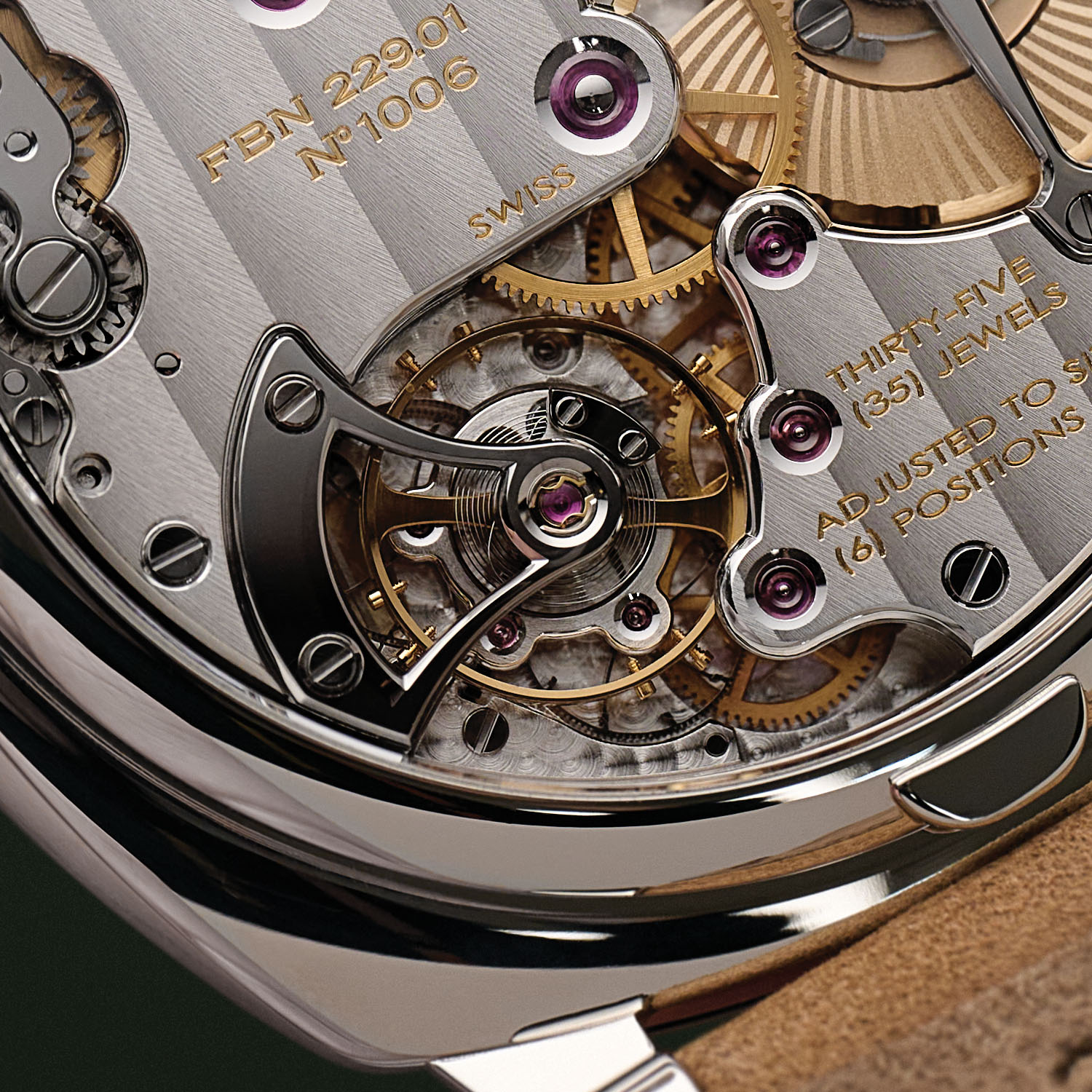
Inspired by Abraham-Louis Breguet’s pursuit of direct impulse and greater efficiency, it has influenced modern interpretations from names such as Laurent Ferrier, Kari Voutilainen, François-Paul Journe, Charles Frodsham and Bernard Lederer.
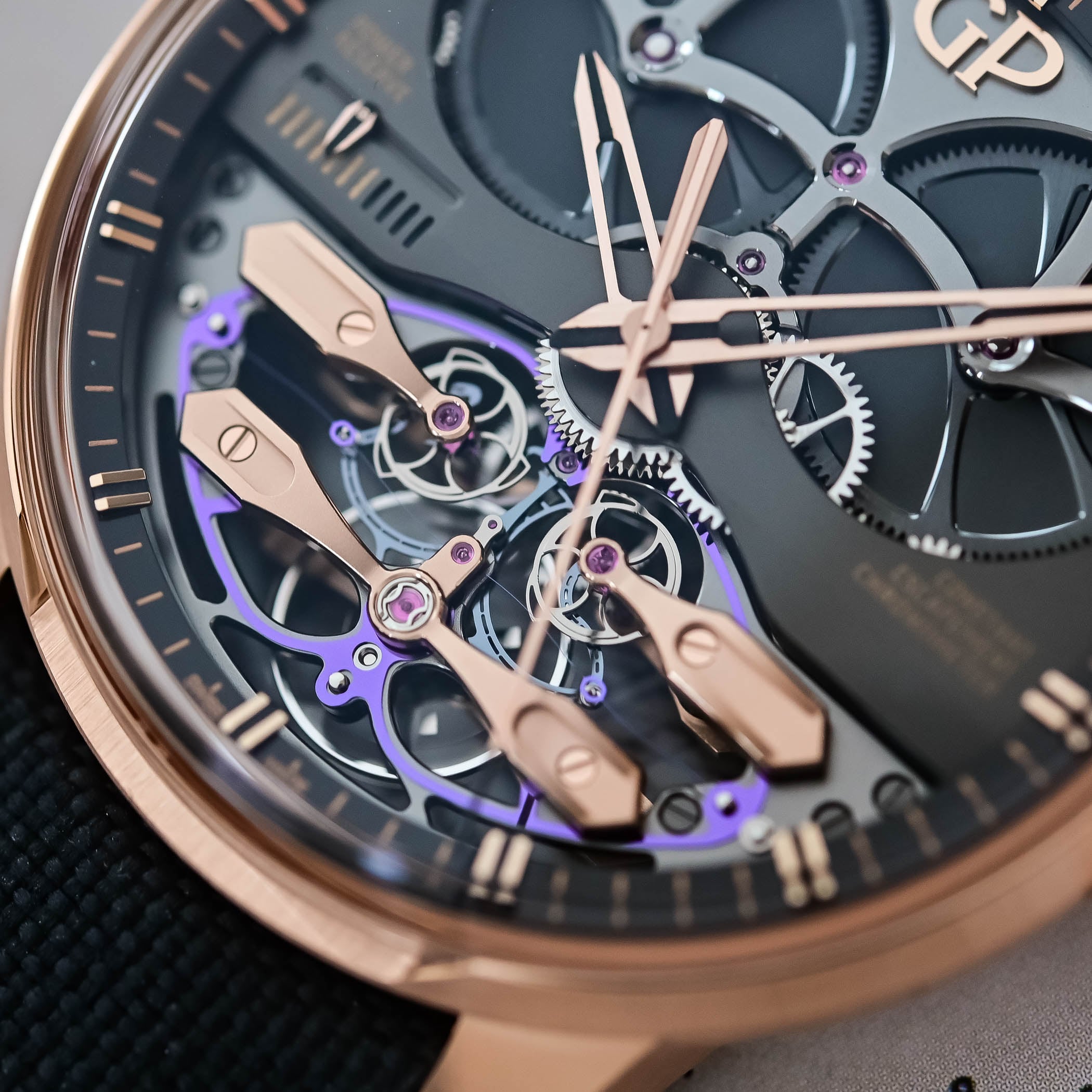
Ulysse Nardin has also explored the dual-impulse escapement, a layout that points to the same larger goal of improving energy transfer.
The detent escapement is another historic mechanism with renewed relevance.
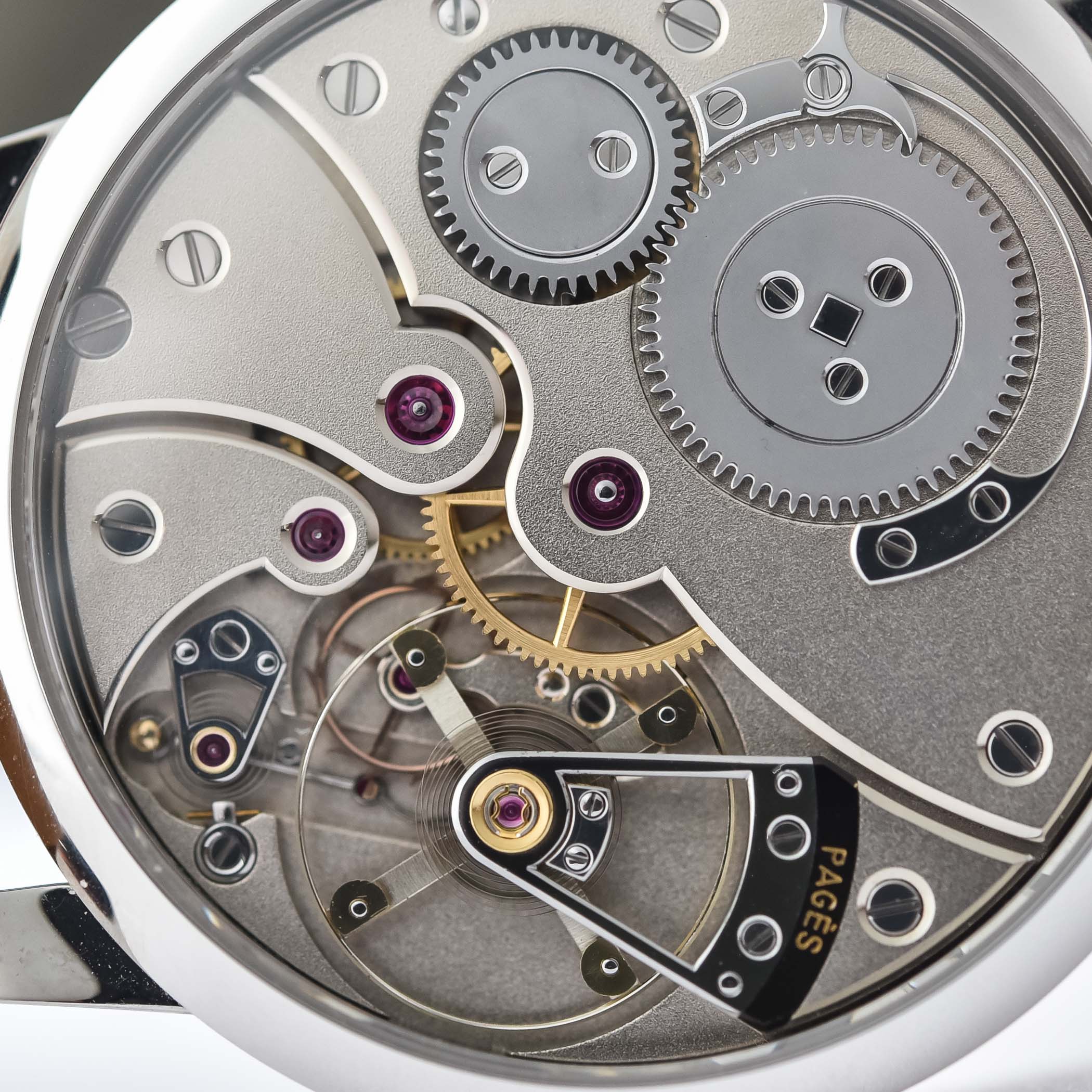
Long associated with precision chronometers, it has been revived by contemporary watchmakers including Raúl Pagès, although bringing the concept into reliable wristwatch production remains demanding.

Magnetism, usually treated as an enemy of mechanical watches, has also become part of the experimental toolkit.
Breguet’s Experimentale 1 pairs a 10Hz high-frequency tourbillon with a constant force magnetic escapement, showing how far modern research can move from the conventional lever while still pursuing mechanical precision.
Independent watchmaker Mathieu Cleguer has added another variation with the Innate escapement, a new geometry described as an evolution of the natural escapement.
Taken together, these developments don’t signal the imminent end of the lever escapement.
They show something more nuanced and more interesting, which is that watchmaking’s most familiar mechanism still has serious challengers at the edge of the craft.
For collectors, the appeal is not merely technical novelty.
An alternative escapement changes the character of a watch at its most fundamental level, turning the invisible act of dividing time into a statement of engineering philosophy.
The Swiss lever will remain the practical benchmark for years to come, but the next chapter of mechanical watchmaking is already being written in silicon, magnets, direct impulse systems and carefully revived old ideas.