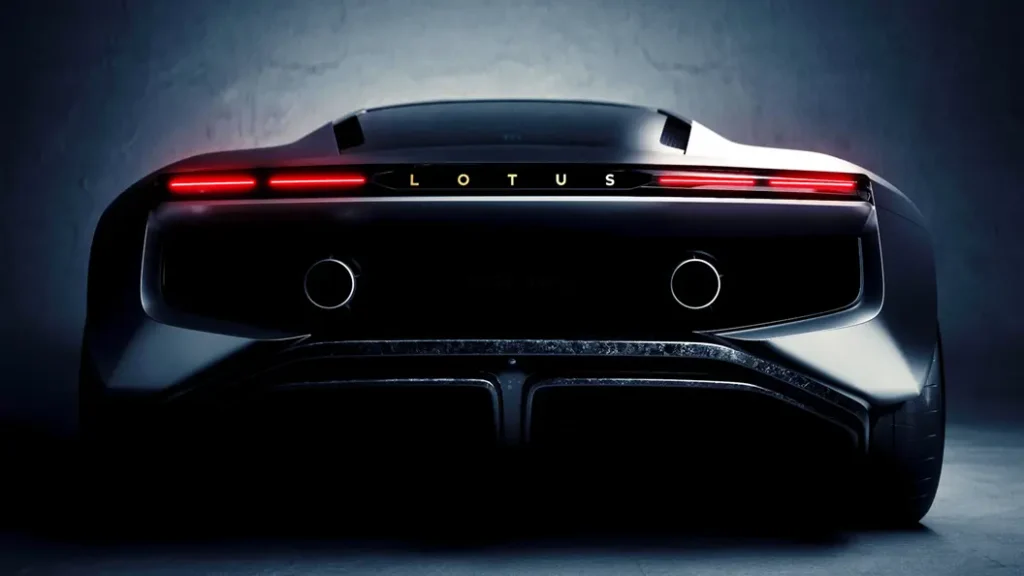
Lotus is preparing a meaningful change in direction for its next mid-engined sports car.
After years of pairing its lightweight chassis expertise with petrol engines from outside partners, the company is now moving toward a newly developed V8 tied to the wider Geely-Renault powertrain ecosystem.
For a brand whose reputation was built on agility rather than brute force, the decision raises a fascinating question about how Lotus intends to balance compact packaging, low weight and modern performance expectations.
At a glance
- Lotus is planning a new V8-powered mid-engined sports car, widely expected to revive the Esprit name.
- The engine is being developed by Horse, the Geely-Renault powertrain joint venture, with an emphasis on compact packaging and low mass.
- The move signals a departure from Lotus’s current use of Mercedes-AMG and Toyota petrol engines in the Emira.
A major shift from AMG and Toyota engines
Lotus CEO Feng Qingfeng has confirmed that the brand intends to move away from externally supplied petrol engines.
That makes the next mid-engined model a significant step beyond the Emira, which currently uses a Mercedes-AMG four-cylinder unit and a Toyota V6.
The decision is about more than cylinder count.
It gives Lotus greater control over the way the engine fits within the car, how it contributes to weight distribution and how it supports the character of a dedicated sports car platform.
For a company that has traditionally treated mass as the enemy, packaging will matter as much as output.
The new V8 and the Horse connection
The forthcoming engine is being developed by Horse, the powertrain joint venture created by Geely and Renault.
While performance figures haven’t been announced, the V8 is being engineered from the ground up rather than adapted from an existing Lotus application.
Lotus is placing particular attention on keeping the unit compact and light, two priorities that suit a mid-engined car far more than a simple headline horsepower chase.
The engine won’t be exclusive to Lotus across the wider group.
Other versions are expected to appear in SUV applications within Geely’s portfolio, though Lotus’s use of the V8 is being framed around sports car duty.
That distinction matters because a V8 built for multiple roles can easily become too large or too heavy for a focused two-seat machine.
The success of the project will depend on how carefully Lotus can tune the hardware around its own dynamic brief.
The Esprit name is back in the conversation
The car is known inside the company as Type 135, though its showroom name hasn’t been formally confirmed.
Esprit is now the leading candidate after the name appeared in Lotus material earlier this month.
If Lotus does bring back the badge, it would be a loaded choice.
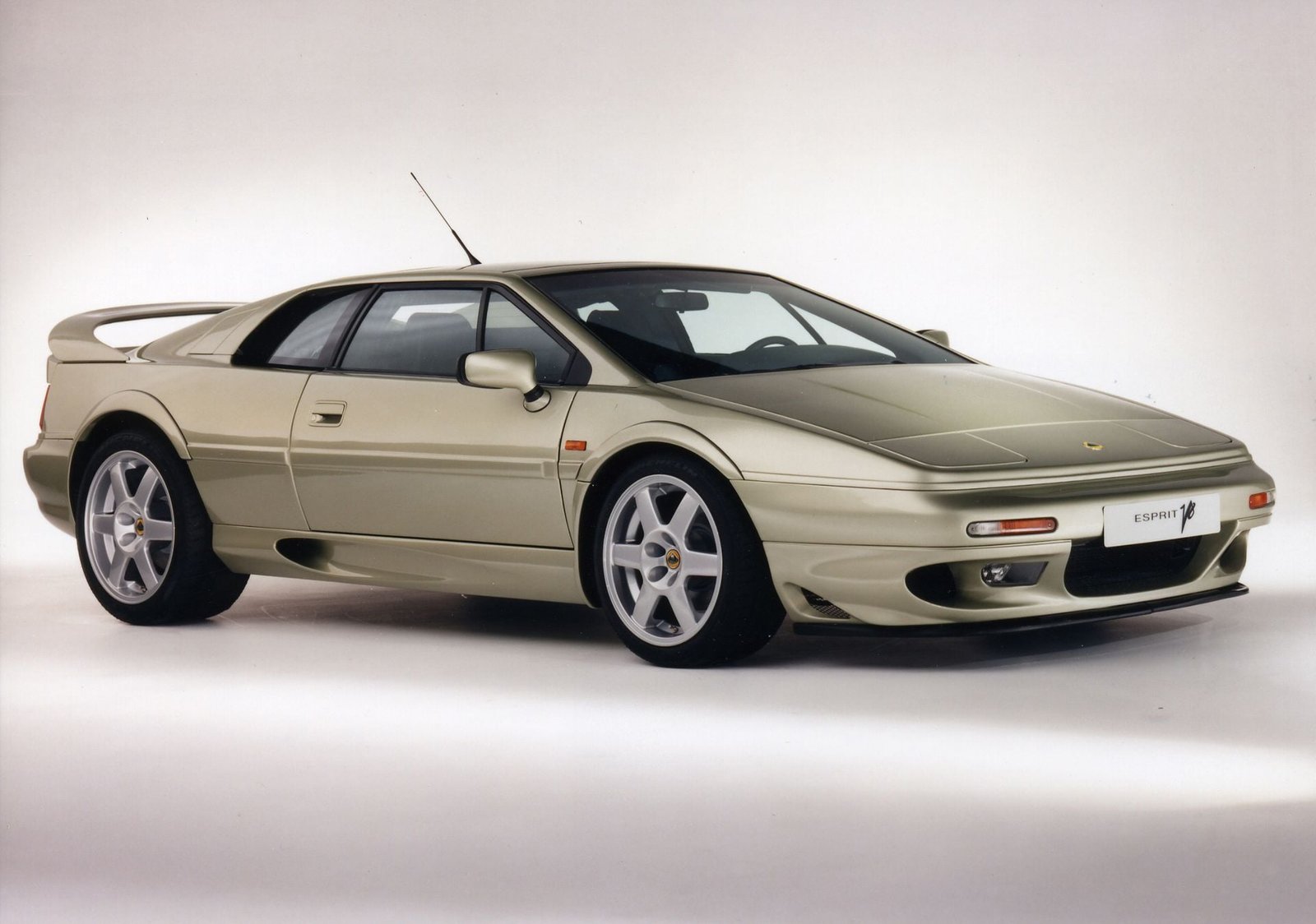
The original Esprit remains one of the defining wedge-era supercars, remembered for its sharp styling, mid-engined layout and long production life.
A modern Esprit would need to do more than trade on nostalgia.
It would have to sit convincingly above the Emira while still feeling like a Lotus, not merely a high-output performance car wearing a familiar badge.
That makes the V8 decision especially interesting.
It suggests Lotus sees room for a more emotionally charged flagship in its sports car range, one that keeps combustion in the conversation while the broader industry continues to shift toward electrification.
Details & Specifications
| Brand | Lotus |
|---|---|
| Model | Next-generation mid-engined sports car, expected to use the Esprit name |
| Internal codename | Type 135 |
| Layout | Mid-engined |
| Engine | New V8 |
| Engine developer | Horse, the Geely-Renault powertrain joint venture |
| Development focus | Low weight and compact packaging |
| Current comparison point | Lotus Emira uses Mercedes-AMG and Toyota petrol engines |
| Official production name | Not confirmed |
There’s still much to learn, including output, launch timing and final design, but the direction is clear.
Lotus is preparing a more self-directed combustion flagship, and if the Esprit badge returns with a purpose-built V8 behind the seats, it could become one of the brand’s most closely watched modern sports cars.