Space watches are often sold on romance, but Konstantin Chaykin’s SC02C has a more practical story to tell.
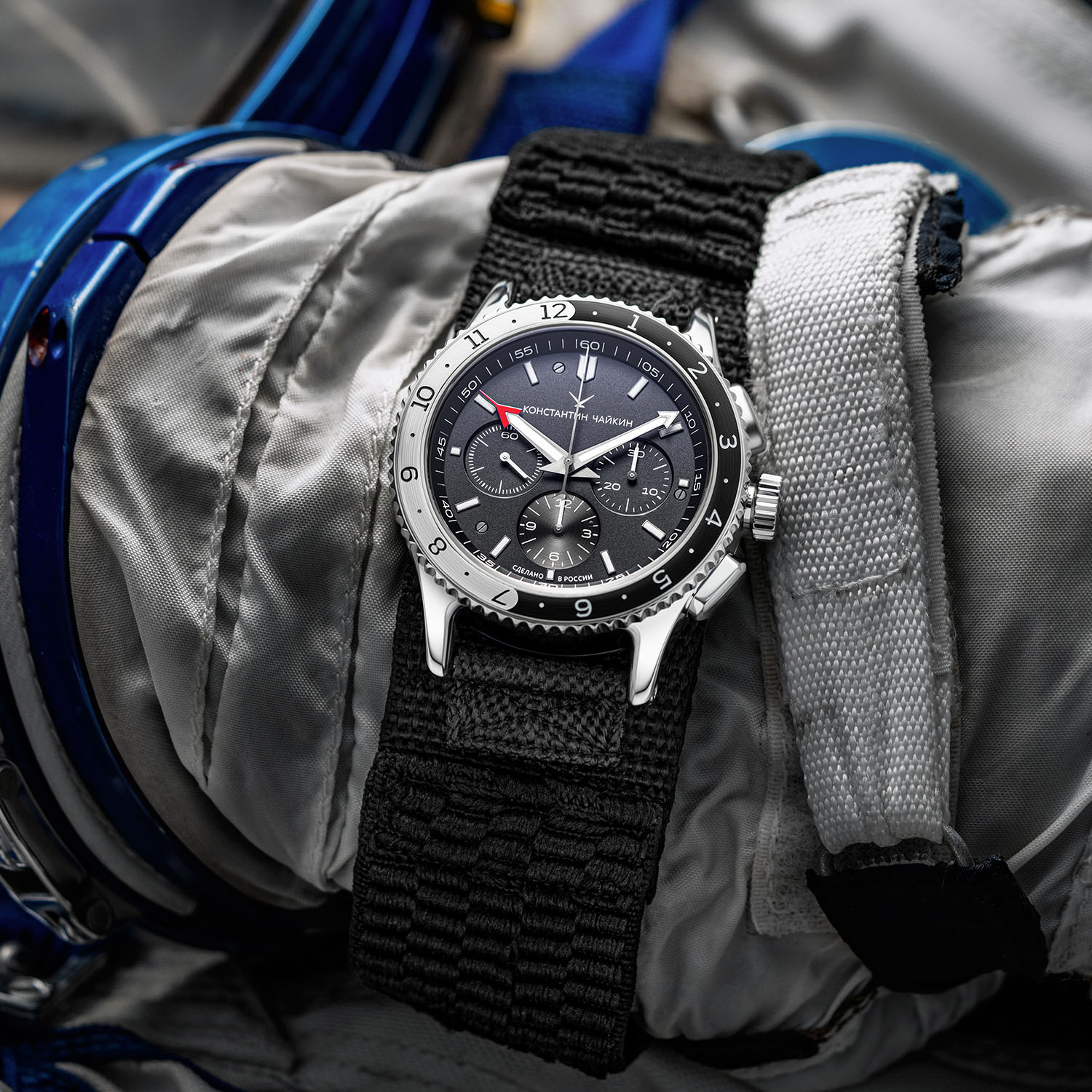
The new mechanical chronograph was developed through the manufacture’s collaboration with Roscosmos and tested in conditions few wristwatches will ever encounter, including multiple extravehicular activities outside the International Space Station.
Now, the space-tested design has been adapted into a civilian limited edition of 28 pieces.

At a glance
- Konstantin Chaykin has released the SC02C, a civilian version of a chronograph developed with Roscosmos and tested during four spacewalks.
- The 44mm stainless steel watch uses a hand-wound K.20-5 chronograph calibre derived from the Poljot 3133 and extensively modified in-house.
- Production is limited to 28 pieces, with pricing yet to be confirmed.
Space hardware with a wearable brief
The SC02C traces its development to a 2018 project to create a mechanical chronograph for use outside an orbital station.
Prototypes of the Space Conqueror were tested aboard the ISS and during spacewalks, with feedback used to refine the watch’s construction.
The latest-generation examples accompanied cosmonauts on a spacewalk lasting more than six hours on May 27, 2026.

That matters because the SC02C isn’t simply styled after space exploration.
Its case architecture, crystal construction, movement protection and strap package all reflect a watch designed around unusual loads, pressure changes and operational visibility.
A chronograph case built for pressure changes
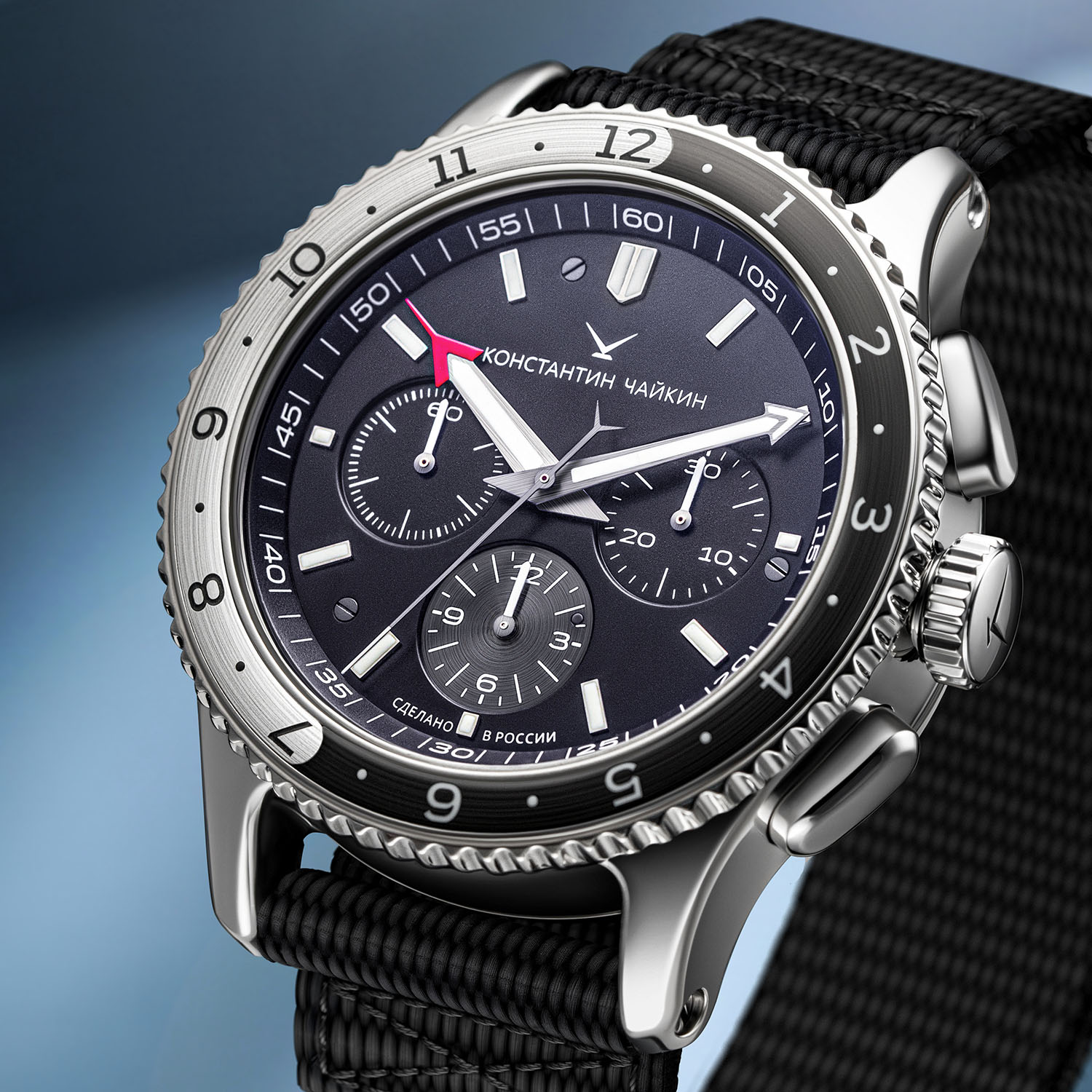
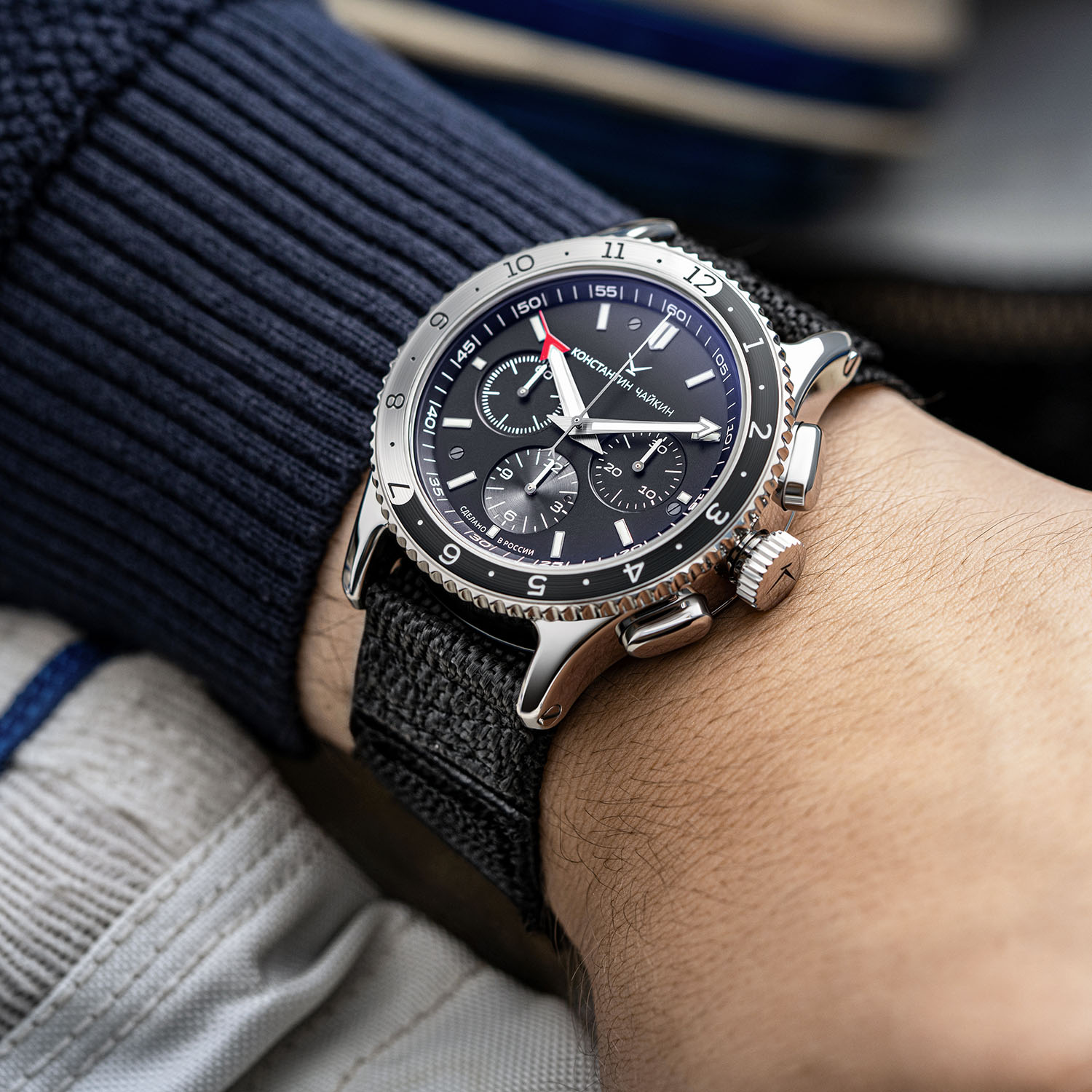
The stainless steel case measures 44mm across and 14.5mm thick, giving the SC02C the presence of a serious timing instrument rather than a dress chronograph with a space theme.

A unidirectional rotating bezel carries a 12-hour scale with luminous elements, while two polished rectangular pushers sit on either side of a large fluted crown.
The sapphire crystal is one of the more interesting details.
It uses a reverse dovetail construction, with a bevelled edge designed to help prevent the crystal from being pushed out during pressure shifts or extreme loads.
Before entering space use, the watches underwent centrifuge, vibration, temperature and impact testing.
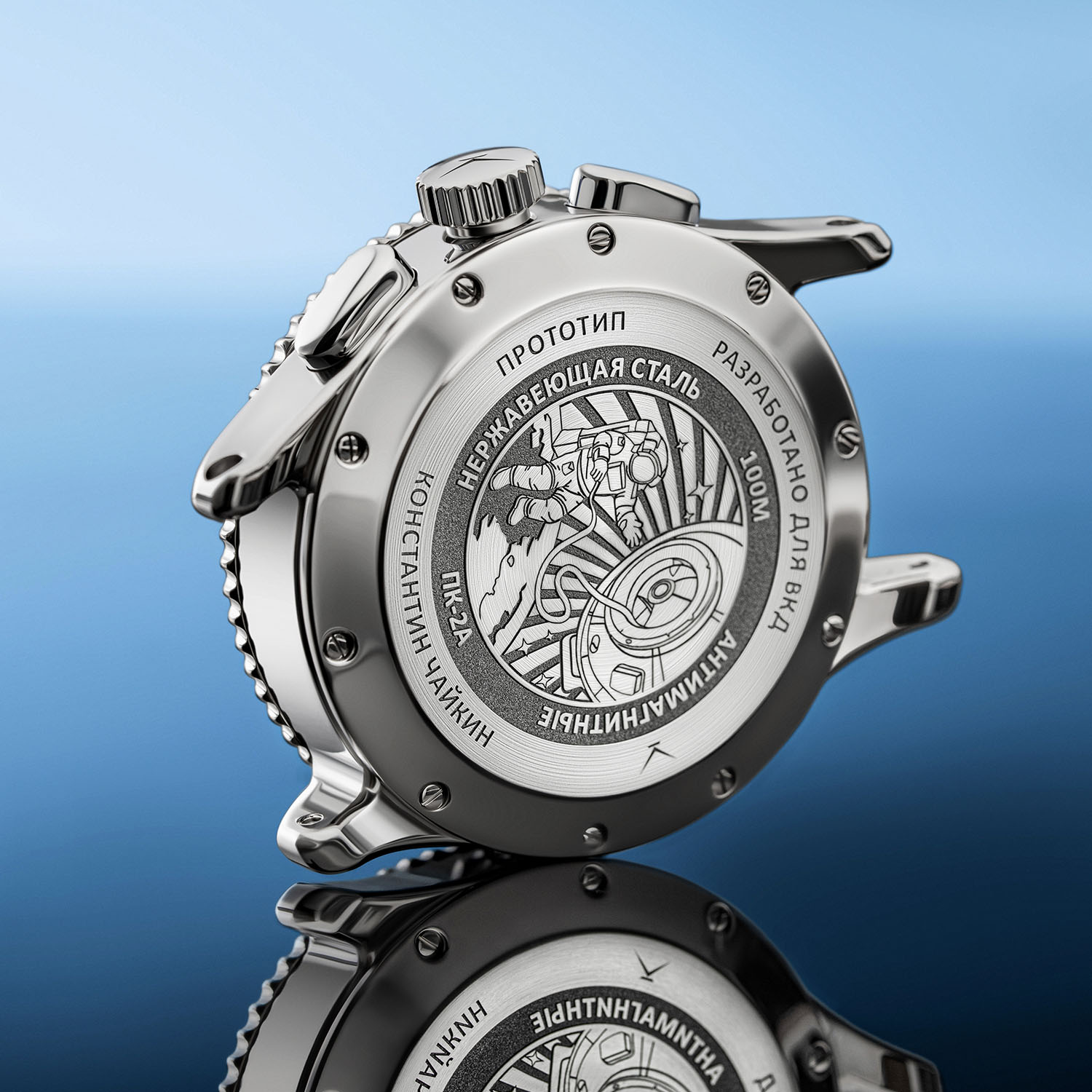
The case is engineered to tolerate vacuum conditions down to 1 × 10⁻⁶ atmospheres, includes antimagnetic protection rated to 4,800 A/m and offers 100 metres of water resistance.
A solid caseback secured by 10 screws adds another protective layer for the movement and carries themed three-dimensional engraving.
A dial made for fast reading
The dial keeps the functional mood intact with a deep black surface, three-register chronograph layout and a minutes-seconds track set on the inclined flange.
Large applied markers and broad polished hands prioritise legibility, while luminous material appears on the hands, markers and bezel.
The red-tipped hour hand is more than a visual flourish.
It helps the wearer read the bezel’s 12-hour scale more clearly when measuring elapsed time, a feature previously seen on Chaykin’s Mars Conqueror Mk3.
Poljot heritage with Chaykin revisions
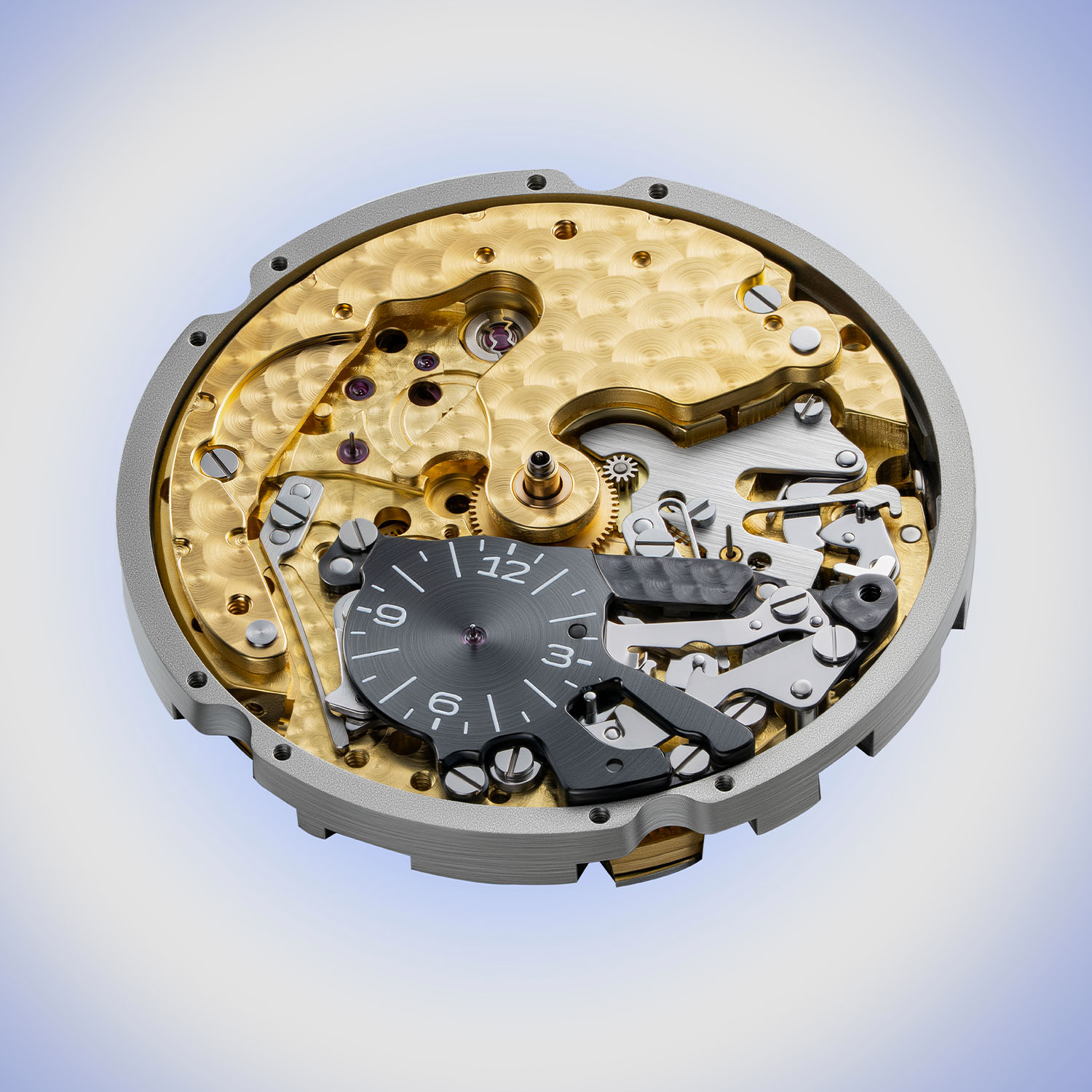
Inside is the hand-wound K.20-5 calibre, a chronograph movement derived from the historic Poljot 3133 architecture.
That lineage is especially fitting for a space-focused Russian chronograph.
The 3133 family followed the calibre 3017, itself a Soviet redesign of the Venus 150, which powered the Strela worn by Alexei Leonov during the first human spacewalk in 1965.
Chaykin’s execution is far from a simple revival.
The K.20-5 incorporates 60 components manufactured by Konstantin Chaykin, adds a 12-hour chronograph counter and includes a stop-seconds function.
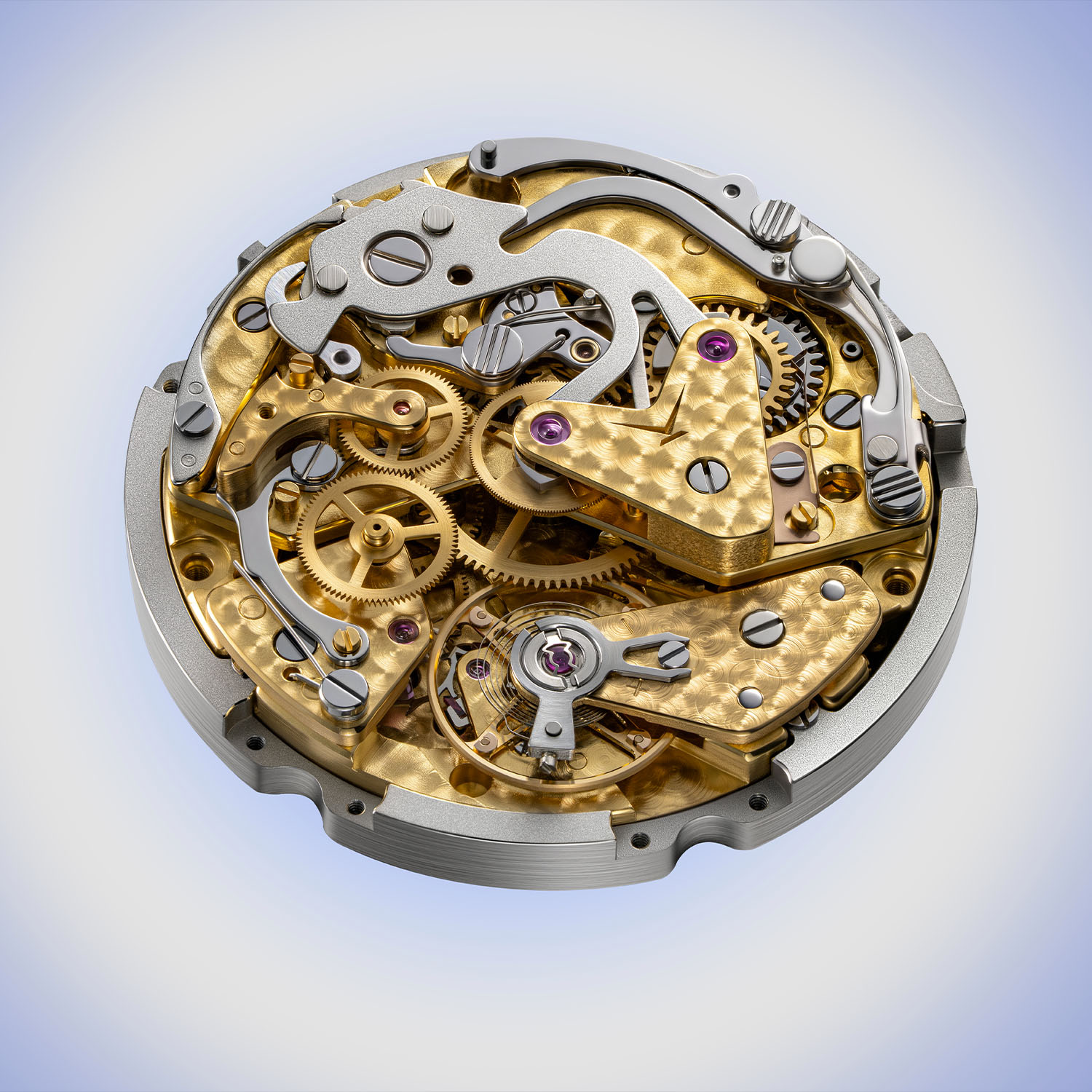
The balance uses micrometric adjustment by weights rather than a conventional index regulator, while a damping ring helps protect the calibre against vibration and overloads.
The movement runs at 21,600 vibrations per hour, has 25 jewels and provides a 45-hour power reserve, with communicated accuracy of -15/+15 seconds per day.
Details & Specifications
| Brand | Konstantin Chaykin |
|---|---|
| Model | SC02C Chronograph |
| Case size | 44mm diameter, 14.5mm thick |
| Case material | Stainless steel |
| Crystal | Sapphire crystal with anti-reflective coating and reverse dovetail construction |
| Bezel | Unidirectional rotating bezel with 12-hour scale and luminous elements |
| Dial | Deep black dial with three-register layout, luminous applied markers and red-tipped hour hand |
| Movement | Hand-wound Konstantin Chaykin calibre K.20-5, derived from Poljot 3133 |
| Movement details | 25 jewels, lever escapement, 21,600vph, micrometric balance adjustment by weights, damping ring |
| Functions | Hours, minutes, small seconds, central chronograph seconds, 30-minute counter, 12-hour counter, stop-seconds |
| Power reserve | 45 hours |
| Accuracy | -15/+15 seconds per day |
| Antimagnetic protection | Up to 4,800 A/m |
| Water resistance | 100 metres |
| Caseback | Solid caseback with themed 3D engraving, fixed by 10 screws |
| Straps | Two black fabric straps, including a standard strap and an extended version for wearing over a spacesuit |
| Availability | Limited edition of 28 pieces |
| Price | To be confirmed |
The SC02C will appeal most to collectors who prefer their space watches with engineering substance rather than decorative storytelling.
It’s still a Konstantin Chaykin creation, with the eccentricity and mechanical curiosity that implies, but here the point is unusually direct: a chronograph shaped by real off-world testing, brought back down to Earth in a very small run.