Movements often get the applause in mechanical watchmaking, especially when a finely finished calibre is visible through a sapphire back.
But the dial is where a watch lives day to day, and its material can define the whole character of a piece long before the movement is considered.
From engraved brass and fired enamel to porcelain, meteorite and natural stone, dial materials carry their own histories, risks and visual rewards.
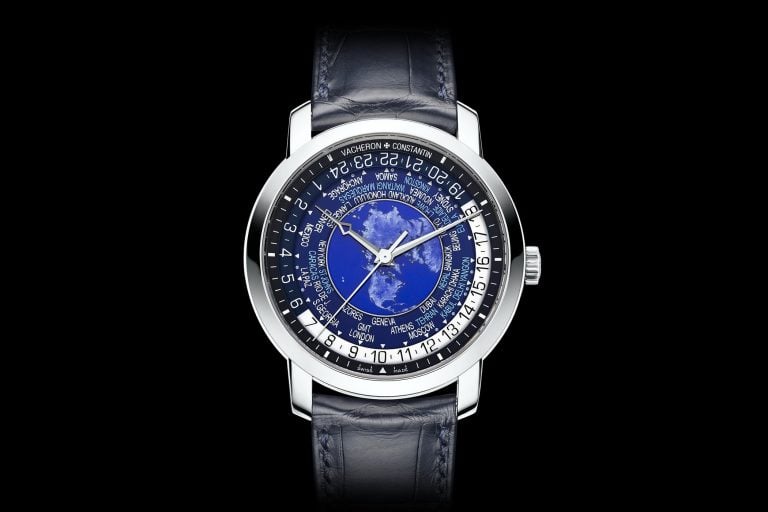
At a glance
- Watch dials have evolved from simple engraved brass plates on early portable clocks into complex expressions of craft and material culture.
- Grand Feu enamel remains one of the most demanding dial techniques, with multiple firings and high failure rates even among specialists.
- Modern watchmaking uses both ancient decorative methods and newer material choices, making the dial a key point of appeal across price levels.
Before the wristwatch had a crystal
The first portable watches were not wristwatches at all, but small clocks worn around the neck in the early 16th century.
Often associated with Peter Henlein and the so-called Nuremberg egg, these early pieces set down the basic idea of personal timekeeping, even if their accuracy was still far removed from modern expectations.
Their dials were usually brass, engraved with Roman numerals in the visual language of the clocks that came before them.
As decoration became more elaborate, dial makers added embossed markings, floral engraving and increasingly ornate surface work.
Arabic numerals soon appeared alongside Roman ones, broadening the visual vocabulary of portable time.
These watches typically carried a single hour hand because the movements were not accurate enough to make a minute hand especially useful.
Protection was equally rudimentary, with hinged metal covers rather than transparent crystals, leaving water and dust resistance as little more than an ambition.
Why the dial carries so much weight
A movement may be the technical heart of a watch, but the dial is its public face.
It sets the mood immediately, whether the watch is austere, decorative, traditional or experimental.
That matters even in the mid-range segment, where many brands use dependable calibres from suppliers such as Sellita or Miyota.
A dial made from Grand Feu enamel, porcelain, meteorite or natural stone can give a watch a sense of material richness that reaches well beyond its movement architecture.
Some dial techniques reach back hundreds or even thousands of years, while others belong more clearly to modern watchmaking.
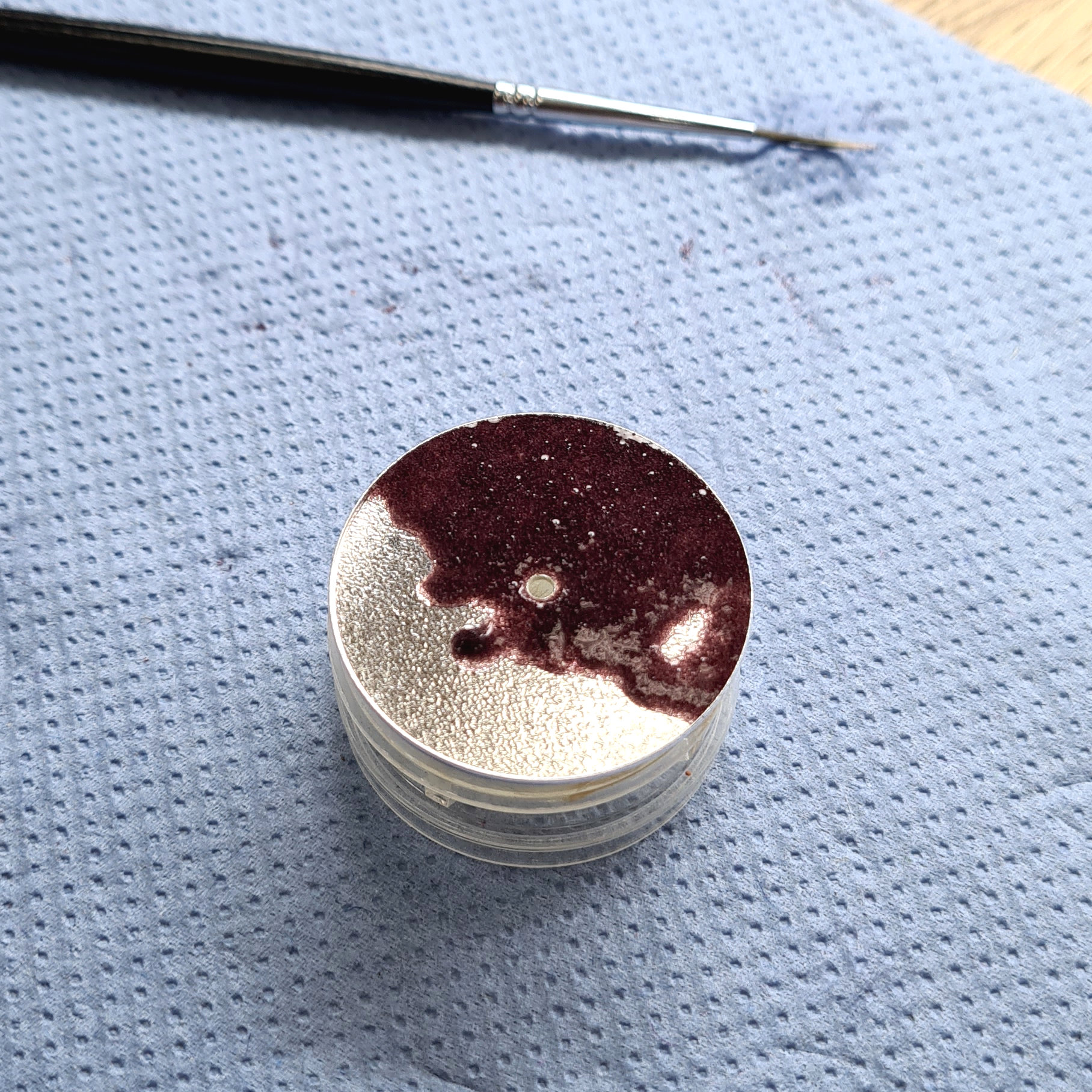
The best examples are not just surfaces for hands and numerals, but small objects of craft that have to survive heat, finishing, assembly and daily wear.
Vitreous enamel and the pursuit of permanence
Among traditional dial materials, vitreous enamel holds a special place because of both its age and its difficulty.
The broader history of the craft reaches back to the 13th century BC, with early known examples found on gold rings decorated with fused glass layers in Mycenaean tombs in Cyprus.
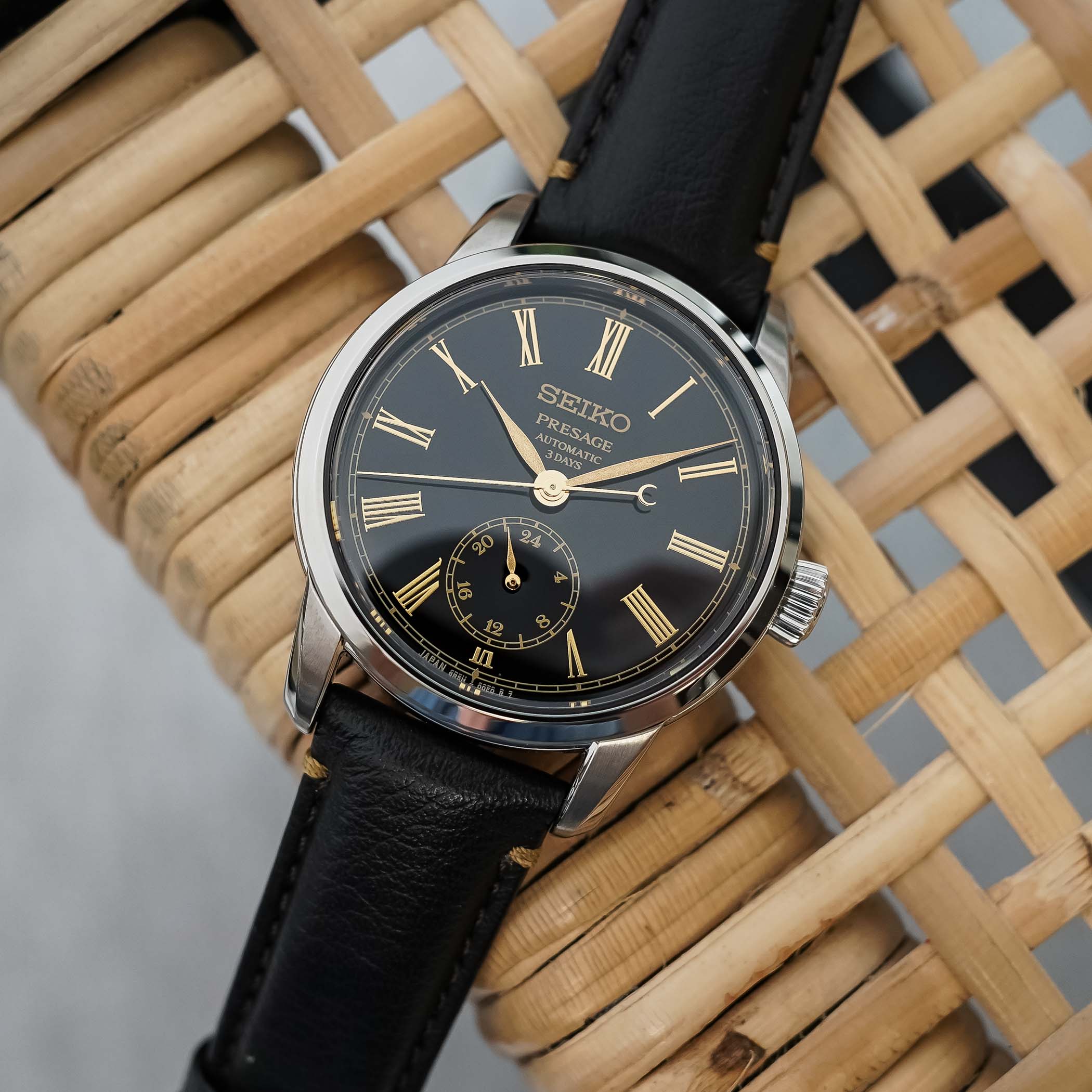
The principle is simple to describe and much harder to execute.
Glass powder is melted and fused onto a metal base, usually in multiple layers, creating a durable surface with depth that paint or simple lacquer can’t easily duplicate.
For centuries, enamel was associated with jewellery and religious objects before its use expanded across different cultures and practical applications.
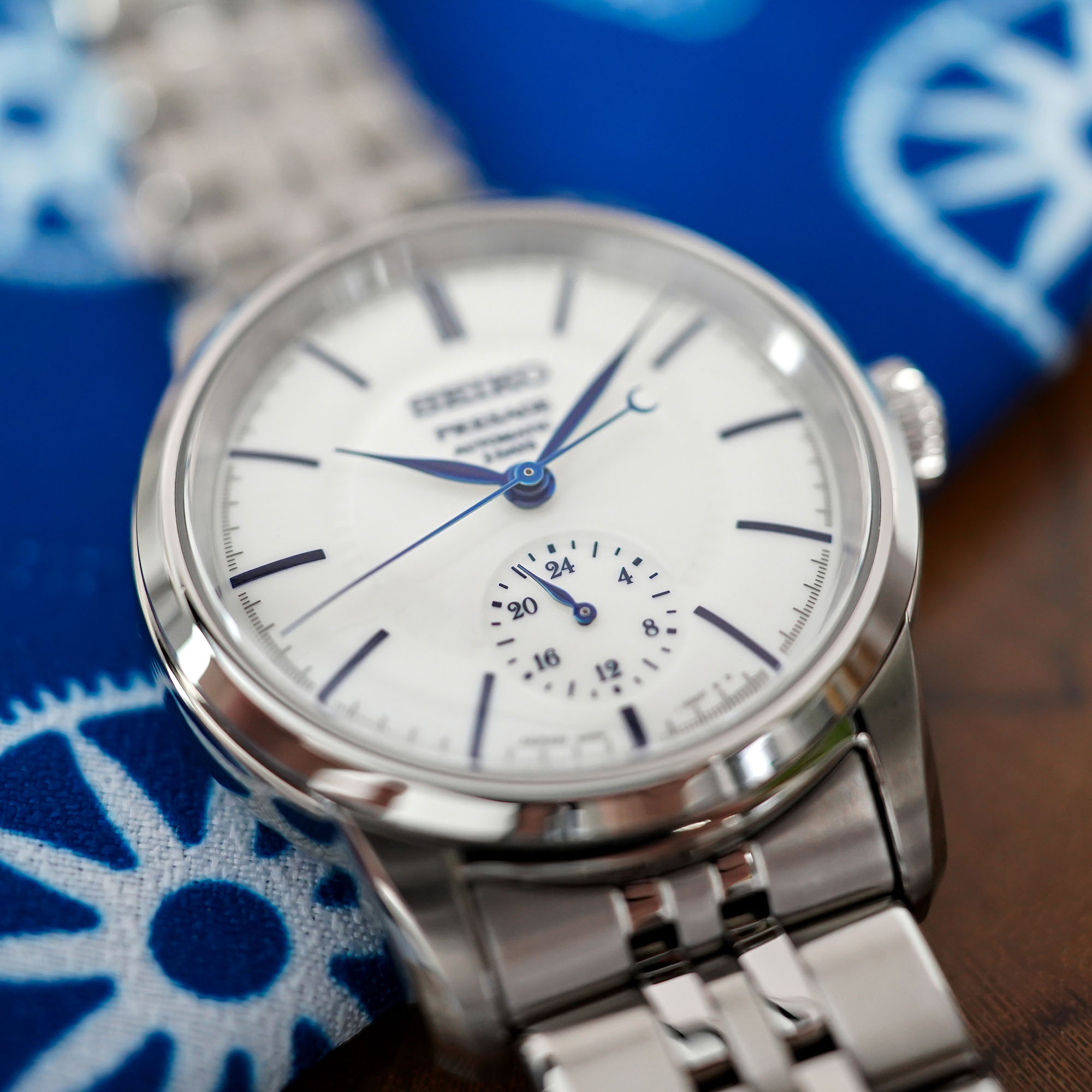
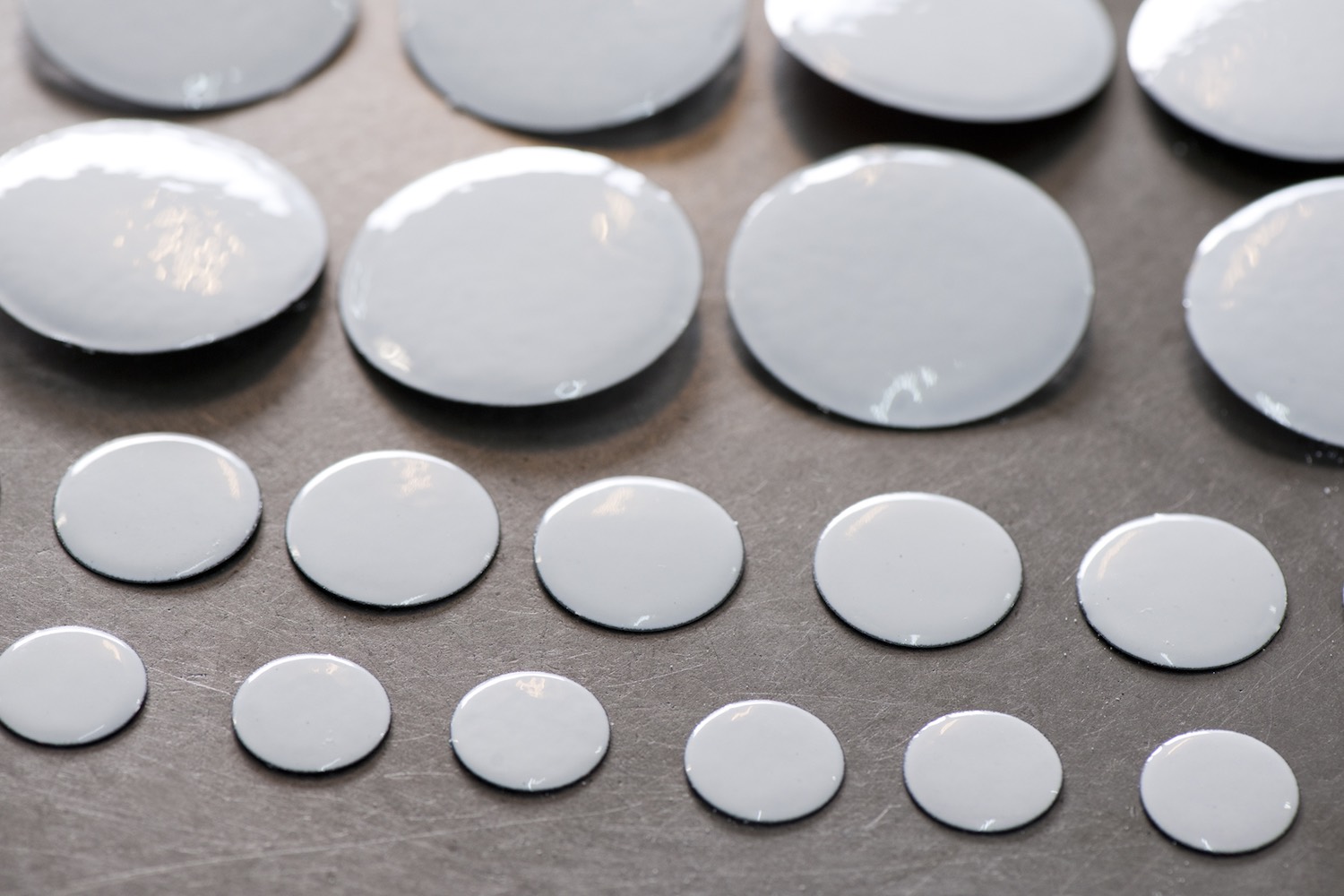
By the 18th century, fired enamel also appeared on sinks, cookware and cast iron objects, where it helped protect surfaces from corrosion and heat while creating a smoother finish.
Watch dial enamelling developed in France and Switzerland after the earliest German portable watches, with Geneva and Blois becoming important centres for the craft.
French clockmaker Paul Viet was producing enamel watch dials in Blois from around 1635, while also decorating cases with enamel.
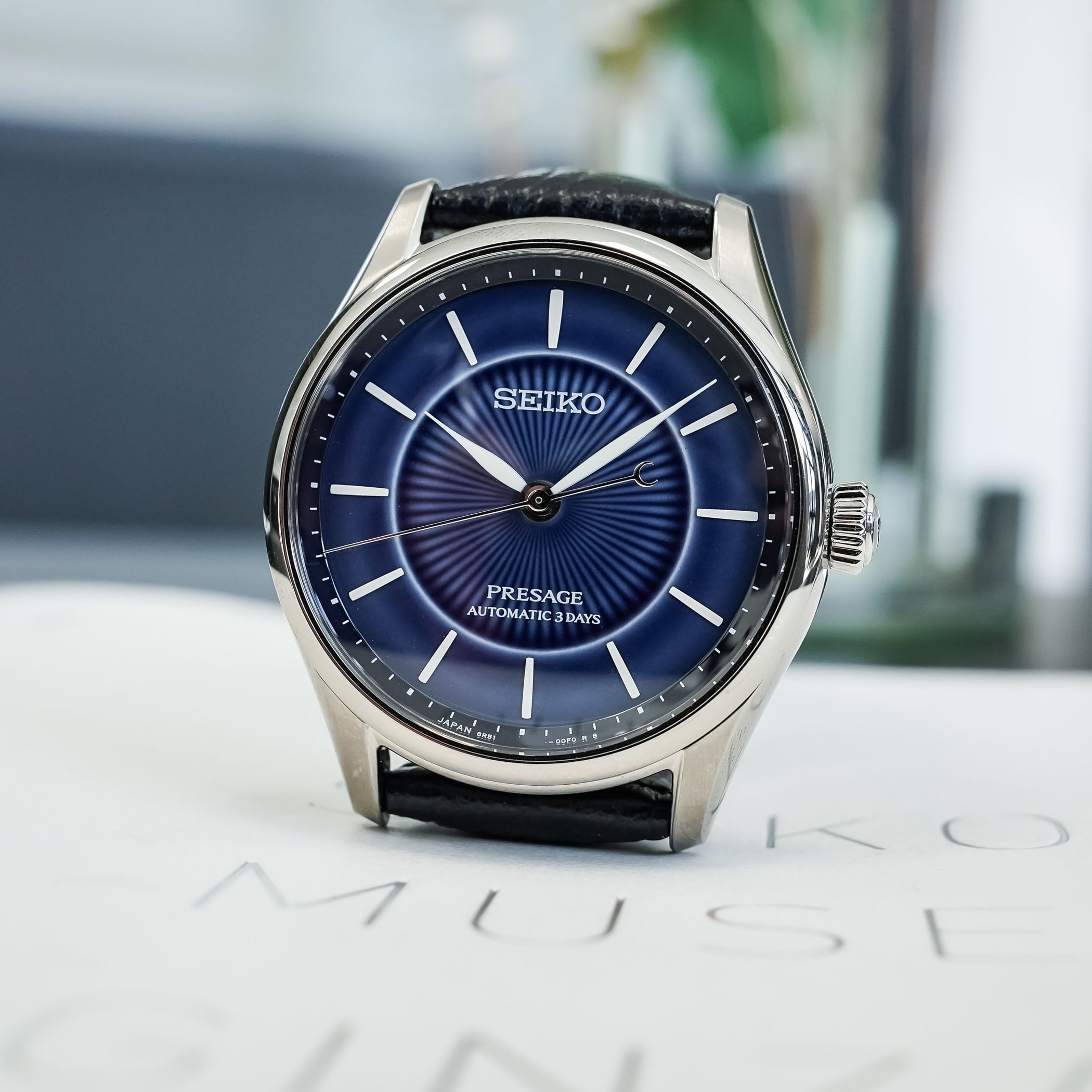
Other important figures in this early period included Pierre Huaud and Jean Toutin in Geneva.
Grand Feu and the art of controlled risk
Grand Feu enamel is a specific high-temperature form of vitreous enamel, and the name means great fire in French.
All Grand Feu enamel is vitreous enamel, but not every vitreous enamel dial qualifies as Grand Feu.
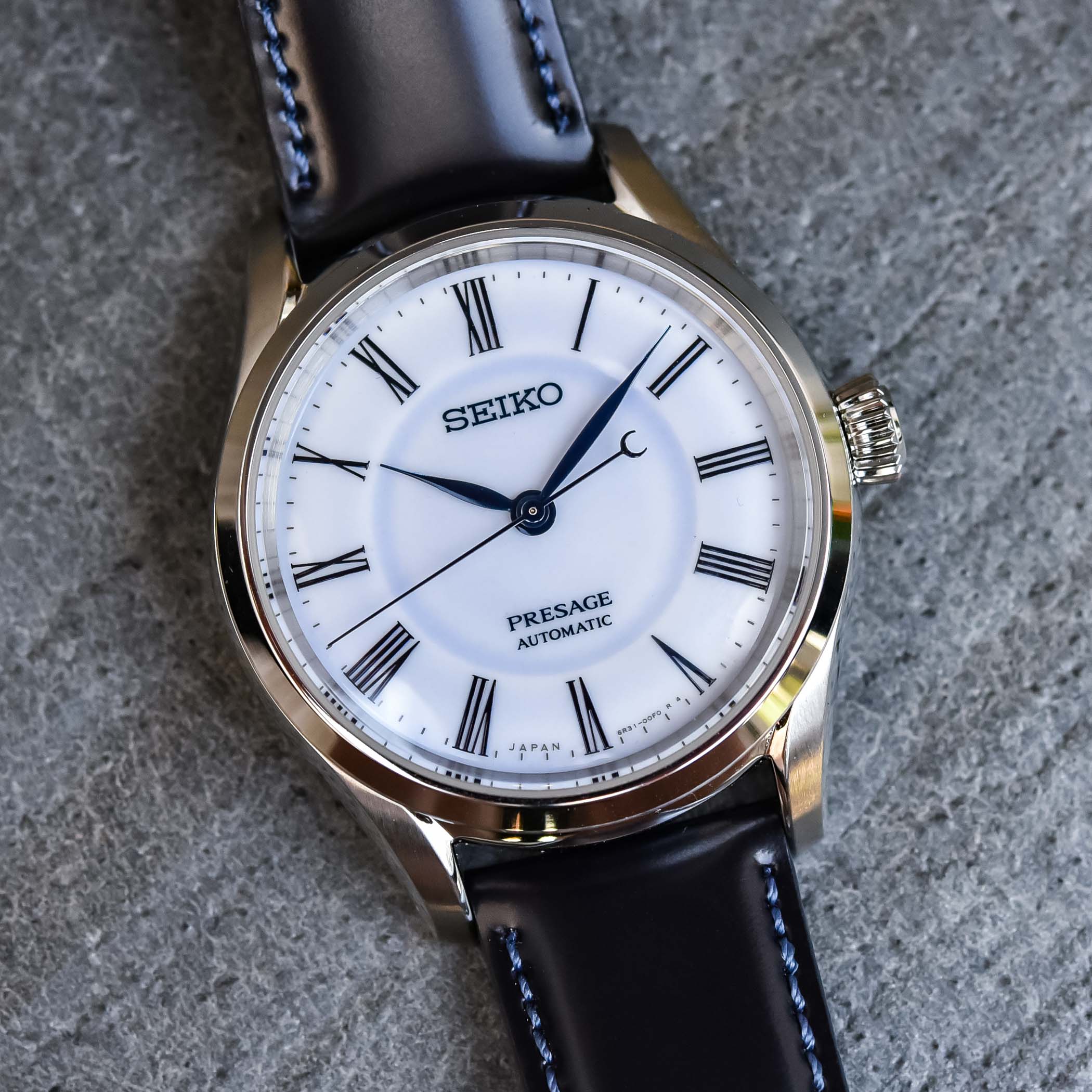
The distinction lies largely in firing temperature.
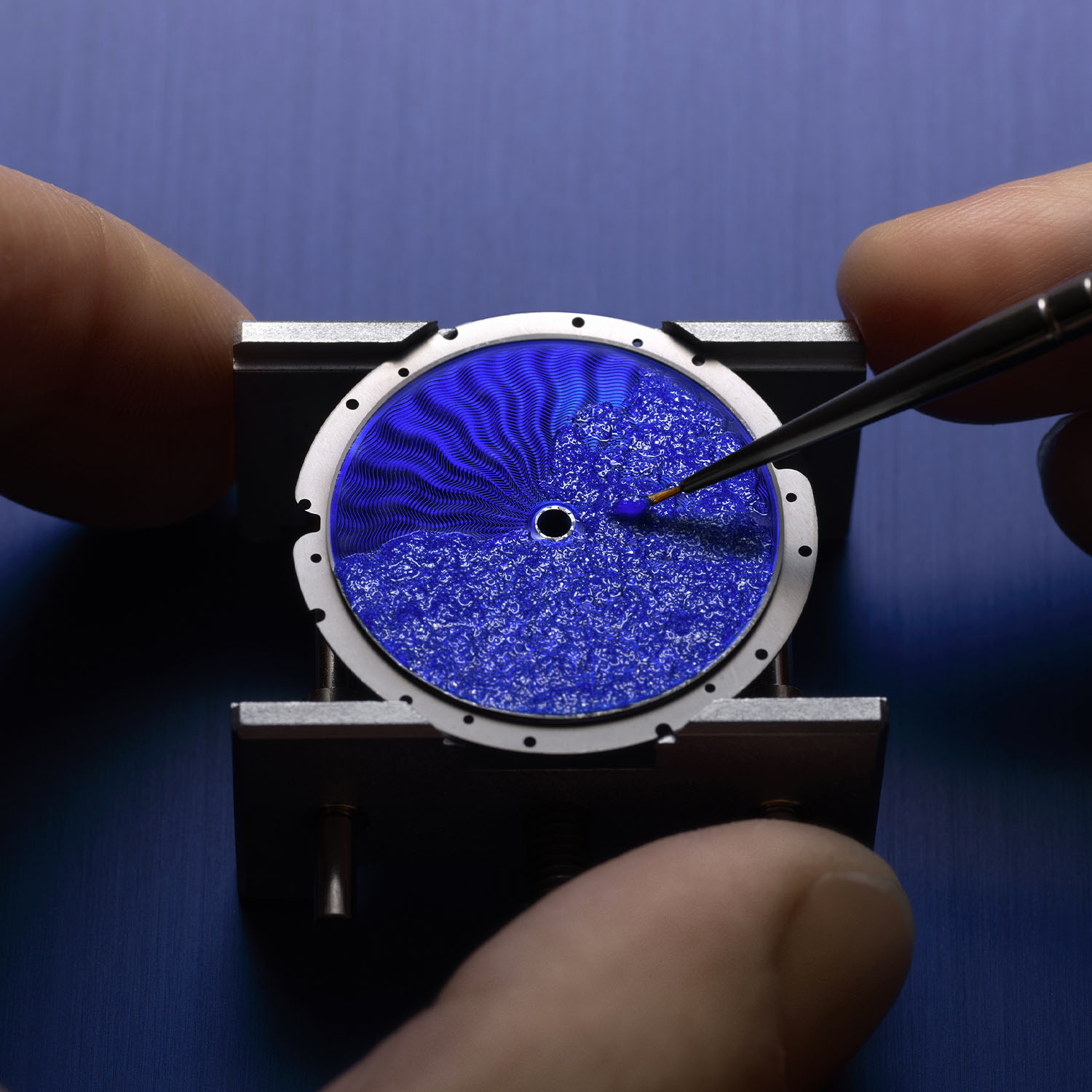
Grand Feu dial making fuses soft silica powder to a metal blank, often copper, at roughly 800°C to 900°C.
Vitreous enamel more broadly can begin at lower temperatures, around 700°C.
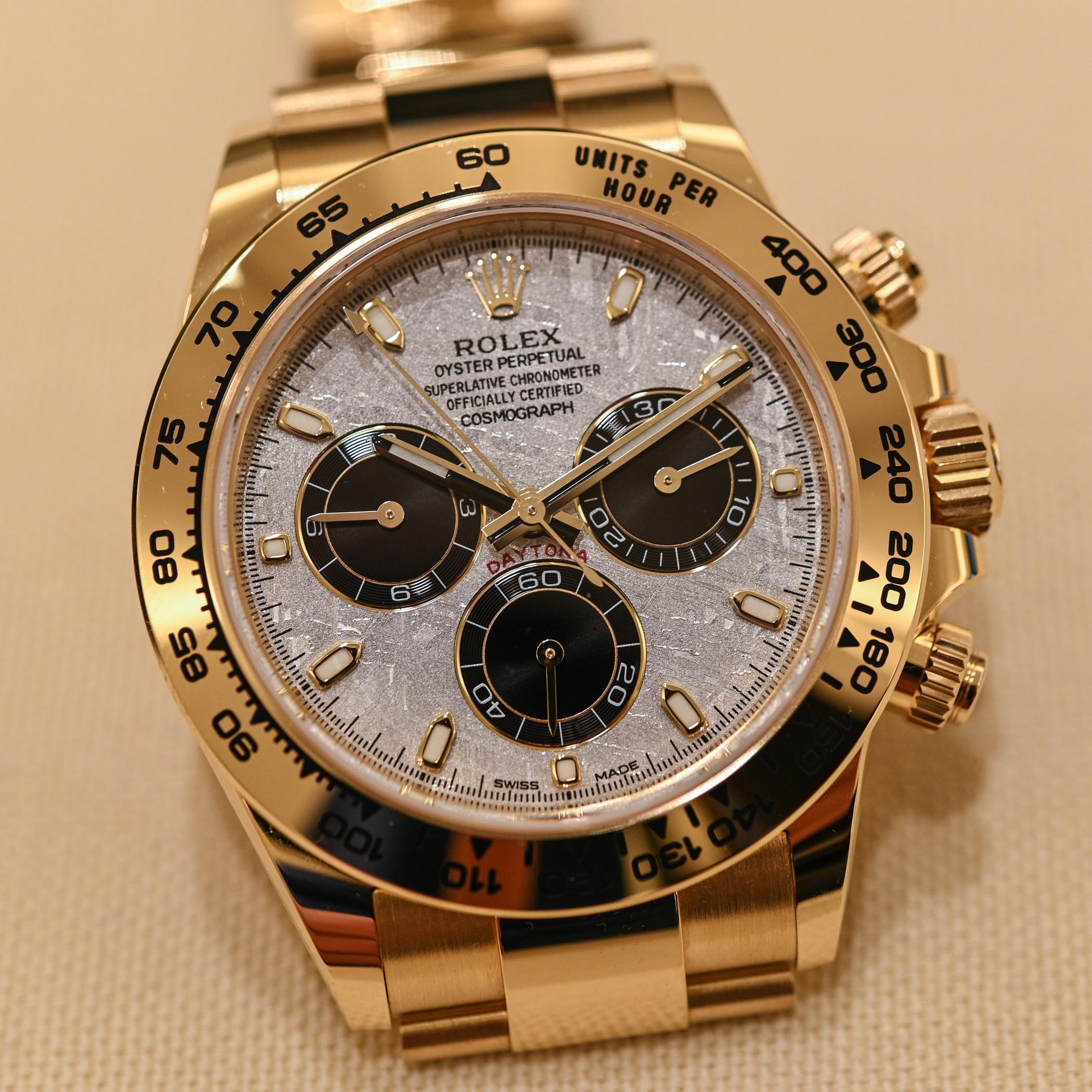
That extra heat is part of what gives Grand Feu its particular depth and clarity, but it also explains why the process remains so unforgiving.
If the metal base and the enamel expand differently under heat, the dial can crack through thermal shock.
Dust, imperfect silica, trapped air bubbles or the slightest warping of the base can ruin the surface and force the maker to start again.
Many Grand Feu dials require between six and 20 layers, each fired separately, which means each stage introduces another chance of failure.
Even experienced specialists can face failure rates of up to 80 or 90 percent, which is why these dials remain so admired by collectors.
The finished result can look deceptively calm, but that smooth surface often conceals a long sequence of risk, patience and discarded attempts.
Miniature art through specialist enamel techniques
Once enamel moves beyond a single colour field, the dial can become a miniature canvas.
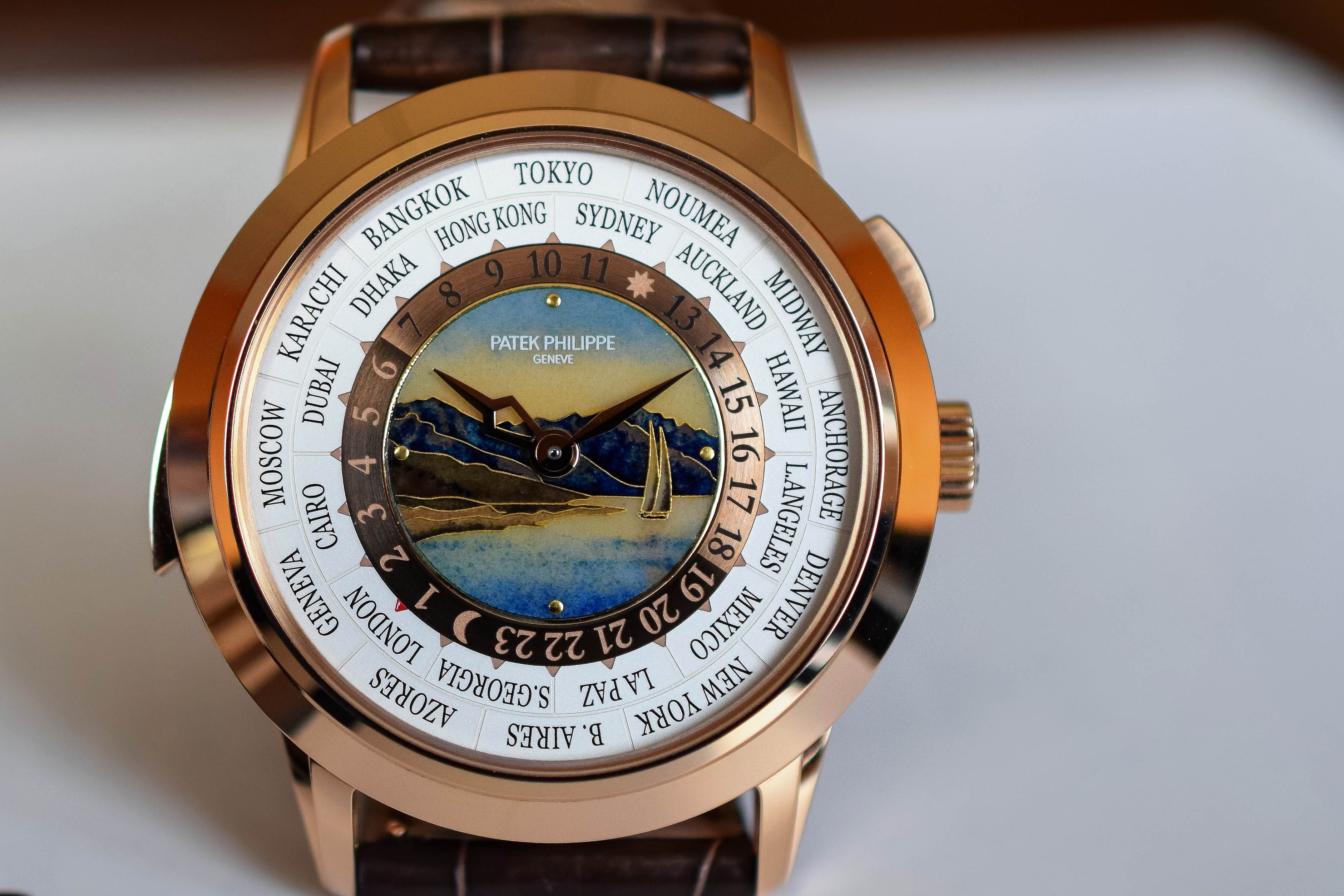
Cloisonné enamel uses ultra-thin wire to outline shapes, creating small compartments that are filled with coloured glass powder or prepared enamel paste.
The technique can depict ships, birds, fish, maps, landscapes and other pictorial scenes with a colour intensity that feels closer to jewellery than printing.
Grisaille enamel takes a different route, building monochromatic images by applying shades of white silica powder over a black enamel ground.
Through successive layers, the maker creates shadow, highlight and volume with an almost sculptural restraint.
Paillonné enamel places tiny hand-cut pieces of gold or silver foil between layers of clear enamel.
The result is a patterned or pictorial surface with metallic depth, as if the dial is lit from within.
Plique-à-jour enamel is even more delicate because it has no solid backing.
The enamel is held within fine gold or silver wires, allowing light to pass through in a way that recalls stained glass.
These techniques show why dial making can sit at the intersection of horology, jewellery and decorative art.
They also explain why a seemingly simple watch face can become the most compelling part of the watch.
Modern materials and a wider audience
The dial landscape has become broader as brands explore both historic craft and unusual natural materials.
Grand Feu enamel still carries prestige, but improved production methods have helped make enamel dials more attainable than they once were.
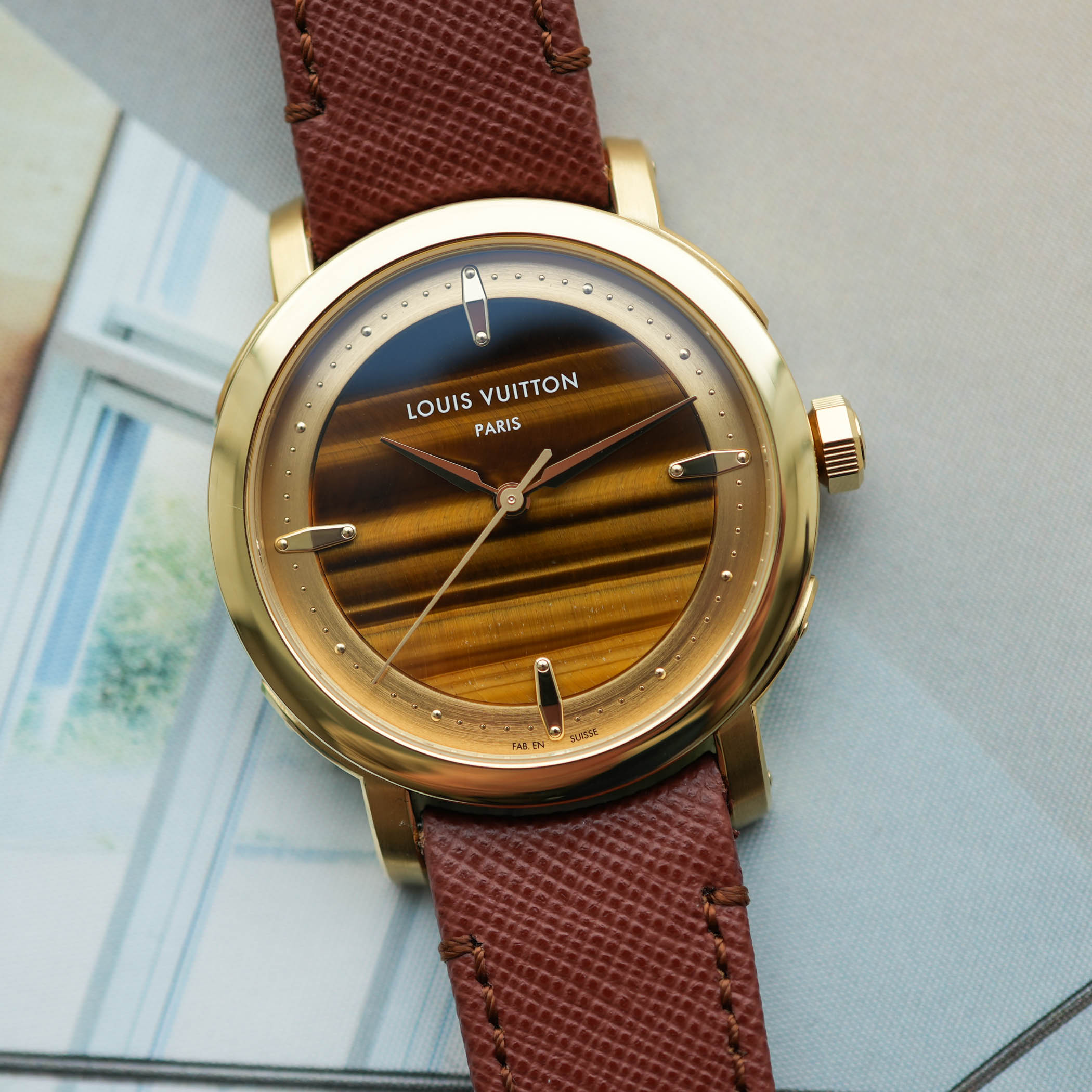
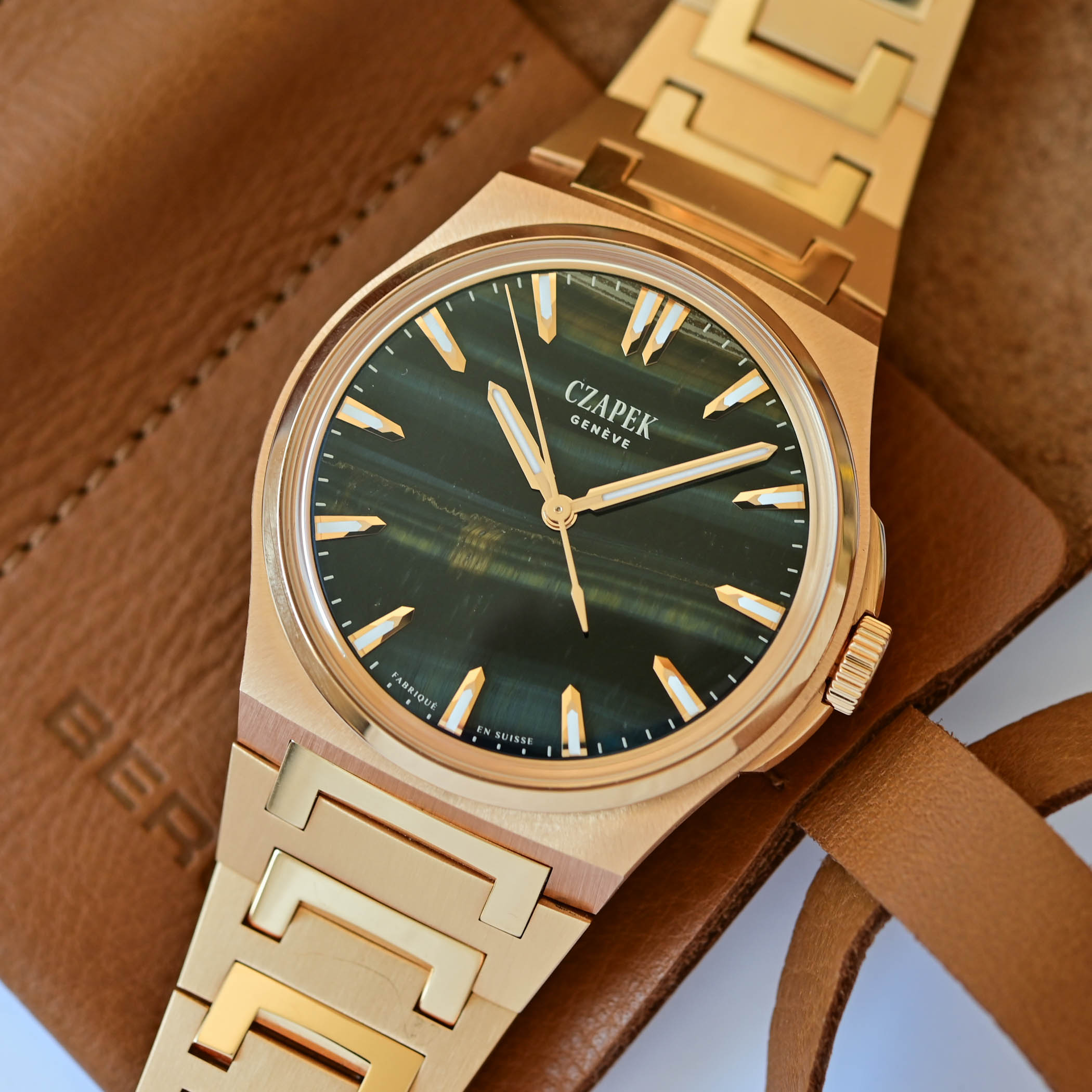
At the same time, porcelain, natural stone and meteorite have given watchmakers new ways to add texture, variation and material identity.
These materials appeal to collectors who value visible craft as much as mechanical specification.
They also give smaller and mid-market brands a meaningful way to distinguish a watch without relying solely on movement development.
A dial is easy to underestimate because it’s always there, sitting quietly under the hands.
Yet in many watches, it’s the part that most clearly reveals the maker’s taste, patience and willingness to take risks in pursuit of beauty.