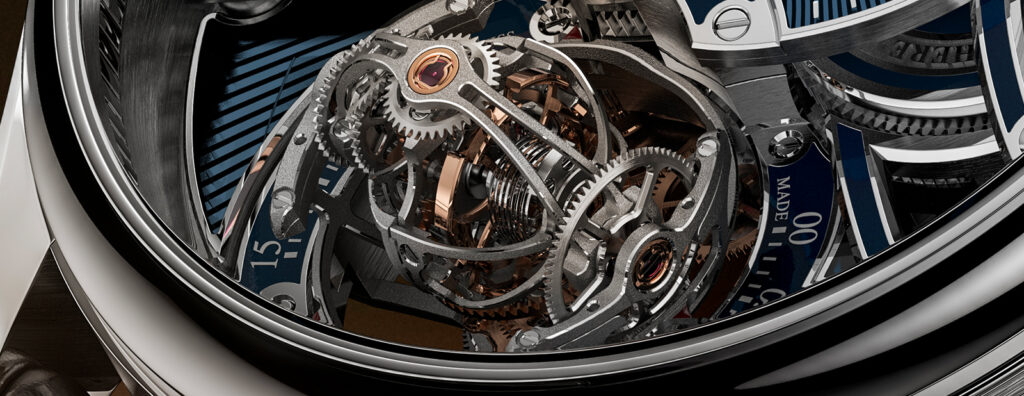
The tourbillon began as a weapon against gravity and became one of watchmaking’s most expressive forms of motion.
Its multi-axis descendants pushed that idea further, turning a once-hidden regulating device into a miniature sculpture that moves through space rather than merely around a dial.
To understand why collectors still care, it helps to follow the complication from Breguet’s practical solution to the modern age of three-dimensional horology.
At a glance
- The multi-axis tourbillon evolved from Breguet’s single-axis invention into one of modern haute horlogerie’s most theatrical complications.
- Its purpose is to move the escapement through more positions, extending the tourbillon’s original fight against gravity into three-dimensional motion.
- The idea gained momentum after the mechanical watch revival, with key momentum in the early 2000s from Prescher, Franck Muller, Jaeger-LeCoultre and Greubel Forsey.
Breguet’s answer to gravity
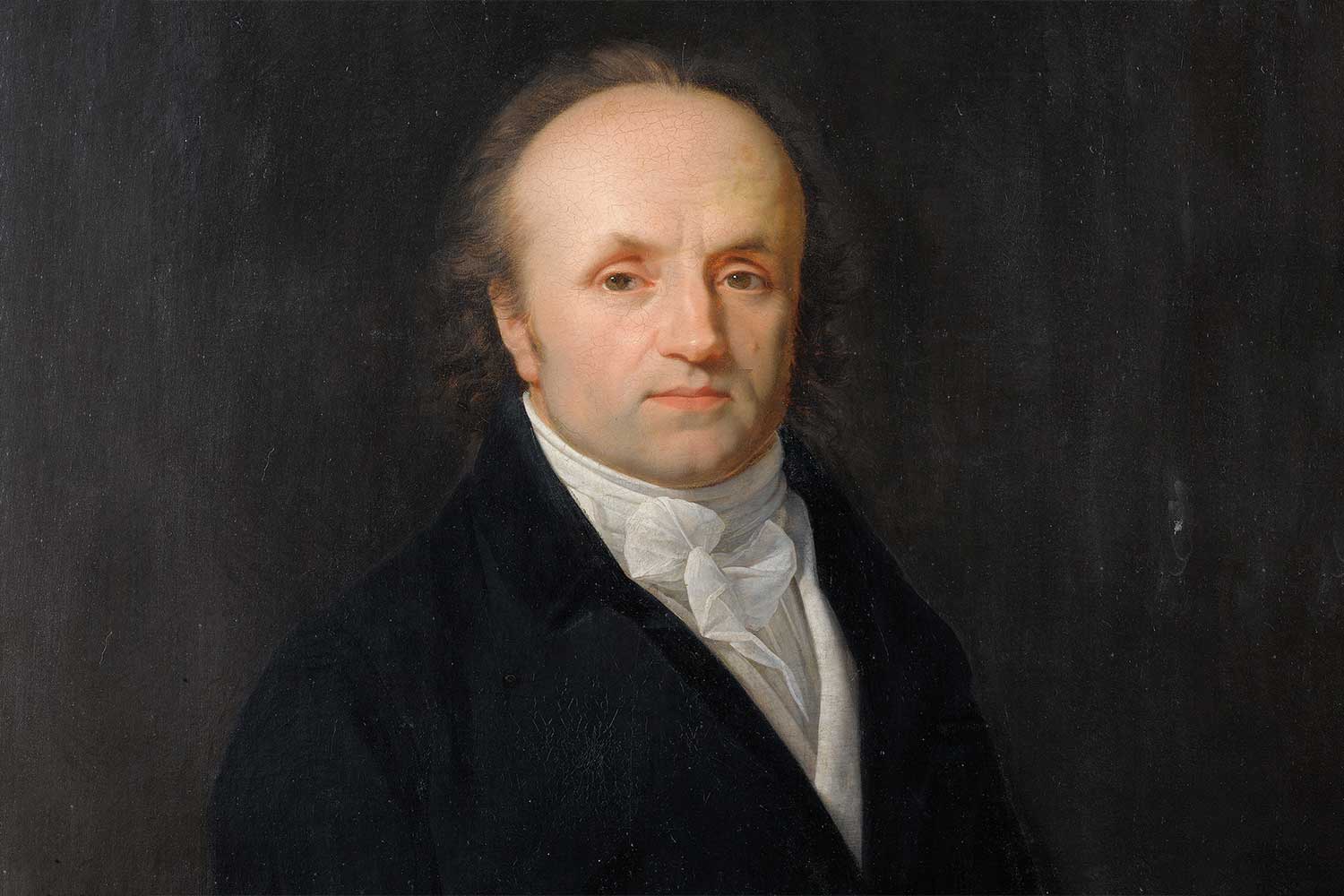
Abraham-Louis Breguet’s tourbillon was born from a simple but stubborn problem.
In a pocket watch worn vertically, gravity acts on the balance and escapement in ways that can create positional errors over time.
Breguet’s answer was to place the regulating organ inside a rotating cage, allowing those errors to be averaged rather than concentrated in one position.
It was a profoundly practical invention, yet it carried an elegance that helped turn it into one of horology’s enduring symbols of mastery.
For much of its early life, the tourbillon belonged to a tiny elite of makers capable of producing it to a competitive standard.
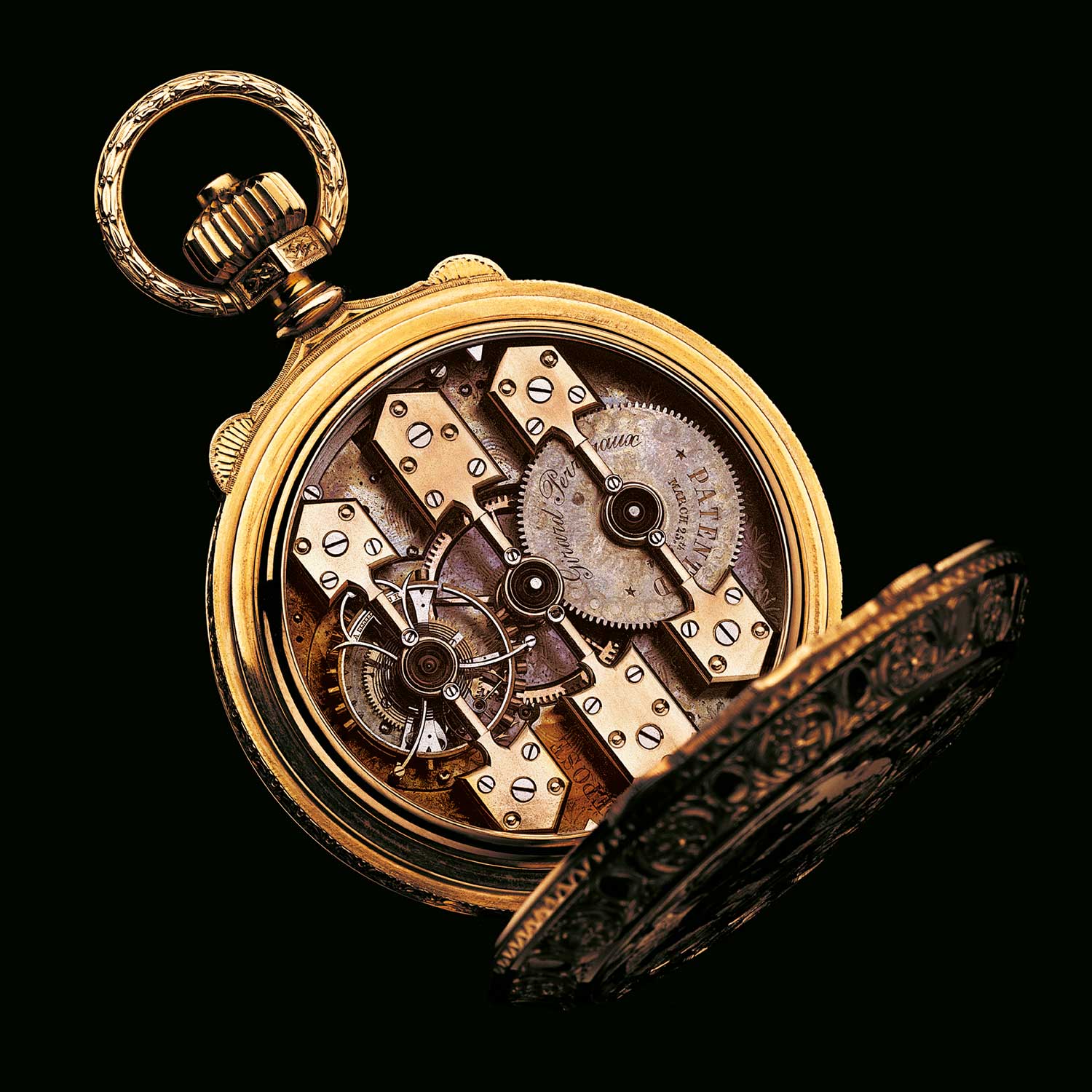
Girard-Perregaux’s Three Golden Bridges, which won a gold medal at the Paris Universal Exhibition of 1889, remains one of the great examples of the complication as both chronometric instrument and architectural object.
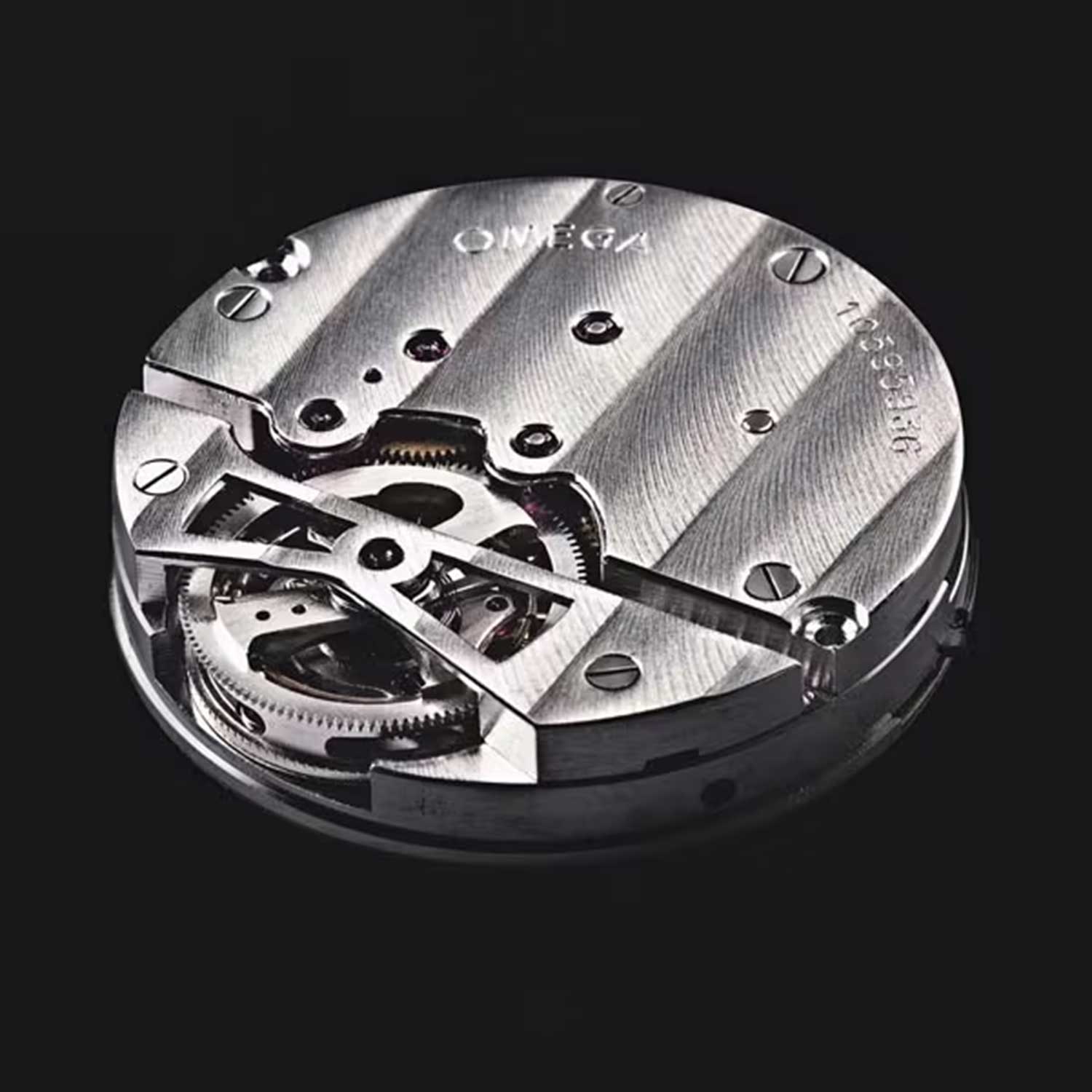
In the 20th century, Patek Philippe and Omega also pursued the tourbillon in the context of precision trials, including Omega’s Calibre 301 tourbillon wristwatch movements made in 1947 for competition use.
Then quartz changed the argument.
When electronic watches delivered inexpensive and highly reliable accuracy, the tourbillon’s practical dominance was no longer the point.
The wristwatch tourbillon becomes visible
The modern tourbillon revival arrived with a different emotional charge.
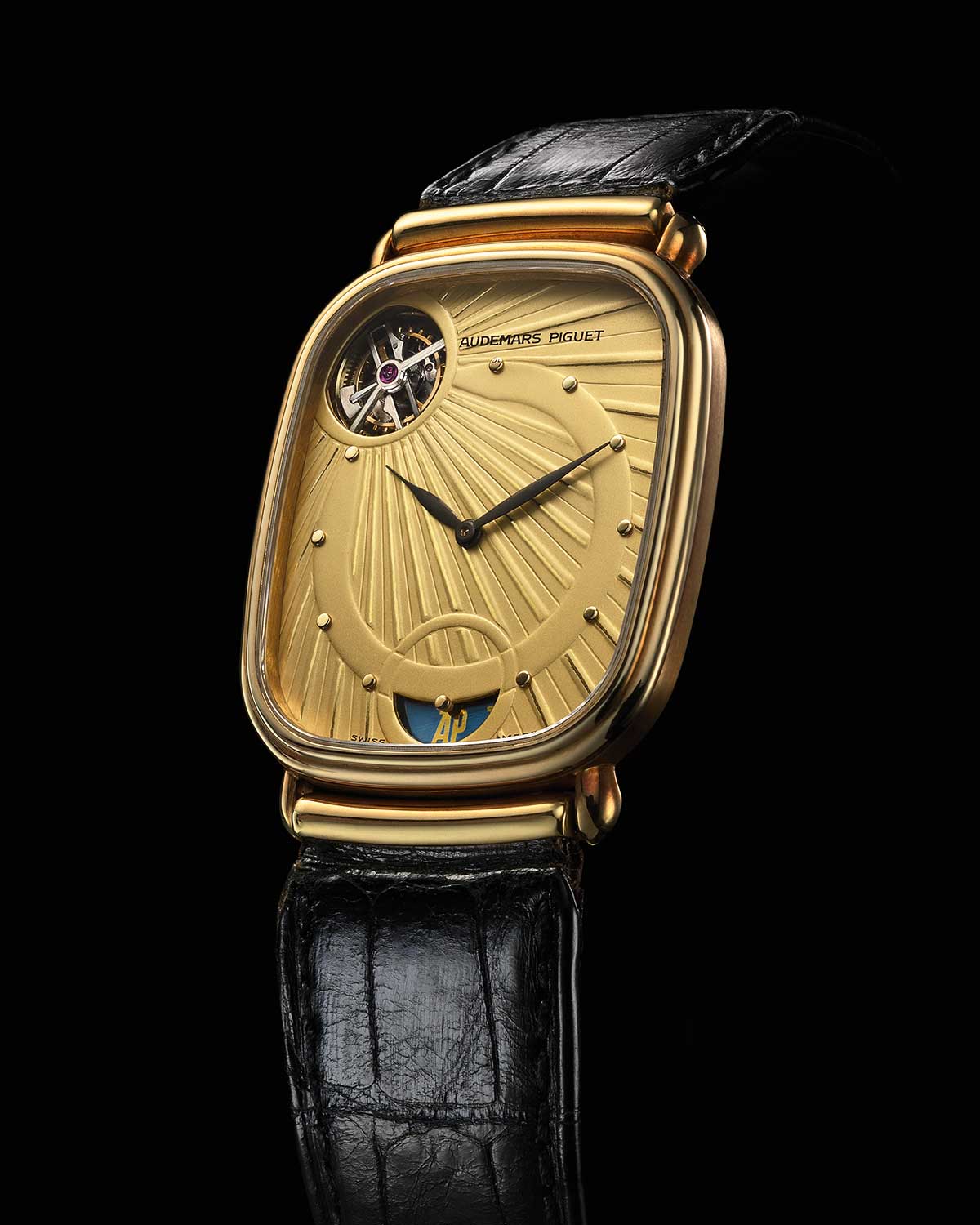
In 1986, Audemars Piguet introduced Reference 25643 with Calibre 2870, a self-winding tourbillon wristwatch that helped reframe the complication for a new era.
Designed by Jacqueline Dimier, it was exceptionally thin at 4.8mm and placed the tourbillon dial-side, making the mechanism part of the watch’s visual identity rather than a hidden technical asset.
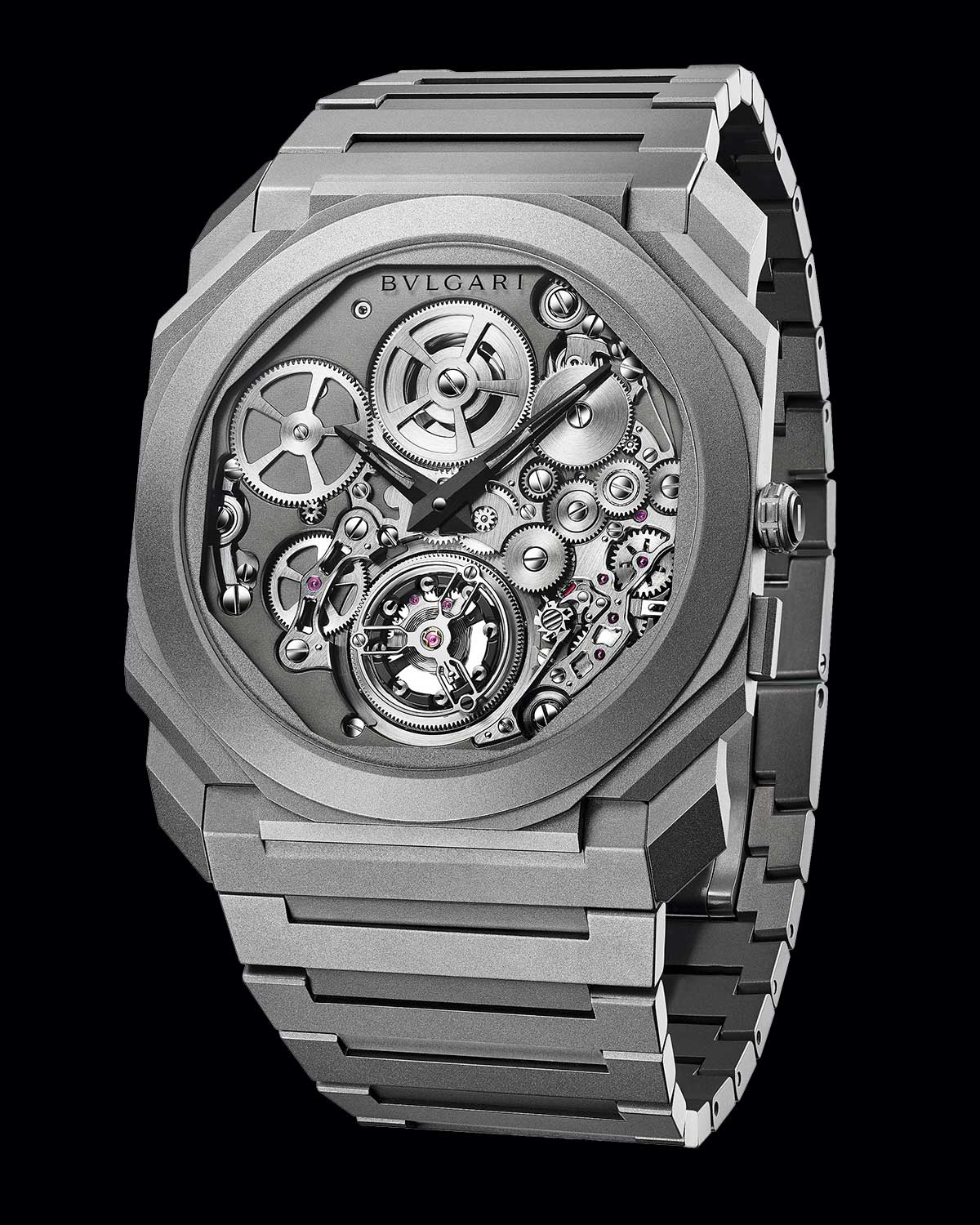
That decision mattered.
The tourbillon was no longer simply something a watchmaker built to improve rate performance, it was something a collector could experience every time they glanced at the dial.
Its cage became choreography.
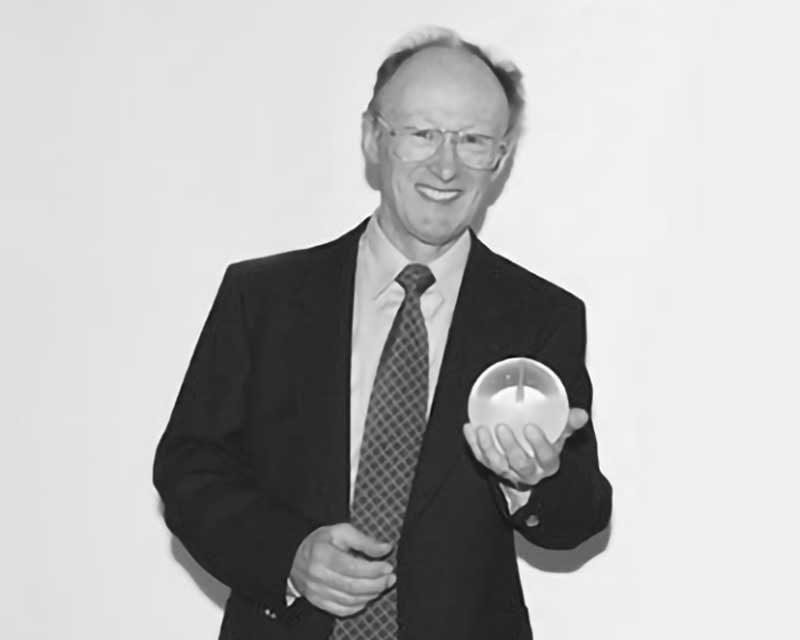
The same period brought renewed intellectual and collector interest in the complication, helped by Reinhard Meis’s 1986 book Das Tourbillon, which reinforced how few watchmakers had historically managed to create a true tourbillon.
By the 1990s, the revival was well under way through names including Franck Muller, Daniel Roth, François Bodet at Breguet, Vincent Calabrese and Blancpain.
A. Lange & Söhne’s 1994 Tourbillon “Pour le Mérite”, developed in the era of Günter Blümlein with Renaud & Papi, added another layer of seriousness through its chain-and-fusée transmission.
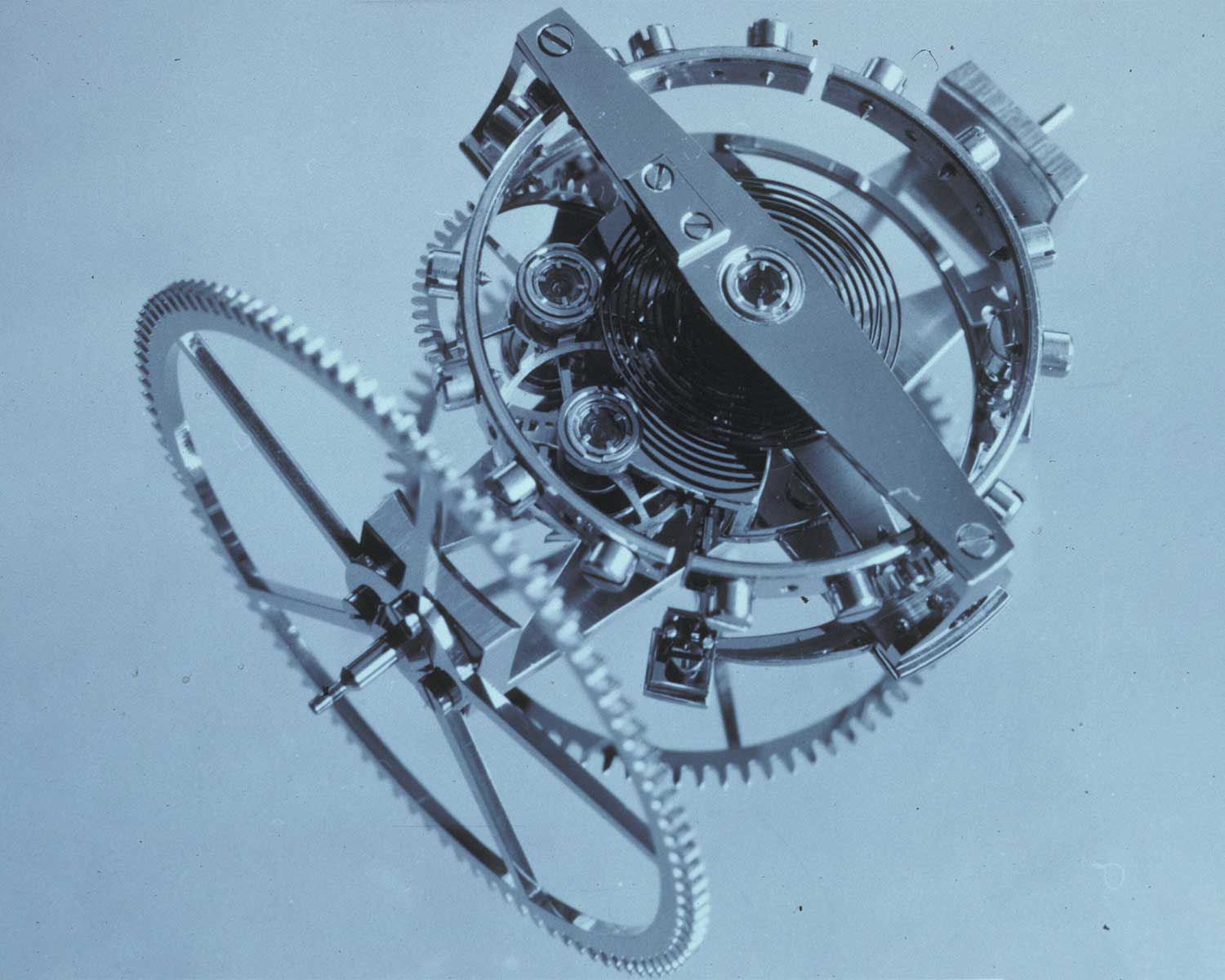
The tourbillon had moved from endangered complication to modern prestige marker.
The double-axis idea waits for its moment
The single-axis tourbillon was brilliant, but it was never a complete answer to every positional challenge a watch encounters.
It addressed vertical positions especially well, while horizontal positions such as dial up and dial down posed a different problem.
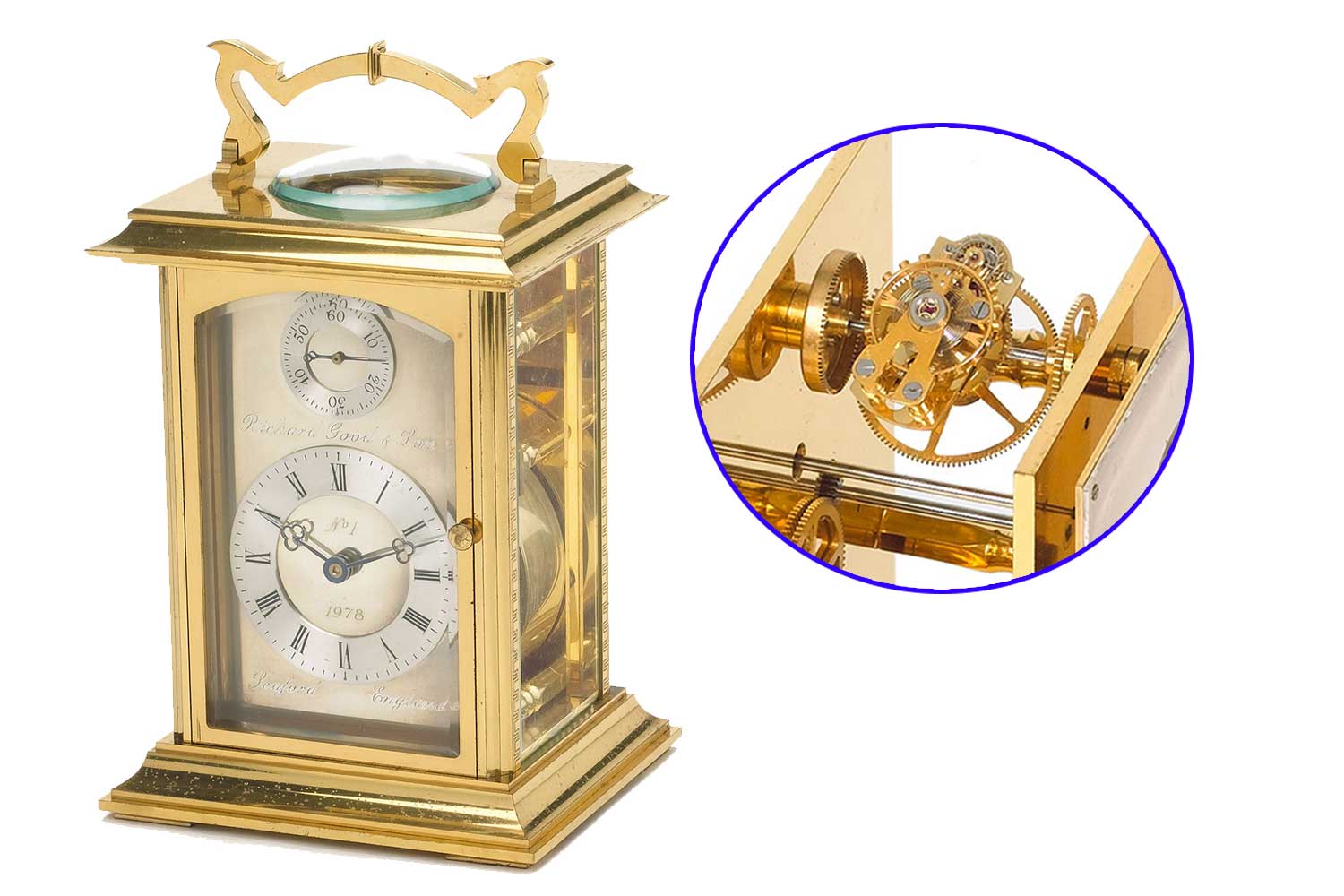
The logic of the multi-axis tourbillon follows naturally from that limitation.
If one rotating cage can average errors in one plane, additional axes can move the regulating organ through a wider range of positions.
The double-axis concept emerged in the late 1970s and around 1980 through the work associated with Anthony Randall and Richard Good.
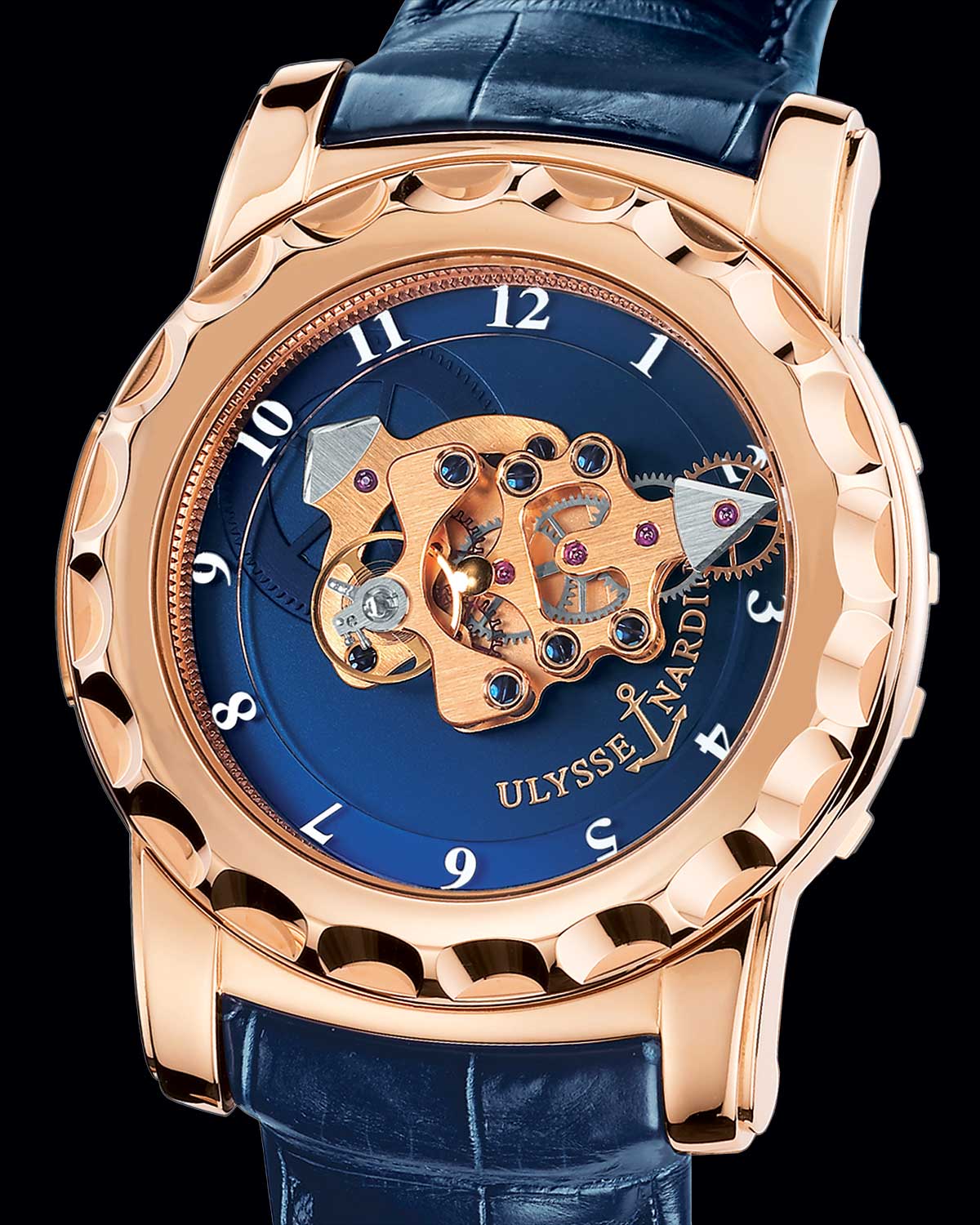
That early idea, however, did not immediately become a mainstream watchmaking path.
There was a long pause before the concept found the right moment, the right audience and the right technical culture to flourish.
By the early 2000s, high-end mechanical watchmaking had become far more open to visible complexity and three-dimensional construction.
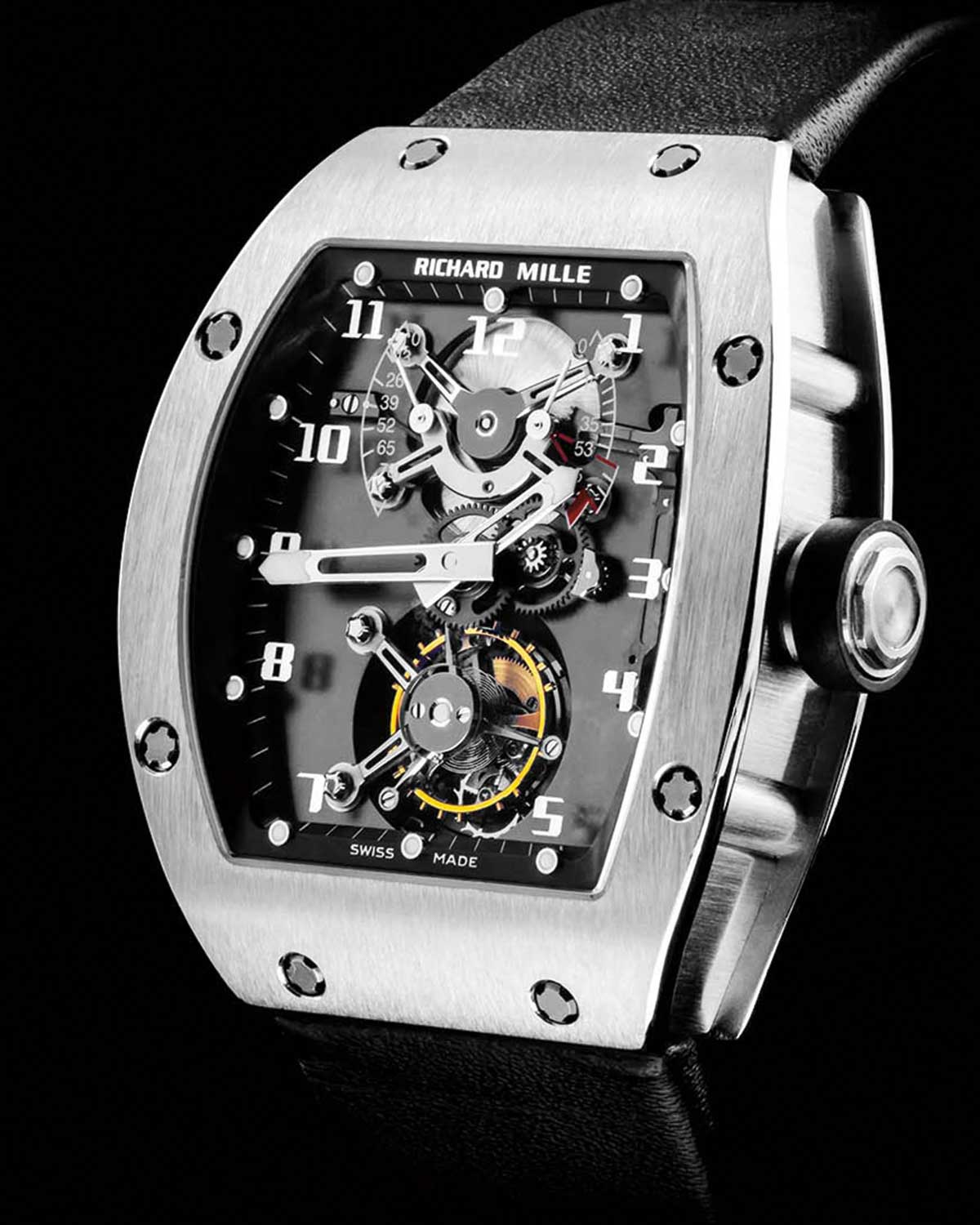
The multi-axis tourbillon finally had a stage.
The early 2000s turn motion into architecture
The decisive modern chapter arrived in 2003 and 2004, when the multi-axis tourbillon moved from rare concept to horological reality.
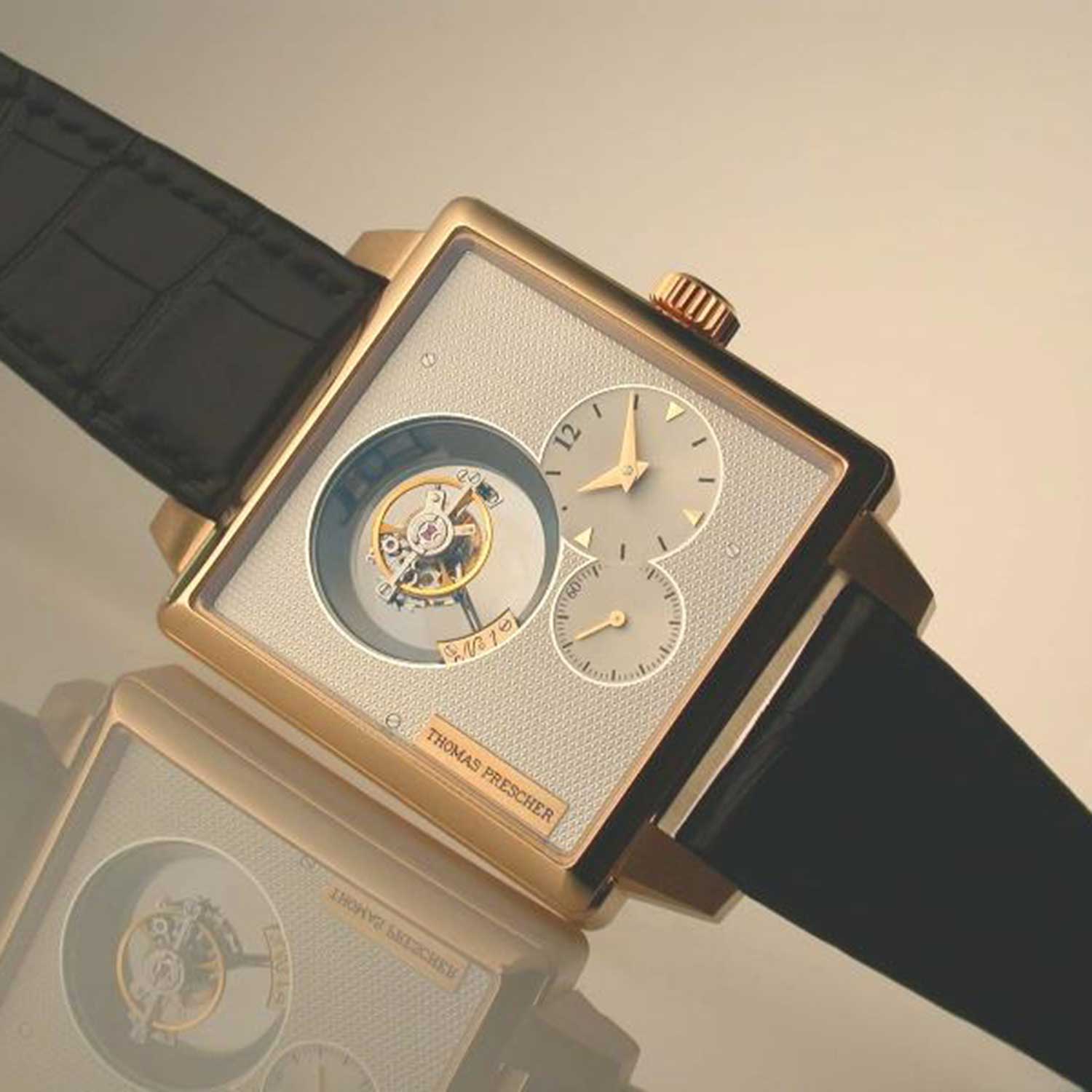
Several names stand at the centre of that shift, including Thomas Prescher, Franck Muller, Jaeger-LeCoultre and Greubel Forsey.
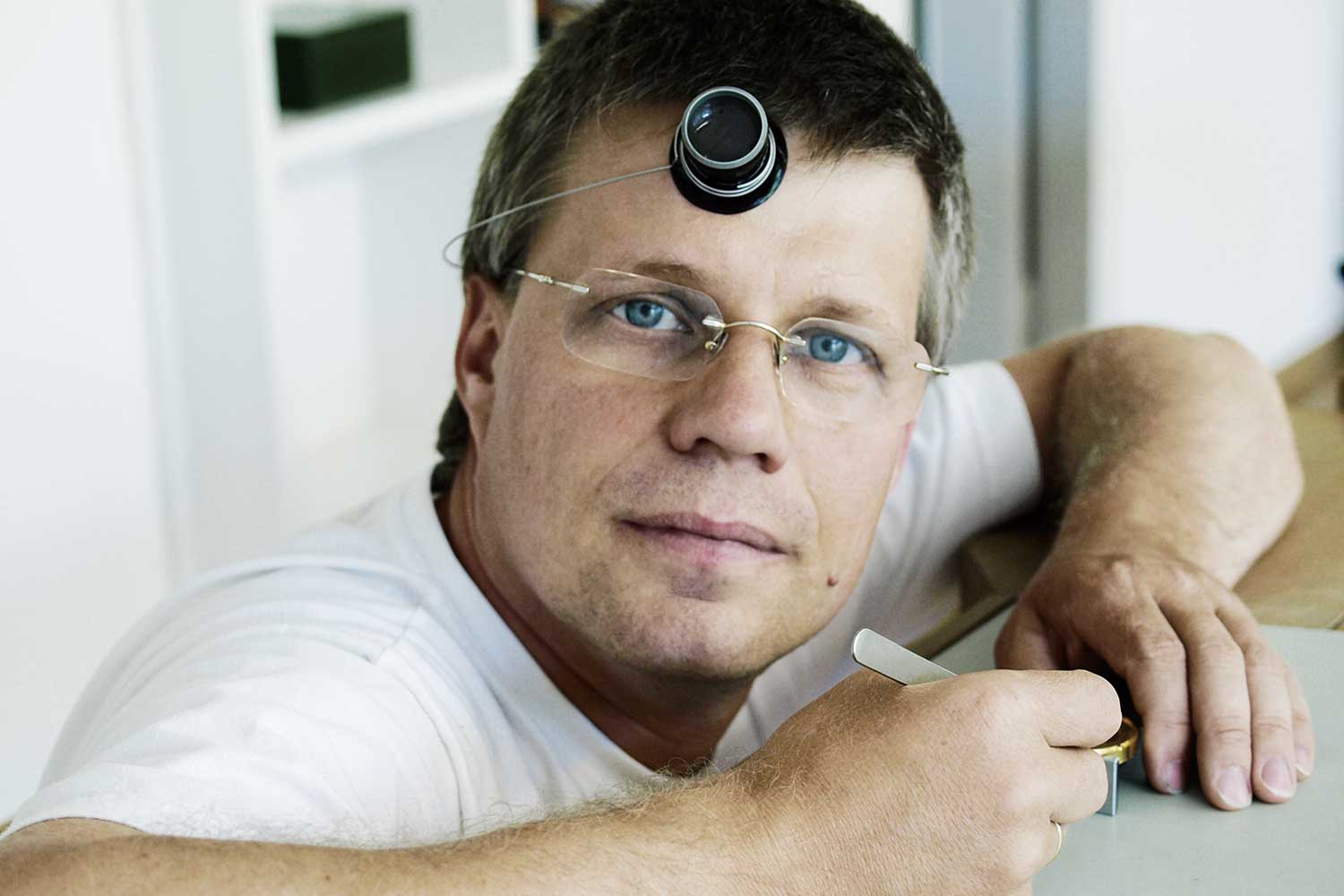
Each approached the idea with a different temperament.
Prescher’s work spoke to the independent watchmaker’s appetite for mechanical purity and radical execution.
Franck Muller brought the complication into the flamboyant, technically ambitious language that defined much of the brand’s grand complication output.
Jaeger-LeCoultre gave the multi-axis tourbillon the authority of a deeply industrialised manufacture, showing that the idea could exist within a broader high-complication framework.
Greubel Forsey made the inclined, multi-axis regulating system central to its identity, treating the tourbillon not as a decorative flourish but as the heart of an entire watchmaking philosophy.
What changed in this period was not only the number of axes.
The tourbillon became spatial architecture, with cages, bridges and regulating organs arranged to be read in depth rather than flatly from the dial.
For collectors, that shift created a new kind of fascination.
A multi-axis tourbillon is not just watched, it is followed as it changes orientation, reveals different surfaces and turns mechanical timekeeping into a slow three-dimensional performance.
Accuracy, proof and the modern appeal
The technical case for multiple axes is easy to understand in theory.
By moving the balance and escapement through more positions, a watchmaker can attempt to average gravitational effects more completely than with a traditional single-axis tourbillon.
The harder question is whether that added complexity consistently produces superior real-world accuracy.
Historically, observatory trials gave watchmaking a formal arena for testing chronometric claims, and tourbillons earned some of their mythology through that culture of measurement.
Modern multi-axis tourbillons often exist in a different environment.
Their appeal is as much visual, intellectual and emotional as it is statistical.
That does not make them frivolous.
It does mean their achievement is measured across several dimensions at once, including engineering difficulty, finishing, reliability, energy management and the sheer coherence of the moving construction.
The best examples do not merely add axes for drama.
They make motion feel inevitable, as if the entire watch has been designed around the escapement’s journey through space.
That is why the multi-axis tourbillon remains compelling even in an age when a phone can tell the time more accurately.
It represents watchmaking at its most defiant, using complexity not because it is necessary in daily life, but because mechanical ingenuity still has the power to make time feel alive.