The modern military watch story has a wonderfully unsentimental turning point.
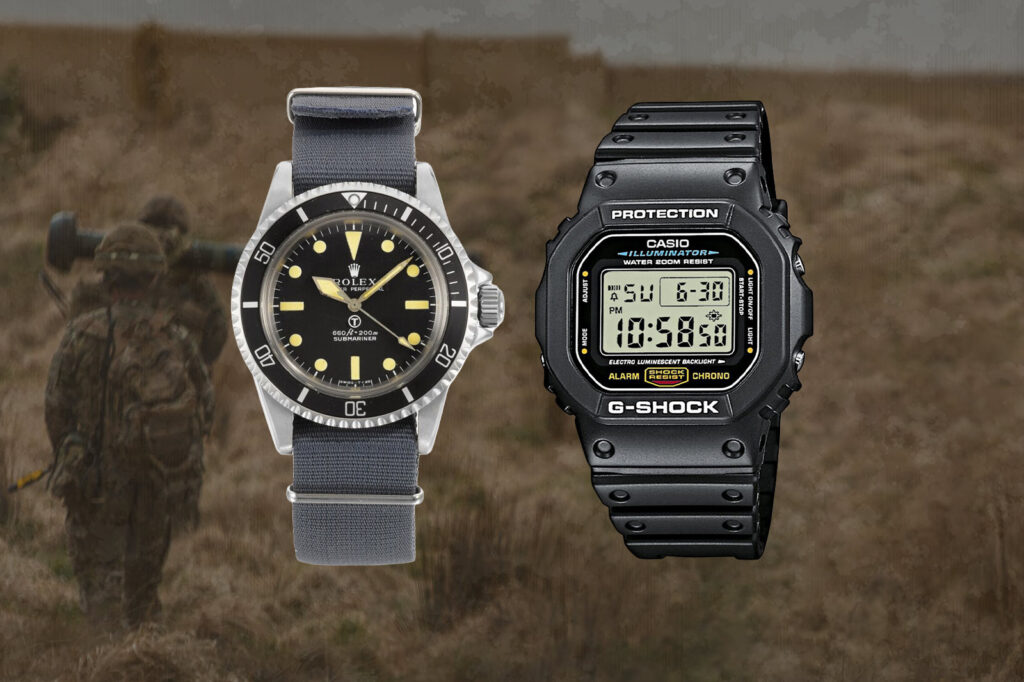
At some stage in the 1980s, the kind of diver who might once have been issued a Rolex Submariner could do the job more easily with a Casio G-Shock.
That shift wasn’t about romance, prestige or collecting value. It was about cost, toughness, accuracy and functions that mechanical watches simply couldn’t offer.

At a glance
- Quartz and digital watches gradually replaced mechanical divers such as the Rolex Submariner as practical military equipment.
- Models including the Citizen Aqualand and Casio G-Shock brought depth sensors, alarms, timers, durability and low replacement costs into military use.
- Issued mechanical military watches have become collector icons, while many modern service watches remain inexpensive tools.
The mechanical dive watch before quartz
Before digital watches became the obvious answer, some of the most desirable tool watches ever made were military equipment.
Britain’s Royal Navy issued the Rolex MilSub, including references 5513, 5517 and the double-reference variants, and later put Omega Seamaster 300s on naval wrists.
In France, combat swimmers helped shape the Blancpain Fifty Fathoms, while the Marine Nationale developed a long and influential relationship with Tudor.
The famous Tudor Snowflake hand design wasn’t just a stylistic flourish for collectors to admire decades later. It was made with military diving units in mind, improving legibility in demanding conditions.
The United States followed its own path through purpose-built and adopted dive watches.
Special operations personnel used the Blancpain Fifty Fathoms through Tornek-Rayville, a name tied to Blancpain’s home in Villeret, and later wore Tudor Submariners and Seiko’s now-legendary Turtle reference 6309.
These watches were instruments, but they were expensive instruments.
That mattered once a cheaper, more accurate and more durable alternative became easy to buy in quantity.
Citizen Aqualand marked the ana-digital handover
The Citizen Aqualand is one of the clearest examples of the military world moving from traditional dive watches into electronics.
Launched in 1985, it kept an analogue dial but added a digital depth display, using an electronic depth sensor housed in the distinctive bulge at nine o’clock.
For a working diver, that was a meaningful leap.
A bezel and dive tables still had their place, but a watch that could read depth directly was a different kind of tool.
The Aqualand found its way into military use with several diving communities, including the Royal Australian Navy and British Clearance Divers.
Denmark’s Frømandskorpset, the country’s maritime special operations unit, also adopted the watch early and continued with the line from the original C022 and C023 models to the JP2000-08E.
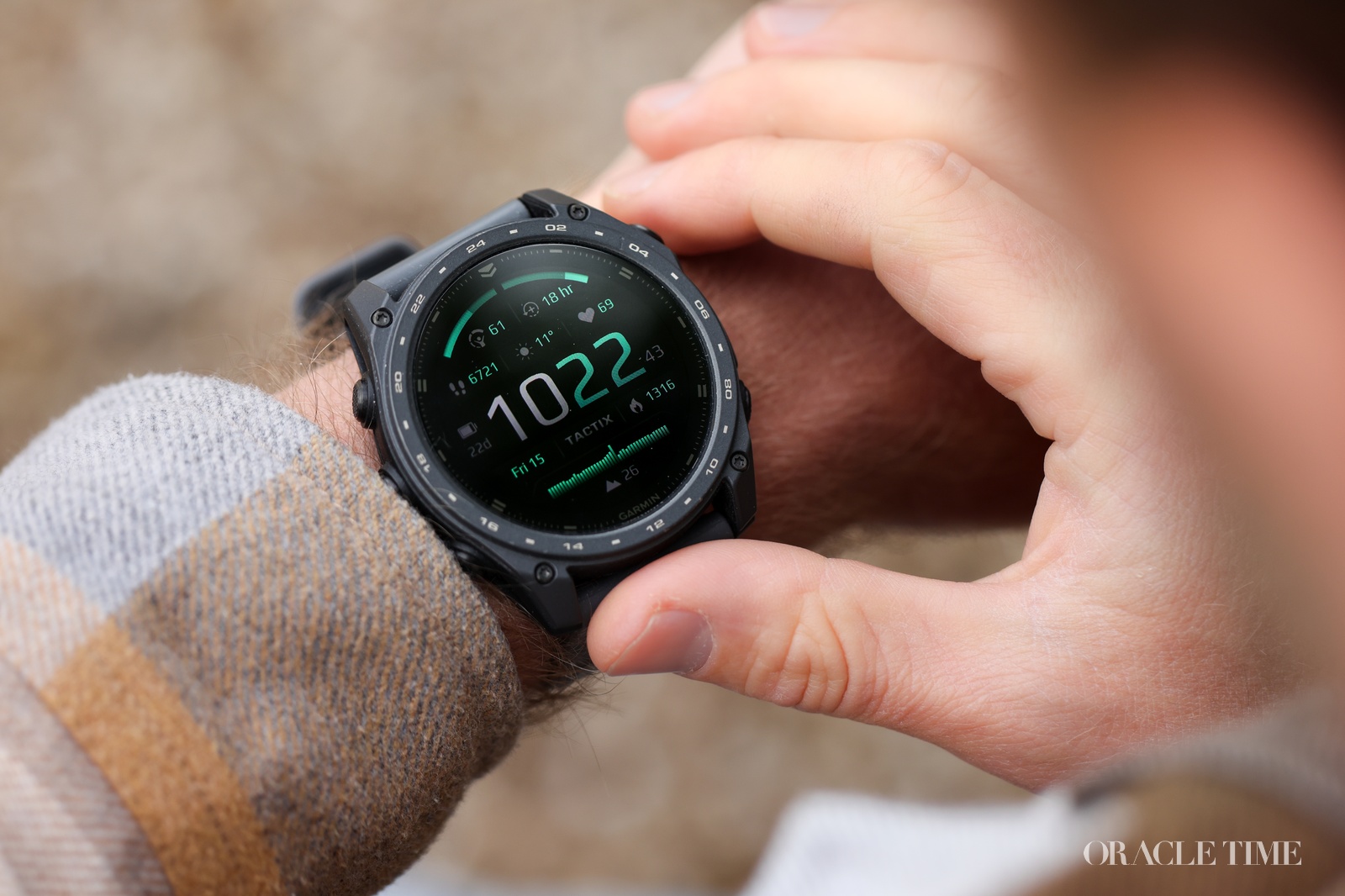
Ana-digital watches appeared elsewhere too.
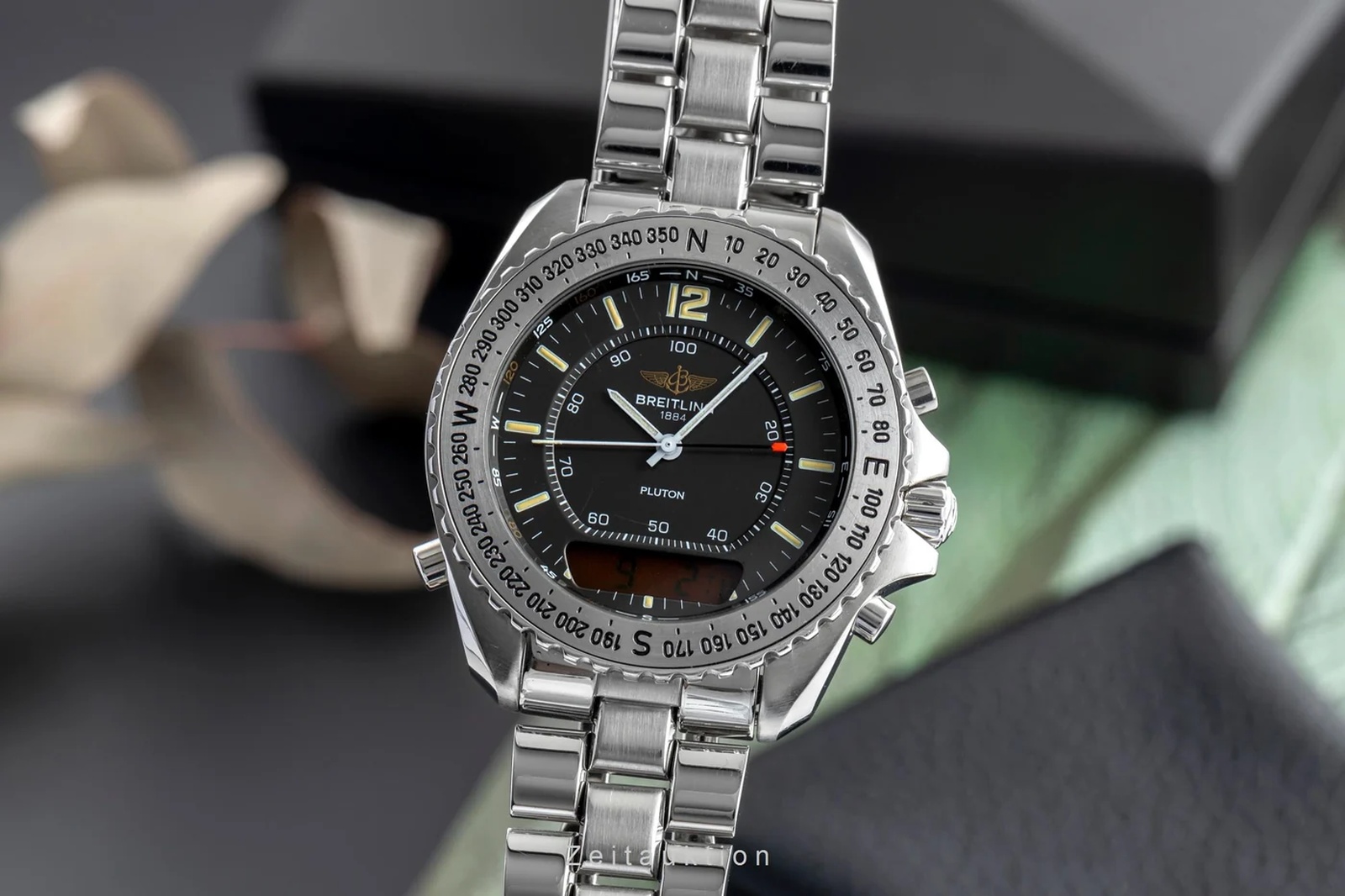
The French Marine Nationale issued the Breitling Navitimer Pluton to SHOM, the naval hydrographic and oceanographic service responsible for marine cartography, oceanography and hydrography.
These watches sat between two eras.
They still looked recognisably like traditional wrist instruments, but their usefulness came from electronics.
G-Shock made the military watch disposable in the best sense
If the Aqualand showed how electronics could improve a diver’s watch, G-Shock showed how digital watches could become everyday military infrastructure.
The crucial mechanism was the NATO Stock Number, which allows an item to be ordered through military supply channels like any other piece of equipment.
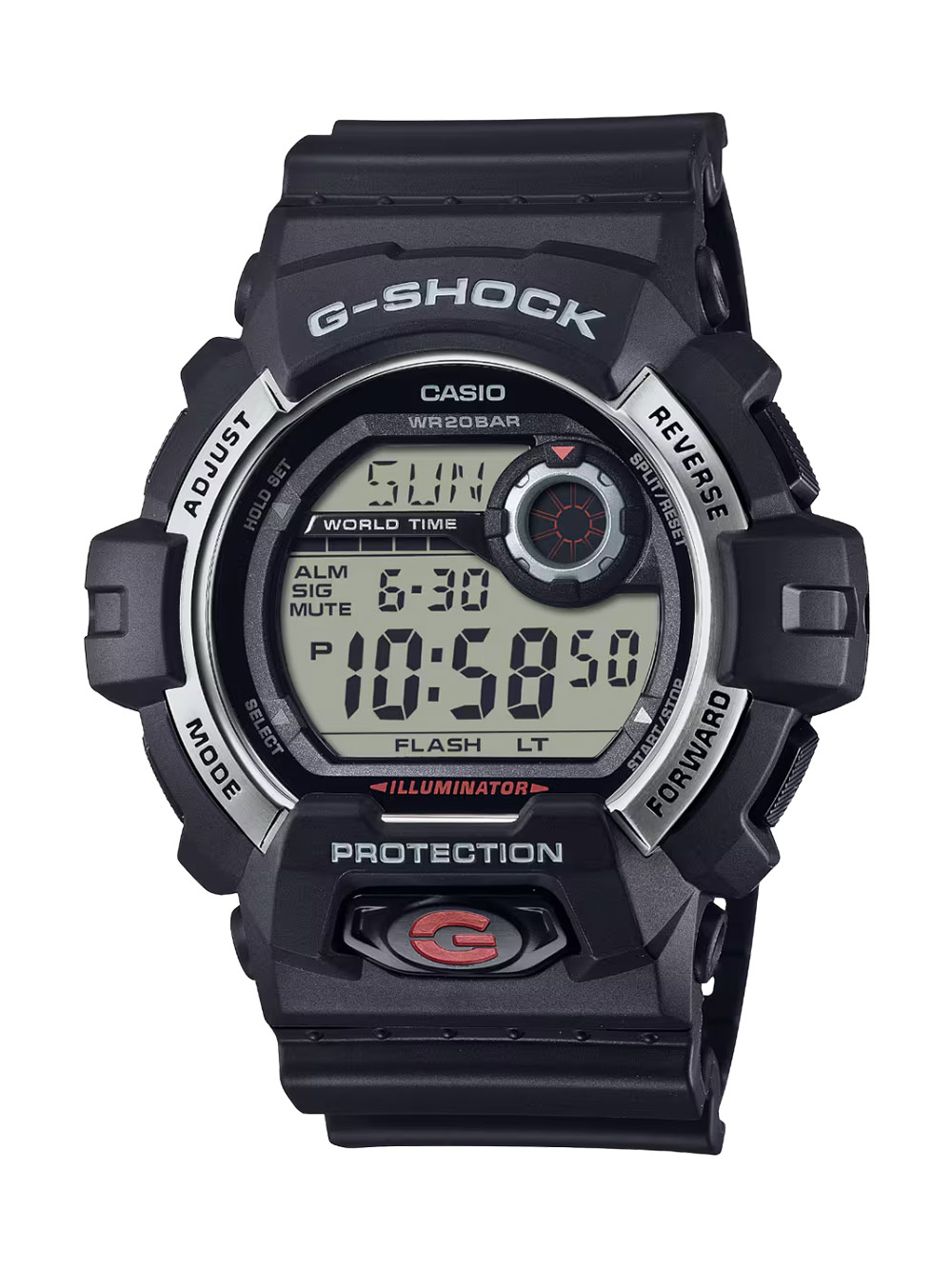
Only four basic G-Shock references have earned that status in the United States. They are the DW-5600E-1V, DW-6600-1V, DW-6900-1V and DW-9052-1V.
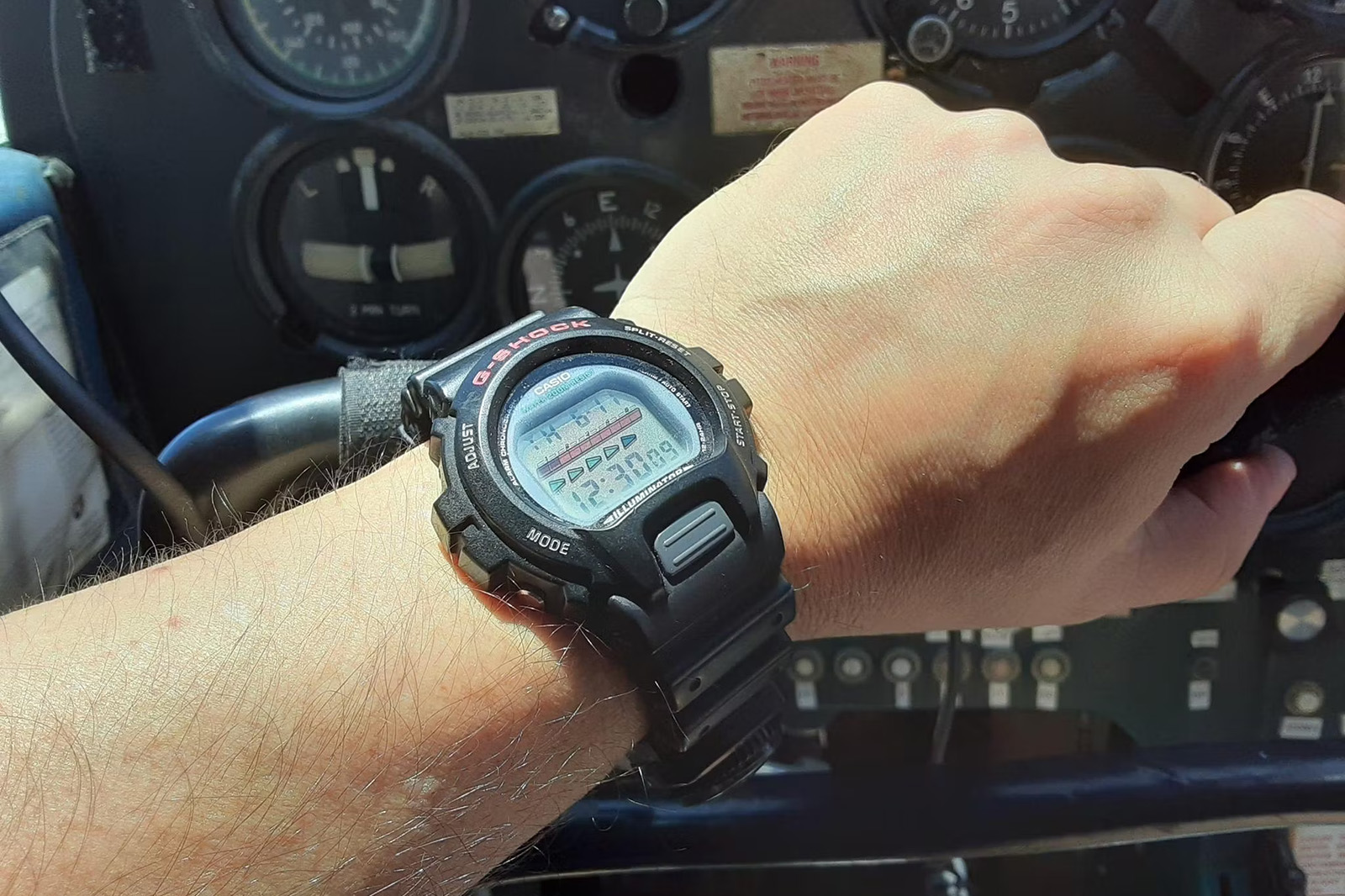
The DW-6600 became the emblematic American military G-Shock.
It was tough, legible, inexpensive and capable in a way that made traditional analogue watches feel less necessary for many tasks.
When the DW-6600 disappeared from the catalogue, the DW-9052 took its place in important training environments.
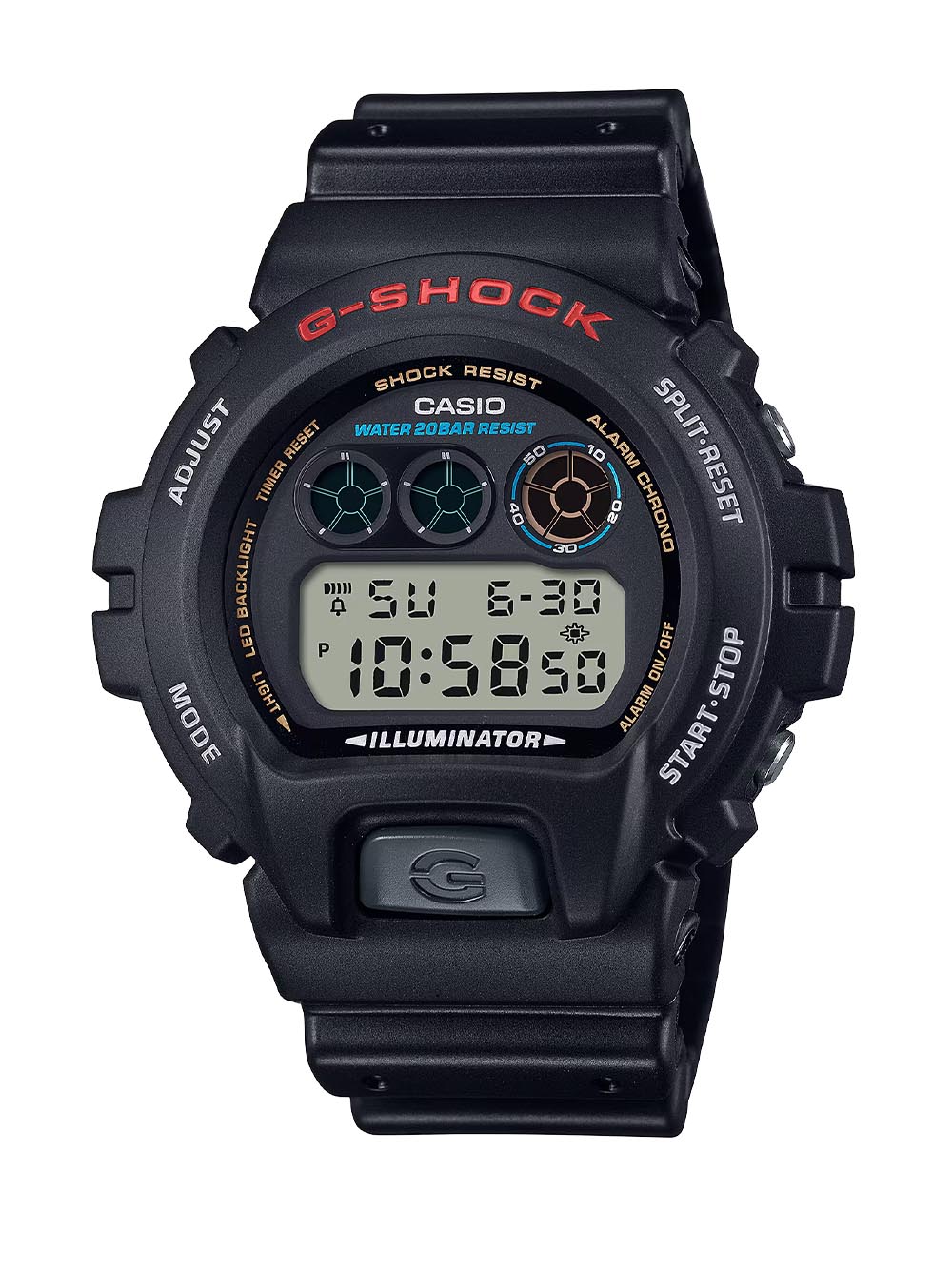
Up to 2018, it was issued to new divers at the Naval Diving and Salvage Training Center and to SEAL candidates at BUD/S.
There is an important distinction here between standard issue and unit purchase.
Standard issue means everyone in a particular pipeline or speciality receives the watch, while a unit purchase is a smaller acquisition made for a defined group.
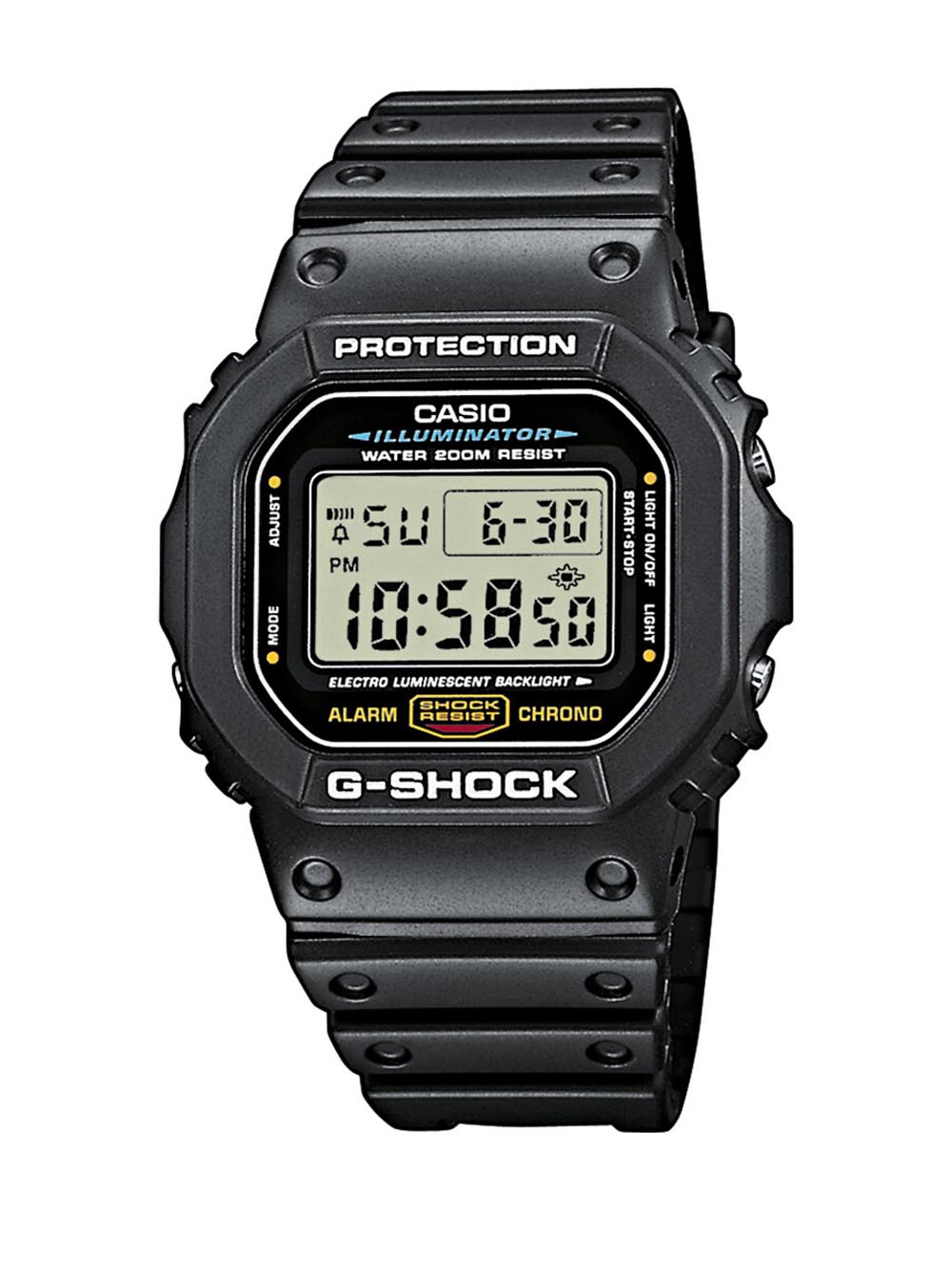
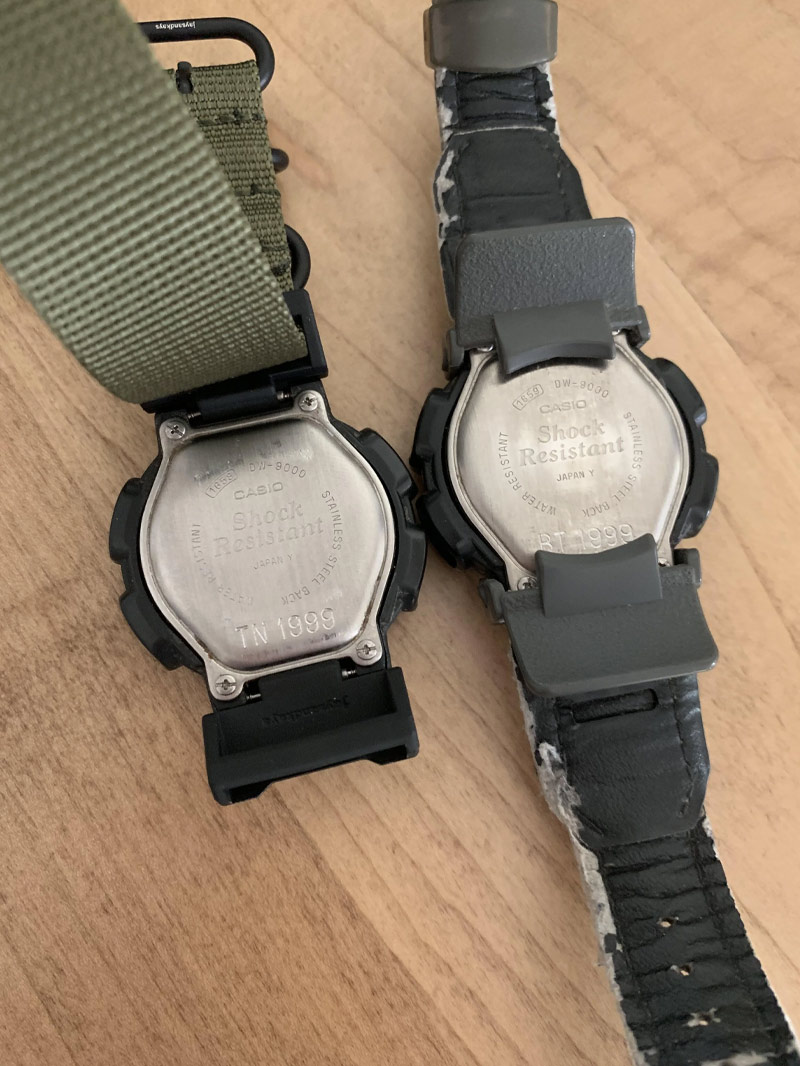
The G-Shock Mudman G-9000 fits the latter category.
U.S. Special Operations Command ordered it in 2014 in two batches, one of 400 watches and another of 600.
That difference matters to collectors because military connection is often discussed too loosely.

A watch worn by soldiers, a watch bought by a unit and a watch formally issued through supply channels are not the same thing.
Britain kept analogue divers while moving digital
Britain’s post-MilSub era didn’t abandon the analogue diver entirely.
Cabot Watch Company, founded in 1972 after Hamilton’s British military watchmaking lineage, took over a significant role in supplying watches for British contracts.
CWC still supplies a blacked-out quartz SBS Diver to specialist units, keeping a direct link between the classic military dive watch and the quartz age.
Alongside that, Royal Navy divers moved heavily into G-Shock.
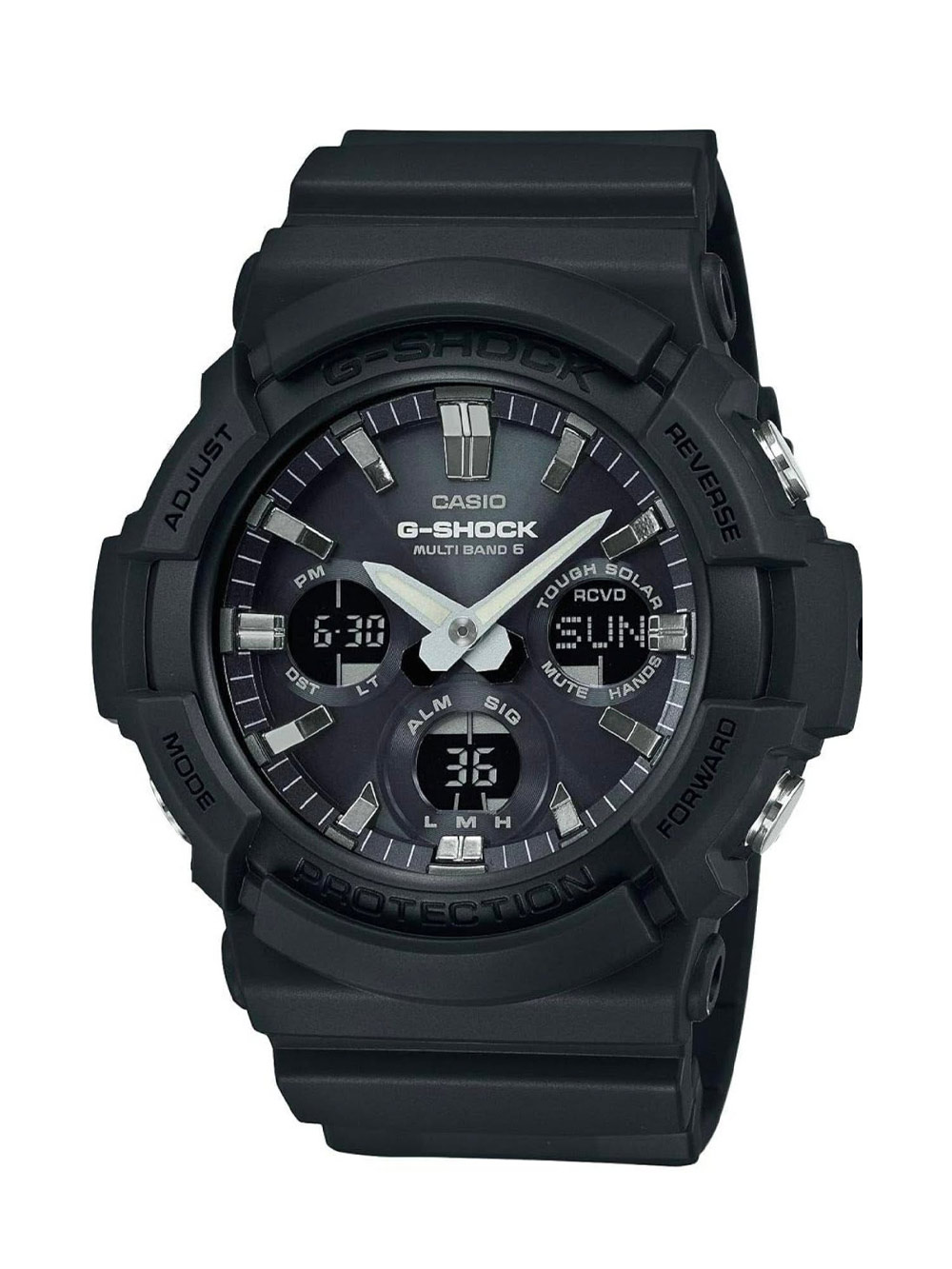
By 2020, Royal Navy divers had 135 solar-powered Casio G-Shock GAW-100B watches in service, replacing the earlier GR-8900, of which 508 had been issued.
Official answers become less generous around Special Forces watch models.
When the specific make and model issued to Special Forces was requested, the Ministry of Defence withheld the information under Section 23(1) of the Freedom of Information Act, the national security exemption.
Dive computers followed a similar practical trajectory.
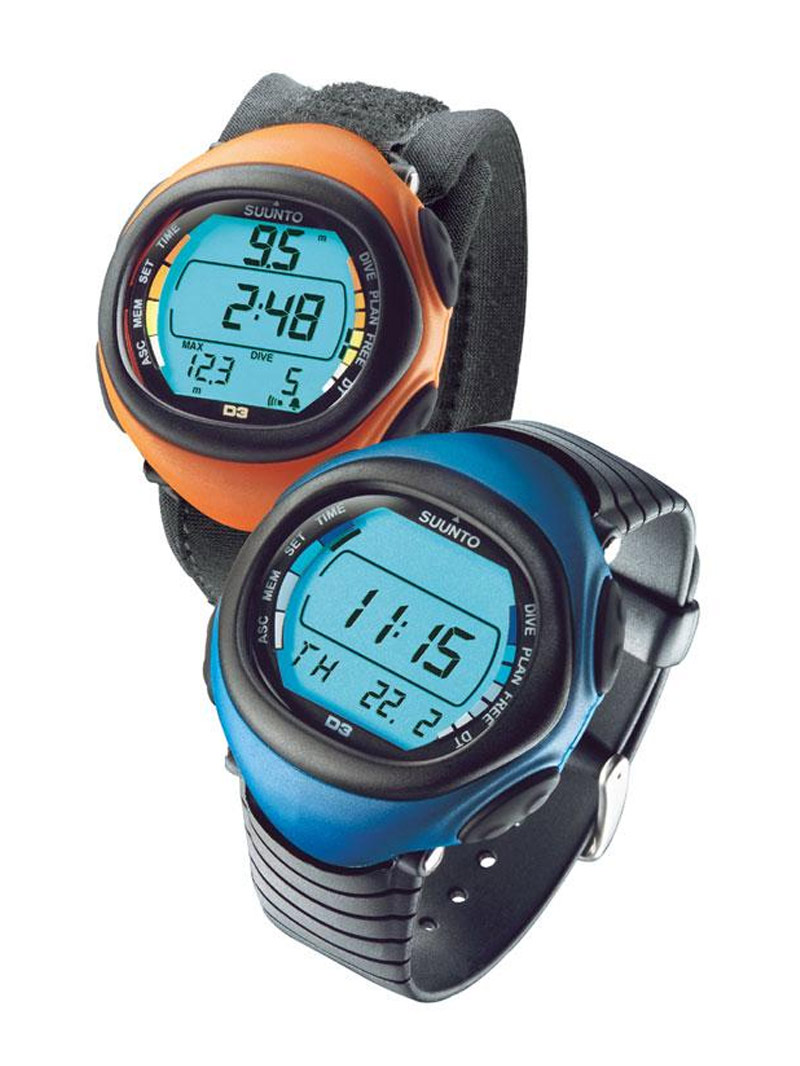
A Suunto D3 has appeared with a NATO Stock Number carrying the United Kingdom’s “99” country code, reinforcing how electronic wrist equipment moved into formal military logistics.
The retail watch market can blur this picture.
Casio’s Ministry of Defence-branded collaborations, including British Army Mudmaster, RAF Gravitymaster and Royal Navy Frogman models, are rugged and collectible, but they sit in a different category from watches handed out through military stores.
Collecting moved from machinery to provenance
The irony is that the watches replaced for practical reasons became more desirable once they were no longer the practical choice.
A MilSub, a Marine Nationale Tudor or a Tornek-Rayville Fifty Fathoms now carries a kind of historical charge that no specification sheet can reproduce.
Yet the same lesson applies to a humble G-Shock.
The value of a military watch has never lived only in the movement, the case or the dial.
It lives in use.
That is why a cheap digital Casio can belong in the same conversation as a Rolex Submariner, even if the two watches now occupy opposite ends of the collector market.
The Submariner became an icon partly because it did real work before it became a luxury object.
G-Shock replaced it in many military settings because it kept doing that work with less fuss, less cost and more resilience.
For collectors, that makes the modern digital military watch more than a footnote.
It is the chapter where romance gave way to function, and function wrote its own kind of history.