There’s a particular pleasure in seeing a mechanical watch work without needing to turn it over.
Open dials and skeletonised plates can offer part of that theatre, but inverted movements go further by rethinking the calibre so the action belongs on the front of the watch.
These four pieces sit at the more ambitious end of that idea, from a radical Ulysse Nardin Freak to a yellow-gold Minerva monopusher chronograph with its architecture placed on display.
At a glance
- Four high-end watches use inverted movement architecture to put the mechanics on show from the dial side.
- The selection spans tourbillon, chronograph, double escapement and traditional German finishing approaches.
- All four are limited or capacity-restricted pieces, with pricing ranging from EUR 71,000 to EUR 348,100 excluding VAT.
The appeal of moving the mechanics forward
An inverted movement isn’t simply a skeleton dial with more metal removed.
It requires the calibre’s layout to be reorganised so components usually hidden under the dial or reserved for the caseback can be read, admired and finished for the front of the watch.
That shift changes the relationship between wearer and machine.
The balance, escapement, bridges, chronograph works or even a rotating carousel are no longer private details saved for the occasional glance through a display back.
They become the face of the watch itself.
Ulysse Nardin, Moritz Grossmann, Lederer and Minerva take different routes
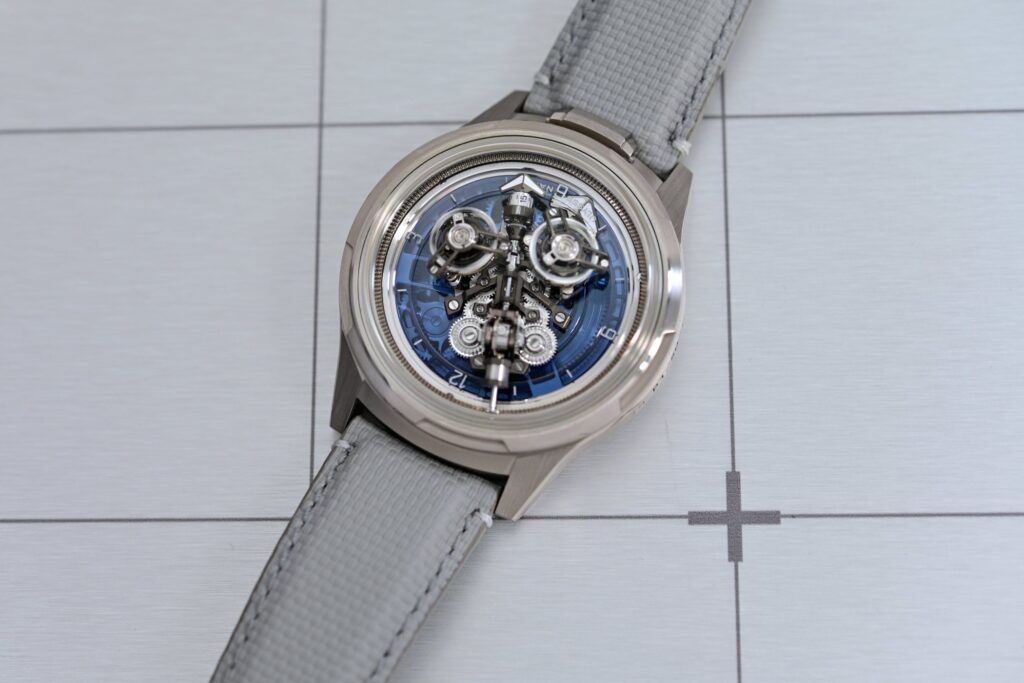
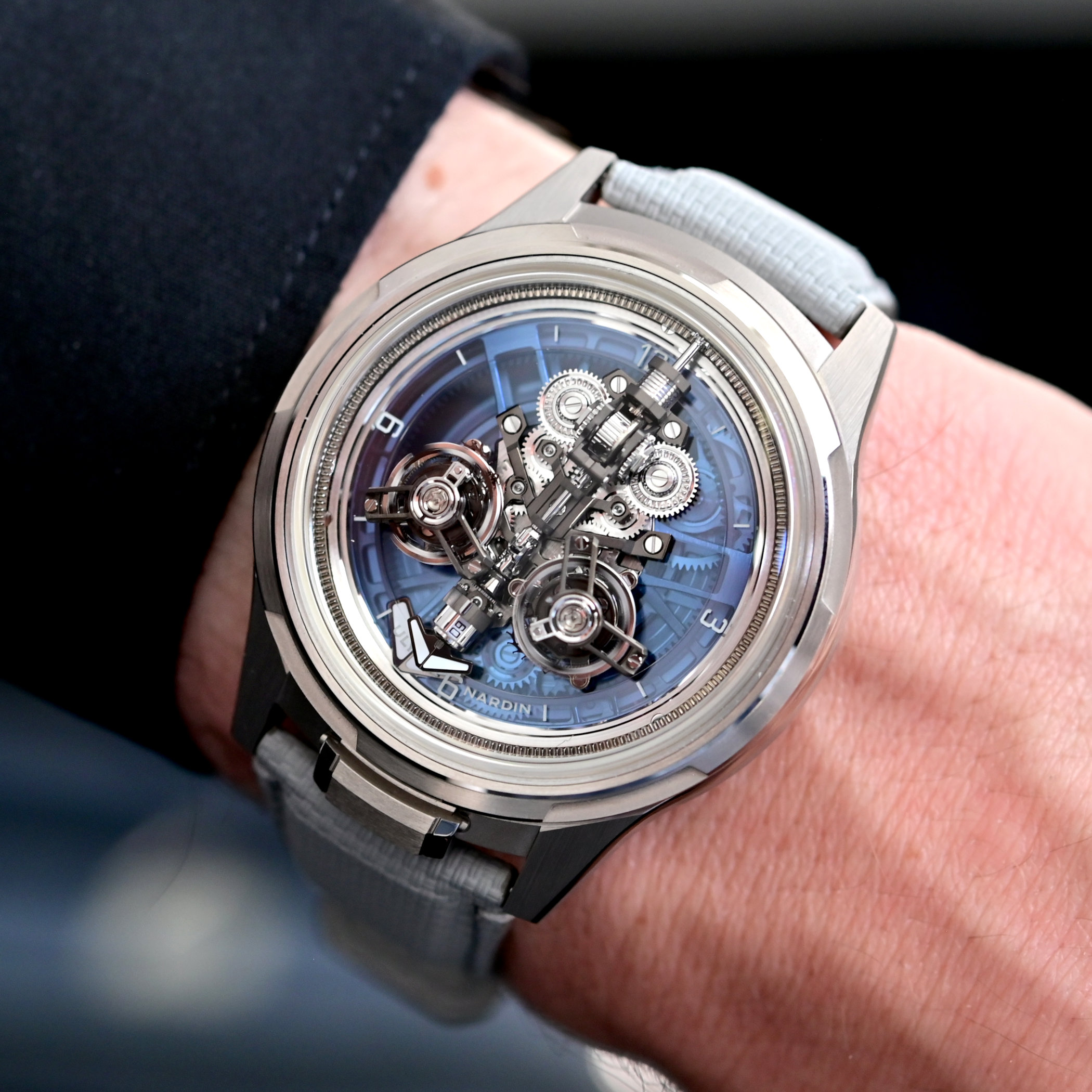
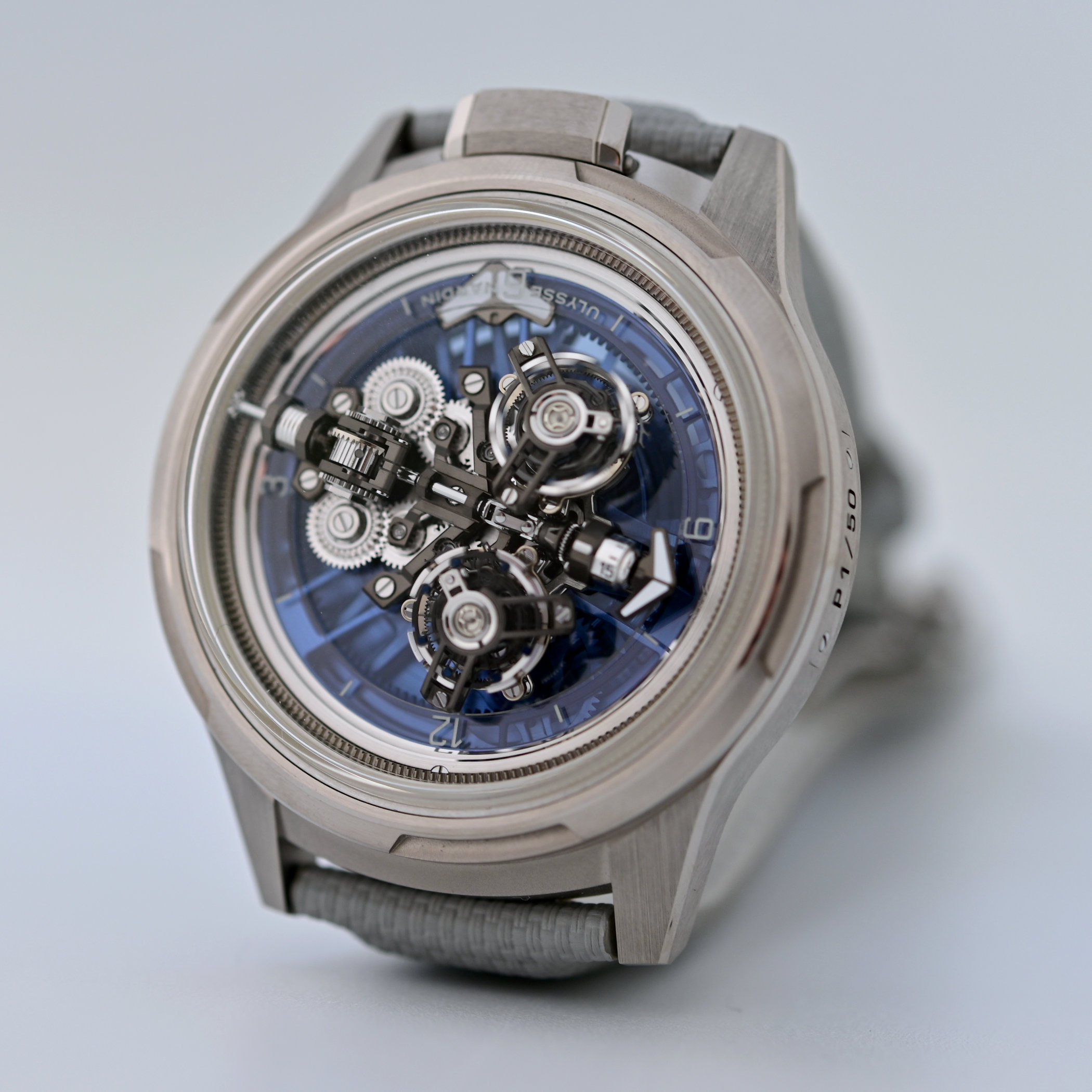
The Ulysse Nardin Super Freak is the most openly disruptive of the group, which feels appropriate for a line that has challenged convention since the original Freak arrived in 2001.
Here, the time-telling structure is built around a rotating movement display, with hours, minutes and running seconds integrated into the carousel alongside double inclined flying tourbillons.
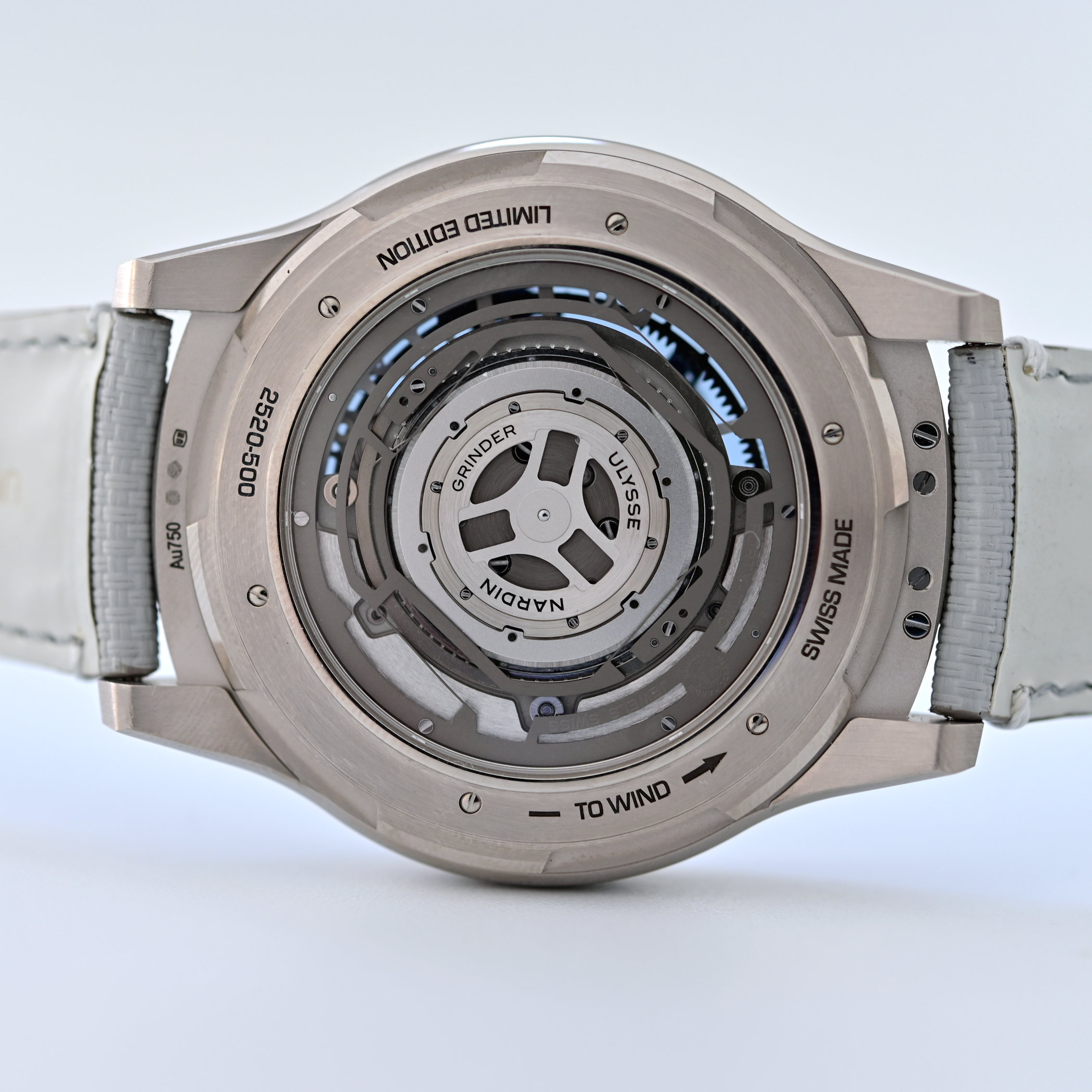
The 44mm white-gold case, blue transparent Nanosital base and grey ballistic rubber strap give the Super Freak a technical presence that suits its 511-part Calibre UN-252.
With only 50 pieces planned and a price of EUR 348,100 excluding VAT, it is less a daily watch than a statement of what Ulysse Nardin’s experimental watchmaking can still do.
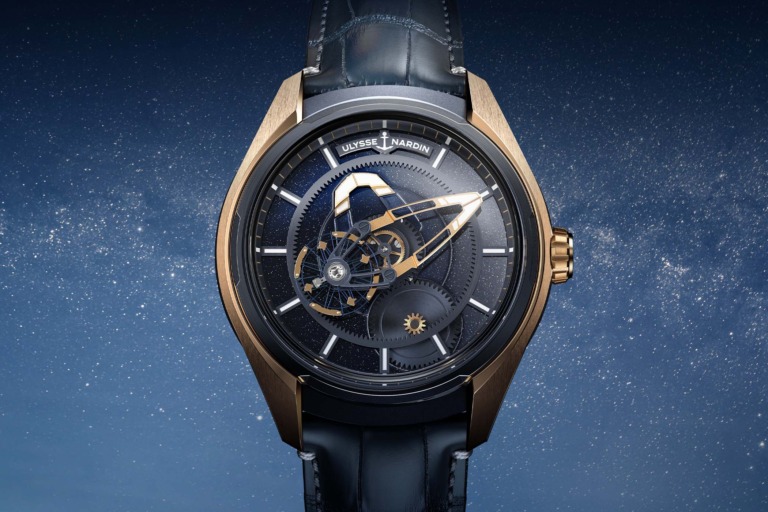
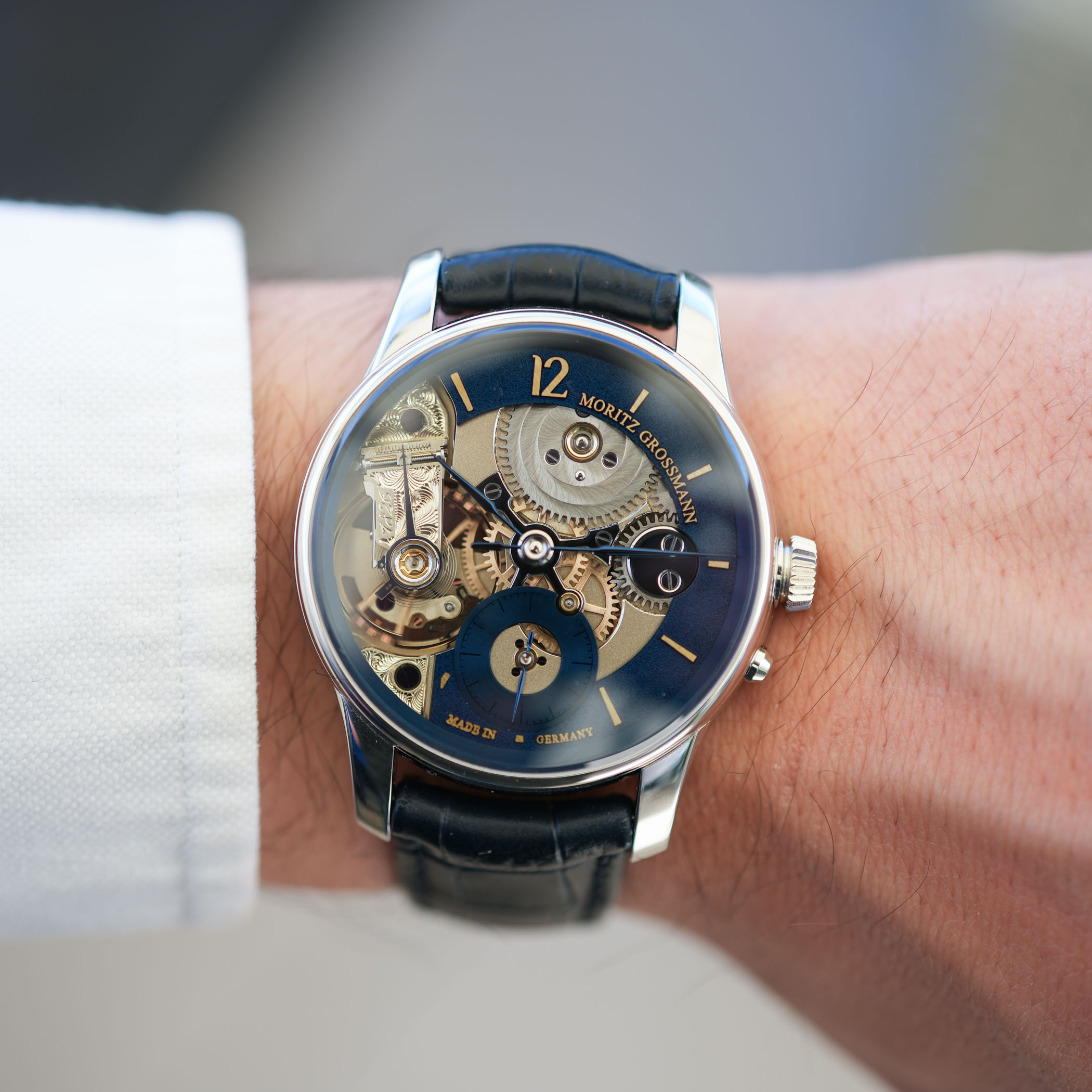
Moritz Grossmann’s Backpage Tremblage is quieter in attitude but no less obsessive in execution.
Its 41mm platinum case houses Calibre 107.0, a fully inverted construction derived from the brand’s Calibre 100.1, with the balance wheel and escapement brought to the front beneath a hand-engraved balance cock.
The hand-applied tremblage finishing is central to the watch’s character, giving the visible plates a granular texture that feels unmistakably Glashütte.
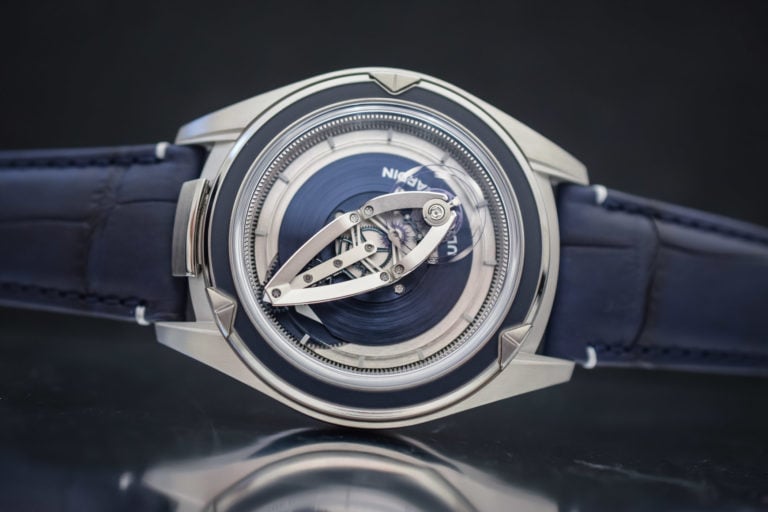
Limited to 12 pieces per dial colour in blue or violet, it pairs traditional finishing with an architectural choice that makes the movement the point of focus rather than a hidden reward.
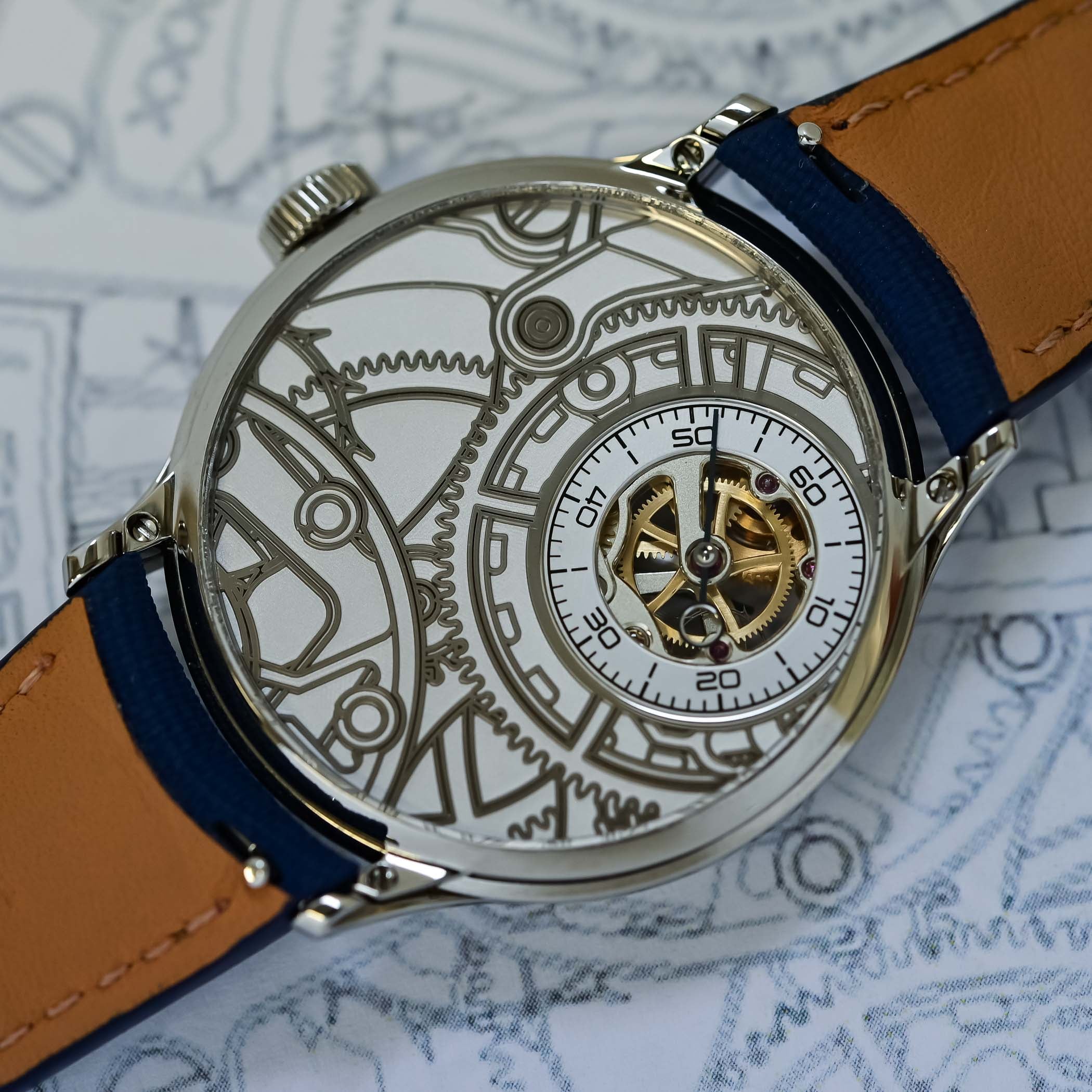
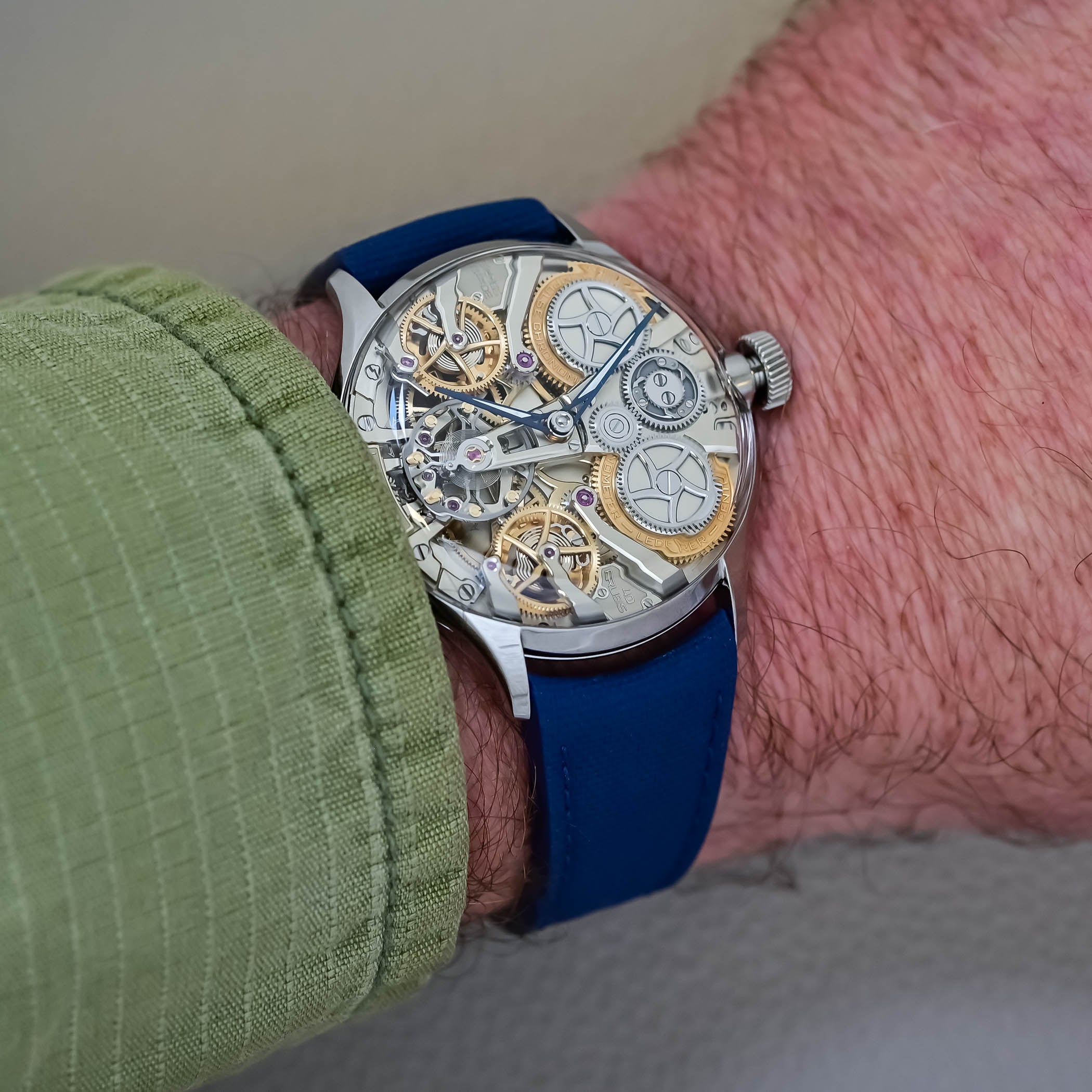
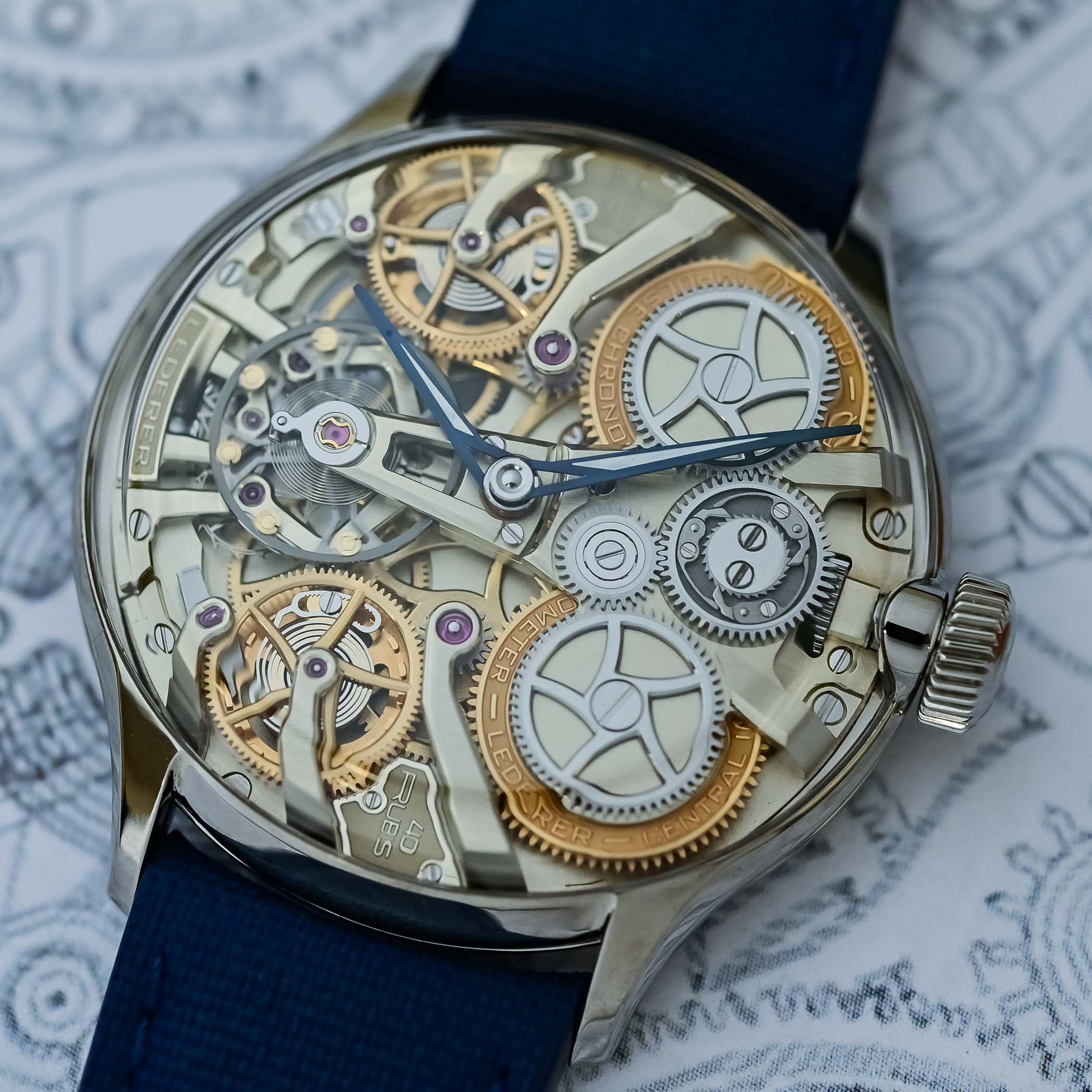
Lederer’s Inverto Titanium 39mm takes a more symmetrical and chronometric path.
Bernhard Lederer’s Calibre 9019 places twin barrels, twin gear trains, dual constant-force remontoirs and a dual detent escapement on full display, framed by a 39mm grade 5 titanium case.
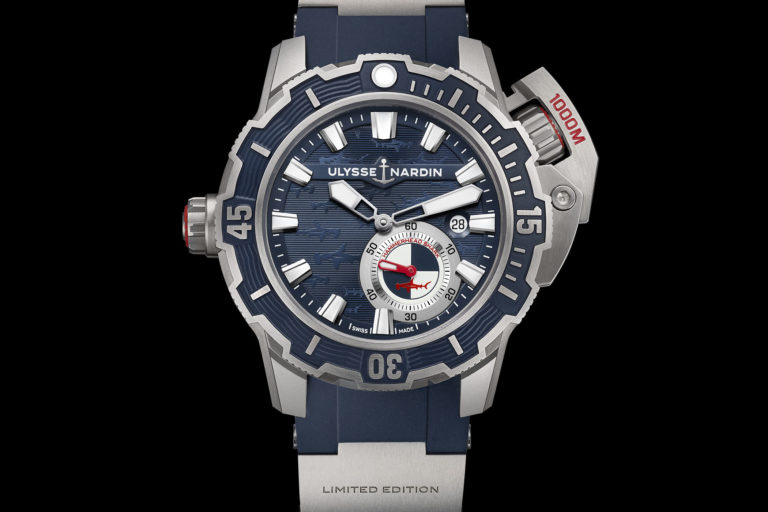
The watch’s restraint comes from its size and material, while the drama comes from the view through the high-domed sapphire crystals on both sides.
Even the small seconds display is moved to the reverse side, reinforcing the sense that Lederer is less interested in conventional dial hierarchy than in showing the logic of the mechanism.
The Minerva Unveiled Chronograph Limited Edition 30 adds another layer of difficulty by applying the inverted idea to a monopusher chronograph.
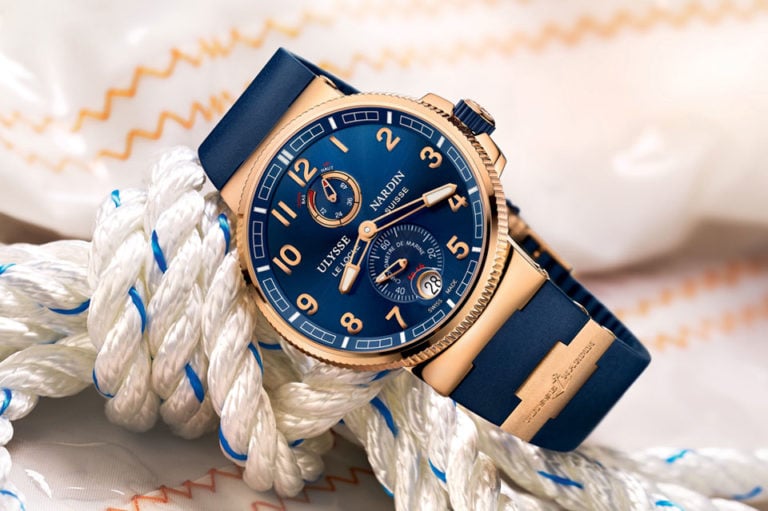
Its 43mm 18k yellow-gold case uses five sapphire crystals in the caseband, sapphire dial rings and scales, and an inverted Calibre MB17.26 so the chronograph architecture can be read from the front.
That matters because Minerva’s chronograph movements have long been admired for the way they look as much as for the way they operate.
In this configuration, the column-wheel-era romance of a hand-finished chronograph is pushed out into the open, while the solid gold caseback keeps the emphasis on the front-facing performance.
Who these watches are really for
None of these pieces is chasing broad practicality.
Water resistance sits at 30 metres across all four, prices are firmly in collector territory, and the appeal depends on a genuine appetite for mechanical architecture.
For the right buyer, that’s exactly the point.
These are watches for people who want the calibre to be the visual identity of the object, not a secondary attraction behind the dial.
The Ulysse Nardin will likely speak to collectors drawn to avant-garde engineering, while the Moritz Grossmann is the most classically finished and traditionally German in temperament.
The Lederer is the choice for someone fascinated by escapement theory and symmetry, and the Minerva is the natural fit for a chronograph enthusiast who wants the mechanism presented with unusual directness.
Details & Specifications
| Ulysse Nardin Super Freak | 44mm x 16.54mm white-gold case, Calibre UN-252, rotating movement display, hours, minutes and running seconds, double 10° flying tourbillons, approximately 72-hour power reserve, 30m water resistance, grey ballistic rubber strap, limited to 50 pieces, EUR 348,100 excluding VAT. |
|---|---|
| Moritz Grossmann Backpage Tremblage | 41mm x 11.35mm platinum case, blue or violet partial dial plate, inverted hand-wound Calibre 107.0, German silver bridges, hours, minutes and seconds with stopping mechanism, 42-hour power reserve, 30m water resistance, alligator or kudu leather strap, limited to 12 pieces per colour, EUR 71,000. |
| Lederer Inverto Titanium 39mm | 39mm x 10.5mm grade 5 titanium case, inverted Calibre 9019, manual winding, twin barrels and gear trains, dual constant-force remontoirs, dual detent escapement, small seconds on reverse side, 38-hour power reserve, 30m water resistance, blue leather or rubber strap, limited by annual production capacity, CHF 152,000. |
| Minerva Unveiled Chronograph Limited Edition 30 | 43mm x 14.78mm 18k yellow-gold case, five sapphire crystals in the caseband, sapphire dial rings and scales, inverted in-house Calibre MB17.26 monopusher chronograph, 291 components, 50-hour power reserve, 30m water resistance, alligator leather strap with yellow-gold folding clasp, limited to 30 pieces, EUR 84,000. |
Inverted-movement watches are rare because they ask more of the watchmaker than decoration alone.
At their best, they turn the calibre into the dial without losing the coherence of either, and these four show just how varied that idea can become in the hands of very different makers.