Seiko is sometimes framed as the approachable Japanese giant with a catalogue so broad it can feel impossible to map.
Look closer and the story becomes sharper, because some of the most consequential watches of the last century have carried a Seiko name on the dial.
From the 1913 Laurel to the SKX007, these are the watches that explain why Seiko matters to collectors, design obsessives and anyone interested in how modern watchmaking evolved.
At a glance
- Seiko’s defining watches trace a line from Japan’s first wristwatch in 1913 to the cult SKX007 diver of the 1990s.
- Key milestones include the 62MAS dive watch, the Calibre 6139 automatic chronograph and the revolutionary Quartz Astron.
- Original examples can be rare and costly, while re-interpretations and modern descendants keep several of these ideas in circulation.
The Laurel put Japanese watchmaking on the wrist
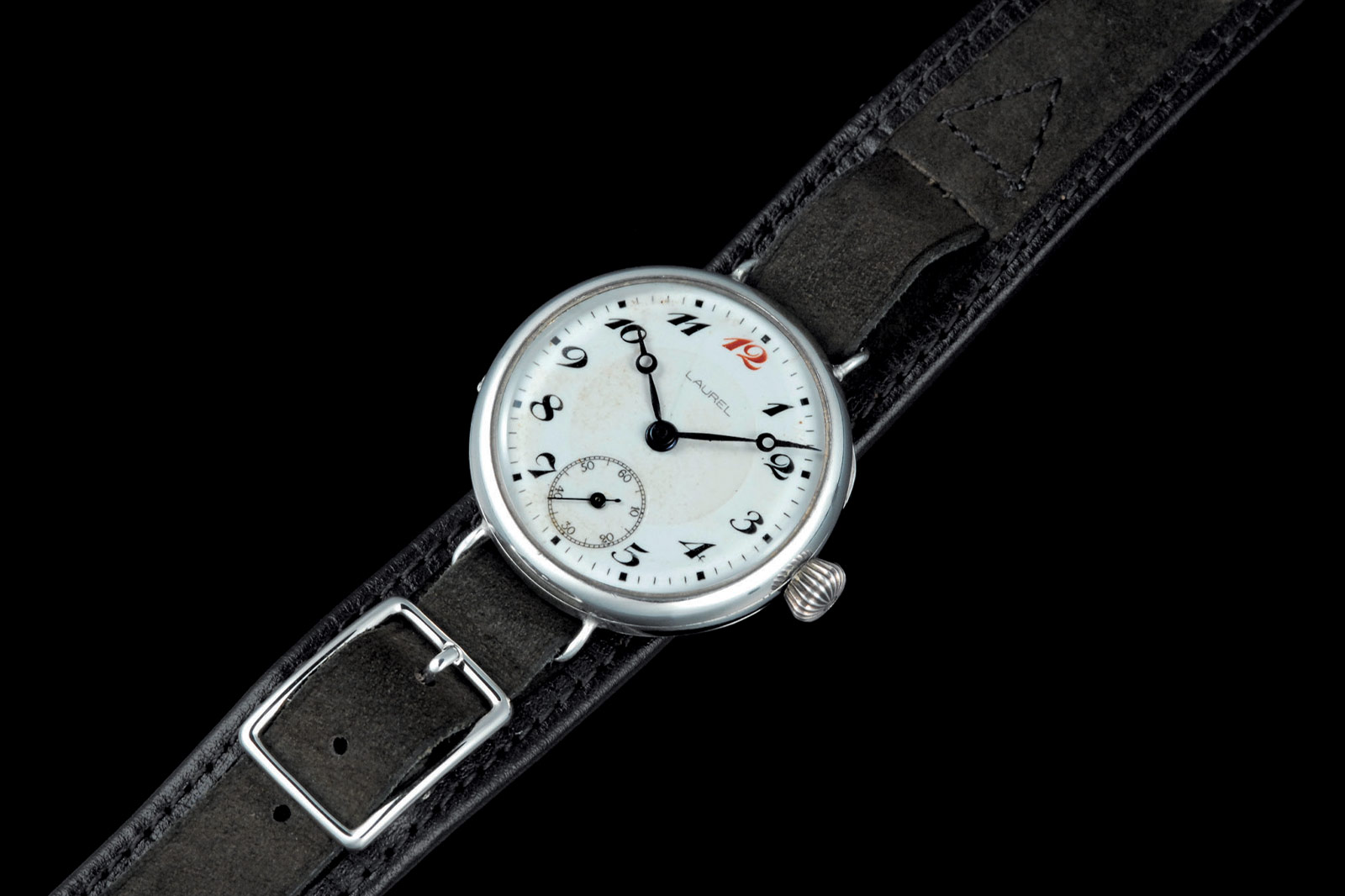
The Laurel of 1913 matters because it moved Japanese horology from clocks and pocket watches into the young category of wristwatches.
Kintaro Hattori had already been producing clocks under the Seikosha name since 1882, but wristwatches in Japan were still largely expensive European imports in the early 20th century.
The breakthrough was made possible by domestic balance-spring production in 1910, which allowed Seikosha to develop a wristwatch movement of its own.
The Laurel was modest by modern standards, but its details still feel elegant today.
It used a Japanese-made enamel dial, Arabic numerals, an inset small seconds display and, on some examples, a red 12 at the top of the dial.
Early production was slow, reportedly around 30 to 50 watches per day, but the Laurel established the technical foundation for wristwatch manufacturing in Japan.

Surviving examples are scarce, with the Great Kanto Earthquake of 1923 adding another layer of rarity after Seikosha’s factory was destroyed by fire.
From 62MAS to SKX007, Seiko made the practical diver its own
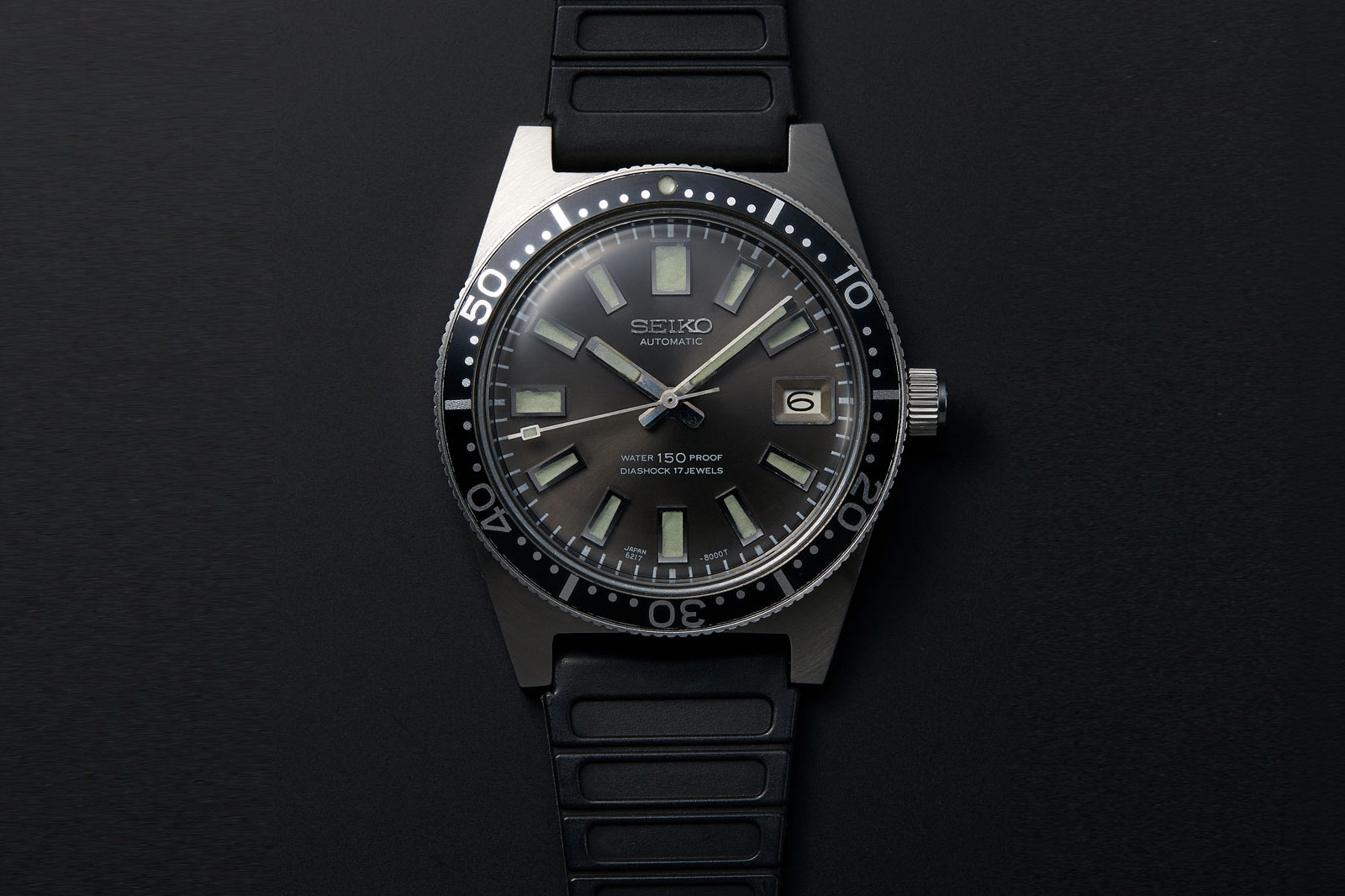
The 1965 62MAS was Seiko’s first dive watch and the point where much of the brand’s diver vocabulary begins.
Its name comes from the 6217A calibre, automatic winding and self-dater function, but its influence is easier to see than to decode.
The watch introduced a tool-led format with large baton markers, a date at 3 o’clock, a slim rotating dive bezel and 150 metres of water resistance.
That was serious equipment for the period, and the 62MAS was robust enough to join the Japanese Antarctic Research Expedition in 1966.
Collectors now value the 62MAS not only as a first, but as the ancestor of a long line of Seiko dive watches that balance utility, legibility and approachable pricing.
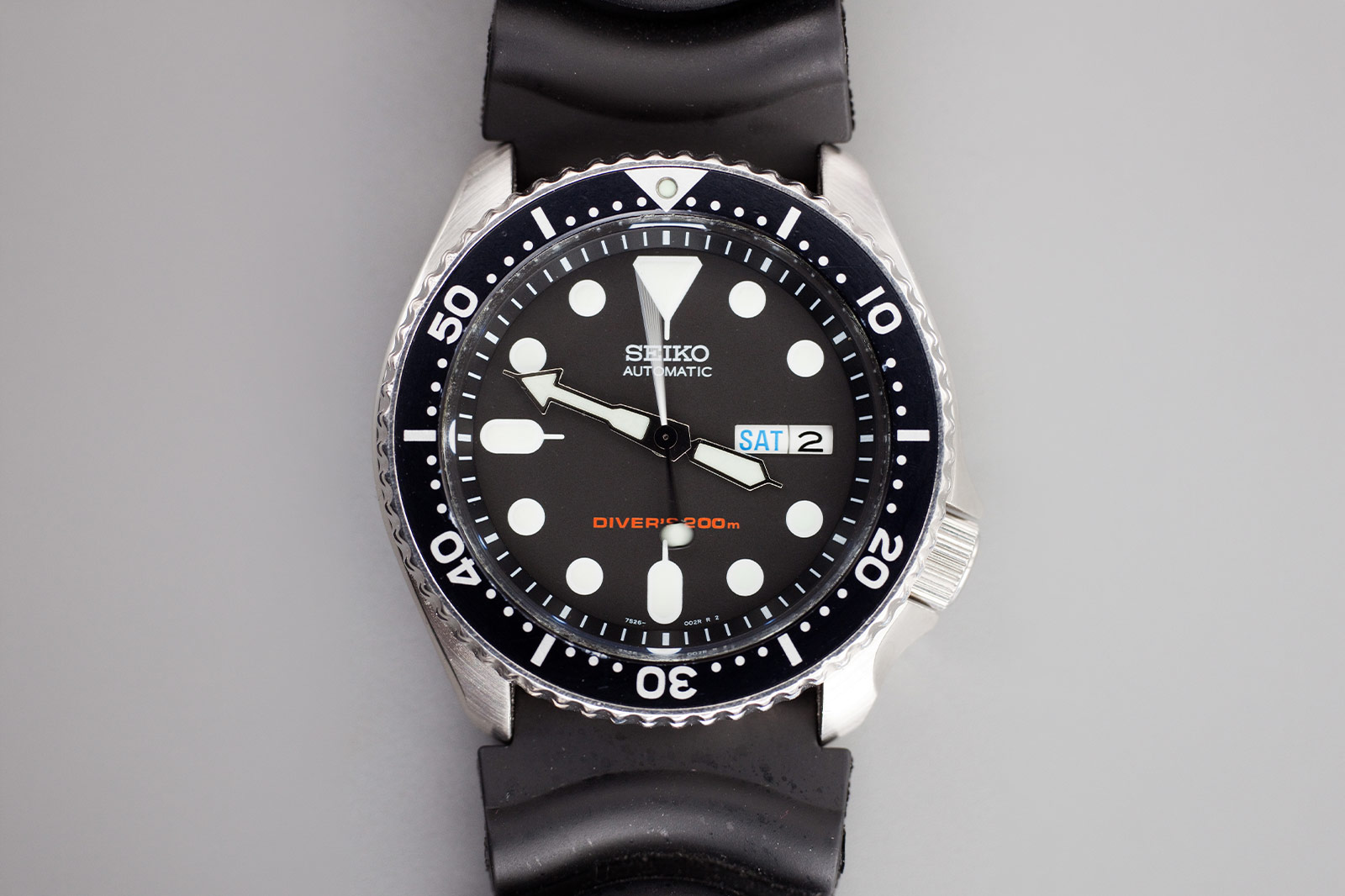
The SKX007 arrived in 1996 with a very different cultural role.
Where the 62MAS opened the door, the SKX007 became the modern Seiko diver many enthusiasts actually wore, modified, travelled with and recommended.
With 200 metres of water resistance and ISO-compliant dive-watch credentials at a launch price around £200, it helped define what a tough everyday mechanical diver could be.

It’s hard to separate the SKX007 from modern Seiko fandom, because for many collectors it was the first serious automatic watch that didn’t ask them to treat it delicately.
The 6139 Pogue showed Japan could lead chronographs
The automatic chronograph race of 1969 is often told through Switzerland, but Seiko’s Calibre 6139 deserves a central place in the conversation.
Released to the Japanese market in May 1969, the 6139 reached production before its best-known Swiss rivals reached stores.

The 6139-6000 series housed a column-wheel and vertical-clutch chronograph movement, a technically sophisticated layout that still reads as serious watchmaking.
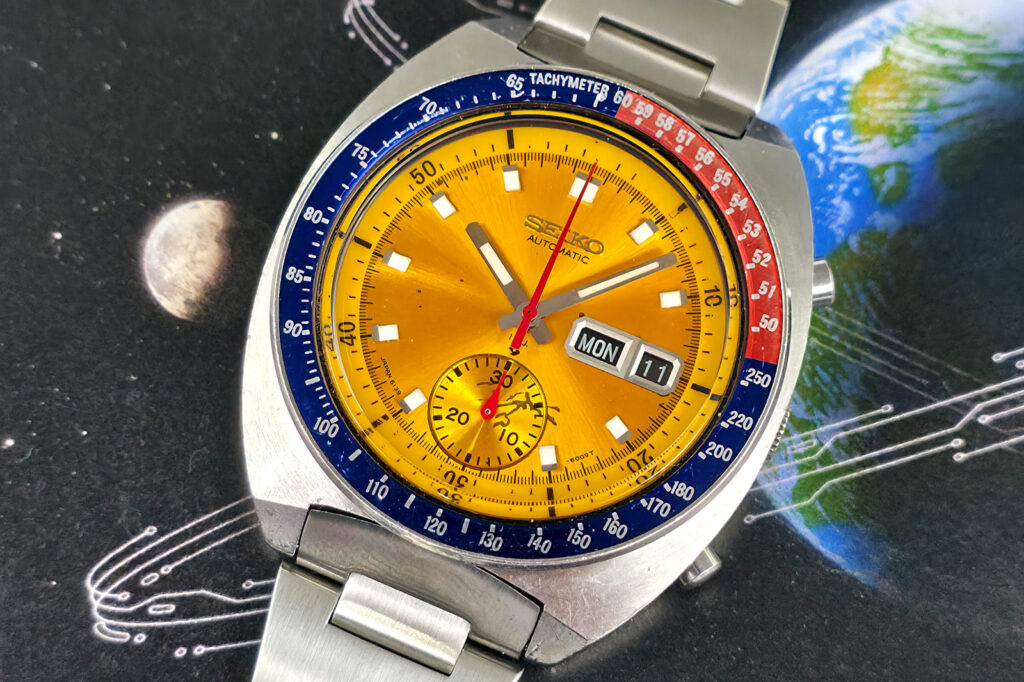
The watch became a legend through Colonel William Pogue, who wore his yellow-dial Seiko 6139-6002 on the 84-day Skylab 4 mission in 1973.
That made the model now known as the Seiko Pogue the first automatic chronograph in space.
Its bright dial, rotating inner bezel and space-flight connection have made it one of the most recognisable vintage Seikos, though clean and correct examples require care because modified pieces are common.
The Quartz Astron brought the future early
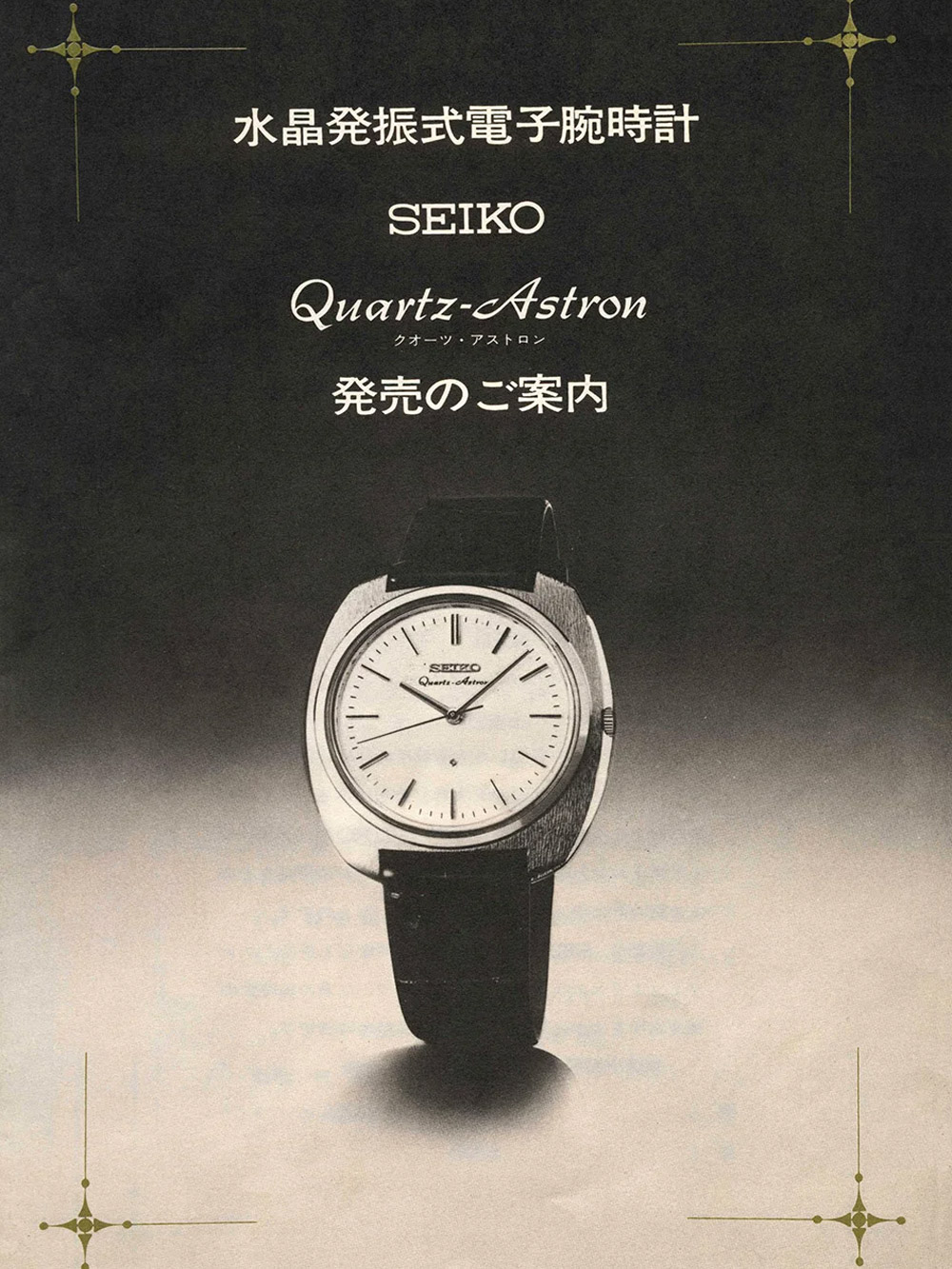
The Quartz Astron of 1969 is Seiko’s most disruptive watch, and arguably its most important full stop.
Unveiled in December of that year, it was the world’s first quartz wristwatch and the product of a decade of development.
Its accuracy was extraordinary for the period, rated at plus or minus five seconds per month, roughly 100 times more accurate than a typical mechanical watch.
It was not a cheap electronic novelty.
The first Quartz Astron was housed in an engraved solid-gold case measuring 36mm wide and 11mm thick, and it was priced at 450,000 yen, roughly the cost of a car at the time.
Its larger significance came from what happened next, as quartz technology spread through the industry and reshaped the economics of watchmaking.
The mechanical watch world would eventually recover, but the Astron marked the moment when precision, scale and electronics changed the balance of power.
Details & Specifications
| Brand | Seiko |
|---|---|
| Laurel | Introduced in 1913 as Japan’s first wristwatch, with a Japanese-made wristwatch movement and enamel dial. |
| 62MAS | Introduced in 1965 as Seiko’s first dive watch, with 150 metres of water resistance and automatic self-dater movement. |
| Seiko Pogue | 6139-6000 series chronograph associated with Colonel William Pogue’s 1973 Skylab 4 mission. |
| Calibre 6139 | Automatic chronograph movement with column wheel and vertical clutch, released to the Japanese market in May 1969. |
| Quartz Astron | Introduced in December 1969 as the world’s first quartz wristwatch, rated to plus or minus five seconds per month. |
| Original Quartz Astron case | Engraved solid gold case measuring 36mm wide and 11mm thick. |
| Original Quartz Astron price | 450,000 yen at launch. |
| SKX007 | Introduced in 1996 as a 200-metre, ISO-compliant dive watch with a launch price around £200. |
What links these watches is not a single design language or price point, but a habit of arriving at the right moment with the right idea.
That is why Seiko’s best historical pieces still feel relevant, whether they changed an industry, went into orbit or simply proved that a proper dive watch could be rugged, mechanical and genuinely accessible.