Ceramic has always had a slightly unfair reputation in watchmaking.
It’s tough, smooth against the skin and remarkably resistant to scratches, yet it has long been treated as a material reserved for expensive watches.
That gap is beginning to close, with a growing number of brands offering ceramic cases, bezels and bracelets at prices that feel far more realistic for daily wear.

For 2026, these are five ceramic watches that stand out for their design, engineering and value.
At a glance
- Five ceramic watches show how the material is becoming more accessible in 2026.
- The selection ranges from full-ceramic automatics to titanium-reinforced cases and COSC-certified chronometers.
- Prices start at £851 and rise to around £3,000-plus for the most established luxury option.
Why ceramic has become the smart everyday choice
Ceramic’s appeal isn’t just visual, even if its crisp black, white and coloured finishes are a major part of the draw.
In watchmaking, zirconia ceramic is formed under enormous pressure and fired at extreme temperature, creating a material that is highly scratch resistant, hypoallergenic and stable in colour.

That makes it especially useful for watches that are worn often, particularly by anyone who dislikes the small scuffs that quickly appear on steel cases and bracelets.
The trade-off has traditionally been price, along with the fact that ceramic can be more brittle than metal if hit hard in the wrong place.
The most interesting watches in this group don’t simply use ceramic for surface appeal; they show different ways of making the material more practical, more wearable and more attainable.
Earthen Co. Summit Nightfall and Moonglow
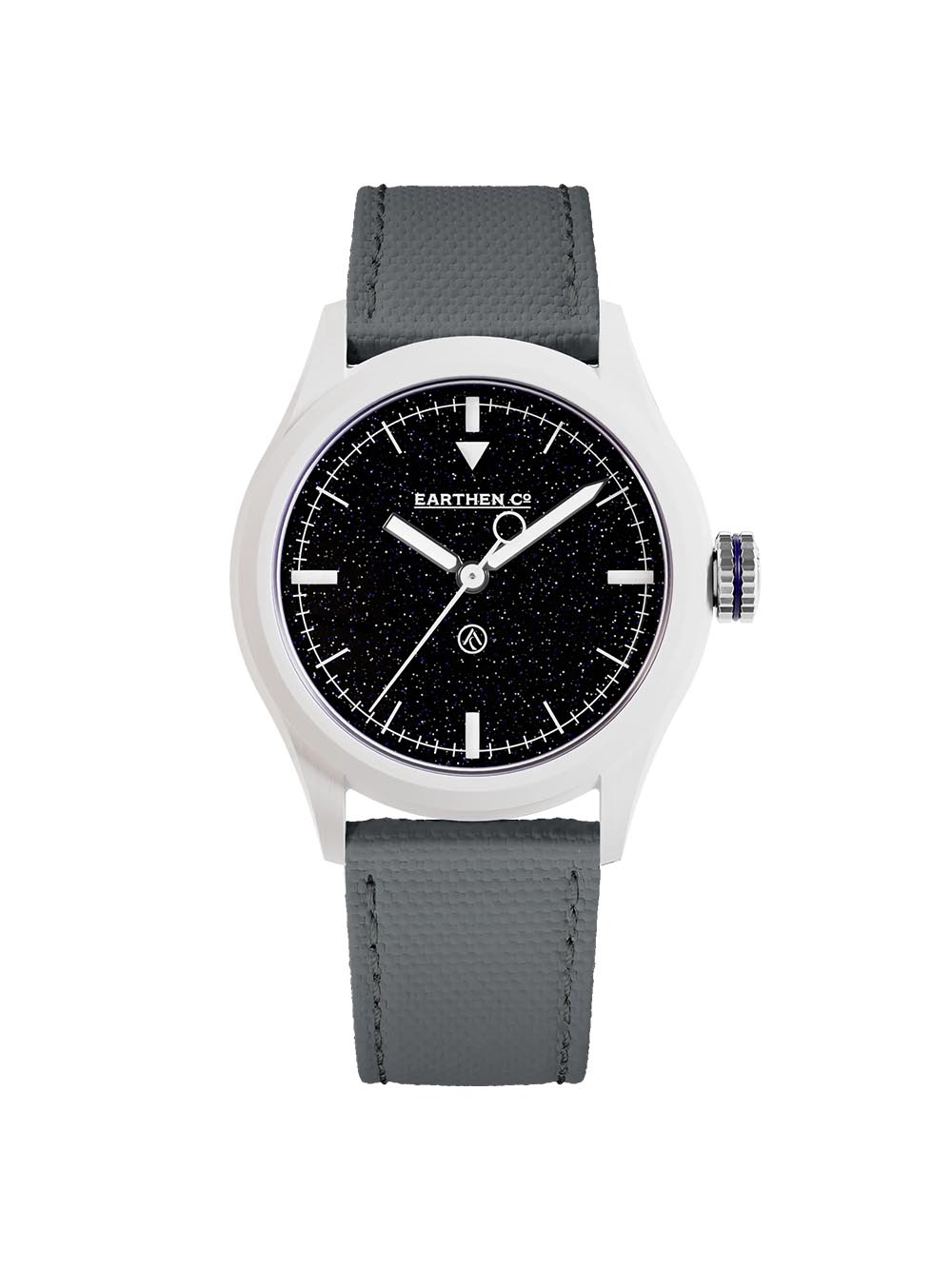
Earthen Co. makes the strongest case here for ceramic as an affordable daily material rather than a luxury flex.
The Summit Nightfall and Moonglow use a 38mm full-ceramic case and pair it with aventurine-glass dials, giving the watches a level of visual depth that’s uncommon at this price.
Nightfall comes in black ceramic, while Moonglow takes the opposite route with a white ceramic case.
Both use clean, numeral-free dials, which keeps attention on the glass and the sharpness of the case material.
Inside is the Miyota 9039 automatic movement, a slim no-date calibre that suits the minimal layout.
At £851, this is the most accessible watch in the selection and the one that most clearly challenges the idea that full ceramic has to cost several thousand pounds.
echo/neutra Averau 42 Ceramic
The echo/neutra Averau 42 Ceramic is the most technically thoughtful watch in the group.
Rather than relying on a conventional ceramic case, echo/neutra uses a Grade 2 titanium inner frame called TiFrame, wrapped in a matte black ceramic shell.
That titanium structure extends into the lugs, which matters because lugs are among the most vulnerable areas on a ceramic case.

It’s a clever answer to ceramic’s main weakness, using titanium to add resilience where the material needs it most.
The three-hand automatic version runs on the Sellita SW200-1 Elaboré and is priced from £885.
There is also a chronograph version using the Sellita SW510B, with a 56-hour power reserve and a price of £1,800.
For buyers who want ceramic but worry about impact resistance, this is the one that feels engineered rather than merely styled.
Three higher-end ceramic options with serious finishing
Formex pushes the value proposition upward with the Essence Ceramica, a 41mm full zirconium-oxide ceramic watch with a matching ceramic bracelet.
The case uses the brand’s patented Case Suspension System, with four springs placed between case layers to absorb shocks and improve wrist comfort.
That’s especially relevant with ceramic, which can sometimes feel rigid compared with steel or titanium.
The current closed-dial versions include red, brown, white and Gamaret blue, moving the model beyond its earlier skeleton format.
Inside is the Soprod Newton P092, individually certified as a COSC chronometer to ISO 3159, with each watch supplied with its own certificate and engraved number.
At £2,600, the Formex is no impulse buy, but it brings genuine chronometer credentials and full-ceramic execution at a level that still undercuts many bigger-name alternatives.
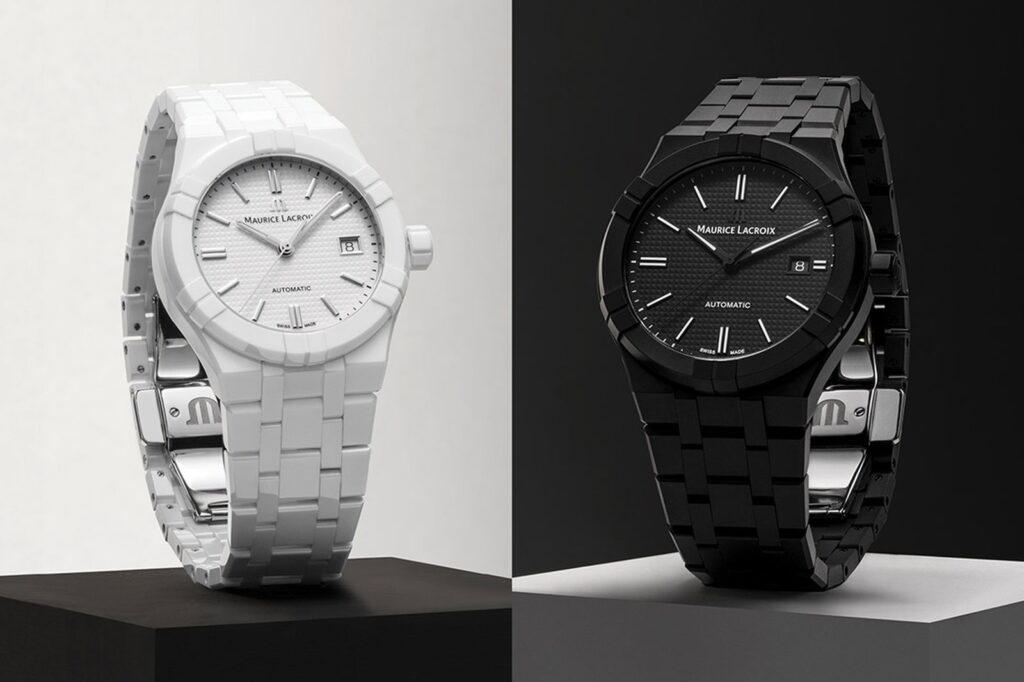
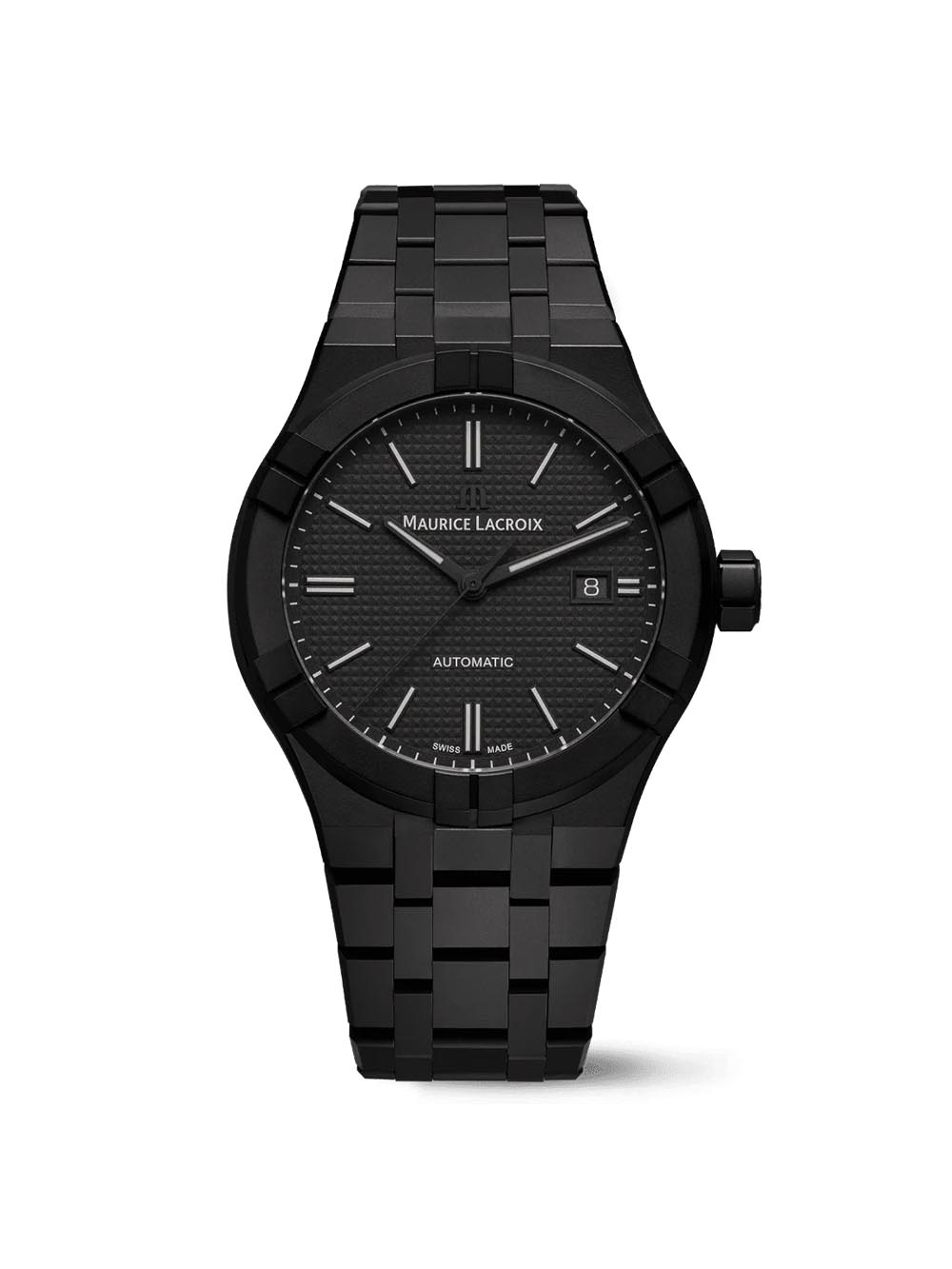
Maurice Lacroix takes a more architectural approach with the Aikon Automatic Ceramic.
The watch uses what the brand calls technical ceramic, a zirconium oxide compound doped with hafnium, yttrium and aluminium oxides.
The standout detail is the Aikon’s faceted bezel, with six raised claws that are difficult to execute cleanly in ceramic.
It’s offered in a 42mm sandblasted matte black version and a 39mm polished white version, both with integrated ceramic bracelets and a Clous de Paris dial.
The ML115 automatic movement provides a 38-hour power reserve, while pricing is 2,990 CHF, approximately £2,800.
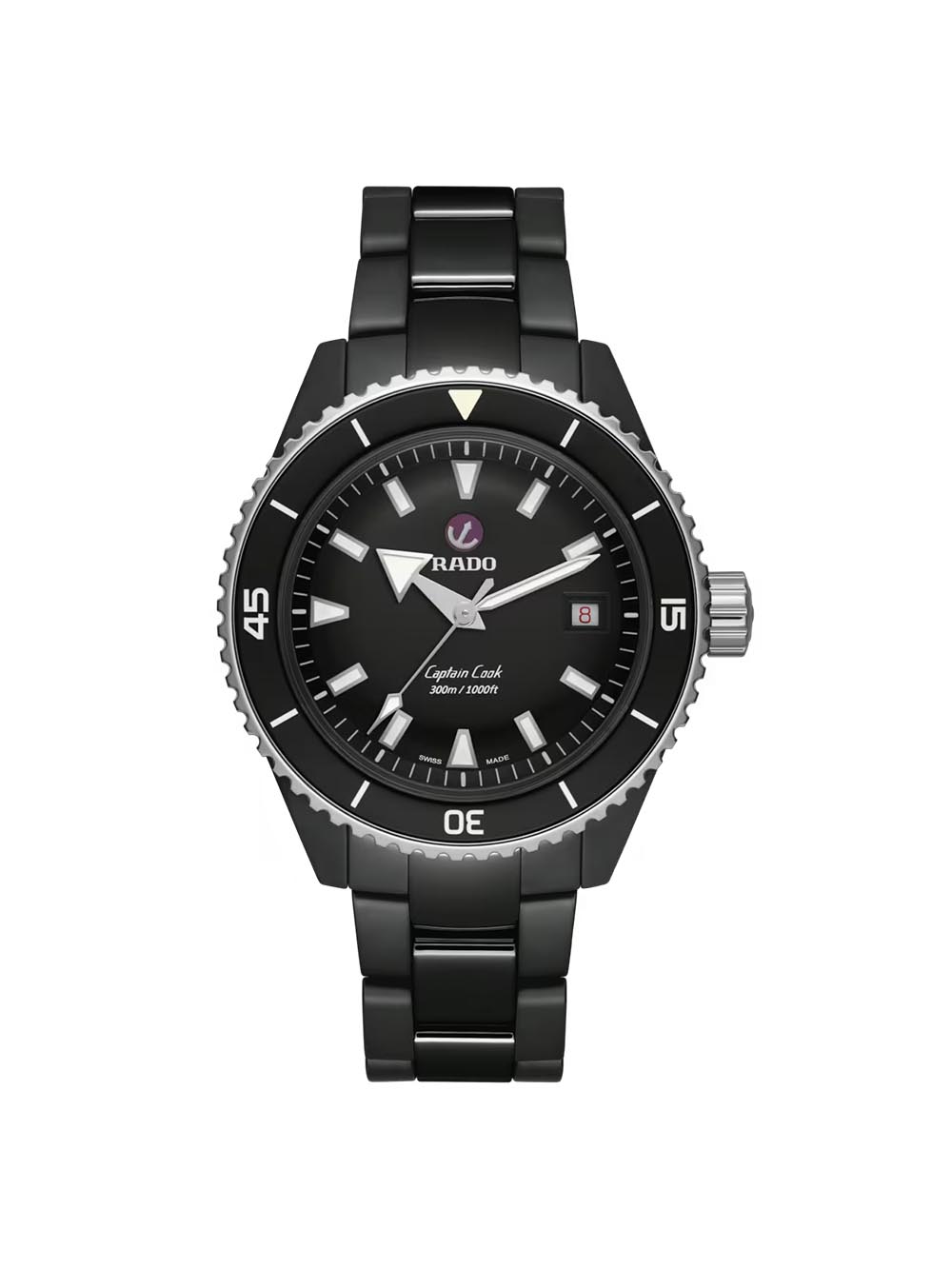
Rado occupies the top end of this list with the Captain Cook High-Tech Ceramic.
The brand’s long relationship with scratch-resistant watchmaking gives the model extra weight, particularly given the 1962 DiaStar’s place in the history of hard-wearing watches.
The Captain Cook High-Tech Ceramic combines a vintage-influenced dive-watch shape with a lightweight ceramic case and bracelet.
The range includes skeletonised versions, multiple colours and ceramic diver variants, making it one of the most established ceramic sports-watch families at this end of the market.
With prices around £3,000-plus, it sits at the luxury edge of an affordable ceramic shortlist, but it remains an important benchmark for the category.
Details & Specifications
| Earthen Co. Summit Nightfall and Moonglow | 38mm full-ceramic automatic with aventurine-glass dial, Miyota 9039 movement and £851 price |
|---|---|
| echo/neutra Averau 42 Ceramic | Matte black ceramic case with Grade 2 titanium TiFrame, Sellita SW200-1 Elaboré automatic, from £885 |
| echo/neutra Averau 42 Ceramic Chronograph | Ceramic and titanium construction, Sellita SW510B chronograph movement, 56-hour power reserve and £1,800 price |
| Formex Essence Ceramica | 41mm full zirconium-oxide ceramic case and bracelet, COSC-certified Soprod Newton P092, £2,600 price |
| Maurice Lacroix Aikon Automatic Ceramic | 39mm polished white or 42mm matte black technical ceramic case with integrated bracelet, ML115 automatic movement, 38-hour power reserve and 2,990 CHF price |
| Rado Captain Cook High-Tech Ceramic | High-Tech Ceramic dive watch with ceramic case and bracelet, available in multiple variants, around £3,000-plus |
The best affordable ceramic watch depends on what you value most.
Earthen Co. offers the cleanest entry point, echo/neutra brings the smartest case engineering, Formex adds chronometer credibility, Maurice Lacroix delivers the most intricate ceramic finishing and Rado remains the established name to beat.
Taken together, they show that ceramic is no longer an exotic material reserved for watches kept carefully in a box; it’s becoming one of the most practical choices for a modern everyday watch.