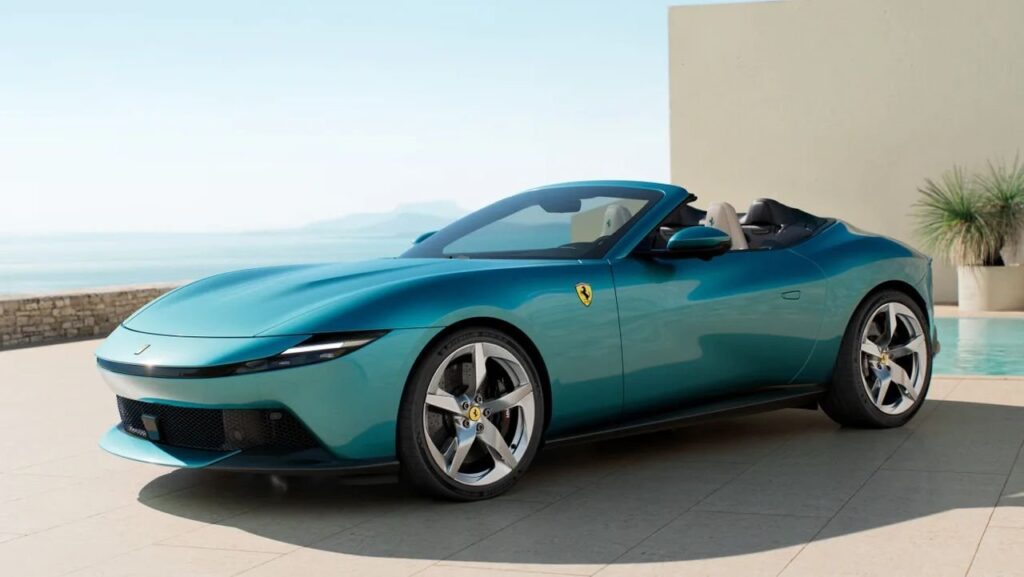
Ferrari is happy to evolve, but it isn’t preparing to hand the steering wheel to software.
CEO Benedetto Vigna has made the brand’s position clear, saying Ferrari will not move into fully autonomous cars because the driver remains central to the company’s identity.
It’s a notable stance at a time when automation has become one of the auto industry’s dominant talking points, and it says plenty about how Ferrari sees its future.

At a glance
- Ferrari CEO Benedetto Vigna says the brand will not build fully autonomous cars.
- The company’s focus remains on driver involvement, with every Ferrari keeping a steering wheel and a driver in control.
- The position comes as Ferrari broadens its range across internal combustion, hybrid and electric models.
Ferrari’s driver-first line in the sand
Vigna’s message is unusually direct for an industry often fluent in careful ambiguity.
“We will not make fully autonomous cars – loud and clear. We want people to have fun, not the chips,” he said, dismissing the idea of Ferrari entering Level 3+ autonomy.
That doesn’t mean Ferrari is ignoring technology.
It means the brand is separating useful innovation from the kind of automation that changes the relationship between driver and machine.
For Ferrari, the steering wheel is not merely an interface.
It is a statement of intent, a reminder that the car exists to be driven rather than supervised.
Vigna put the point simply when he asked, “Otherwise, why do you buy a Ferrari?”
Autonomy is a difficult fit for Maranello
Level 3 and higher autonomy may suit the logic of commuting, fleet vehicles and long-distance fatigue reduction, but Ferrari occupies a different part of the automotive map.
A Ferrari purchase is rarely about reducing effort.
It’s about sensation, response, control and the feeling that the car is actively involving its driver in every decision.
That is why the company’s refusal to chase full autonomy feels less like resistance to progress and more like a defence of purpose.
Ferrari’s challenge is to keep adopting modern systems without making the driver feel optional.
In that sense, the stance is also a brand protection exercise.
The Prancing Horse can modernise its powertrains, software and interfaces, but it can’t easily surrender the act of driving without blurring the reason people are drawn to it in the first place.
Electrification without replacing the old formula
The comments arrive as Ferrari expands its technical range beyond traditional combustion models.
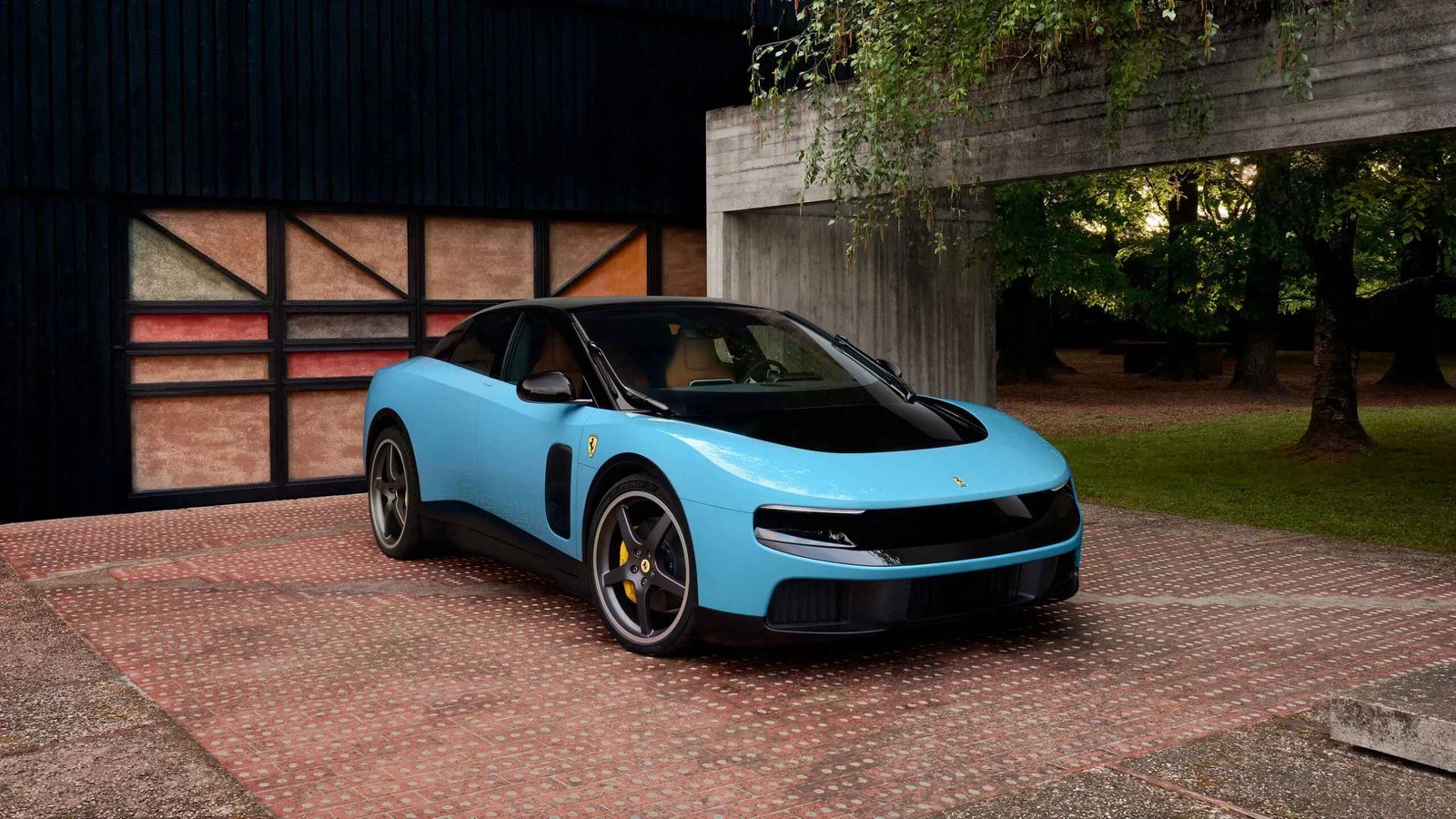
The unveiling of the Ferrari Luce, described as the company’s first all-electric model, has already stirred debate among purists who see battery power as a major philosophical shift for Maranello.
Vigna frames that shift as added choice rather than a replacement for the brand’s established character.
“We have IC, we have the hybrid, and we have the electric. Full stop. Then the client can pick up whatever they want,” he said.
That line matters because it separates electrification from automation.
Ferrari appears willing to broaden how its cars are powered, while keeping the human role inside the car non-negotiable.
For buyers, that means the future Ferrari showroom may become more diverse in propulsion, but not in the basic promise of involvement.
What this means for future Ferrari buyers
The clearest message for customers is that Ferrari doesn’t see autonomy as a luxury feature it must inevitably adopt.
Its definition of desirability still rests on participation.
That will likely appeal to collectors and drivers who worry that performance cars are becoming too filtered, too automated and too detached from the person behind the wheel.
It also gives Ferrari a useful point of difference as rivals and mainstream luxury brands continue to build more advanced driver-assistance capability into their products.
The company’s future will still involve difficult balancing acts, especially as electric vehicles change weight, sound and power delivery.
But on one question, Ferrari has left little room for interpretation.
Its cars may change shape, sound and powertrain over time, but they will still be built around someone who wants to drive.