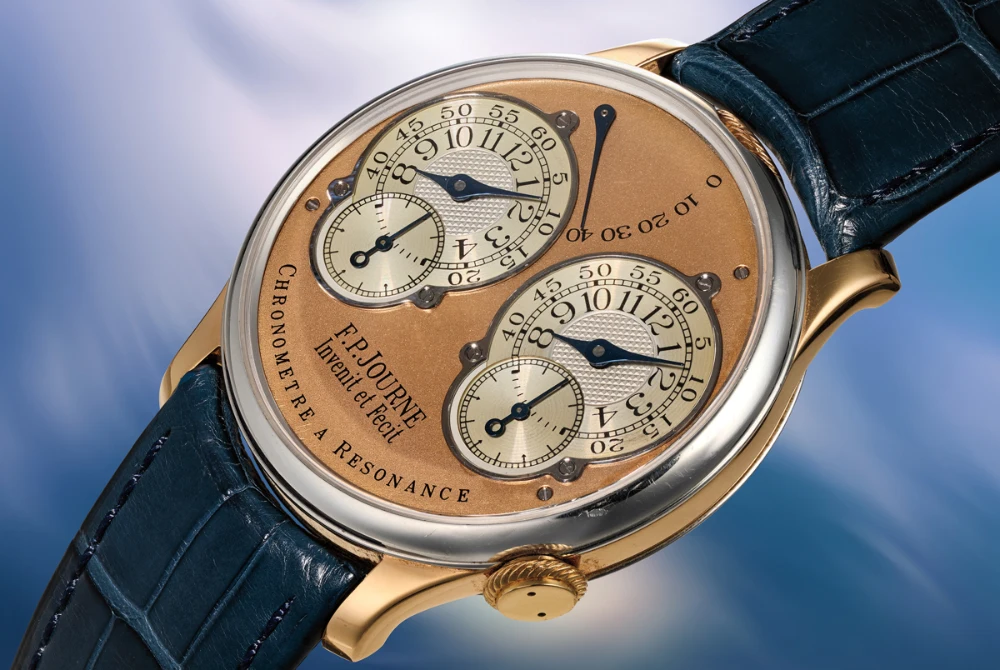
The F.P.Journe Chronomètre À Résonance Souscription No.7 has just delivered one of the most striking auction moments in contemporary independent watchmaking.
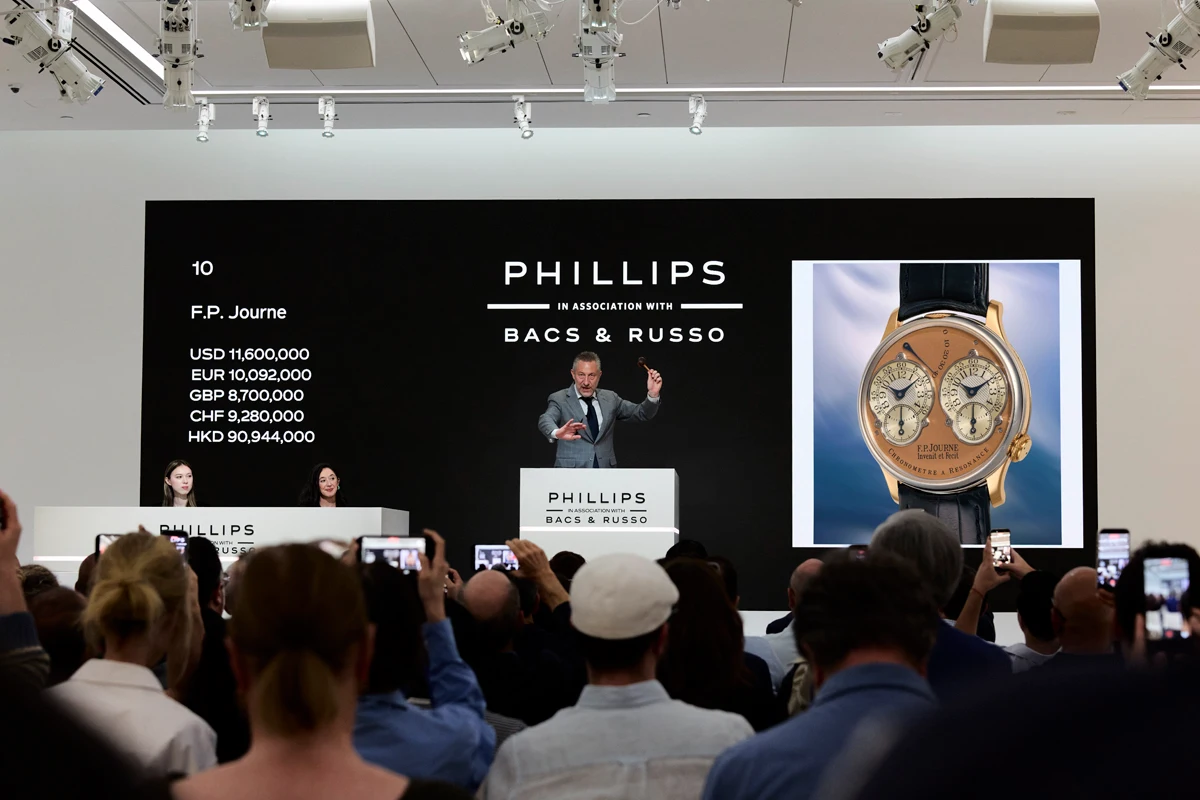
At Phillips in New York, the watch sold for $13,922,000, a figure that instantly places it among the most closely watched F.P.Journe results to date.
But the number is only part of the fascination, because this watch sits within a much older story about precision, physics and the strange elegance of two timekeepers influencing one another.
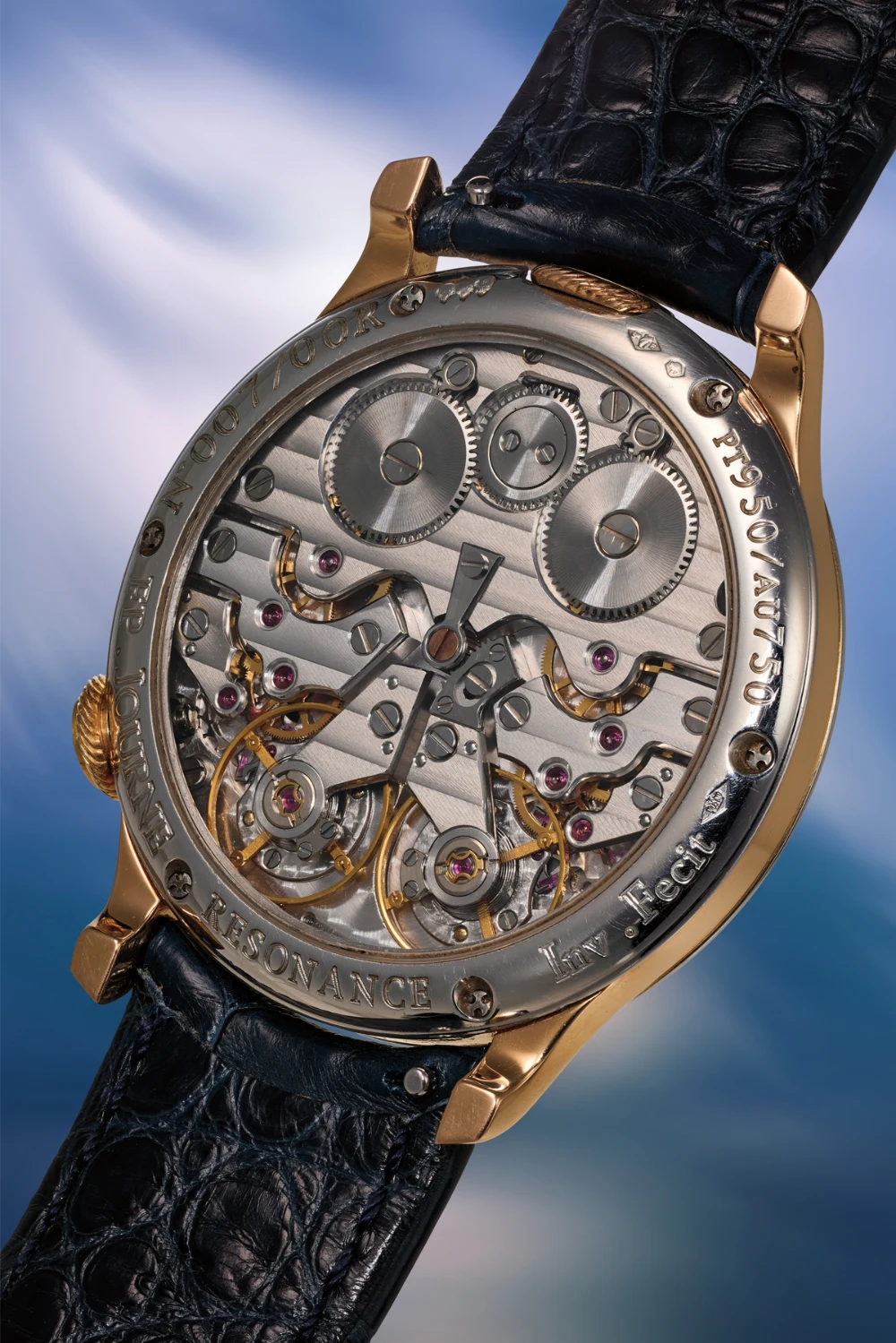
At a glance
- The F.P.Journe Chronomètre À Résonance Souscription No.7 sold at Phillips in New York for $13,922,000.
- The watch is tied to the horological principle of resonance, where two oscillators can interact and settle into a shared rhythm.
- Its appeal reaches beyond rarity, connecting modern F.P.Journe collecting with a scientific idea explored by Huygens, Janvier and Breguet.
A modern Journe with centuries behind it
The Chronomètre À Résonance is not compelling merely because it is difficult to obtain or because the name F.P.Journe carries weight among collectors.
Its power comes from the fact that resonance is one of watchmaking’s most intellectually attractive ideas.
In simple terms, resonance describes the behaviour of two oscillating bodies that begin to act in sympathy when placed close enough for tiny vibrations to pass between them.
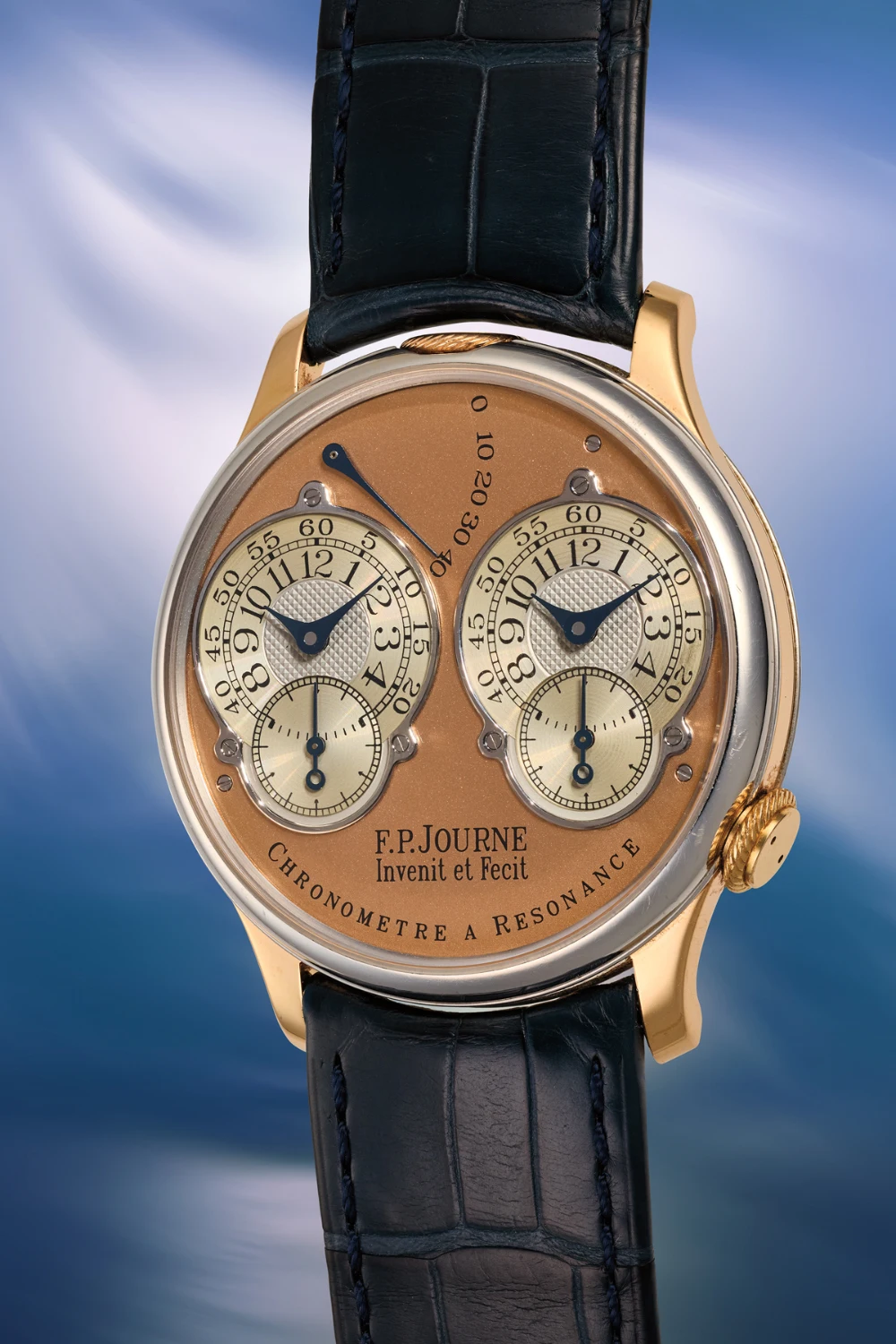
For a watchmaker, that concept is irresistible because it touches the central problem of mechanical timekeeping, which is how to stabilise rate and protect precision from disturbance.
The Souscription No.7 designation gives this particular watch a sharply defined place within F.P.Journe’s early collector mythology.
In a market that increasingly rewards watches with a clear identity, that kind of specificity matters.
Huygens and the first glimpse of sympathetic motion
The story reaches back to Christiaan Huygens, the Dutch astronomer, mathematician and physicist born in The Hague in 1629.
Huygens is central to horological history because of his 1656 invention of the pendulum clock, a breakthrough that transformed precision timekeeping in its era.
His work with the pendulum revolved around isochronism, the principle that a pendulum’s period of oscillation can remain constant under the right conditions.

That regularity made the pendulum an extraordinary regulator for a clock, especially when paired with the escapement technology of the period.
In 1665, Huygens noticed something stranger while observing two pendulum clocks hanging from the same beam.
However they began, the pendulums gradually moved in opposition with matching rhythm and amplitude.

Huygens understood that tiny vibrations passing through the shared support were causing the clocks to communicate mechanically.
He had identified resonance, even if he did not go on to build a dedicated resonance clock or watch.
Janvier and Breguet turn the idea into horology
Antide Janvier was the first great clockmaker to turn this phenomenon into a purposeful mechanical object.

Born near Saint-Claude in eastern France in 1751, Janvier showed his technical gifts early and was already working on a planetary clockwork model as a teenager.
Around 1780, he created a double pendulum clock that exploited resonance by placing two pendulums and two escapements in the same case.
The pendulums were positioned close together so that each could influence the other, eventually settling into the same frequency and amplitude while moving in opposite directions.

Janvier made three double pendulum regulators.
They are held by the Musée Paul-Dupuy in Toulouse, the Patek Philippe Museum in Geneva and Montres Journe.
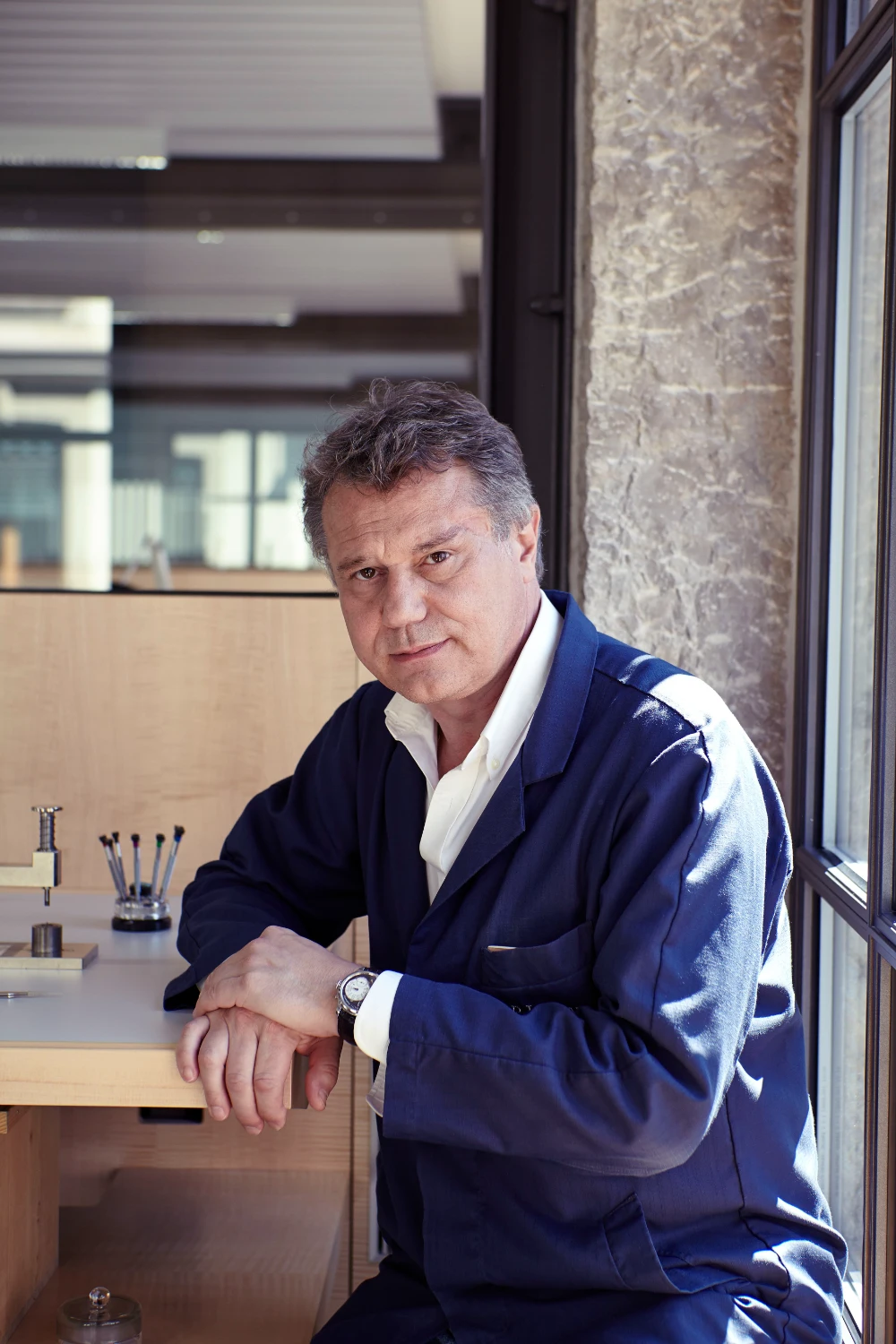
François-Paul Journe acquired the Montres Journe example at Antiquorum in Geneva in autumn 2001 for CHF 1,488,500, and it is now displayed in the Janvier Room at the manufacture in Geneva.
Abraham-Louis Breguet also pursued the resonance problem with characteristic ambition.
Born in Neuchâtel in 1747, Breguet built a career defined by scientific curiosity, commercial instinct and a series of inventions that shaped watchmaking well beyond his lifetime.
His work included the gong-spring, the pare-chute shock absorber, the Breguet balance spring, the sympathique clock and the tourbillon.
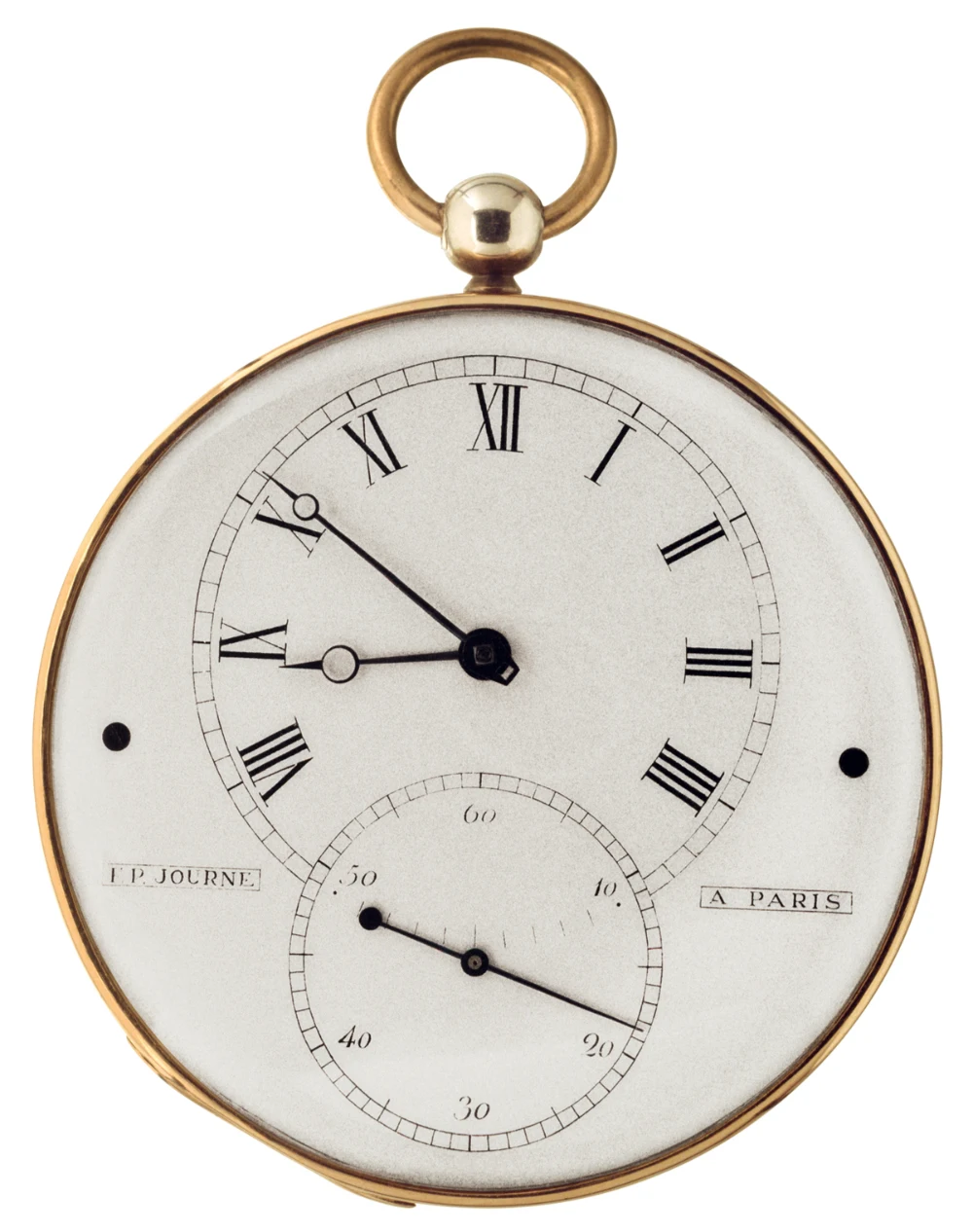
Breguet made three double pendulum clocks, two of which survive today.
No. 3177, made for Louis XVIII, is housed at the Musée des Arts et Métiers in Paris, while No. 3671, sold to King George IV, is kept within the Royal Collection at Buckingham Palace.
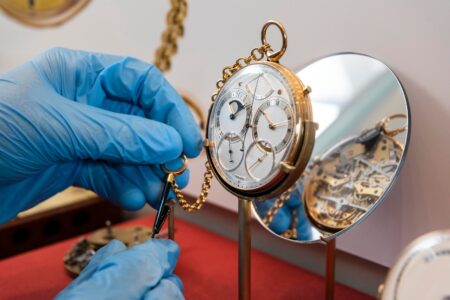
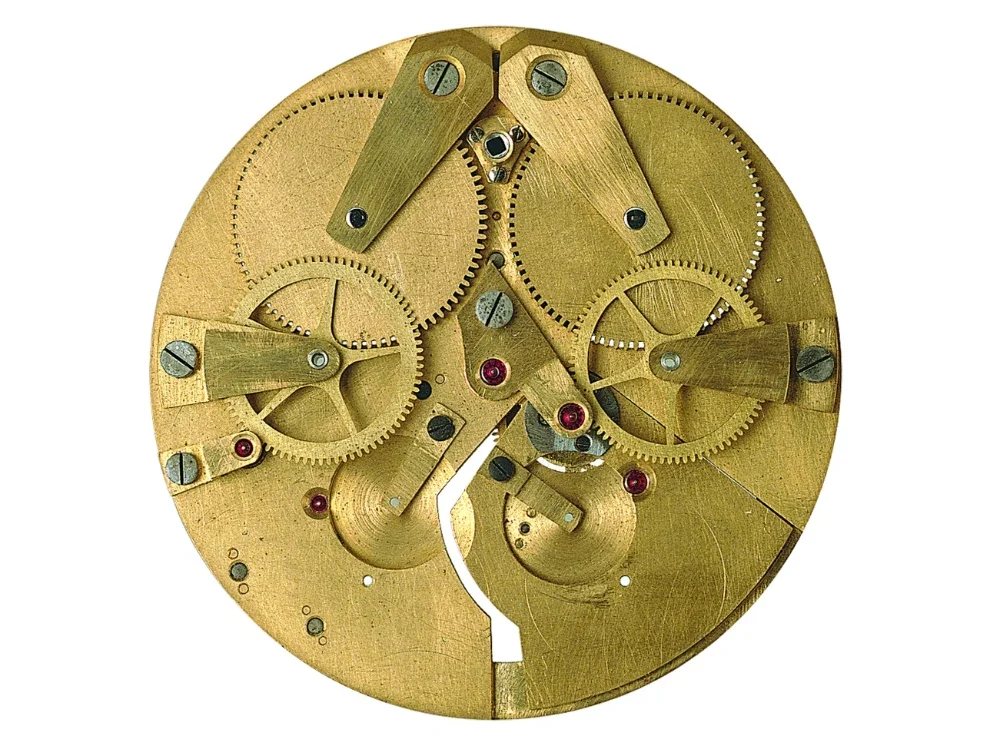
He also pursued the more difficult task of adapting the double-regulator idea for a pocket watch, bringing resonance from architectural clockmaking toward portable horology.

The collector appeal of Souscription No.7
The F.P.Journe Chronomètre À Résonance Souscription No.7 matters because it compresses that lineage into a contemporary independent wristwatch.
It is not simply a rare object with a notable auction result, but a watch that carries a serious mechanical idea in its name and purpose.
For collectors, that distinction is important.
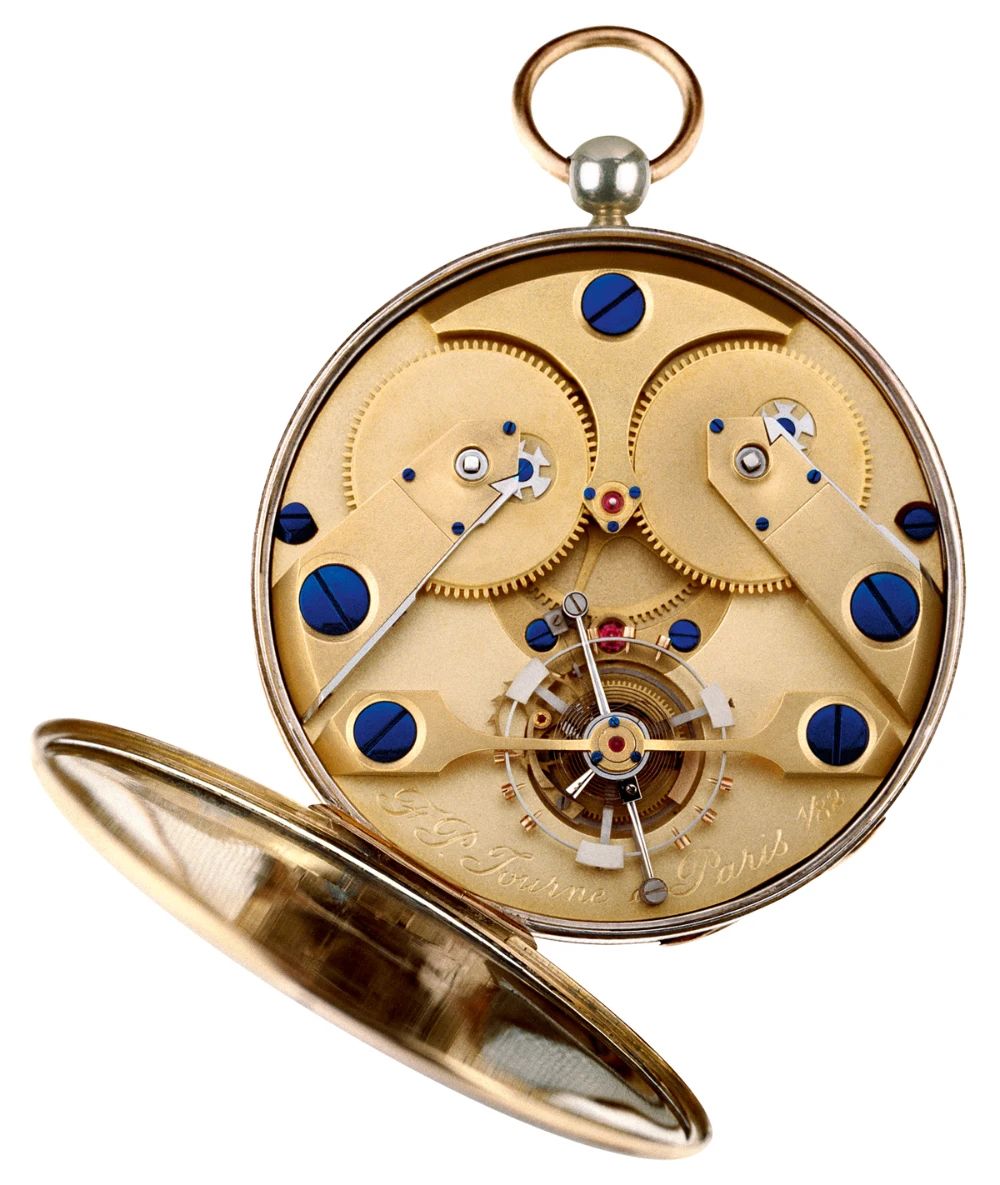
Independent watchmaking is often discussed through scarcity, waiting lists and market movement, yet the strongest pieces also have intellectual weight.
This Journe has that weight because resonance is not decoration, branding or an invented complication for its own sake.
It is a centuries-old horological question made wearable.
Details & Specifications
| Brand | F.P.Journe |
|---|---|
| Model | Chronomètre À Résonance Souscription No.7 |
| Horological concept | Resonance |
| Auction house | Phillips |
| Sale location | New York |
| Result | $13,922,000 |
The $13,922,000 result will bring obvious attention, but the more enduring interest lies in what the watch represents.
F.P.Journe’s Souscription No.7 stands at the meeting point of scientific observation, historical clockmaking and modern independent collecting, which is exactly where the most memorable watches tend to live.