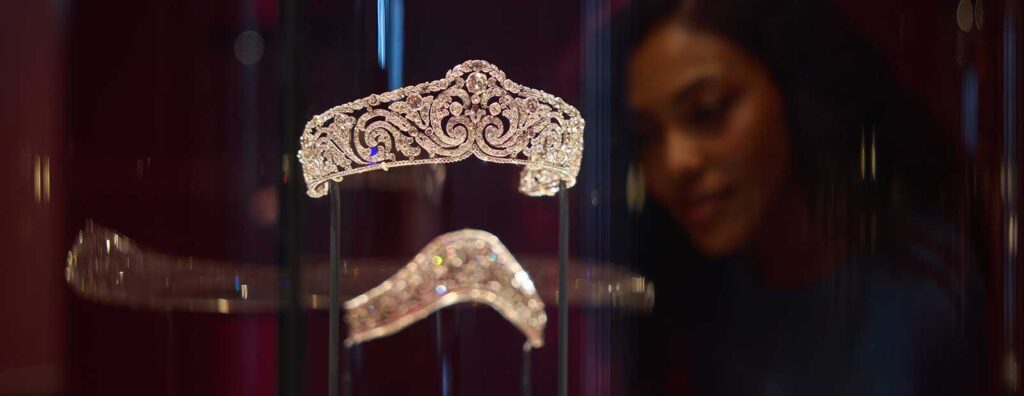
Cartier has landed in Melbourne on a scale Australia hasn’t seen before.
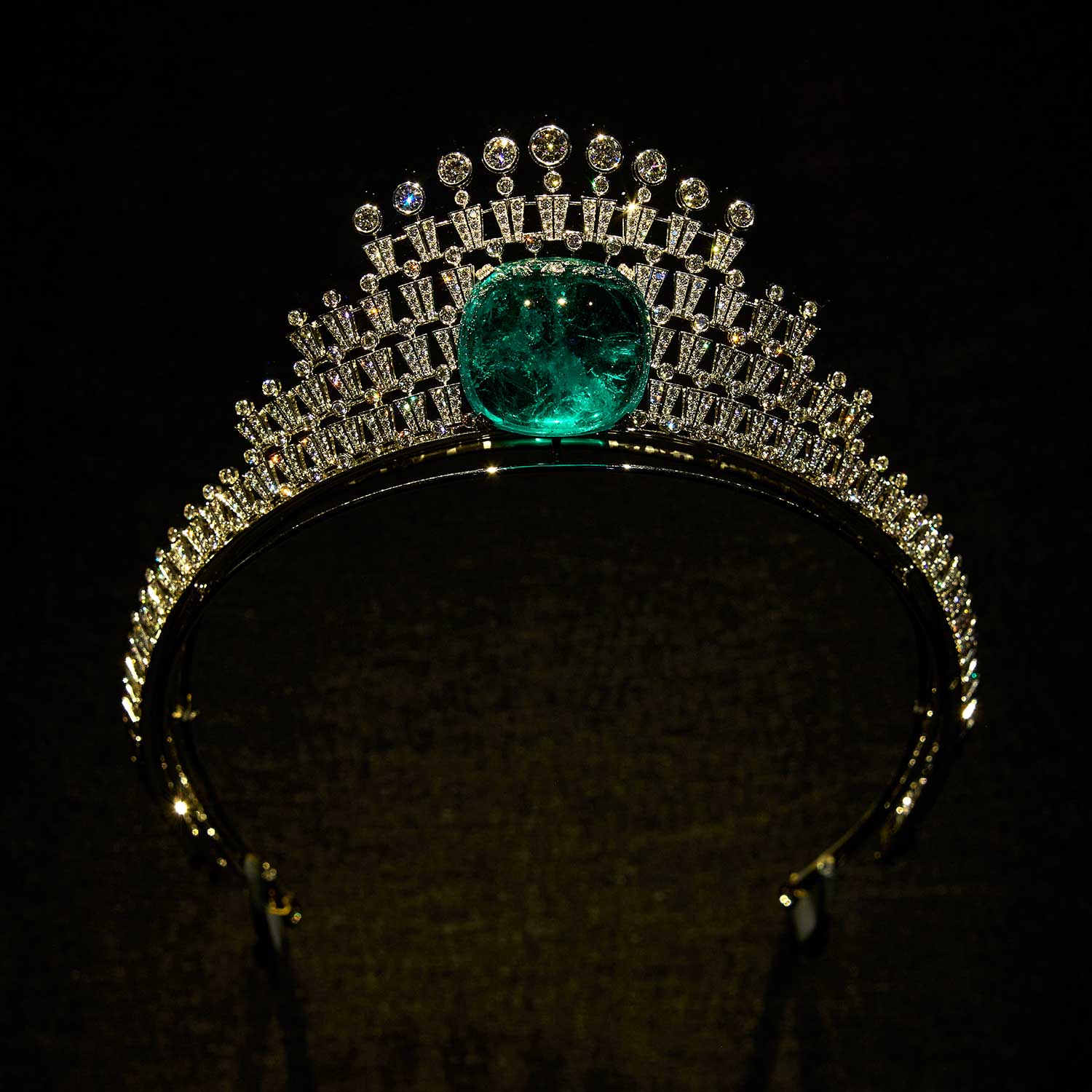
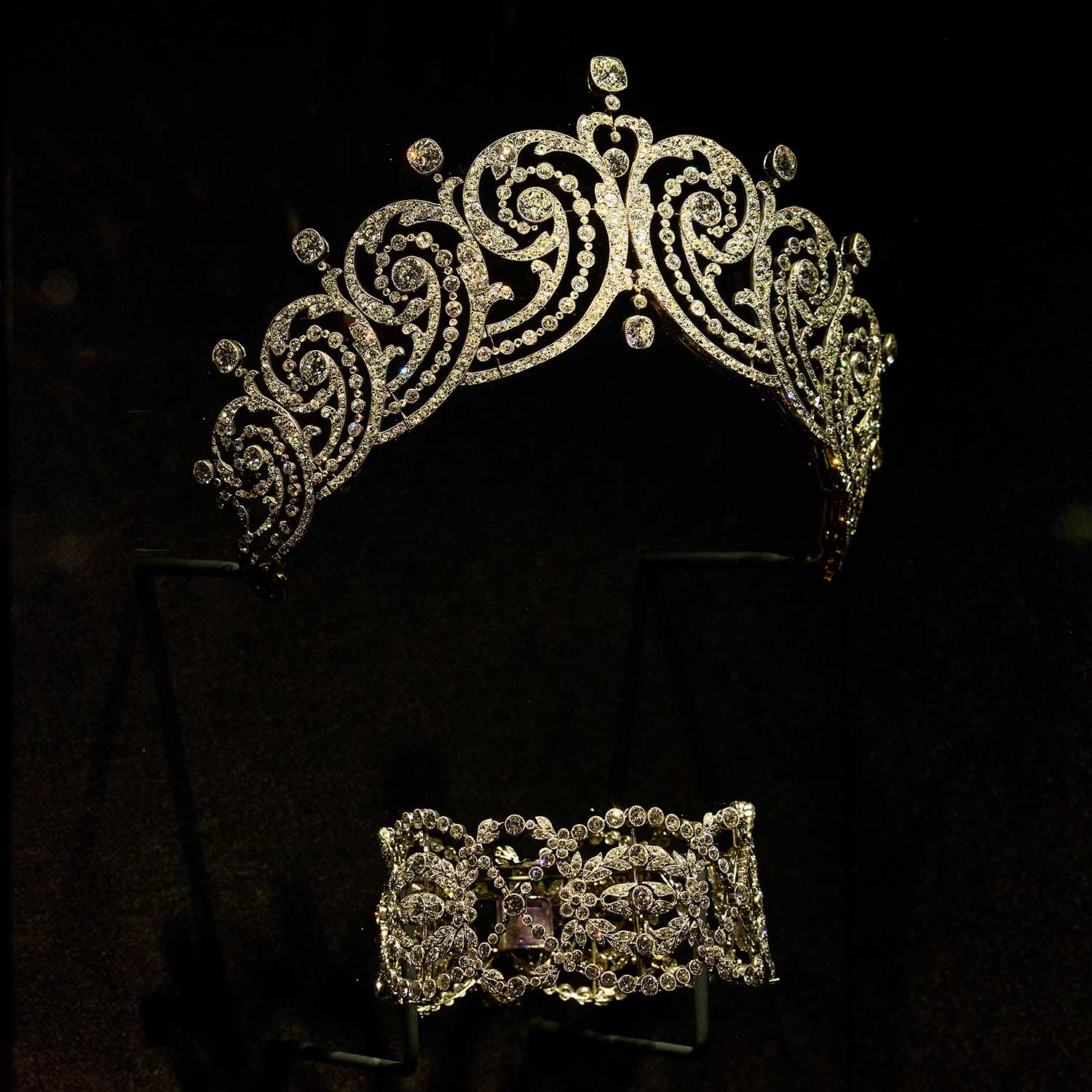
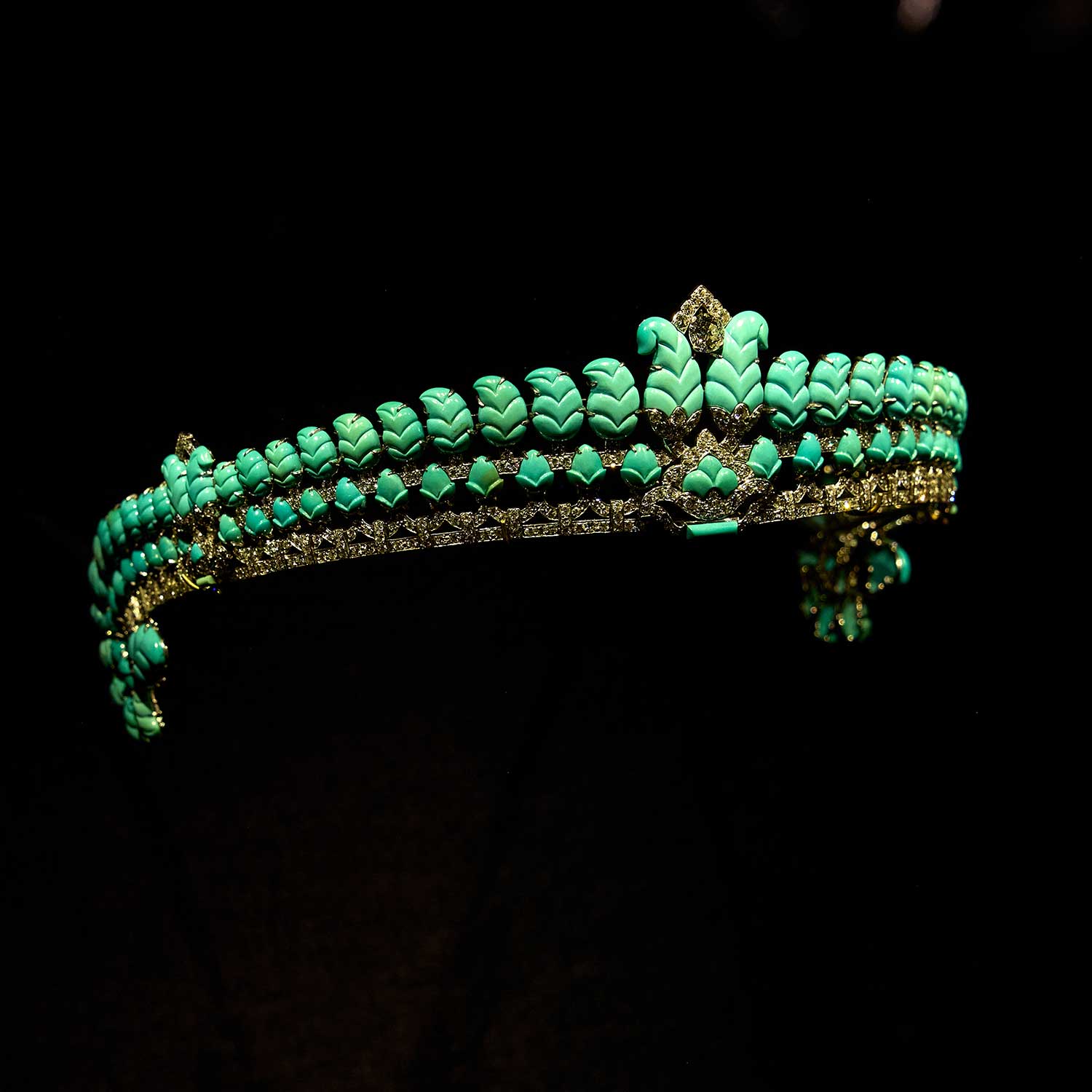
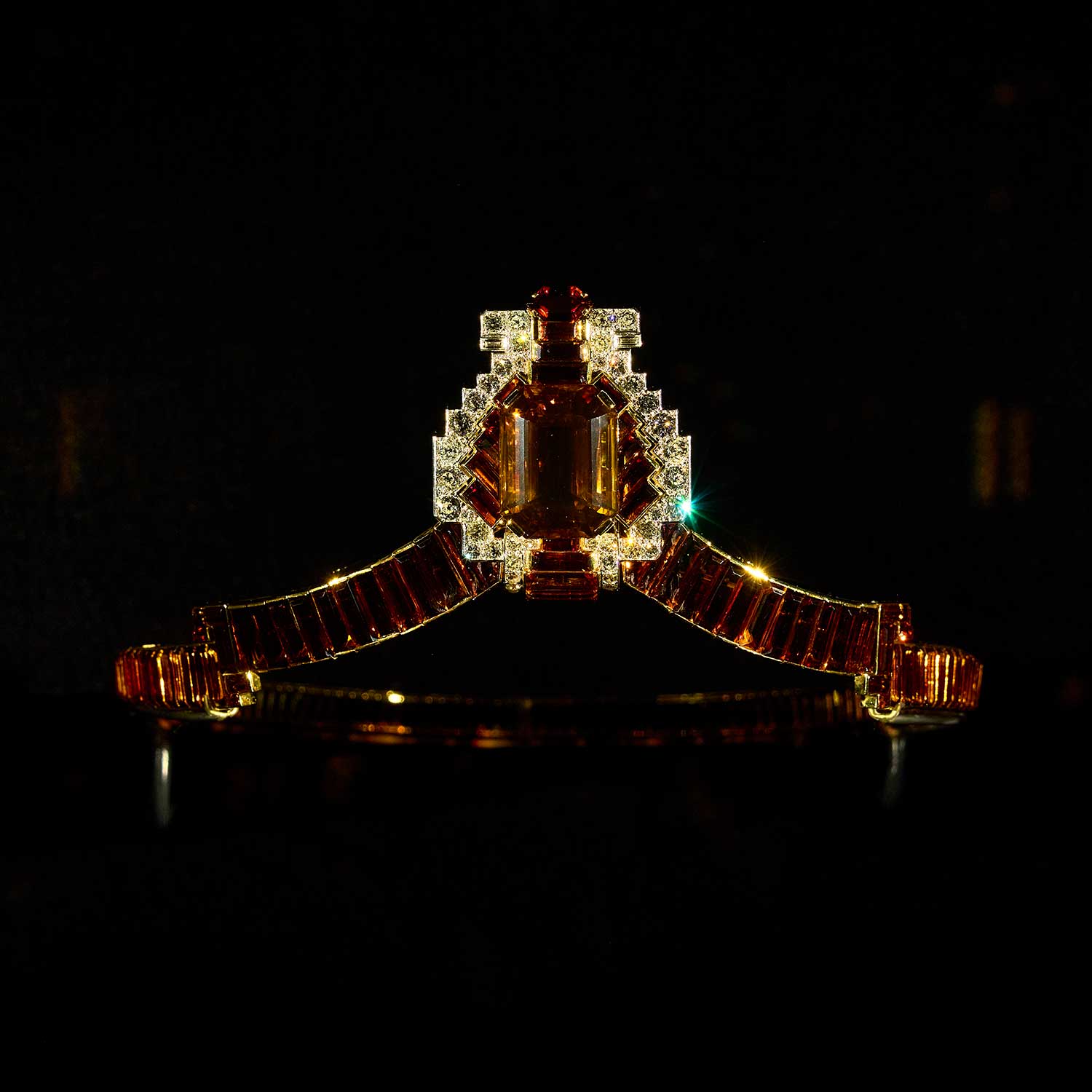
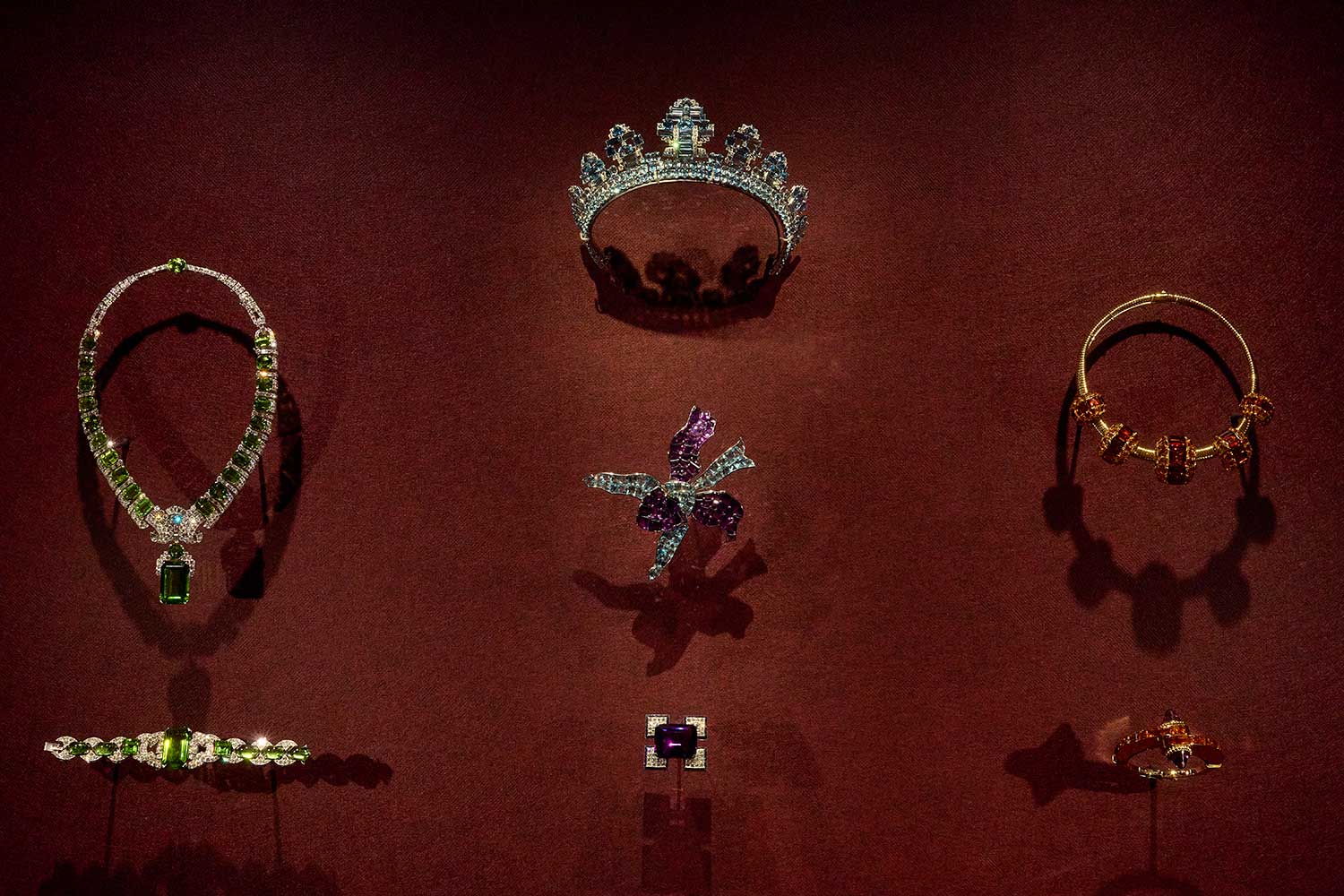
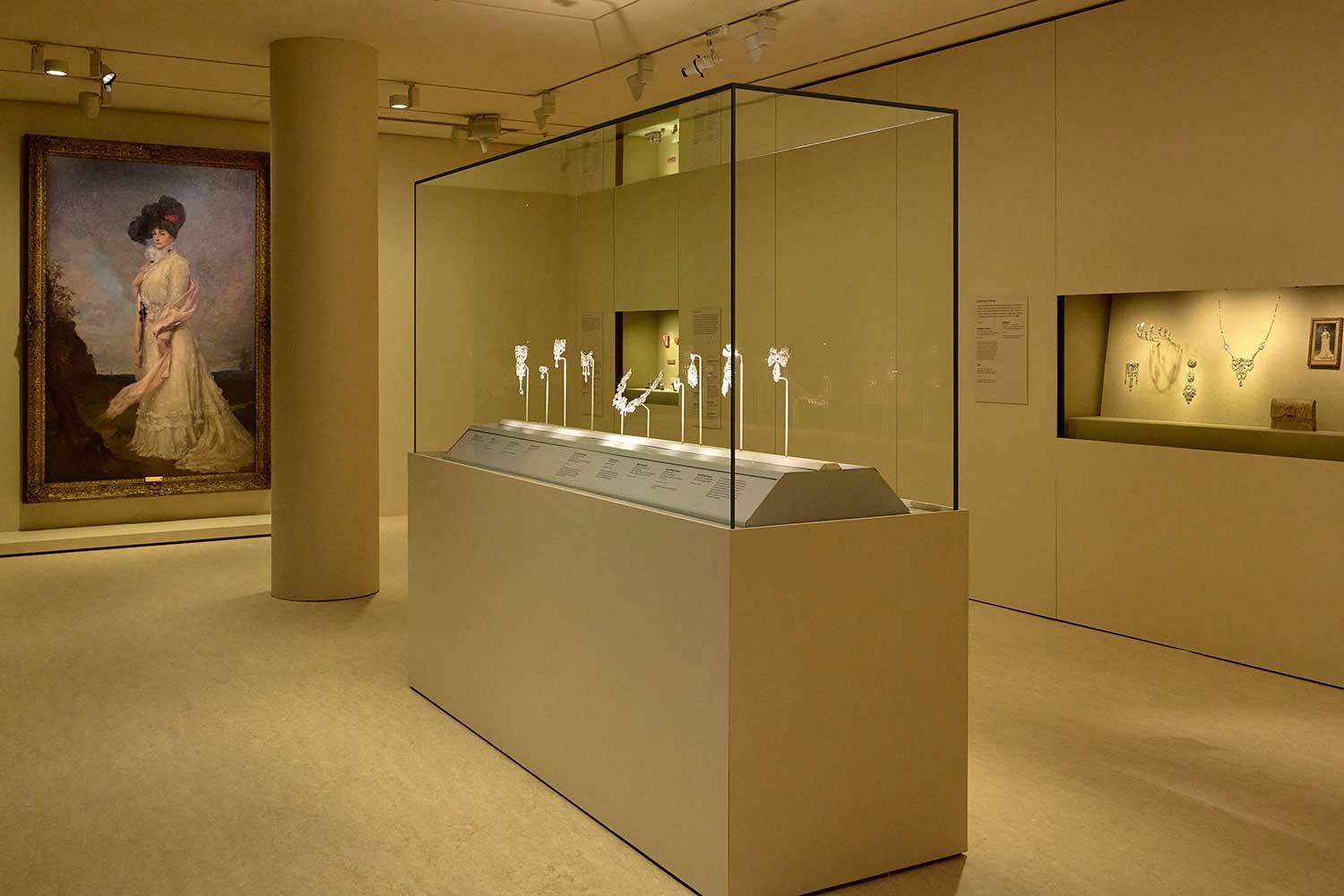
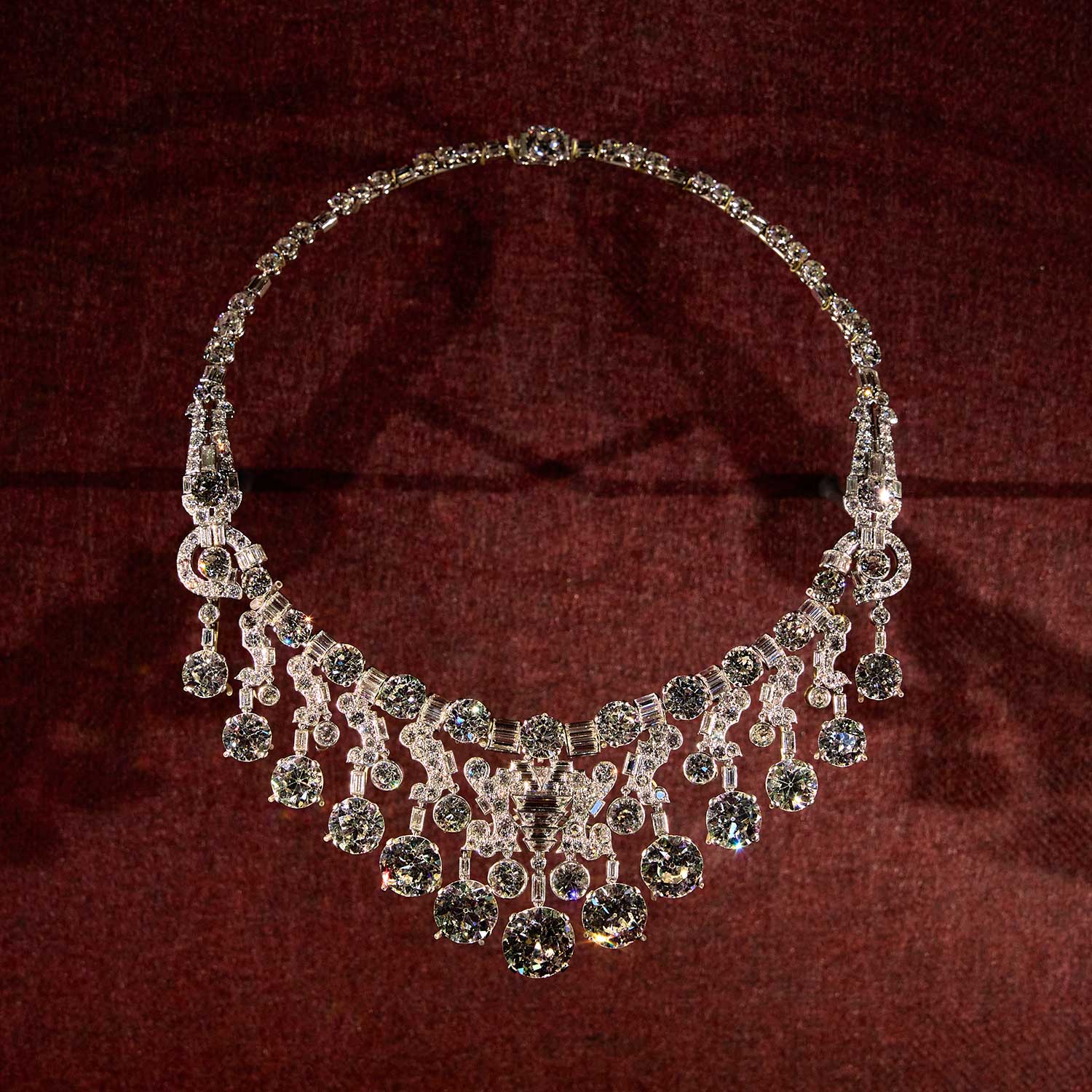
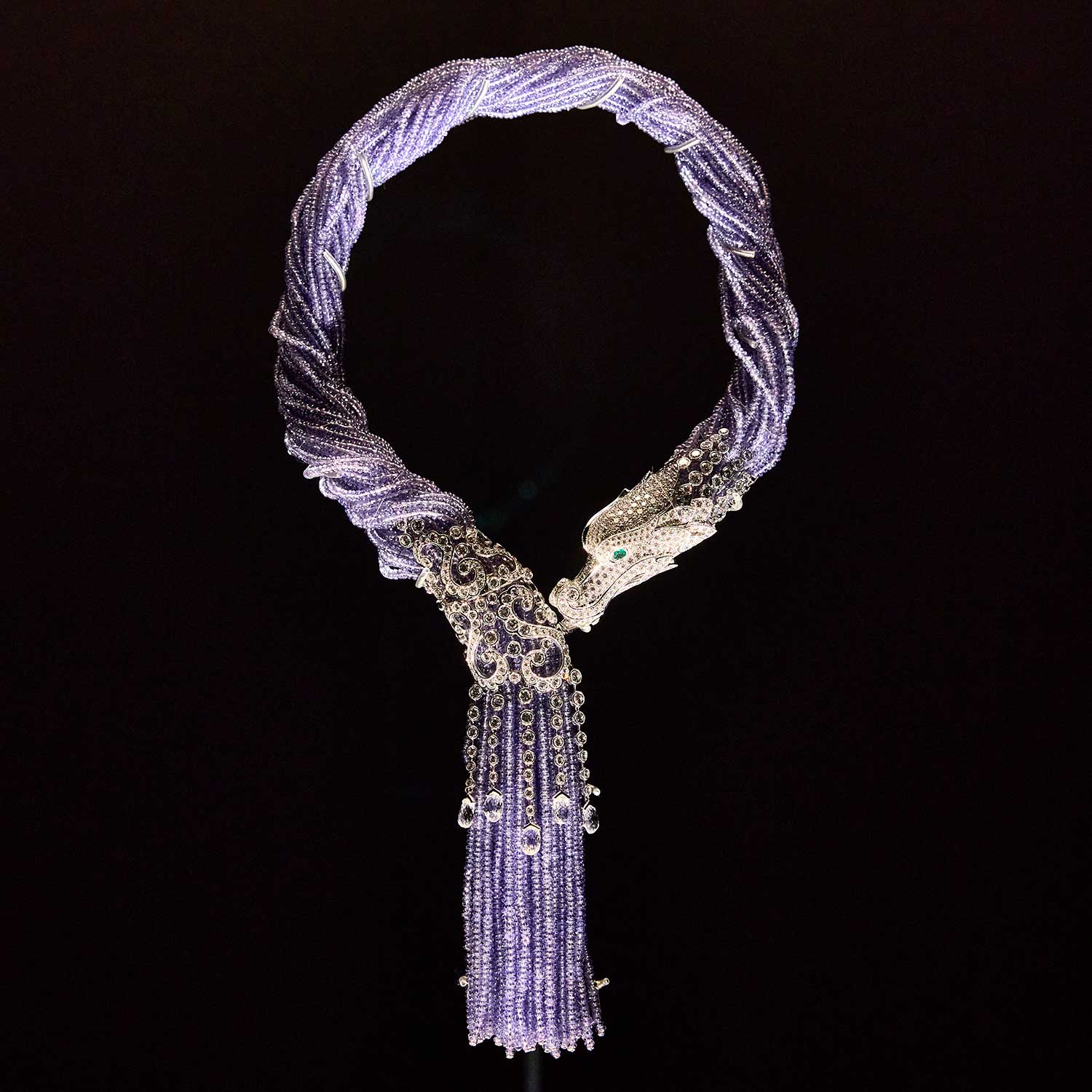
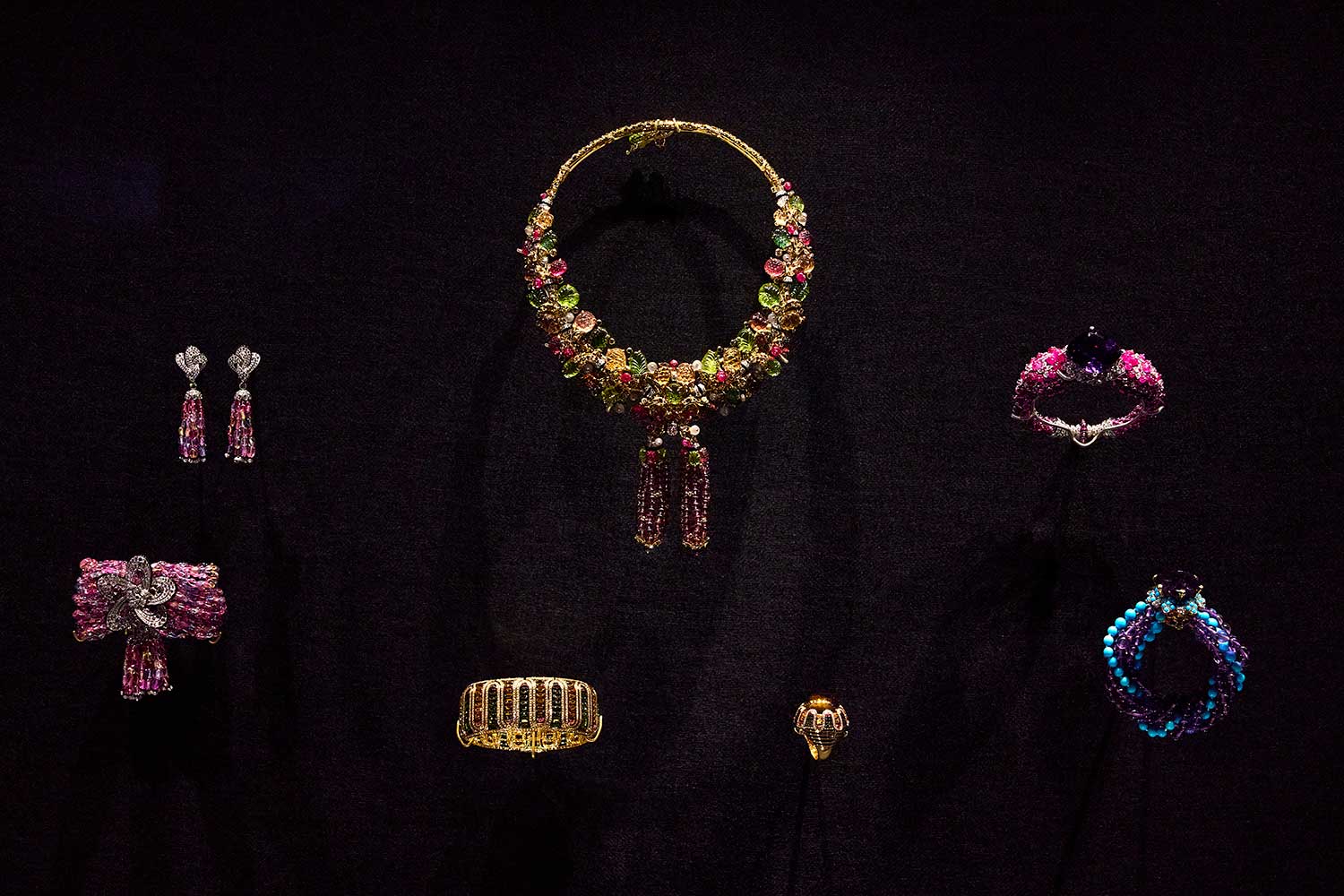
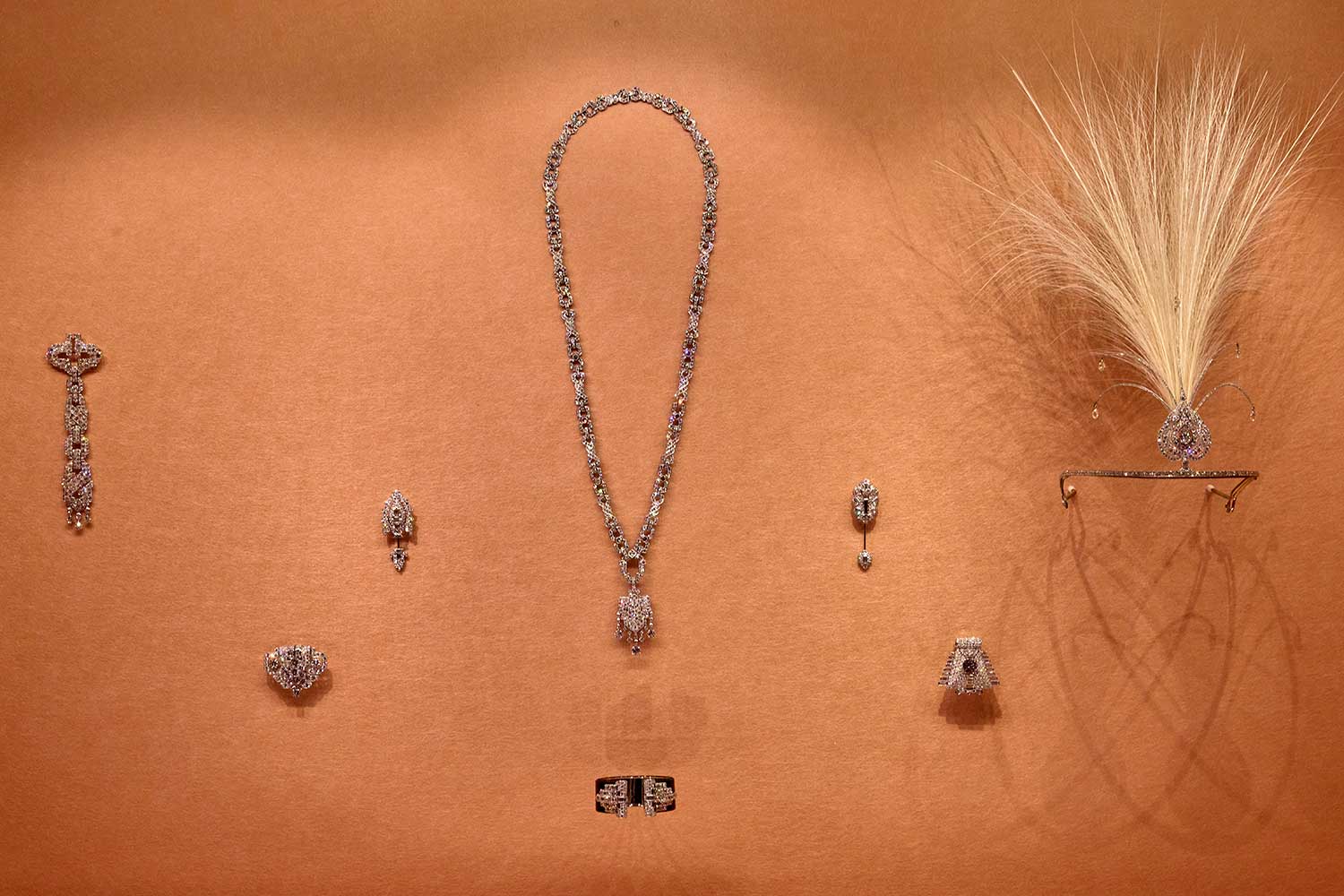
Now open at NGV International, Cartier: Melbourne Winter Masterpieces 2026 brings together more than 300 creations from the Maison’s archives and wider history, spanning high jewellery, tiaras, watches, clocks and objects of remarkable craft.
For anyone interested in the point where jewellery, design history and watchmaking meet, this is one of the season’s most compelling cultural bookings.
At a glance
- NGV International is presenting the largest Cartier exhibition ever staged in Australia.
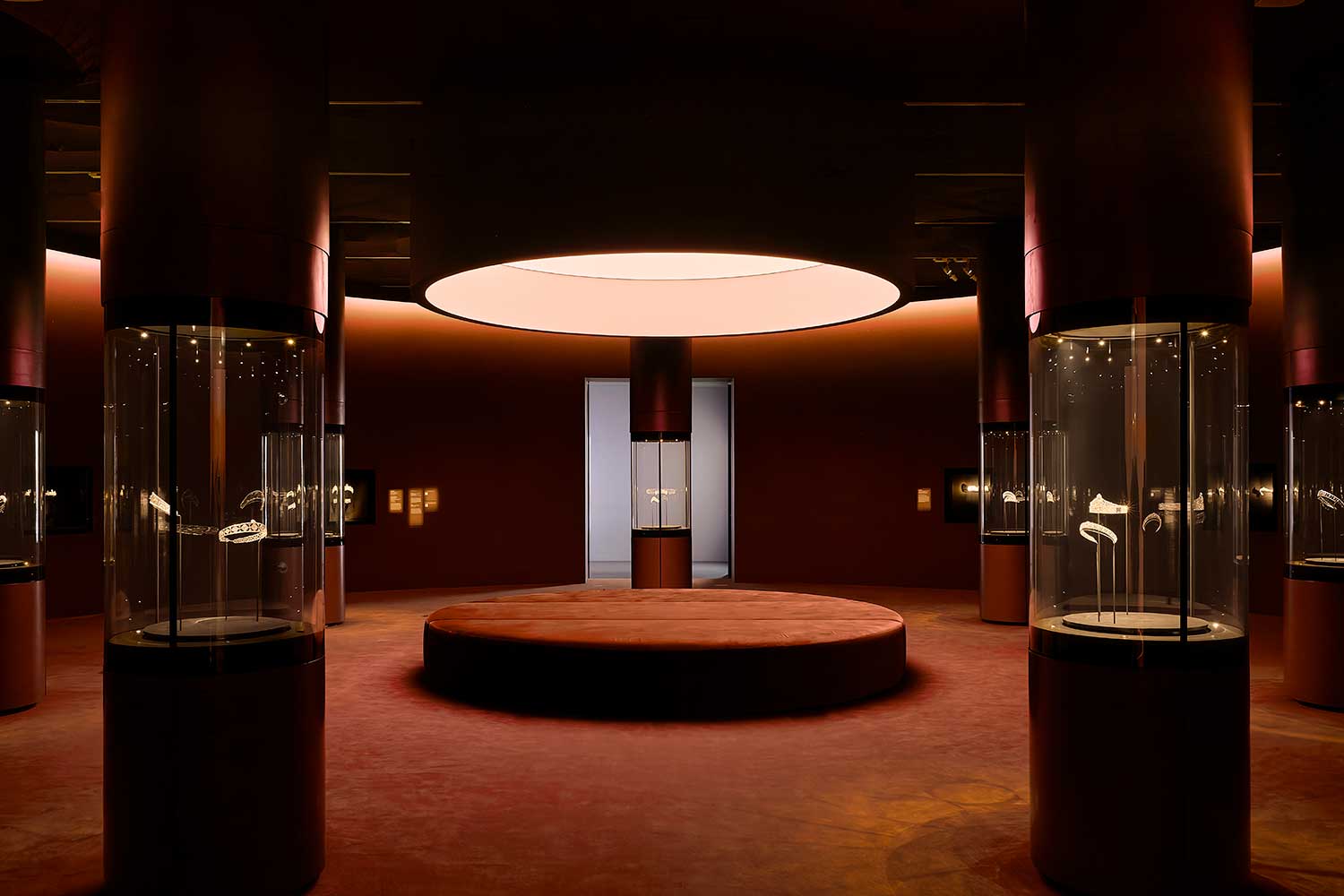
- More than 300 pieces are on show, including over 20 tiaras, historic watches and Cartier mystery clocks.
- The exhibition runs from June 12 to October 4, 2026 as part of Melbourne Winter Masterpieces.
A jewellery house told through objects
The exhibition follows Cartier from its Paris beginnings under Louis-François Cartier through to its transformation under his grandsons Louis, Pierre and Jacques Cartier.
Their expansion into London, Paris and New York helped turn the family firm into the first truly international jewellery house, with a client list that crossed royalty, cinema, music and high society.
That breadth is reflected in the Melbourne presentation, where the display moves from tiaras and necklaces to precious objects, timekeepers and personal pieces connected to some of the best-known Cartier clients of the last century.
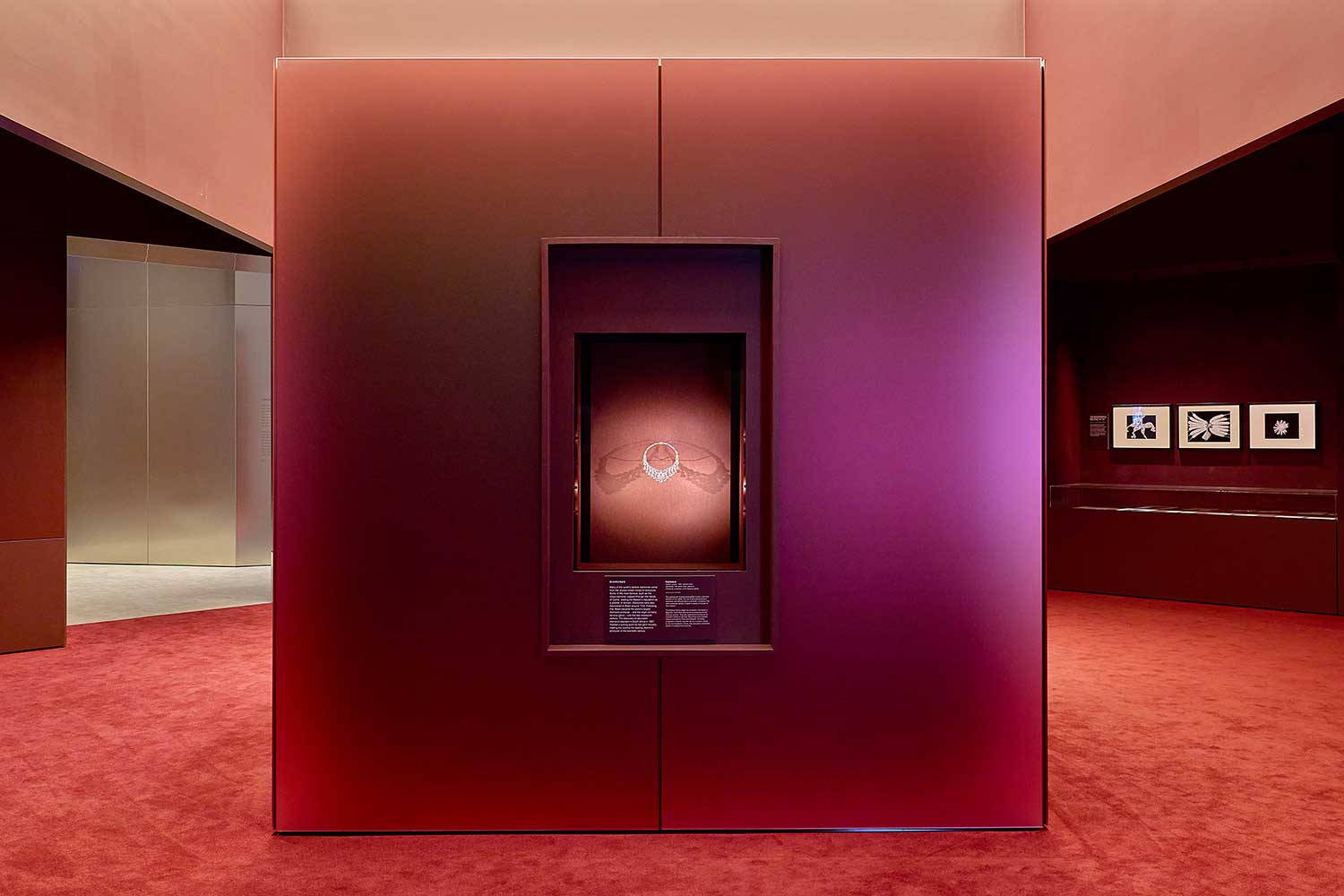
Creations associated with Elizabeth Taylor, Rihanna, Princess Margaret, the Duchess of Windsor and Dame Nellie Melba give the exhibition a strong sense of cultural presence beyond the vitrines.
The timekeeping rooms deserve close attention
Cartier’s jewellery reputation is familiar, but the NGV exhibition also makes a convincing case for the Maison’s long-running fascination with unusual ways of telling time.
The mystery clocks are a major draw, particularly the 1923 large portique mystery clock, a dramatic work shaped like a Shinto shrine gate.
It was the first mystery clock acquired for the Cartier Collection and the first in a series of six portique clocks made between 1923 and 1925.
Even earlier is the Model A mystery clock from 1914, a 13cm-high object made from platinum, gold and rock crystal, with diamonds and cabochons bringing jewellery language to an already theatrical mechanical idea.
The exhibition also reaches into the present with a 2023 mystery clock with single axle, made in white gold and obsidian and set with gemstones.
Seen together, these clocks show how Cartier has treated timekeeping as both technical exercise and stagecraft.
Watches, opals and Australian connections
Watch collectors will find several important pieces in the mix, including an original Crash from Cartier’s London boutique, a yellow gold Santos from 1915 and a platinum Tank from 1920.
These aren’t just historically important designs, they’re reminders that Cartier’s most recognisable watches were often radical before they became canonical.
The exhibition also includes timekeeping objects beyond the wrist, from letter openers to Egyptian-inspired mantel clocks, underlining how fluid Cartier’s design practice has been across categories.
Melbourne’s presentation adds local texture through Australian opals, koala motifs and pieces connected to Dame Nellie Melba, one of the country’s most celebrated Cartier collectors.
Those details help keep the exhibition from feeling like a travelling greatest-hits display, giving it a distinctly Australian layer within a wider international story.
Visiting Cartier at NGV International
Cartier: Melbourne Winter Masterpieces 2026 is on display at NGV International from June 12 to October 4, 2026.
The exhibition arrives in Melbourne from London’s Victoria and Albert Museum and forms part of the NGV’s Winter Masterpieces program.
For jewellery lovers, it’s an obvious draw, but the real strength of the show is its range.
It gives watch enthusiasts, design historians and casual visitors a rare chance to see Cartier’s language of proportion, precious material and mechanical intrigue unfold across more than a century.