Lake Como’s most elegant car weekend is usually a masterclass in restraint, provenance and quiet confidence. This year, BMW managed to bring all three, then added a pair of future-facing concepts for good measure. The result was a rare concours moment where a historic racing car, a luxury grand tourer study and a wild motorcycle all pulled attention in the same direction.
At a glance
- BMW was the defining marque at this year’s Concorso d’Eleganza Villa d’Este, led by a 1937 BMW 328 Bügelfalte winning Best of Show.
- The Vision BMW Alpina previewed how BMW may handle Alpina’s grand touring identity as the brand moves deeper into the BMW Group fold.
- BMW Motorrad added a second concept statement with the Vision K18, a hand-built low cruiser shaped around a straight-six engine.
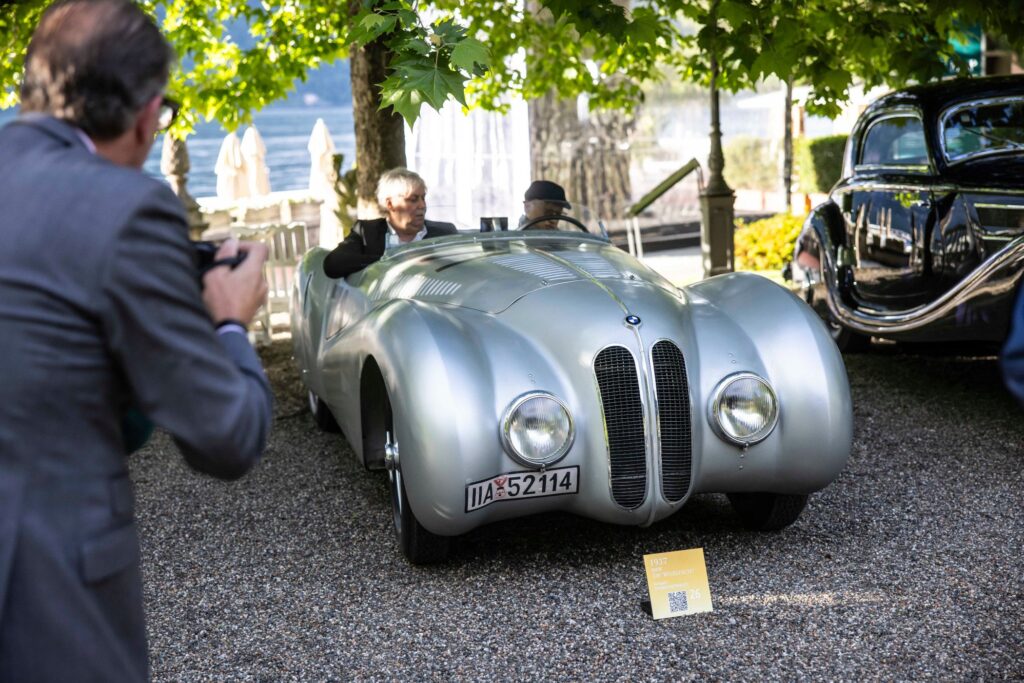
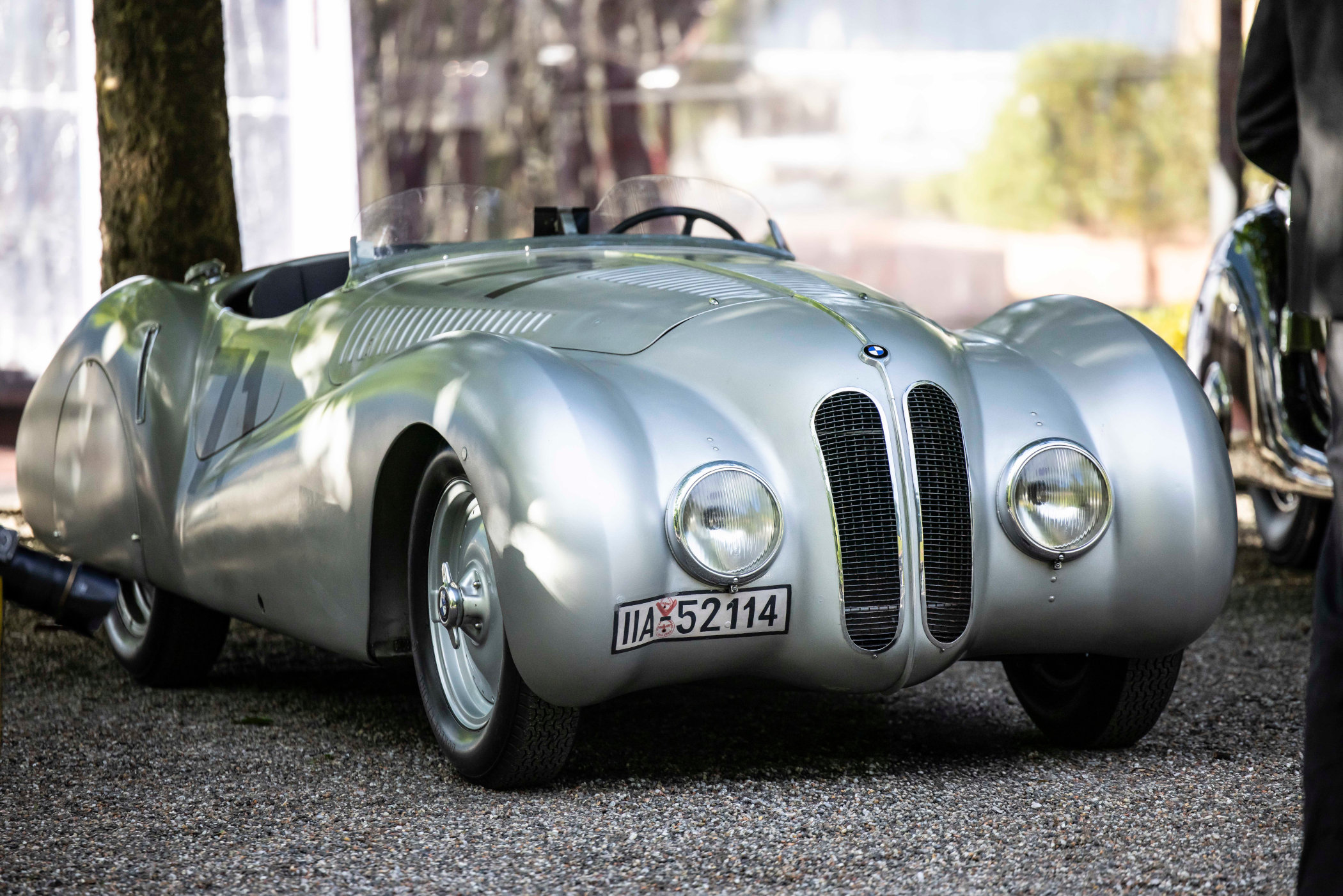
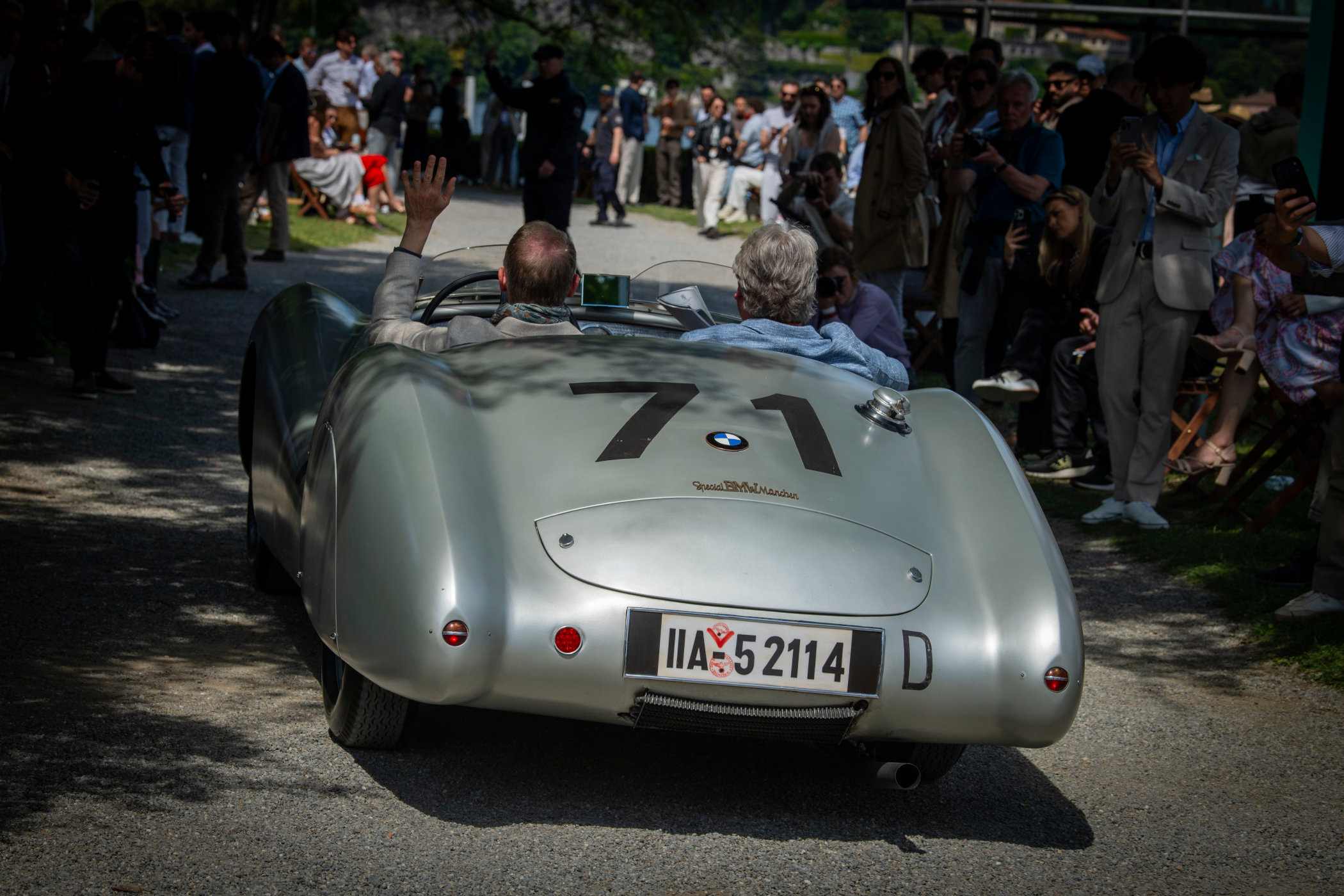
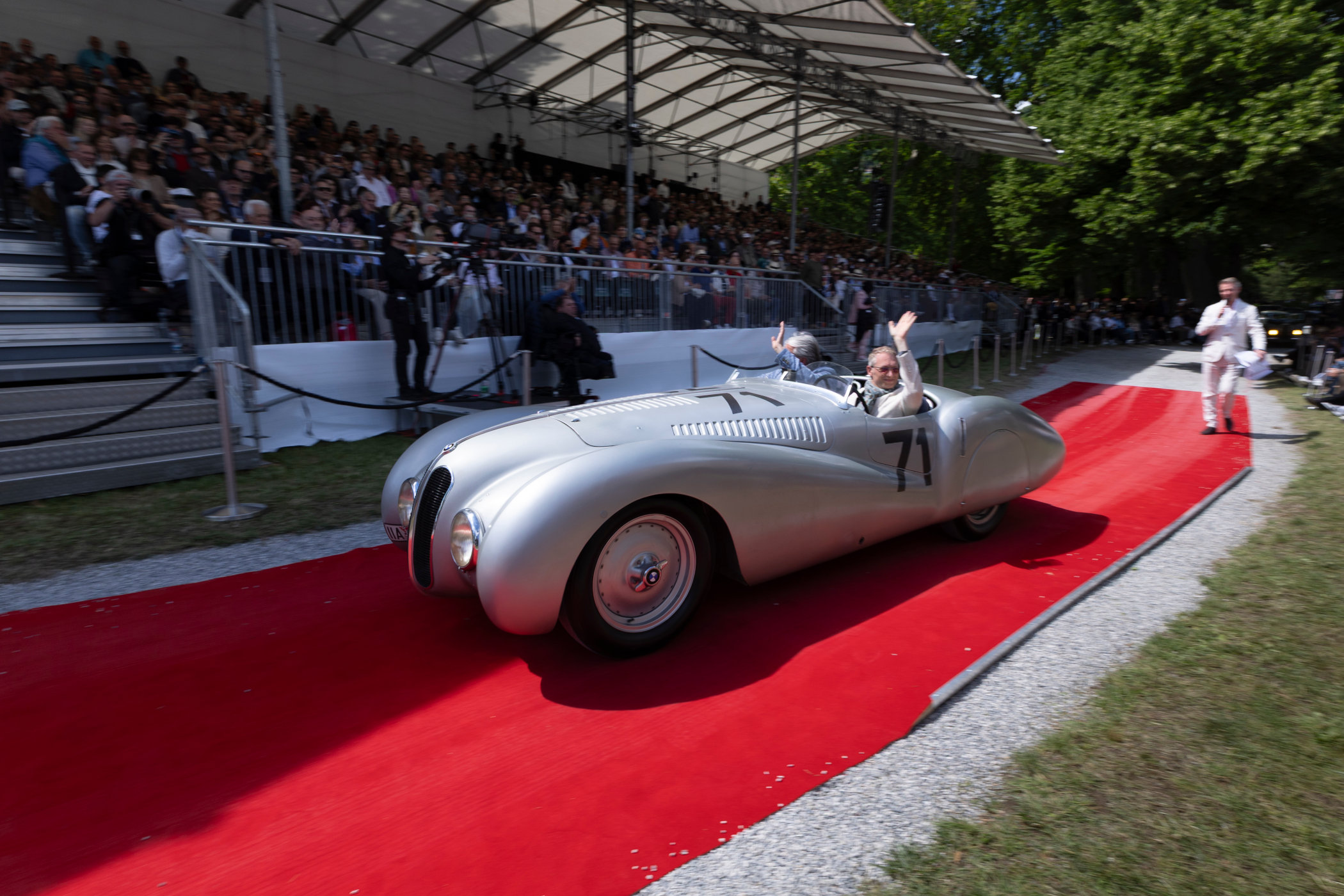
The headline moment belonged to the 1937 BMW 328 Bügelfalte, a pre-war racing roadster with Mille Miglia history and enough originality to make even seasoned concours judges stop and look twice.
A pre-war BMW racer takes the top prize
The BMW 328 sits at the root of the company’s sporting identity, long before the numbers became familiar on modern 3 Series badges.
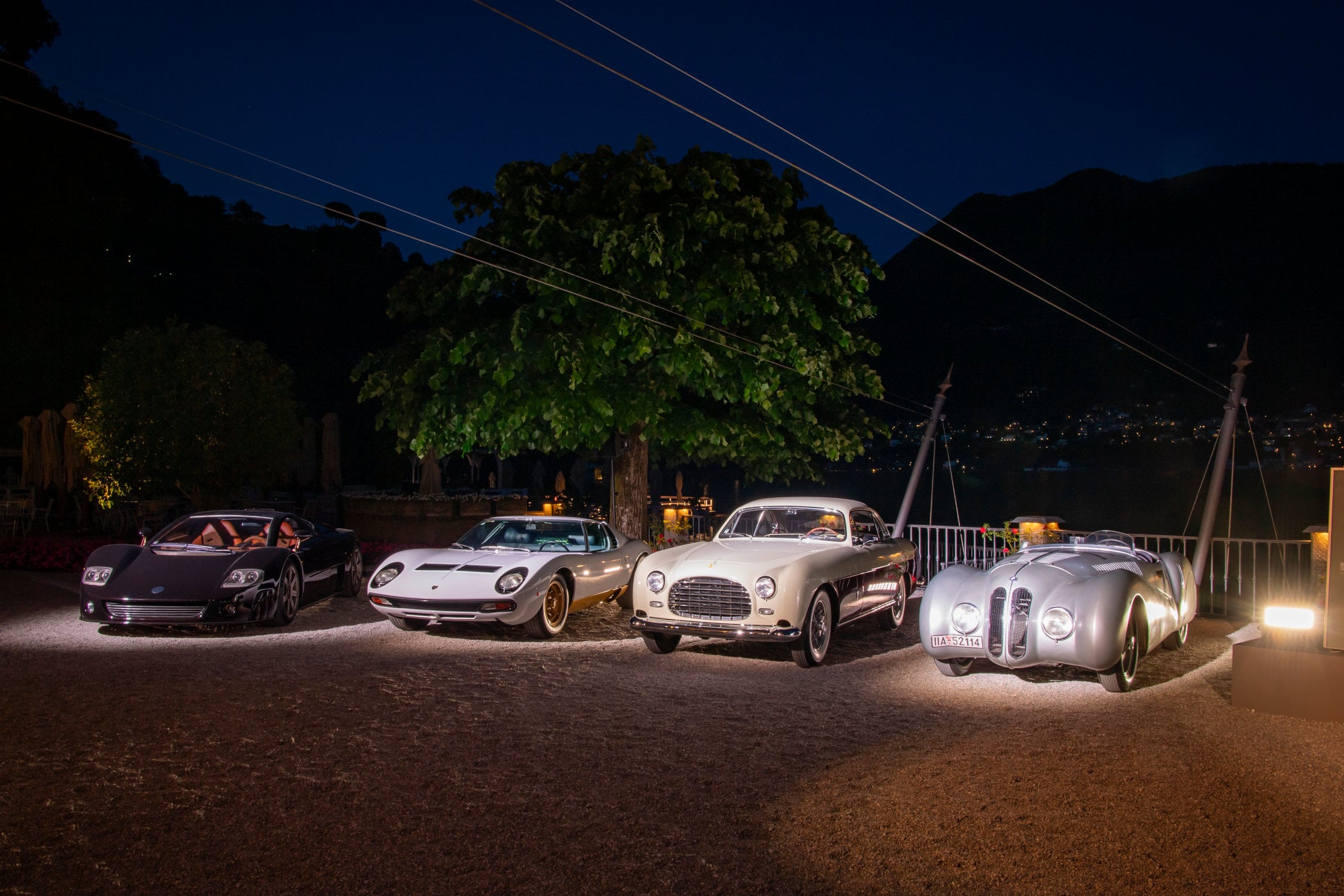
Built between 1936 and 1940, the 328 used a 2.0-litre straight-six producing roughly 80 horsepower, but its light aluminium body kept weight to around 830 kilograms.
That balance made the car a formidable competitor in period, with more than 100 class wins in 1937 and a class victory at the Mille Miglia in 1938.
The Villa d’Este winner is chassis 85032, a unique streamlined 328 known as the Bügelfalte, a German nickname that refers to the crease-like line running along the front wings.
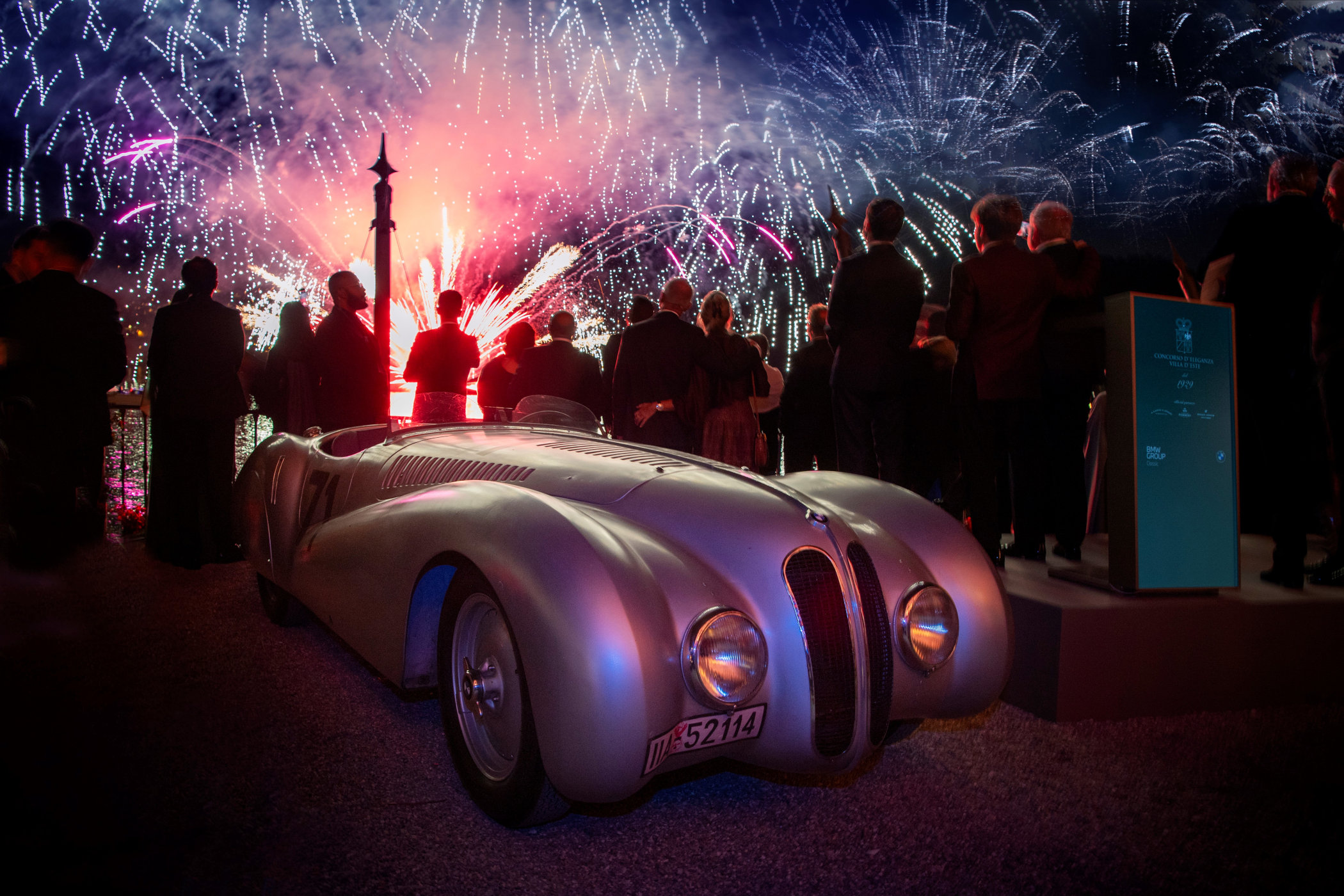
Prepared for the 1940 Mille Miglia, it represents the kind of competition engineering that looked delicate but was built to cover punishing distance at speed.
Its story became even more unusual after the war, when the car spent years in the Soviet Union before resurfacing in Western Europe.
Now in the hands of Stefano Martinoli, it is understood to be the only surviving Mille Miglia roadster of its type in largely unrestored condition, with much of its paint still original.
The Vision BMW Alpina points to a new grand touring lane
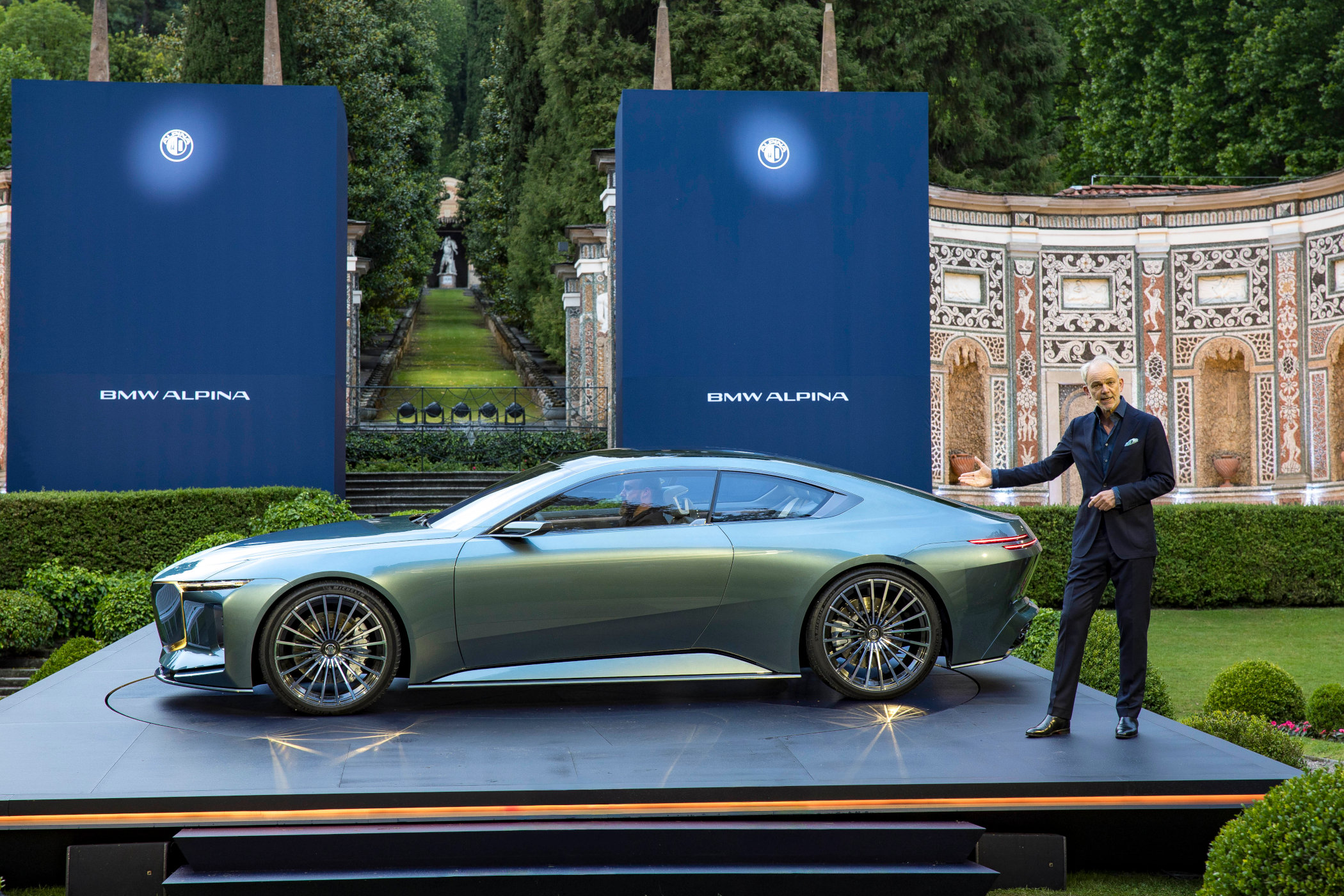
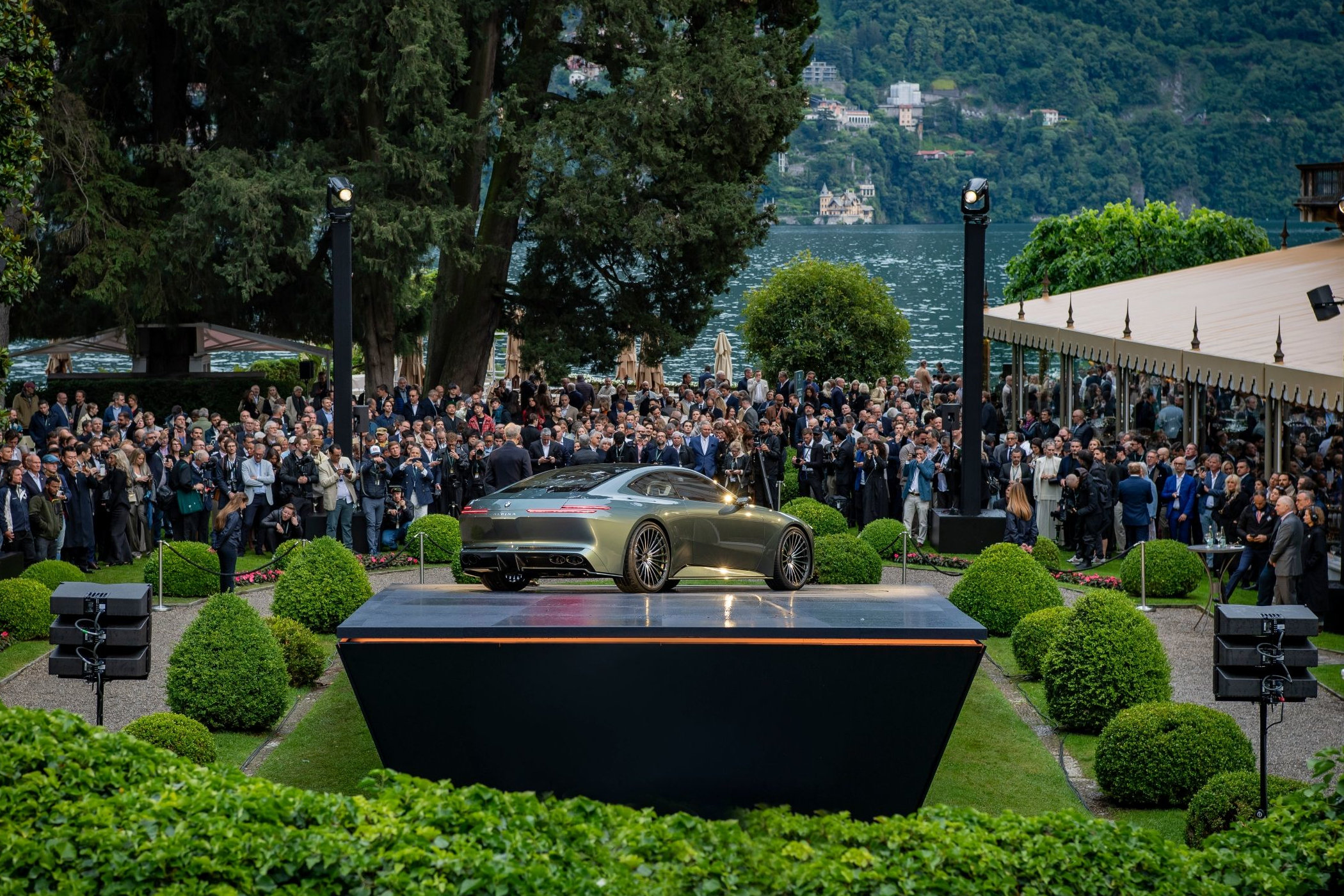
BMW’s heritage win might have been enough for most brands, but the company also used Villa d’Este to show the Vision BMW Alpina.
The design study matters because Alpina is no longer simply a close partner working from the edge of BMW’s orbit.
As Alpina moves further inside the BMW Group structure, the question is what happens to its mixture of discretion, pace and long-distance comfort.
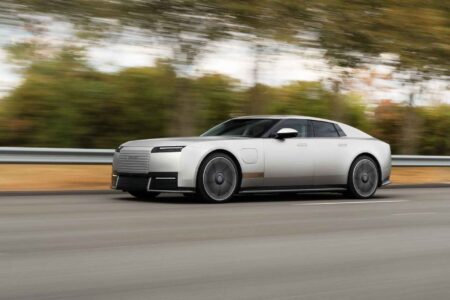
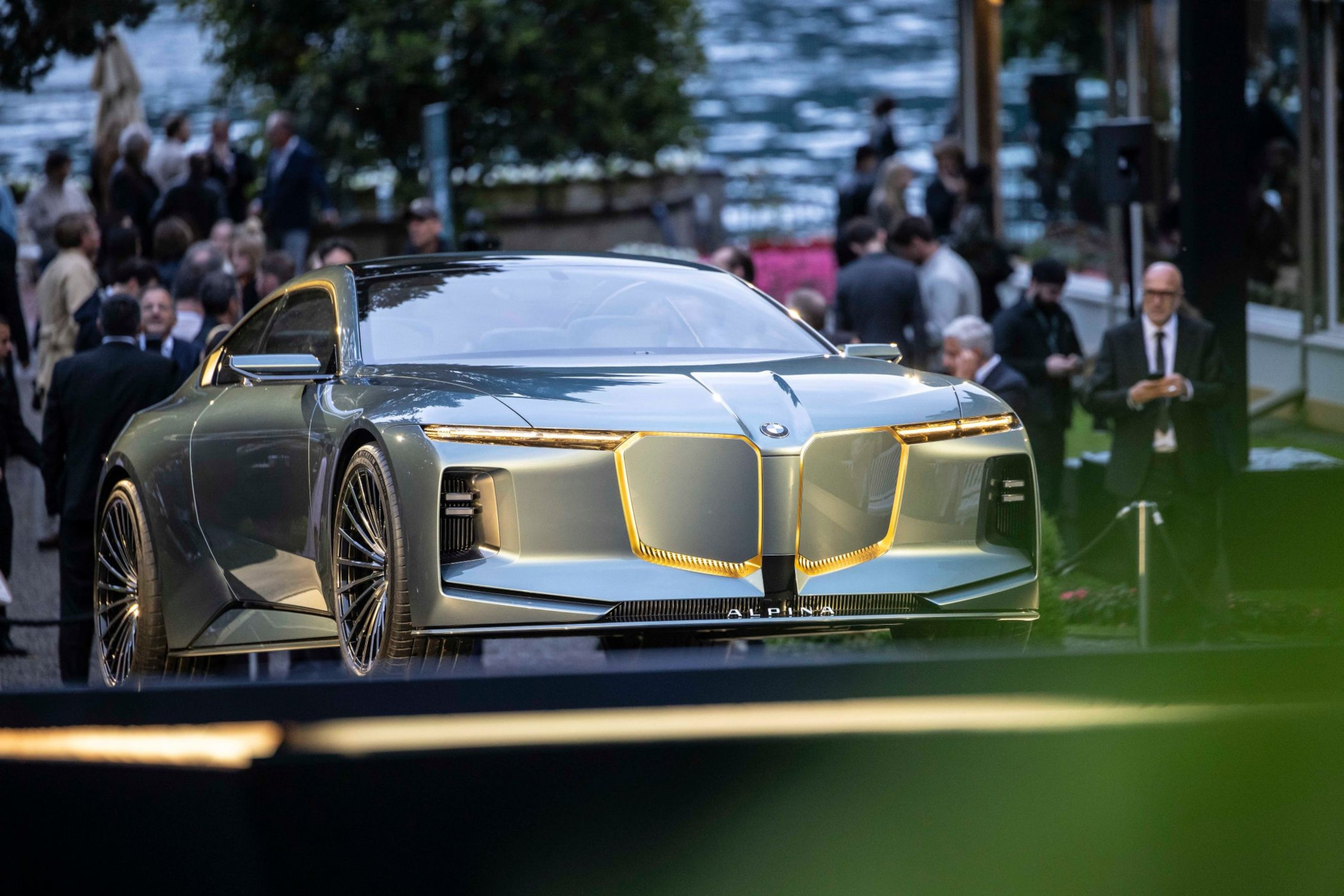
The Vision BMW Alpina gives a first answer, and it’s not an electric crossover or a styling exercise with a familiar badge added at the end.
Instead, it’s a long, low grand tourer measuring around 5.20 metres, with clear visual links to the late-1970s Alpina B7 Turbo Coupé.
The sharknose front, stretched bonnet, clean body sides and classic 20-spoke wheels all lean into Alpina’s established language without making the car feel retro.
Inside, the two-tone cabin, horizontal decorative lines and four individual leather seats suggest a car intended to sit above regular BMW luxury models while stopping short of Rolls-Royce formality.
Perhaps the most interesting detail is what BMW has chosen not to hide.
The concept is presented with V8 power, giving it a traditional grand touring character at a time when many design studies default to silent electric propulsion.
No production plan or performance figure has been confirmed, but the message is clear enough.
Alpina’s future under BMW is being framed around refinement, restraint and proper distance-covering performance rather than simply louder versions of existing M cars.
The Vision K18 shows BMW’s wilder motorcycle side
The third BMW statement at Villa d’Este came on two wheels, and it was easily the most theatrical of the trio.
The Vision K18 is a one-off cruiser concept with a long, extremely low silhouette and a body shaped more like a custom show machine than a conventional production preview.
Its centrepiece is a 1.8-litre straight-six motorcycle engine, likely developed from BMW’s K-series architecture, with each cylinder fed by an individual intake positioned beneath six LED headlights.
The proportions are helped by clever packaging, including a reworked placement for the airbox and fuel tank to drop the visual mass of the bike.
Hand-formed aluminium panels give the K18 its sculptural feel, including a seamless side panel measuring more than two metres in length.
The exhaust treatment is equally dramatic, with individual pipes running from beneath the engine and out through the rear bodywork.
A hydraulic suspension system allows the bike to sit even lower when required, turning the already stretched profile into something closer to rolling sculpture.
Whether BMW Motorrad carries the K18 into production is another question, but as a design signal it expands the brand’s cruiser vocabulary in a serious way.
Key details from BMW’s Villa d’Este weekend
| Vehicle | Role at the event | Notable details |
|---|---|---|
| 1937 BMW 328 Bügelfalte | Best of Show winner | 2.0-litre straight-six, aluminium body, Mille Miglia history, largely unrestored condition |
| Vision BMW Alpina | Grand touring design study | 5.20-metre body, B7 Turbo Coupé inspiration, 20-spoke wheels, V8 power |
| Vision K18 | One-off motorcycle concept | 1.8-litre straight-six, six LED headlights, hand-formed aluminium bodywork, hydraulic lowering |
Why BMW’s showing mattered
Villa d’Este is not simply a place to park expensive machinery beside Lake Como.
It rewards history, condition, design and storytelling, which is why the 328 Bügelfalte’s win carried more weight than a typical concours trophy.
For BMW, the weekend also created an unusually complete brand narrative.
The 328 reminded collectors that the company’s lightweight sports car credibility runs deep, the Alpina concept suggested a more polished future for high-speed luxury, and the K18 proved BMW Motorrad is still willing to take risks.
That combination will appeal to different audiences for different reasons.
Collectors will be drawn to the 328’s authenticity, Alpina loyalists will study every line of the new concept, and motorcycle design fans will see the K18 as an ambitious piece of packaging and presence.
BMW didn’t dominate Villa d’Este by doing one thing loudly.
It did it by connecting nearly ninety years of engineering memory to a future that still appears to care about character.
FAQ