Swiss watchmaking tends to tell its crisis stories through quartz, consolidation and the shock of recent global disruption.
Yet one of its most consequential survival stories unfolded in the early 1930s, when a woman from Villeret took charge of Blancpain at a moment when the industry was close to breaking.
Her name was Betty Fiechter, and her role in preserving and redirecting Blancpain deserves far more than a passing mention.
At a glance
- Betty Fiechter bought Blancpain with André Léal in 1933, during one of Swiss watchmaking’s most severe economic crises.
- She had already been running much of the Villeret manufacture before taking ownership, overseeing production while the company’s final family leader spent increasing time in Lausanne.
- Under the temporary Rayville name, the business pivoted toward movement supply and American partnerships, helping secure Blancpain’s survival.
A Villeret outsider who knew Blancpain from the inside
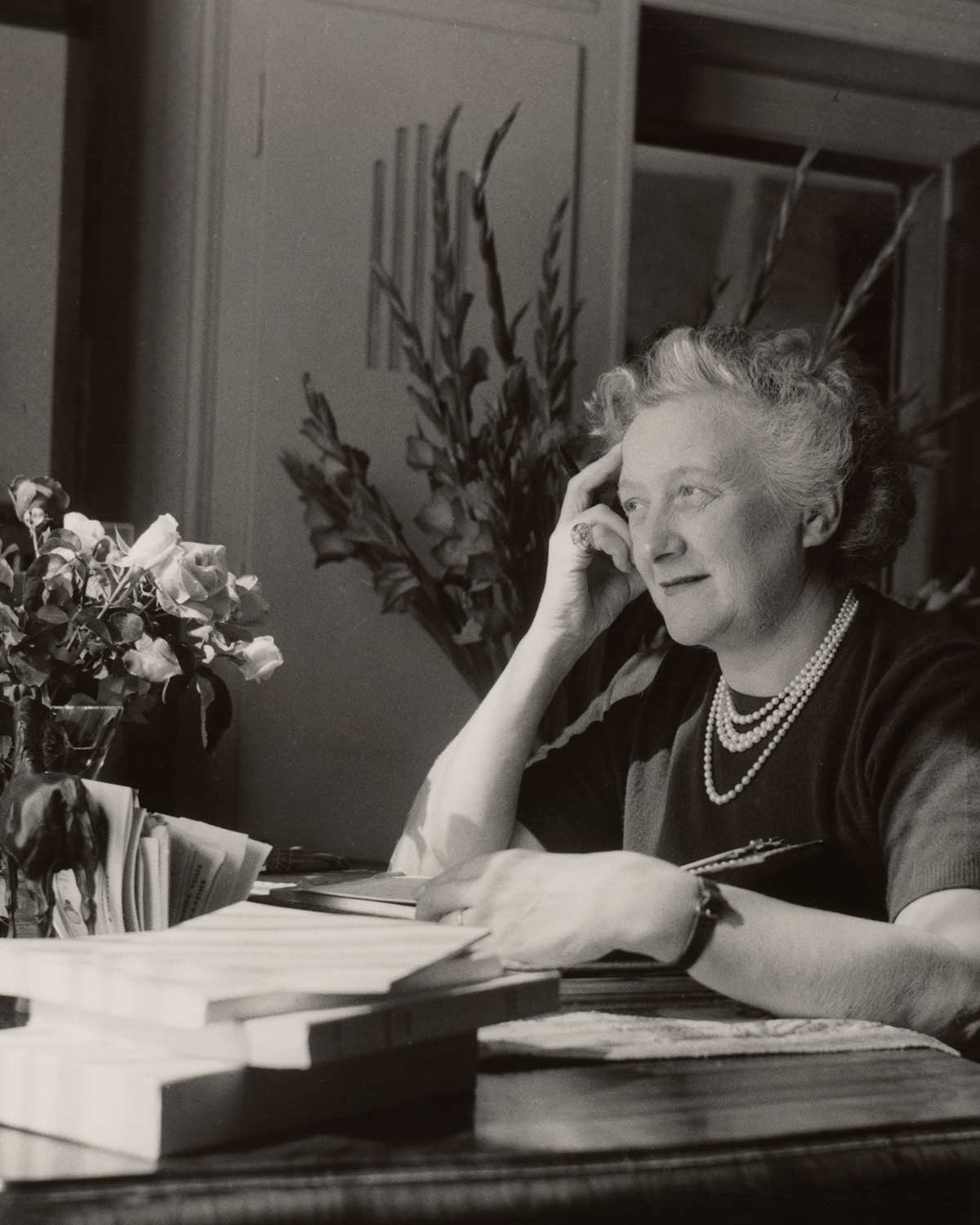
Berthe-Marie Fiechter, known throughout her life as Betty, was born in Villeret in 1896 into a family already connected to watchmaking.
Her father was involved in a local movement company with longstanding ties to Blancpain, while one of her brothers became a mechanical engineer who built machinery for the trade.
After studying commerce, Fiechter joined Blancpain while still in her teens.
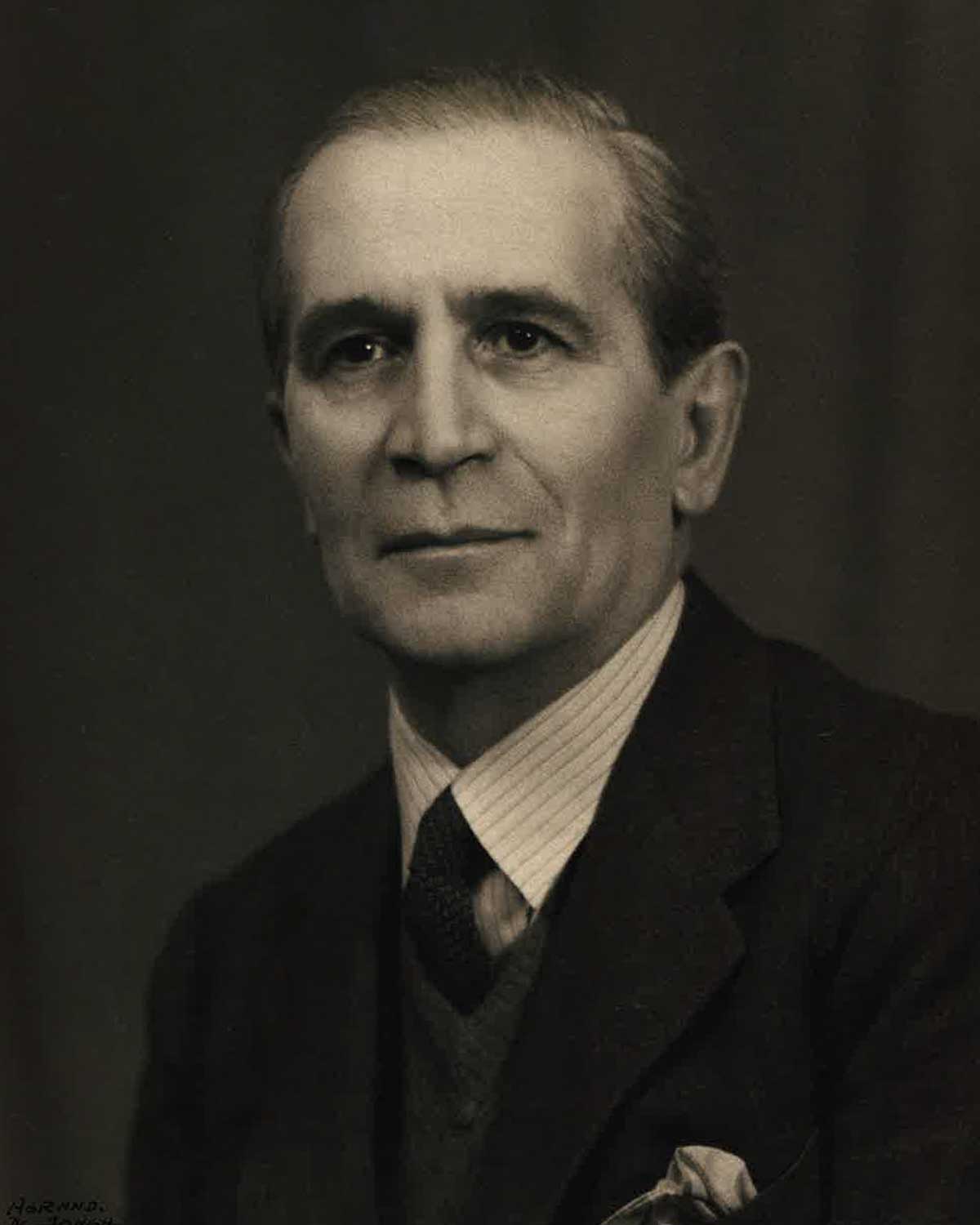
The manufacture was then led by Frédéric-Emile Blancpain, the seventh generation of the family to run the business, but Fiechter’s responsibilities expanded quickly.
During the First World War, she became a marraine de guerre, corresponding with wounded or interned French servicemen in neutral Switzerland and visiting soldiers in person.
That wartime work introduced her to André Léal, who was then serving as aide-de-camp to the French general responsible for interned French soldiers in Switzerland.
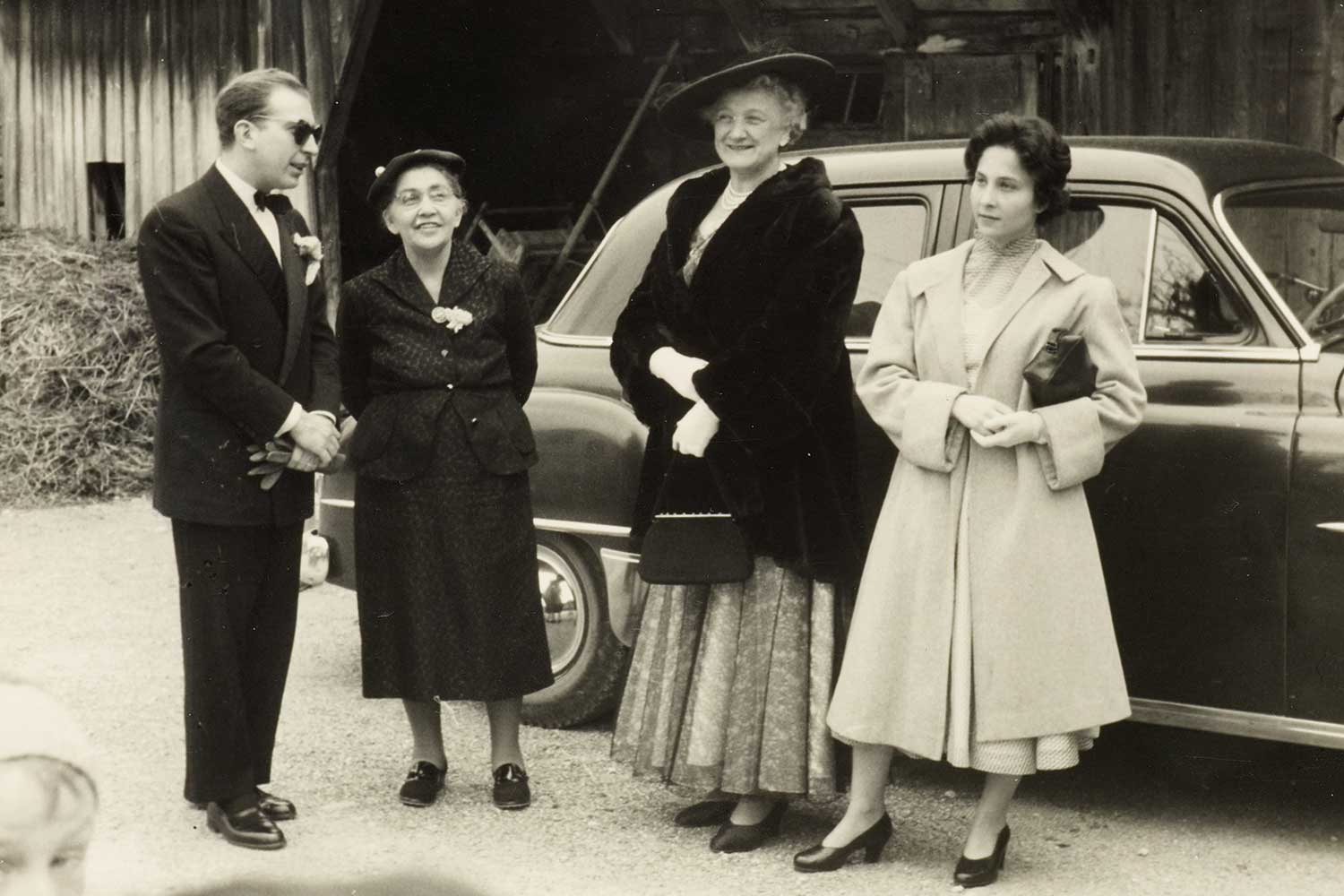
After the war, Blancpain brought Léal into the business to develop its French, British and American trade.
Their partnership was not only commercial.
Léal was married and had children, but Fiechter’s great-nephew Jean-Marie Fiechter has been clear that the two were lovers, and although they never married, Léal is buried beside her in Lausanne.
Running the manufacture before owning it
By the 1920s, Fiechter was far more than a trusted employee.
Frédéric-Emile Blancpain increasingly lived away from the Villeret workshops, while Fiechter handled operations and commercial management on the ground.
His interests extended well beyond the family firm.
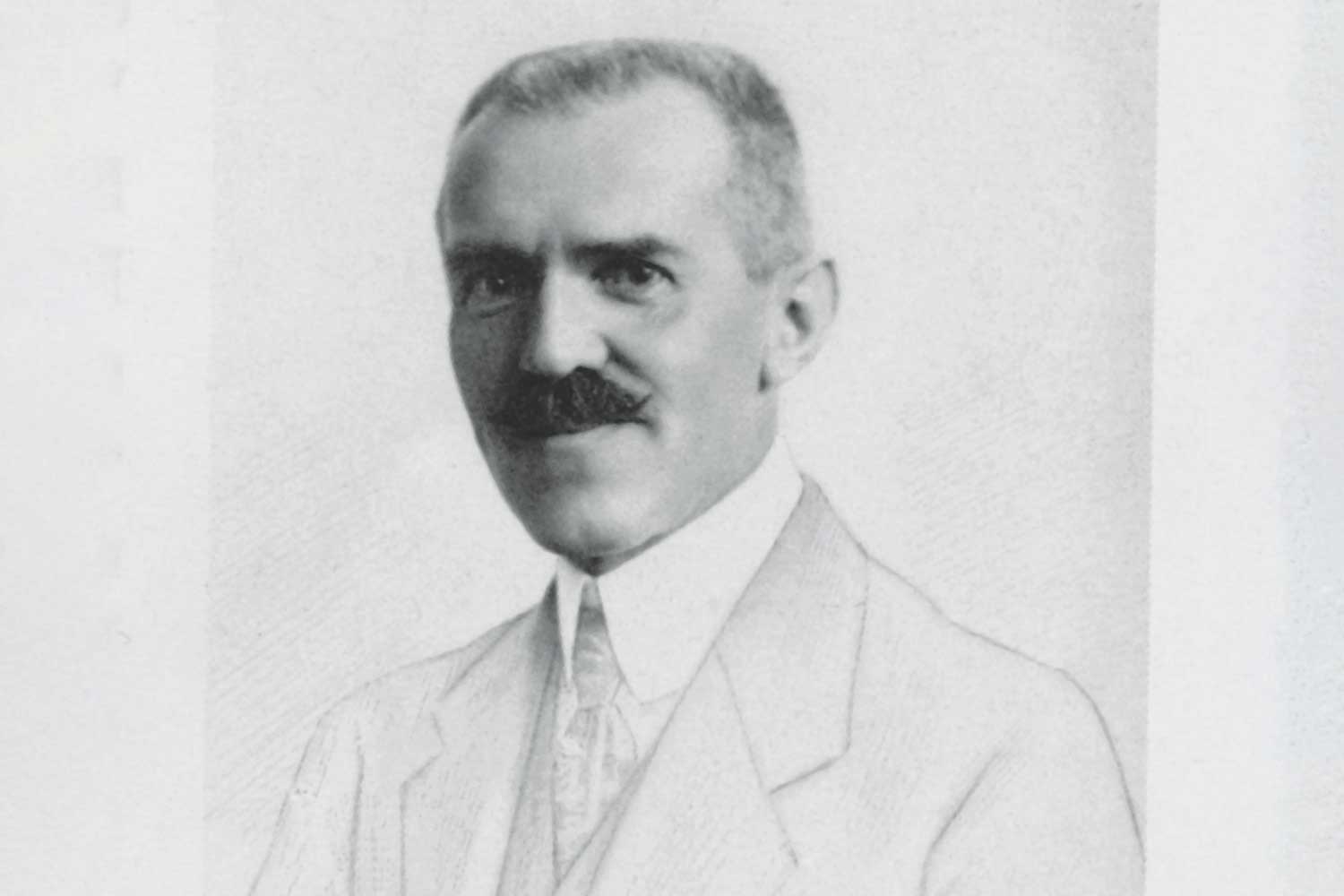
He served as Chairman of the Supervisory Board of Longines during the decade, became involved with the enterprise around John Harwood’s early automatic wristwatch, and used the Lancet name for another watchmaking venture.
Blancpain still needed someone with discipline, judgement and authority in Villeret, and Fiechter became that person.
Their working method says a great deal about her standing.
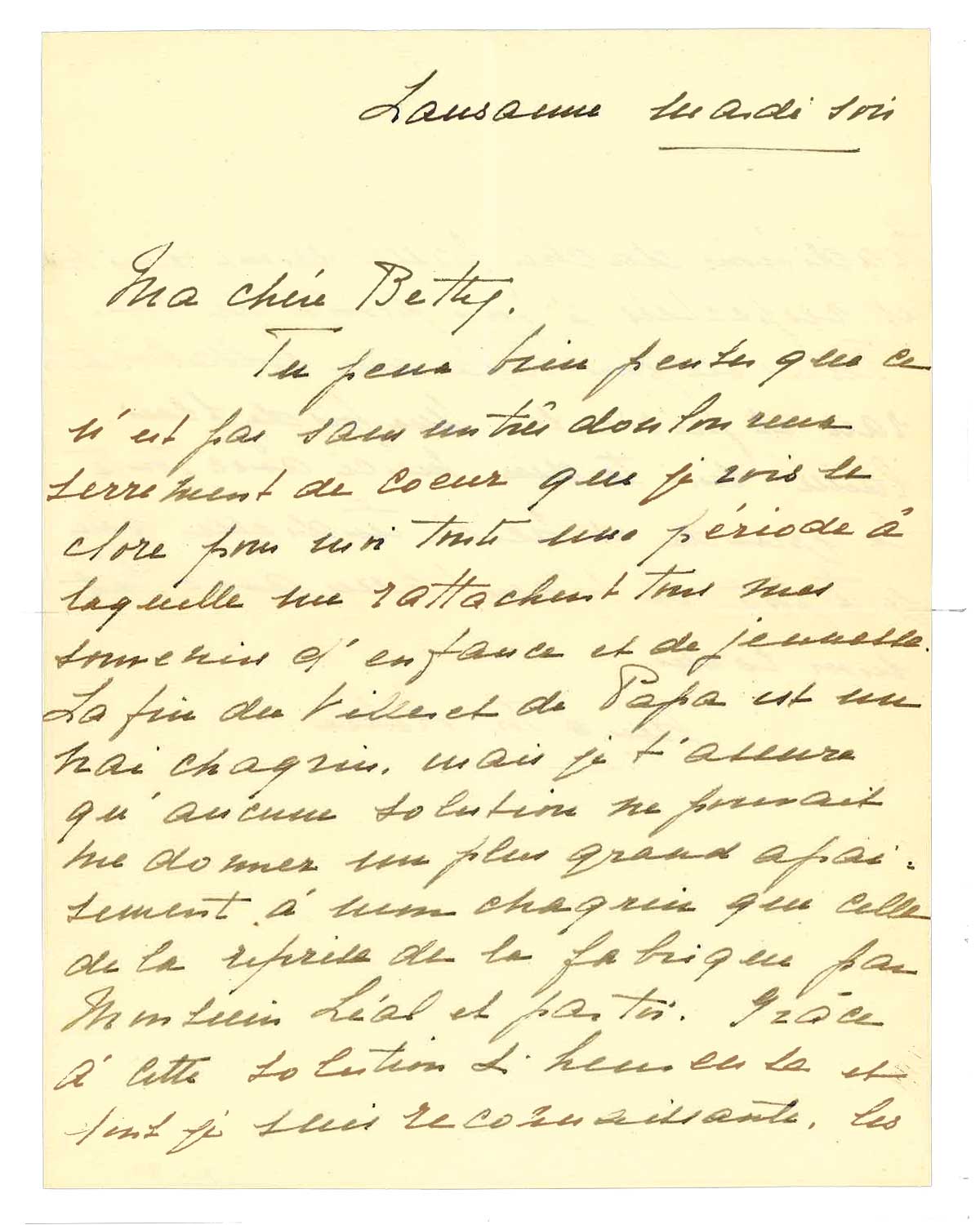
Frédéric-Emile dictated instructions onto wax recording cylinders in Lausanne and sent them to Villeret, where Fiechter listened, acted and sent recorded replies of her own.
It’s a striking image of early twentieth-century management, and an even clearer sign that the company’s daily survival already depended on her.
Jean-Marie Fiechter has described her intelligence as practical rather than academic, the kind of sharpness that could read a room and understand when to push.
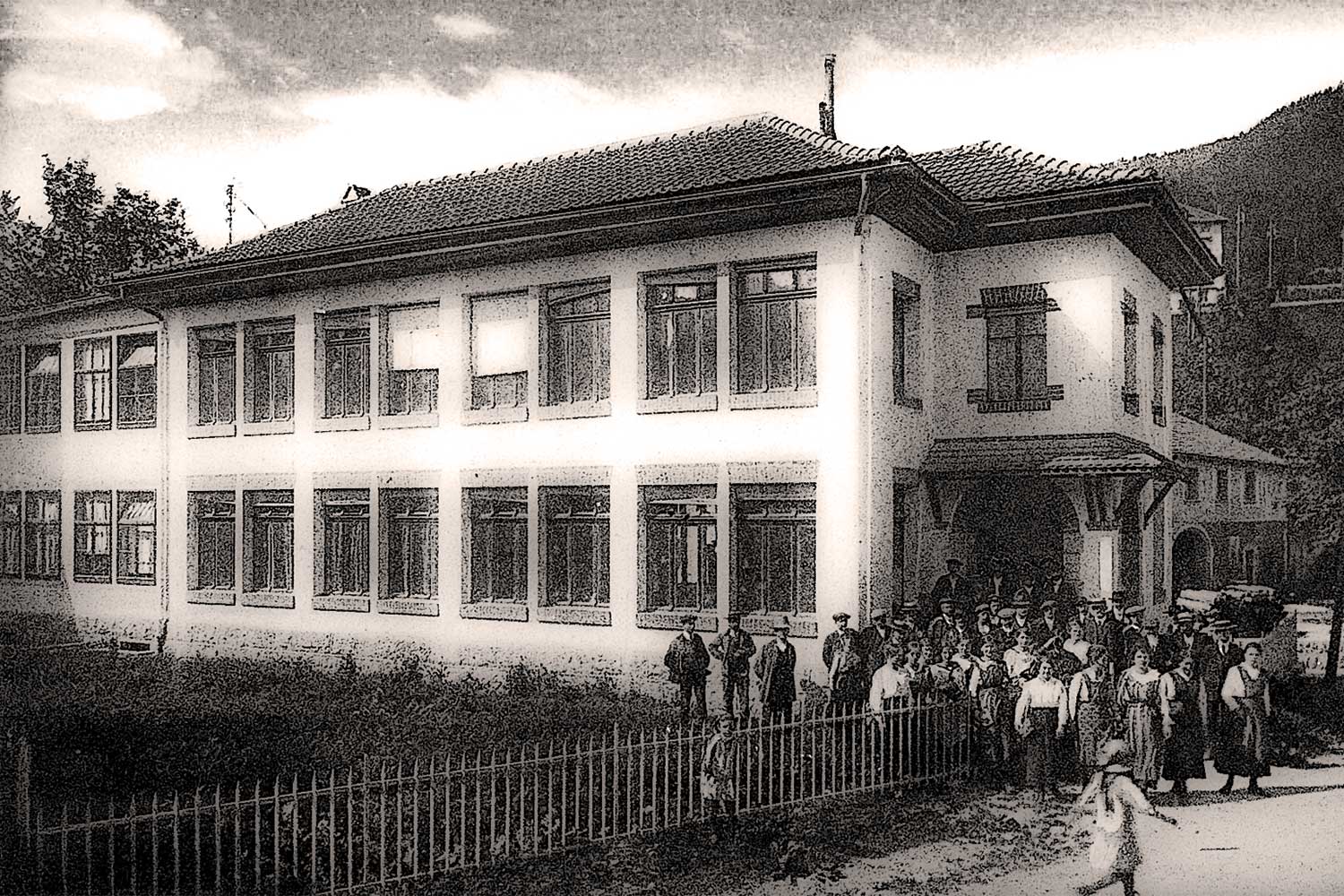
That quality mattered enormously when Frédéric-Emile died in 1932 and his daughter had no interest in taking over the manufacture.
A surviving handwritten letter from Nellie Blancpain endorsed Fiechter as the person best placed to protect the company’s legacy.
Endorsement, however, wasn’t inheritance.
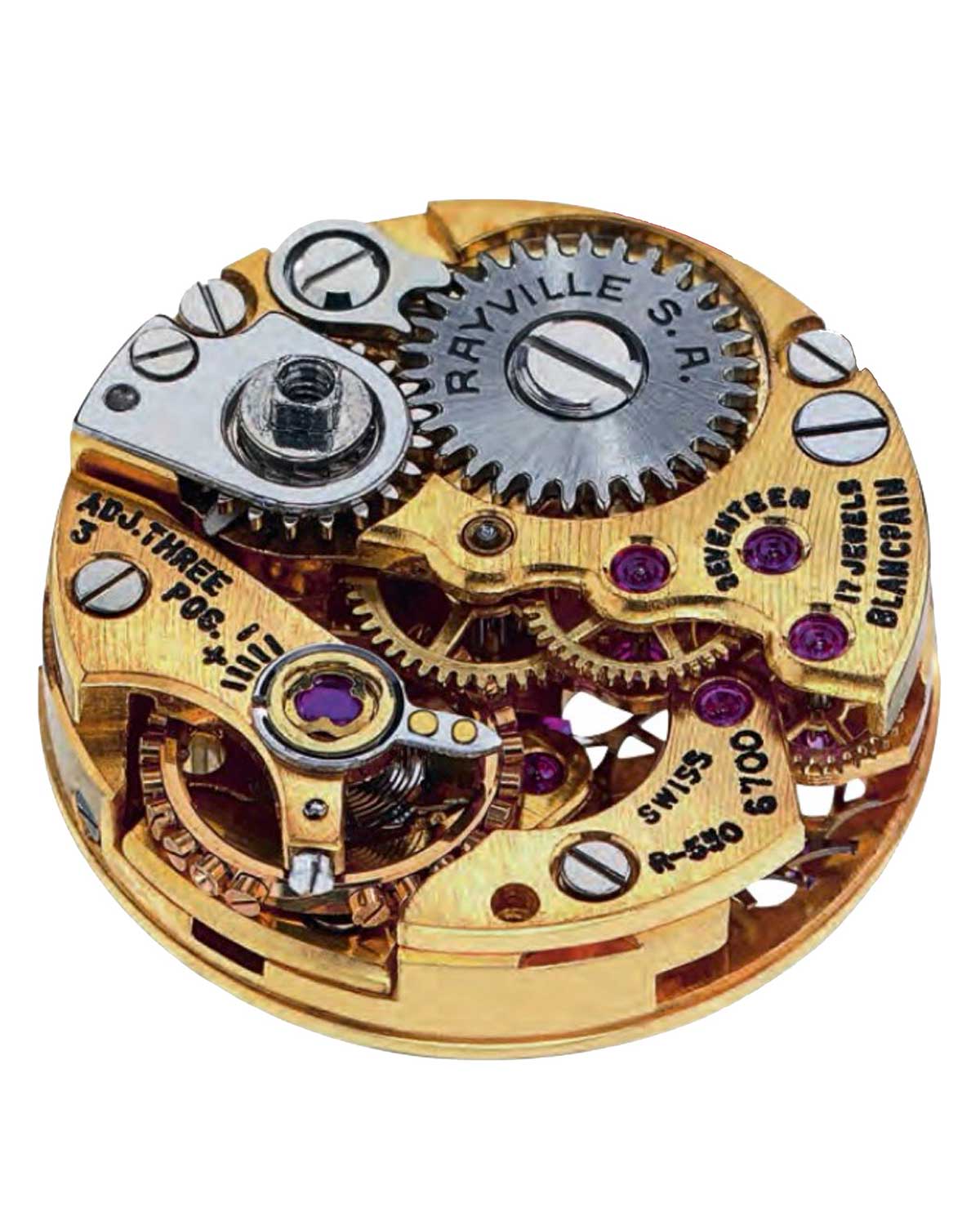
In 1933, Fiechter and Léal bought Blancpain, reportedly borrowing heavily from friends and family to do it.
Rayville, America and a survival plan
The purchase came at an unforgiving time for Swiss watchmaking.
Overproduction and falling global demand had already damaged the industry before the Wall Street crash, and the Depression deepened the crisis through cancelled orders and widespread unemployment.
Switzerland responded with protective industrial structures, including Ebauches S.A. in 1926 and ASUAG in 1931, both reflecting a belief that the fragmented industry had to hold together or risk collapse.
Fiechter and Léal took control of Blancpain in the middle of that turmoil.
They also faced an immediate naming problem.
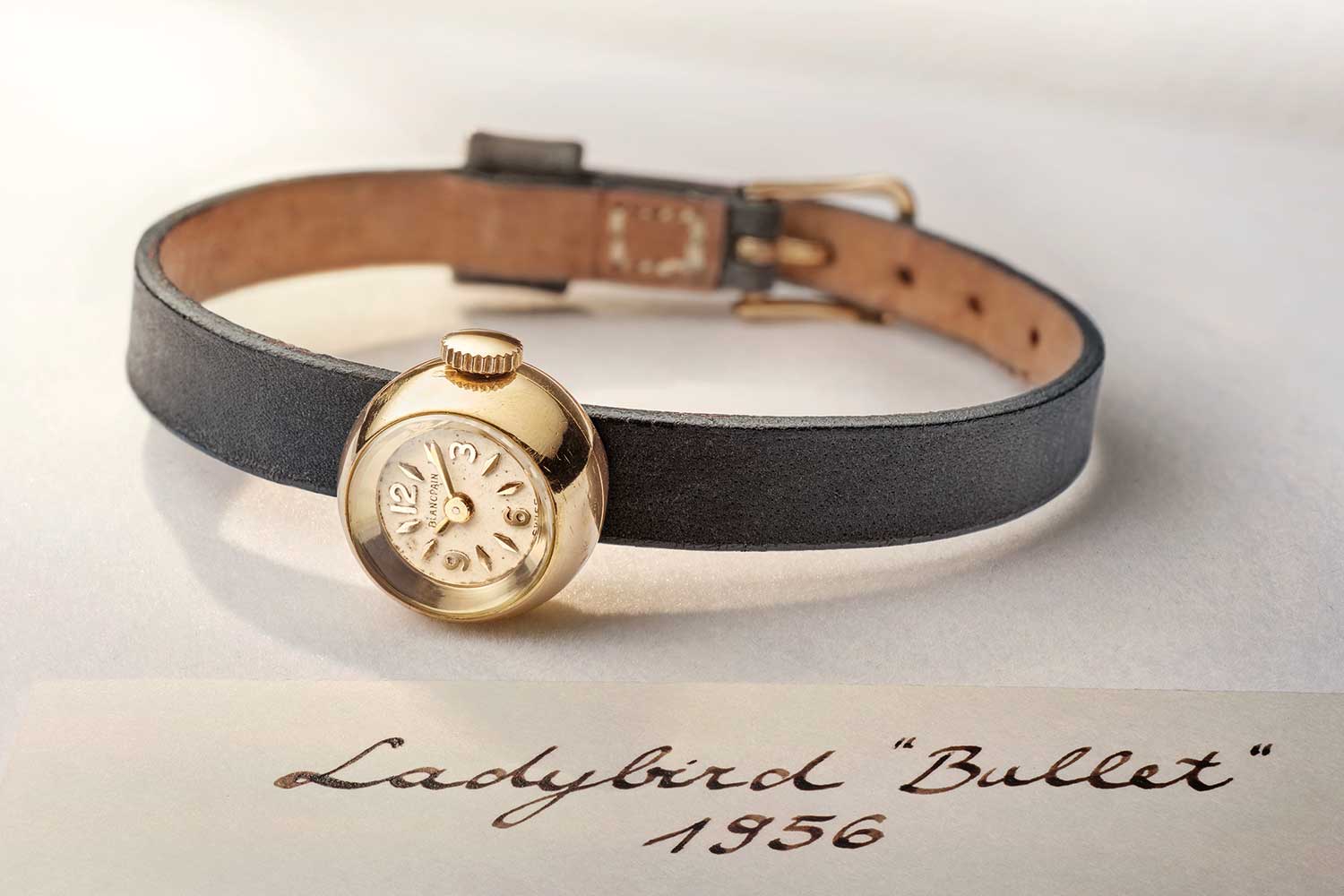
Because no member of the Blancpain family remained in the business, Swiss law prevented the company from continuing under the family name as its formal corporate identity.
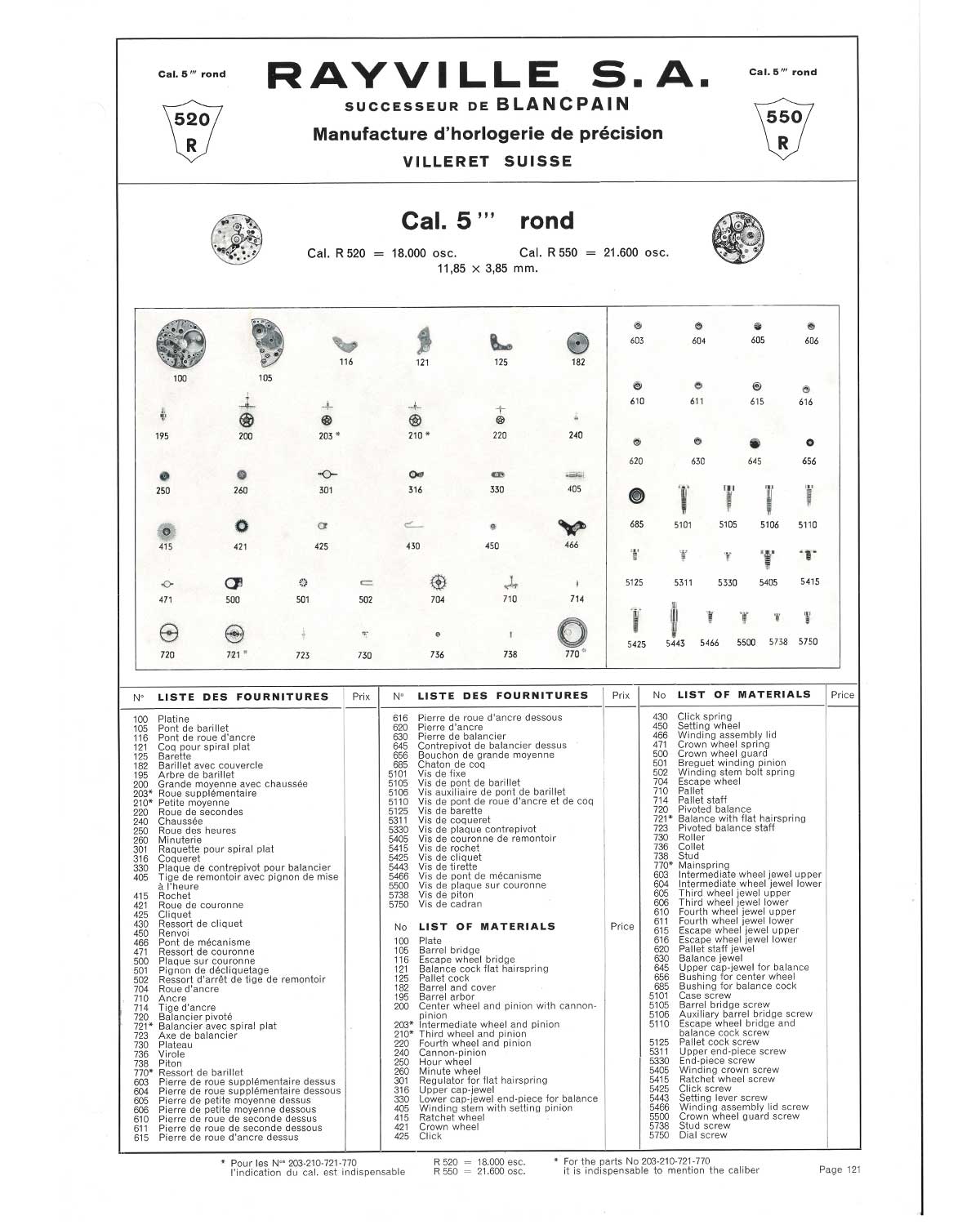
The new owners registered the business as Rayville S.A., successeur de Blancpain.
Rayville was a phonetic anagram of Villeret, and the Blancpain name continued to appear on watches even while the corporate structure changed behind the scenes.
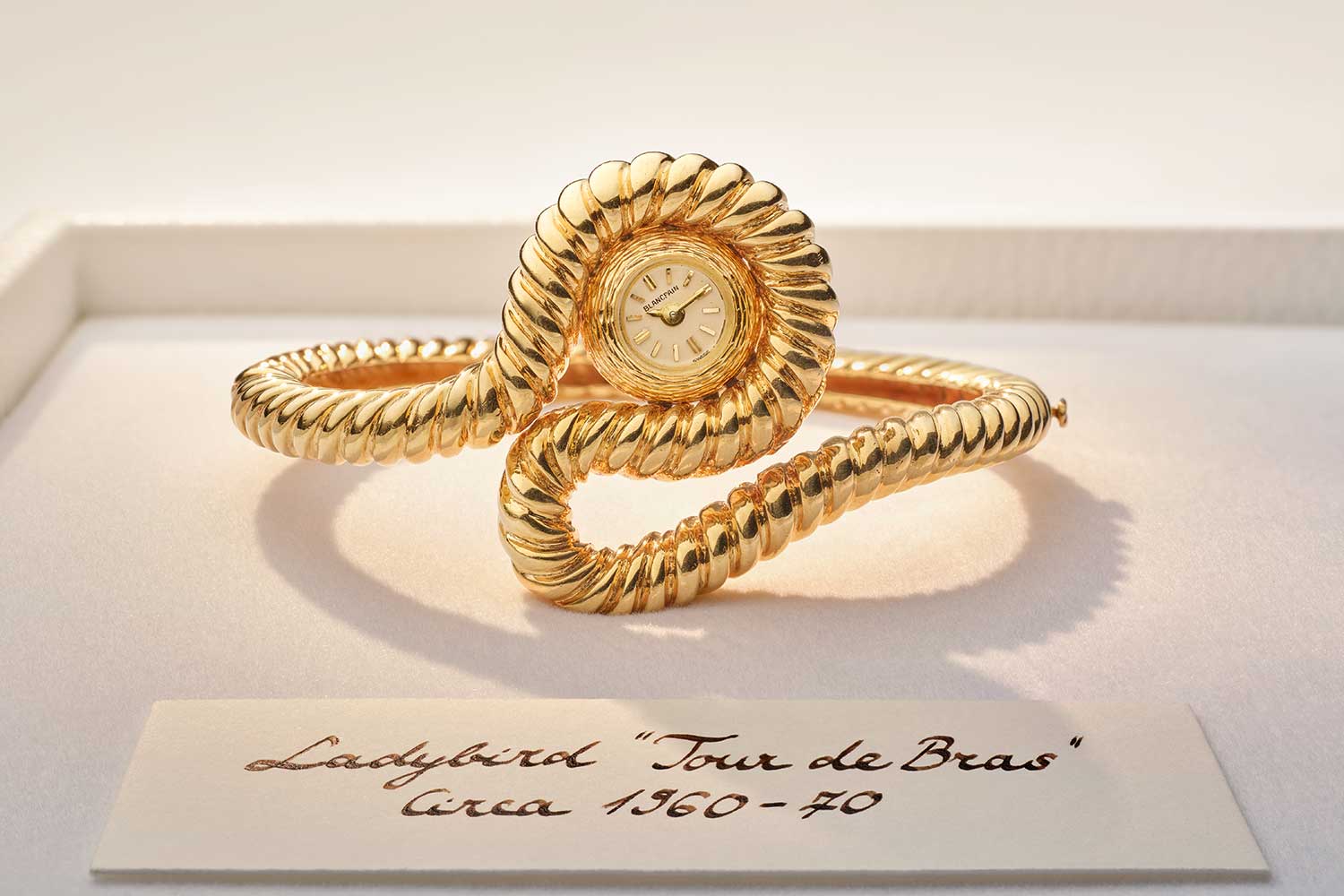
A new name did not solve the commercial challenge, so Fiechter and Léal changed the shape of the business.
Léal understood the American market and saw stronger opportunity there as the United States recovered faster than much of Europe.
High tariffs made finished Swiss watches difficult to sell competitively in America, so the company sent movements and components across the Atlantic to be cased or completed locally.
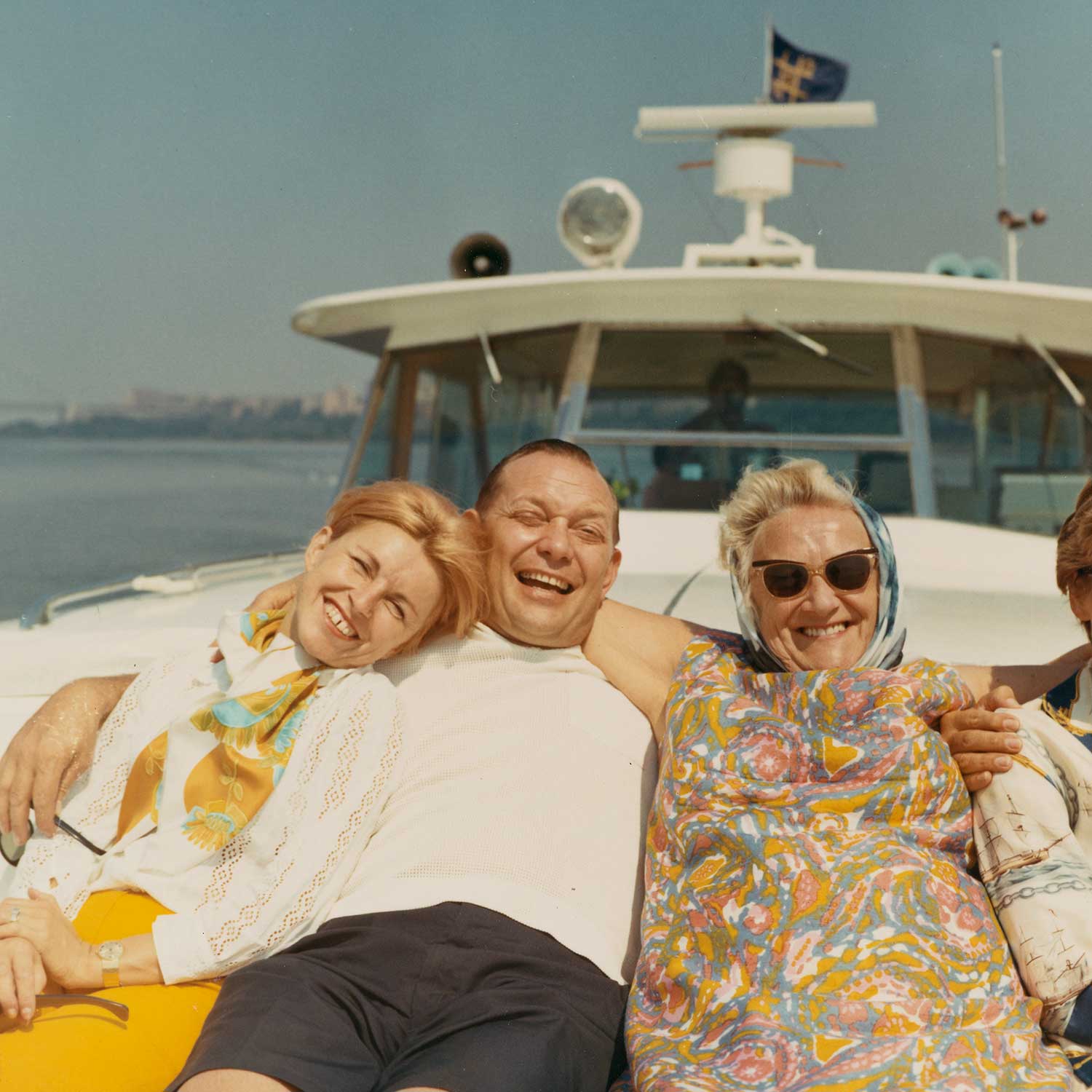
Gruen became an important customer, and Fiechter held a seat on the American company’s board in the late 1930s and 1940s.
Blancpain’s business records also show supply to Waltham, placing the Villeret manufacture inside a wider transatlantic network of watch production.
For collectors raised on the modern language of vertical integration, the arrangement feels almost counterintuitive.
Yet in the 1930s and 1940s, this kind of flexibility could keep workshops employed and machinery moving.
The legacy behind Blancpain’s survival
After Léal died in 1939, Fiechter continued steering the company alone.
Her nephew Jean-Jacques Fiechter joined her in 1950, adding another generation of family management to the business even though the Blancpain family itself was no longer involved.
By the early 1960s, Rayville had joined SSIH and had become an important movement producer for major Swiss and American names.
That transformation did not happen by accident.
It came from a blend of operational knowledge, commercial nerve and a willingness to rethink what Blancpain could be when the old model was no longer enough.
Fiechter’s story also complicates the usual image of Swiss watchmaking leadership in the interwar years.
She was not a dynastic heir, a public industrialist or a romantic founder figure.
She was the person who knew the factory, understood the people, trusted the numbers and took the risk when the safe option would have been to walk away.
That may be why her place in watch history still feels oddly quiet.
Blancpain survived its darkest decade because Betty Fiechter had already learned how to run it before anyone formally handed her the keys.