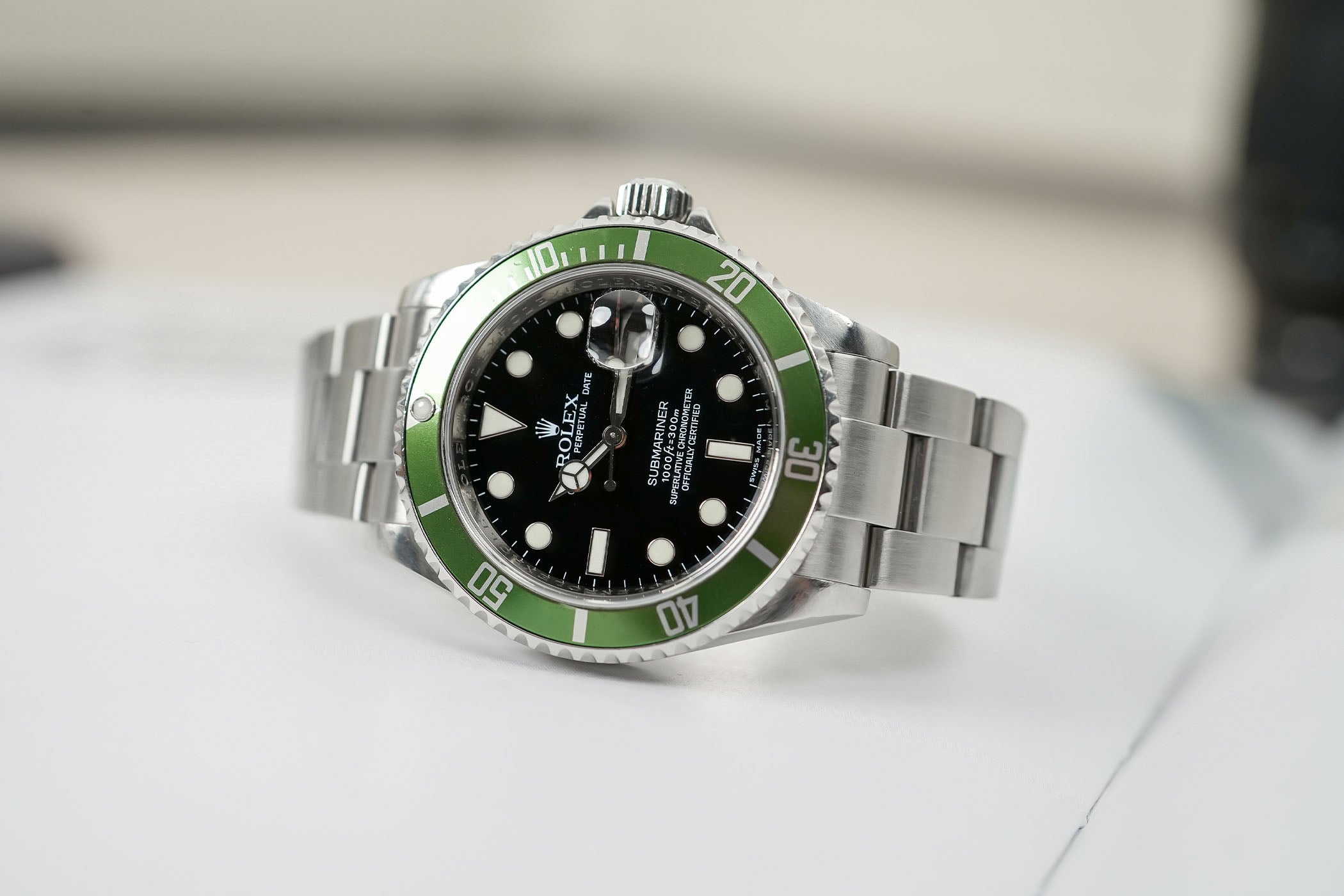
A mechanical watch can outlive its first owner, its second owner and the shop that first sold it.
That longevity is part of the charm, but it also creates a problem the pre-owned market has never fully solved. A watch may have passed through a family jeweller, a watchmaker’s bench, an auction room and a dealer’s safe, yet arrive in front of its next buyer with only a sales pitch and perhaps a box to speak for it.
For an object built around permanence, the paper trail is often surprisingly fragile.
At a glance
- Worldwatch has introduced a free public Register for professional watch dealers.
- The Register verifies business identity and trading details, but doesn’t rank dealers or authenticate individual watches.
- It’s intended to give collectors, dealers, brands and platforms a clearer starting point before a pre-owned transaction.
The weak link in watch provenance
Collectors have become fluent in the language of “full set”, but that phrase can hide as much as it reveals.
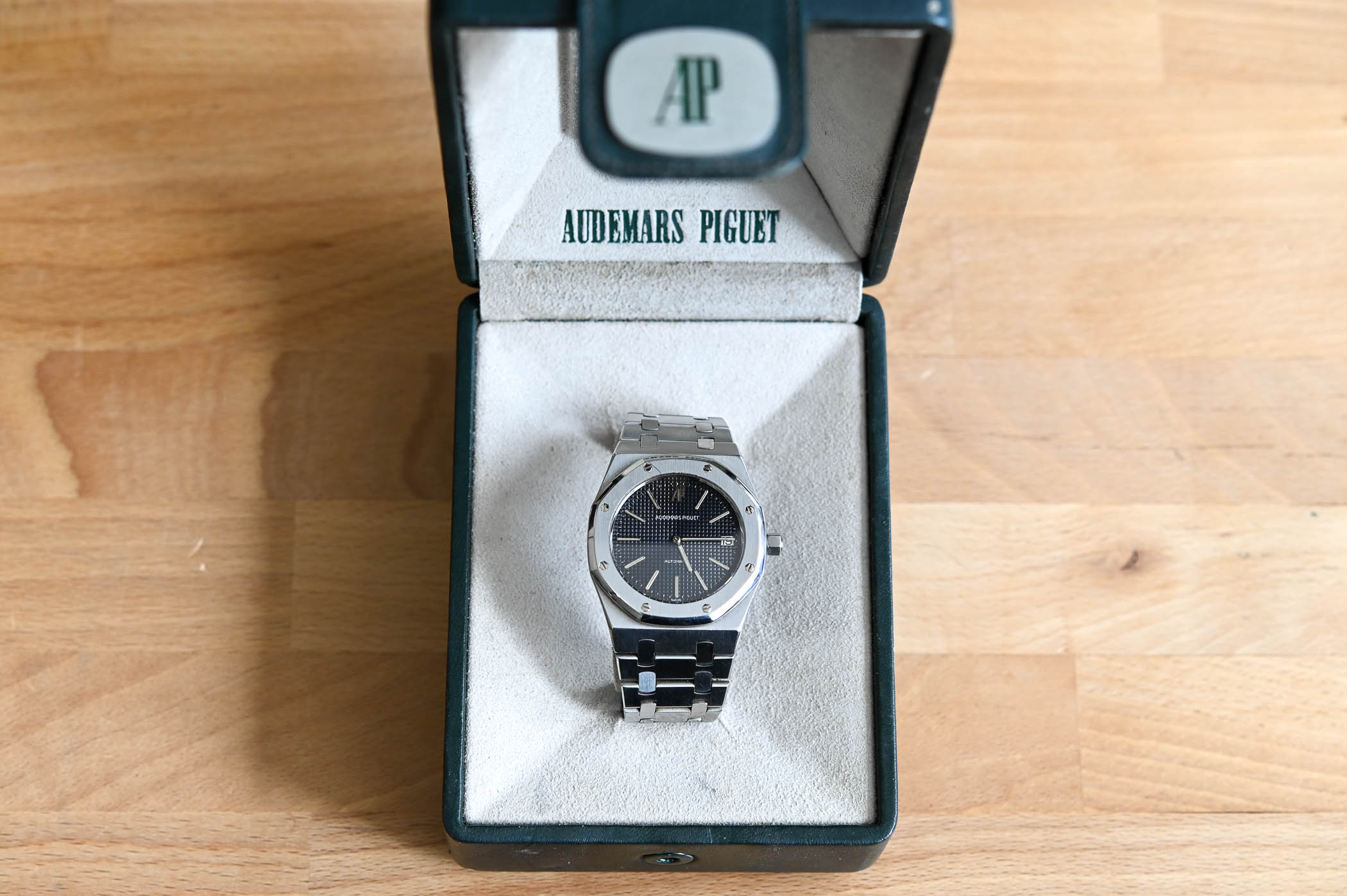
Papers can disappear during a house move, boxes can become separated from watches, and a period-correct presentation box may have met the watch years after the first sale.
Even when the documents are present, they usually capture only one moment in a much longer life.
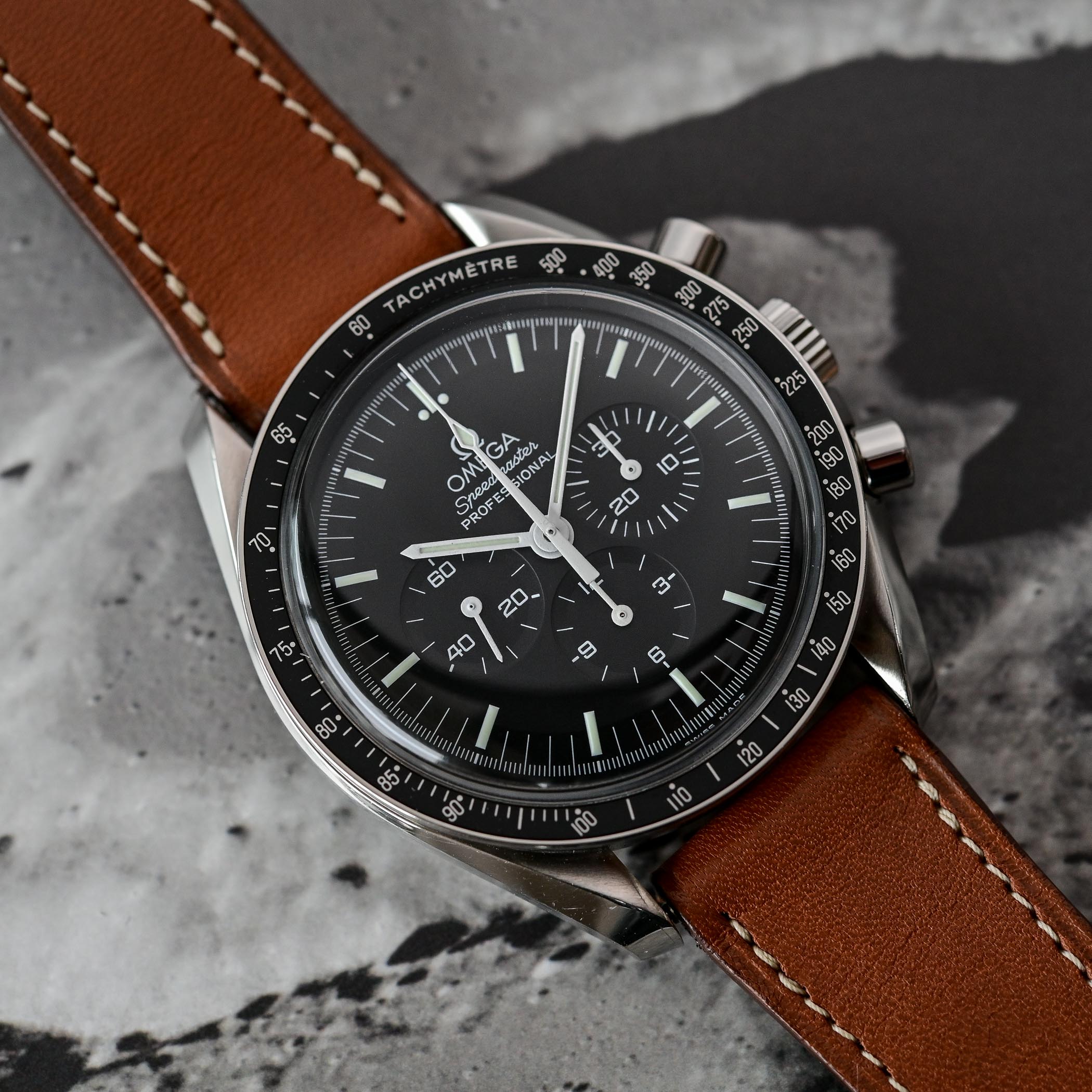
A service, a replaced bracelet, a new bezel or a careful restoration can matter enormously to a buyer, yet those details are often held in separate places by separate people.
That’s the difference between ownership history and living provenance.
The art market has long understood this distinction, and classic cars are routinely judged with their maintenance and restoration history in view. Watches, despite being made for decades of use, still rely too heavily on what the last seller knows or can prove.
What the Worldwatch Register verifies
Worldwatch, an Amsterdam company, has launched the Worldwatch Register as a first step toward giving the professional side of the watch trade a more visible framework.
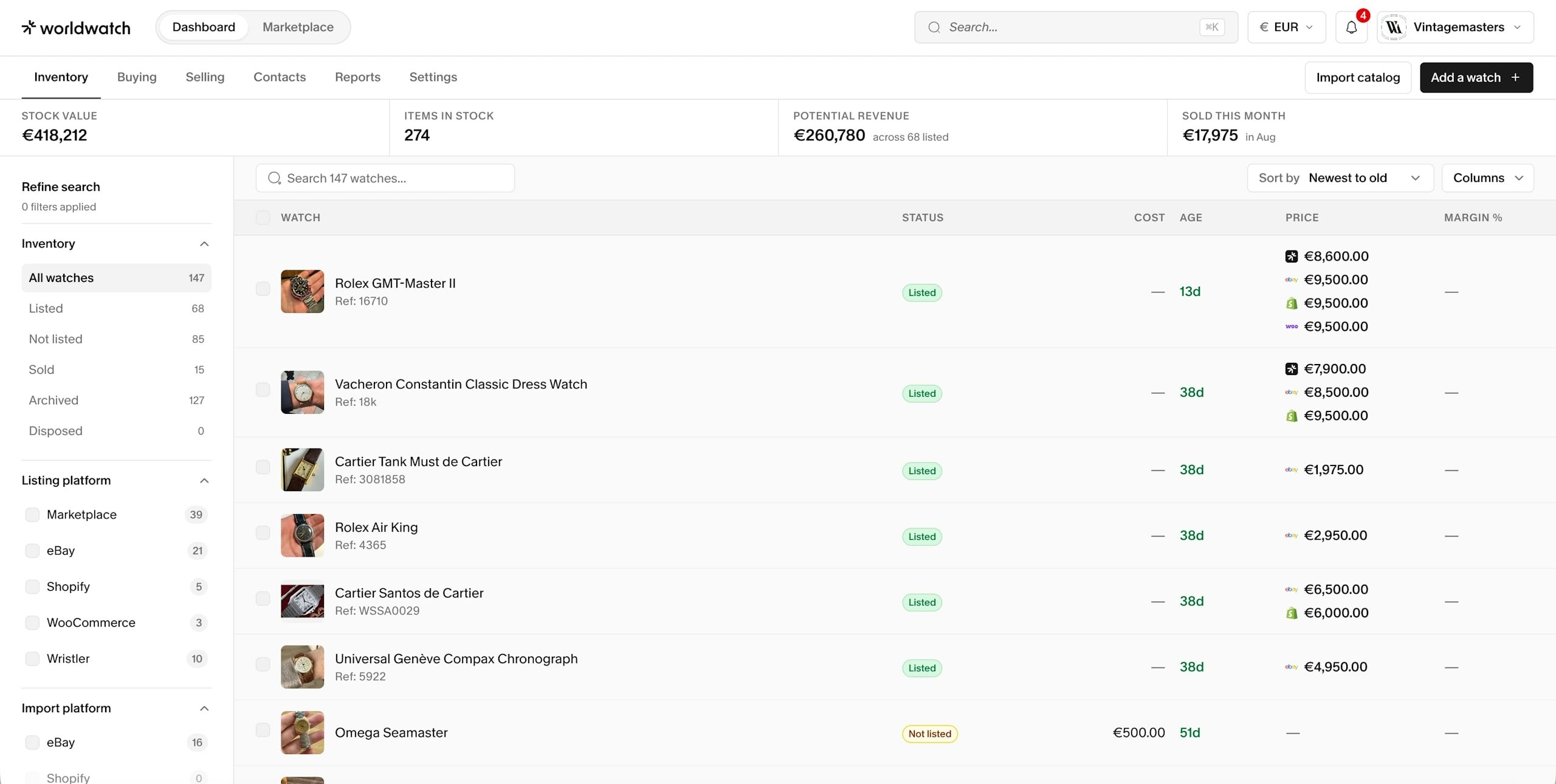
The Register, found at worldwatch.market/register, is a free public list of professional watch dealers.
A dealer page shows the business name, operating location, year of first trading and a link to the dealer’s own website.
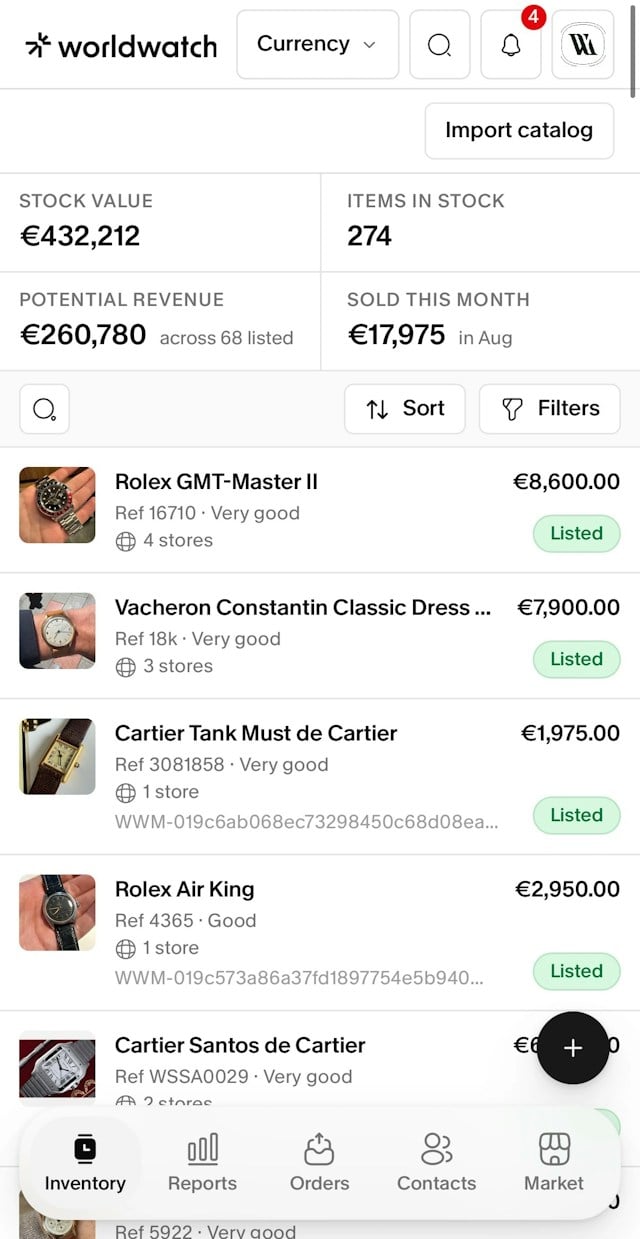
Each listed detail is paired with information on when it was checked, creating a simple audit trail around the business rather than a promise about every watch it sells.
Verification is also free.
Dealers create an account, build a public profile, add a logo, sign a code of conduct and complete a verification call with the Worldwatch team.
The Register avoids star ratings, paid placement and ranking.
Dealer order is randomised daily, which means nobody can pay to sit above a competitor.
That matters because any list that turns visibility into a commodity risks becoming another advertising channel.
Here, the proposition is narrower and more useful. The Register doesn’t declare that a dealer is good, nor does it confirm that a watch is genuine.
It confirms that the business exists, that key details have been checked and that a buyer has a clearer place to begin.
- Business name and location
- Year the dealer began trading
- Link to the dealer’s website
- Verification status and verification date
- No paid rankings, star ratings or sponsored top spots
A tool for dealers, collectors and platforms
The appeal is practical rather than theatrical.
A collector can use the Register as an extra checkpoint before wiring money or arranging a trade. A dealer can do the same before working with another business for the first time.
For professional dealers, a checked profile becomes something they can share with hesitant buyers, particularly across borders where reputation is harder to judge at a glance.
It also gives them a badge and a public page that sits outside their own website.
Brands with certified pre-owned programmes may find the same kind of verification useful when dealing with professional sellers and trade partners.
Marketplaces, meanwhile, can point buyers toward a clearer view of who is standing behind a listing.
Wristler co-founder Leon Noordanus has welcomed the idea, noting that expertise and craftsmanship sit at the centre of the market and that an open register gives buyers another way to check who they’re buying from.
That’s an important distinction.
The Register isn’t a replacement for knowledge, due diligence or a trusted relationship with a specialist. It’s a structured first handshake in a market where first handshakes often happen through a screen.
Service history is the next frontier
Dealer identity is only part of the chain.
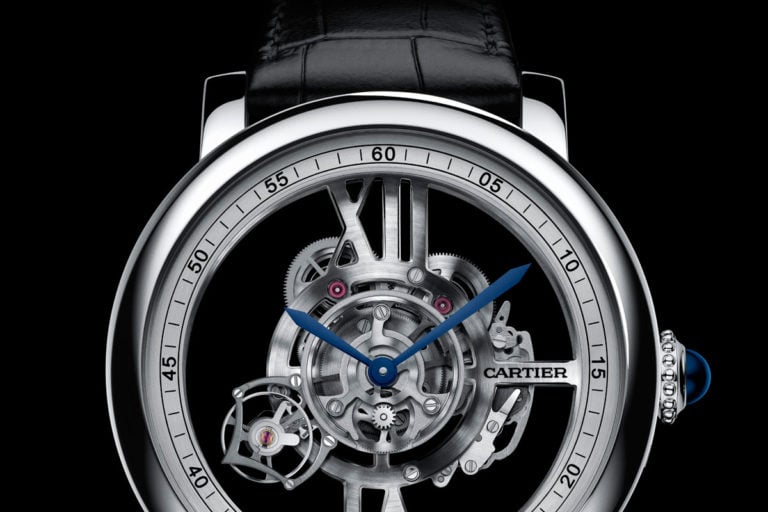
Every serious watch will eventually pass through a watchmaker’s hands, and those workshop records can be just as important as a sales invoice.
Worldwatch is now in talks with watchmakers and their organisations about what a public watchmaker listing should include.
That could help collectors find the right workshop for a particular watch, especially when vintage parts, brand-specific experience or microparts expertise are involved.
It could also make service history less dependent on a single workshop ledger or private email archive.
Watchmaker and microparts specialist Gertjan Westerbeke, owner of The Janus Huibregt Collection, has described the Register as welcome and overdue, pointing to the importance of trust and specialist craftsmanship in servicing.
If the dealer side is about knowing who is selling, the watchmaker side could become about knowing who has preserved the watch along the way.
Moving beyond the full set mindset
None of this makes box and papers irrelevant.
They still matter, especially when they genuinely belong with the watch and support its first sale history.
But the market’s fixation on them can be too blunt.
A watch without papers isn’t automatically suspect, and a watch with papers isn’t automatically beyond question.
The more mature question is what happened over time, who handled it, what was changed and whether those changes were appropriate.
That’s especially true for vintage watches, where originality, honest wear and sympathetic maintenance often sit in a delicate balance.
A replaced service bezel, a later bracelet or a cleaned dial can alter both value and desirability, but the presence of a box doesn’t explain any of that.
The pre-owned watch market has grown too sophisticated to rely on scattered memories and missing files.
A Register won’t solve provenance overnight, and it shouldn’t pretend to. What it can do is help the trade move from isolated claims toward connected facts.
For collectors, that shift is overdue.
The next great frontier in pre-owned watches may not be another tropical dial or untouched safe queen, but a cleaner chain of custody that lets a watch’s real life travel with it.