Seiko collecting has its own language, and much of it was written by enthusiasts rather than the brand itself.
The nicknames attached to Seiko watches are part shorthand, part folklore and part affection, turning reference numbers into characters with stories behind them.
Some names come from Hollywood wrists, some from case shapes, and others from the sheer presence of the watches themselves.
At a glance
- Seiko’s best-known nicknames are unofficial collector terms used to identify notable models and families.
- The names often come from film appearances, military associations, case silhouettes, bezels or dial layouts.
- Many of these watches remain central to Prospex collecting, vintage Seiko culture and accessible dive-watch enthusiasm.
Screen-worn Seikos and space-age legends
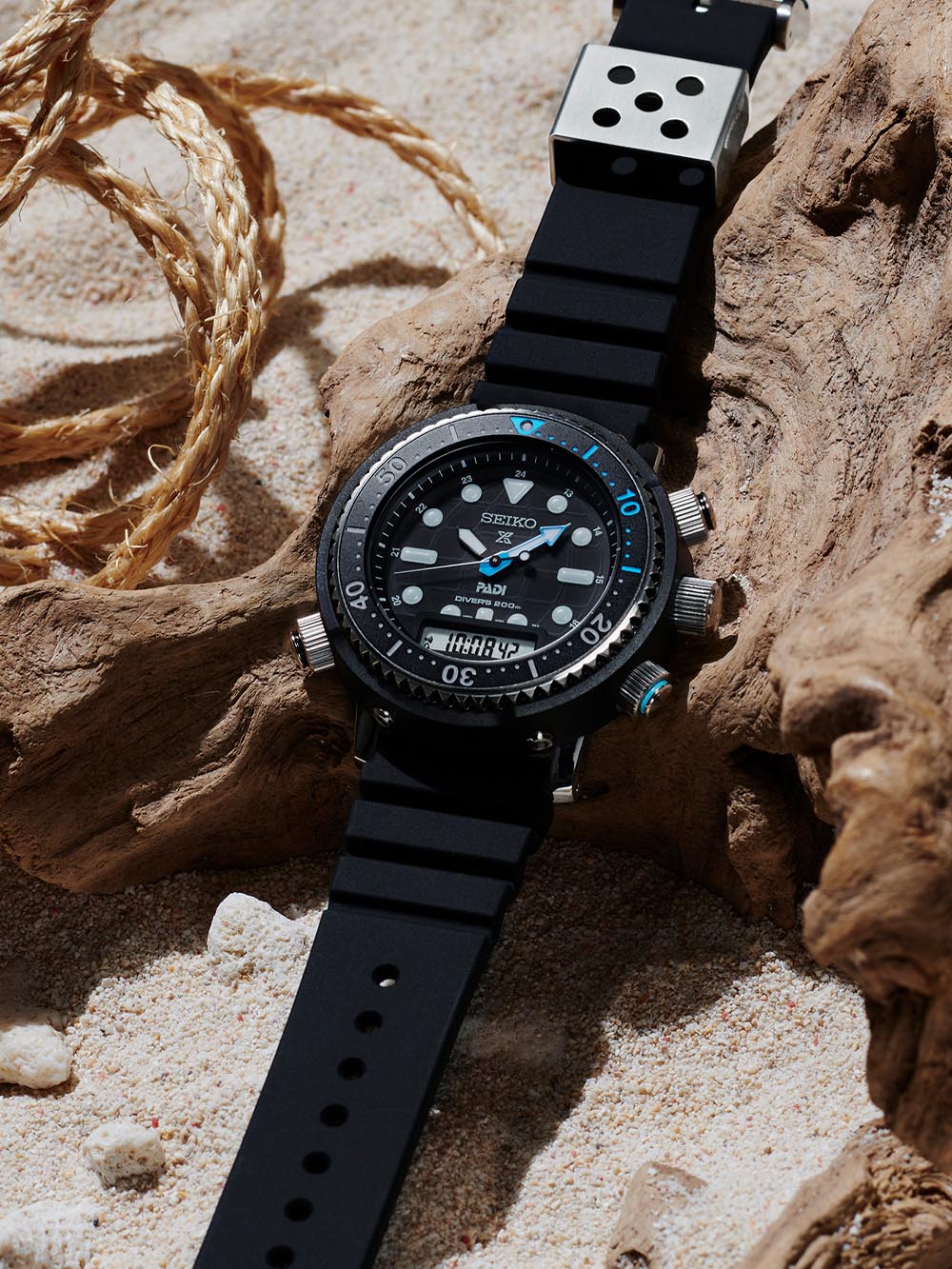
The Seiko Arnie is the H558-5009, an ana-digi diver best remembered for its appearance on Arnold Schwarzenegger’s wrist in Commando and Predator.
Launched in 1982, it was the world’s first hybrid diver, combining analogue and digital displays with 150 metres of water resistance and a protective outer shroud.
Its appeal is easy to understand, because the watch has the same broad-shouldered, action-film energy as the roles that made it famous.
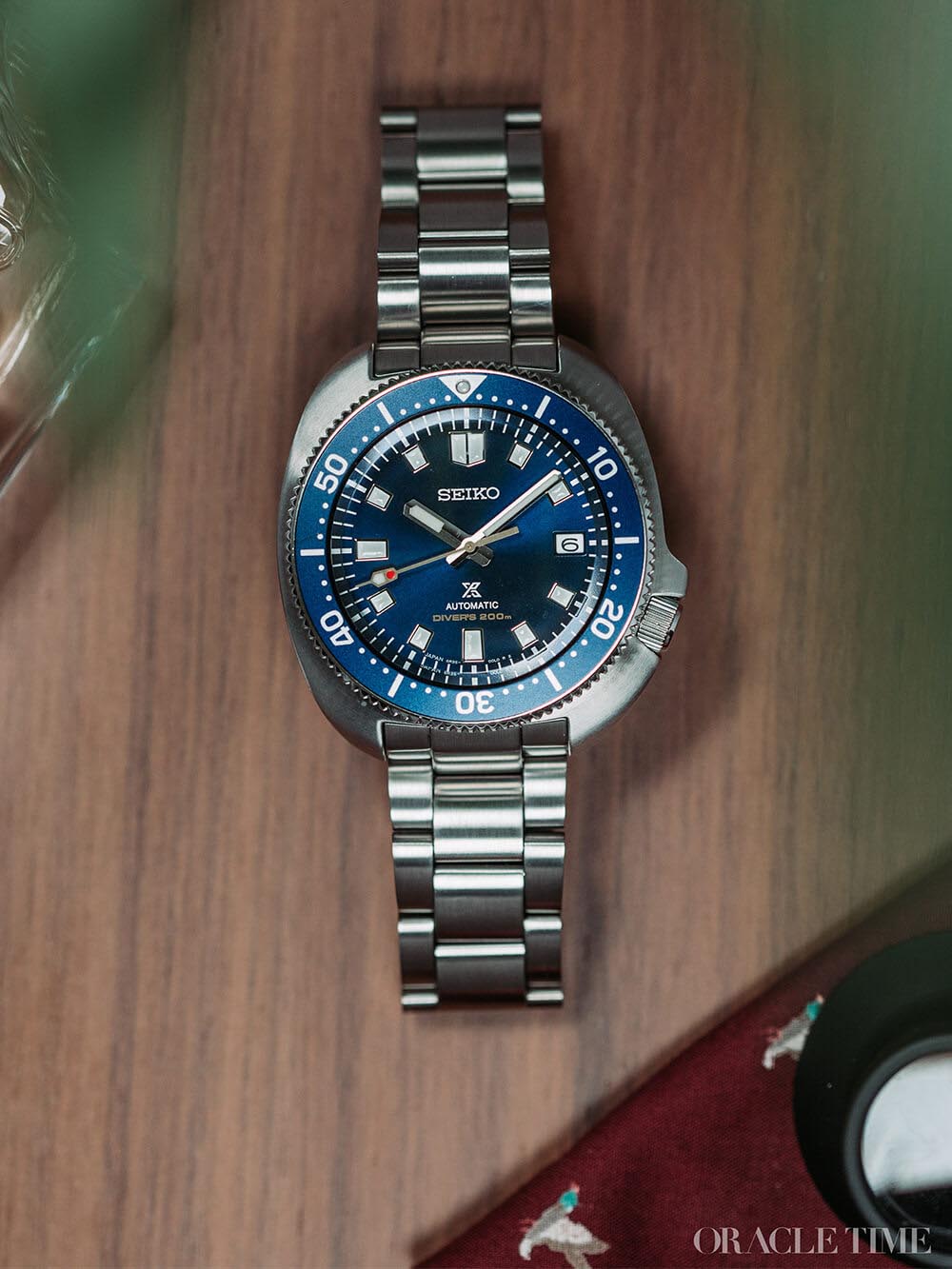
The Captain Willard name belongs to the Seiko 6105, the cushion-cased diver worn by Martin Sheen’s character in Apocalypse Now.
The watch had already earned real-world credibility among U.S. troops during the Vietnam War, which gave its film appearance an added sense of authenticity.
Its defining cues are the broad case, crown at 4 o’clock and utilitarian dial layout, all of which have carried through into several modern reinterpretations.
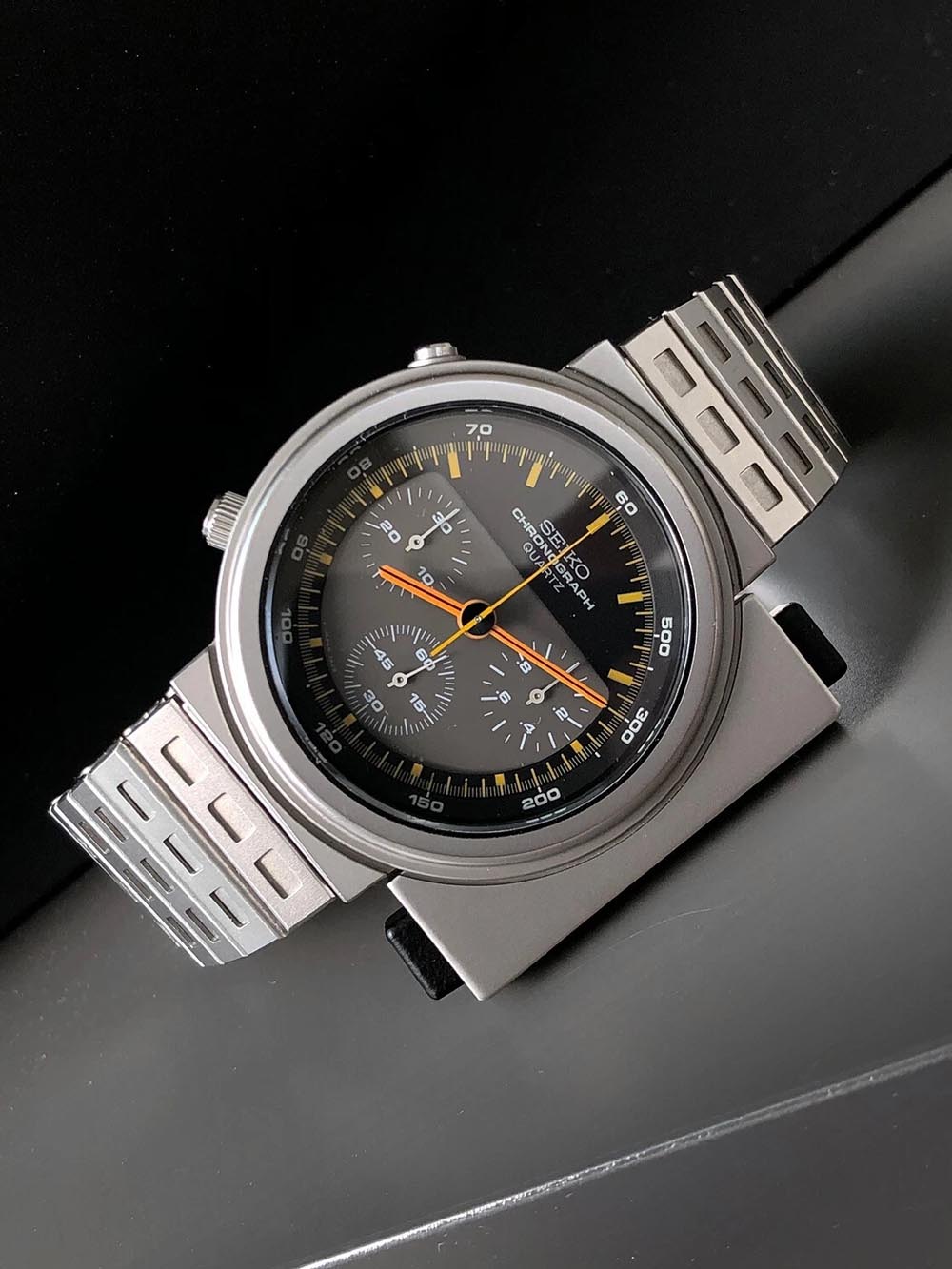
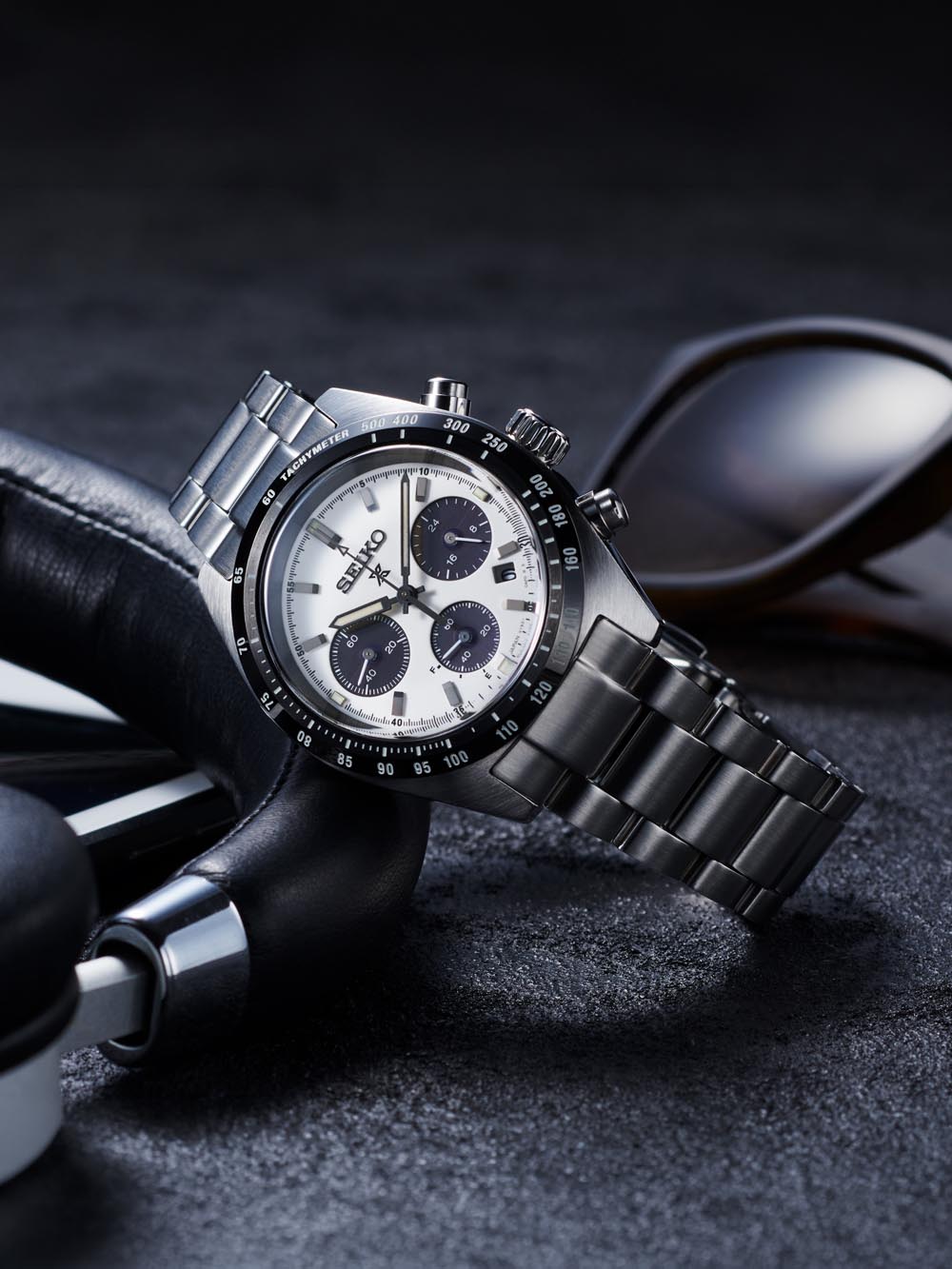
The Seiko Ripley is the 7A28-7000, a sharply futuristic chronograph designed by Giorgetto Giugiaro in 1983.
Its asymmetrical form and horizontal pushers were intended to make the chronograph easier to operate while wearing racing gloves, though its lasting fame came from Sigourney Weaver wearing it as Ellen Ripley in Alien.
The design fitted the industrial sci-fi language of the film perfectly, and the watch also holds an important technical place as the world’s first analogue quartz chronograph.
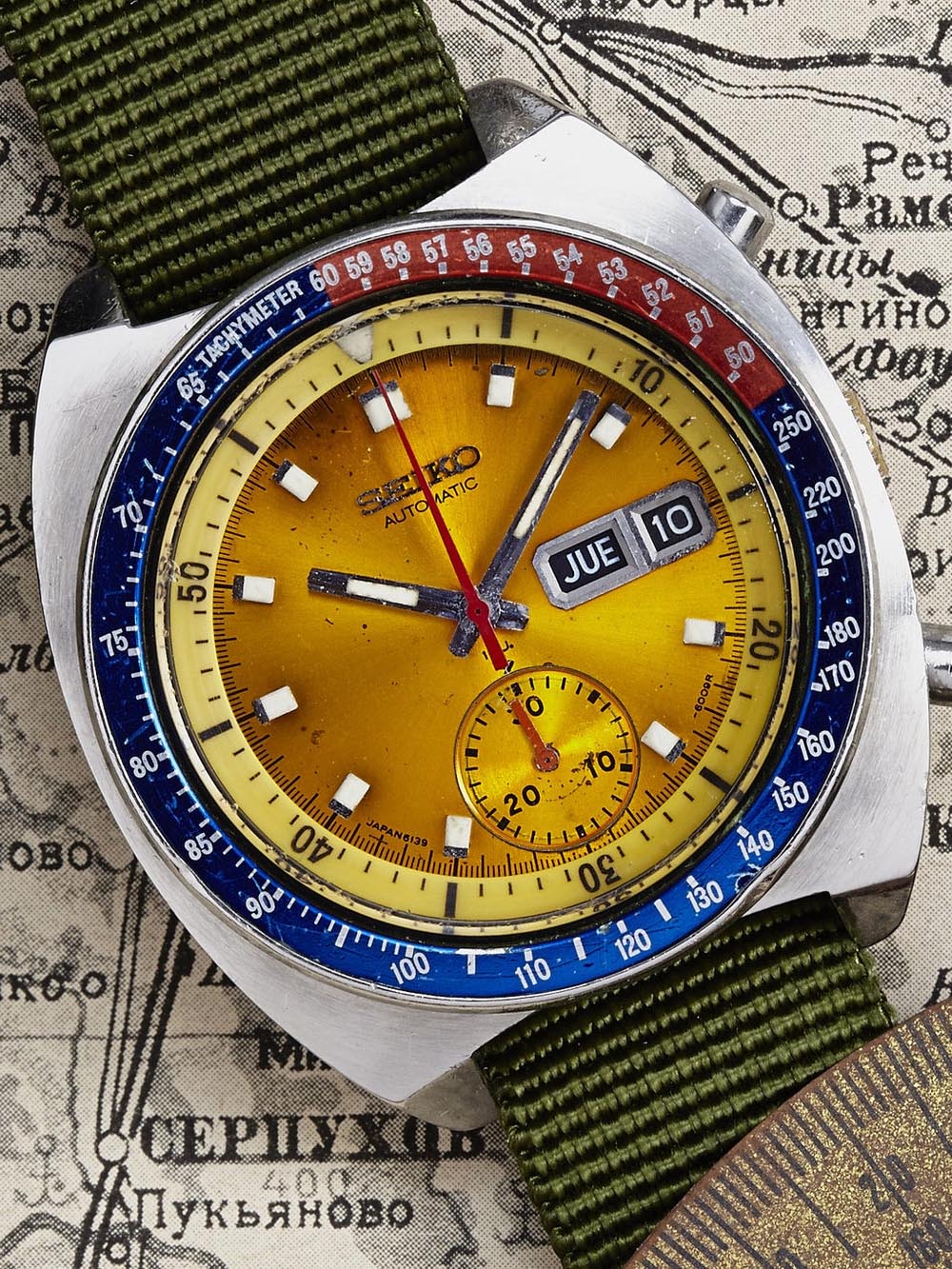
The Seiko Pogue takes its name from Colonel William Pogue, who wore his own Seiko 6139-6005/6002 during the Skylab 4 mission in 1973.
That made the model the first automatic chronograph worn in space, a remarkable distinction for a watch outside the usual astronaut-watch conversation.
The version most collectors picture has a golden yellow dial and a red-and-blue tachymeter bezel, a combination that remains one of vintage Seiko’s most recognisable looks.
Military links and field-watch character
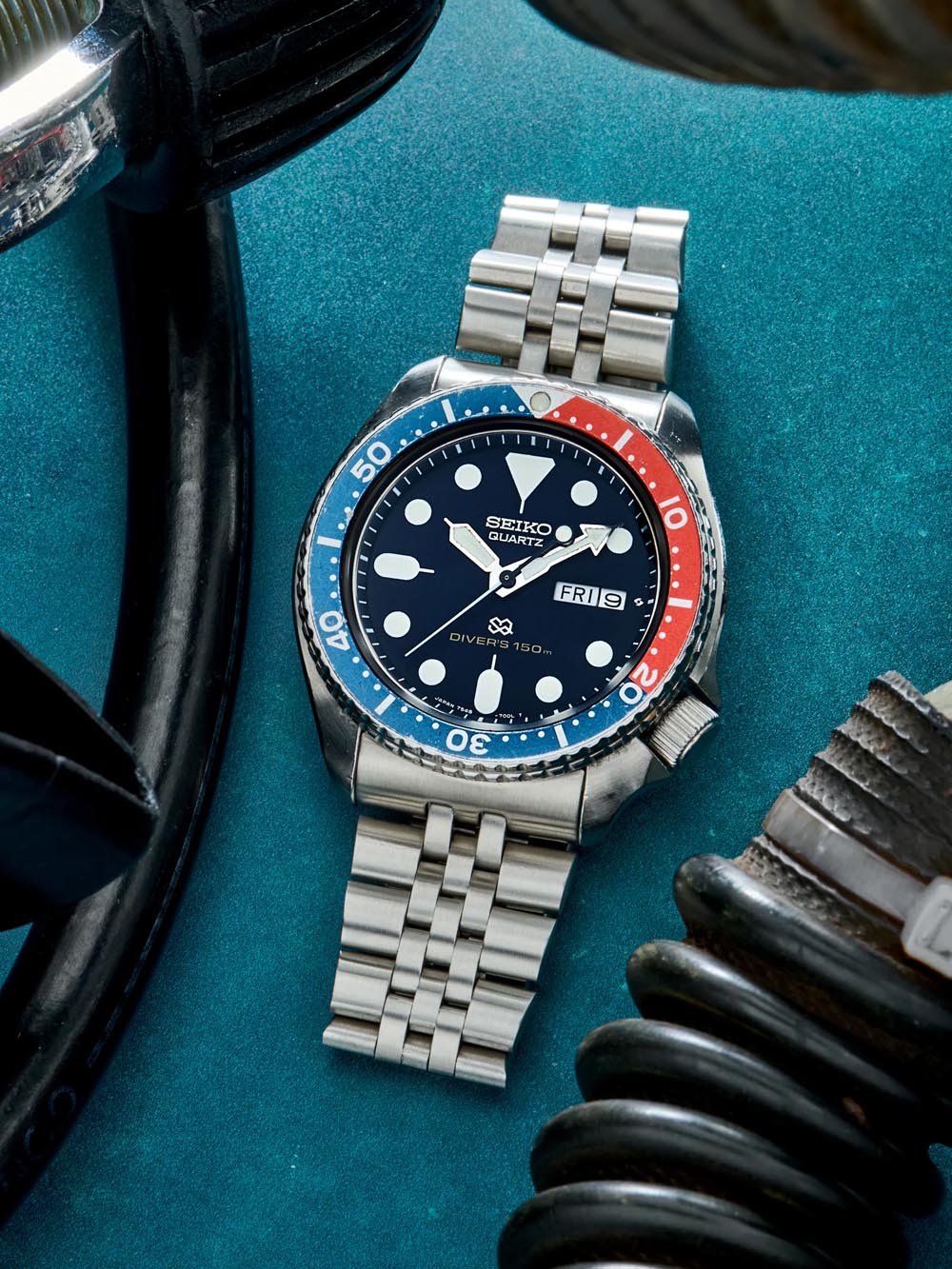
The Stormin’ Norman nickname is tied to U.S. Army General Herbert “Stormin’ Norman” Schwarzkopf Jr., who led coalition forces during Operation Desert Storm.
He was known for wearing two watches at once, with a dressier watch on one wrist for Saudi Arabian time and a Seiko 7548-700F on the other for Eastern Standard Time.
The 7548-700F is a robust quartz diver with a black dial, mixed marker shapes and a Pepsi dive bezel, placing it firmly in the neovintage sweet spot for practical Seiko tool watches.
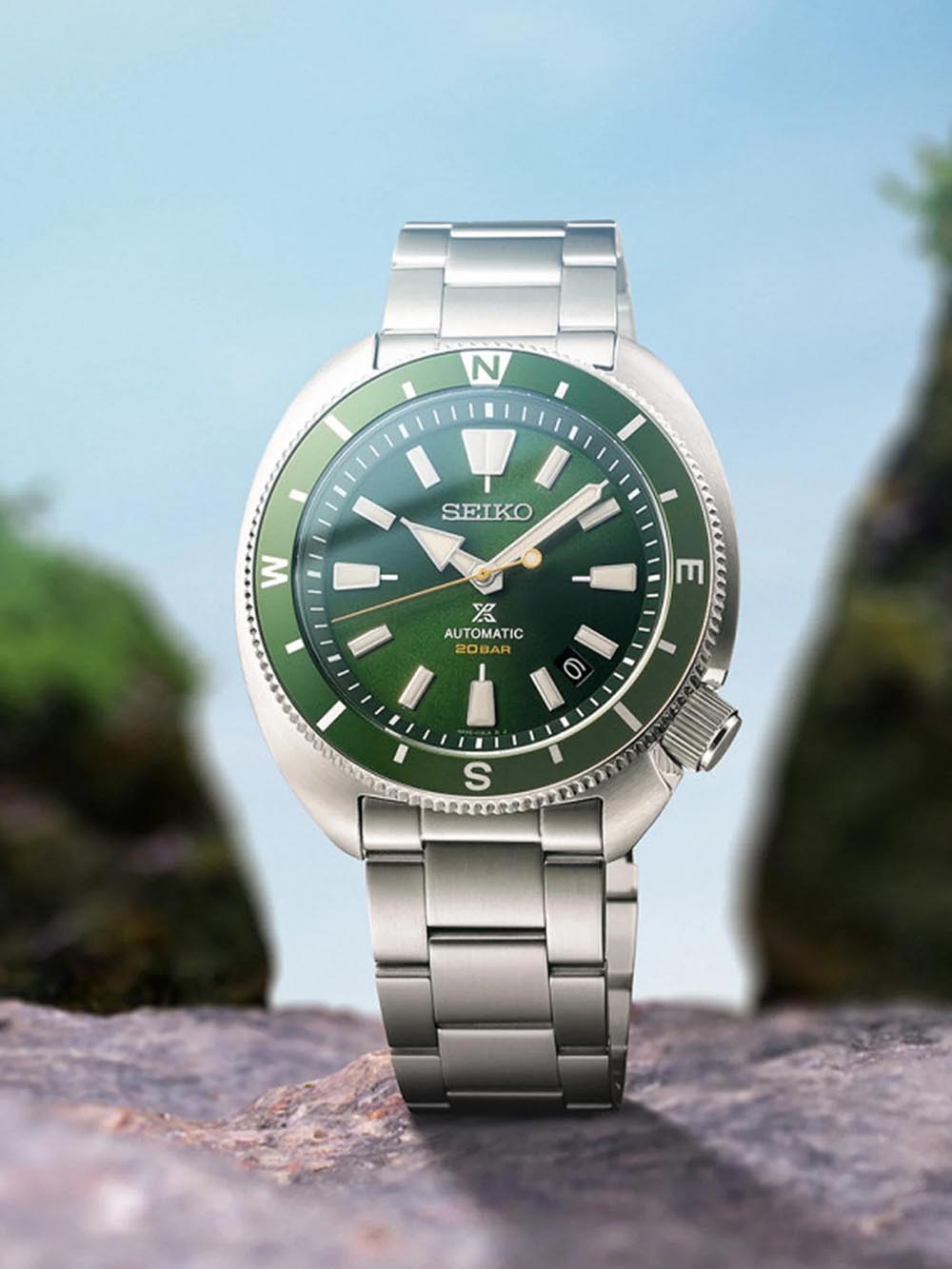
The Tortoise is a more land-oriented branch of the Turtle family, associated with the SRPH15K1.
Instead of a dive bezel, it uses a compass-style bezel, giving the watch a field and exploration feel while retaining the familiar 4 o’clock crown.
It’s smaller than the standard Turtle, which makes the Tortoise feel less like a pure diver and more like a rugged everyday watch with outdoor intent.
Turtle, Tuna and the language of Seiko dive cases
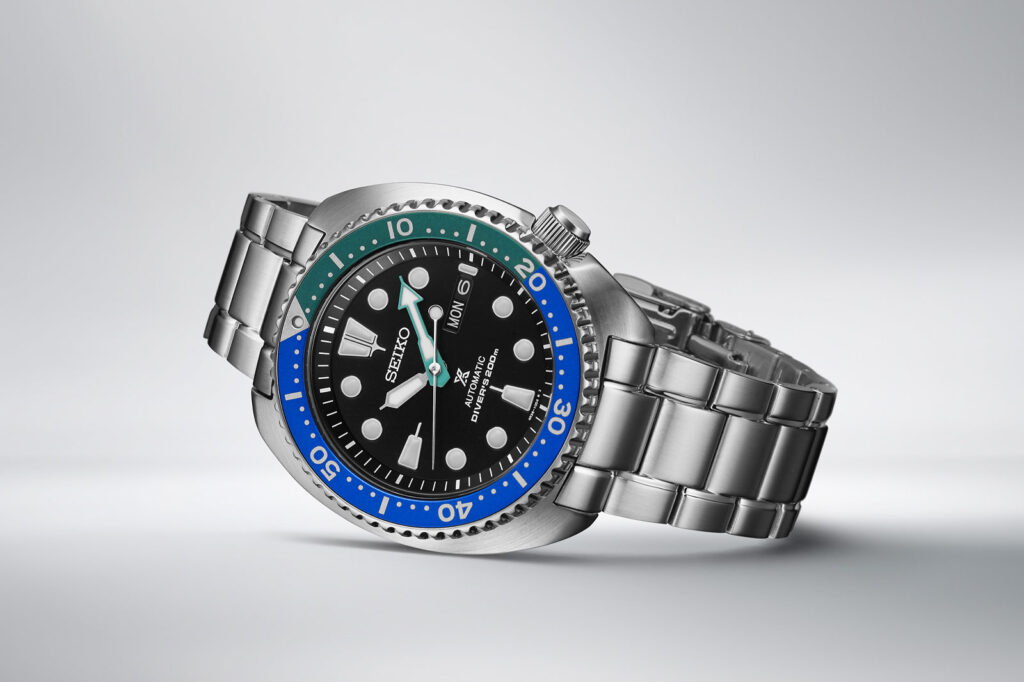
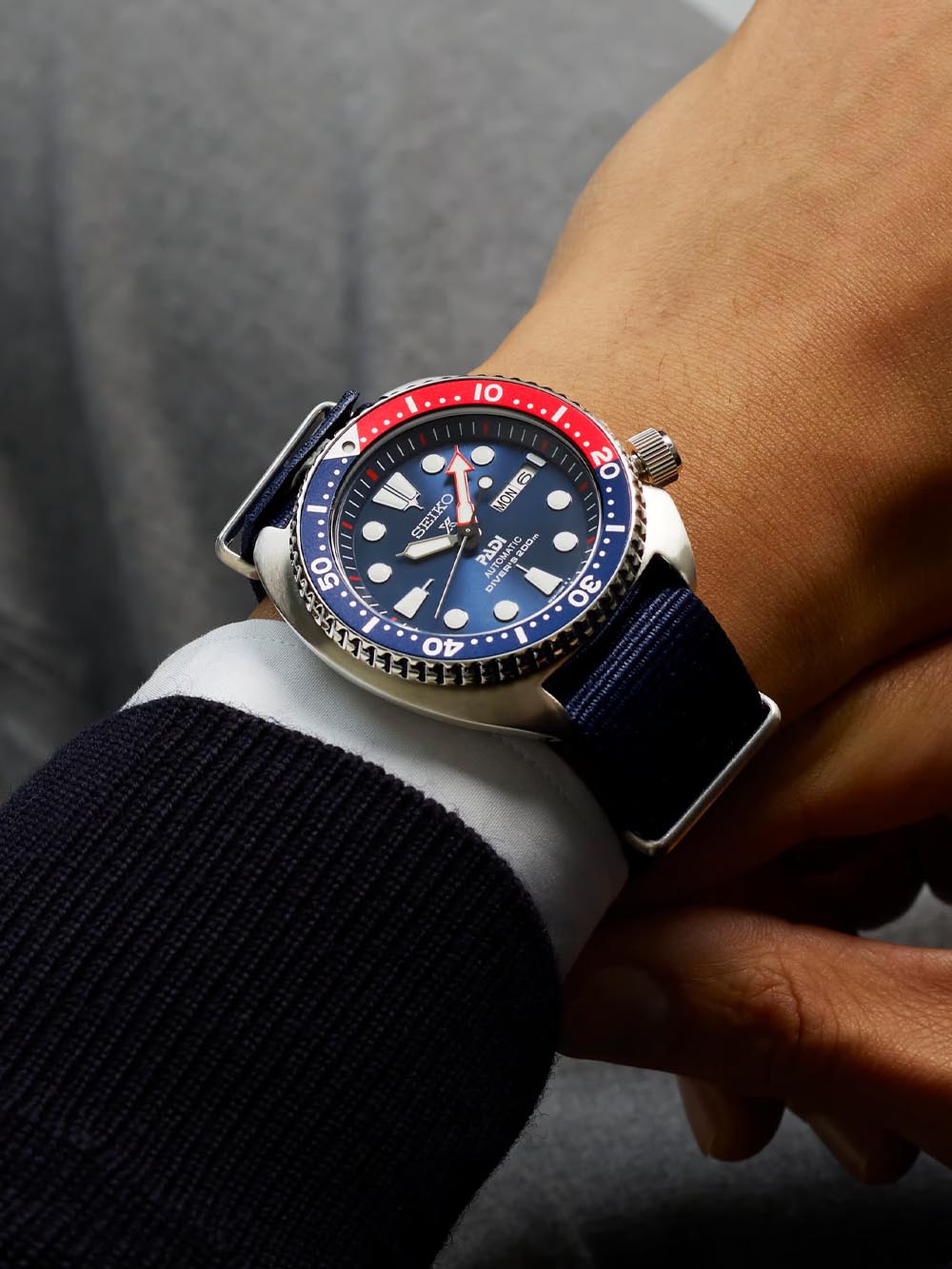
The Turtle is one of the clearest Seiko nicknames because it comes directly from the watch’s cushion case, which resembles a turtle shell.
The original 6306 and 6309 models appeared in 1976 and remained in production into the 1980s, before the shape returned to the modern Prospex line in 2016.
The Turtle is usually a large watch on paper, but its short lugs help it sit comfortably on a wider range of wrists than the diameter might suggest.
Its mix of an approachable case shape, ISO dive-watch credibility, a classic dial layout and a crown at 4 o’clock explains why it has remained so popular for nearly half a century.
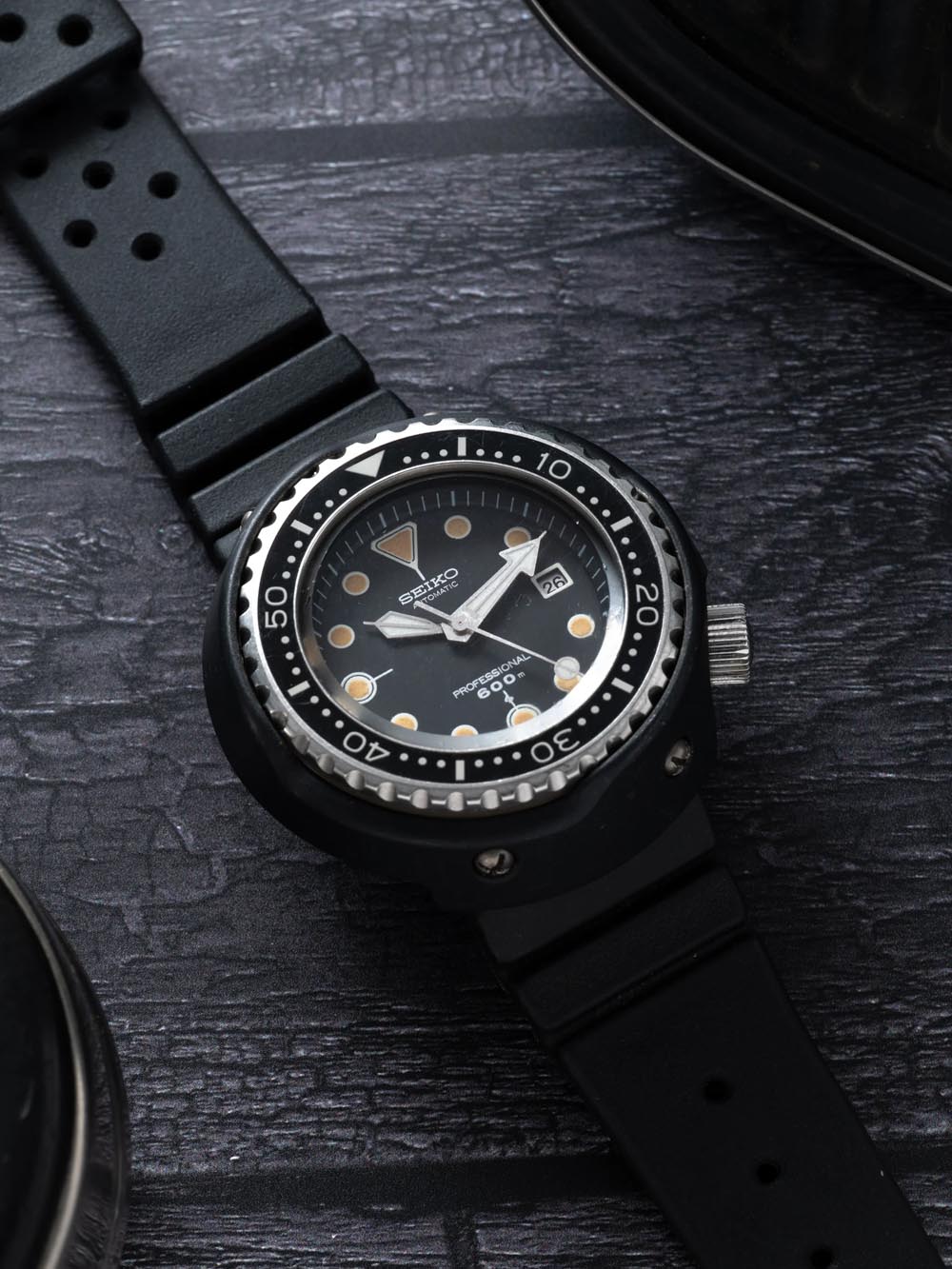
The Tuna is Seiko’s answer to the demands of saturation diving, and its name comes from the watch’s can-like shrouded case.
The original 6159-7010 used a monocoque case and a substantial protective ceramic shroud, giving it a profile unlike almost anything else in dive-watch design.
Where some brands used helium escape valves to manage saturation-diving pressure issues, Seiko pursued a different engineering route with a case architecture designed around the problem.
The early Tuna was enormous, with later versions bringing metal shrouds and smaller sizes into the family while preserving the distinctive protected silhouette.
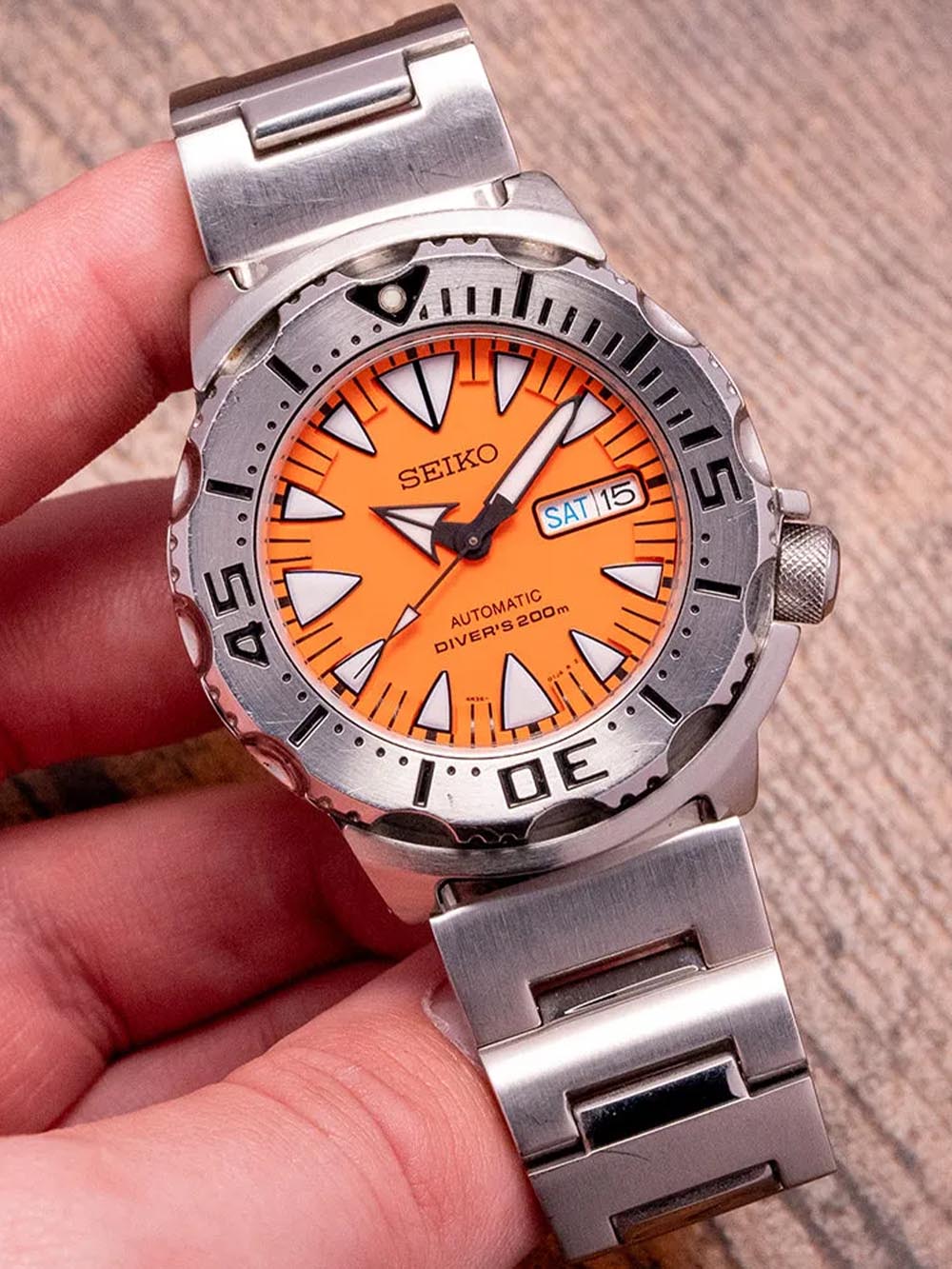
The Monster arrived in 2000 and earned its nickname through a much more aggressive visual personality.
Its serrated bezel is often read as a set of teeth, while its large luminous markers and heavily protected case construction make it feel tougher than its price point might suggest.
With 200 metres of water resistance and proper ISO dive-watch requirements, the Monster became a cult Seiko almost immediately, especially in the original black and orange versions.
Samurai, Sumo and Shogun in the Prospex hierarchy
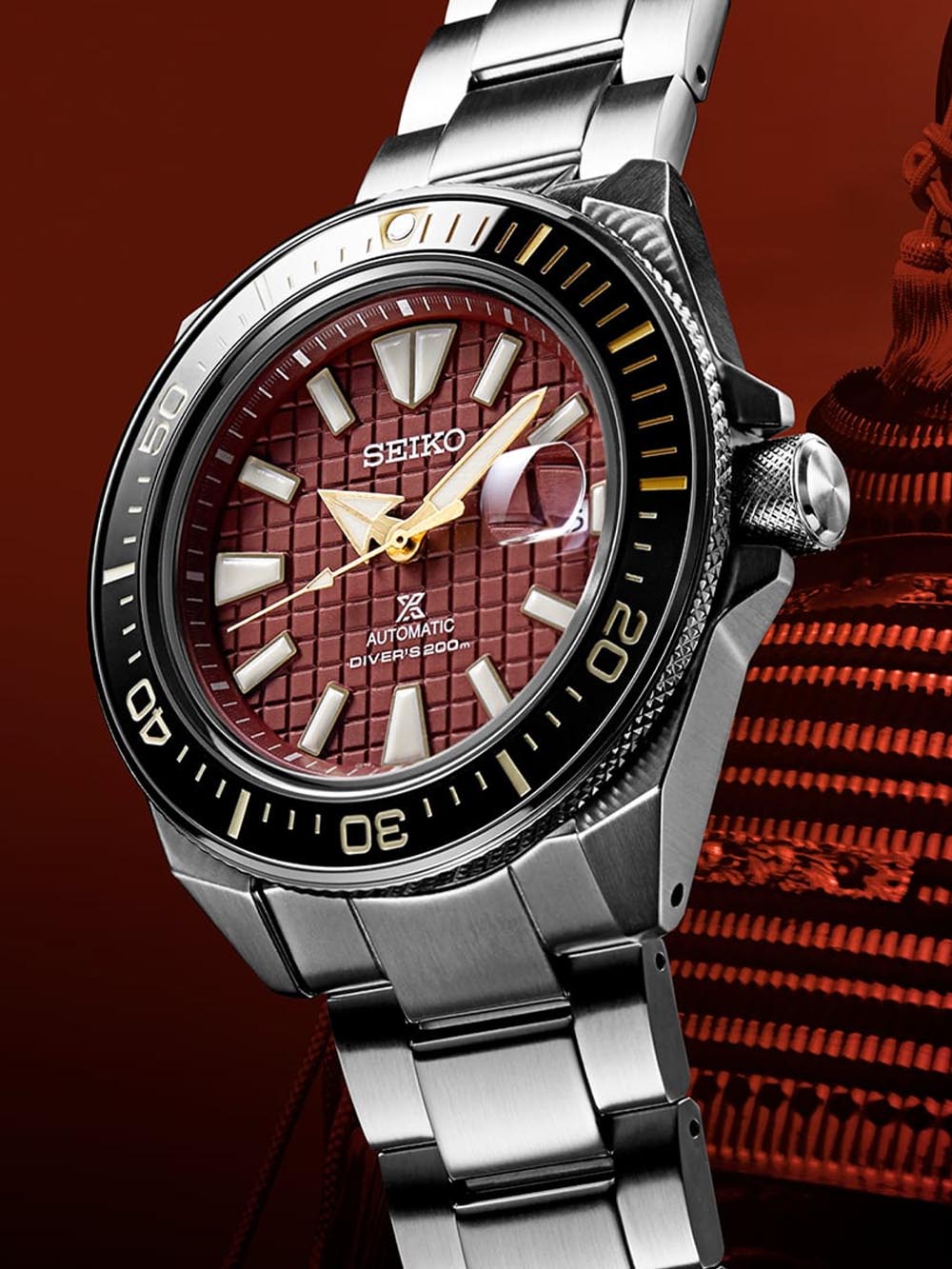
The Samurai first appeared in 2004, then returned more permanently in 2017 after its initial four-year run.
Its name comes from the angular personality of the case and hands, particularly the sword-like handset and sloping lugs that look sharply cut.
Many Samurai models also use textured dials, adding to the watch’s more architectural feel within Seiko’s diver range.
Current versions sit around 42mm, while models made between 2017 and 2023 are notably larger.
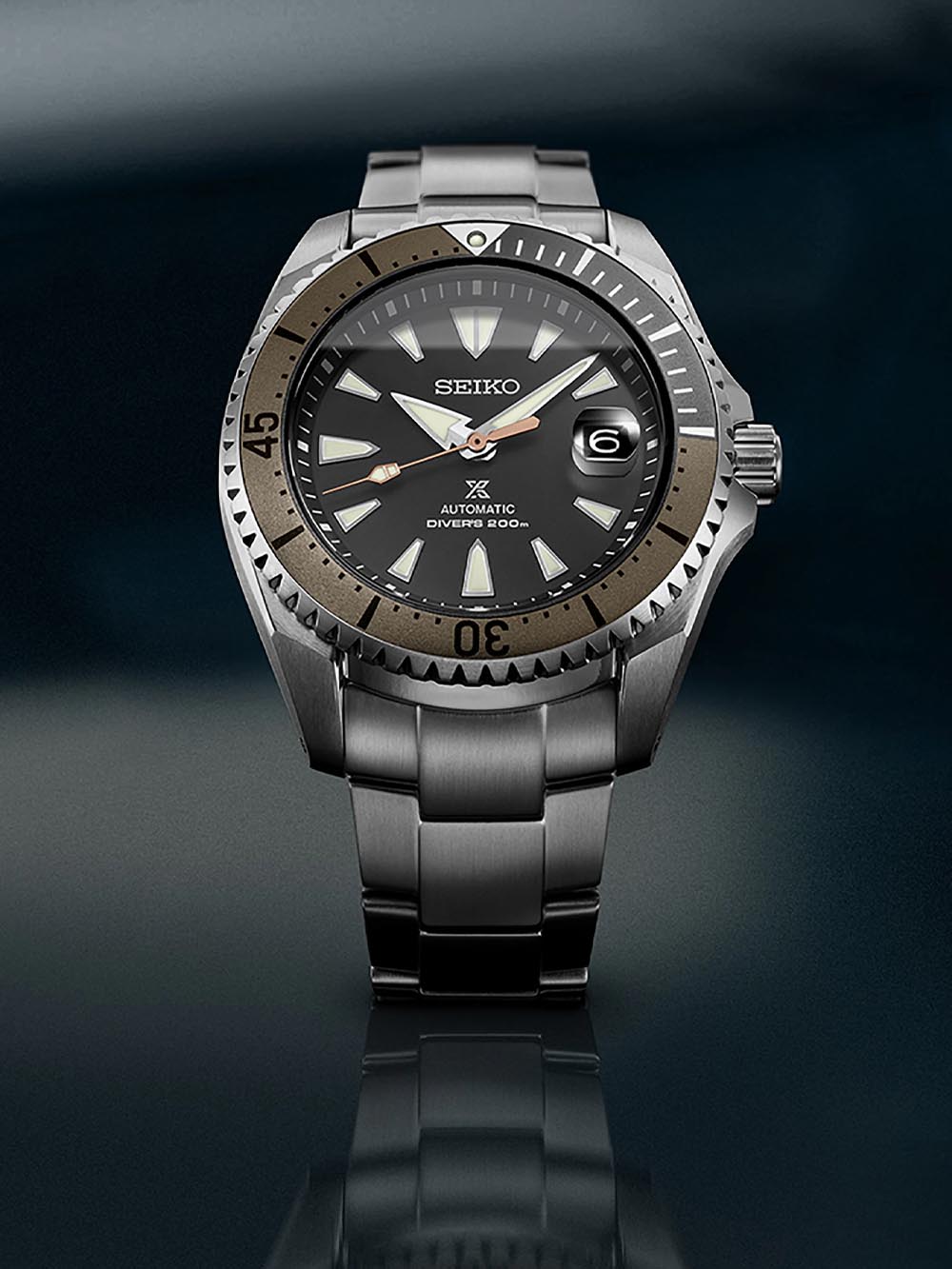
The Sumo is exactly as the name suggests, a broad and substantial Seiko diver with a strong wrist presence.
The original SBDC001, SBDC003 and SBDC005 arrived in 2007 with 45mm rounded stainless steel cases, making their nickname feel almost unavoidable.
The modern SPB101J1 keeps that imposing scale, along with 200 metres of water resistance and the Sumo’s recognisable chunky marker at 12 o’clock.
The Shogun name is linked to the 2008 SBDC007, a watch distinguished by its notched bezel and a case profile often associated with traditional samurai armour.
Its full titanium case and DiaShield scratch-resistant coating give it a different character from heavier steel divers in the Seiko catalogue.
That combination of Japanese visual language, practical materials and tool-watch function is precisely the kind of thing Seiko collectors tend to reward with a memorable name.
What makes these nicknames useful is that they turn Seiko’s dense world of reference numbers into something more human.
They also show why the brand has such a loyal following, because behind each informal name is a watch with a distinct shape, purpose or cultural afterlife.
For a new collector, learning the names is less about memorising trivia and more about understanding how Seiko became one of the most characterful watchmakers in the tool-watch world.