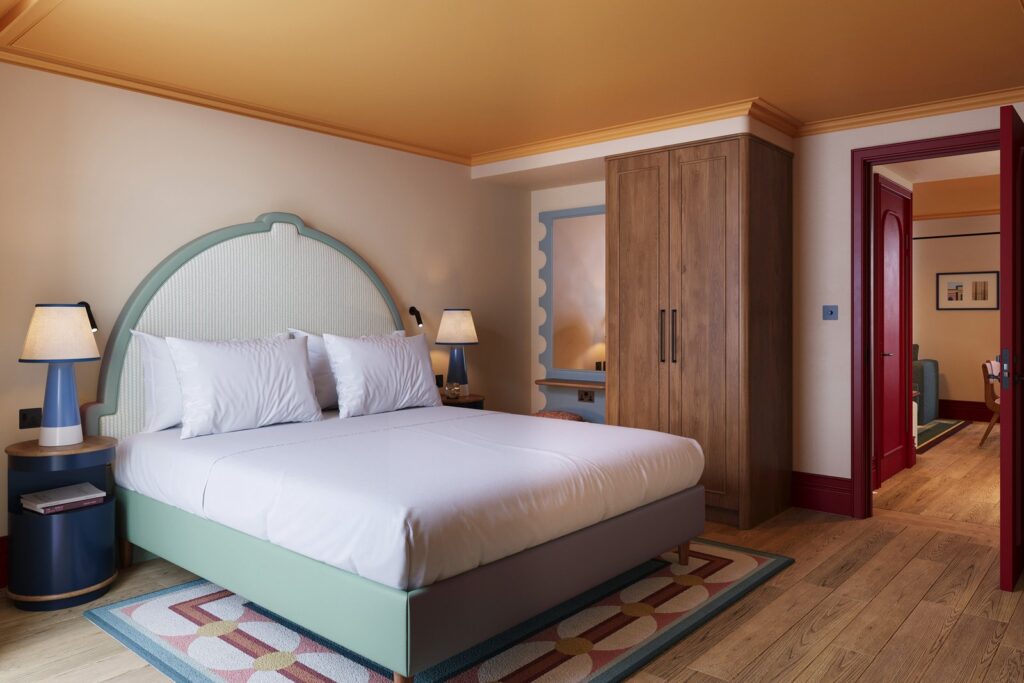
Dublin’s next notable hotel opening is less about the traditional overnight stay and more about living well in the city for a night, a week or longer.
The July Dublin arrives on Capel Street this autumn, bringing the Amsterdam-born brand’s apartment-led hospitality to one of the capital’s most characterful central neighbourhoods.
It’s pitched for travellers who want the ease of a hotel without giving up the independence of a proper place to settle in.
At a glance
- The July Dublin opens on Capel Street with bookings available from October 15.
- The aparthotel offers six apartment styles, from studios to one-bedroom suites with kitchens and private terraces in select categories.
- Best Available Rates start from €260, with an opening offer available for stays booked until March 31, 2027.
Capel Street sets the tone
The July’s Dublin address puts guests close to the River Liffey, with Temple Bar within walking distance and the north side’s creative energy at the front door.
Capel Street is a smart choice for a brand built around neighbourhood feeling rather than lobby theatre.
The property is designed to serve business travellers, longer-stay guests and city breakers who’d rather have space to cook, work and decompress than a standard room with a minibar.
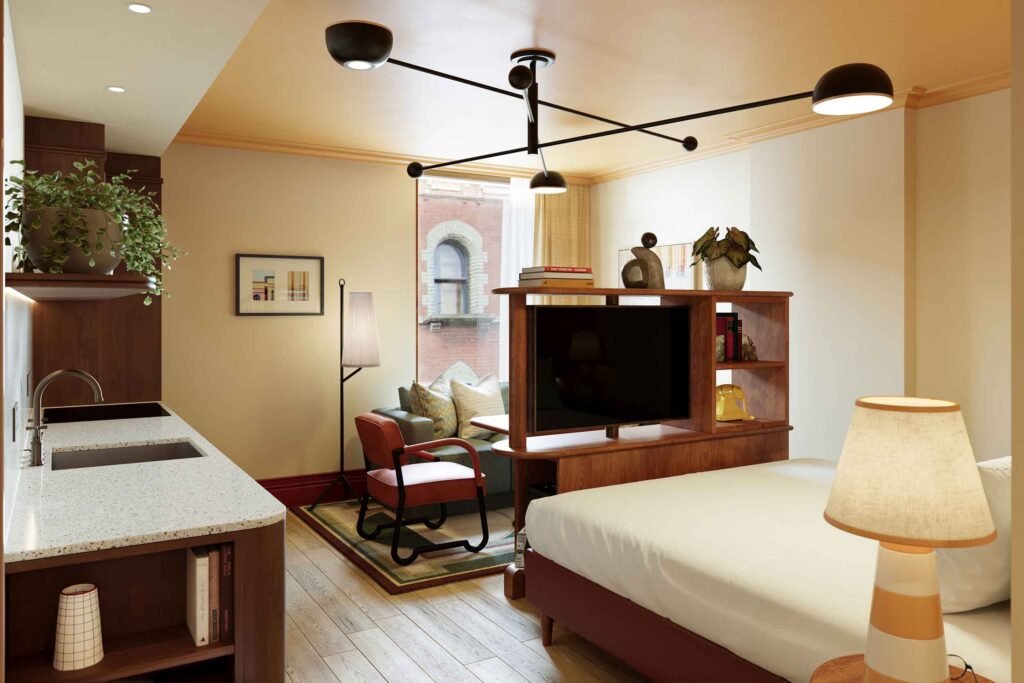
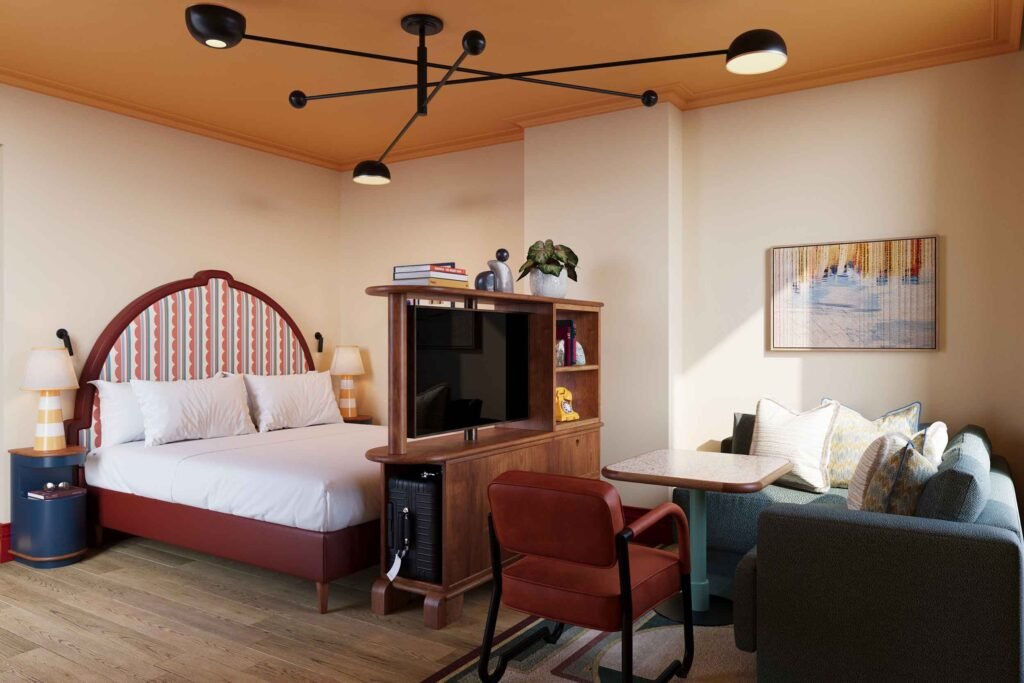
That residential angle is central to the project, with six apartment styles ranging from studios to roomier one-bedroom suites.
Full in-room kitchens are part of the offer, while some suites add private terraces for a more lived-in sense of Dublin.
Dublin references without the postcard treatment
The interiors have been developed by The July’s in-house team, led by Dublin-born Head of Design Caitriona McGachy, in collaboration with interior studio Fettle.
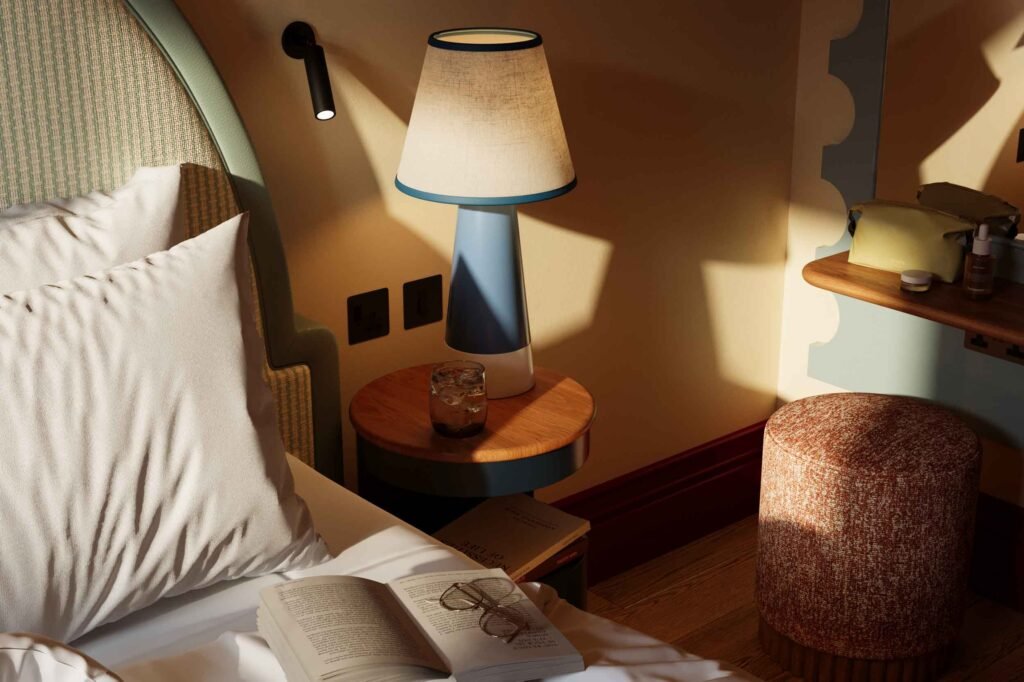
Rather than leaning on obvious Irish motifs, the design draws from Georgian architecture, Smithfield Fruit Market, 14 Henrietta Street and Grattan Bridge.
Those local cues sit alongside the brand’s preference for clean lines and playful geometry, giving the building a language that feels both Dublin-specific and contemporary.
There are nods to Irish designer Eileen Gray, while a curated selection of local artwork connects the property more directly with the city’s creative community.
The building also carries BREEAM Excellent certification, supported by all-electric energy, solar power and non-toxic materials throughout.
Ónora gives the hotel a local heartbeat
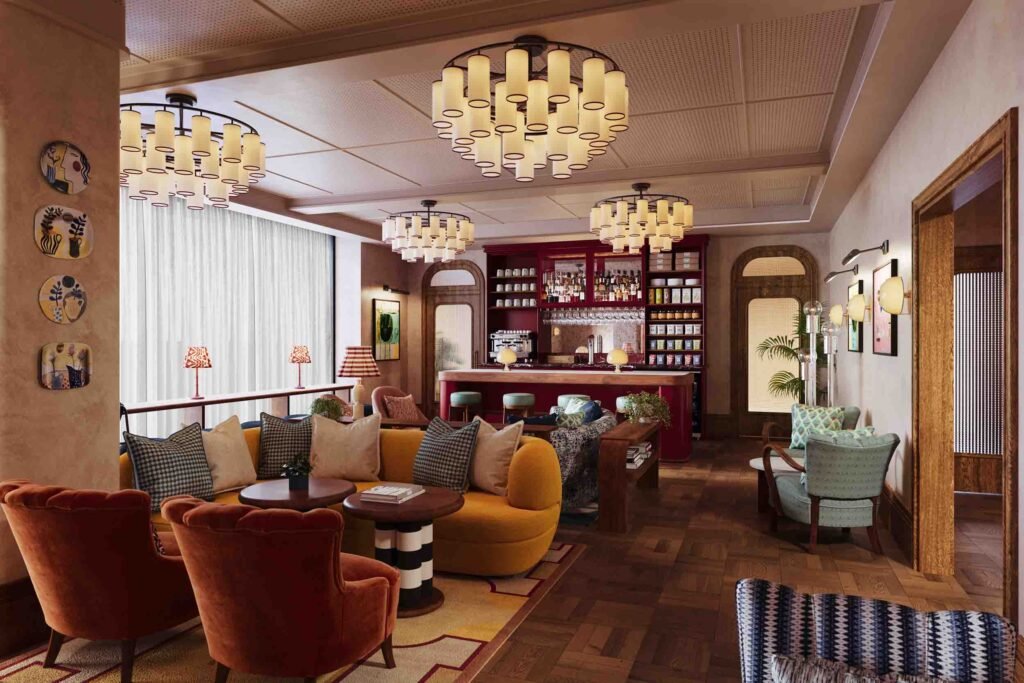
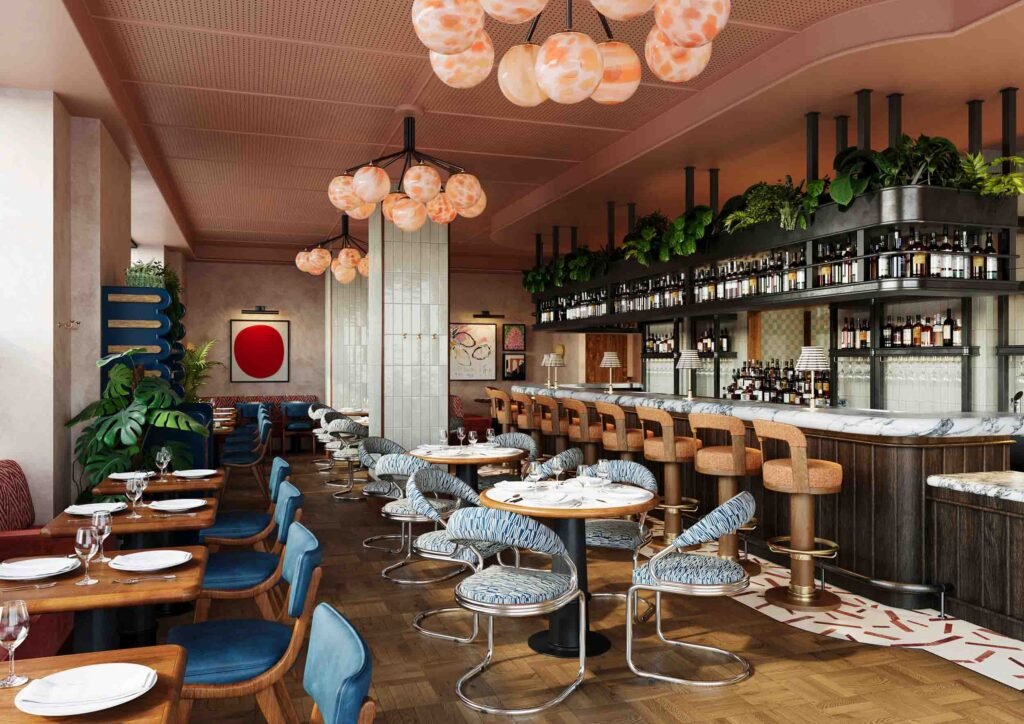
At street level, The July is placing considerable weight on Ónora, a contemporary neighbourhood restaurant created with Dublin hospitality group Bereen Brothers.
The partnership brings Conor and Marc Bereen north of the Liffey, following more than two decades in restaurants and a portfolio that includes Coppinger, Orwell Road, Row Wines and Charlotte Quay.
Ónora is designed for relaxed all-day dining, with locally sourced produce, cocktails, an outdoor terrace and a coffee hatch for guests and locals in a hurry.
That mix matters, because the strongest design hotels rarely work as closed worlds.
They become more interesting when the city uses them too.
Work, wellness and longer-stay practicality
The building adds several features that reflect how modern city stays have changed.
Alongside the apartments and restaurant, there will be flexible co-working spaces, three meeting rooms and an on-site barber shop.
A wellness area with a sauna and gym adds another layer for longer visits, while an on-site laundry room keeps the aparthotel format practical rather than performative.
Top-floor views over the city round out the offer, giving The July a stronger sense of place than a purely functional serviced apartment.
Bookings for The July Dublin are available from October 15 through the brand’s website.
Best Available Rates start from €260, with special pricing for stays of 14 nights or more.
To mark the opening, guests can access 20% off their stay plus a choice of complimentary breakfast or an airport pickup for stays booked until March 31, 2027.
For Dublin, The July looks like a timely addition: polished enough for a design-conscious weekend, practical enough for an extended stay and rooted enough in Capel Street to feel like part of the neighbourhood rather than just another place to check in.