Independent watchmaking has rarely looked more visible, more desirable or more strategically important.
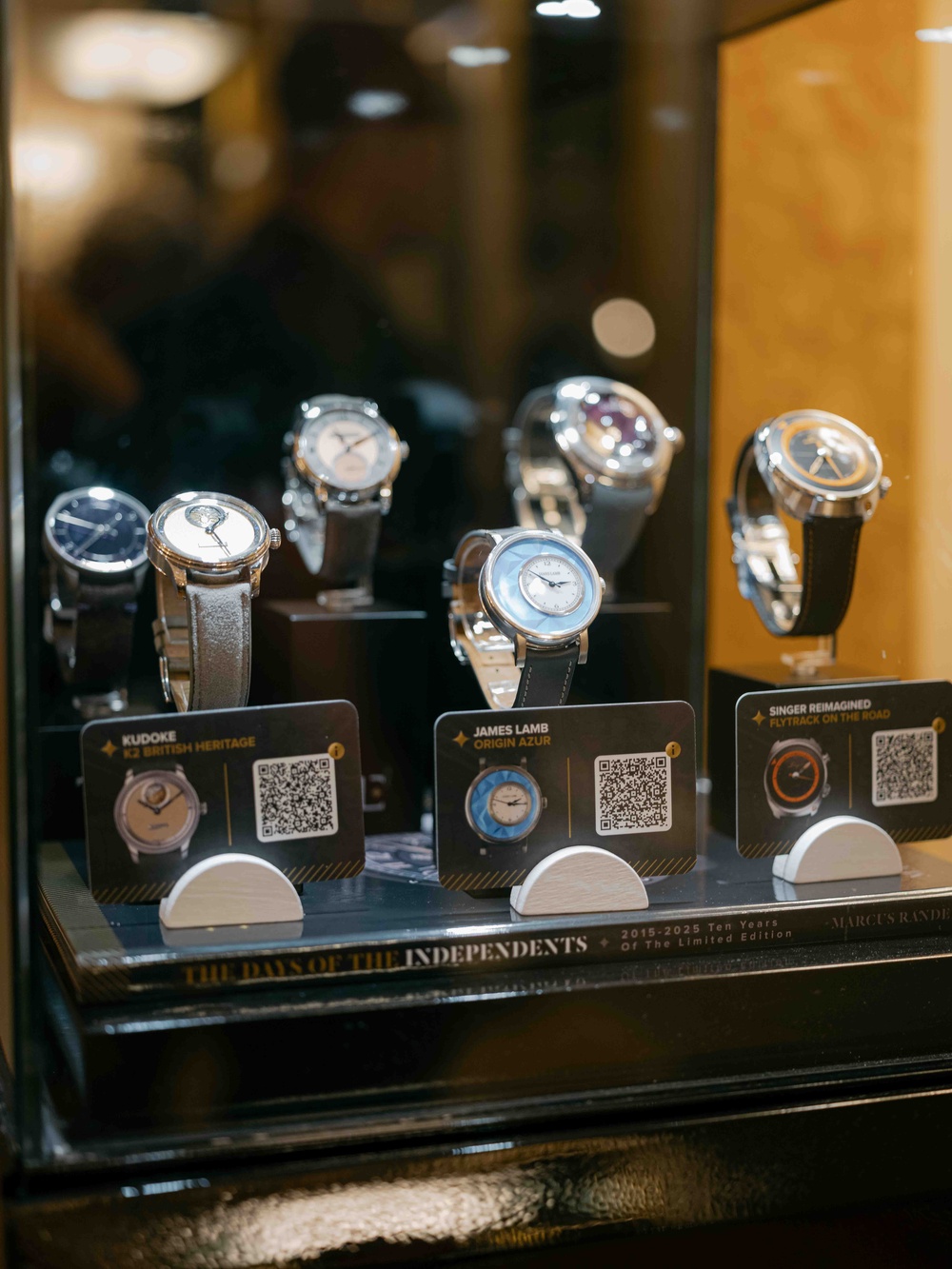
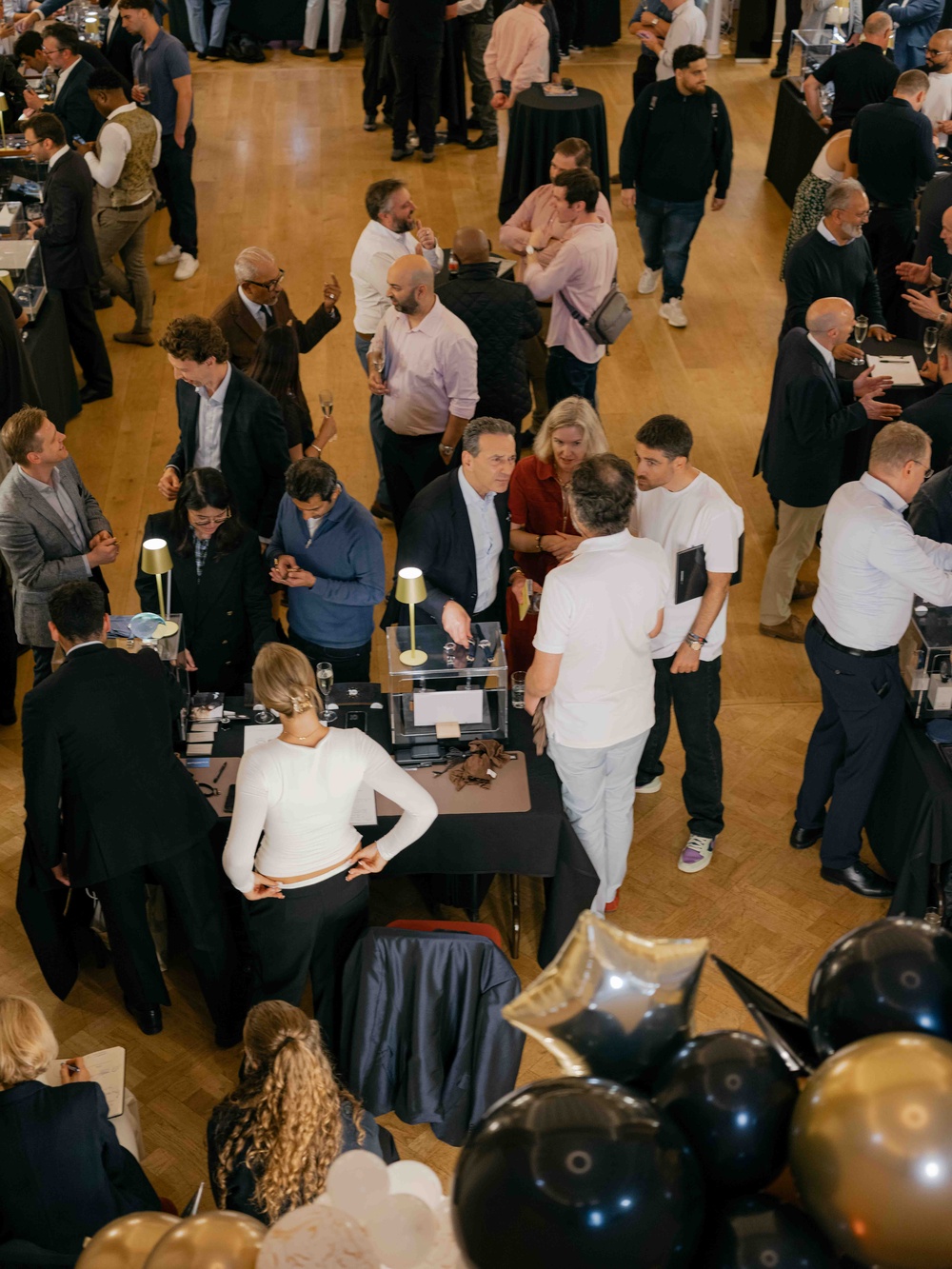
At Watches & Wonders this year, 38 of the 66 exhibitors were independent brands, while London’s Days of the Independents brought 35 independent names together at the Lansdowne Club.
That momentum has sharpened a bigger question for the industry, because the future of independent watchmaking may depend less on who owns the logo on the dial and more on who controls the workshops behind it.
At a glance
- Major luxury groups and established watch companies are increasingly taking stakes in independent brands and specialist suppliers.
- Recent deals involving MB&F, La Joux-Perret, Inhotec and Kross Manufacture show how valuable movement and component expertise has become.
- The trend could give independents more financial stability, but it may also make access harder for the smallest new watchmakers.
The independent moment is now mainstream
For years, independent watchmaking was treated as a connoisseur’s corner of the industry, driven by small ateliers, unusual complications and founders with unusually strong points of view.
That’s no longer a niche conversation.
Two-person workshops are attracting serious attention, and agile mid-range independents are often where the most interesting design and movement ideas appear first.
The large houses have noticed.
Chanel announced in August 2024 that it was acquiring 25% of MB&F, the fiercely individual brand founded by Max Büsser.
The remaining structure keeps Büsser in control with 60%, while Serge Kriknoff, MB&F’s head of research and development, holds 15%.
That kind of minority investment matters because Chanel isn’t a casual observer of independent horology.
Its watch interests already include stakes in F.P. Journe, Romain Gauthier, Bell & Ross and movement maker Kenissi.
Other examples point in the same direction.
De Bethune is majority-owned by The 1916 Company, while actor Timothée Chalamet became a shareholder in Urban Jürgensen in April 2026.
The pattern is clear enough, but brand ownership is only the most visible part of the story.
Supplier power is the real battleground
The romantic idea of an independent watchmaker doing everything under one roof has always been the exception rather than the rule.
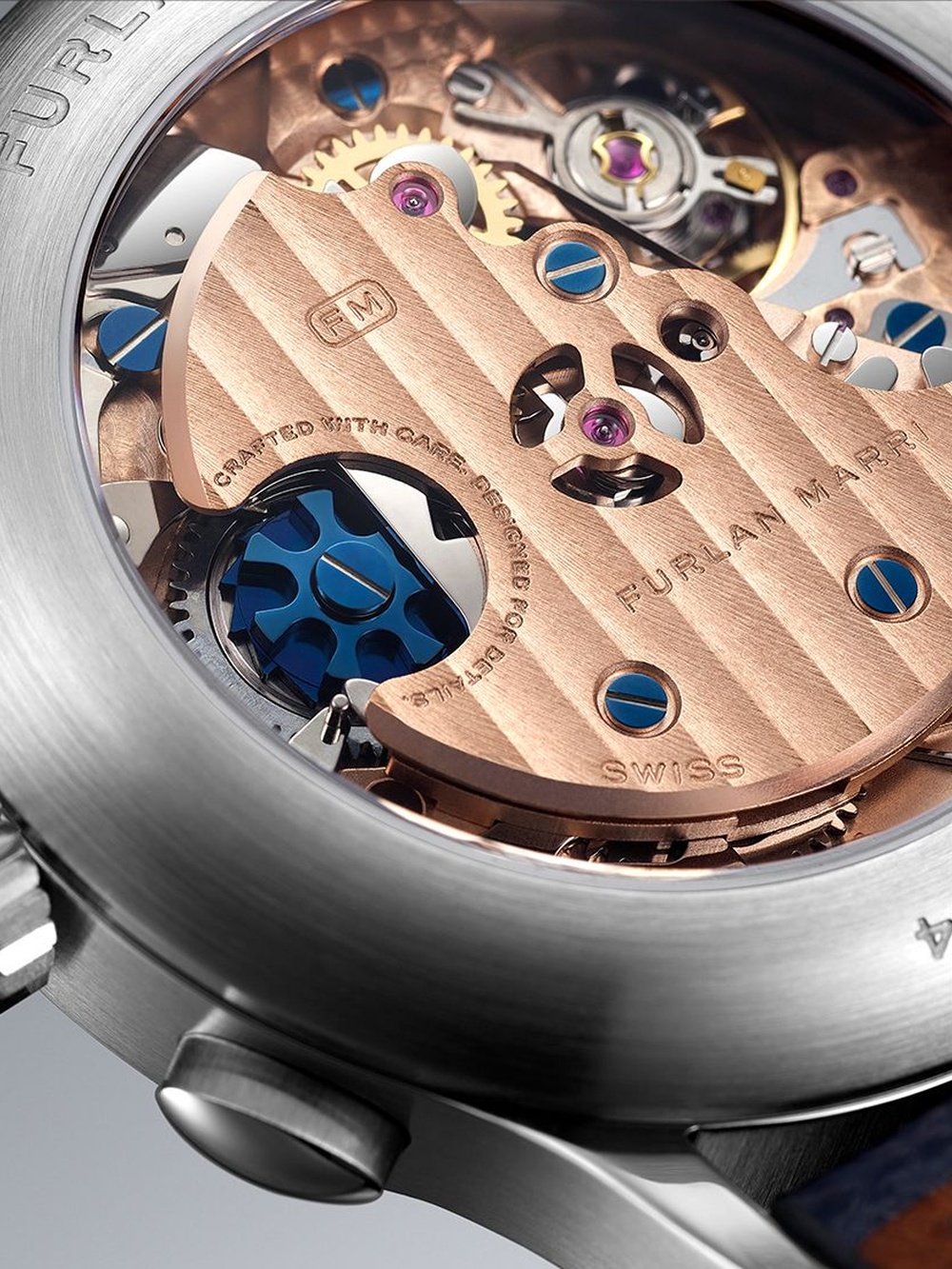
Unless a maker is following the Daniels Method in the manner of Roger Smith, modern watchmaking usually depends on a network of specialists.
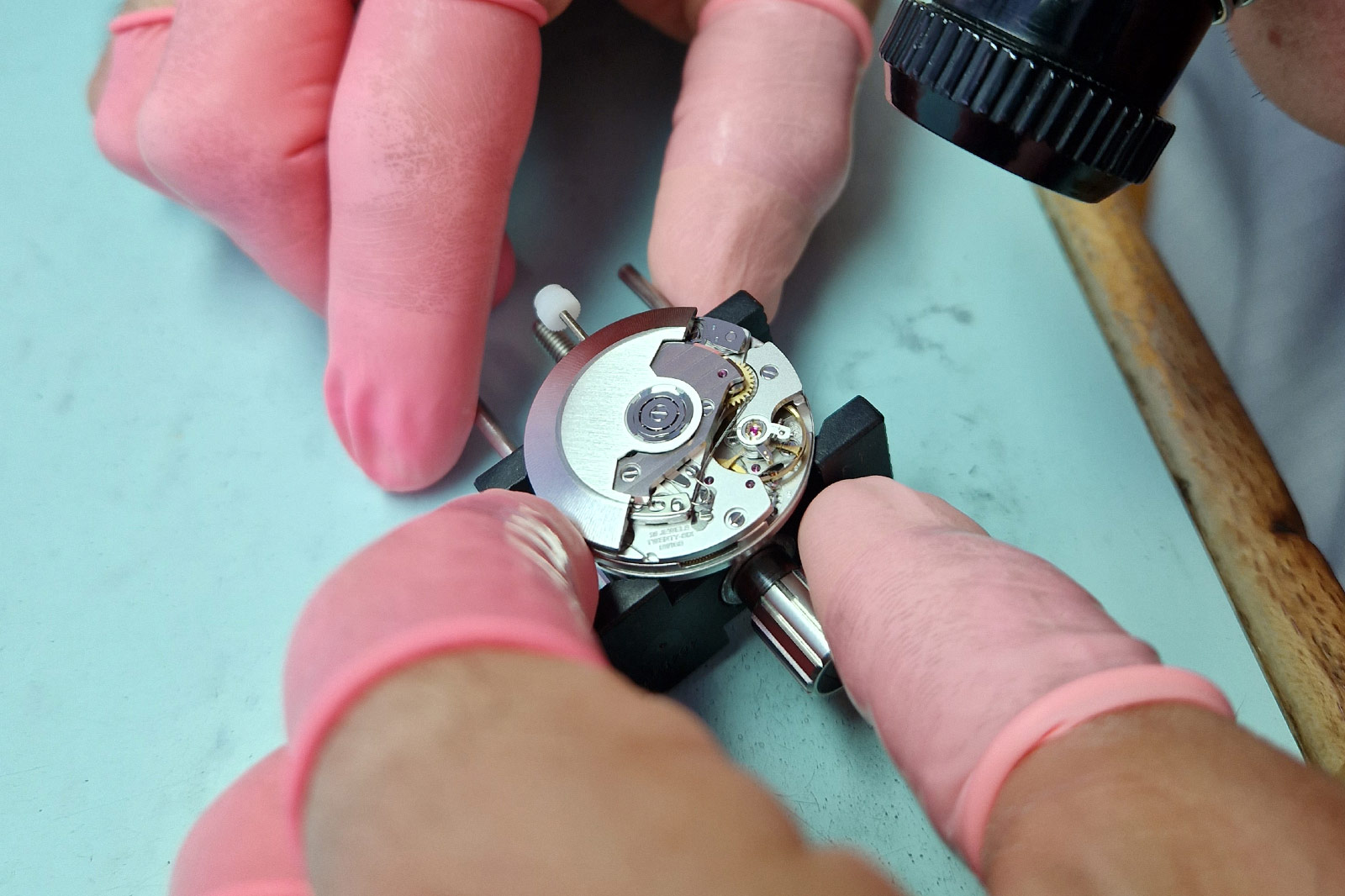
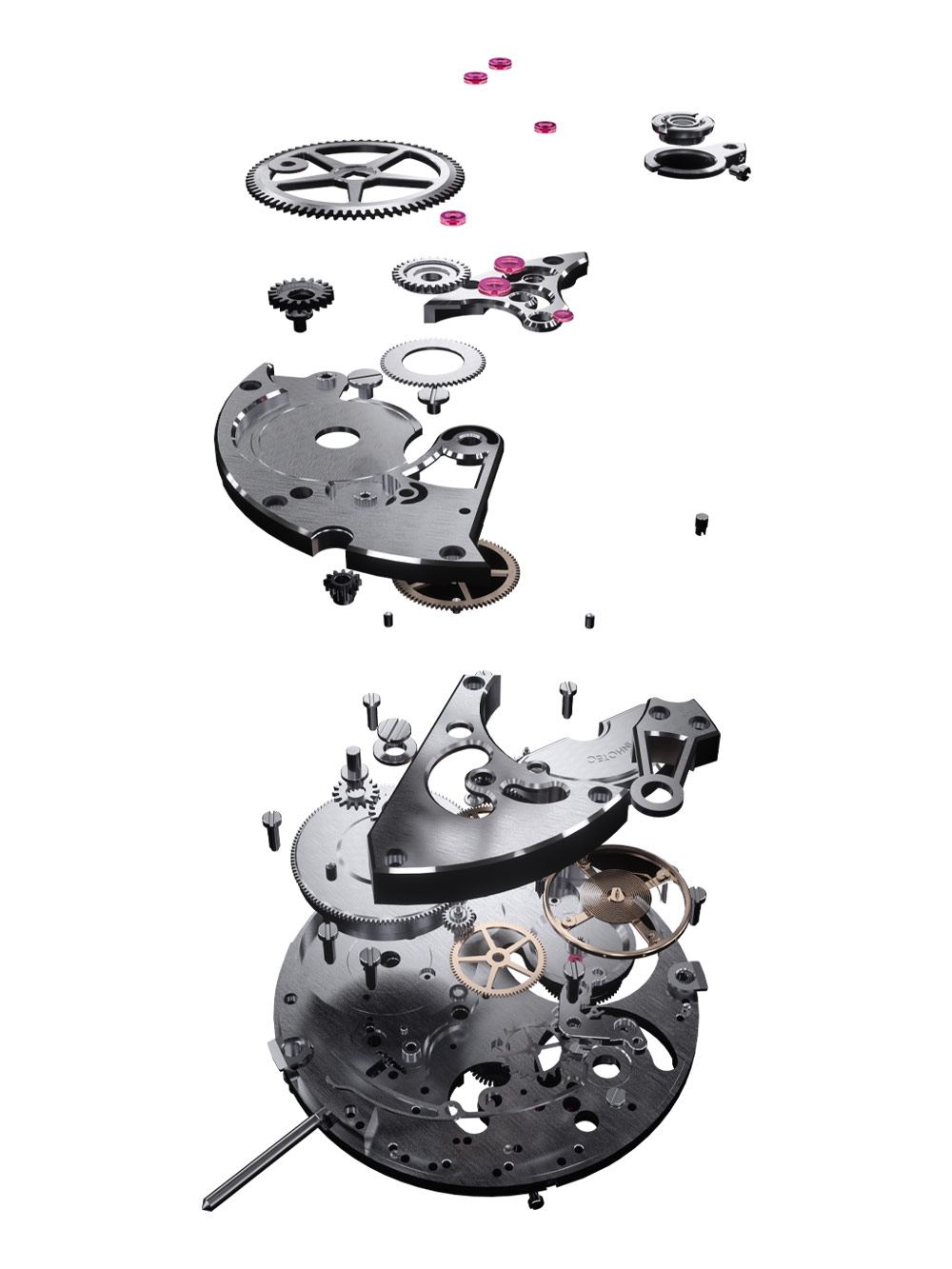
A brand may design or develop its own calibre, finish components in-house or assemble watches internally, but prototyping, case making, hands, crystals, baseplates, springs and advanced mechanical components often come from outside suppliers.
That isn’t a flaw in the model.
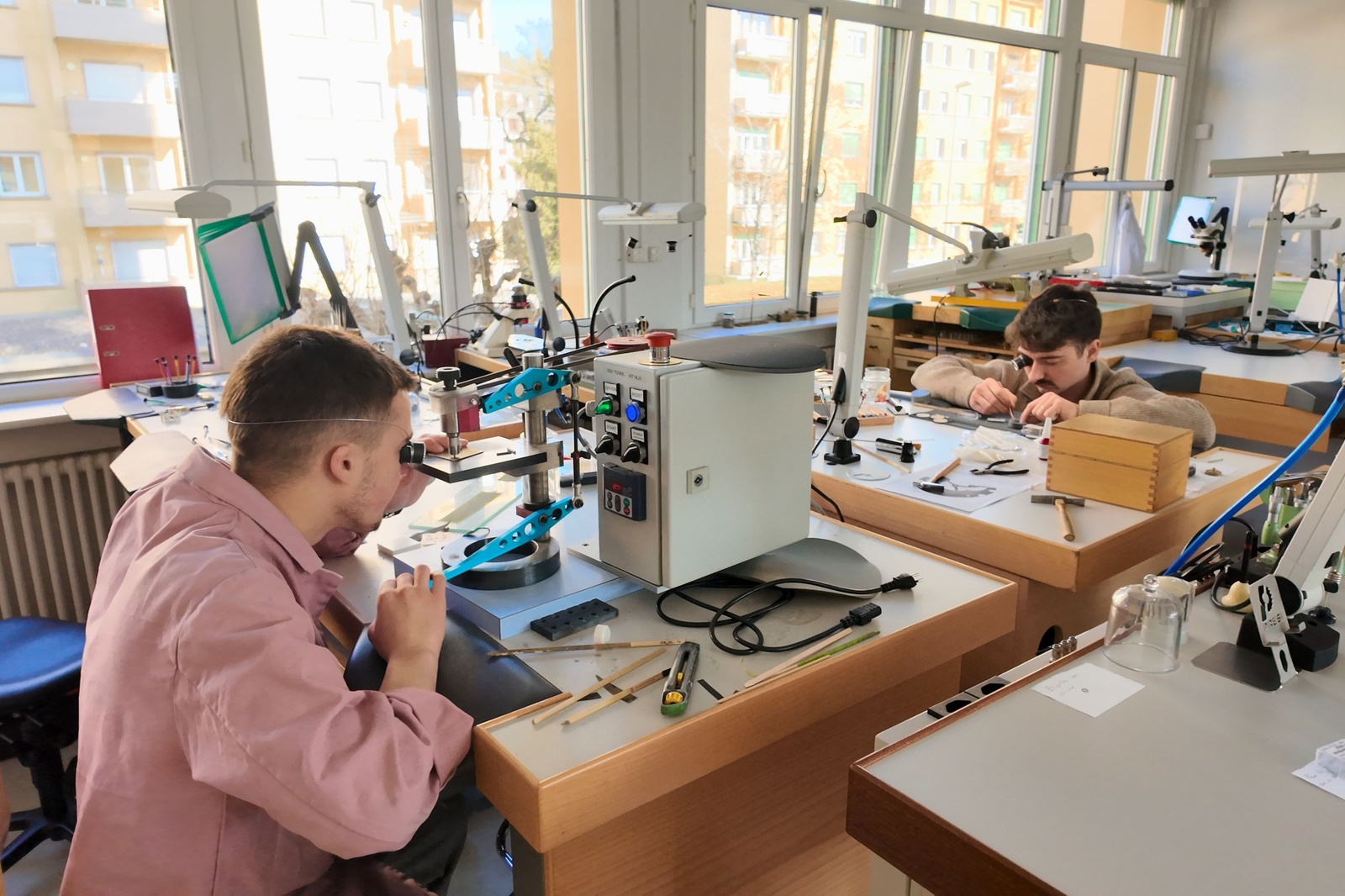
Historically, Swiss watchmaking was built around networks of specialised craftspeople and suppliers, and that ecosystem still allows small brands to focus on ideas rather than own every machine required to realise them.
But dependence creates leverage.
LVMH’s minority stake in La Joux-Perret is one of the clearest examples of why suppliers have become strategic assets.
La Joux-Perret, already owned by Citizen, has been an important movement partner for mid-range independent brands looking to move beyond off-the-shelf calibre choices.
LVMH has linked the investment to ensuring movement supply and development expertise for its own watch brands, including TAG Heuer, Zenith and Hublot, with particular attention on sustainable solar movements.
That makes sense for a group with global scale.
For smaller brands, the concern is capacity.
If a supplier has finite production and the largest clients come first, independents operating in low volume may find the door harder to open.
Minimum order quantities are already a barrier, with AMT, Sellita’s higher-end arm, cited at a minimum order of 1,000 units.
That’s a very different world from the small-batch culture that has helped independent watchmaking feel so alive.
| Company or investor | Target | Confirmed detail |
|---|---|---|
| Chanel | MB&F | Announced a 25% stake in August 2024 |
| LVMH | La Joux-Perret | Took a minority stake in the movement producer |
| Audemars Piguet | Inhotec | Bought a majority stake in August 2025 |
| BA111OD | BCP Tourbillons | Acquired the tourbillon specialist to bring expertise in-house |
| Chanel | Kross Manufacture | Invested in the small-run movement specialist founded in 2020 |
The quiet value of component makers
Audemars Piguet’s move for Inhotec shows how far the logic of vertical integration now reaches.
Inhotec, founded in 2011, is a micromechanics specialist that has worked with Audemars Piguet for years on baseplates, springs and other fine mechanical components.
In August 2025, Audemars Piguet bought a majority stake in the company.
Founder Alexandre Eme remains chief executive, and Inhotec is staying nominally independent, but majority ownership by one of Swiss watchmaking’s most powerful names naturally changes the balance.
The question is not whether Inhotec remains excellent.
The question is how much of that expertise remains available to the wider field when a major brand has brought it into its orbit.
BA111OD’s acquisition of BCP Tourbillons has a different tone, because it involves younger independent players combining resources rather than a dominant house absorbing a supplier.
Even so, it reflects the same basic truth.
Specialist know-how is becoming too valuable to leave at arm’s length.
Chanel’s investment in Kross Manufacture may be the most telling deal of all.
Founded by Marco Tedeschi in 2020, Kross Manufacture is not a mass movement supplier in the Sellita or AMT mould.
Its significance lies in very small runs of complete movements, the kind of work that can make a two-person label viable when larger industrial suppliers aren’t interested.
That makes Kross unusually important to the smallest end of the independent spectrum.
If brands like Kross continue supporting low-volume makers, the ecosystem can still breathe.
If that access narrows over time, a new generation of experimental watchmakers may find the cost of entry rising before they have a chance to prove themselves.
Independence now comes with dependencies
None of this means independent watchmaking is being swallowed whole.
Minority stakes can provide stability, capital and a safety net that independents have often lacked.
The global financial crisis in 2008 showed how vulnerable small watchmakers could be when demand dropped and cash reserves were thin.
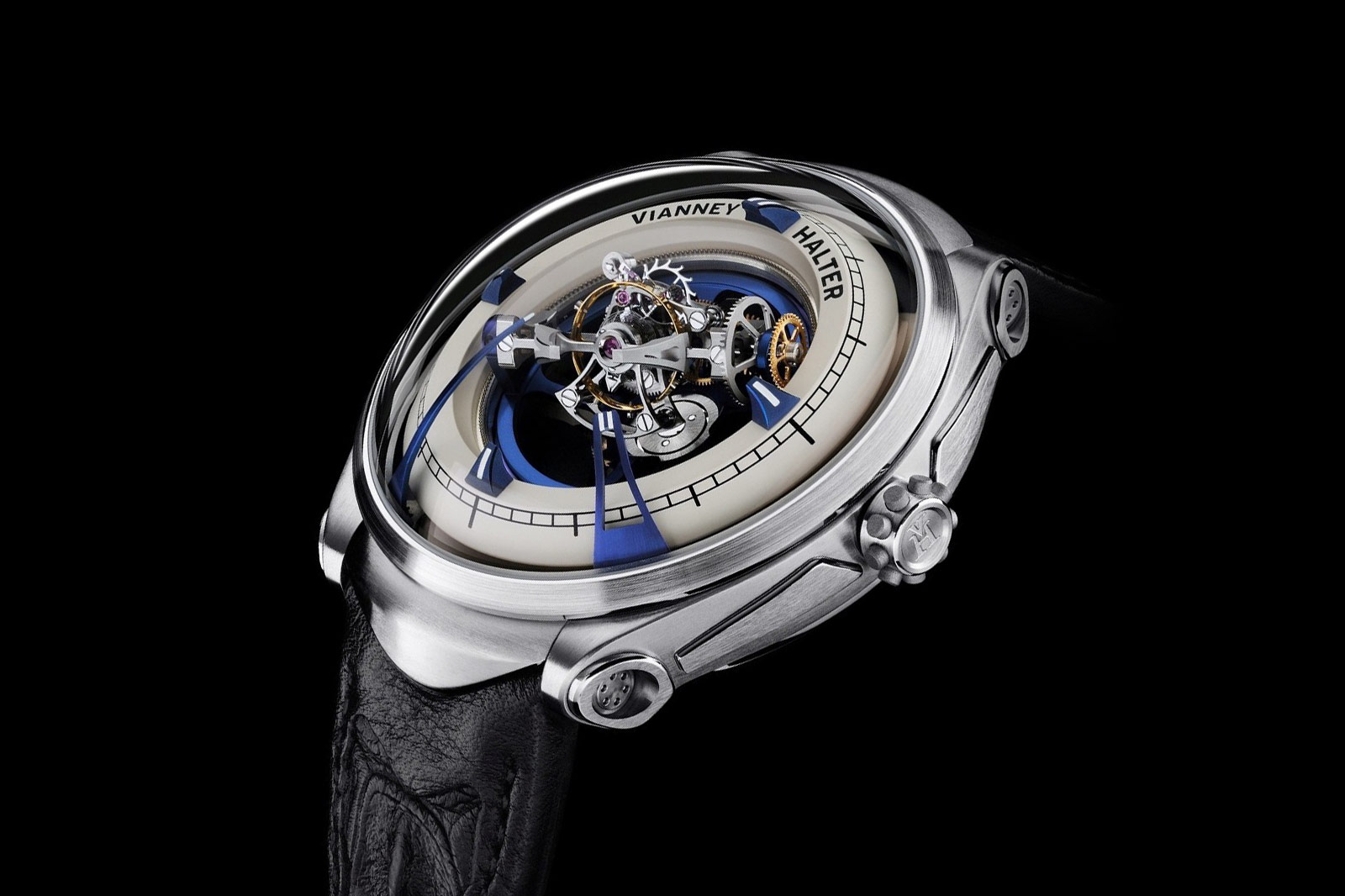
Vianney Halter’s Janvier workshop famously struggled before the later arrival of the Deep Space Tourbillon, and his experience wasn’t isolated among creator-led brands.
From that perspective, well-capitalised partners can be useful.
They can help preserve talent, fund development and keep workshops alive through difficult cycles.
The danger is calcification.
If movement makers, component specialists and micromechanics firms increasingly sit inside the gravitational pull of major groups, then tomorrow’s independents may be independent in name but dependent in practice.
That distinction matters because the appeal of independent watchmaking has always been its ability to move differently.
It can be eccentric, stubborn, inefficient and strangely brilliant in ways that don’t always fit a large corporate product plan.
The industry’s growing interest is proof that independents have become central to contemporary horology rather than peripheral to it.
More money in the ecosystem can be a genuine good, but only if it doesn’t close the workshops, suppliers and technical routes that made the independent scene worth investing in to begin with.