Swatch Group has opened 2026 with stronger sales momentum, posting growth for the first half of the year.
For the watch industry, that matters beyond a single balance sheet, because few companies offer a wider view of demand across Swiss watchmaking than the group behind brands spanning accessible quartz pieces, mechanical daily wearers and high-end complications.
The numbers behind the update weren’t the only point of interest; the broader message is that buyers are still engaging with watches across different price levels at a time when the luxury sector remains uneven.

At a glance
- Swatch Group recorded strong sales growth in the first half of 2026.
- The update is significant because the group operates across a broad range of Swiss watch brands and price segments.
- The result gives collectors, retailers and industry watchers a useful mid-year signal on demand in the watch market.
A broad read on Swiss watch demand
Swatch Group is often treated as a bellwether because its portfolio reaches far beyond a single style of watch or one narrow customer base.
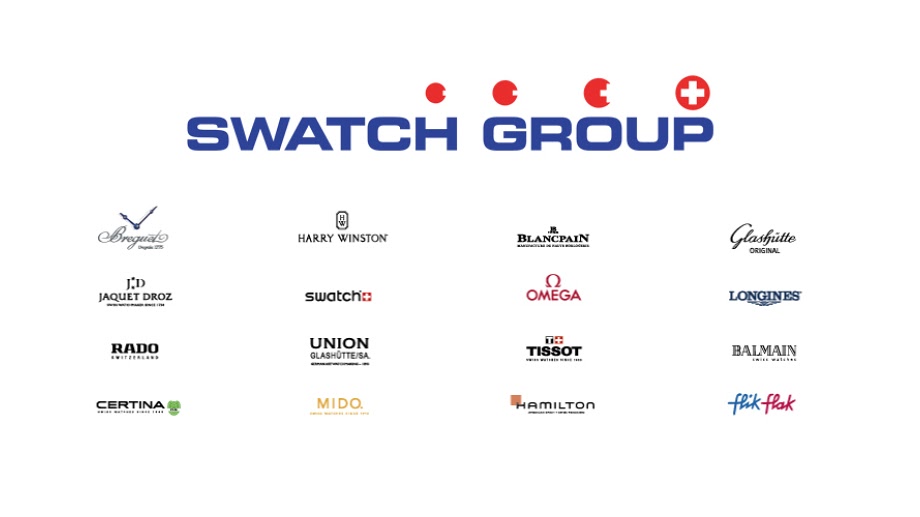
Its brands sit in very different parts of the market, from Swatch and Tissot to Longines, Omega, Blancpain, Breguet and others, giving its performance a wider industry resonance than a smaller specialist house might carry.
That breadth is especially important in 2026, when watch buyers have become more selective and the easy growth of the post-pandemic boom has cooled in parts of the market.

Strong first-half sales suggest the group has continued to find demand across its range rather than depending entirely on one high-profile launch or one collector-driven category.
What the first half says about the market
The watch market has been harder to read over the past few seasons, with enthusiasm remaining high among collectors while some luxury categories have faced softer consumer confidence.
Against that backdrop, Swatch Group’s first-half performance offers a useful reminder that Swiss watchmaking isn’t moving as one single block.

Entry-level, mid-market and prestige watches can each behave differently, shaped by pricing, distribution, brand heat and the appeal of specific collections.
For enthusiasts, that makes the group’s growth worth watching because it reflects a cross-section of the industry rather than a single ultra-luxury niche.
Why collectors and retailers will be watching the next move
Sales momentum in the first half of the year can influence how brands approach launches, production planning and retail emphasis through the rest of the calendar.

For Swatch Group, the strongest position is its ability to speak to very different buyers, from someone choosing a first Swiss watch to a collector weighing a serious mechanical piece.
That spread gives the company flexibility, but it also means expectations can shift quickly if demand changes in any major region or price tier.
Retailers will be looking for whether the pace continues into the second half of 2026, while collectors will be watching for new models, allocation patterns and how individual brands within the group sharpen their identities.

A mid-year signal with wider relevance
There’s no need to overstate one half-year update, but Swatch Group’s stronger sales performance arrives at a moment when the industry is looking for clearer signs of direction.
For now, the message is constructive: one of the central names in Swiss watchmaking has entered the middle of 2026 with commercial momentum, and that gives the wider market something solid to measure against as the year develops.