The most exotic watch complications often sound removed from practical life, but sidereal time is different.
It belongs to the sky, to navigation and to the hard problem of knowing where you are when satellites are no longer trustworthy.
From wartime cockpits to George Daniels’ workshop, a small group of extraordinary timekeepers was made to follow the stars rather than the Sun.
At a glance
- Sidereal watches and timers keep a star-based day of 23 hours, 56 minutes and 4 seconds.
- The most interesting examples were built for celestial navigation, artillery survey work, aviation and high horology.
- Notable pieces include the Royal Navy HS.7, Longines Weems sidereal watches, Universal Genève HA-1, Heuer 1551 SGSZ and George Daniels’ Space Traveller pocket watches.
Sidereal time and the navigation problem
In August 2026, engineers at the Guangdong Aerospace Research Academy announced work on a star-tracking navigation system for hypersonic missiles when satellite-navigation signals are jammed.
The principle is ancient, even if the platform isn’t.
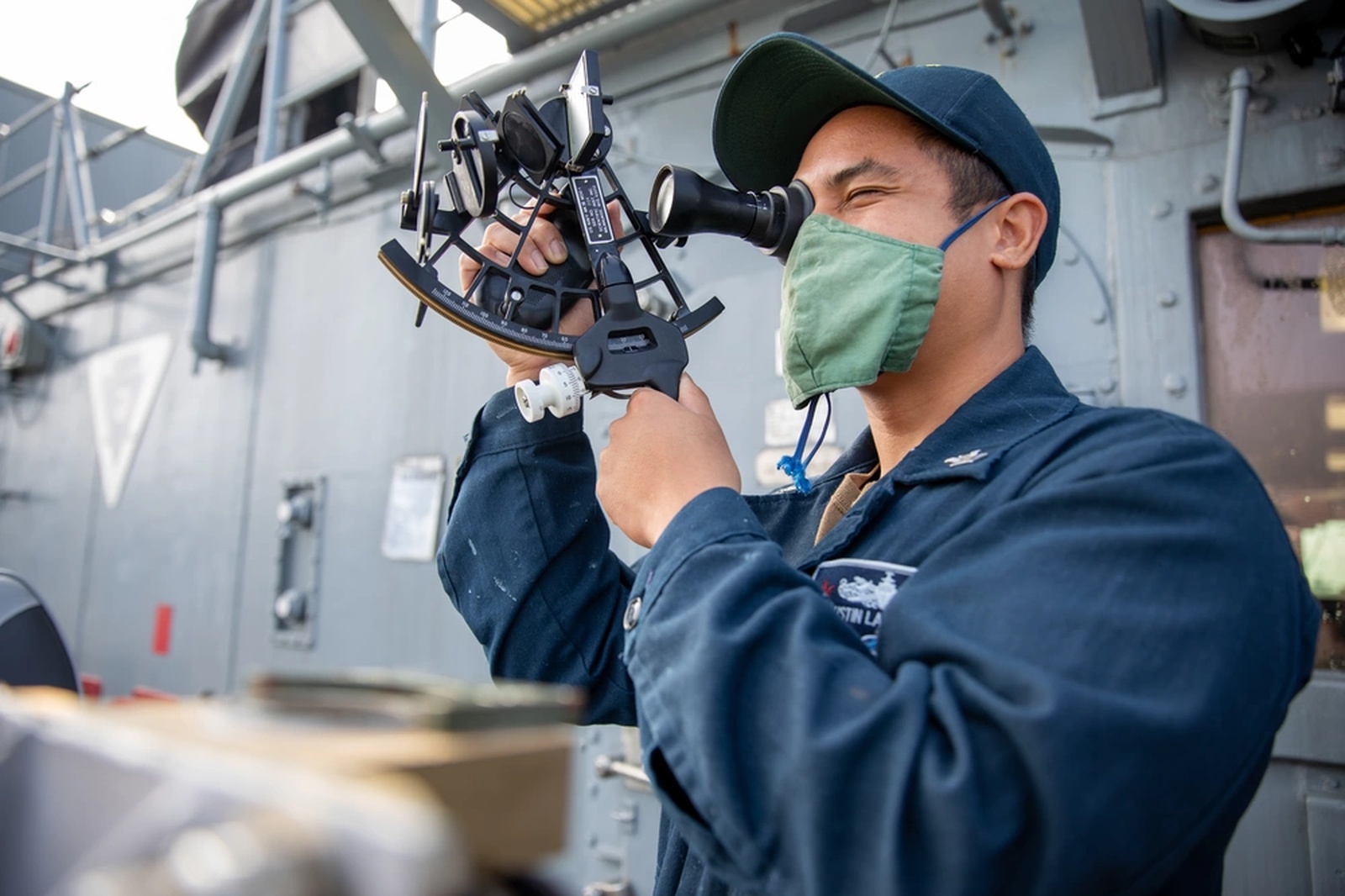
An onboard camera photographs the night sky, identifies the stars in view and calculates position from where those stars should be at that precise moment.
That last part is where sidereal time matters.
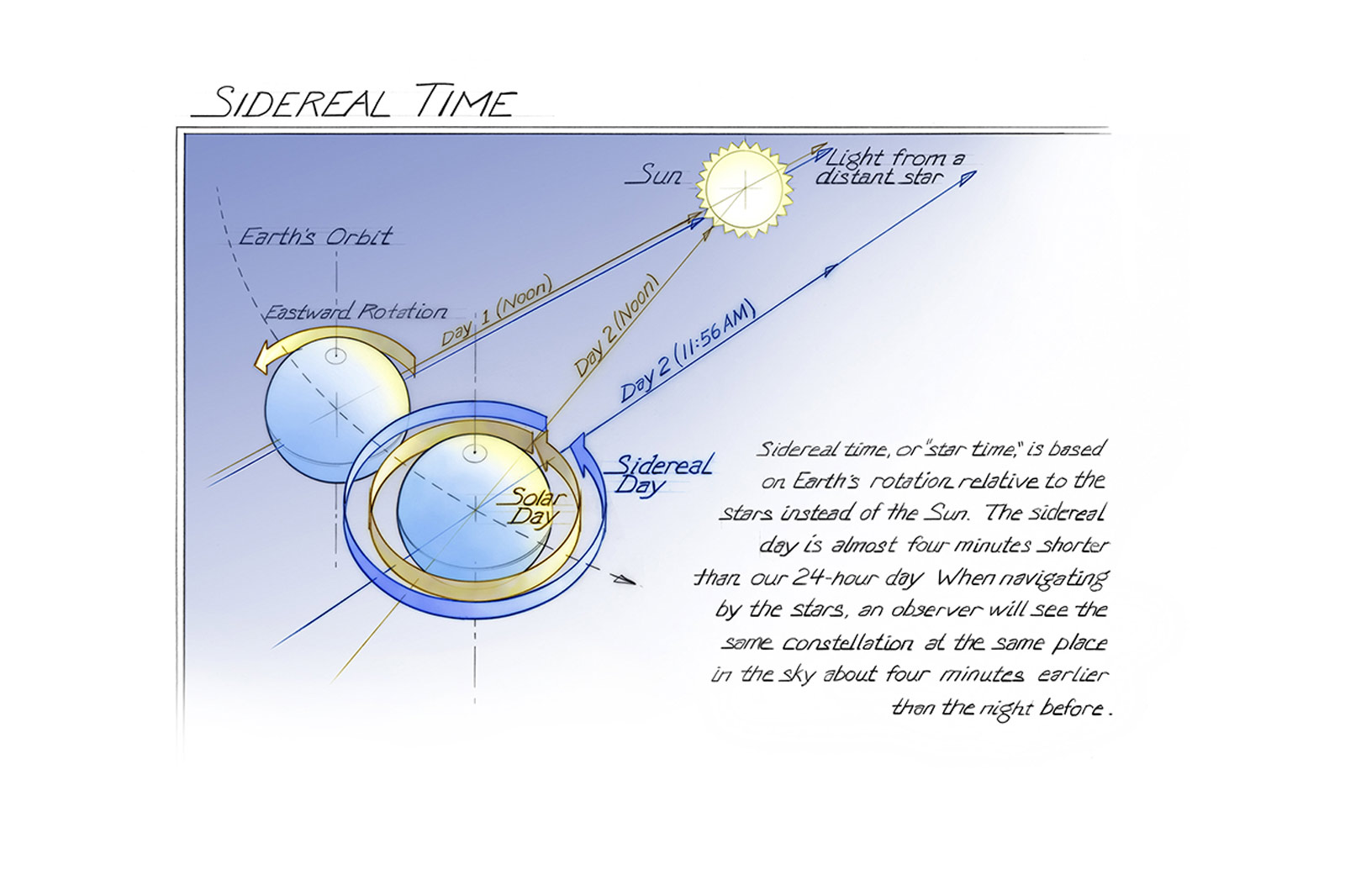
A solar day is 24 hours because it measures Earth’s rotation relative to the Sun, but a sidereal day measures Earth’s rotation relative to the stars.
That star day lasts 23 hours, 56 minutes and 4 seconds.
The difference is just under four minutes each day, yet it accumulates into one extra rotation over a year and explains why the night sky changes with the seasons.
For a navigator working with a sextant, a theodolite or a star-tracking camera, the wrong time standard can mean the wrong position.
The US Naval Academy reinstated celestial navigation training in 2015, nine years after dropping it, because GPS can be jammed or spoofed in ways the sky cannot.
Military timekeepers for a star-based clock
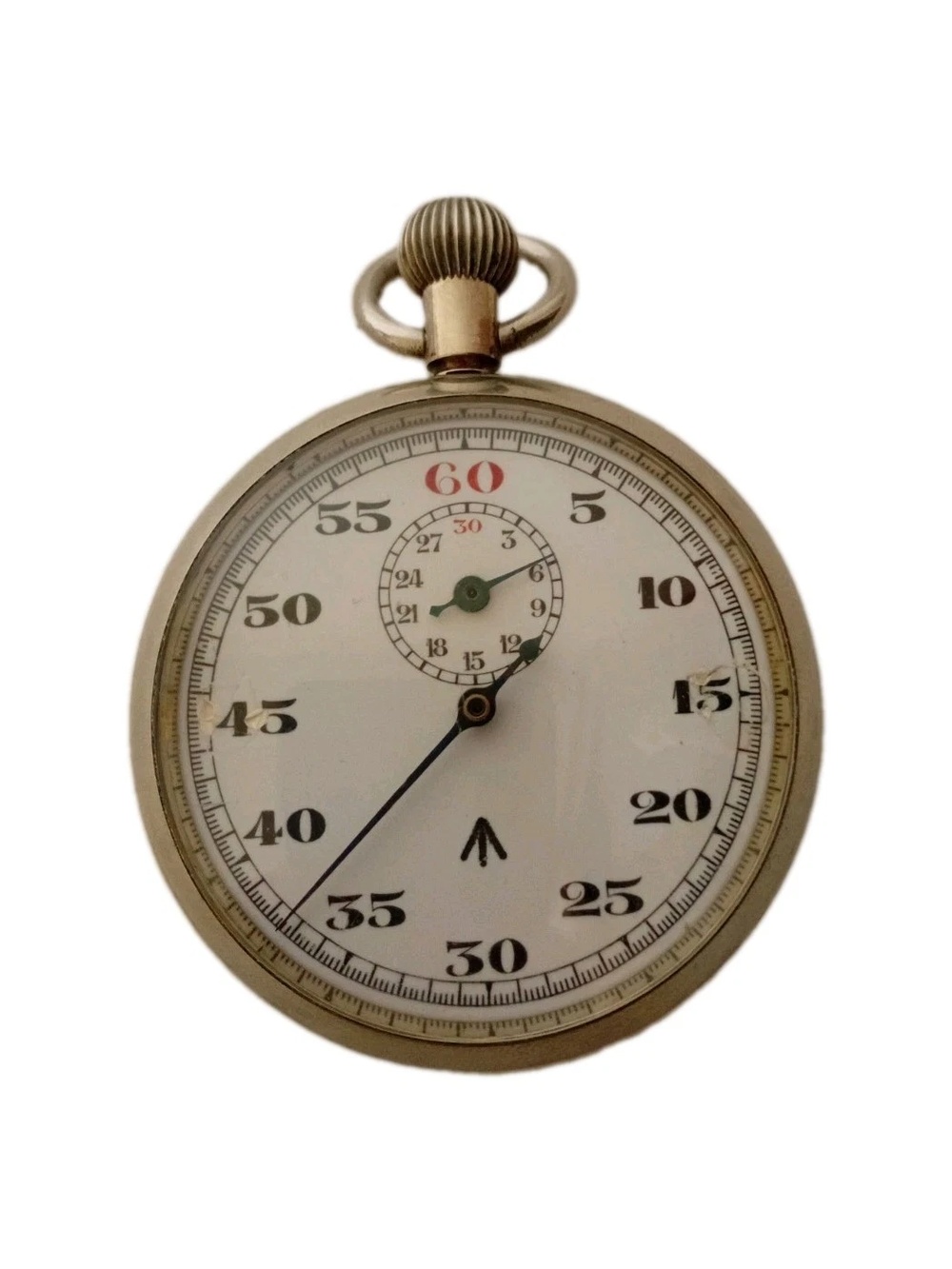
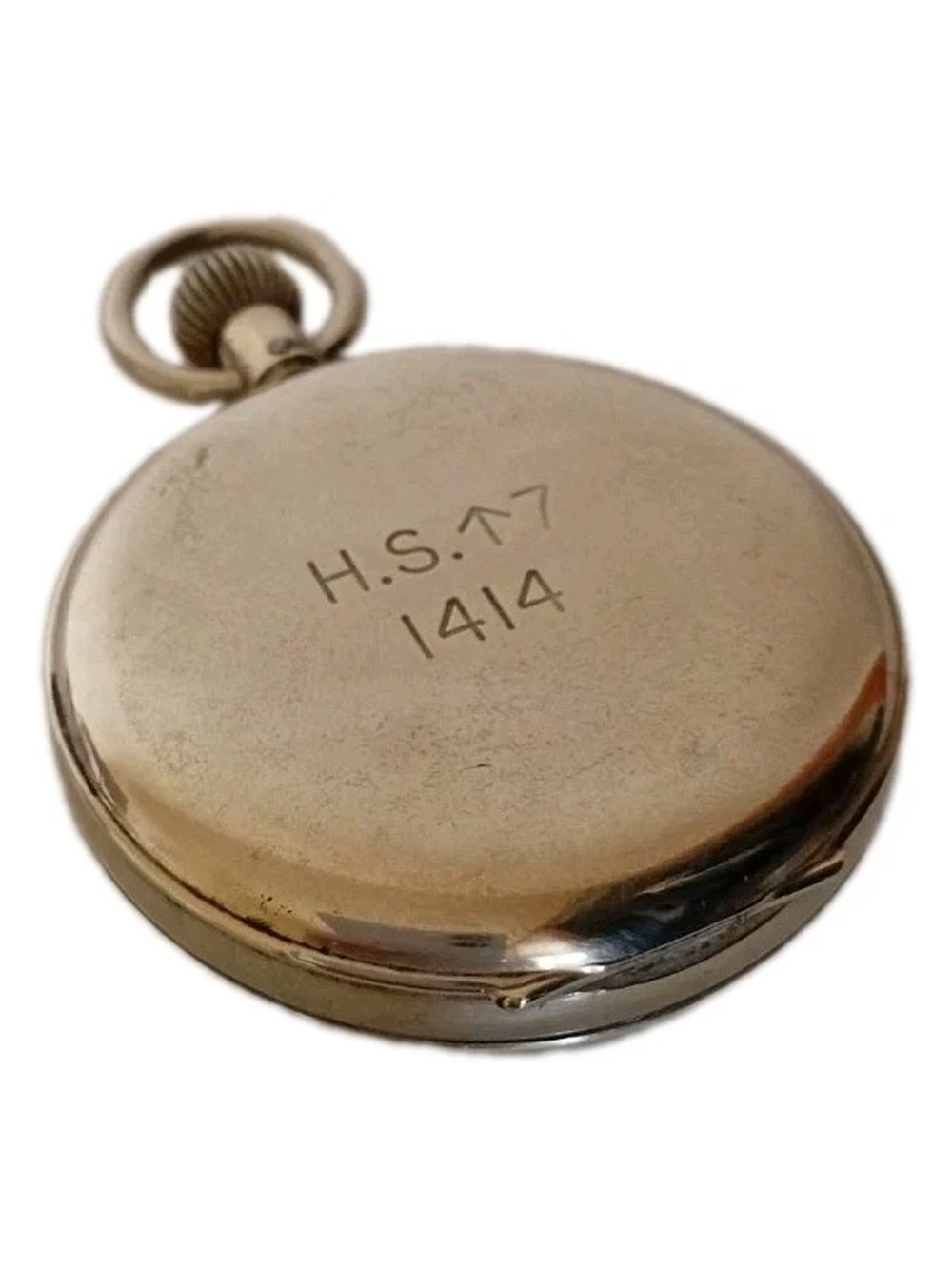
The Royal Navy HS.7 is among the most direct expressions of the idea.
Issued during the Second World War and marked with the broad arrow, it was a specialist stopwatch rather than a conventional wristwatch.
Its escapement was regulated so a full revolution corresponded to 23 hours, 56 minutes and 4 seconds, allowing a navigator to time a star’s transit in sidereal seconds without converting from solar time on a moving deck.
Long before that style of military sidereal timer became familiar to collectors, maritime pocket watches regulated to sidereal time were already being used for celestial observations.
A Longines sidereal deck watch accompanied Admiral Richard E. Byrd on his second Antarctic Expedition of 1933 to 1935.
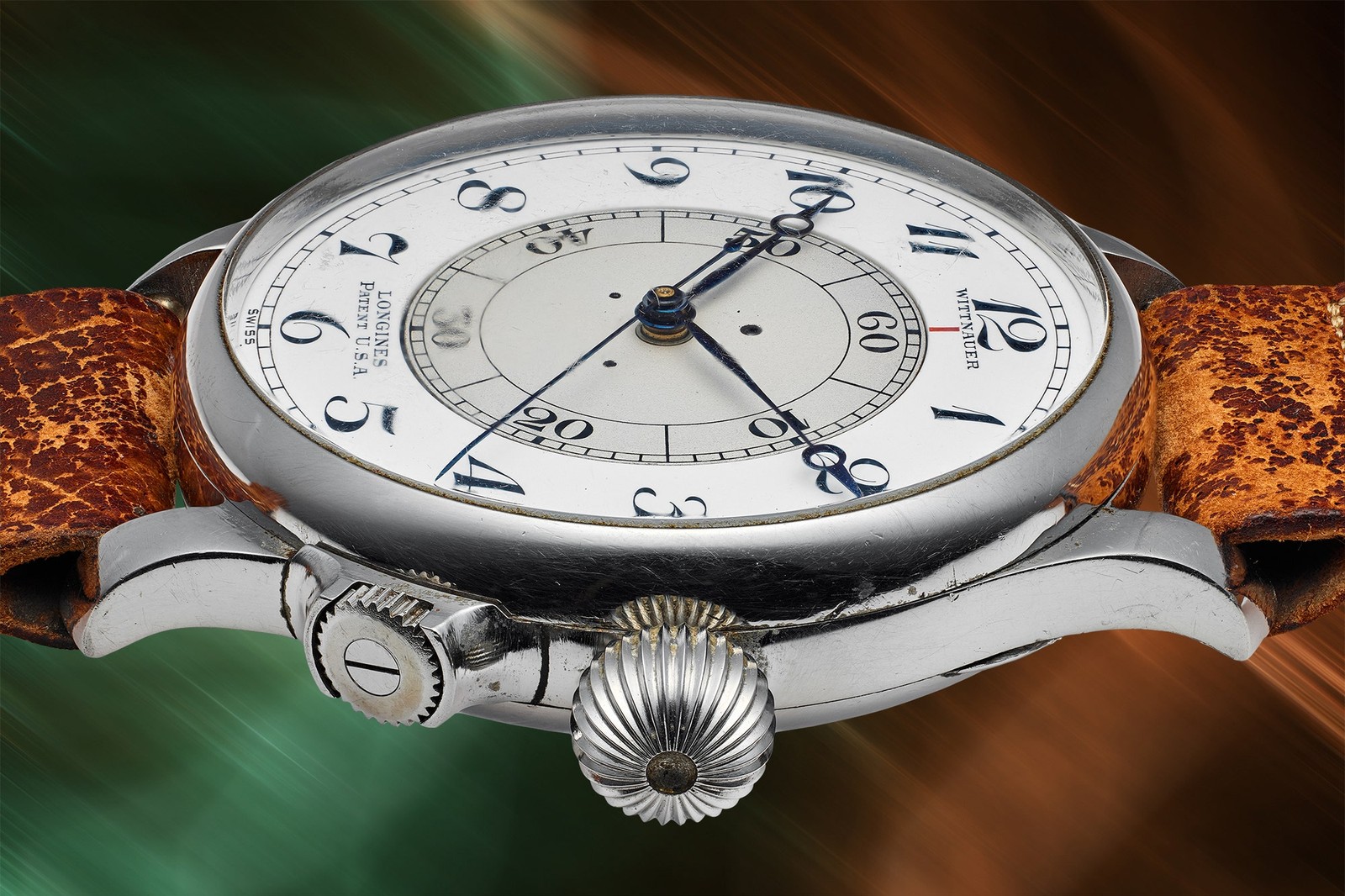
Longines also produced the earliest wristwatches regulated for sidereal time, closely tied to the work of American naval aviator Philip Van Horn Weems.
From 1927, Weems developed an aviation navigation watch with an independently rotating central chapter ring, so the seconds hand could be synchronised precisely to a radio time signal.
The 47mm Longines ref. 4356 was built to his specification, and sidereal-regulated examples were made so the hands completed their cycle in a star day rather than a 24-hour solar day.
Some were marked with the words “sidereal time”, while later examples carried a small red star at six o’clock.
A batch was indirectly delivered to the Imperial Japanese Navy through an American intermediary in April 1940.
Aviators often carried civil and sidereal watches as a pair, with Wiley Post and Harold Gatty using one of each on their 1931 round-the-world flight.
Amy Johnson was issued a sidereal example before her planned circumnavigation, and Swissair navigator Harry Hofmann is also associated with a sidereal-regulated Longines 6630.
From cockpit chronographs to Daniels’ celestial theatre
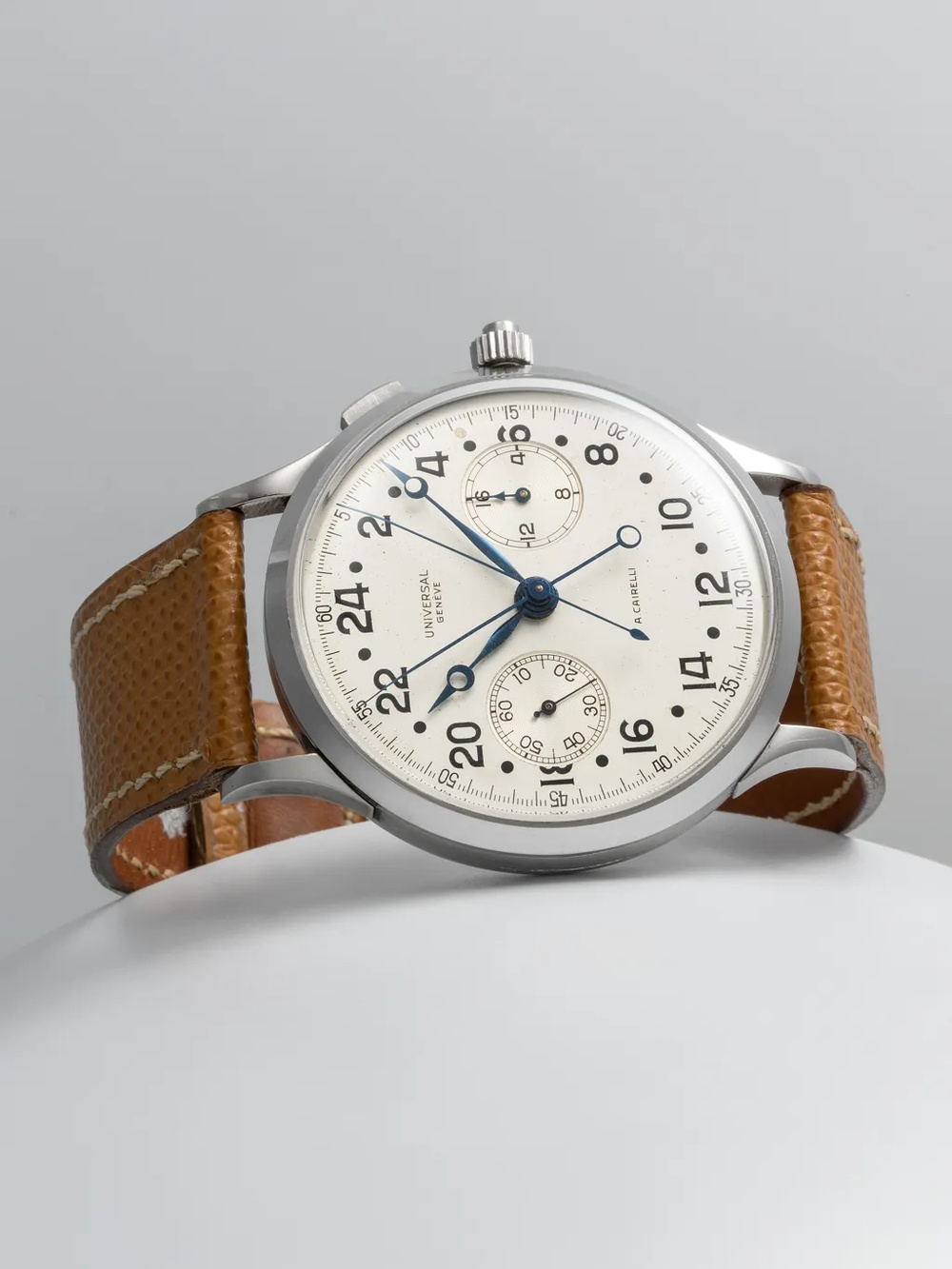
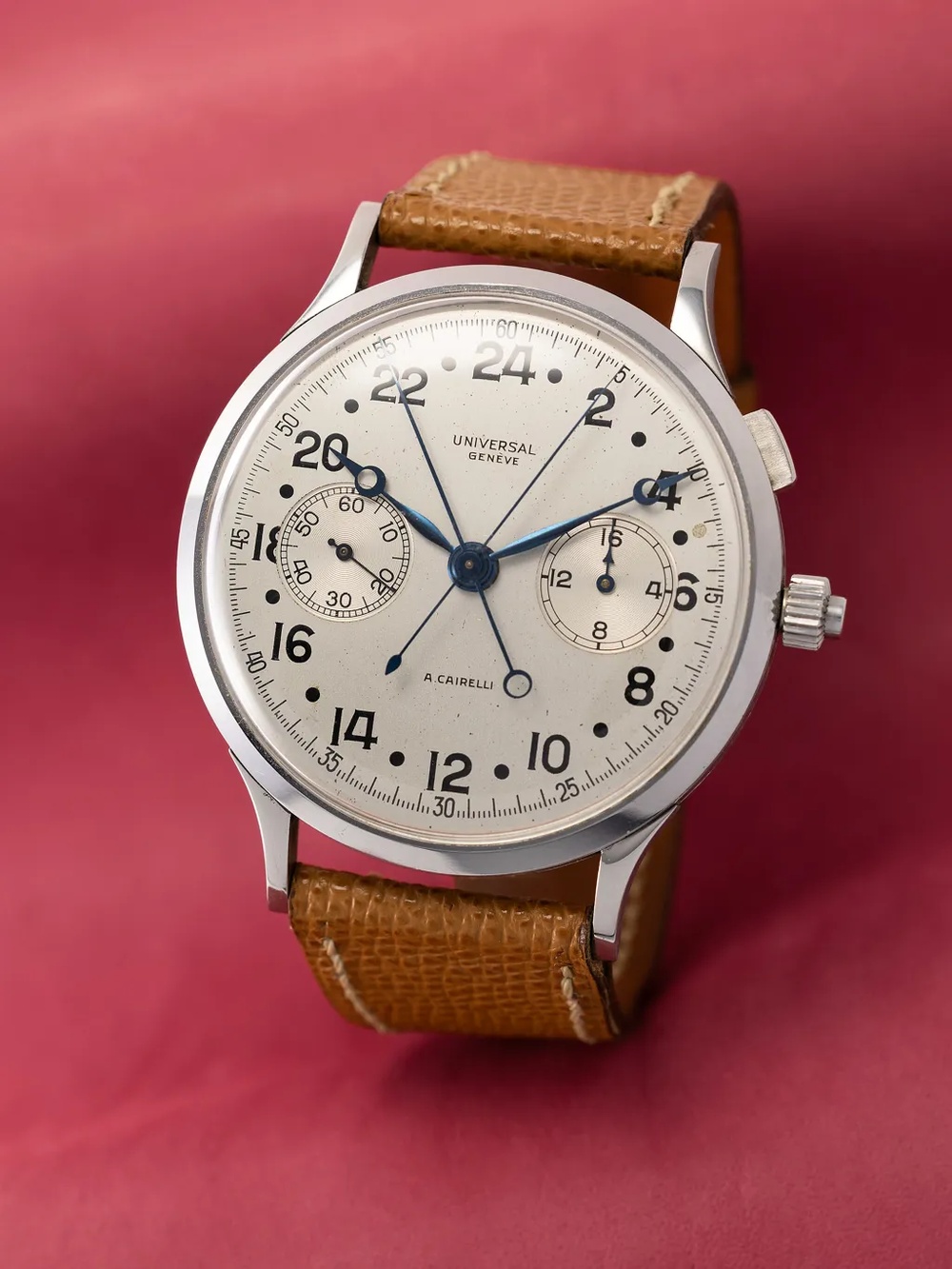
The Universal Genève HA-1 took sidereal-era navigation into the postwar military cockpit.
Supplied to the Aeronautica Militare Italiana through the Rome dealer A. Cairelli from the 1950s, it is caseback-stamped “Cronometro per Navigazione Astronomica”.
At 44mm, with a split-seconds chronograph and a 24-hour dial intended for legibility in a dark cockpit, it was made for crews fixing position over open water at night by sextant and stars.
The rattrapante mechanism let the navigator freeze one reading while the chronograph continued underneath, making it possible to time a second star sight without losing the first.
No more than a dozen or so are thought to survive today, making the HA-1 one of the rarest military tool chronographs of its type.
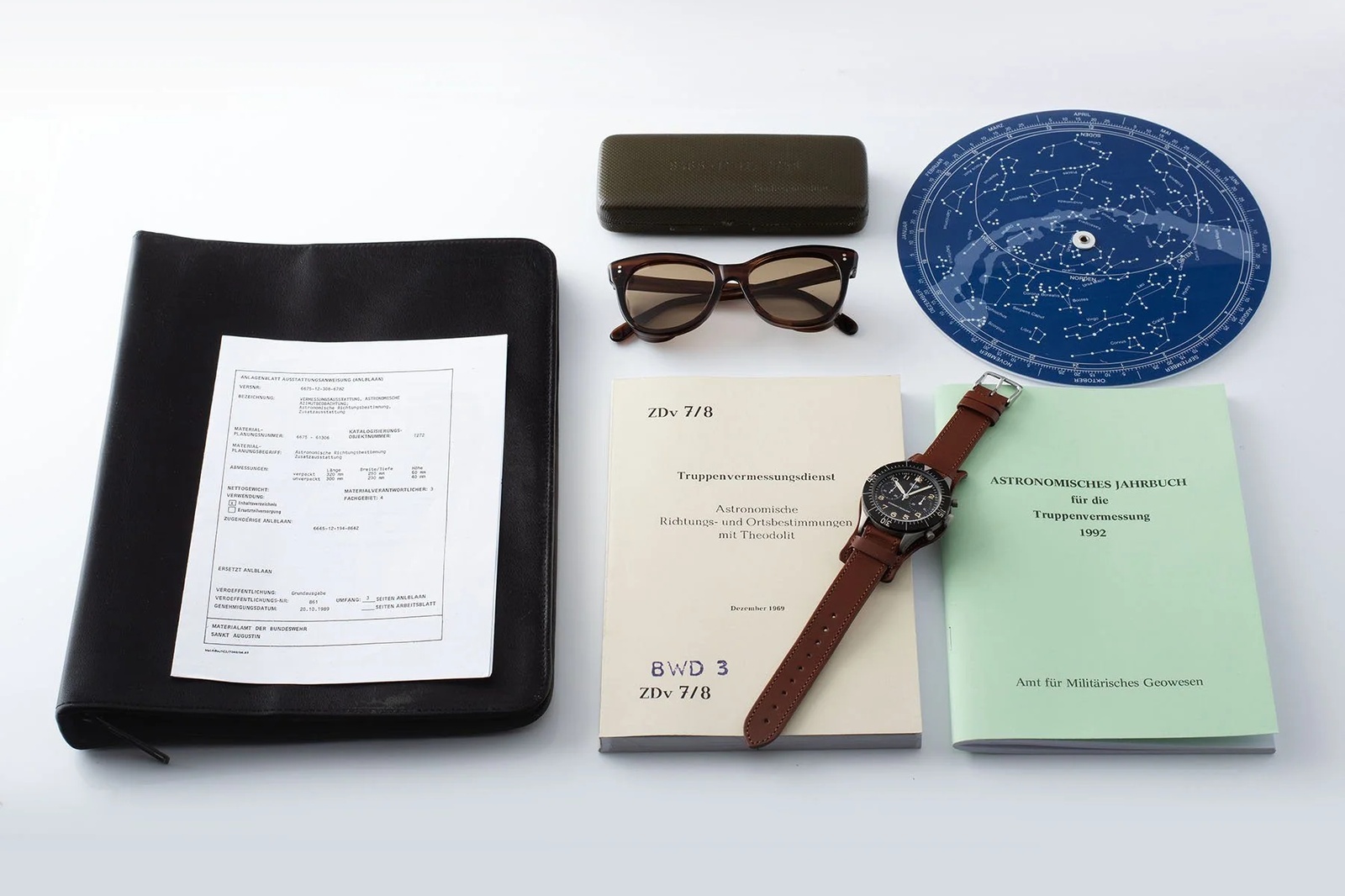
The Heuer 1551 SGSZ is even more specialised in purpose.
It was a sidereal-time variant related to the Bundeswehr Heuer 1550 SG, the flyback chronograph issued to Luftwaffe pilots from 1967 and also used by artillery and reconnaissance crews.
Introduced the following year, the 1551 SGSZ used the same case and a Valjoux movement but was regulated to run in sidereal time.
It was issued as part of a field artillery survey kit with a theodolite for astronomical direction-finding, helping survey teams establish exact bearings where maps or landmarks were unreliable.
Around fifty are thought to have been made, and they were carried in leather instrument cases rather than worn as daily watches.
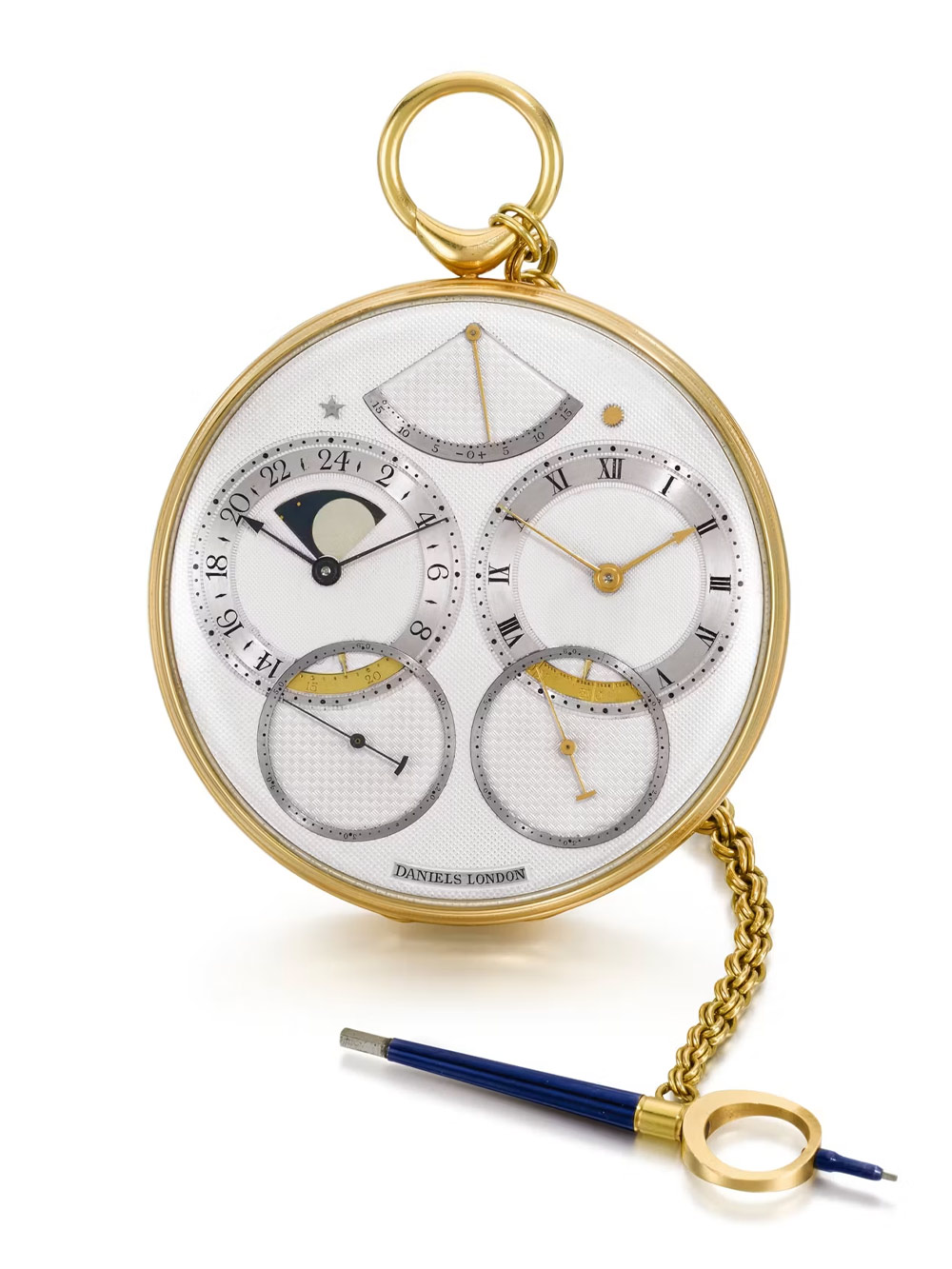
George Daniels approached the same problem from an entirely different direction.
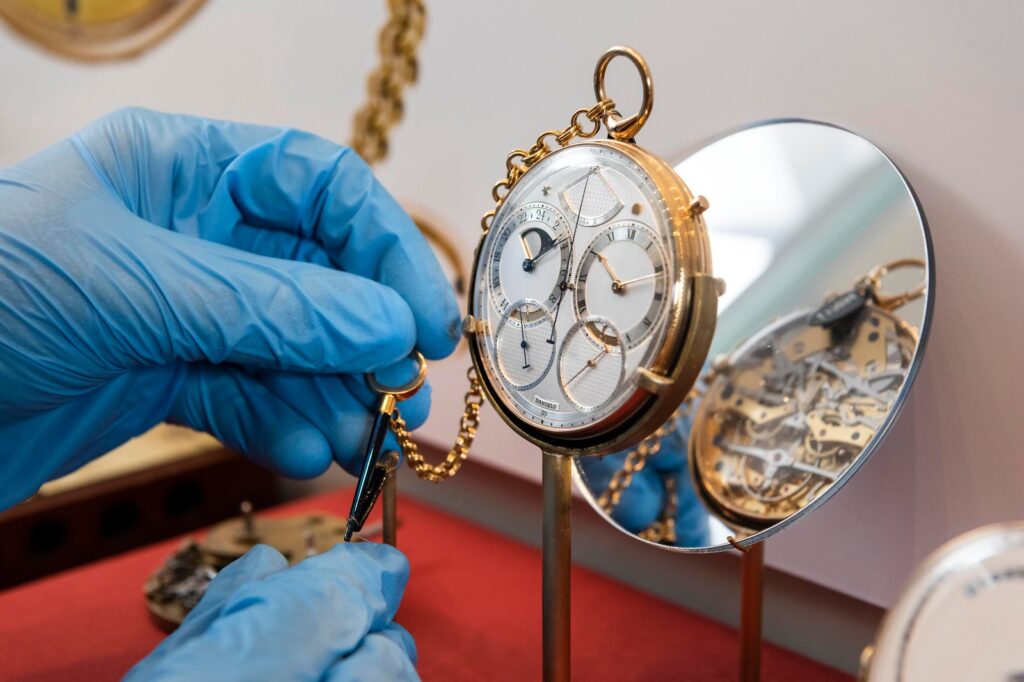
His Space Traveller I and II pocket watches, completed in the early 1980s as tributes to the 1969 Moon landing, translated sidereal time into a display of mechanical imagination.
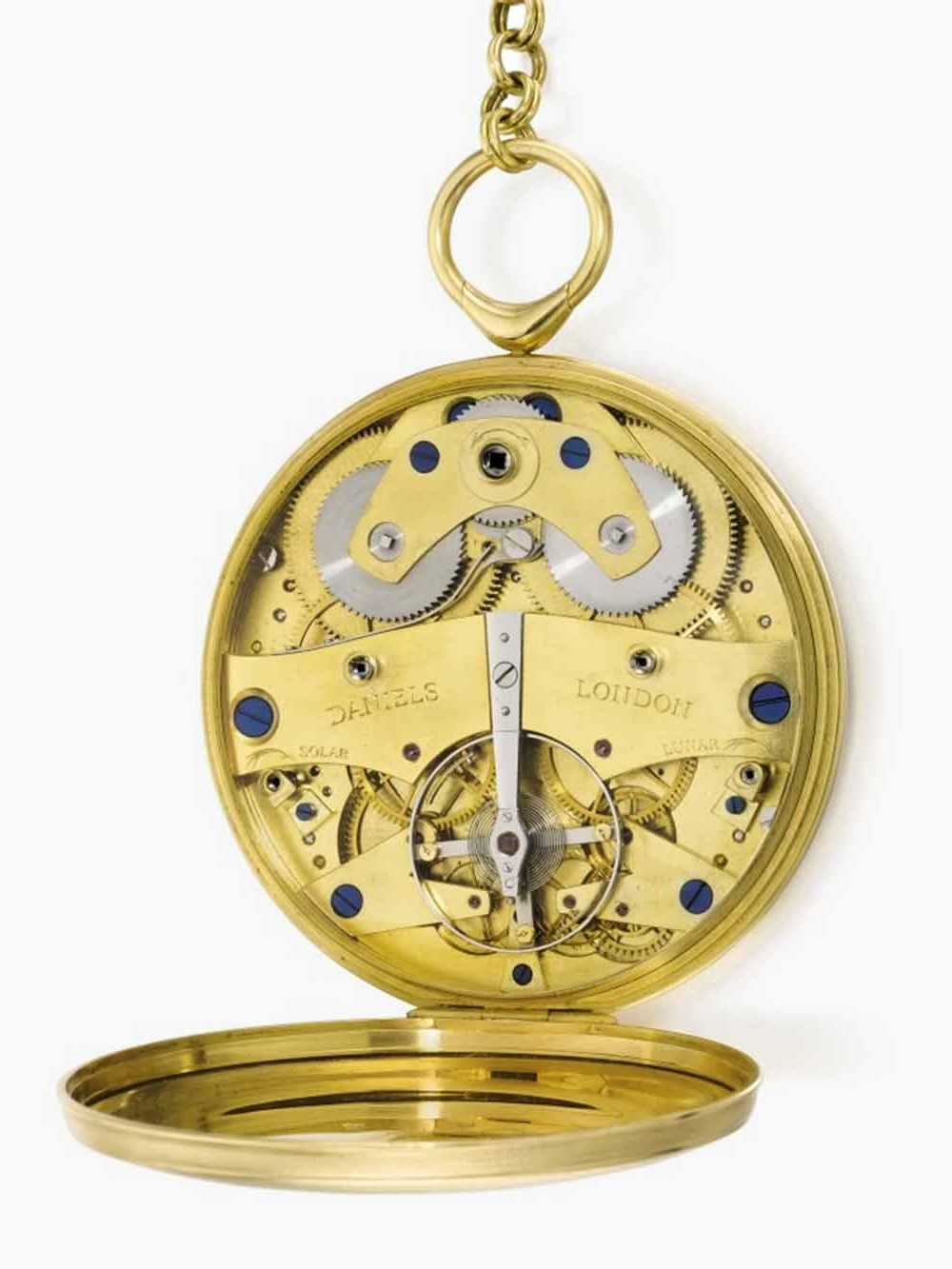
They used Daniels’ independent double-wheel escapement, with two escape wheels of thirteen and fourteen teeth driving a single balance so mean-solar and sidereal time could run simultaneously and independently.
The watches also included a moon-phase display, an annual calendar and the equation of time.
Space Traveller II added a chronograph that could be switched between solar and sidereal timing by lever.
Daniels kept Space Traveller II until his death in 2011, and both watches later achieved major results at Sotheby’s London.
Space Traveller II sold for £3,196,250 in 2017, while Space Traveller I sold for £3,615,000 in 2019, a record for an English watch at the time.
Details & Specifications
| Subject | Confirmed details |
|---|---|
| Sidereal day | 23 hours, 56 minutes and 4 seconds |
| Royal Navy HS.7 | Second World War broad-arrow stopwatch regulated to sidereal time |
| Longines ref. 4356 Weems | 47mm aviation watch with independently rotating central chapter ring, produced in sidereal-regulated examples |
| Universal Genève HA-1 | 44mm split-seconds chronograph supplied to the Aeronautica Militare Italiana through A. Cairelli from the 1950s |
| Heuer 1551 SGSZ | Sidereal-time variant related to the Bundeswehr Heuer 1550 SG, issued for astronomical direction-finding |
| George Daniels Space Traveller I & II | Pocket watches with independent double-wheel escapement showing mean-solar and sidereal time simultaneously |
| Daniels auction results | Space Traveller II sold for £3,196,250 in 2017, Space Traveller I for £3,615,000 in 2019 |
What links these pieces isn’t nostalgia, but utility at the edge of certainty.
When navigation depends on the sky, time must be measured by the stars, and these rare watches show how watchmaking answered that problem with military severity, aviation pragmatism and, in Daniels’ case, mechanical poetry.