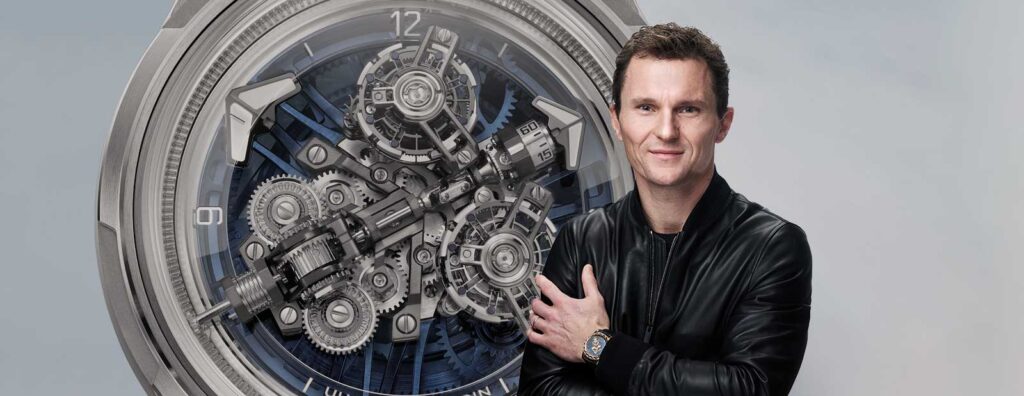
The Freak has always been Ulysse Nardin’s most useful provocation.
As the collection reaches its 25th anniversary alongside the brand’s 180-year legacy, Matthieu Haverlan is framing the moment less as a celebration of the past and more as a test of how far the idea can still be pushed.
That explains the two-pronged approach shown at Watches and Wonders, with the high-horology Super Freak at one end and a reworked Freak X aimed at daily wear at the other.
At a glance
- Ulysse Nardin is marking the Freak’s 25th anniversary with the Super Freak and a newly developed Freak X.
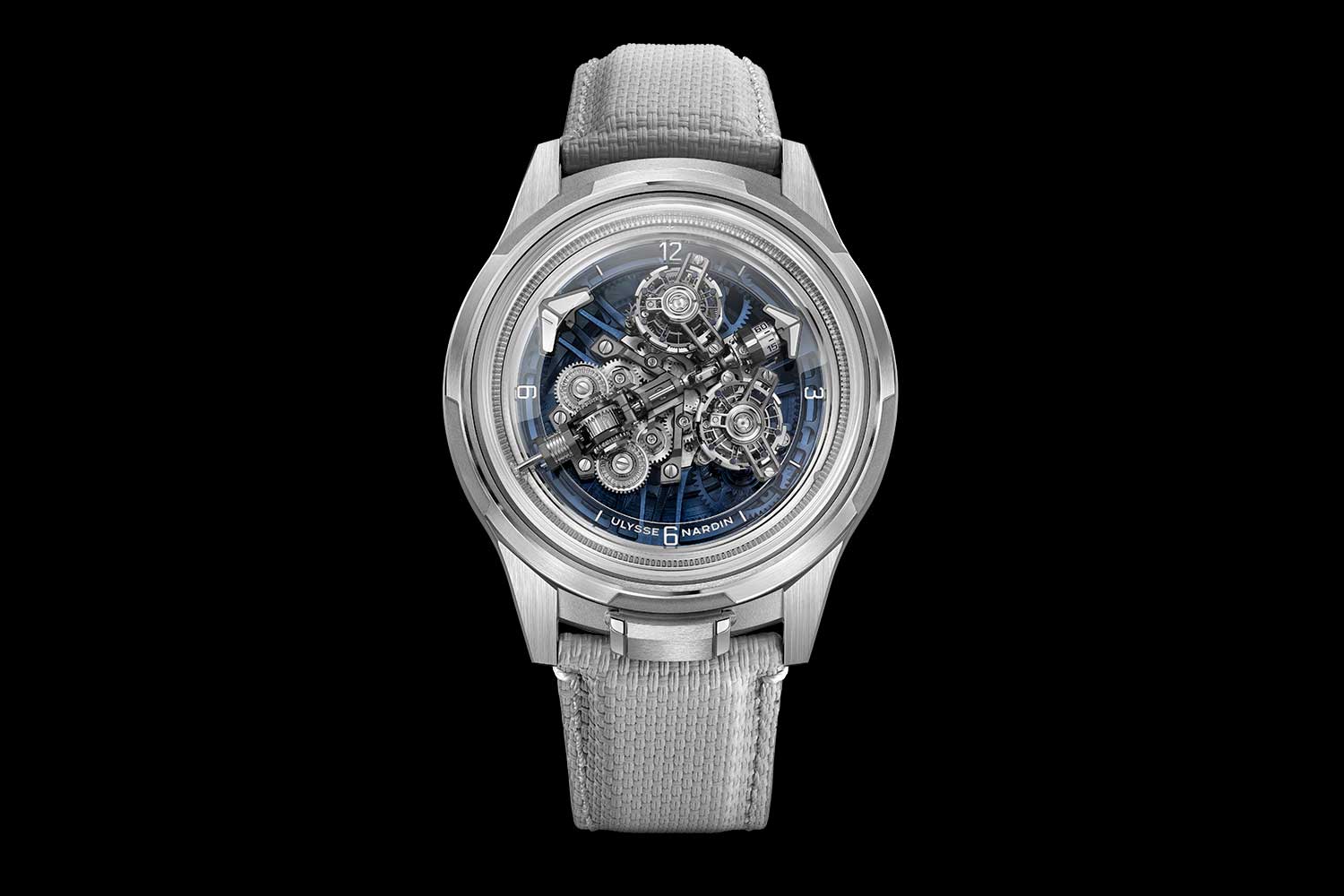
- The Super Freak brings two tourbillons, silicon and DIAMonSIL regulating organs, and major developments in winding and differential systems, as described by Matthieu Haverlan.
- The new Freak X is positioned as the more wearable expression, with a compact case, higher water resistance and Ulysse Nardin’s first interchangeable strap offering.
The Freak as Ulysse Nardin’s defining experiment
The original Freak of 2001 matters because it did not behave like a conventional wristwatch.
It arrived with a seven-day carrousel movement, a dual direct escapement and no crown for winding or setting the time, and it introduced silicon into mechanical watchmaking before the material became widely accepted across the industry.
Haverlan describes the Freak as more than a model line, presenting it as a way of thinking that challenged traditional watchmaking at the level of architecture, materials and display.
That’s a useful lens for understanding why Ulysse Nardin is still leaning so heavily into the collection after 25 years.
The point, in Haverlan’s telling, isn’t to reproduce the original Freak, but to keep making each generation justify itself with something genuinely new.
Super Freak pushes the anniversary into high horology
The Super Freak is the more extreme anniversary statement.
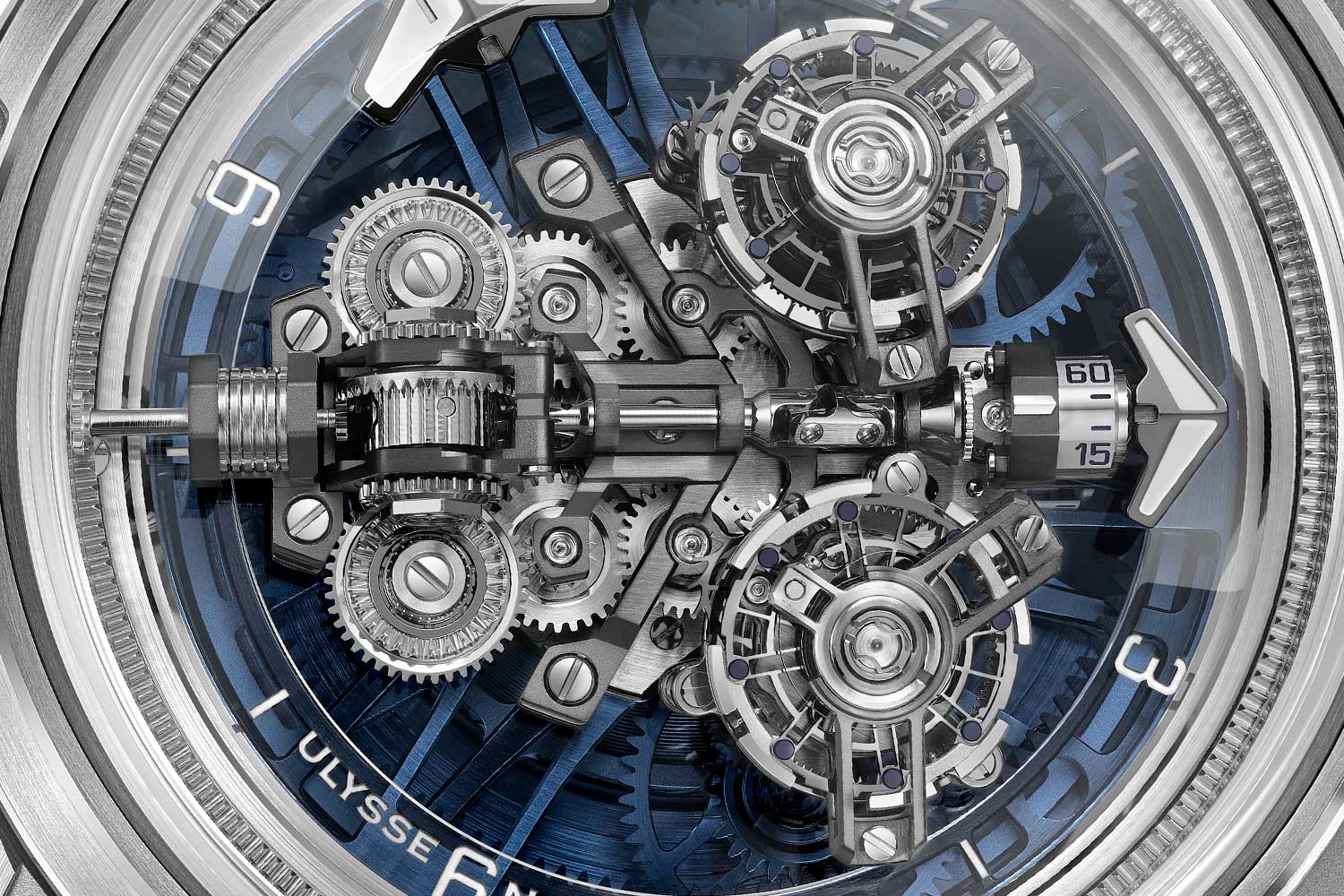
Haverlan characterises it as the most complicated time-only watch Ulysse Nardin has created, and possibly the most complicated time-only watch more broadly, with its emphasis placed on mechanical content rather than additional calendar or chiming functions.
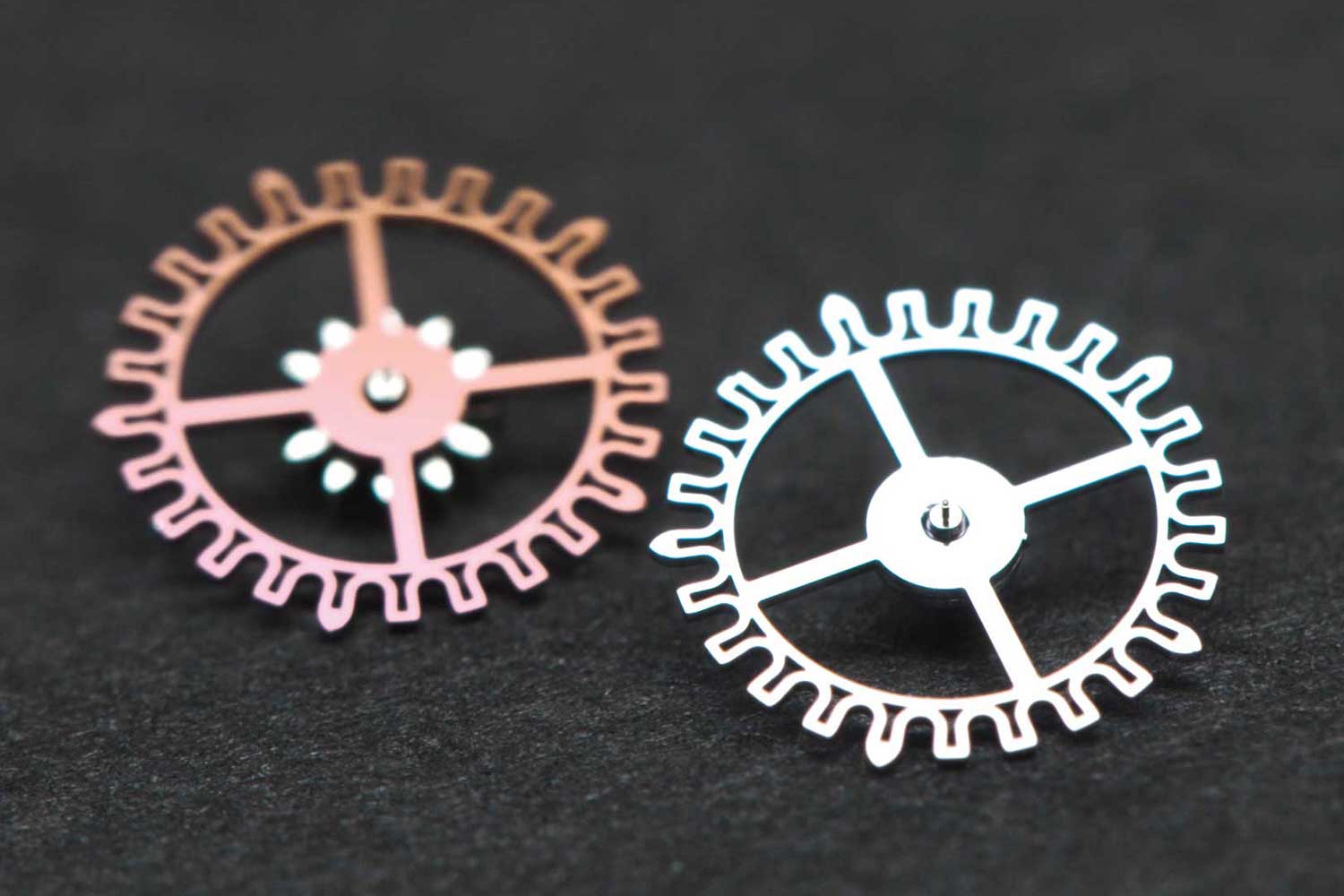
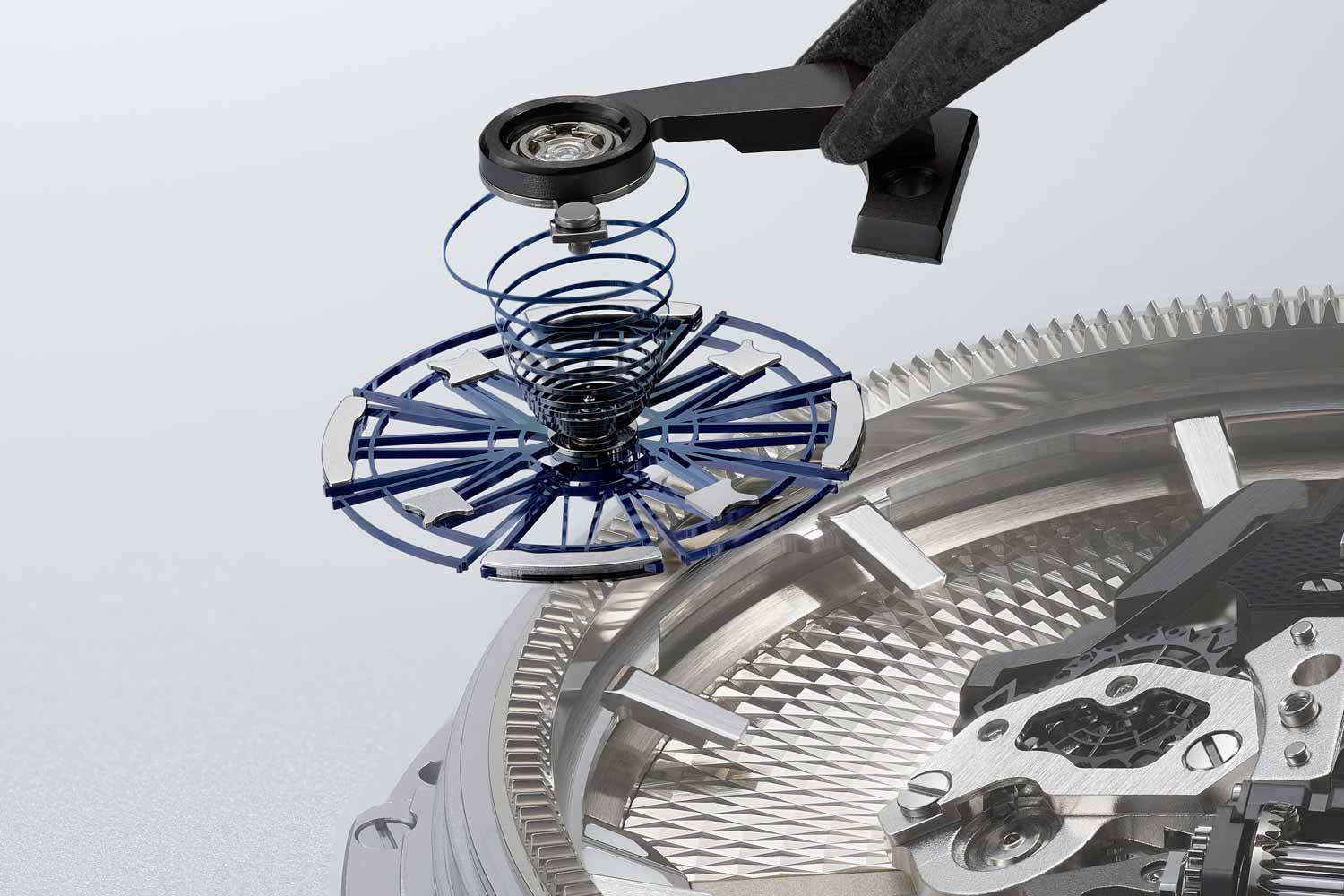
Its architecture includes two tourbillons and two regulating organs using silicon and DIAMonSIL, a diamond-coated silicon technology associated with the brand’s escapement work.
He also points to what Ulysse Nardin presents as the industry’s smallest differential and gimbal system, along with what it describes as the industry’s most efficient automatic winding system.
Those are substantial claims, but they sit naturally within the Freak’s history.
This has always been the collection where Ulysse Nardin tests how much of a watch can be rethought without losing the emotional clarity of a mechanical object on the wrist.
The new Freak X takes the idea closer to daily wear
If the Super Freak is the manifesto piece, the new Freak X is the one meant to spend more time on the wrist.
Haverlan is clear that the update is not being treated as a cosmetic facelift.
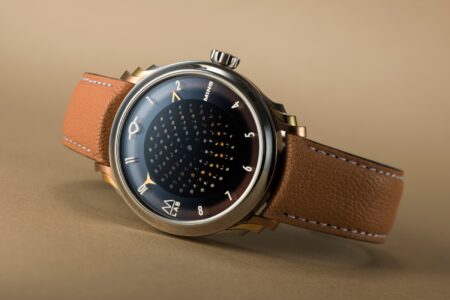
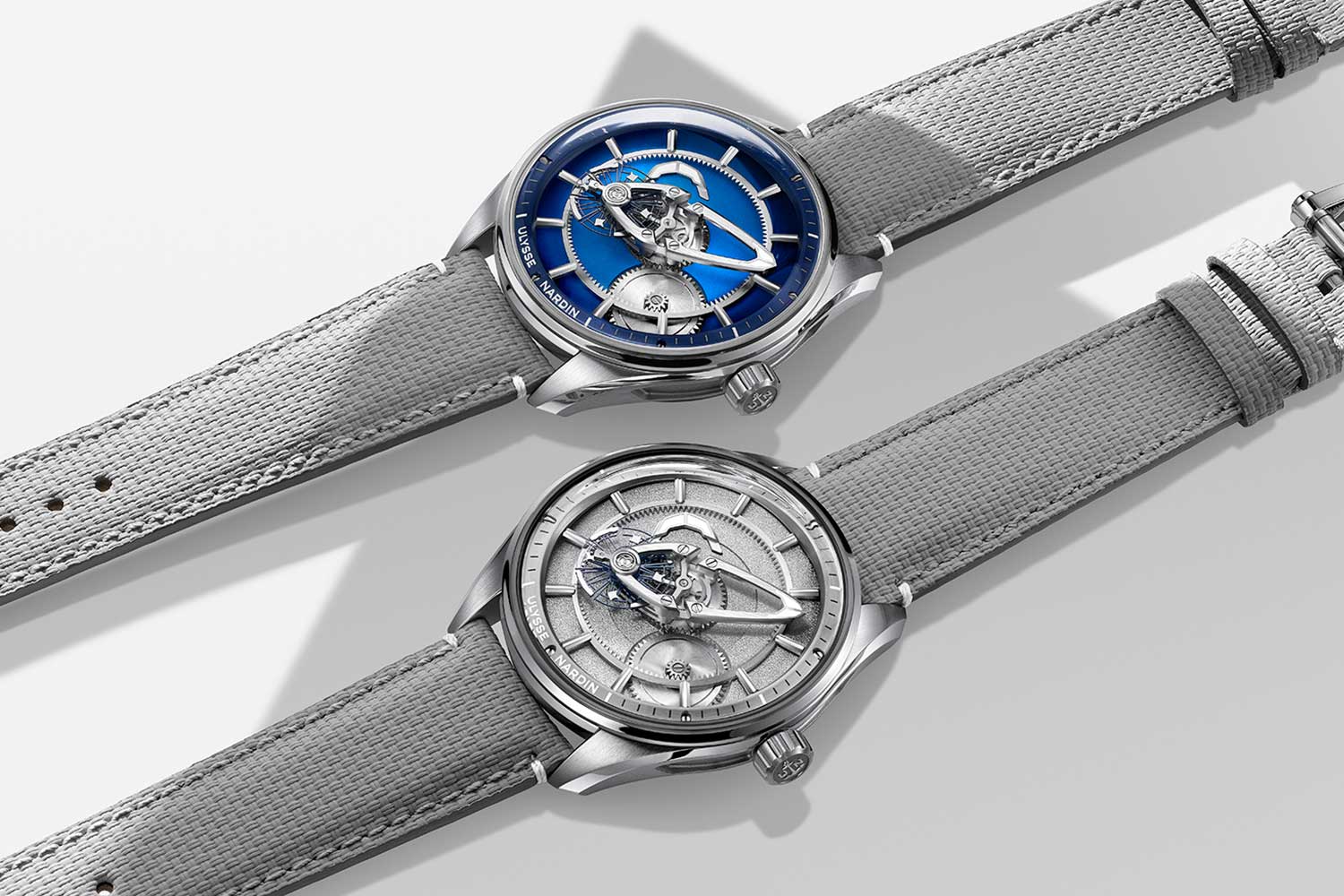
The latest Freak X has been developed with a more compact case design, a thinner and more robust profile, a smarter movement construction and higher water resistance.
It also receives a DIAMonSIL escapement and more refined movement finishing, including the addition of a rose gold micro-rotor.
For the first time at Ulysse Nardin, the Freak X also introduces an interchangeable strap offer that allows owners to customise the watch independently.
That last detail matters because it shifts the Freak X slightly away from pure horological spectacle and toward practical ownership.
Haverlan says he admires watches like the Super Freak as a collector, but wears the Freak X most often for everyday life, which neatly captures the division between the two anniversary-era releases.
Silicon, independence and the ideas lab mentality
Ulysse Nardin’s identity has long been tied to technical dissent.
Haverlan points to the brand’s history of innovation dating back to 1846 and describes Ulysse Nardin as an “ideas lab” rather than a manufacture content to polish old formulas.
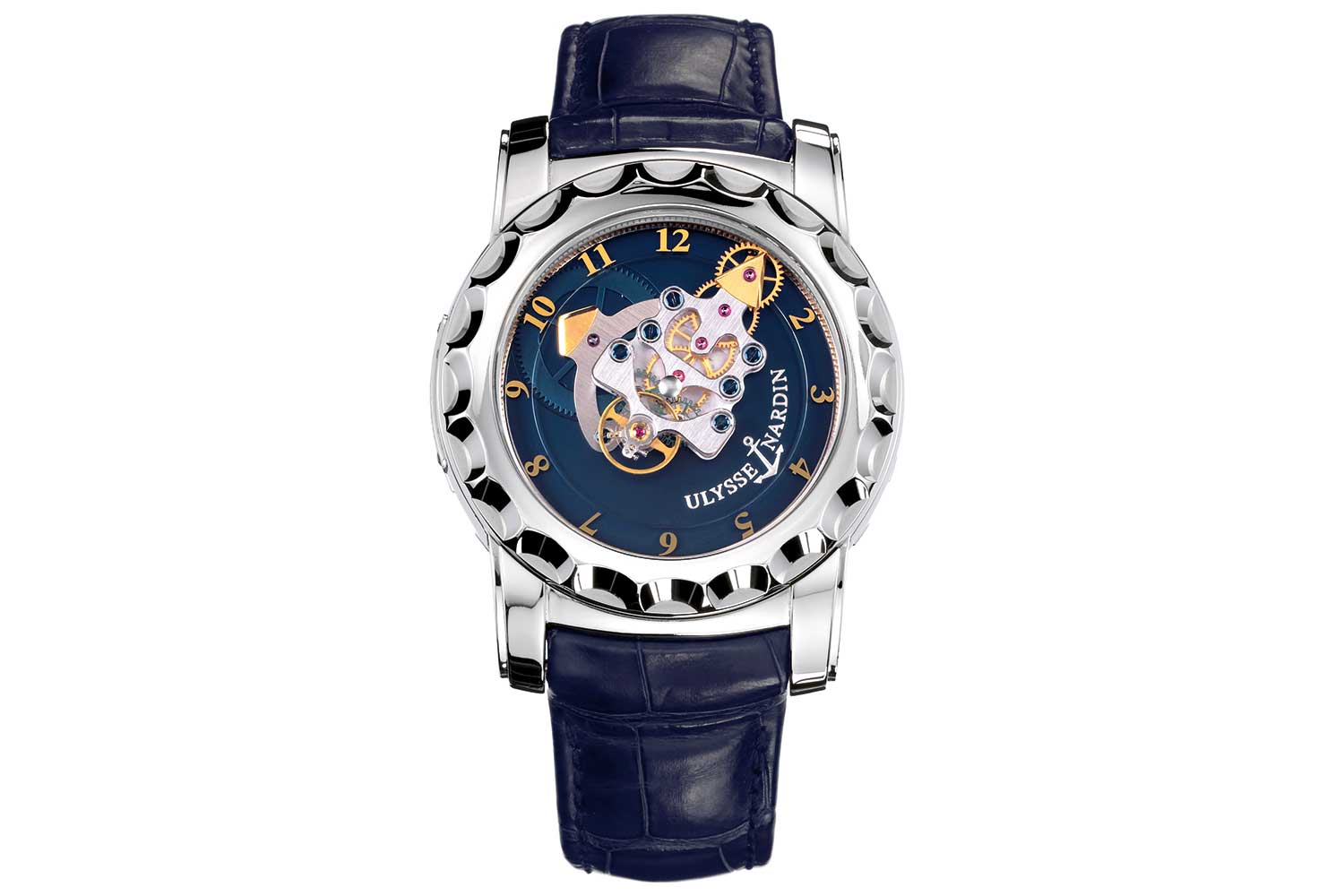
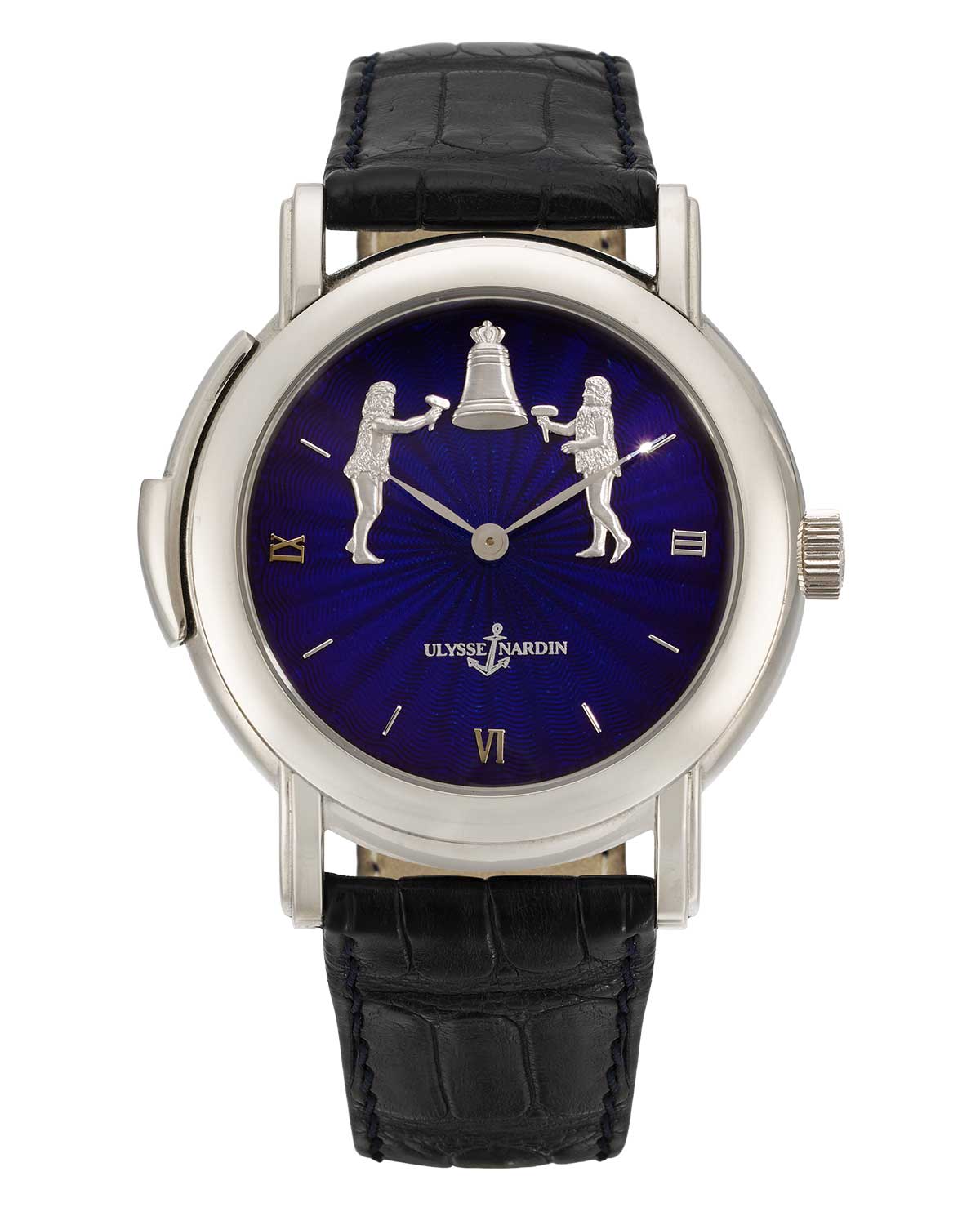
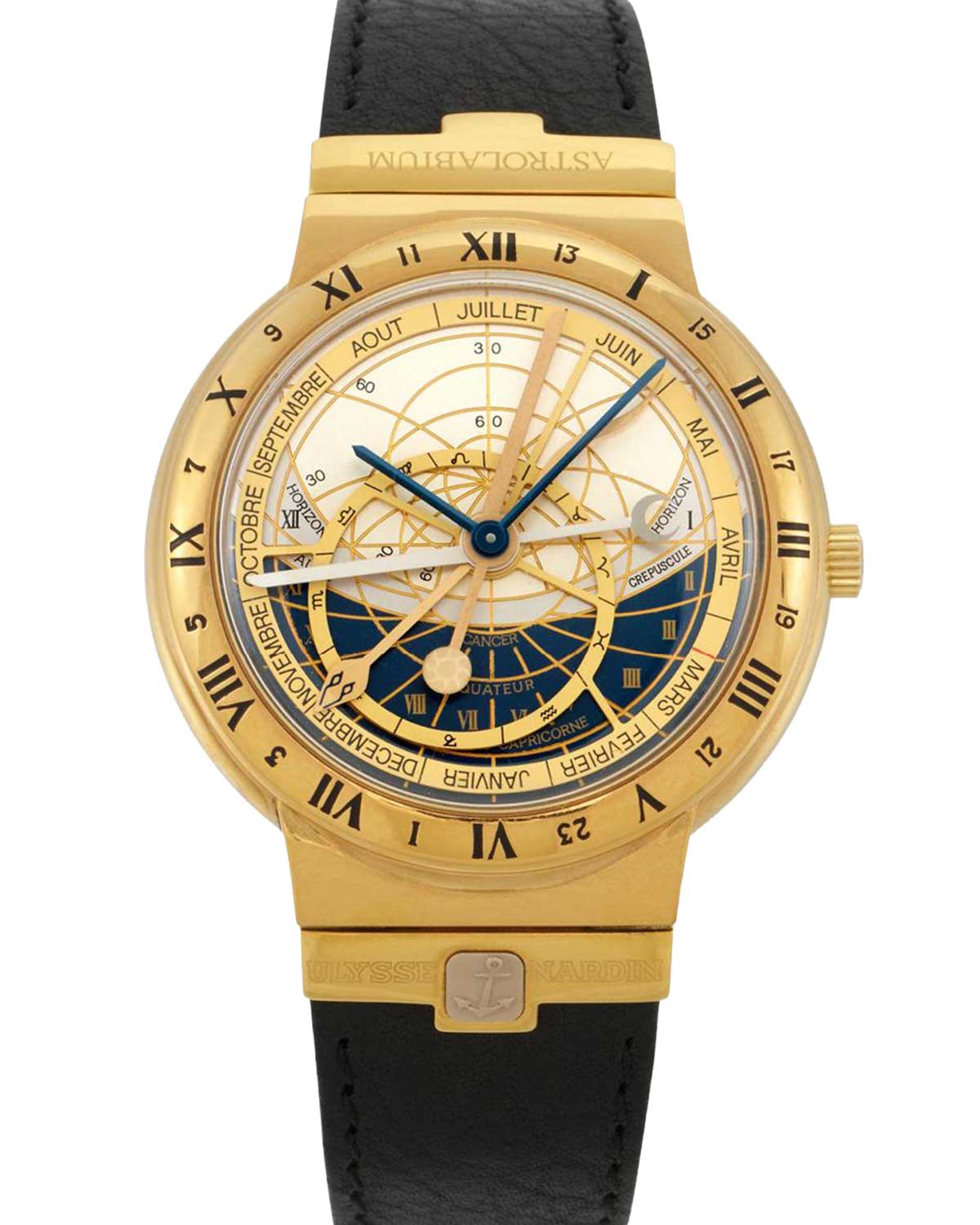
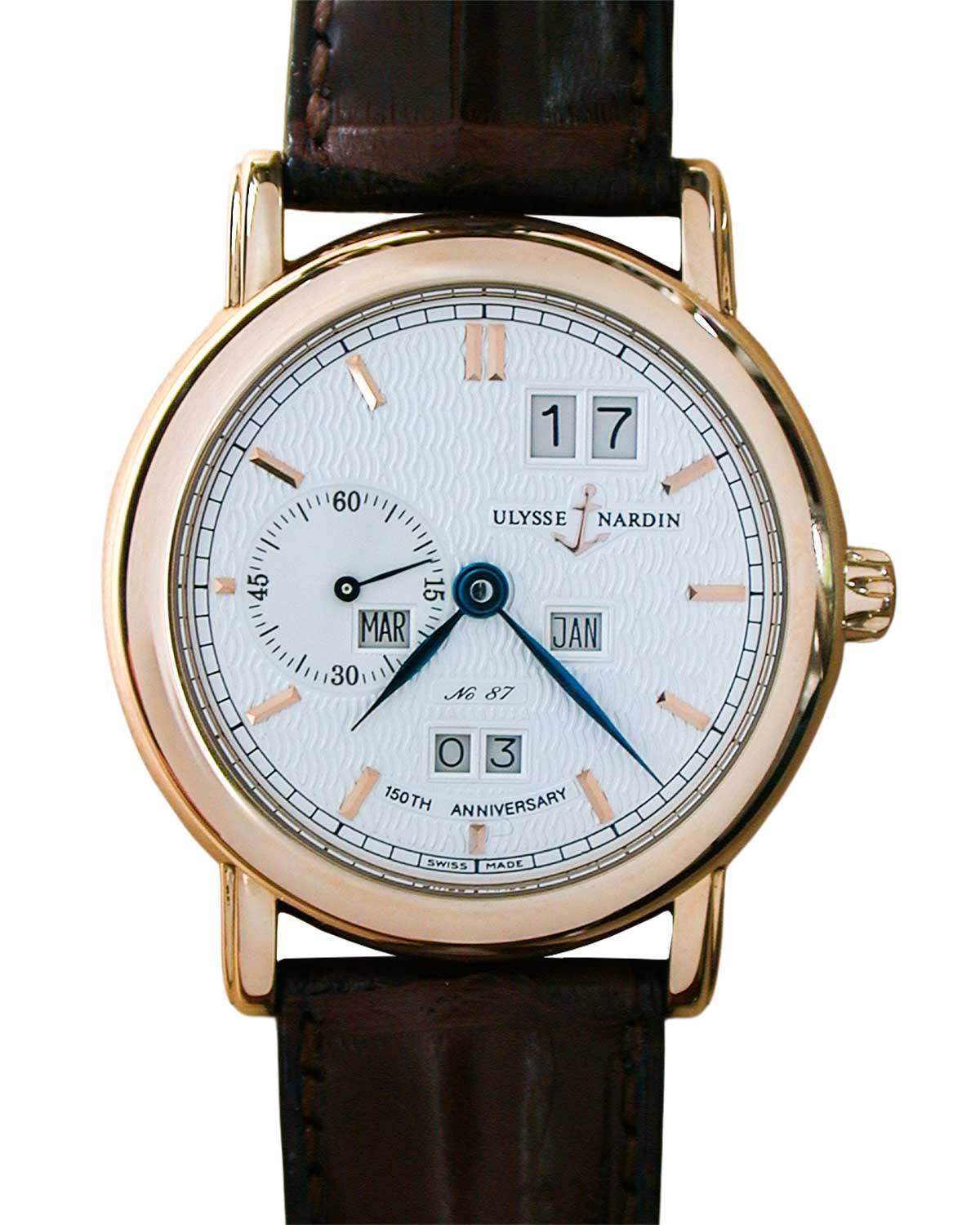
He cites several milestones in that lineage, including the San Marco Minute Repeater with jacquemart automatons, the Astrolabium Galileo Galilei astronomical wristwatch and the Perpetual Ludwig perpetual calendar, which Ulysse Nardin says could be set both forwards and backwards via the crown.
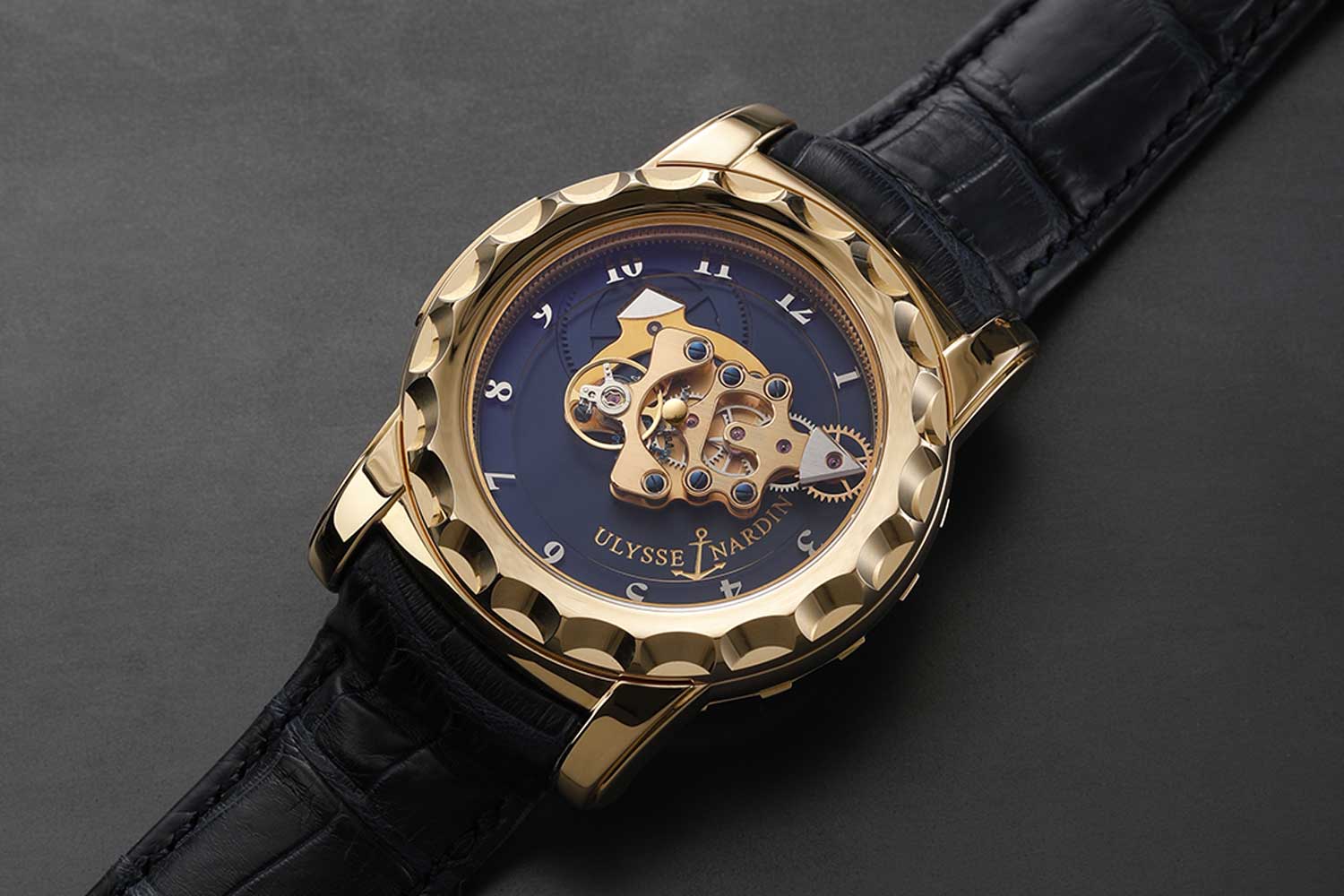
The Freak then became the modern anchor point for that identity.
Ulysse Nardin identifies the 2001 Freak as the first watch to use silicon components, and Haverlan credits silicon with improving precision, reliability and durability in mechanical watchmaking at a time when few in the industry believed it belonged there.
That helps explain why the brand’s future, as he presents it, isn’t split between technology, sustainability and creative independence.
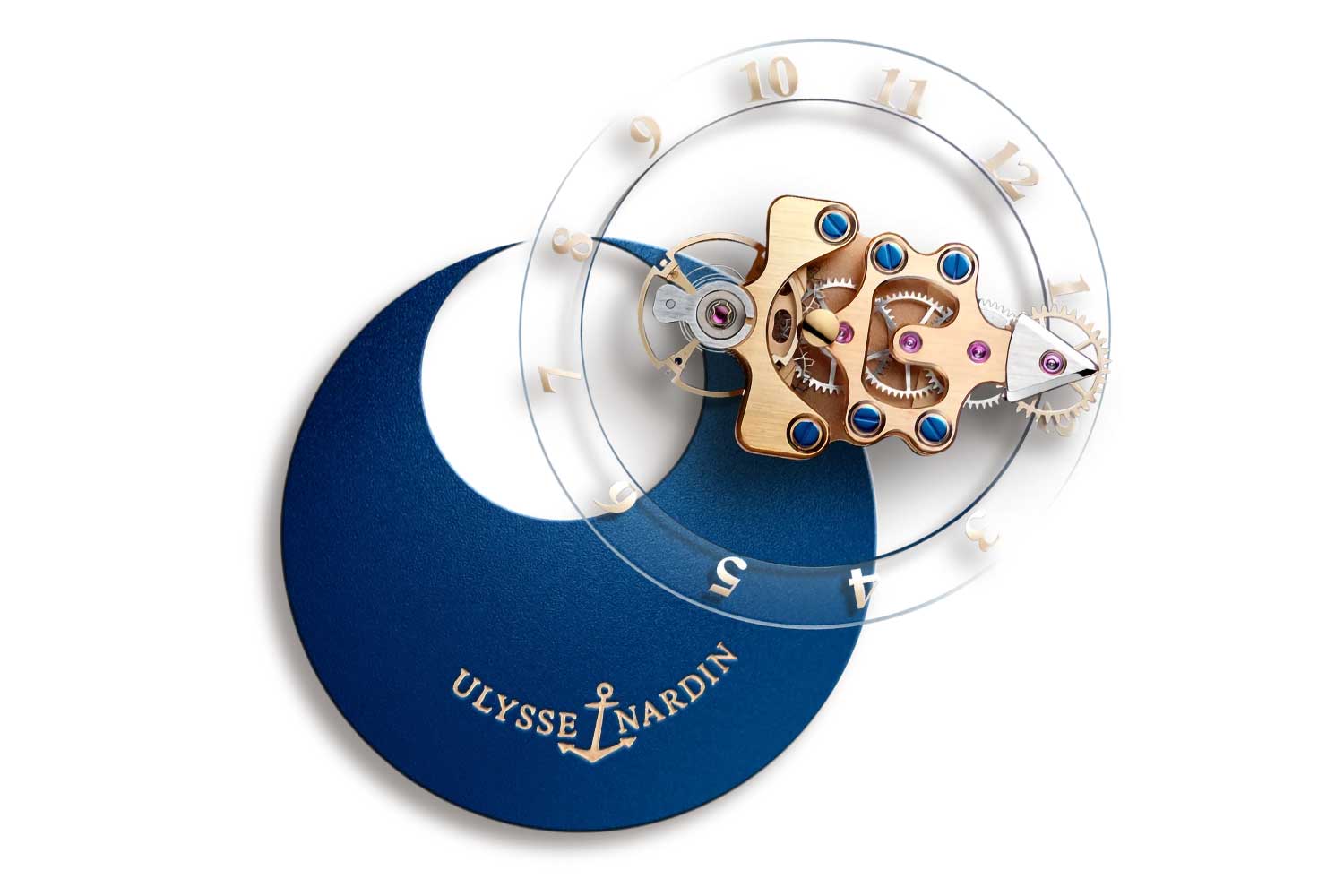
For Ulysse Nardin, the argument is that those strands have to function together if the brand is going to keep advancing watchmaking rather than simply decorating it.
Details & Specifications
| Brand | Ulysse Nardin |
|---|---|
| Collection | Freak |
| Anniversary context | 25th anniversary of the Freak collection and 180-year legacy of Ulysse Nardin |
| Original Freak milestone | Launched in 2001 with a seven-day carrousel movement, dual direct escapement and no crown for winding or setting time |
| Super Freak | Time-only watch with two tourbillons and two regulating organs in silicon and DIAMonSIL, as described by Matthieu Haverlan |
| Super Freak technical claims | Ulysse Nardin presents it with the industry’s smallest differential and gimbal system and the industry’s most efficient automatic winding system |
| New Freak X | More compact case design, smarter movement construction, higher water resistance and DIAMonSIL escapement |
| New Freak X finishing | Refined movement finishing with a rose gold micro-rotor |
| Strap system | First interchangeable strap offering at Ulysse Nardin, allowing independent customer customisation |
The most interesting part of Ulysse Nardin’s Freak anniversary isn’t nostalgia, but discipline.
Rather than softening the collection into a heritage object, Haverlan’s vision keeps it restless, technically demanding and deliberately independent, which is exactly why the Freak still feels relevant after 25 years.