For a format that supposedly vanished with the waistcoat, the pocket watch has been unusually visible lately.
Recent launches have drawn queues, sold out quickly and appeared on red carpets, which is enough to make even committed wristwatch collectors wonder whether the chain is coming back.
The answer is more nuanced than a simple yes.

At a glance
- Pocket watches are enjoying renewed attention through limited editions, fashion moments and collector interest.
- Recent examples range from the Swatch x Audemars Piguet Royal Pop to releases by Hublot, Louis Vuitton, Parmigiani and Christopher Ward with Studio Underd0g.
- The revival remains niche, with wristwatches still far more practical for daily wear.
From Nuremberg eggs to trench watches
The pocket watch has always carried more cultural weight than its size suggests.
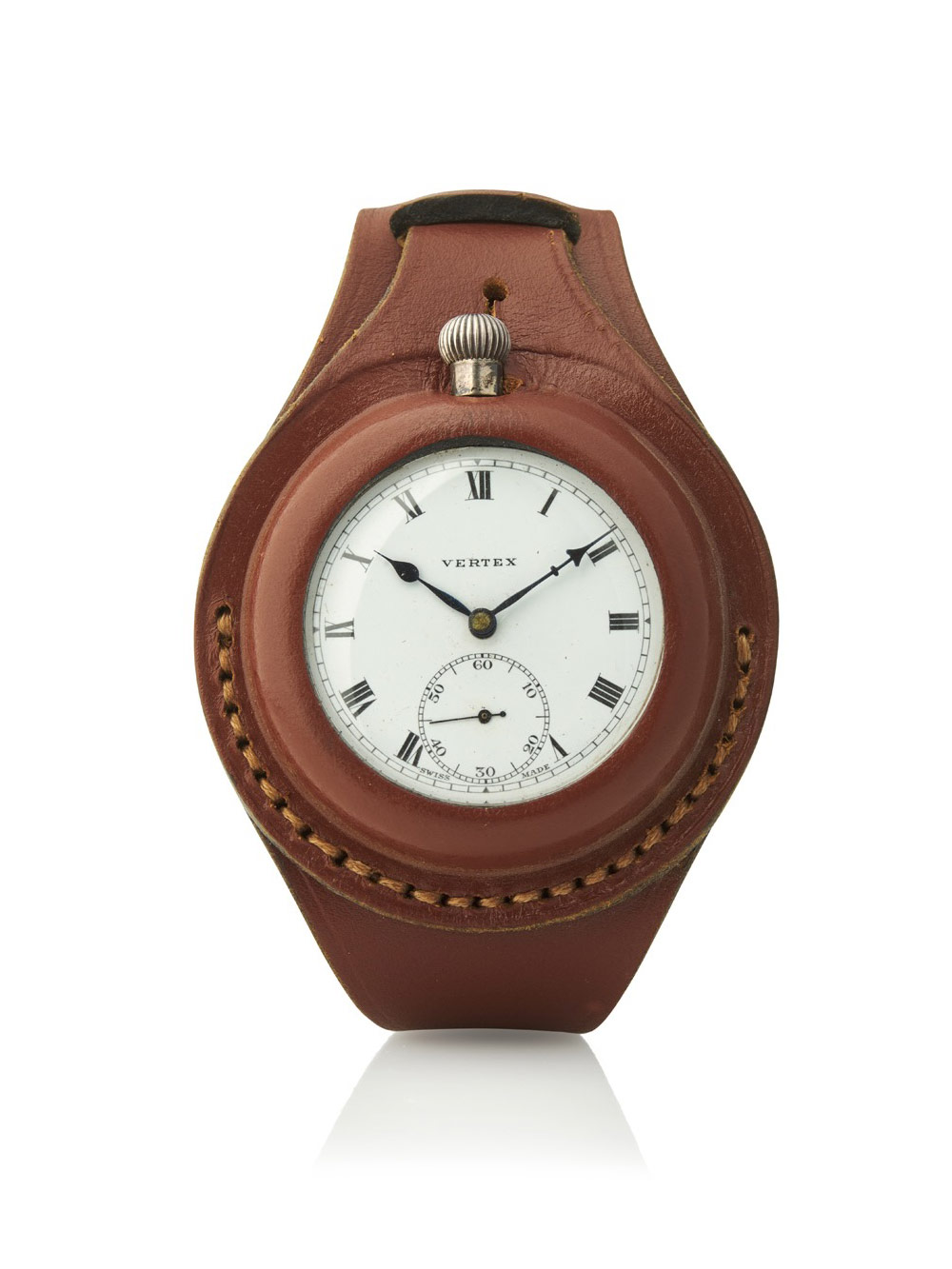
Portable timekeepers emerged in the early 16th century, often linked to German locksmith Peter Henlein after the development of the mainspring.
These early devices were large, rounded objects worn around the neck, earning the nickname “Nuremberg eggs” thanks to Henlein’s home city.
By the 17th century, watches had become flatter, smaller and better suited to a pocket, while the balance spring introduced by Christiaan Huygens in 1675 helped turn them from status objects into more dependable daily instruments.
For centuries, that made the pocket watch an essential accessory for a well-dressed man.
The decisive break came during the First World War, when soldiers needed a faster, safer way to check the time in the trenches.
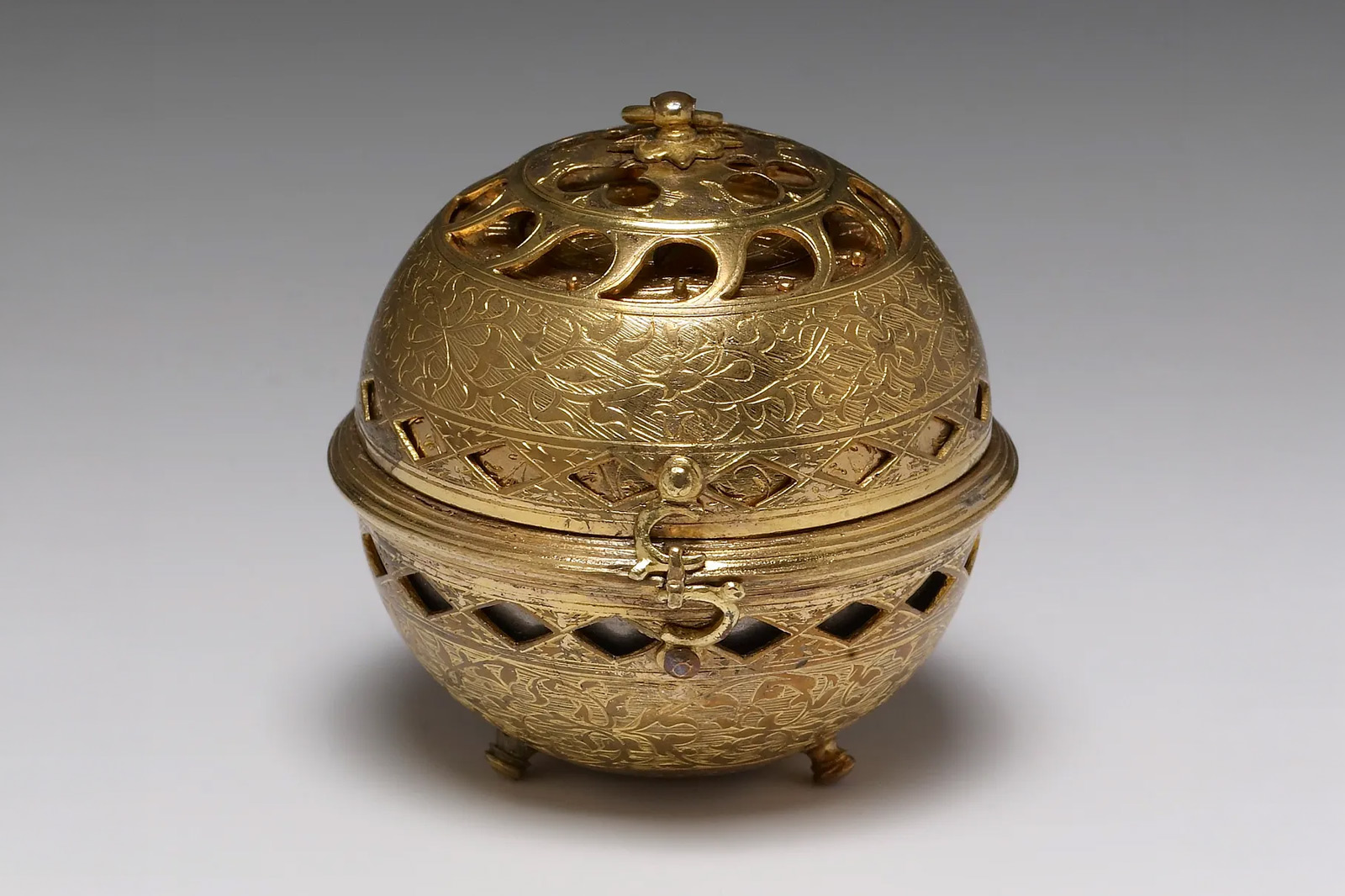
Wristwatches, previously seen largely as delicate jewellery for women, became practical military tools almost overnight.
Once the wristwatch proved its usefulness, the pocket watch never regained its place as the default personal timekeeper.
The modern pocket watch belongs to collectors
The current pocket watch conversation has been fuelled less by everyday demand and more by scarcity, novelty and brand theatre.
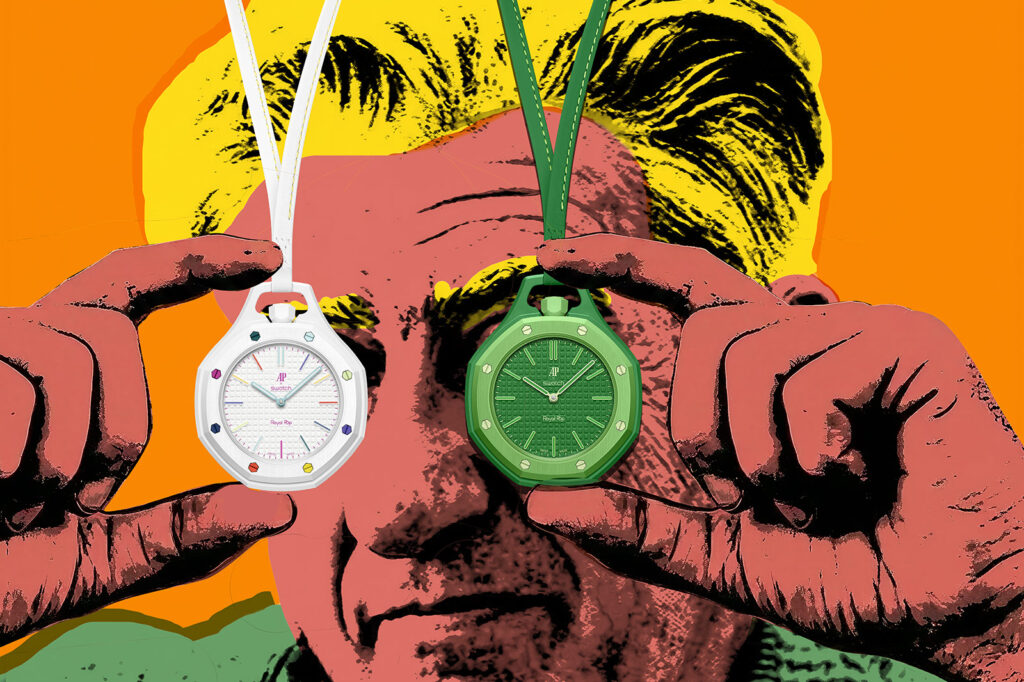
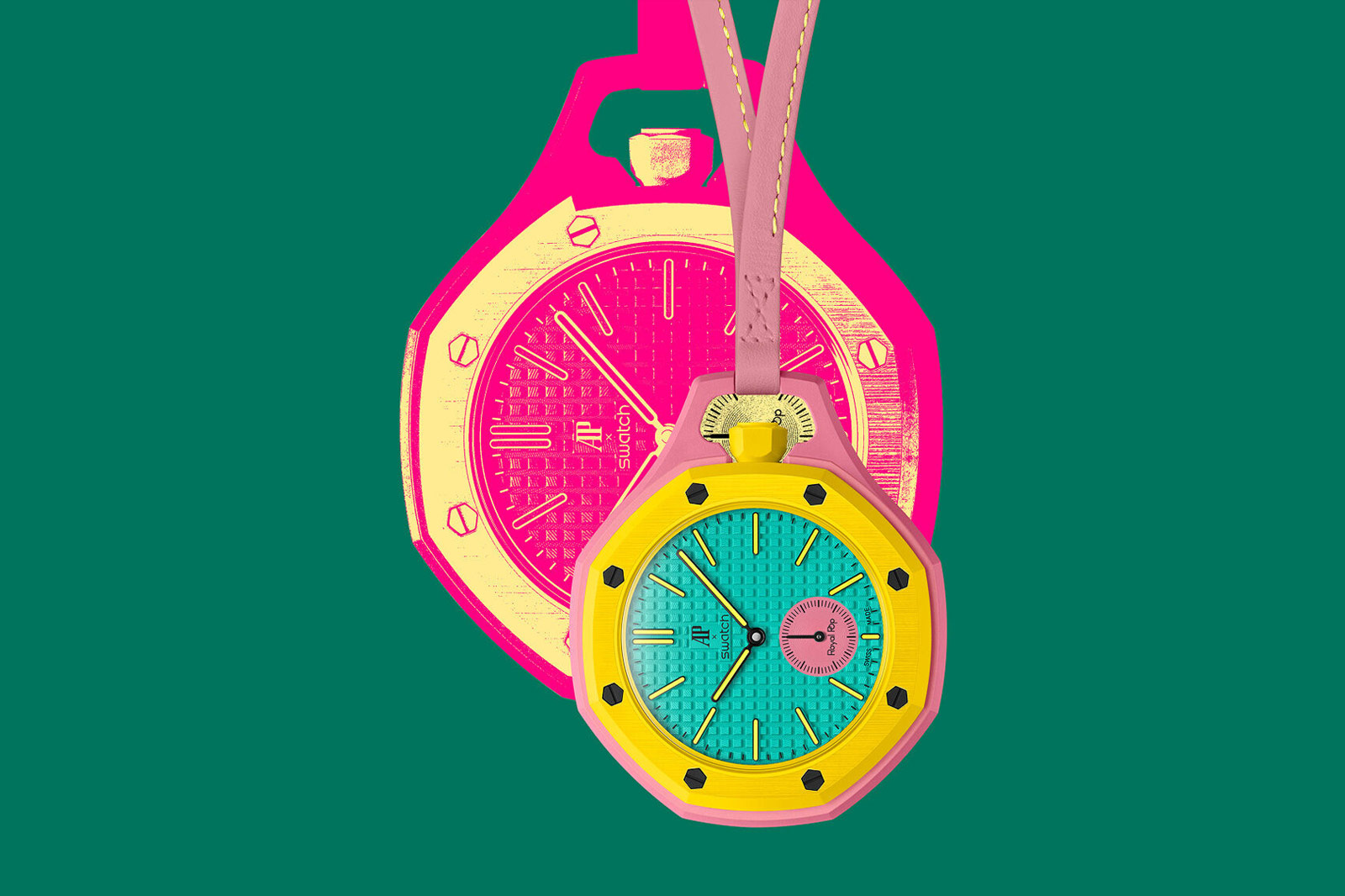
The Swatch x Audemars Piguet Royal Pop became the clearest example, drawing long queues on 16 May as collectors and resellers tried to secure one.
Some shoppers had reportedly camped out from the day before, and crowding issues were serious enough for certain stores to close.
The striking part wasn’t only the frenzy, but that it centred on a pocket watch rather than a conventional wrist release.
That wasn’t an isolated experiment.
Christopher Ward and Studio Underd0g created the Alliance 02, a 44mm pocket watch pairing Christopher Ward’s Light-Catcher case with the luminous gradient dial and suspended numerals associated with Studio Underd0g’s 02SERIES field watch.
Only 100 pieces were made, and they disappeared almost immediately.

Elsewhere, Hublot worked with Daniel Arsham on the futuristic Droplet in 2024, while Parmigiani created the La Ravenale minute repeater as a unique piece for its founder’s birthday.
Chinese independent Fam Al Hut took a more angular route with the Machina Solis, a square watch with a 24-hour display on one side and a star map on the other.
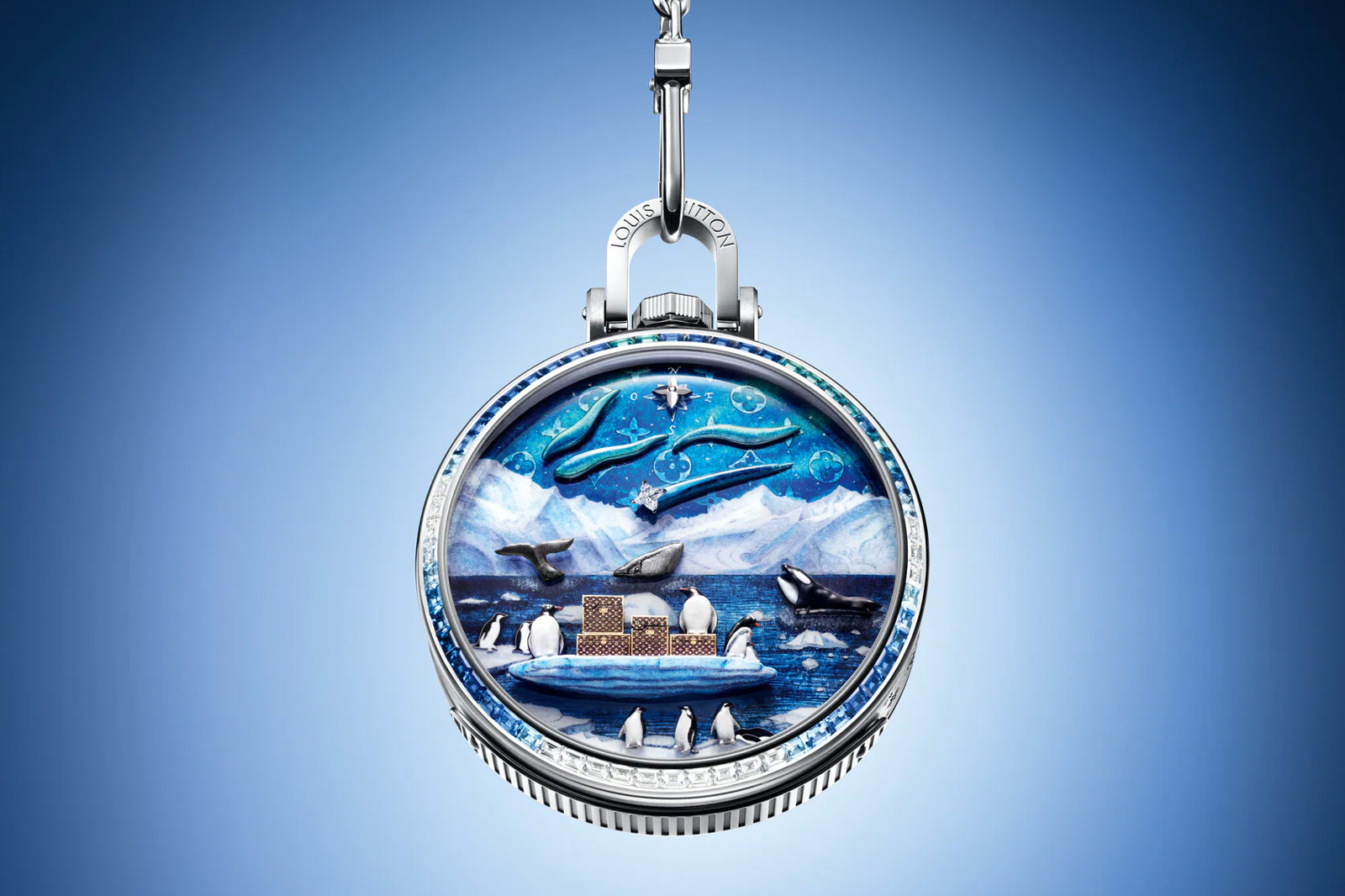
Louis Vuitton has also leaned into the format with its Escale pocket watches, including a recent Alaska-themed edition within its travel-led series.
Taken together, these watches show real creative energy around the format.
They don’t, however, suggest a mass-market turn away from the wrist.
Fashion loves the gesture of a chain
Pocket watches also make sense in fashion because they signal character instantly.
A chain across a waistcoat can evoke period tailoring, vintage menswear and the broader appetite for early 20th-century styling.
The Peaky Blinders effect is still part of that conversation, especially among wearers drawn to three-piece suits, heavy fabrics and sharper period silhouettes.
High-profile appearances have pushed the image further.
At the 2025 Met Gala, Khaby Lame wore 20 pocket watches pinned to his waistcoat, turning the object into a graphic fashion device.
Jenna Ortega took a quieter route with a vintage Heuer pocket watch chronograph, while Leon Bridges wore an Urban Jürgensen tourbillon.
These moments matter because they put the pocket watch in front of a style-conscious audience rather than keeping it confined to auction rooms and specialist collectors.
Still, a red carpet doesn’t mirror ordinary life.
What reads beautifully in a formalwear photograph can feel awkward with a T-shirt, a knit polo or a modern suit cut without a vest.
Practicality is still the problem
The pocket watch lost to the wristwatch for a reason, and that reason hasn’t gone away.
A wristwatch is easier to wear, easier to glance at and far better suited to contemporary routines.
A pocket watch needs somewhere to live, usually a waistcoat, jacket pocket or bag, and it asks for a more deliberate gesture every time you check the time.
That ritual can be charming, but it isn’t efficient.
Even models presented as versatile accessories or bag charms still carry the limitations of the form.
They can be beautiful objects, but they’re not naturally integrated into daily dress in the way a wristwatch is.
This is why the strongest pocket watch market remains split between serious collectors, vintage enthusiasts and brands using the format for special projects.
Patek Philippe has long maintained a tradition of pocket watchmaking, while Breguet and Vacheron Constantin occasionally revisit the form through historically minded creations.
At the more accessible end, the Tissot Savonnette continues to offer a classical entry point for buyers who simply want the experience of owning one.
So, are pocket watches back?
They’re back in conversation, back in carefully chosen wardrobes and back on the radar of collectors who want something outside the usual wristwatch cycle.
But as an everyday object, the pocket watch remains what it has been for more than a century, a fascinating survivor rather than a true successor to the wristwatch.