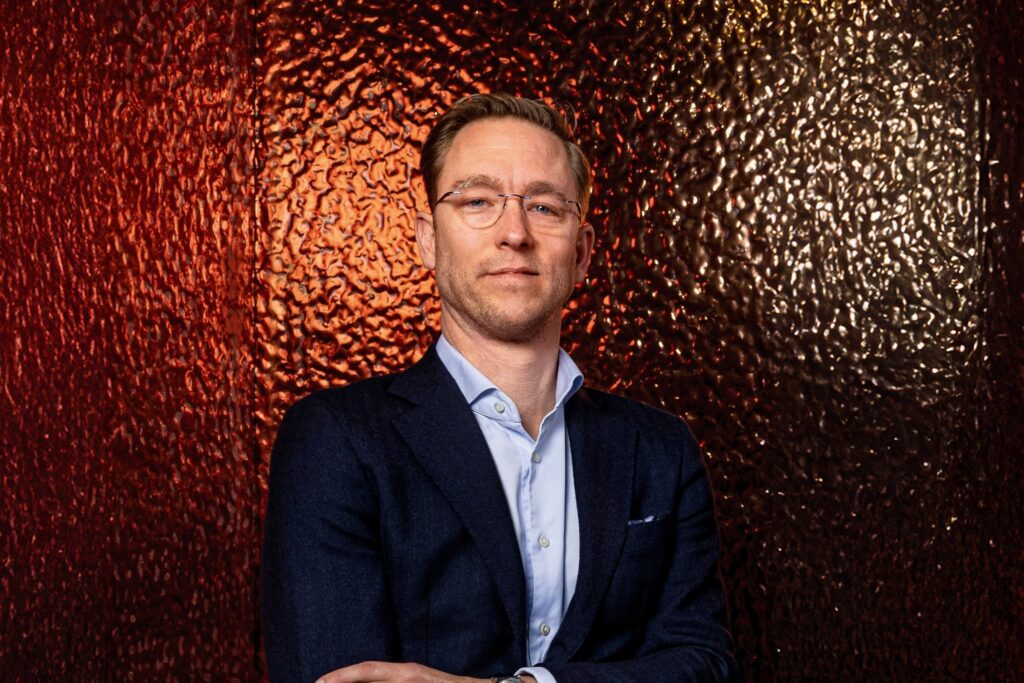
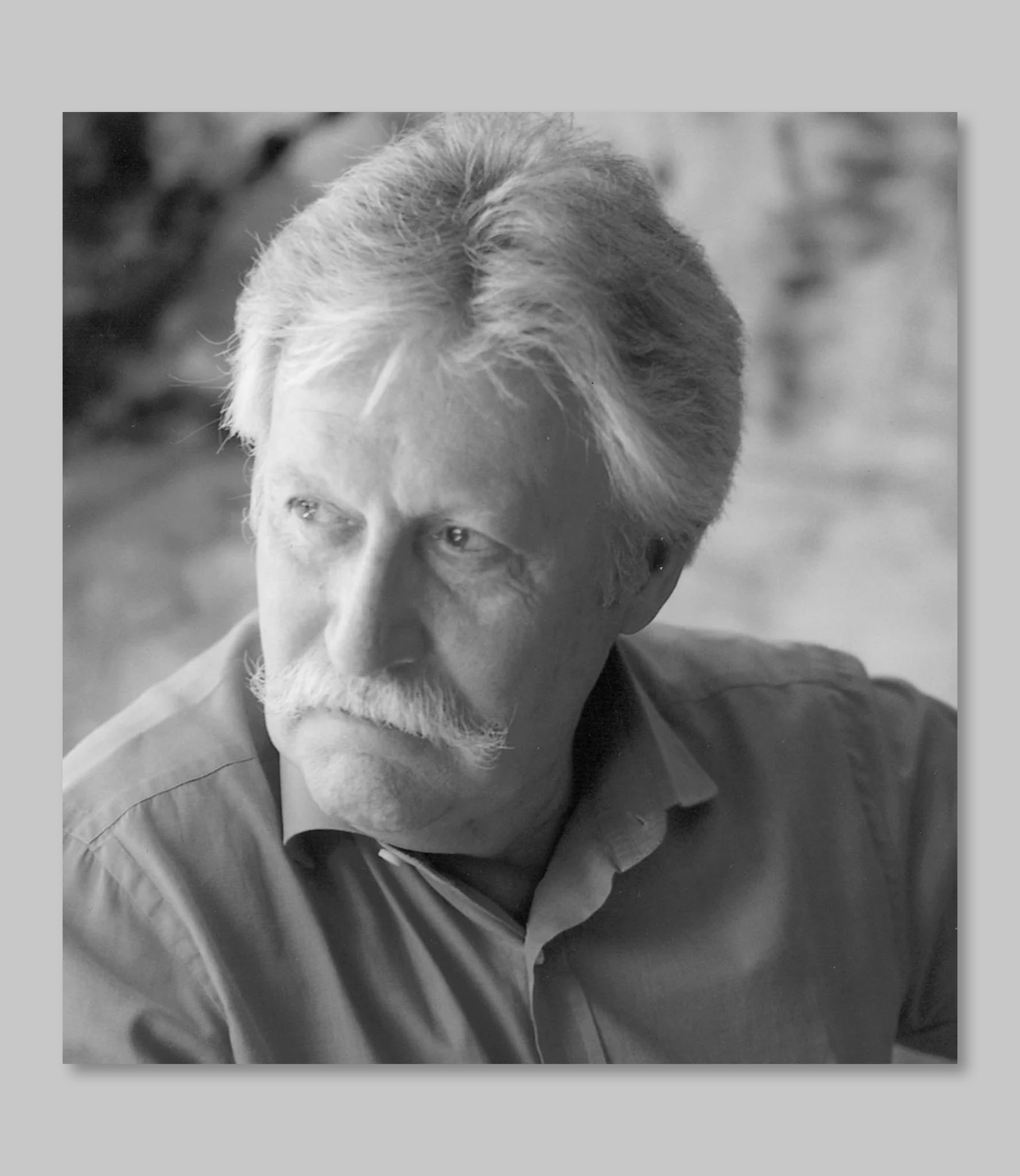
For Pim Koeslag, watchmaking becomes most compelling when mechanics carry an idea beyond timekeeping.
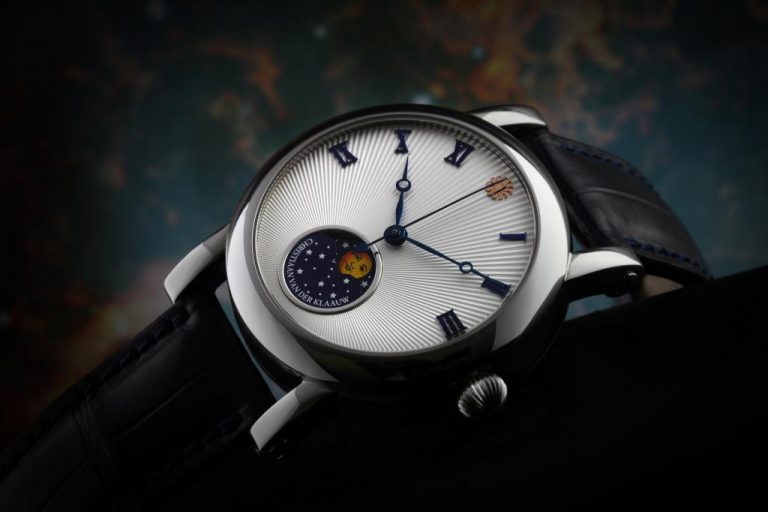
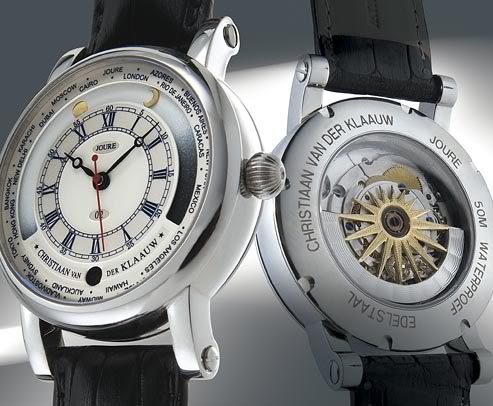
At Christiaan van der Klaauw, that idea often points upward, toward astronomy, orbital motion and complications with a sense of wonder as well as precision.
His view of watches is shaped by invention, friendship, loss, and the belief that originality still matters more than consensus.
At a glance
- Pim Koeslag reflects on the watches, people and ideas that shaped his view of modern watchmaking.
- His perspective centres on astronomical complications, dial finishing, mechanical creativity and the lasting influence of Gérald Genta.
- For younger collectors, his advice is direct and personal, follow desire rather than the watches appearing on other wrists.
The Planetarium as a turning point
Before joining Christiaan van der Klaauw, Koeslag’s world was rooted in traditional high complications, including perpetual calendars and tourbillons.
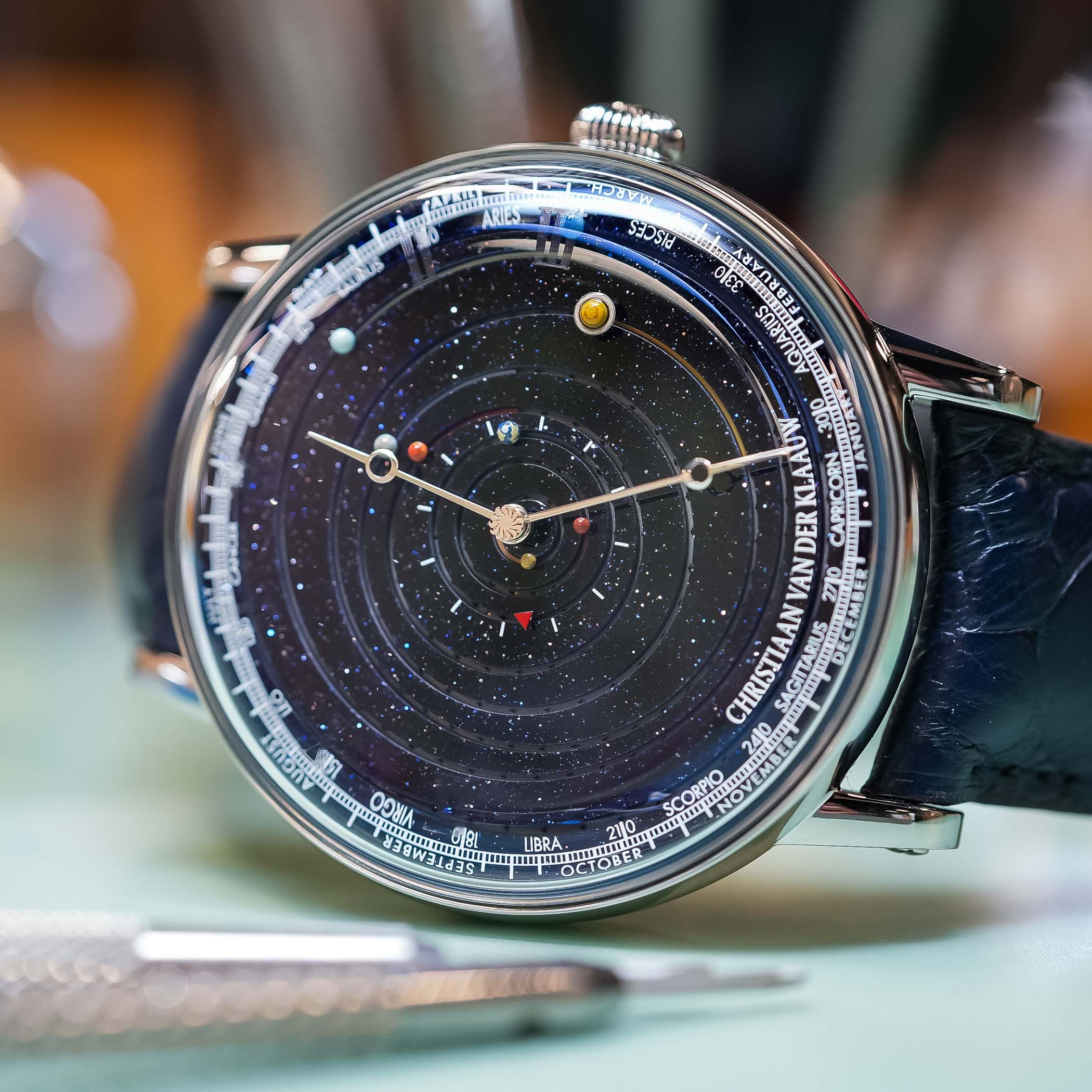
The Planetarium changed the scale of that thinking.
It showed him that watchmaking could sit naturally beside science and astronomy, opening a language of complications that can be poetic, practical, or both.
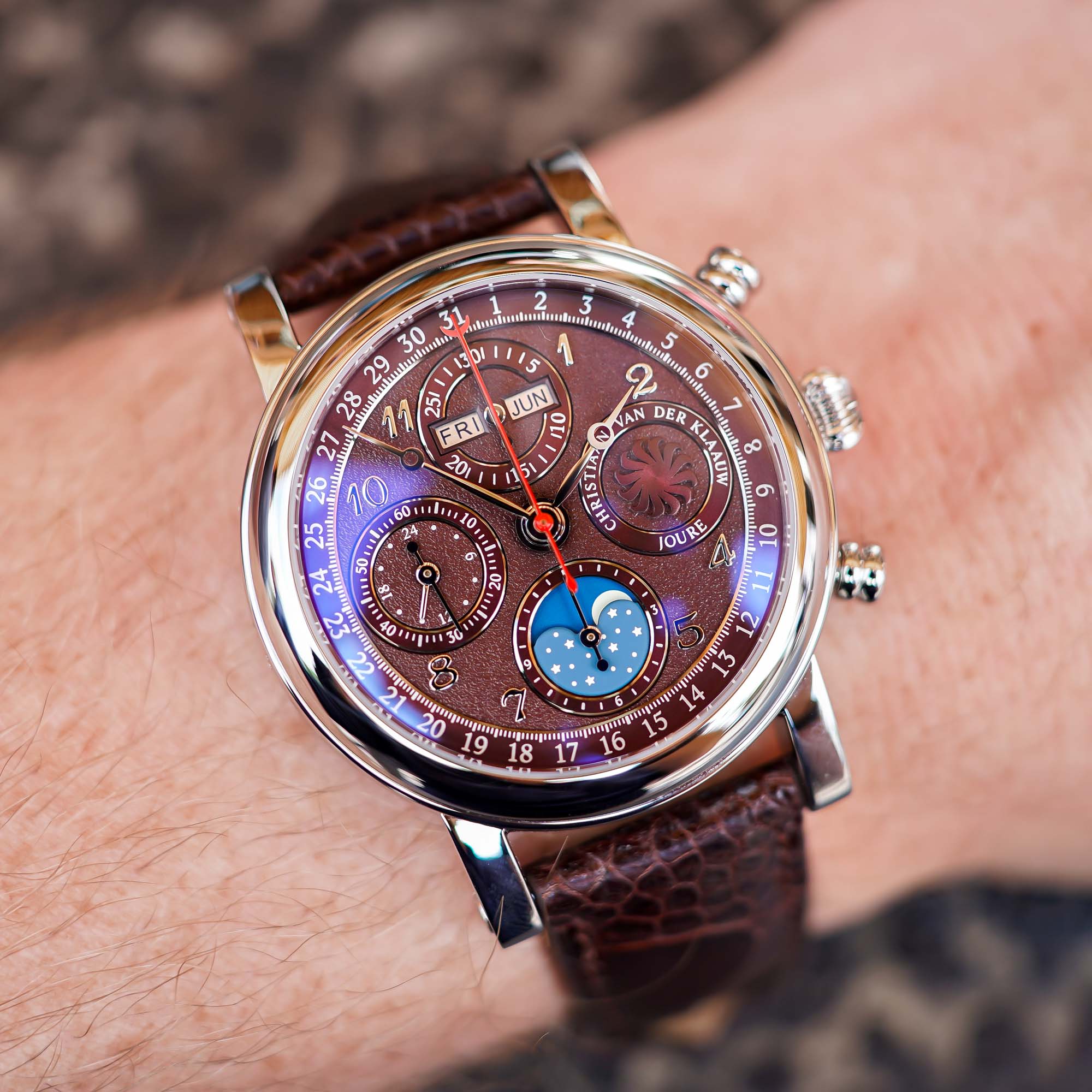
That explains why the Grand Planetarium Eccentric holds such a strong place in his imagination.
With its full-dial solar system and eight planets orbiting the sun, it represents the kind of mechanical storytelling that defines Christiaan van der Klaauw at its best.
Koeslag’s admiration isn’t limited to astronomy, though.
He also names chiming watches such as minute repeaters and grand sonneries among the most magical forms of watchmaking, which says a great deal about his ear for emotion inside mechanical craft.
Creativity before convention
Ask Koeslag what he values most in a watch and the answer is creativity.
That can be technical creativity, aesthetic creativity, or ideally the rare meeting of both.
Flawless execution is assumed at this level, but for him, polish alone isn’t enough.
A watch that repeats a familiar formula may be well made, yet it risks leaving little behind.
That view also informs his scepticism toward the recent wave of expensive three-hand watches from emerging names.
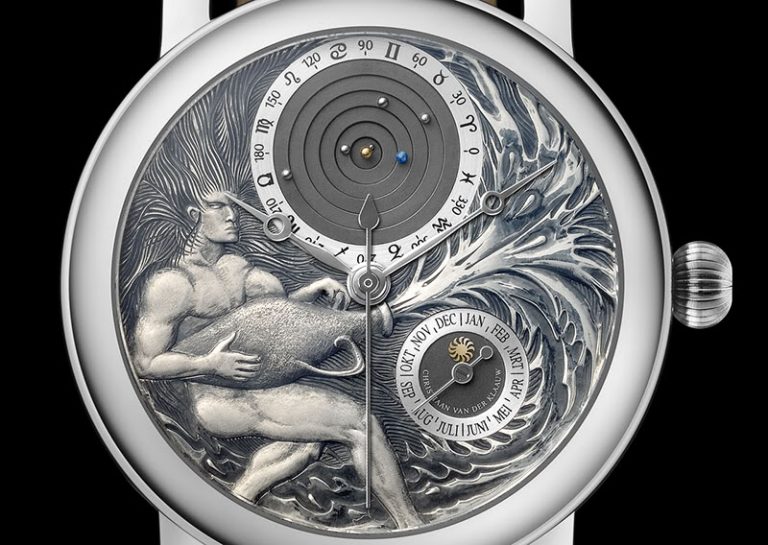
Fine finishing has value, but Koeslag is clearly more interested in an idea that justifies its existence.
The first detail he studies is the dial, and especially its finishing.
It’s a revealing priority, because the dial is where concept, craft and daily intimacy meet every time the watch is read.
Retail, markets and the changing route to collectors
Koeslag sees one of the industry’s major challenges in the changing relationship between brands, retailers and collectors.
The direct-to-consumer model has become more visible, helped by social media and a more immediate style of communication.
He doesn’t dismiss that shift, but he’s wary of treating every market as if it behaves the same way.
A Japanese collector, an American buyer and a European client may each respond to a different rhythm of conversation, trust and service.
For independent watchmaking, that nuance matters.
The strongest brands may be those that can speak directly while still understanding the cultural role of retail, local relationships and long-term confidence.
Gérald Genta and the search for permanence
Few figures shaped Koeslag’s view of design as strongly as Gérald Genta.
The lesson was not simply about drawing a memorable case or creating a recognisable silhouette.
It was about pursuing a watch that resists age, the kind of design that could have been made decades ago or yesterday and still feel complete.
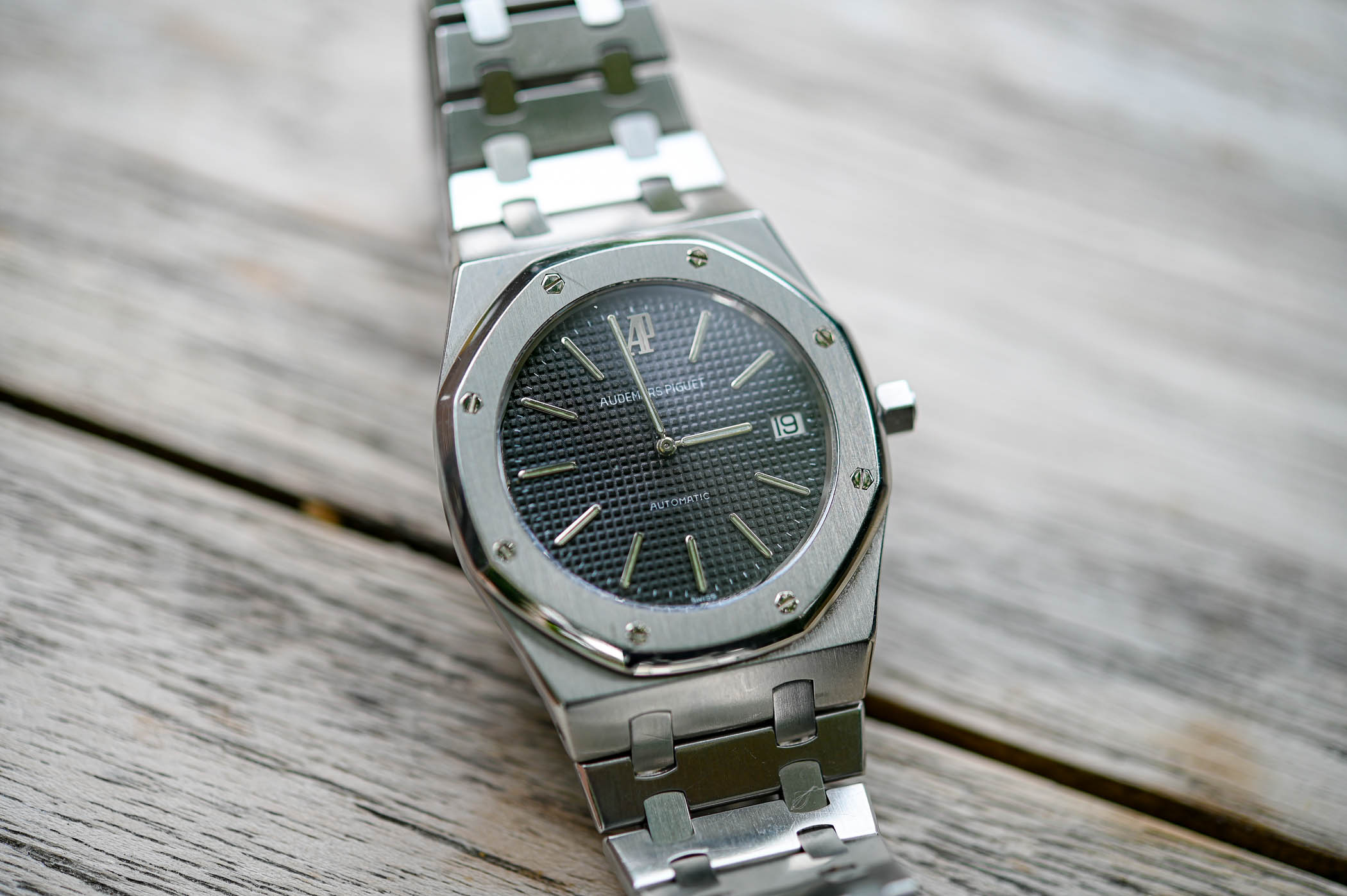
Koeslag connects that ideal to the Audemars Piguet Royal Oak, a watch he wishes he had created and one he sees as timeless in the same way a Porsche 911 is timeless.
His memories of Genta also reveal another side of the legendary designer.
During discussions around a highly complicated perpetual calendar Koeslag had developed around 2008, Genta urged him to think beyond making only a handful of pieces and to consider how a major brand could give the invention the scale it deserved.
For Koeslag, that advice still carries weight.
Genta was not only a designer of icons, but a commercially sharp thinker who understood that an idea needs the right stage if it’s going to enter watchmaking history.
The watch that carries memory
The watch Koeslag wears most privately is not a Christiaan van der Klaauw astronomical piece, but a Franck Muller Curvex Chronograph.
Its significance is deeply personal.
The watch was given to him by a close friend and colleague who had worked with Franck Muller for more than a decade, and with whom Koeslag later co-invented and co-designed watches.
That friend gave him the chronograph shortly before passing away.
For Koeslag, it recalls evenings spent discussing watchmaking over wine and imagining what the future of the craft could become.
It’s a reminder that watches often outlive the conversations, relationships and moments that first gave them meaning.
What younger collectors should hear
Koeslag’s advice to younger collectors is refreshingly uncluttered.
Look first at your own feelings and desires before looking at the wrists around you.
In an era shaped by visibility, trend cycles and instant comparison, that’s a practical collector’s rule as much as a philosophical one.
The more crowded the watch world becomes, the more valuable personal conviction is.
Koeslag’s own path makes the point clearly.
The watches that matter most to him are not just technically impressive or historically important, but emotionally charged, inventive and resistant to imitation.
That is also the clearest thread running through Christiaan van der Klaauw under his leadership.
Time is measured, certainly, but it can also orbit, sing, remember and surprise.