Silver has a way of making function feel ceremonial, and Pforzheim’s Jewellery Museum is leaning into that tension with a wide-ranging presentation of contemporary craft.
The museum is showing selected pieces from the 21st International Silver Triennial, bringing together vessels, lanterns, teapots, vases and sculptural objects that treat silver as both material and language.
It’s a compelling moment for anyone interested in how applied art continues to evolve without losing its connection to the hand.
At a glance
- Pforzheim’s Jewellery Museum is presenting highlights from the 21st International Silver Triennial.
- The exhibition features refined contemporary silver objects, from bowls and teapots to lanterns, vases and sculptural works.
- The presentation runs at the museum in Germany until 6 January 2027.
Silver between use and sculpture
The strength of the Silver Triennial lies in its refusal to separate utility from beauty.
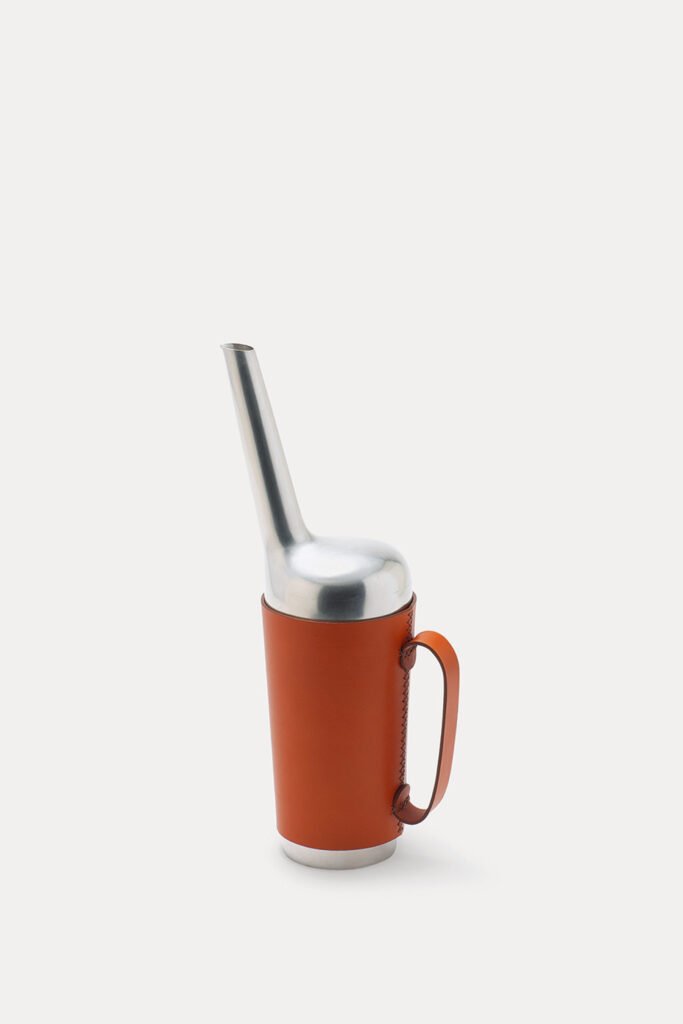
A teapot can be read as a domestic object, but in this context it also becomes a study in proportion, surface and restraint.
The same is true of the bowls, vases and lanterns on display, which move between tableware, ritual object and small-scale sculpture.
Curator Katja Poljanac has framed the selection around this productive ambiguity, where the familiar forms of daily life are sharpened by artistic intent.
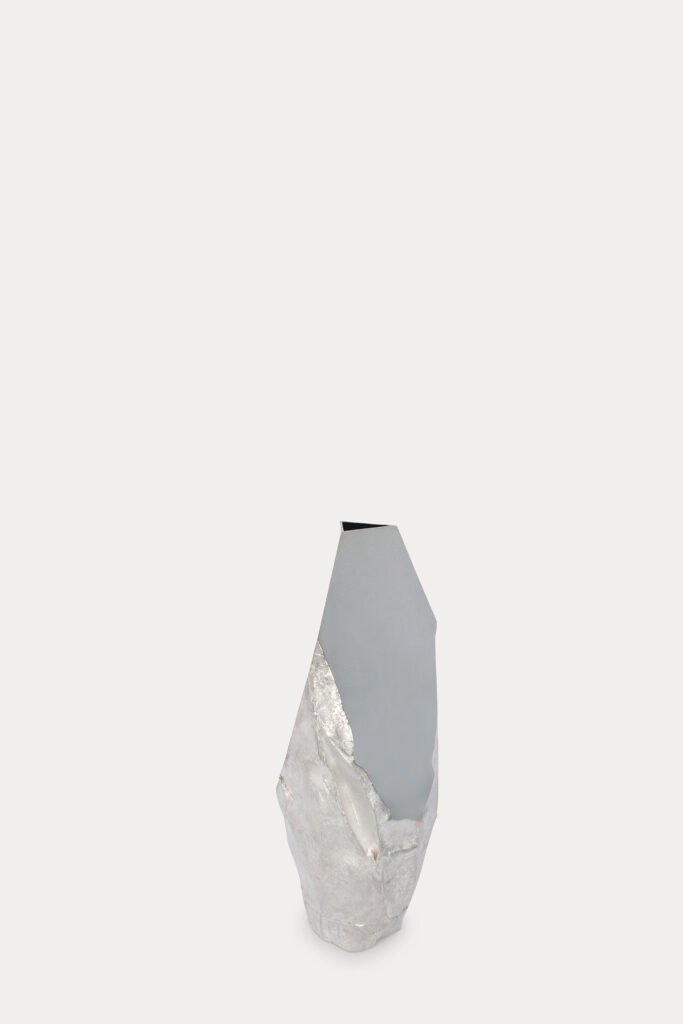
Silver is especially suited to that conversation because it carries light differently from almost any other craft material.
It can appear cool, reflective and architectural, or soft and tactile depending on how it has been shaped, hammered, polished or left textured.
An international platform for contemporary silversmithing
The International Silver Triennial has become one of the important recurring platforms for the field, with exhibitions in Germany and abroad helping to keep silversmithing visible beyond specialist circles.
The event is organised by the Association for the Promotion of Goldsmiths’ Art and the German Goldsmiths’ House in Hanau.
Since becoming an international competition in 1992, the Triennial has reflected a broader shift in contemporary metalwork, with a growing diversity of approaches and geographies represented.
In recent decades, work from Asia has drawn particular attention from jurors, adding new perspectives on vessel-making, ornament, form and material discipline.
Malte Guttek, Director of the German Goldsmiths’ House in Hanau, has described the selected pieces as evidence of deep engagement with form, surface texture and theme.
That breadth is important because silversmithing is sometimes seen through a narrow historical lens, when in practice it remains a living field with room for experimentation.
The museum’s wider conversation with jewellery and design
Pforzheim’s Jewellery Museum is not treating the Triennial as an isolated showcase.
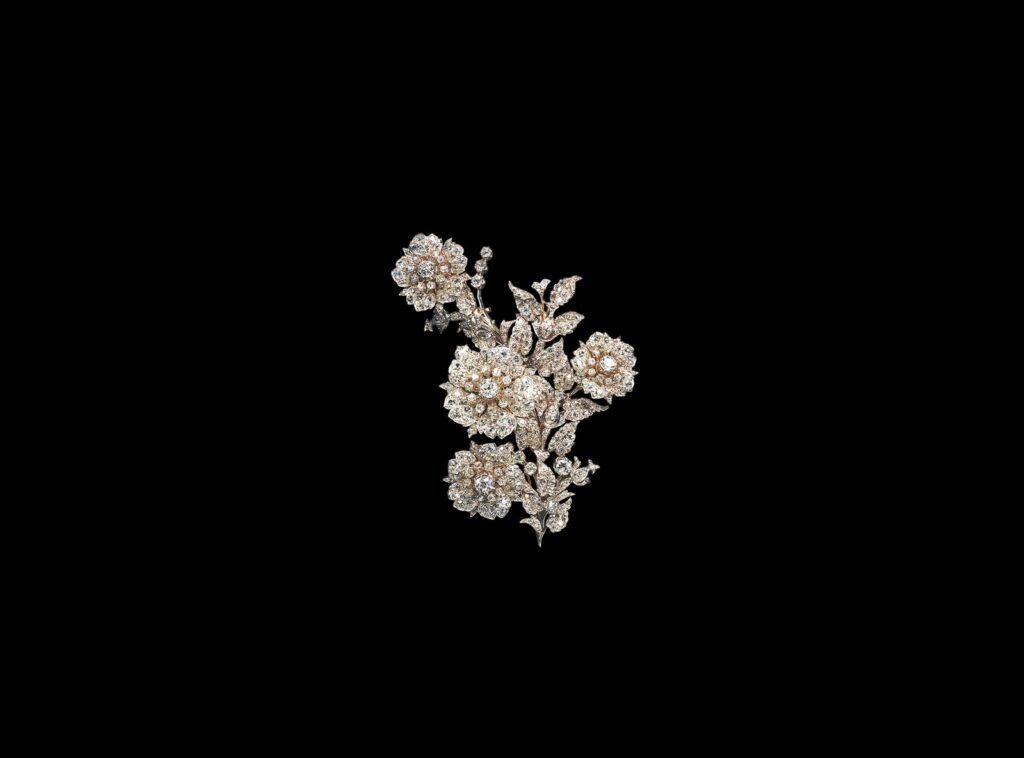
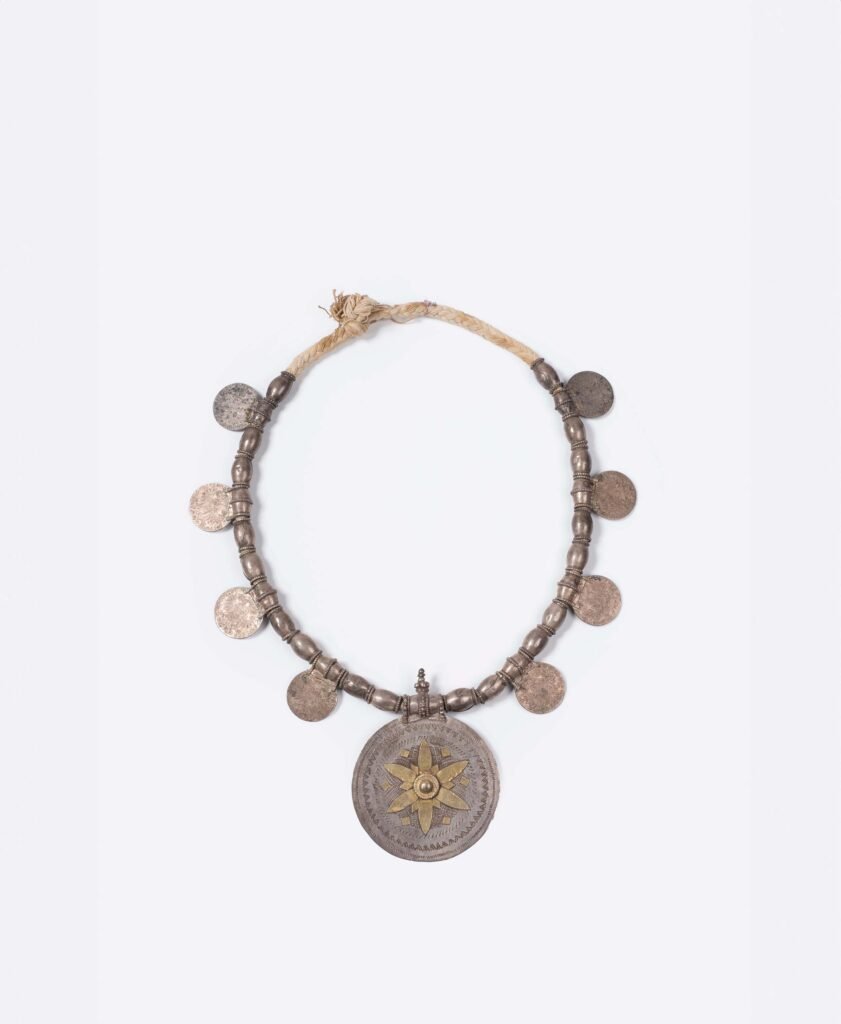
The presentation is joined by highlights from the museum’s own silver and diamond holdings, its ethnographic collection and selected pieces from the Grossé Sterlin collection by the German firm Henkel & Grossé.
That broader display gives visitors a chance to see silver across different contexts, from adornment and collecting to cultural object and design history.
The museum is also drawing students from Pforzheim’s Goldsmithing School into the programme later in the year, with work from the vocational programme in design, jewellery and utensils set to go on view.
Fashion and photography are also placed in dialogue, extending the exhibition’s interest in the borderland between applied and fine art.
The exhibitions have been conceived and curated by Katja Poljanac under the overall direction of museum director Friederike Zobel.
Visiting the exhibition in Pforzheim
The exhibition is on view at Pforzheim’s Jewellery Museum in Germany until 6 January 2027.
For collectors, makers and design-minded travellers, it offers more than a polished display of precious metal.
It’s a reminder that silver still has contemporary force when artists treat it not just as a luxury material, but as a demanding medium for ideas, light and touch.