There are watch complications that invite romance, and then there is the chronograph, the one collectors actually touch.
Its basic job is simple, yet the best modern examples prove there is still room to rethink how elapsed time is started, stopped, split, hidden and packaged on the wrist.
From A. Lange & Söhne’s extraordinary triple rattrapante to TAG Heuer’s compliant-mechanism Monaco and Parmigiani Fleurier’s disappearing chronograph, these are the recent watches that make the stopwatch feel mechanically alive again.
At a glance
- Recent high-end chronographs are pushing beyond familiar column-wheel and cam architecture with new ways to activate, display and package elapsed-time functions.
- Key standouts include split timing across seconds, minutes and hours, spring-loaded rack actuation, compliant mechanisms, hidden central chronograph hands and ultra-thin GMT construction.
- Confirmed prices range from EUR 25,000 for the TAG Heuer Monaco Evergraph to EUR 260,000 for the Audemars Piguet Royal Oak Jumbo Chronograph RD#5, with several pieces limited or no longer in regular production.
Chronographs are having a mechanical reset
For decades, most serious chronographs revolved around a familiar set of ideas.
A column wheel might bring elegance, a cam might bring robustness, and a rattrapante would add drama, but the core language of the complication was broadly understood.
What makes this recent group interesting is that each watch challenges a different assumption.
A. Lange & Söhne asks how far split timing can be extended, Audemars Piguet and TAG Heuer rethink the physical sensation of pressing a pusher, Parmigiani Fleurier hides the chronograph until it’s needed, and Bulgari shows how much functionality can be compressed into an exceptionally thin case.
None of these watches is inexpensive, and several are either limited or difficult to obtain, but they matter because they expand the vocabulary of the chronograph beyond dial layouts and case materials.
Split seconds, hidden hands and new pusher architecture
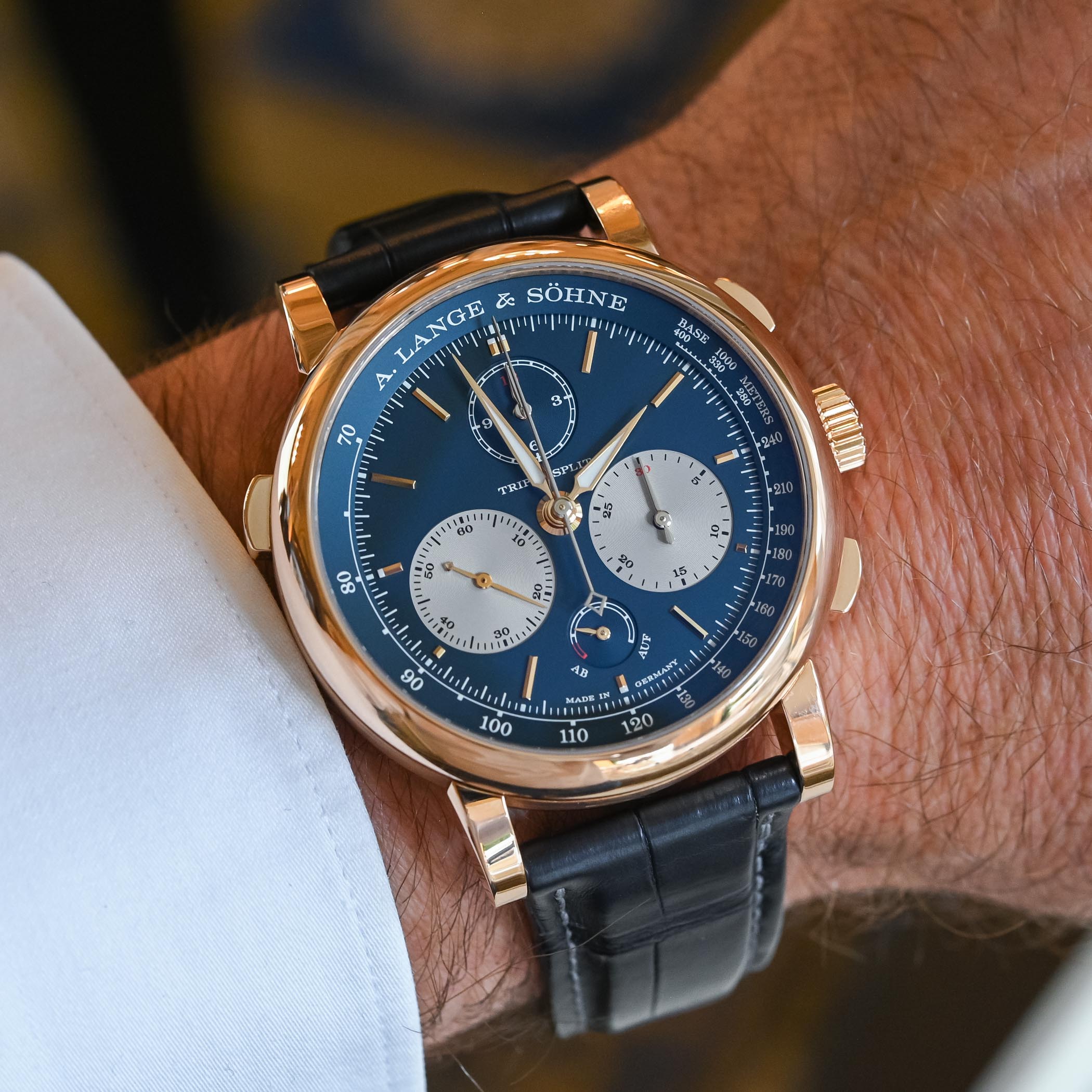
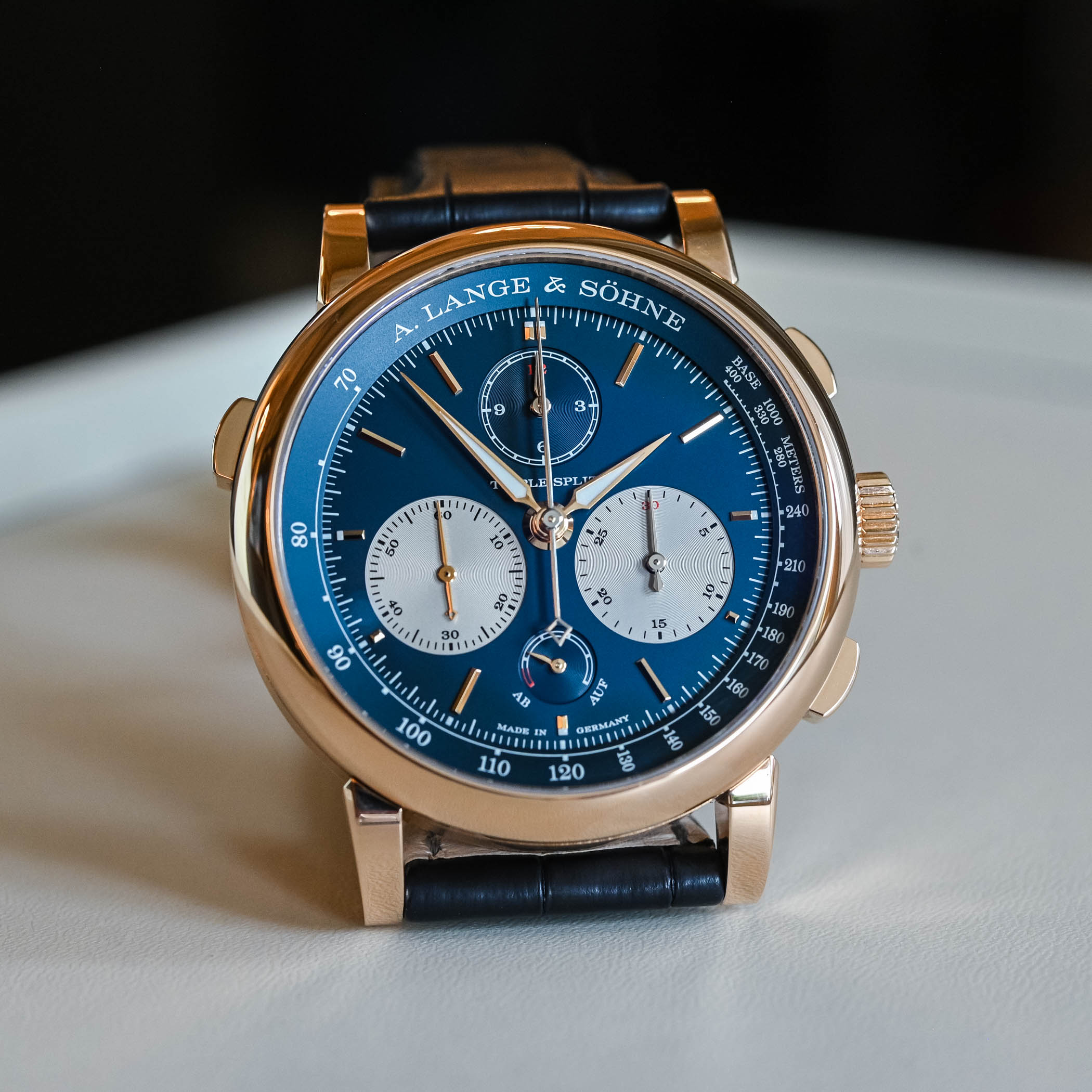
The A. Lange & Söhne Triple Split remains one of the most technically audacious chronographs of the modern era.
Introduced in 2018 and later offered in an 18k pink gold and blue edition in 2023, it can split not only elapsed seconds, but also elapsed minutes and hours.
That makes it far more than a conventional rattrapante, because it allows comparative timing over much longer intervals.
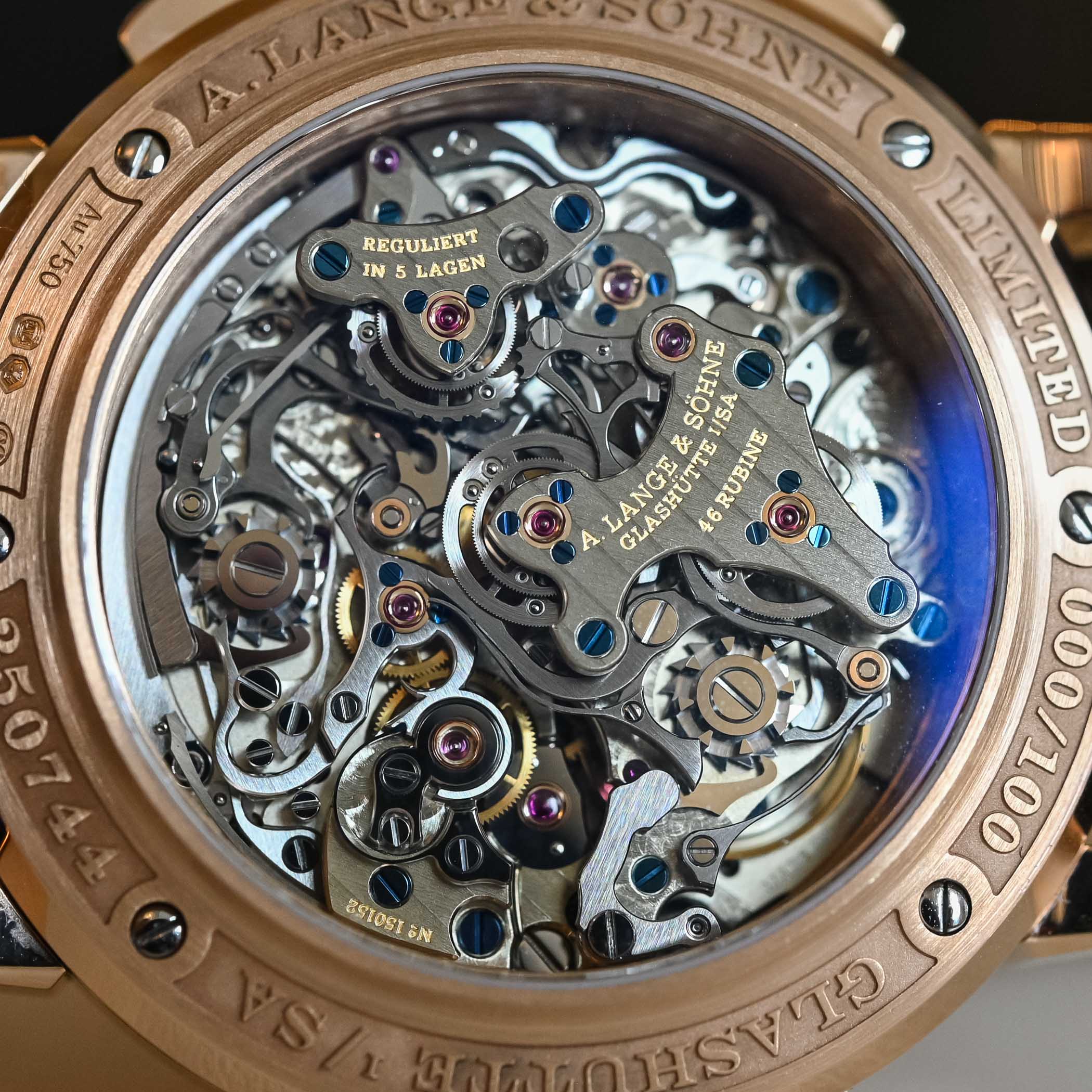
Its manually wound calibre L132.1 contains 567 components, a figure that speaks to the sheer mechanical density behind a watch that still wears as a recognisably Lange object.
The blue-dial pink gold edition was limited to 100 pieces and retailed for EUR 159,400, and while it is no longer part of the current collection, its place in chronograph development is secure.
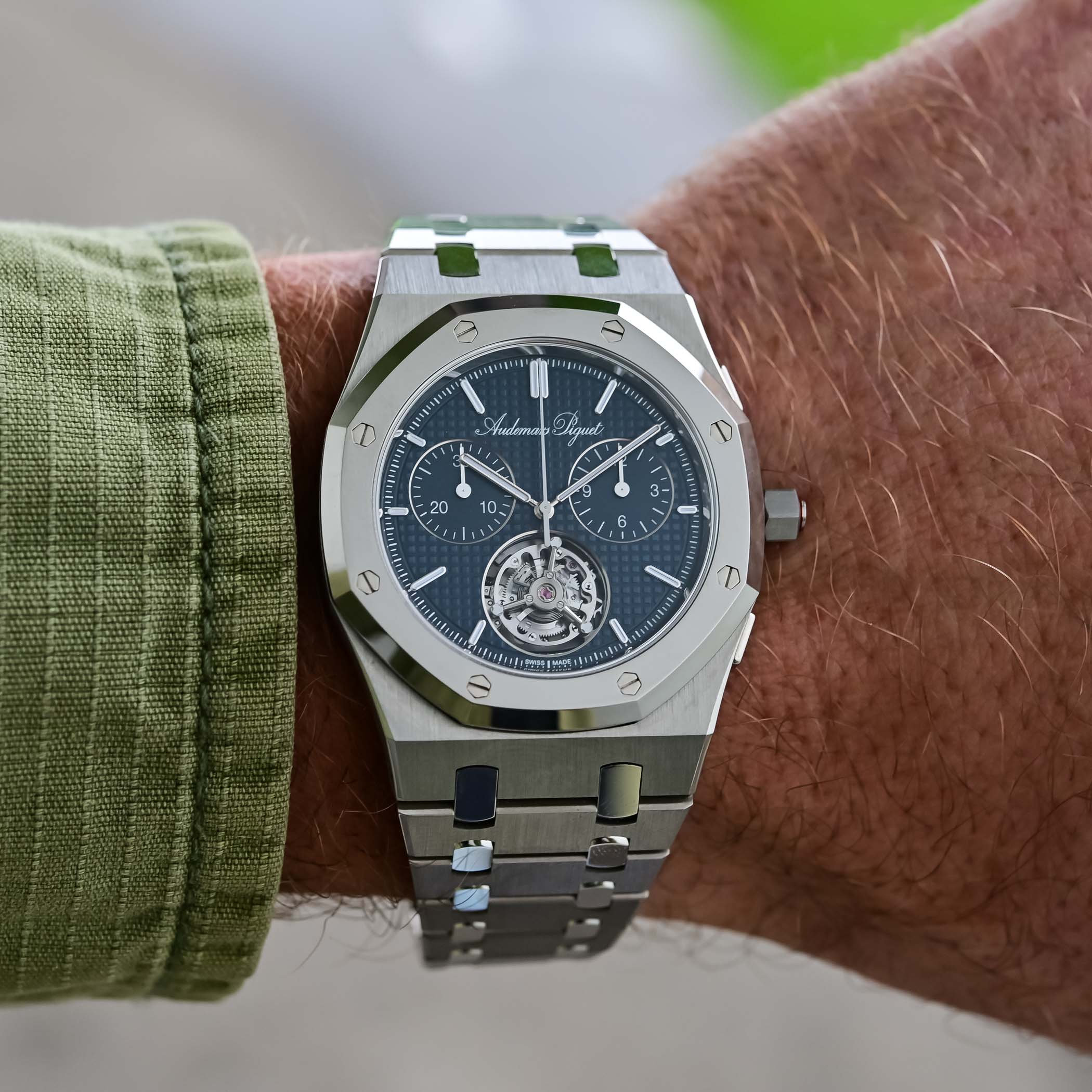
Audemars Piguet took a different route with the Royal Oak Jumbo Chronograph RD#5.
Instead of treating the chronograph pusher as a familiar mechanical resistance point, AP developed a spring-loaded rack system that stores and releases energy for a lighter, faster and more immediate feel.
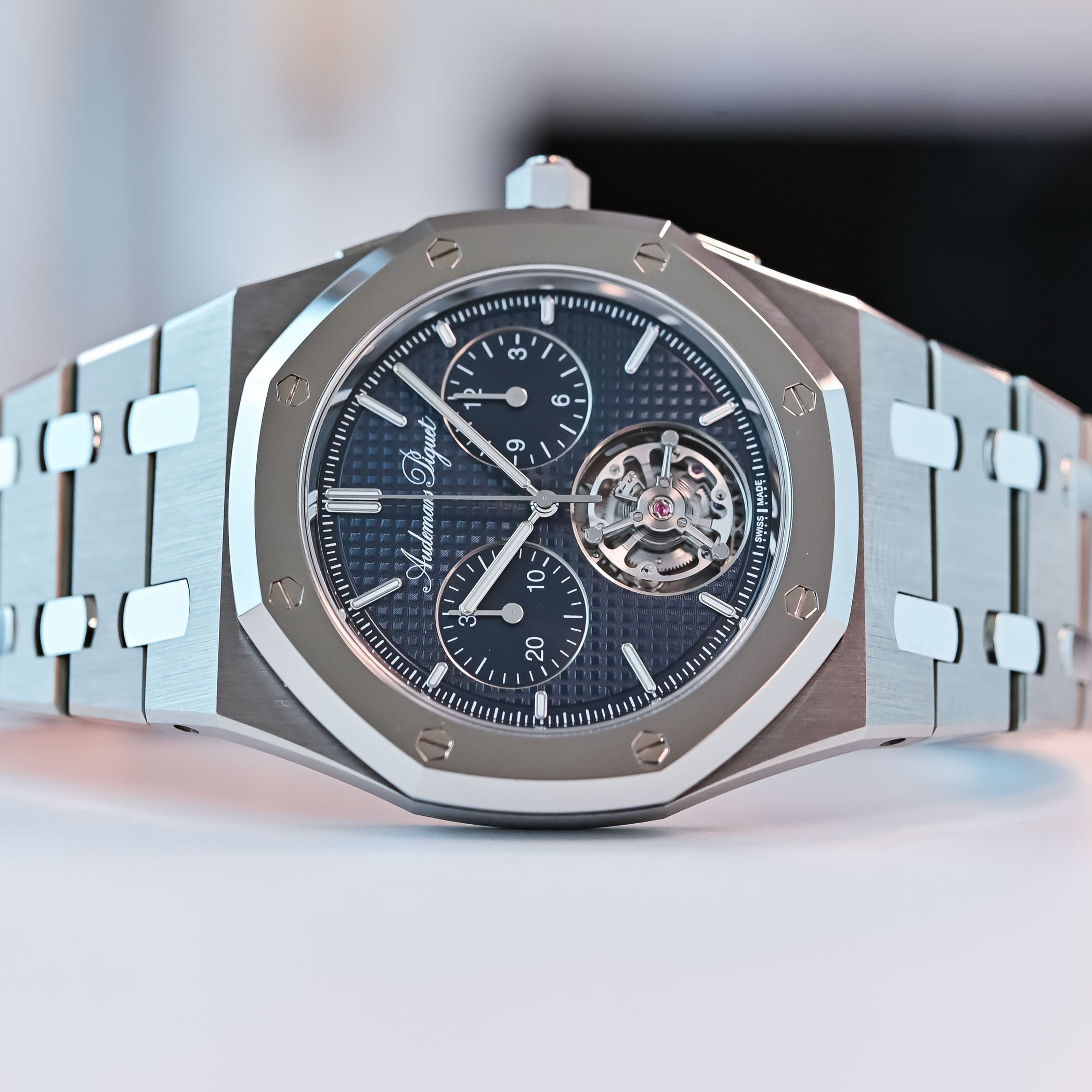
The result is meant to change the tactile relationship between wearer and watch, which is a subtle but important point.
A chronograph is one of the few complications operated repeatedly by hand, so the quality of that interaction is part of the watch’s character.
The RD#5 combines that new actuation system with a 39mm Royal Oak Jumbo case in titanium and Bulk Metallic Glass, an exposed flying tourbillon and an integrated flyback chronograph movement.
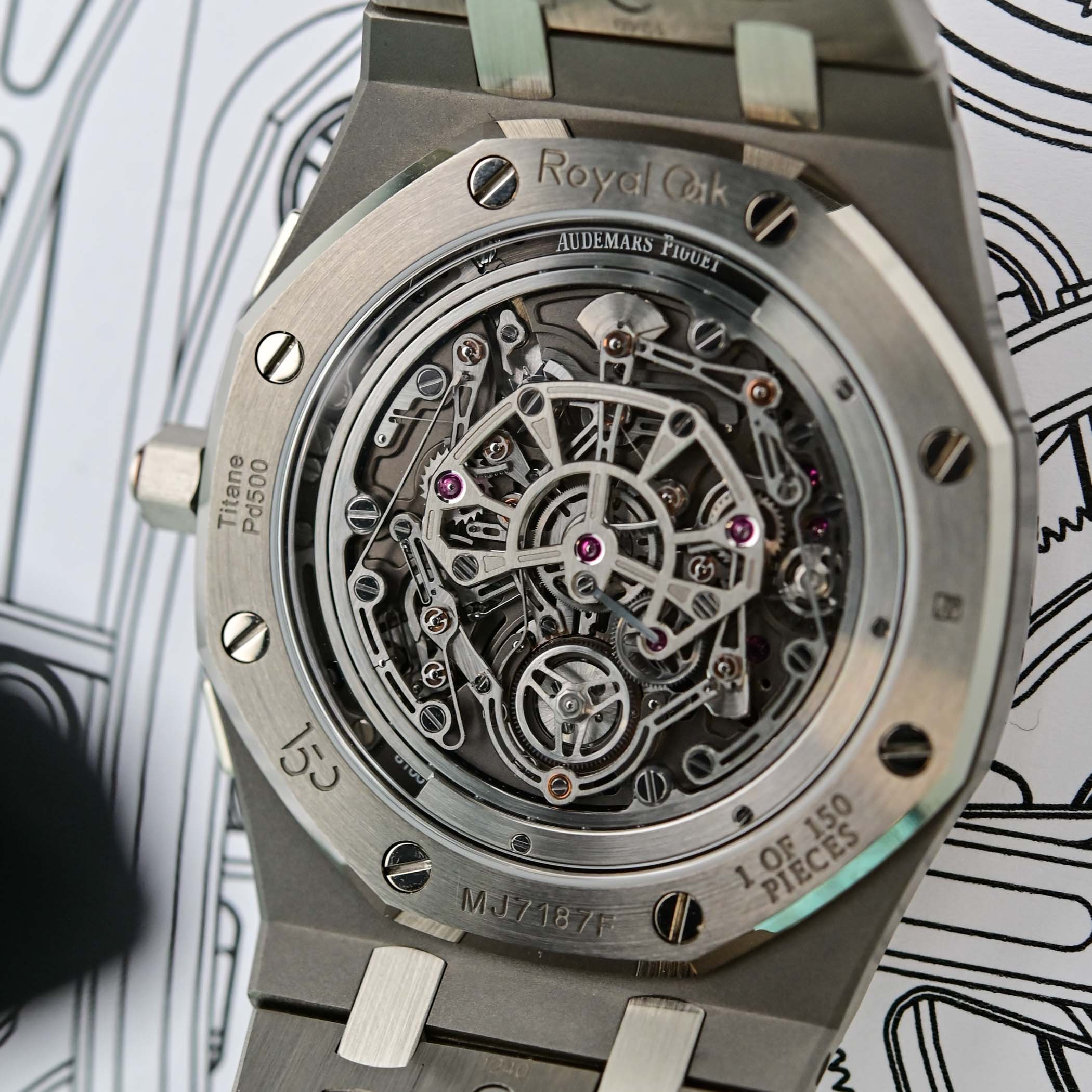
It was produced as a 150-piece limited edition with a retail price of EUR 260,000.
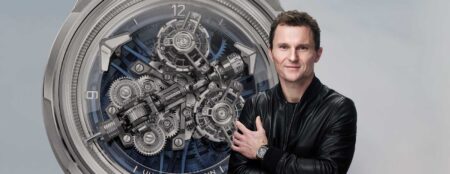
TAG Heuer’s Monaco Evergraph is another attempt to improve what happens beneath the fingertip, but its solution is very different.
It uses compliant mechanisms, specifically two bistable flexible structures, to reduce play, friction and wear in crucial parts of the chronograph system.
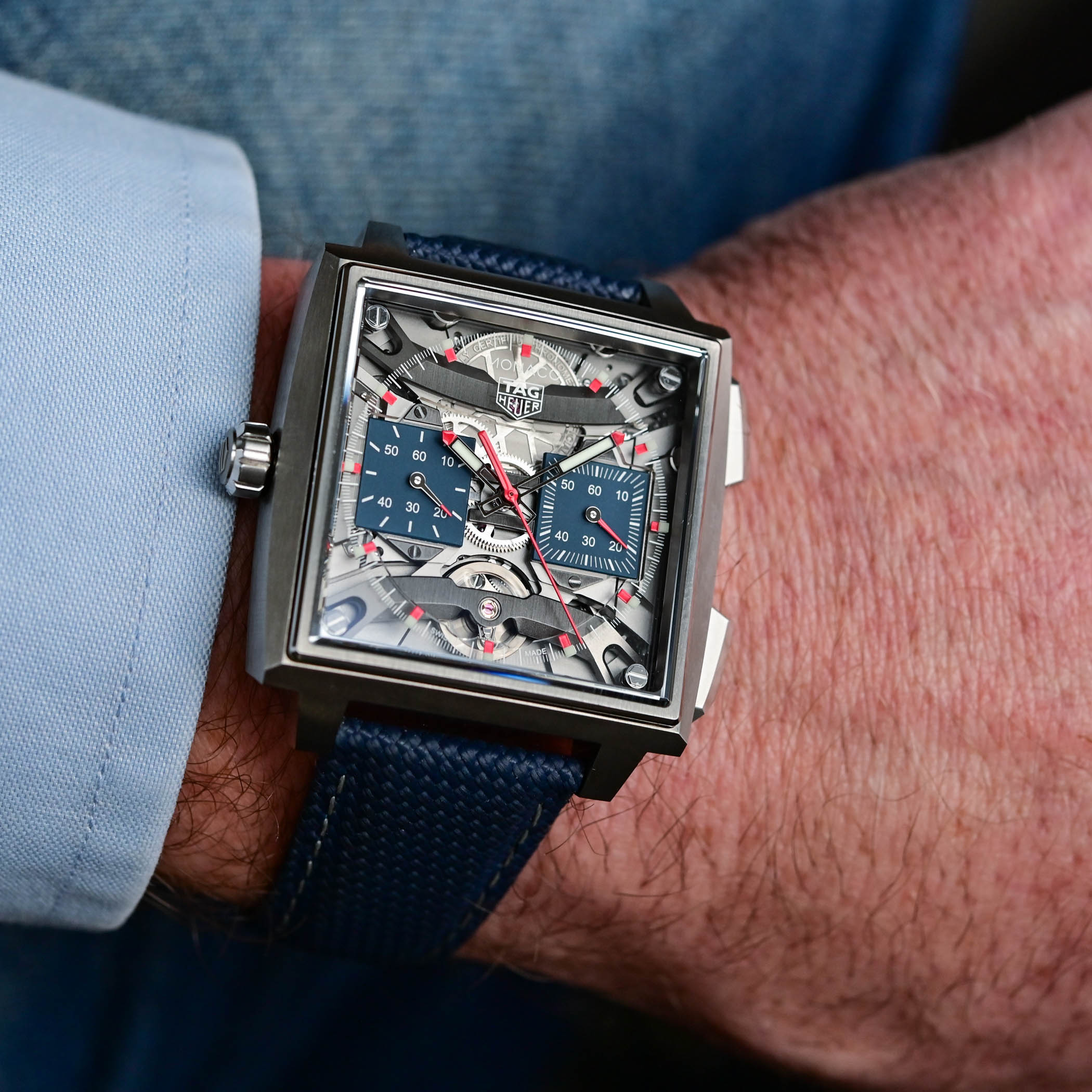
That approach replaces multiple traditional components with precision-engineered flexible structures for starting, stopping and resetting the chronograph.
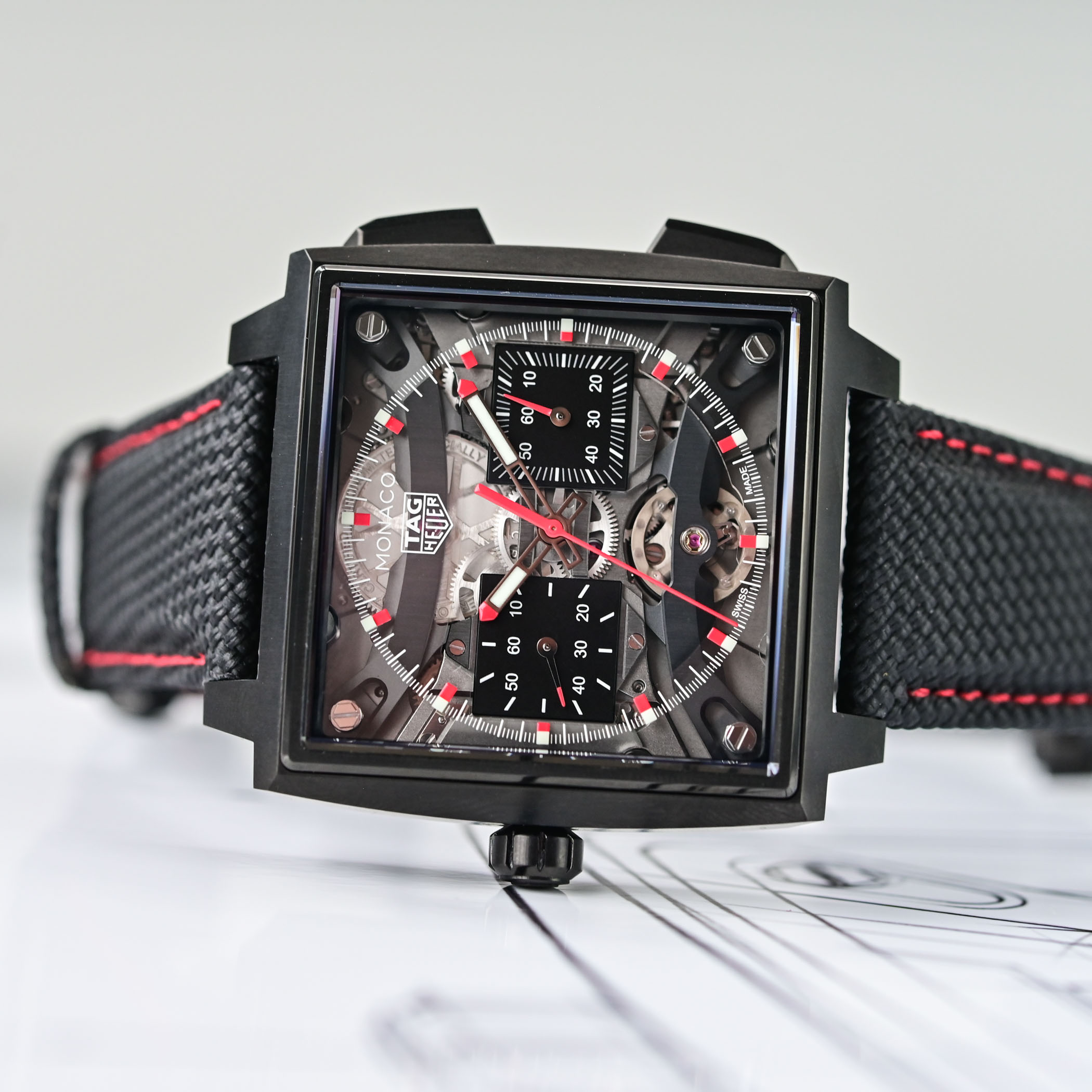
The Monaco Evergraph also moves the Monaco visually into more technical territory, with a grade 5 titanium case, an optional black DLC finish, an openworked dial and a skeletonised automatic chronograph movement.
At EUR 25,000, it is still a serious purchase, but within this company it stands out as the most comparatively attainable experiment.
The elegance of making complexity disappear
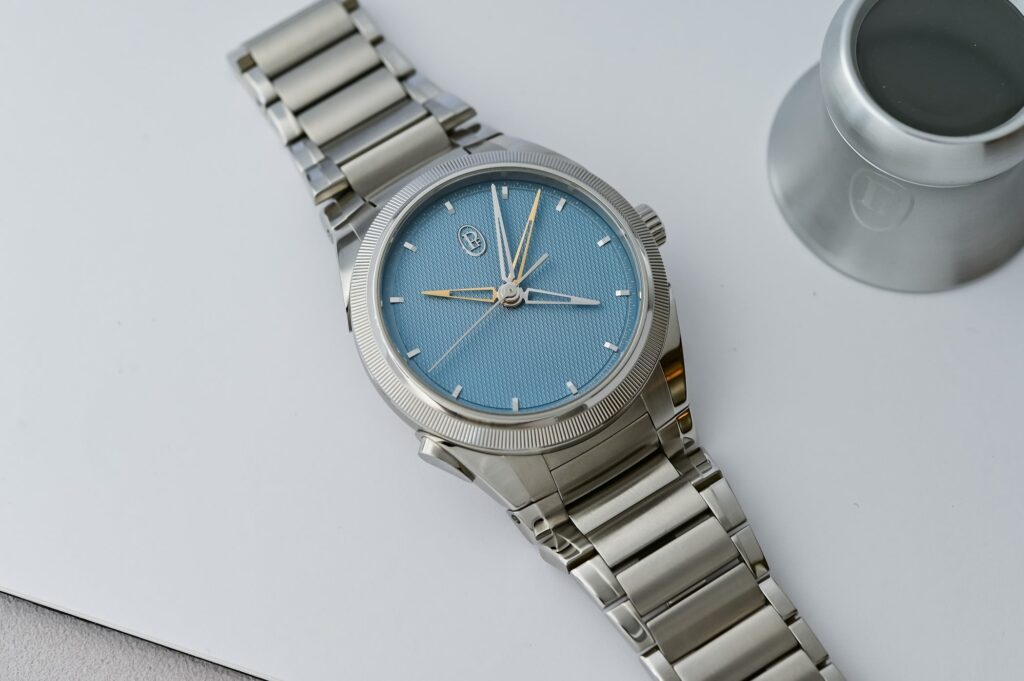
Parmigiani Fleurier’s Tonda PF Chrono Mysterieux is innovative in a quieter, more architectural way.
Rather than announcing itself as a chronograph at all times, it presents as a refined Tonda PF until the wearer activates a pusher integrated into the lower left lug.
That action reveals a set of central chronograph hands, which align at noon and begin timing when the pusher is released.
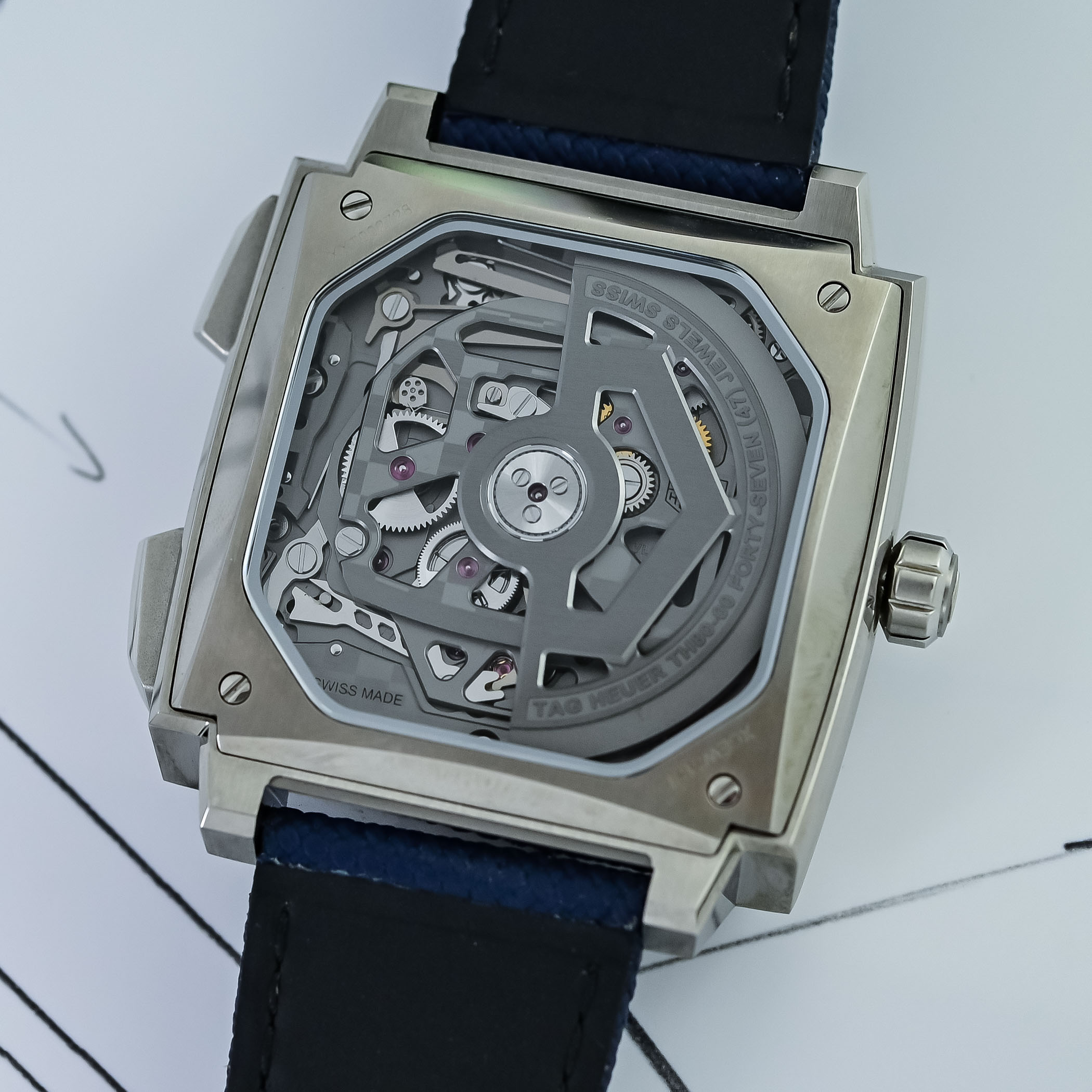
Pressing again stops the chronograph, while another press returns the watch to time-only mode.
It is a clever expression of restraint, because the complication serves the watch rather than dominating its appearance.
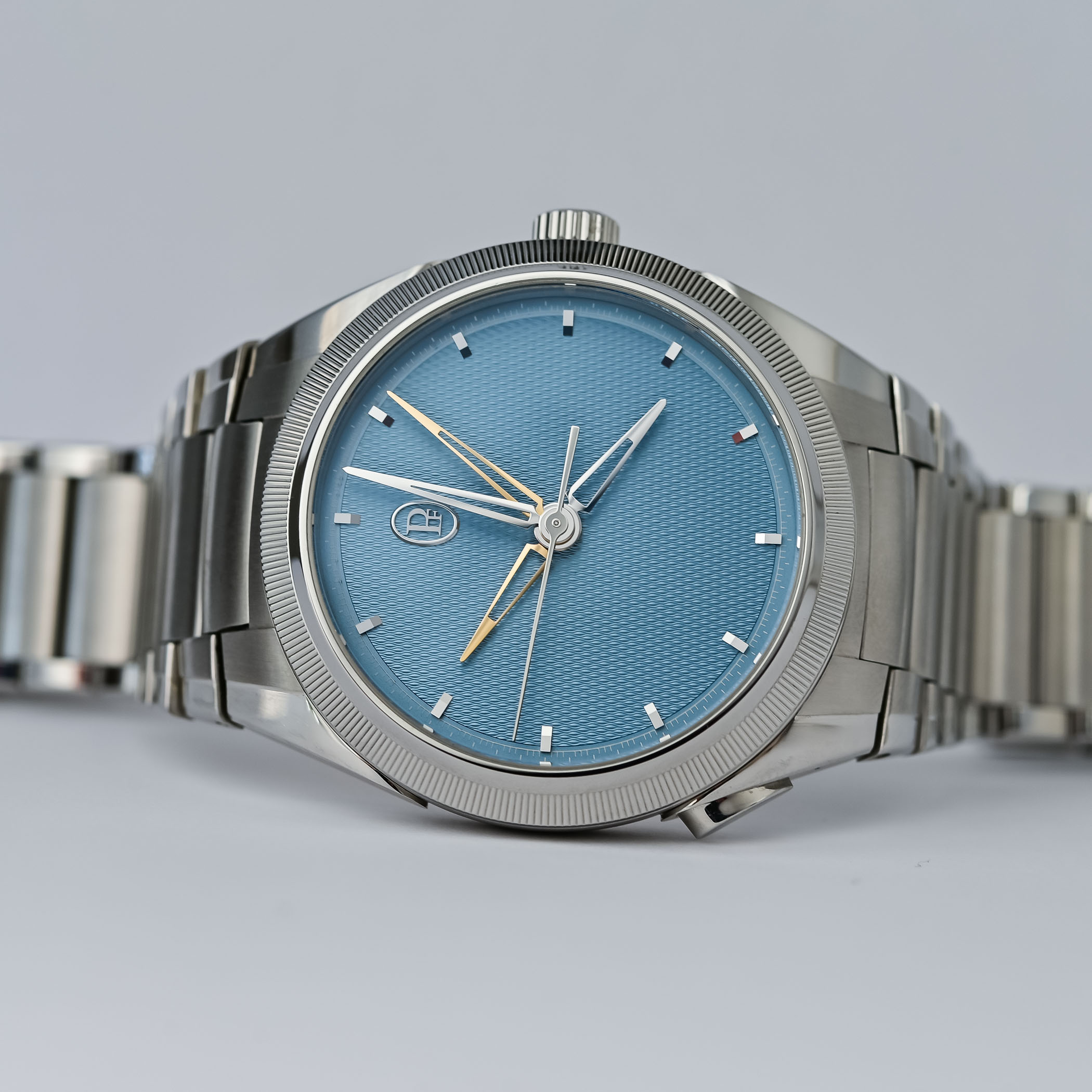
The Mineral Blue grain d’orge guilloché dial, platinum knurled bezel and integrated steel bracelet keep the design within Parmigiani’s current language of understated precision.
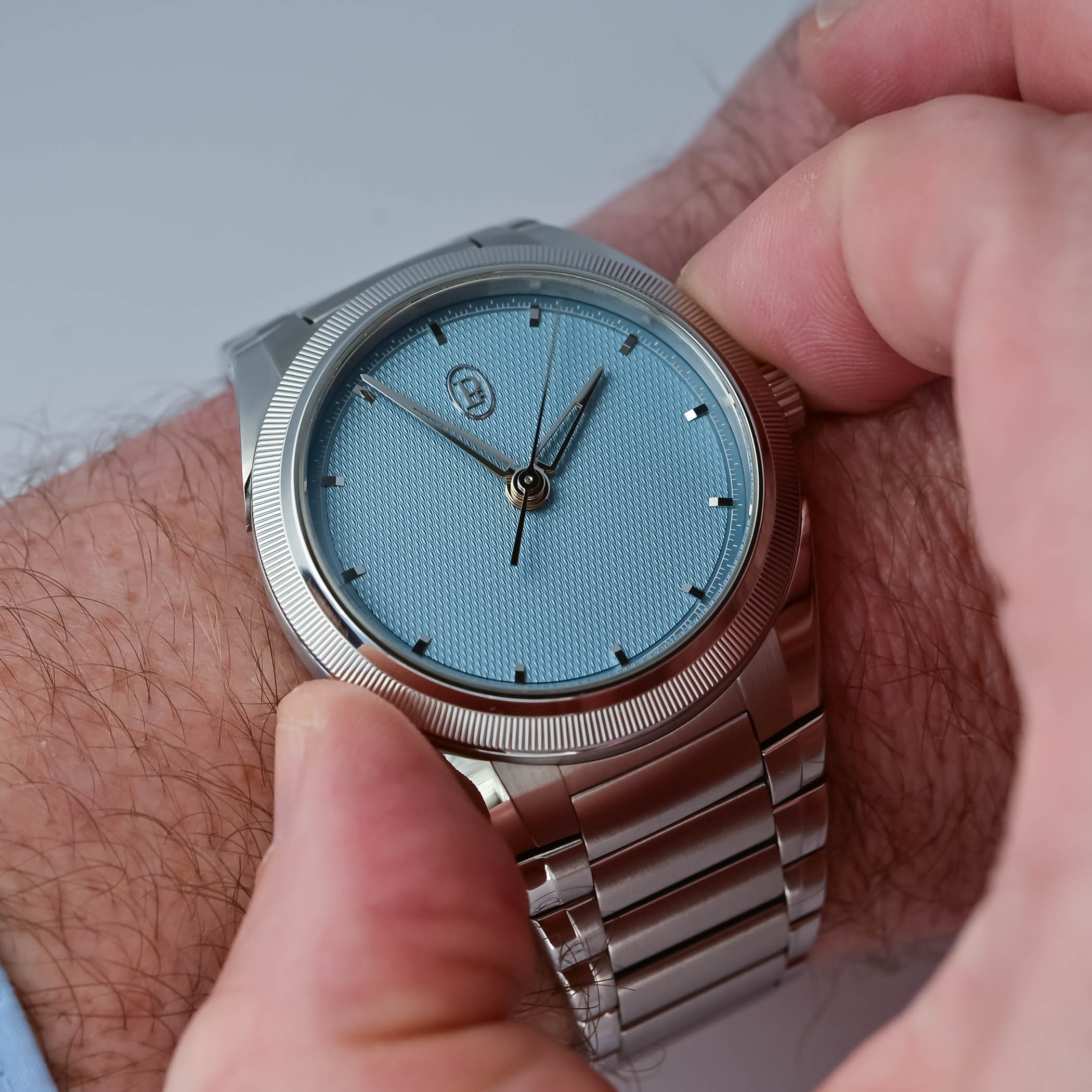
At CHF 36,900, the Tonda PF Chrono Mysterieux is priced well below the most rarefied pieces here while offering a genuinely distinctive answer to the problem of chronograph display.
Bulgari’s Octo Finissimo Chronograph GMT deserves its place for a different reason entirely.
The Octo Finissimo line has become a benchmark for modern ultra-thin watchmaking, and the Chronograph GMT pushed that philosophy into a complication that usually demands space.
In its rose gold form, the watch measures just 8.45mm in height, a remarkable figure for a mechanical chronograph with GMT functionality.
Where Lange celebrates layered mechanical depth and TAG Heuer focuses on chronograph architecture, Bulgari’s achievement is one of compression, proportion and everyday wearability.
How to choose among these chronograph innovators
The right watch depends less on conventional value and more on what kind of innovation you want to live with.
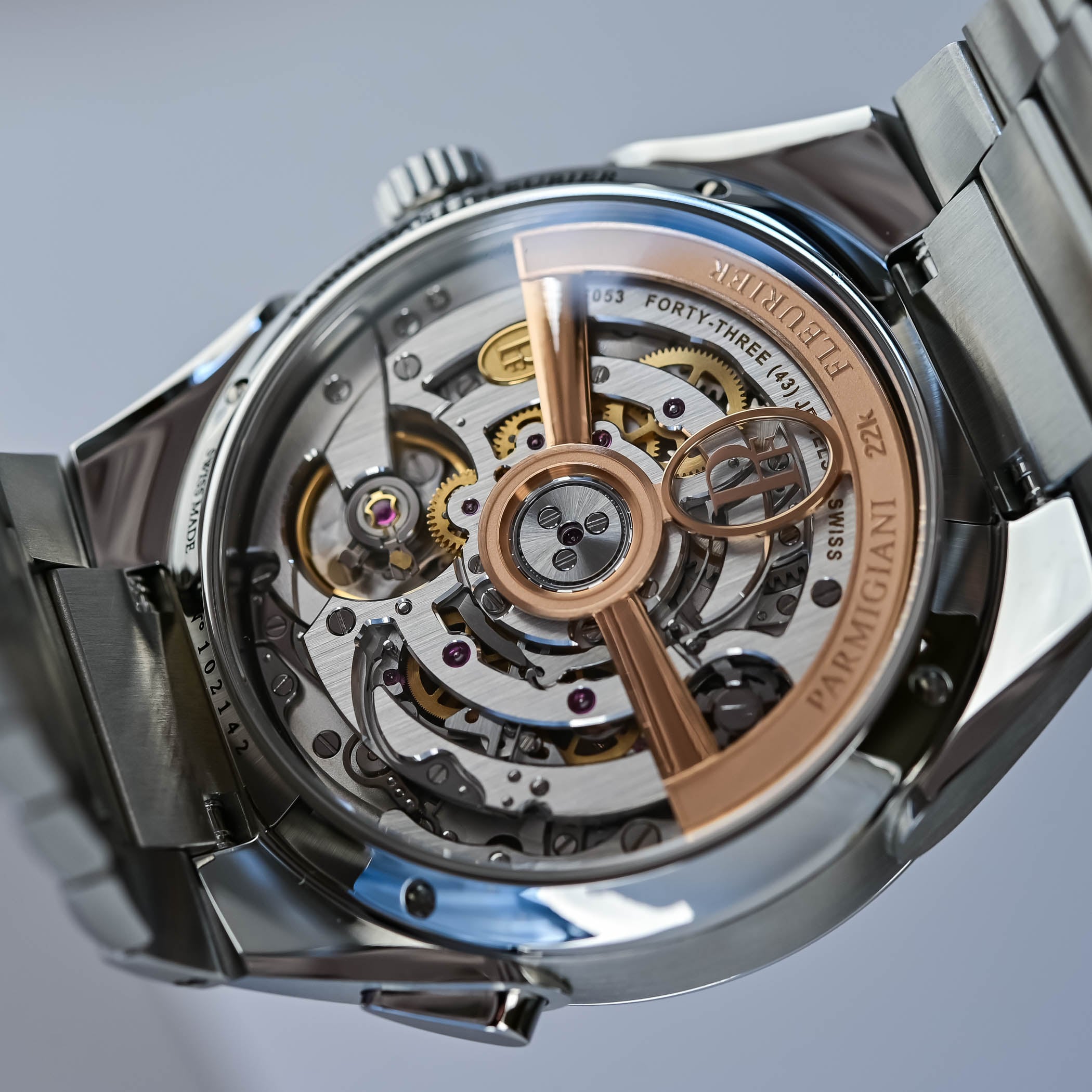
For collectors drawn to high complication and traditional finishing, the A. Lange & Söhne Triple Split is the intellectual centrepiece.
For those who care about how a chronograph feels in use, the Audemars Piguet RD#5 and TAG Heuer Monaco Evergraph are the most directly comparable, even though they sit in very different price brackets.
The Parmigiani Fleurier is for someone who wants mechanical surprise without visual noise.
The Bulgari is the choice for a wearer who values slimness, modern design and the practical usefulness of a chronograph paired with GMT functionality.
These watches also reveal how broad the chronograph category has become.
It can be a scientific instrument, a tactile experiment, a hidden complication, a luxury sports watch or an ultra-thin travel companion.
Details & Specifications
| A. Lange & Söhne Triple Split | 43.2mm x 15.6mm 18k pink gold case, blue solid silver dial, calibre L132.1 manual movement, 567 components, triple rattrapante chronograph with flyback, 55-hour power reserve, limited to 100 pieces, EUR 159,400 retail price for the 2023 edition. |
|---|---|
| Audemars Piguet Royal Oak Jumbo Chronograph RD#5 | 39mm x 8.1mm titanium and Bulk Metallic Glass case, Bleu Nuit Nuage 50 Petite Tapisserie dial, calibre AP 8100 automatic movement, integrated flyback chronograph, flying tourbillon, 72-hour power reserve, 20m water resistance, limited to 150 pieces, EUR 260,000. |
| TAG Heuer Monaco Evergraph | 40mm x 40mm grade 5 titanium case with optional black DLC coating, openworked dial, calibre TH80-00 automatic chronograph, compliant bistable chronograph mechanism, TH-Carbonspring balance, COSC certified, 70-hour power reserve, 100m water resistance, EUR 25,000. |
| Parmigiani Fleurier Tonda PF Chrono Mysterieux | 40mm x 13mm stainless steel case with platinum knurled bezel, Mineral Blue grain d’orge guilloché dial, lower-left lug monopusher, calibre PF053 automatic manufacture movement, integrated monopusher column-wheel chronograph, 60-hour power reserve, 100m water resistance, CHF 36,900. |
| Bulgari Octo Finissimo Chronograph GMT | Rose gold version of Bulgari’s ultra-thin mechanical chronograph GMT, with a case height of 8.45mm. |
The chronograph may be one of watchmaking’s most familiar complications, but these watches prove it is far from settled territory.
For collectors, the appeal isn’t only that they measure elapsed time, but that they each rethink the ritual of doing so.