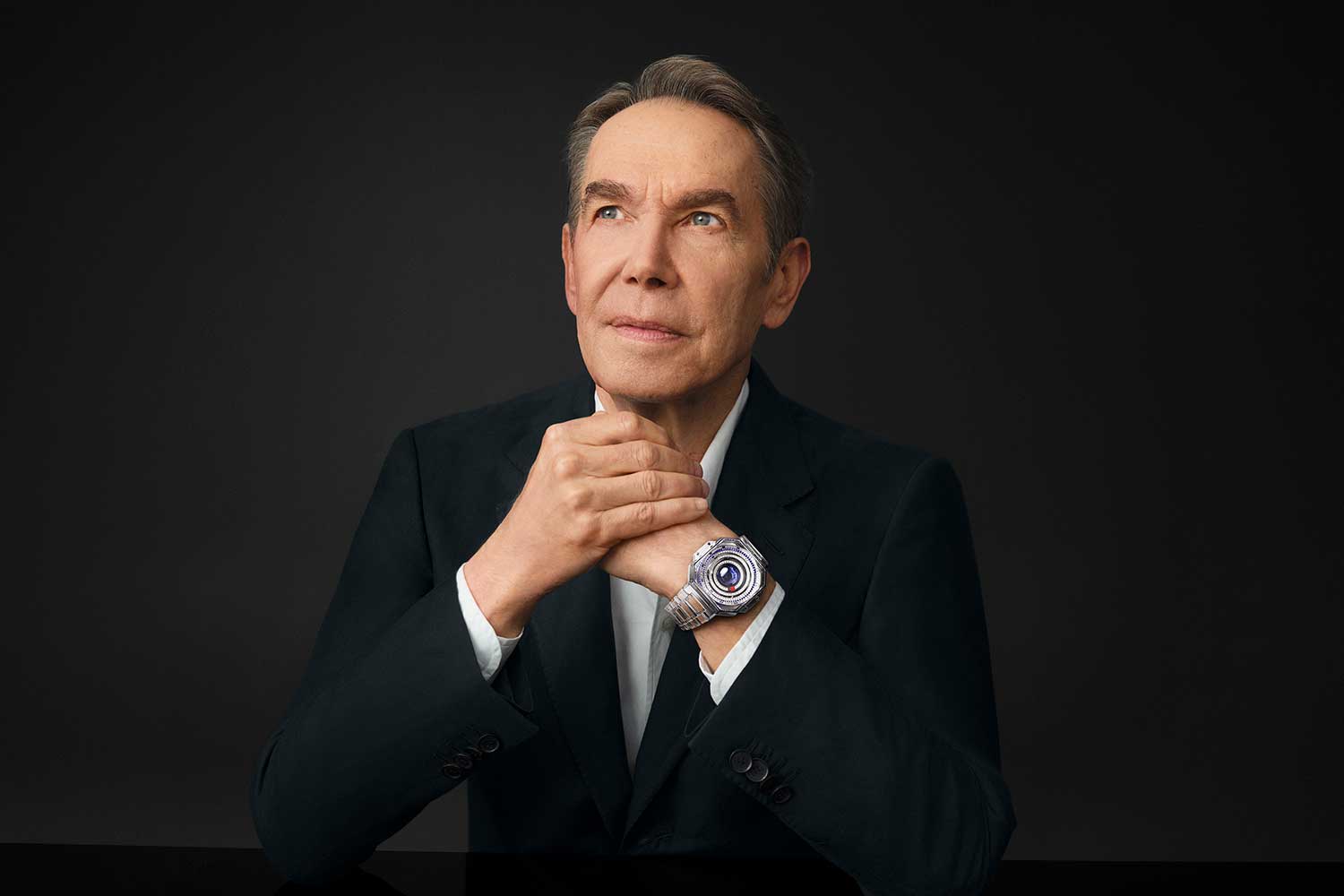
Jeff Koons’ relationship with objects has never been casual.
For the artist, a child’s toy, a family ashtray, a Renaissance sculpture and a high-complication watch can all occupy the same emotional ground if they create enough awe in the person looking at them.
That idea sits at the centre of his latest work with Hublot, a two-part collaboration that moves from the playful familiarity of Balloon Dog to the cosmic ambition of a sapphire and titanium tourbillon.
At a glance
- Jeff Koons and Hublot have introduced the Classic Fusion Balloon Dog and the MP-14 Origin.
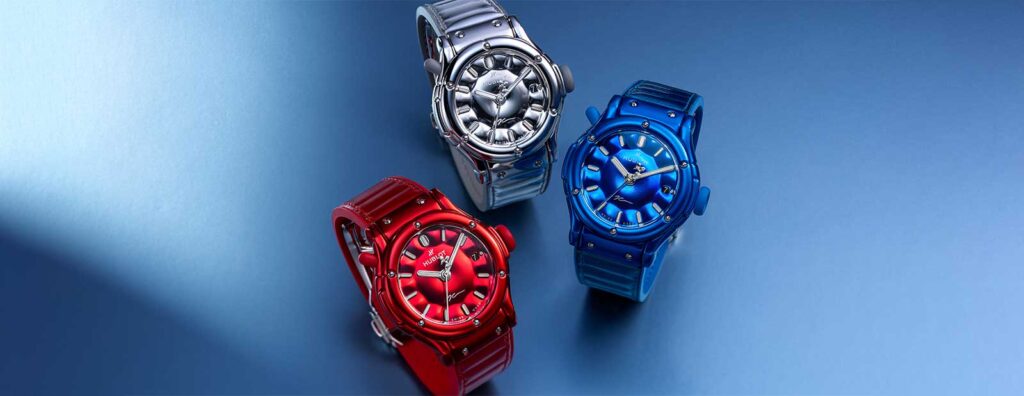
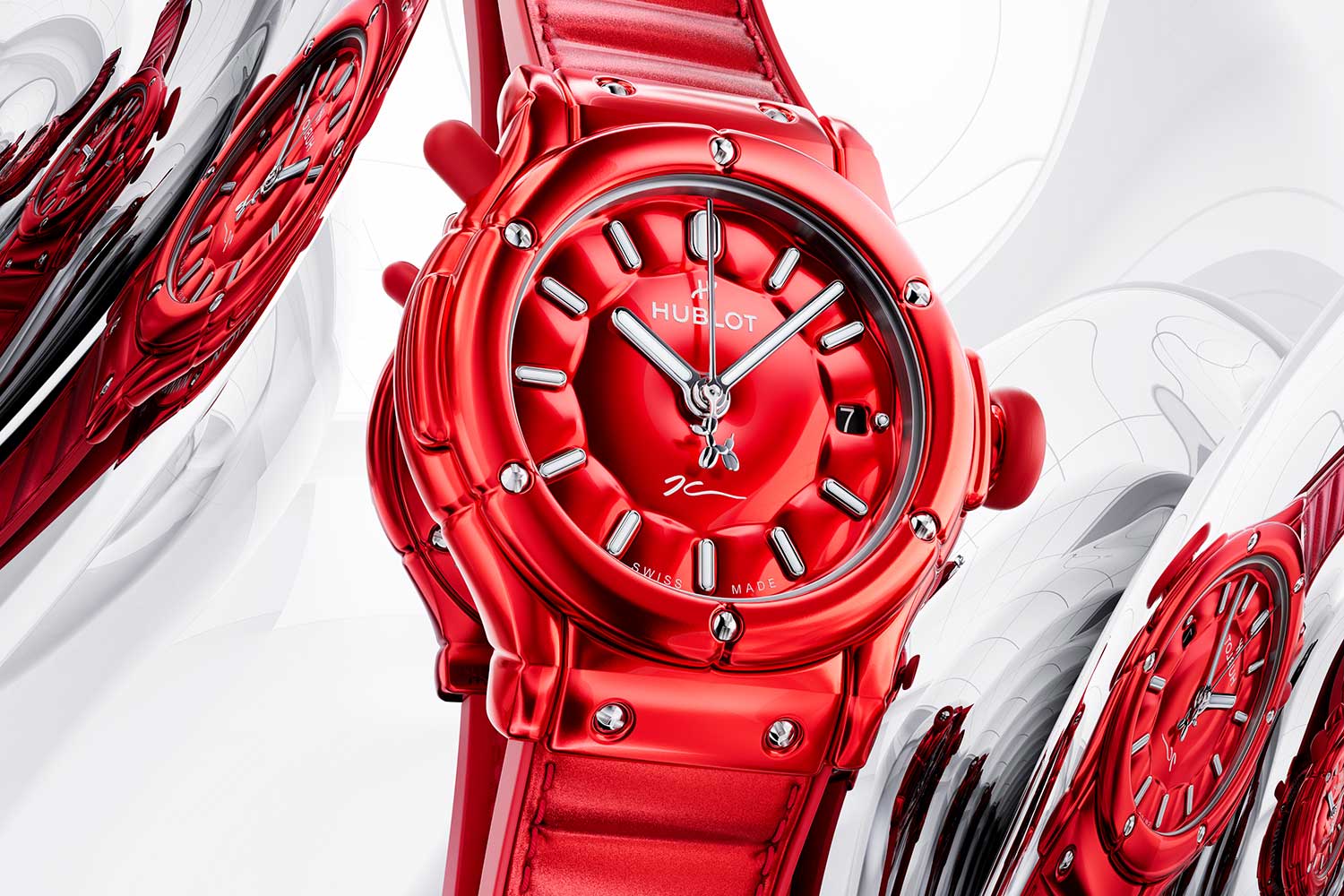
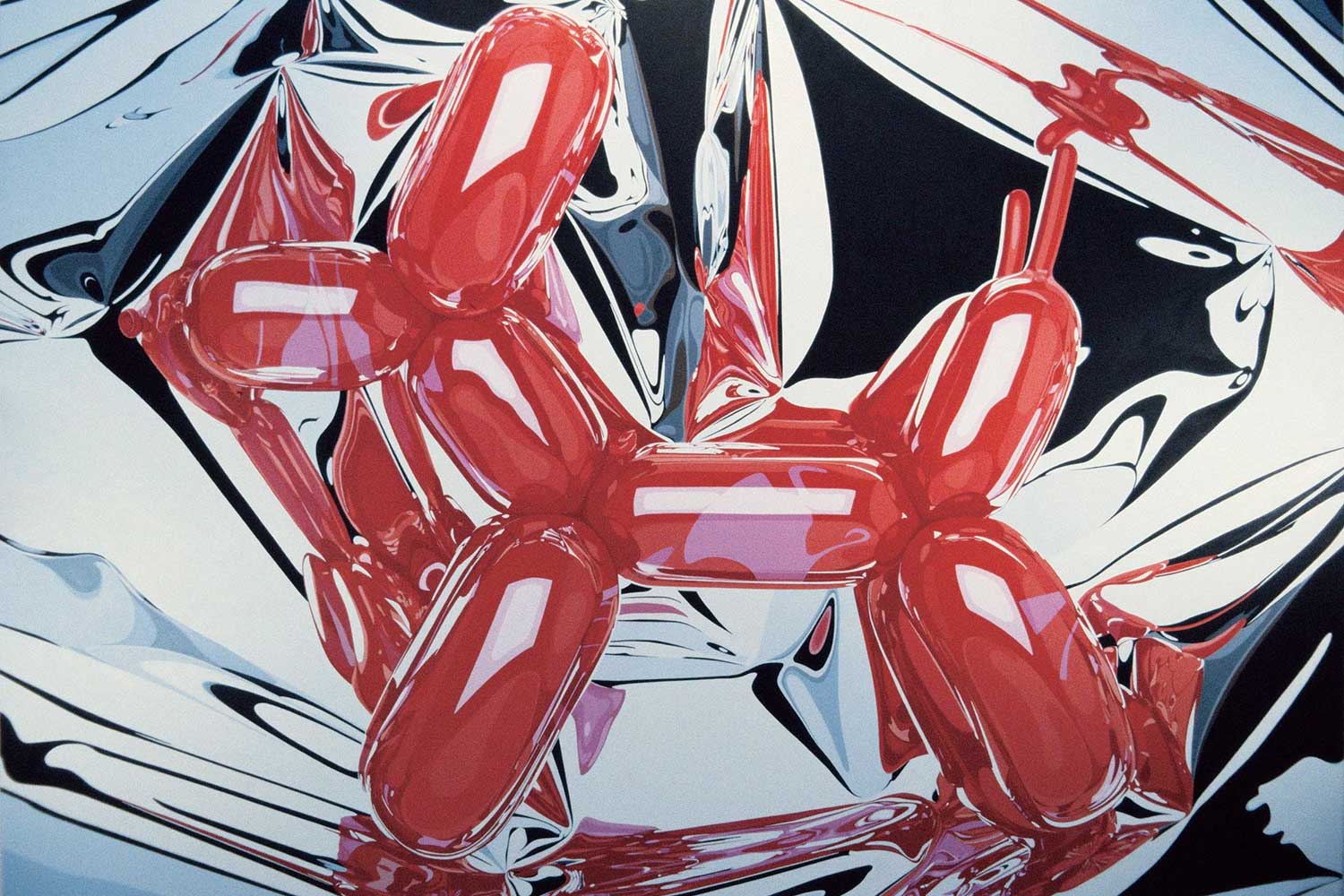
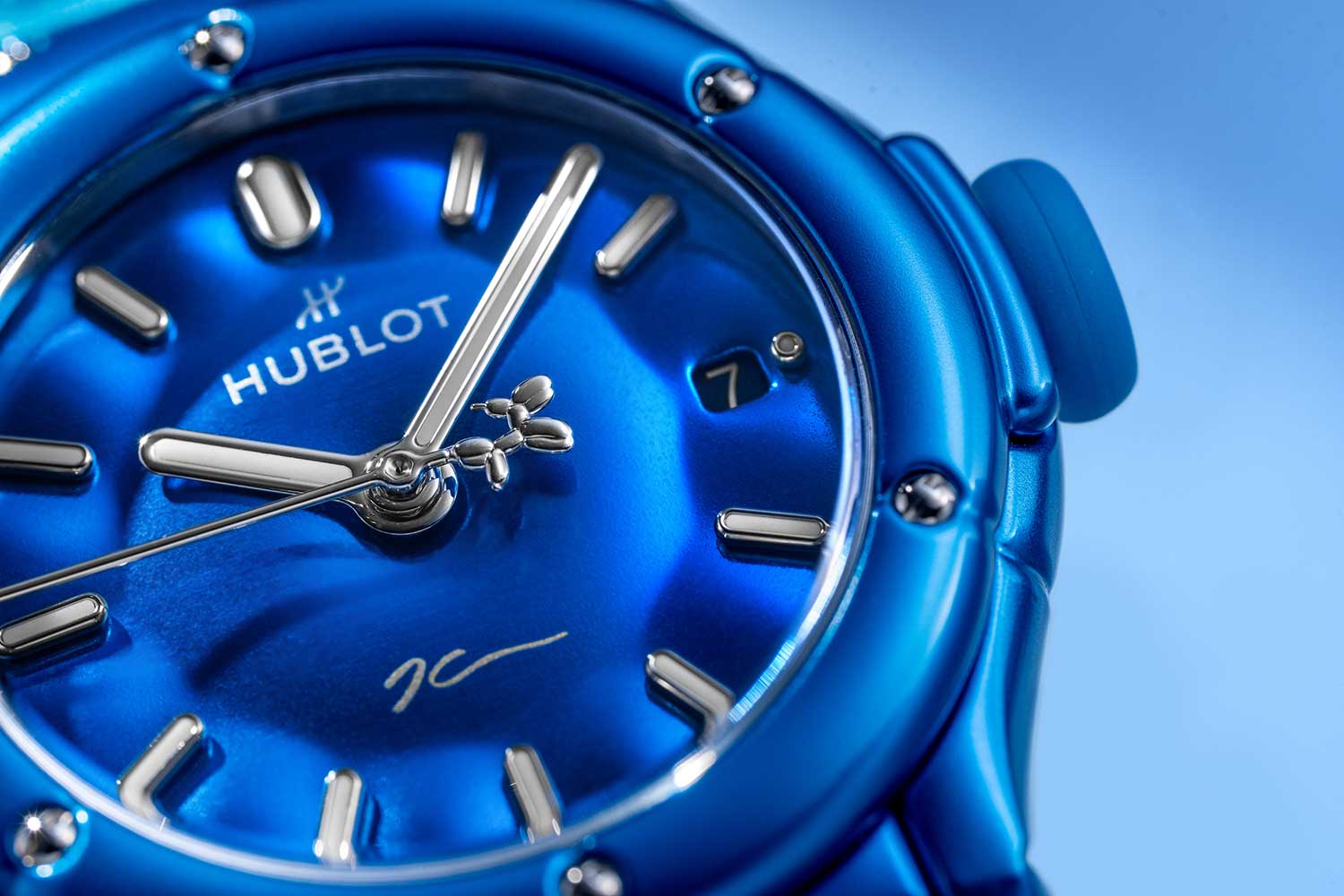
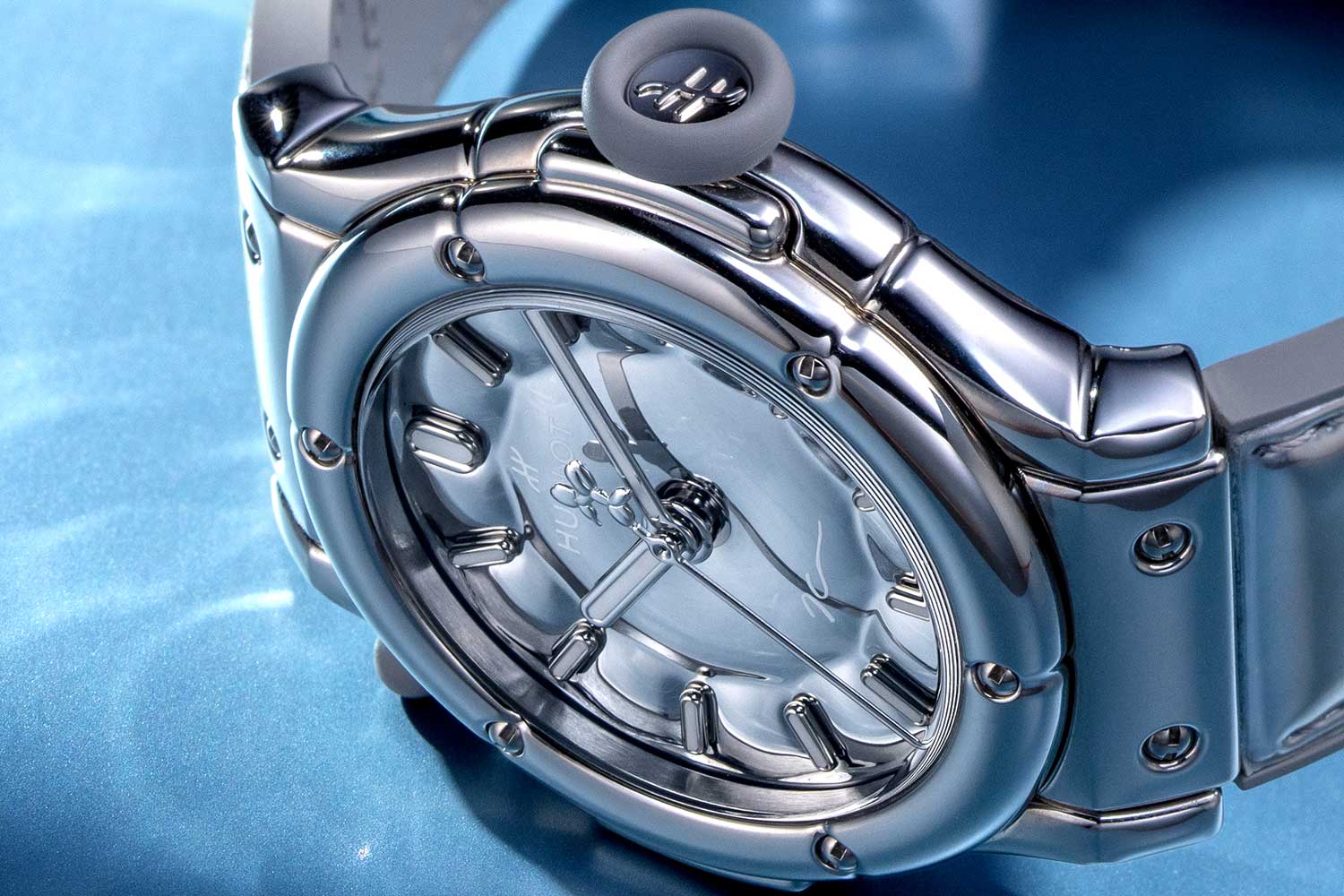
- The Classic Fusion Balloon Dog reworks the watch around the rounded, inflated language of Koons’ best-known sculpture.
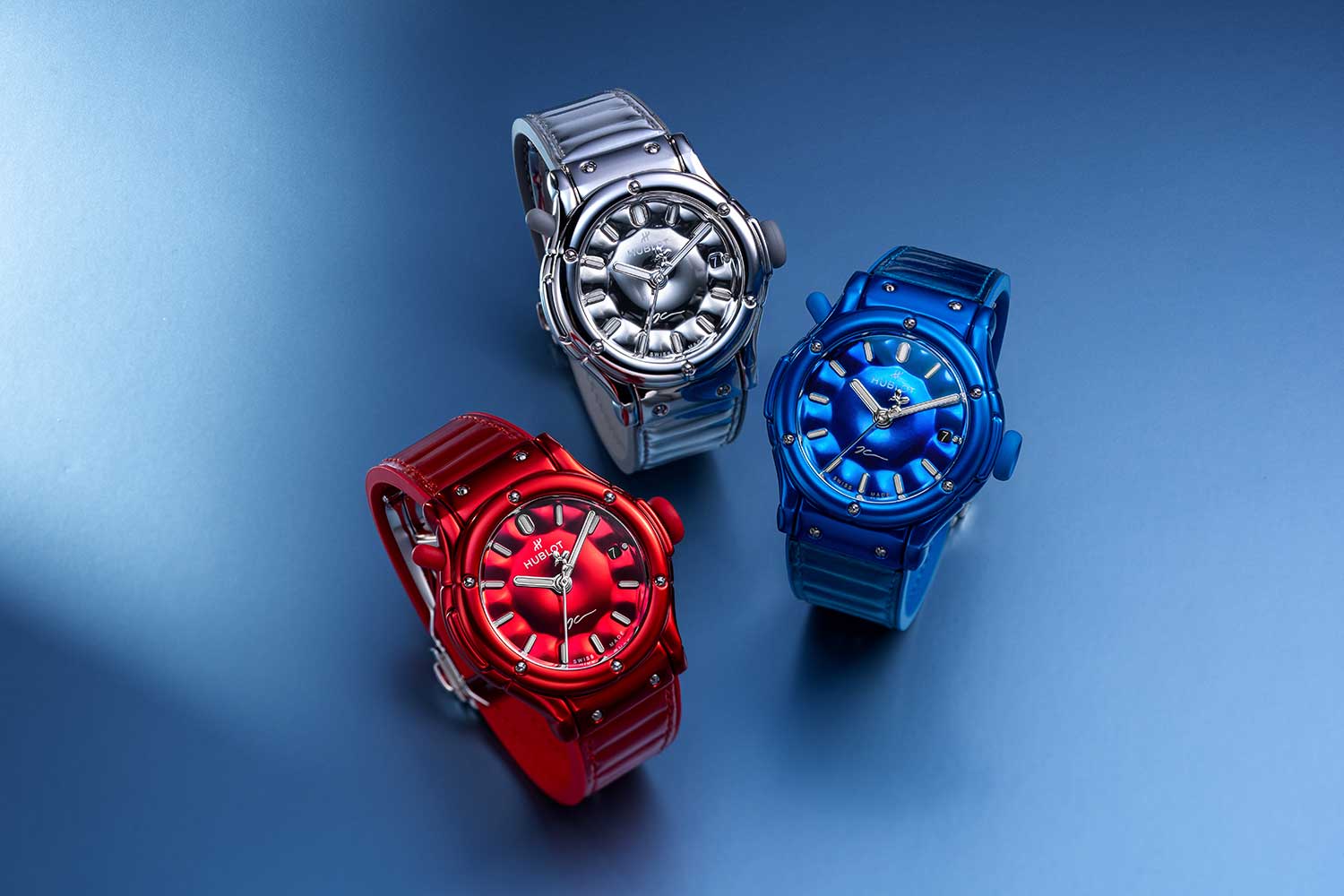
- The Balloon Dog editions come in stainless steel, red anodised aluminium and blue anodised aluminium, each limited to 200 pieces.
Balloon Dog finds a new wrist-sized form
The Classic Fusion Balloon Dog could have been a simple exercise in placing famous art on a dial.
Instead, Koons and Hublot treated the watch as a physical object that had to absorb the visual grammar of the sculpture itself.
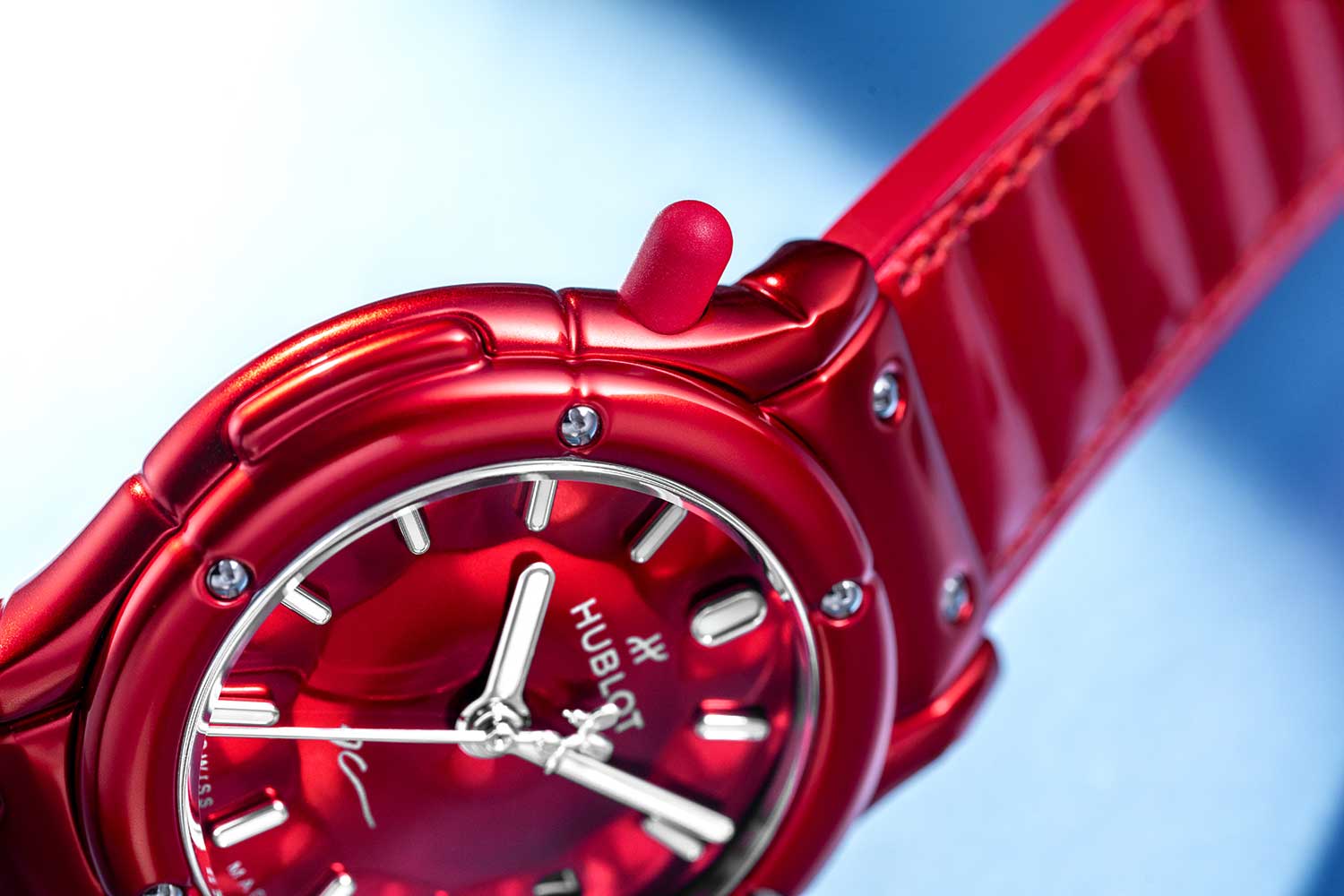
The case has been softened and rounded, the crystal made more domed and the screws given greater presence.
The strap, crown and clasp were also reworked so the watch feels connected to the inflated shapes that define Balloon Dog, rather than merely decorated by them.
Three versions have been created, each with a distinct material character.
There is a mirror-polished stainless steel edition, joined by red and blue anodised aluminium models, with each version limited to 200 pieces.
Koons’ idea of luxury has become more human
Koons has spent much of his career challenging hierarchies of taste, value and seriousness.
His point has often been that wonder isn’t reserved for the museum, nor does it depend on an object’s accepted cultural status.
He has described the experience of appreciating a humble childhood object as equivalent, in emotional terms, to encountering a Michelangelo sculpture, because the real measure is the intensity of the viewer’s response.

That same thinking makes his work with Hublot more interesting than a conventional artist-brand partnership.
Koons has spoken about how his view of luxury has shifted over time, particularly through working with companies that put significant care into materials, engineering and finish.
At Hublot, what seems to have mattered most was not status but commitment, from material specialists to watchmakers and apprentices.
The collaboration became a study in what could be made, what had to be adjusted and how close the finished object could come to the original idea.
The MP-14 Origin looks beyond the familiar
If the Classic Fusion Balloon Dog begins with one of the most recognisable art objects of the last three decades, the MP-14 Origin moves in the opposite direction.
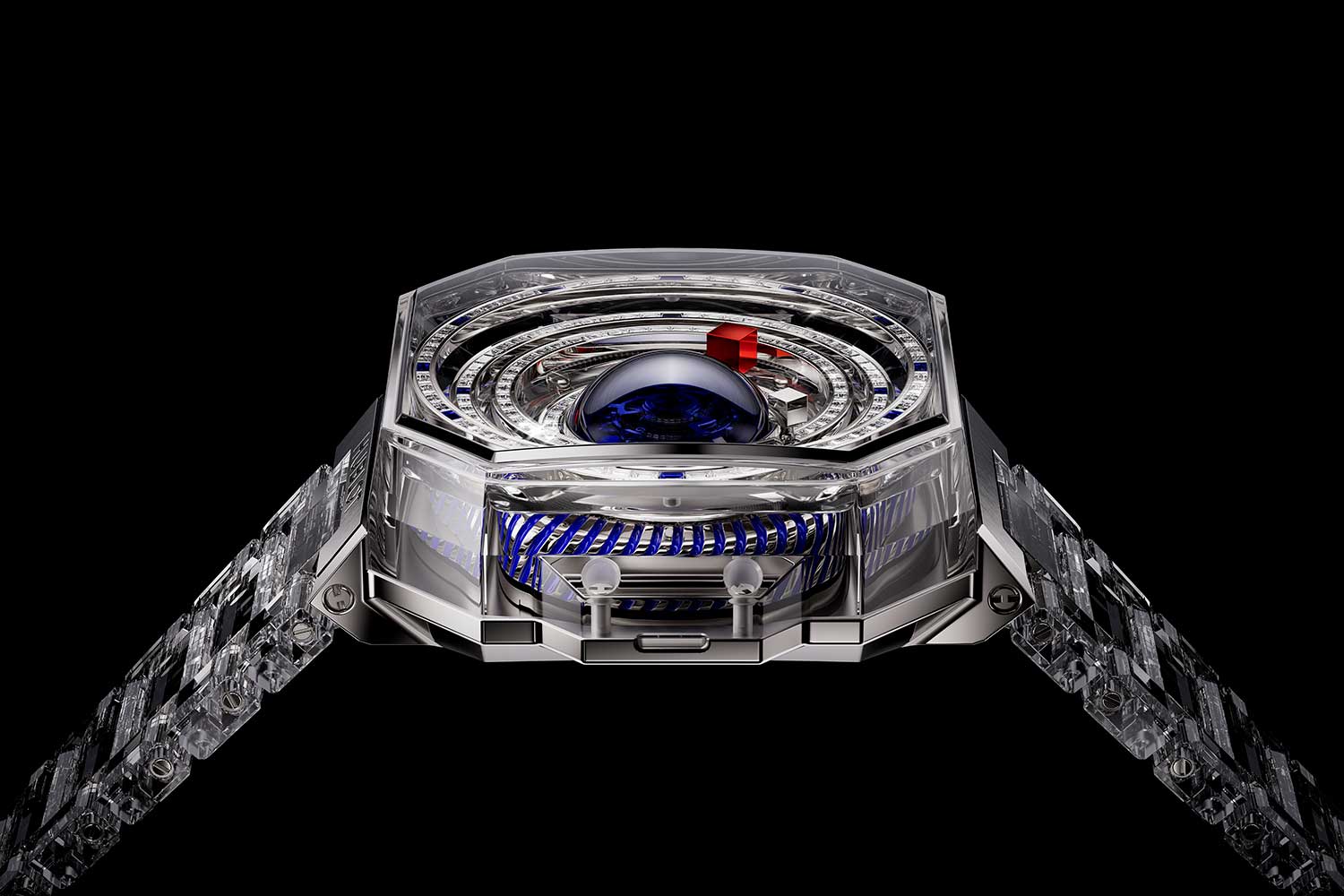
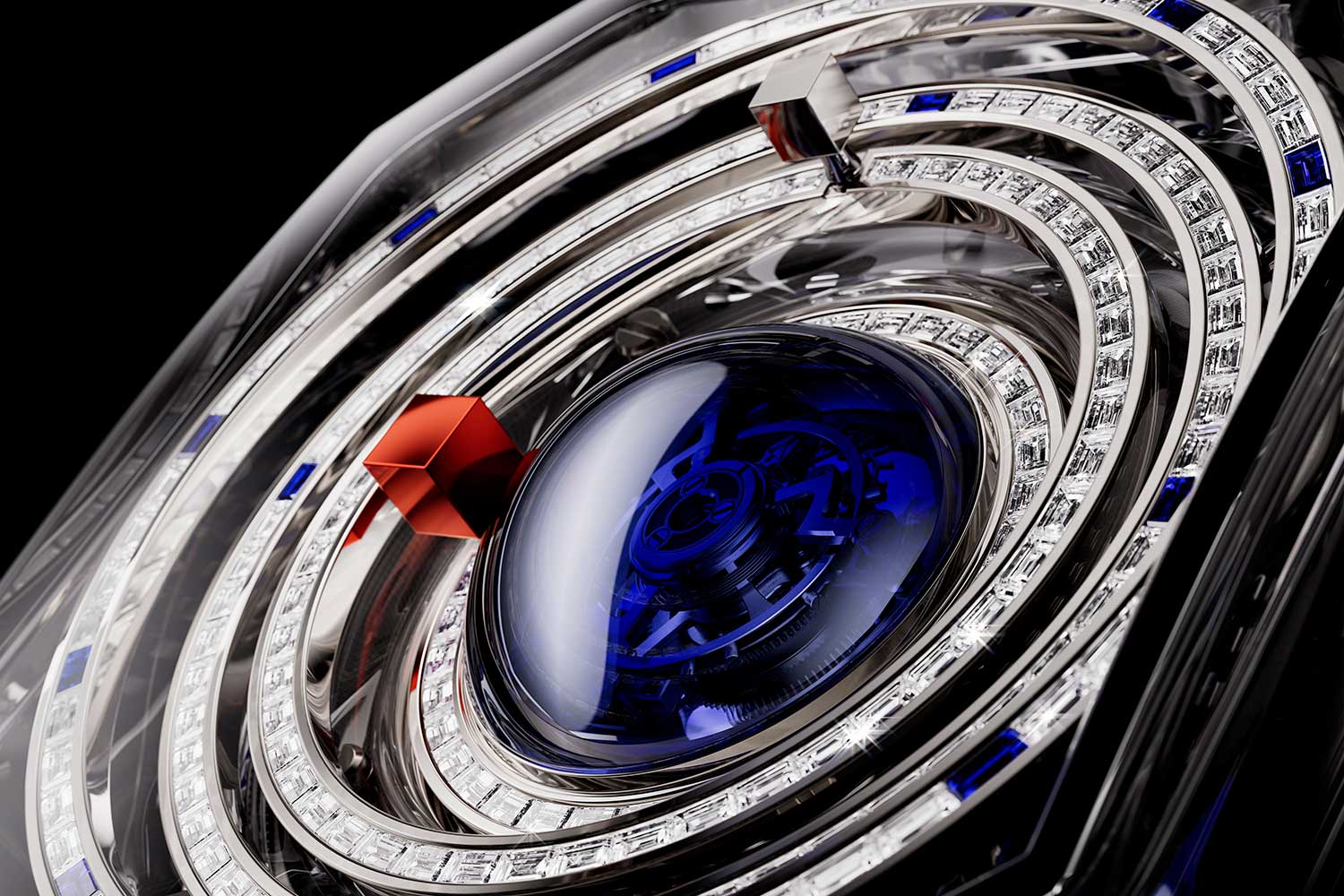
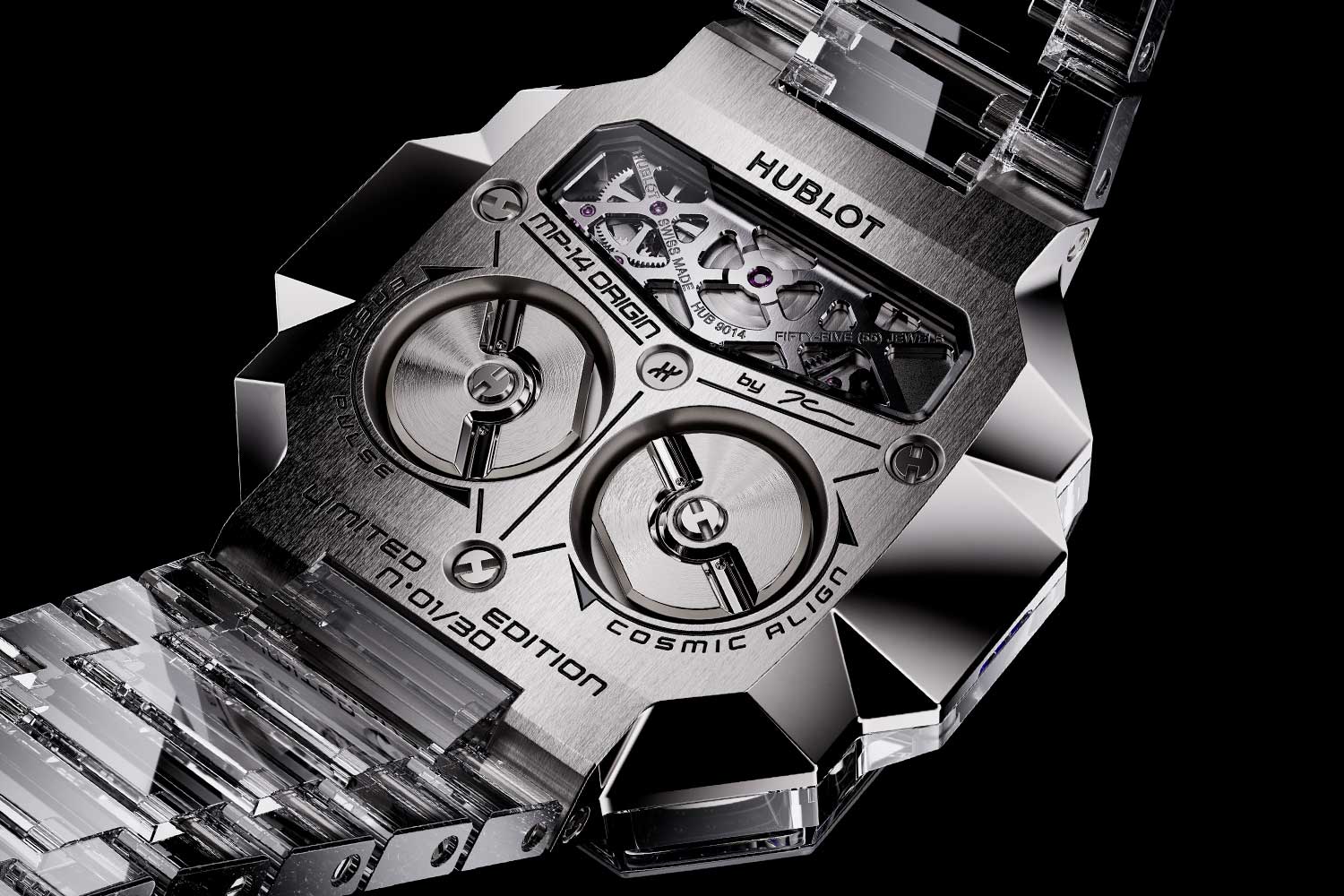
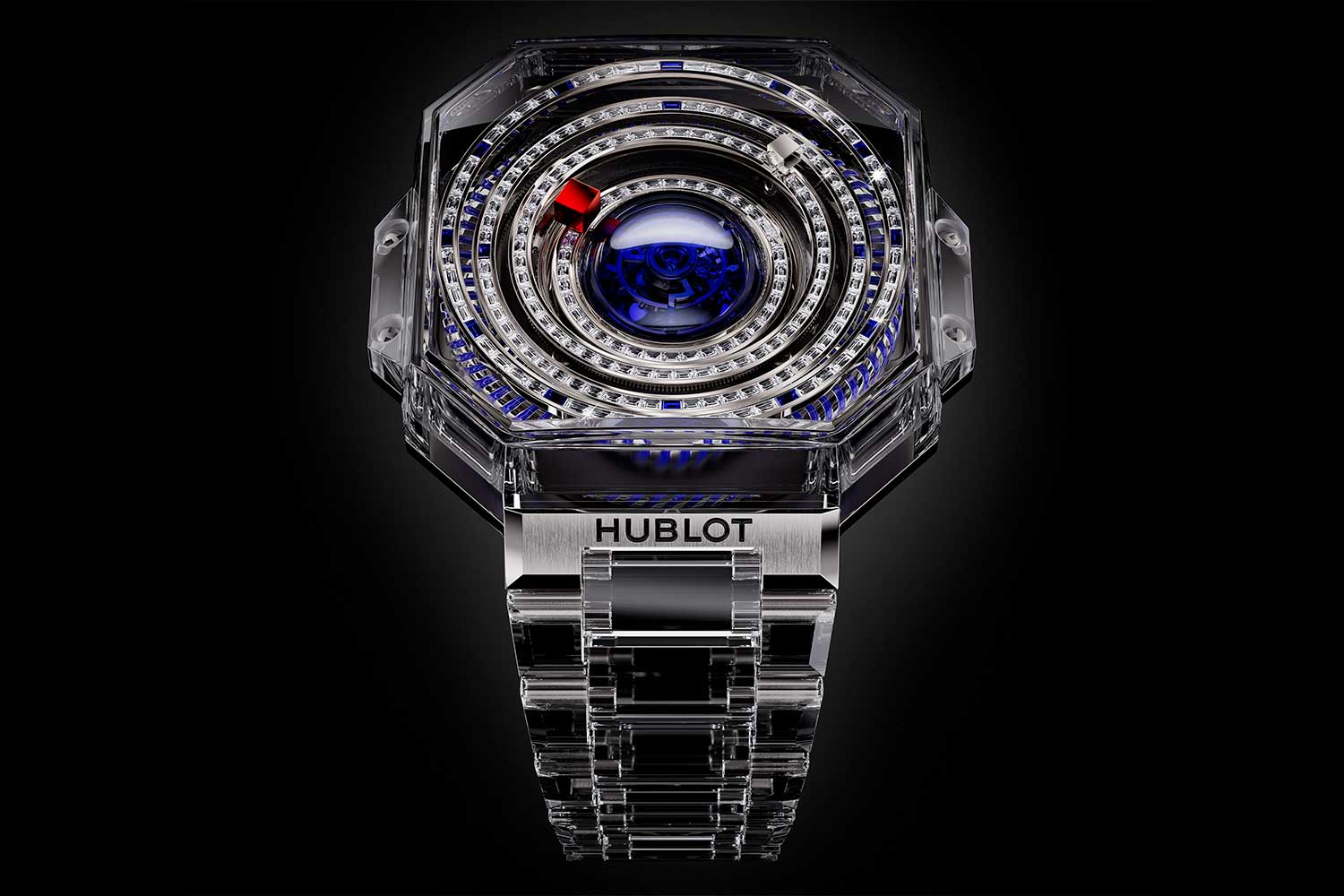
The watch is described as a sapphire and titanium tourbillon inspired by the creation of the universe.
That gives the project a different scale, shifting from childhood memory and polished pop surfaces to time, space and mechanical motion.
For Koons, however, the connection is not as distant as it first appears.
The fascination lies in material, transparency, movement and discovery, whether that means the gleam of a polished sculpture, the colour passing through sapphire or the revolving architecture of a tourbillon.
It is a watchmaking interpretation of the same instinct that runs through his broader career, which is to slow down, look again and let the object reveal its own kind of wonder.
Details & Specifications
| Brand | Hublot |
|---|---|
| Collaborator | Jeff Koons |
| Models | Classic Fusion Balloon Dog and MP-14 Origin |
| Classic Fusion editions | Mirror-polished stainless steel, red anodised aluminium and blue anodised aluminium |
| Classic Fusion production | 200 pieces per version |
| MP-14 Origin case materials | Sapphire and titanium |
| MP-14 Origin complication | Tourbillon |
| Artistic inspiration | Balloon Dog from Koons’ Celebration series and the creation of the universe |
A collaboration about acceptance as much as watchmaking
The most compelling part of the Koons and Hublot project is that it doesn’t ask the two watches to behave the same way.
One is immediate, bright and tied to an artwork that has entered the public imagination far beyond the gallery world.
The other is more abstract, using sapphire, titanium and tourbillon mechanics to point toward something vast and elemental.
Together, they make a clear argument for Koons’ long-running belief that hierarchy matters less than attention.
Whether the object is playful, technical, precious or strange, the question is whether it can still make someone stop and look.