Geneva in May has a particular rhythm if you care about watches.
The city’s auction week pulls collectors, dealers, specialists and the merely watch-curious into hotel salons and viewing rooms, where a rare Cartier can be examined over coffee and a record-setting F.P. Journe can electrify a packed room within minutes.
It’s not just about prices, though there are plenty of those. The appeal is the proximity to watches that usually live in safes, private collections and catalogues, suddenly placed within arm’s reach in the city that still defines Swiss watchmaking.
At a glance
- Geneva’s spring watch auction week brings major houses including Phillips, Sotheby’s, Christie’s and Antiquorum into the city for viewings and live sales.
- The atmosphere combines serious collecting, high-value bidding and rare hands-on access to historically important watches.
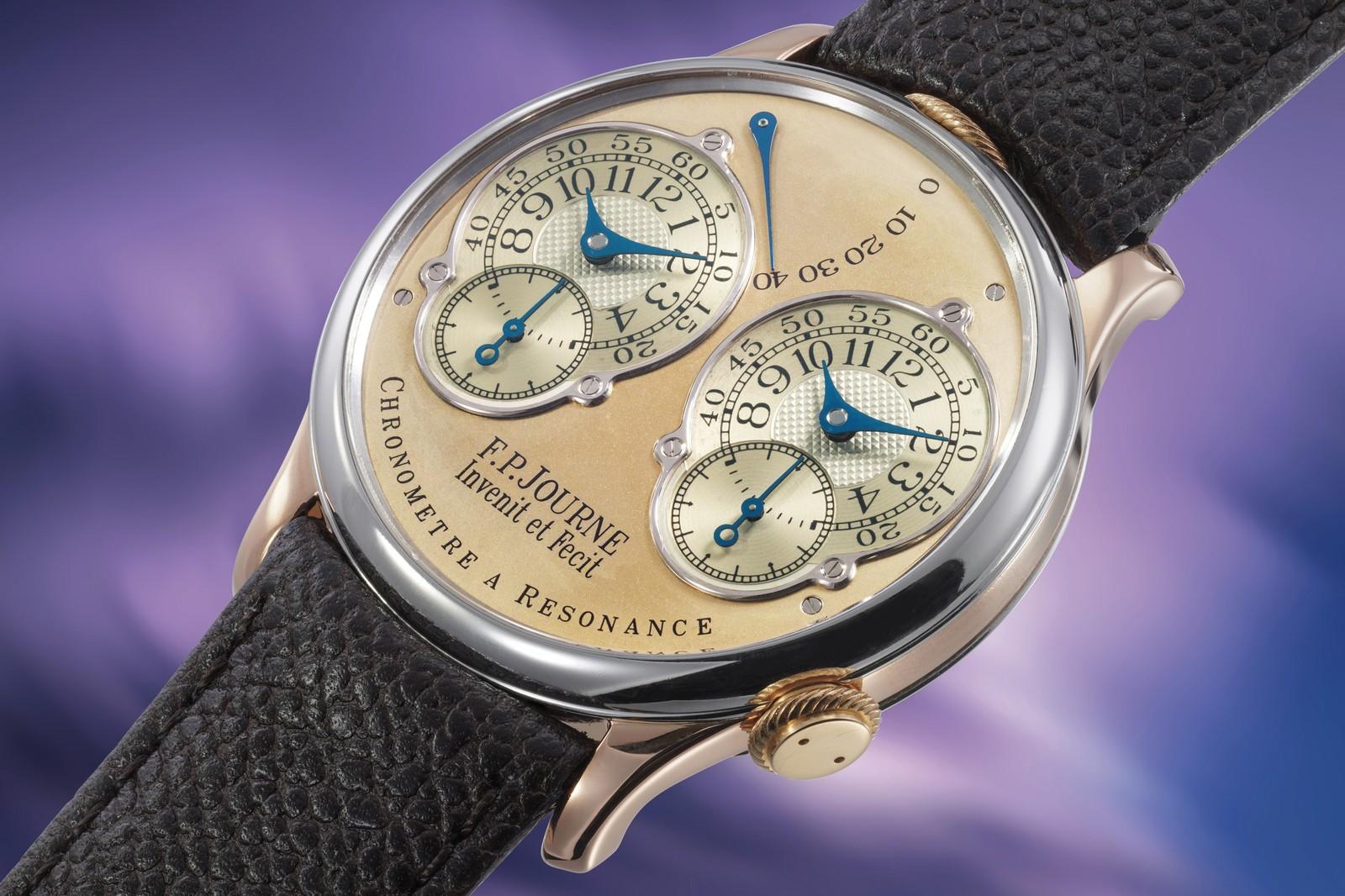
- A platinum and pink gold F.P. Journe Chronomètre à Résonance Souscription No. 18 sold at Phillips for CHF 4.8 million including buyer’s premium, setting a new auction record for the model.
Geneva becomes a watch city in full view
You feel the tone of the week almost immediately after landing.
Geneva airport is lined with watch advertising, and the city centre carries the names of major maisons across rooftops and facades around Lake Geneva and the Rhône.
During auction week, that identity becomes more concentrated.
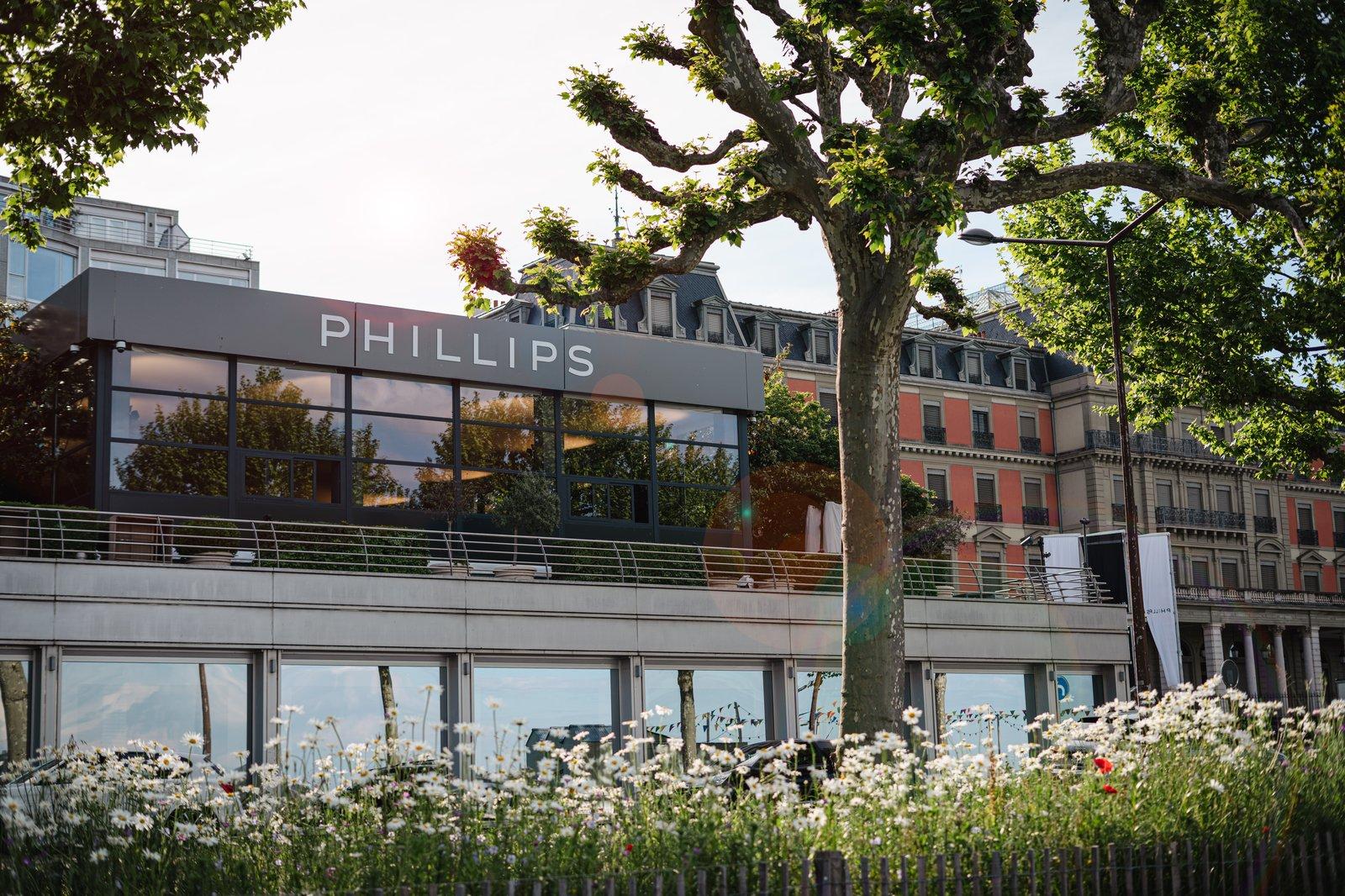
Christie’s takes space at the Four Seasons Hotel des Bergues, Phillips installs itself at the Hotel President Wilson, and Sotheby’s works from the Mandarin Oriental beside the river.
Antiquorum’s viewings are held at its Rue du Mont-Blanc premises, a more traditional setting but still within the same compact central circuit.
The practical advantage is obvious. If you stay centrally, you can move between appointments, viewings and sales without turning the week into a logistics exercise.
The saleroom has a theatre of its own
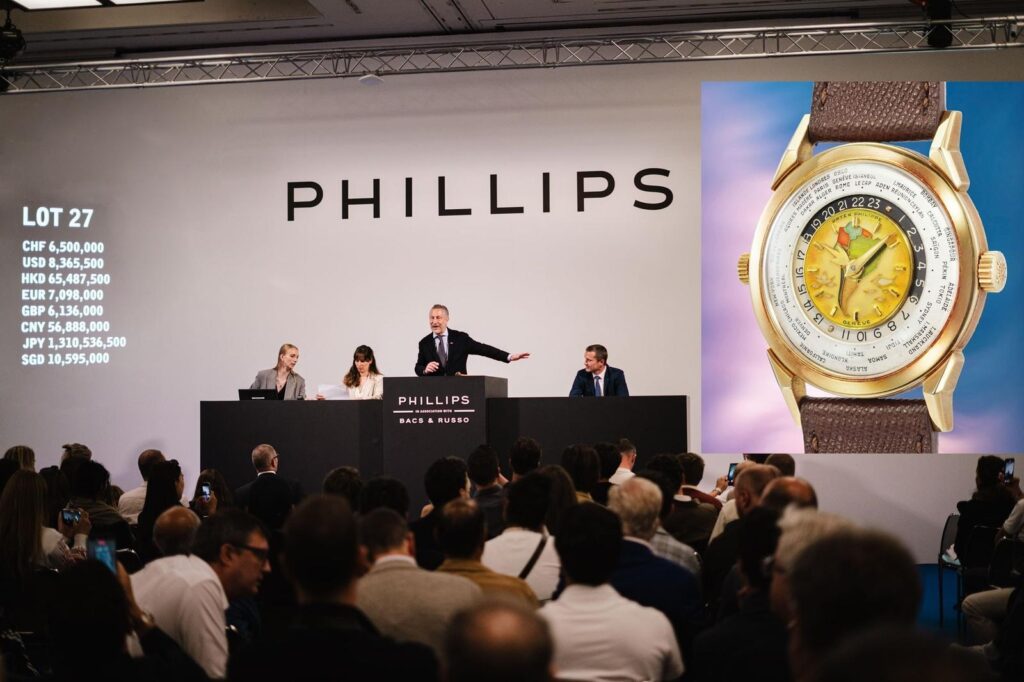
Live watch auctions are often discussed through the final numbers, but the room itself is a major part of the experience.
At Phillips’ Geneva Watch Auction XXIII, the sixth lot gave the room exactly the kind of moment people travel to see.
The watch was a rare F.P. Journe Chronomètre à Résonance Souscription No. 18 from 2000, made in platinum and 18k pink gold.
The opening bid stood at CHF 400,000, but the pace changed almost instantly when the next bid jumped to CHF 1 million.
With Aurel Bacs at the rostrum, the bidding moved through CHF 2 million and CHF 3 million before landing at CHF 4.8 million including buyer’s premium.
Applause followed, not in a polite way but with the charge of a room that understood it had just watched a new auction record for the model.
That is the difference between following an auction online and sitting in the saleroom. You can read the result later, but you can’t recreate the temperature of the room.
Viewings are the quiet luxury of the week
For many visitors, the viewings are as rewarding as the auctions themselves.
They offer the chance to study watches that are often discussed more than they are actually seen, from early independent watchmaking to vintage Cartier shapes that rarely appear in quantity.
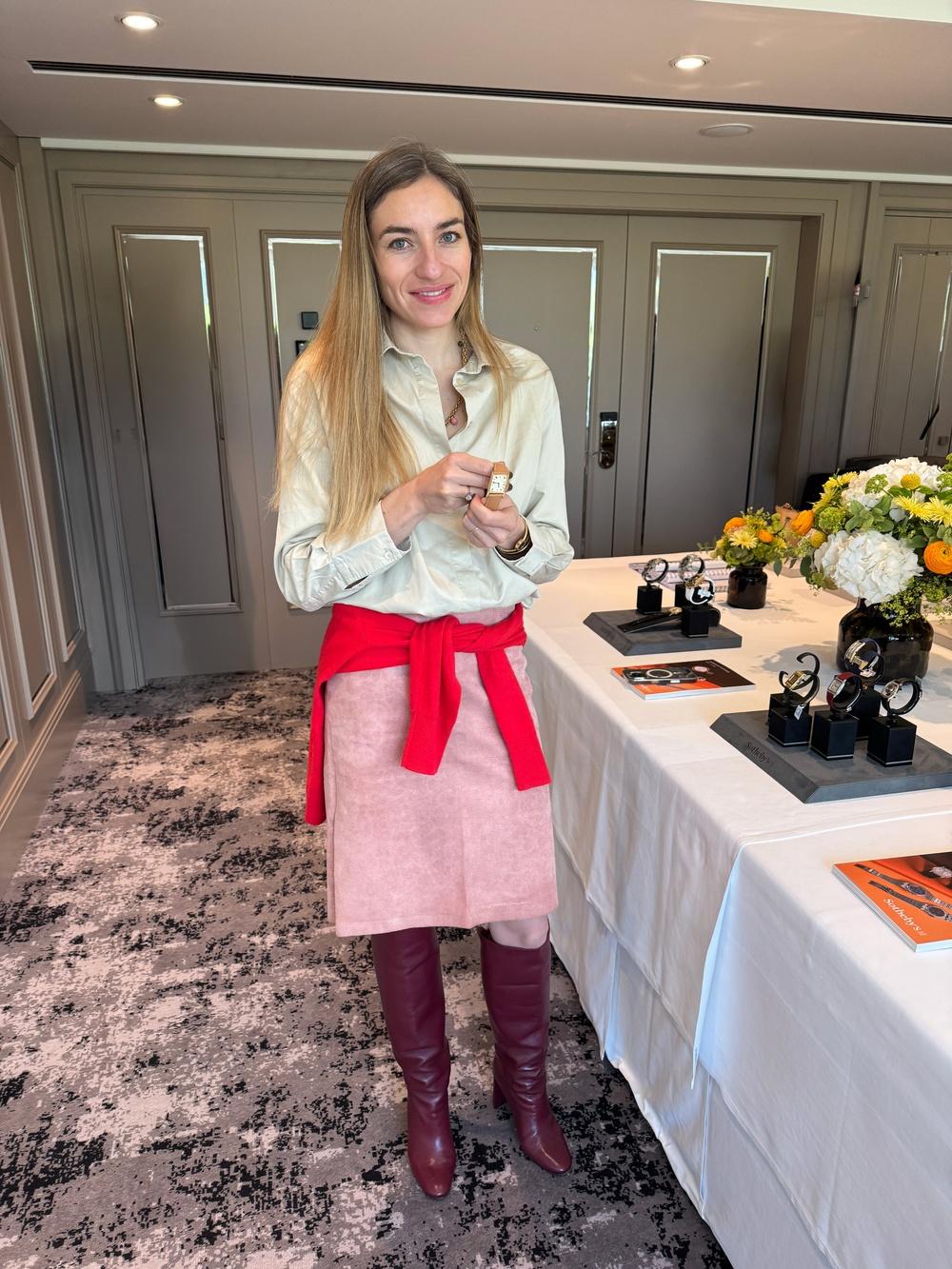
At Sotheby’s, the appeal of Cartier was particularly clear through examples connected to The Shapes of Cartier, a single-owner collection comprising more than 300 timepieces across a century of the maison’s design language.
Vintage Cartier remains compelling because the watches are rarely just scaled-down dress pieces. They play with geometry, elegance and proportion in a way that feels increasingly aligned with today’s renewed interest in smaller cases.
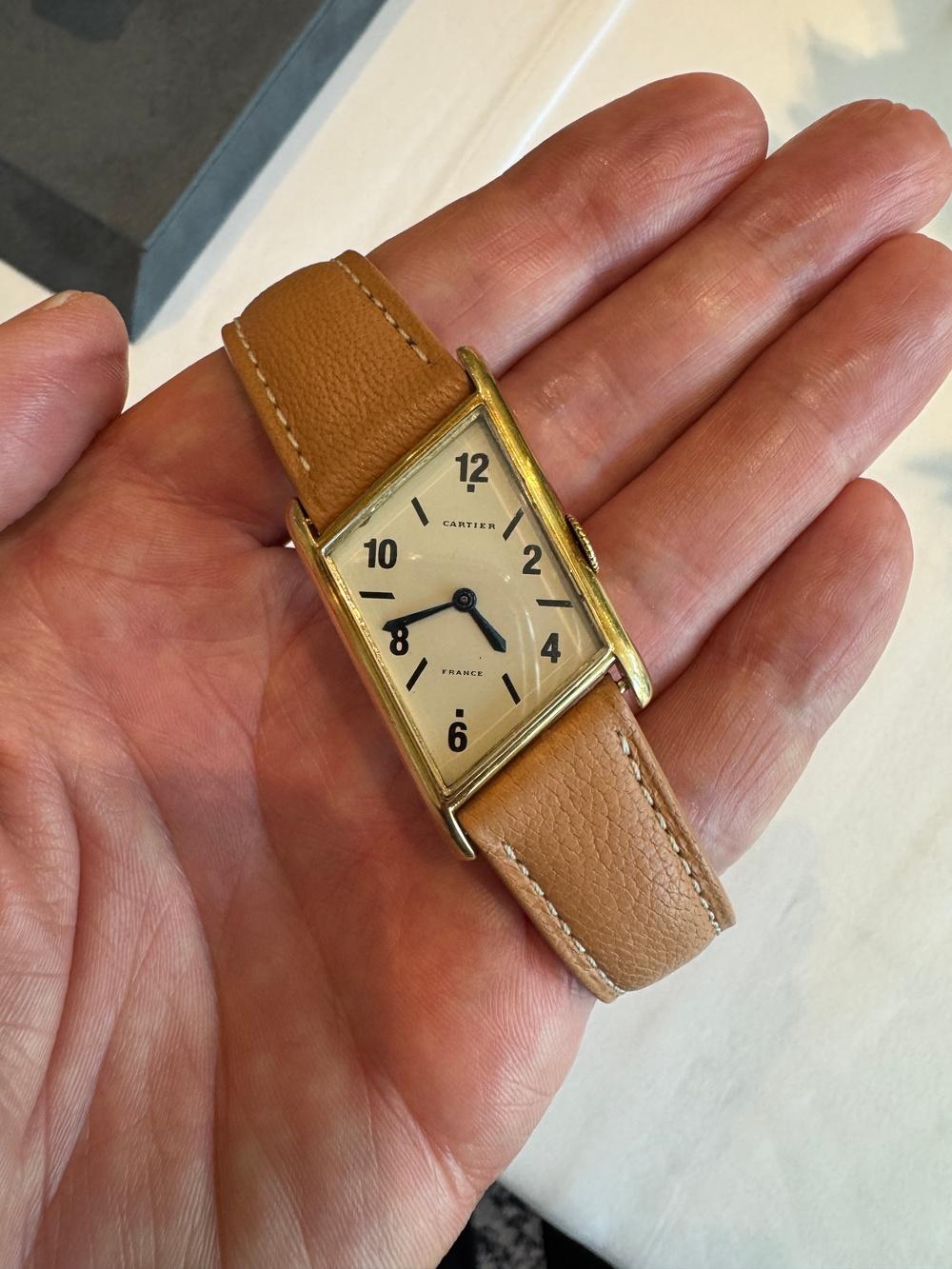
One standout was a rare Parallélogramme in 18k yellow gold from circa 1937, an asymmetrical rectangular wristwatch that later sold for CHF 121,600 including buyer’s premium.
Another was a Cartier Mystère Tortue from 1973, an 18k white gold tonneau-shaped mystery wristwatch with rear winding, which sold for CHF 255,999 including buyer’s premium against an estimate of CHF 40,000 to CHF 60,000.
At Phillips, the viewing room at the Hotel President Wilson had a different tempo.
The space sat high above the hotel with views across Lake Geneva, filled with collectors moving between display cases, viewing tables and specialist conversations.

There was security, naturally, including bag checks, but it didn’t flatten the mood.
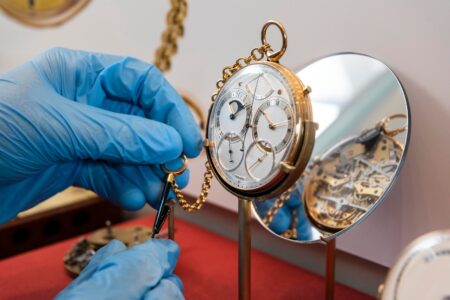
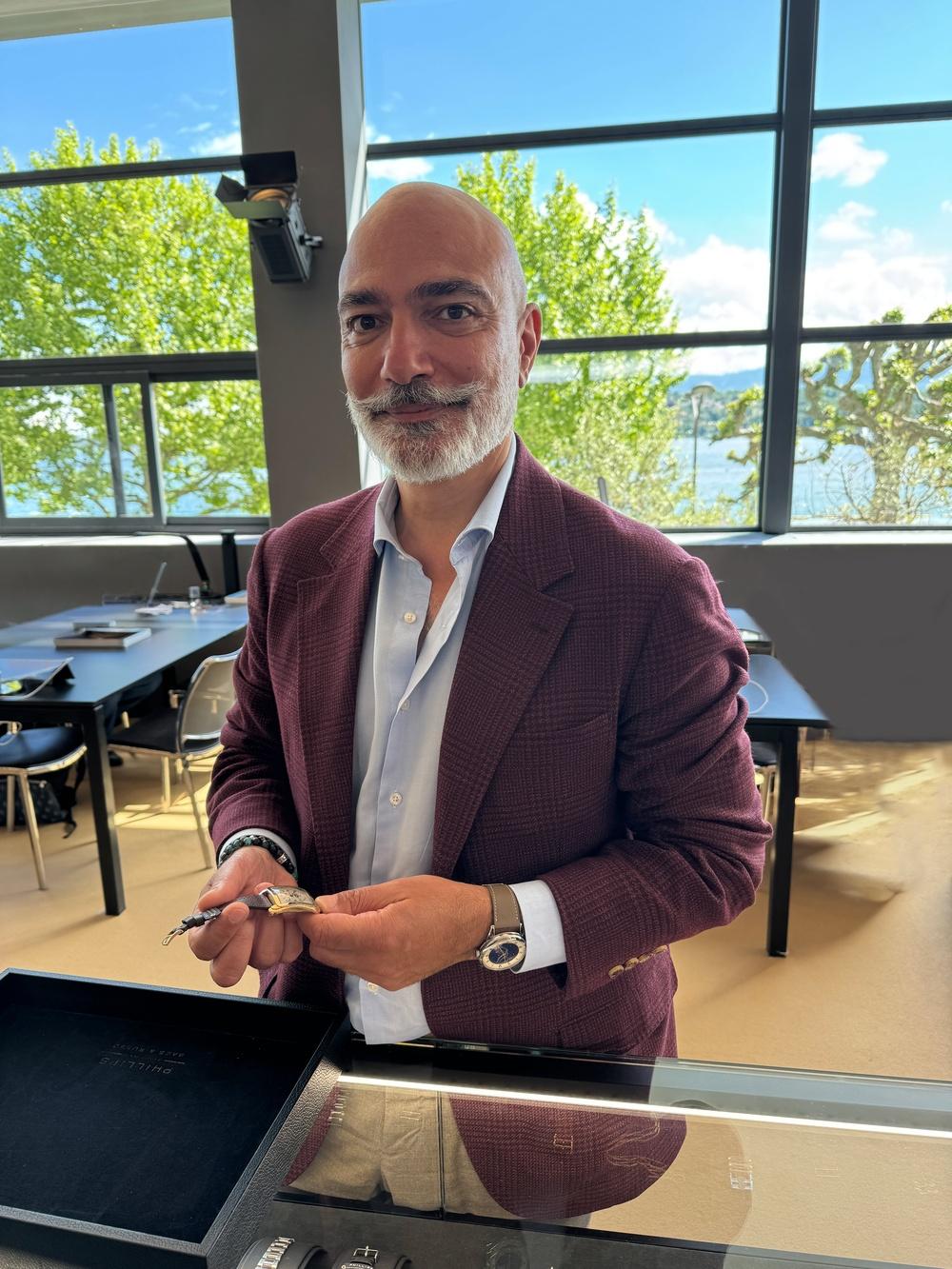
The atmosphere was closer to a reunion than a conventional retail viewing, with collectors recognising one another, specialists circulating, espresso on hand and even a watchmaker’s bench present in the room.
What to know before going
Geneva watch auction week suits more than one type of visitor.
Serious bidders can register and compete in the room, while collectors who are still learning can use the viewings to build their eye around condition, proportion, provenance and market taste.
It also suits enthusiasts who simply want to see important watches outside a museum context.
The best approach is to plan viewings in advance, because the major houses publish times and the week can fill quickly once auctions, appointments and travel are layered together.
Geneva is expensive, and staying centrally costs more, but the convenience matters if you’re trying to visit several houses in a short window.
You don’t need to attend every sale to understand the week, either.
A focused trip built around one or two viewings and a live auction can still offer a strong sense of how the top end of watch collecting behaves when the community gathers in one place.

The lasting impression is that Geneva’s spring auctions are not only a marketplace. They are one of the few moments in the year when watch culture, scholarship, money and theatre occupy the same rooms, and for anyone who cares deeply about watches, that combination is hard to resist.