India’s watch market is no longer a distant promise for Swiss maisons and independent makers looking beyond traditional luxury hubs.
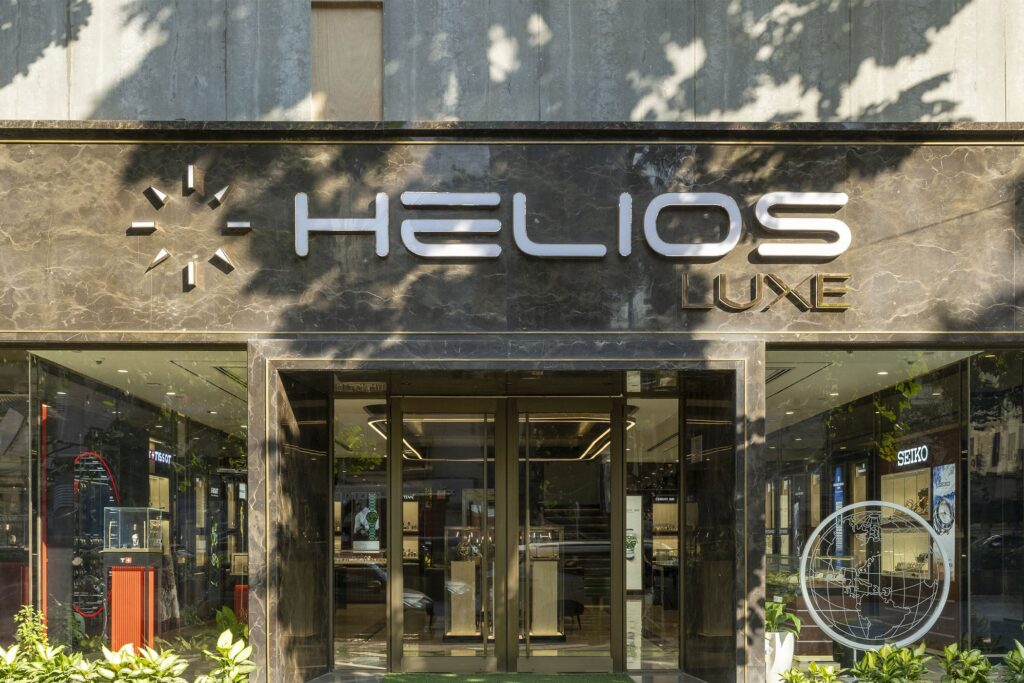
Helios Luxe, the specialist arm within Titan’s watch retail ecosystem, is shaping that opportunity with a focused network of boutiques, a selective brand mix and a clear bet on accessible luxury.
It matters because India’s next phase of watch growth won’t be built only on store count, but on education, trust, storytelling and the ability to turn global names into locally relevant brands.
At a glance
- Helios Luxe operates 10 specialist luxury watch boutiques within Titan’s wider Helios network of more than 290 stores across India.
- The format is centred on accessible luxury watches, with a selective portfolio shaped by design identity, heritage and horological credibility.
- Its focus remains India, where tariff changes, younger consumers and distributed luxury demand are reshaping the watch retail landscape.
A specialist layer within Titan’s watch network
Helios has scale in India, with more than 290 stores across over 110 cities, but Helios Luxe plays a more concentrated role.
The Luxe format currently counts 10 boutiques in key metropolitan cities, designed for a customer who wants more than a transactional watch purchase.
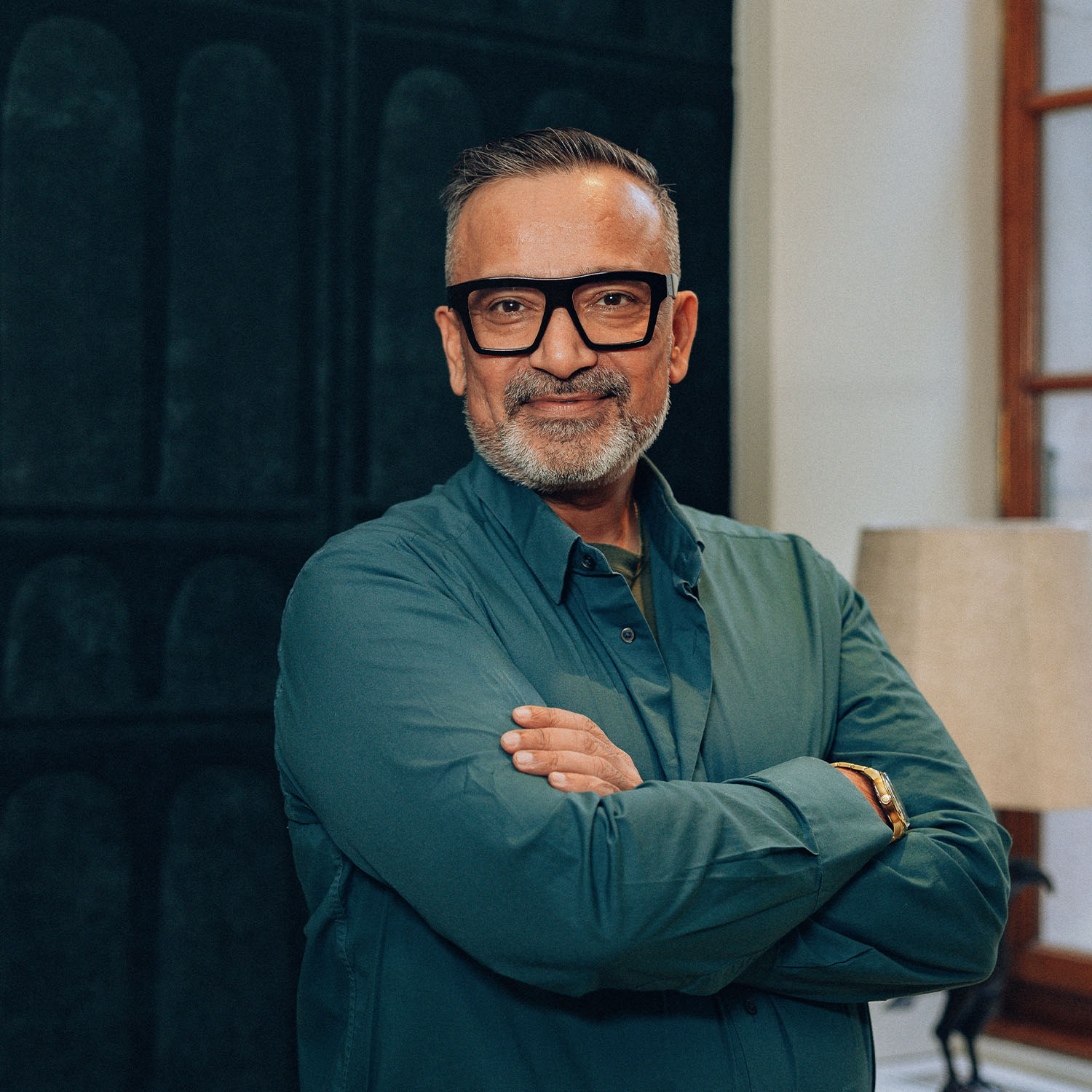
Rahul Shukla, Vice President and Chief Sales & Marketing Officer of Titan Watches, has positioned Helios Luxe as an immersive platform for international watch brands entering or expanding in India.
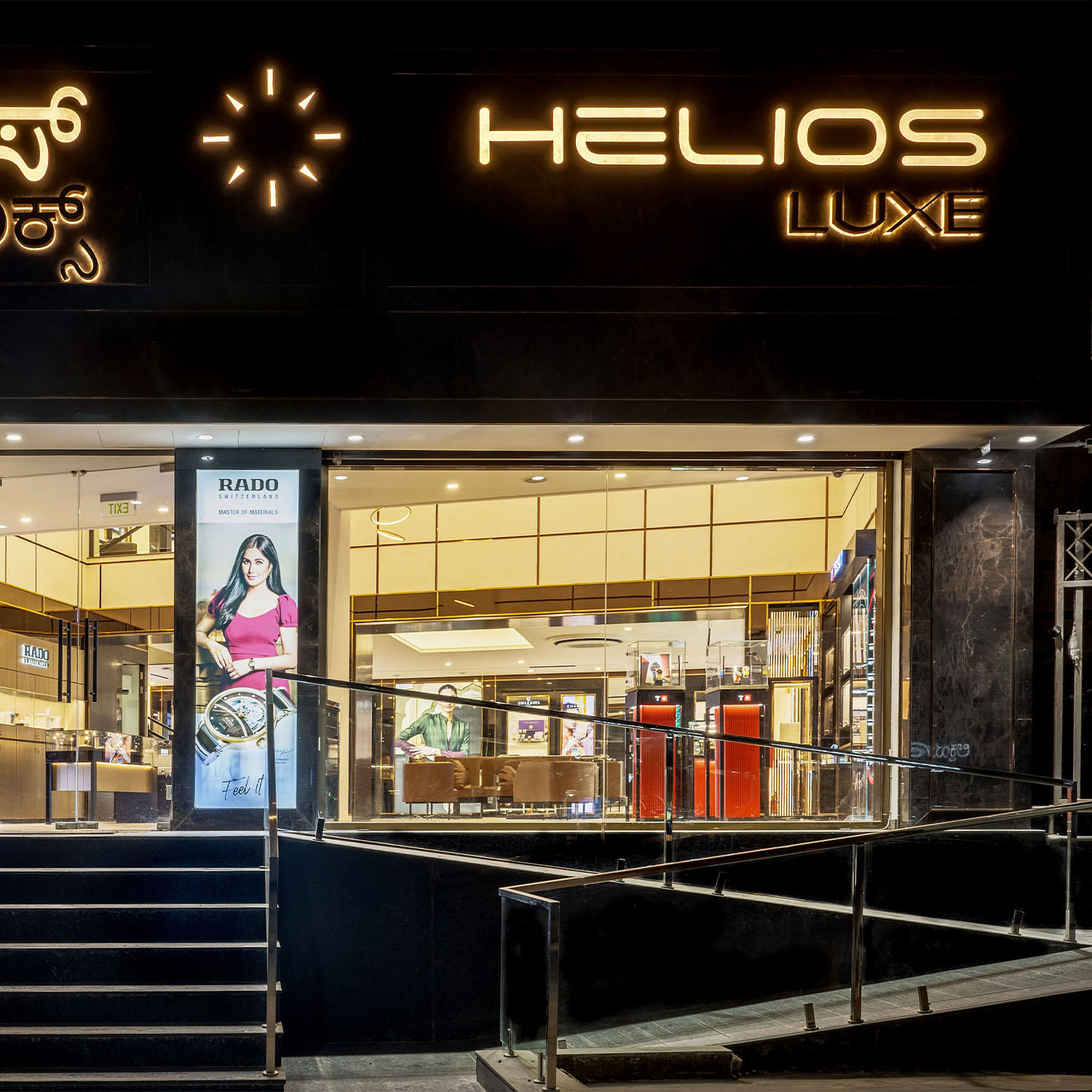
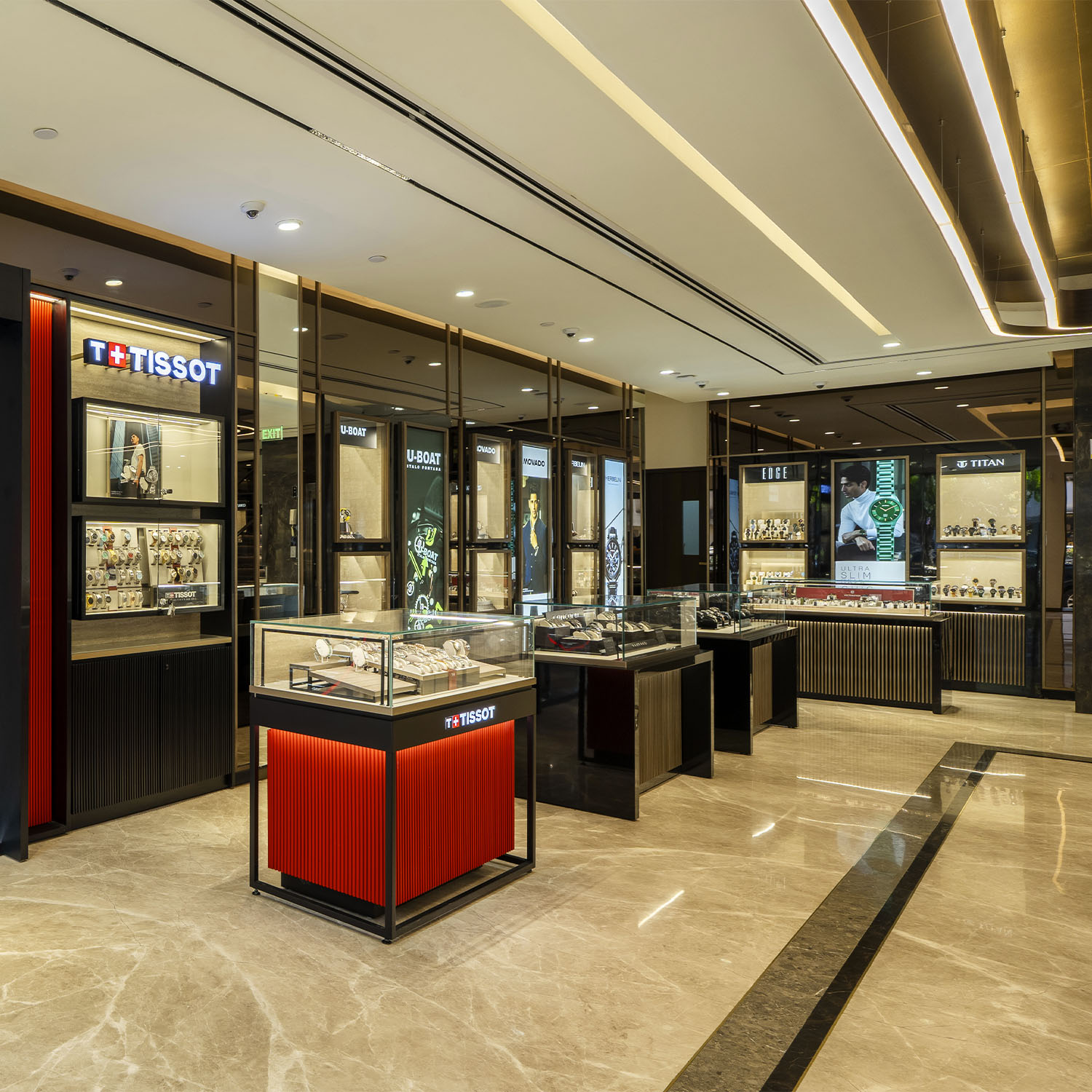
That means curated exhibitions, high-touch client engagement and a retail environment where watches are presented through design, history and mechanical depth rather than simple display-case presence.
For global brands, this distinction is important.
India offers scale, but converting that scale into durable brand affinity requires patience, local understanding and a retail partner capable of handling the practical and cultural details of the market.
The accessible luxury segment is the sweet spot
Helios Luxe is not chasing the entire luxury watch pyramid.
Its positioning sits in the accessible luxury bracket, with price points broadly spanning CHF 1,000 to CHF 5,000.
That territory is especially interesting in India because it captures both the emerging collector and the upwardly mobile buyer making a considered first move into international watchmaking.
The brand mix is deliberately selective.
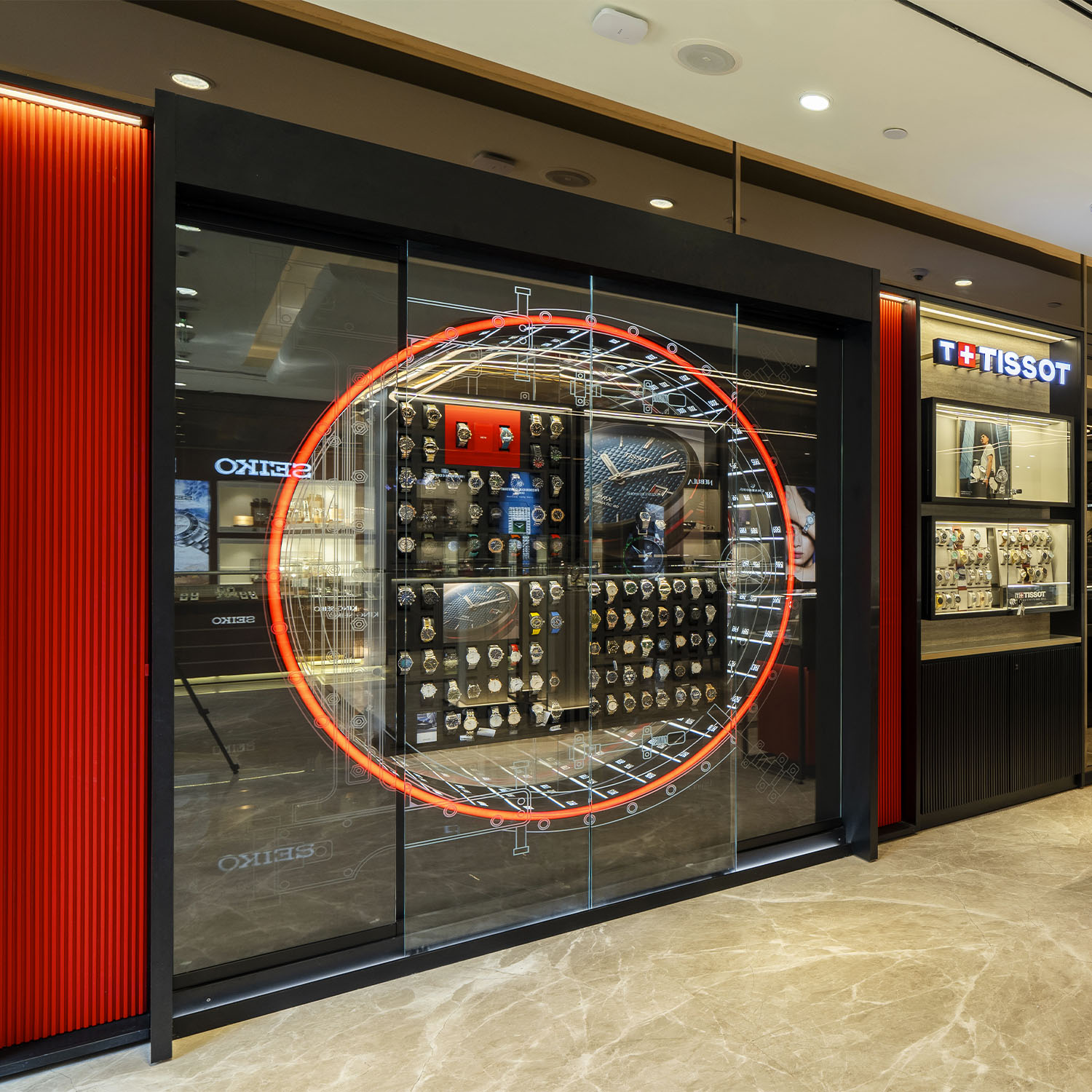
Helios Luxe works with a curated portfolio of international luxury watch names and evaluates new partners through three main filters.
- Distinctive design identity
- Horological expertise
- Authentic heritage
The aim is to balance established Swiss maisons with independent, design-led watchmakers from markets such as Germany and France.
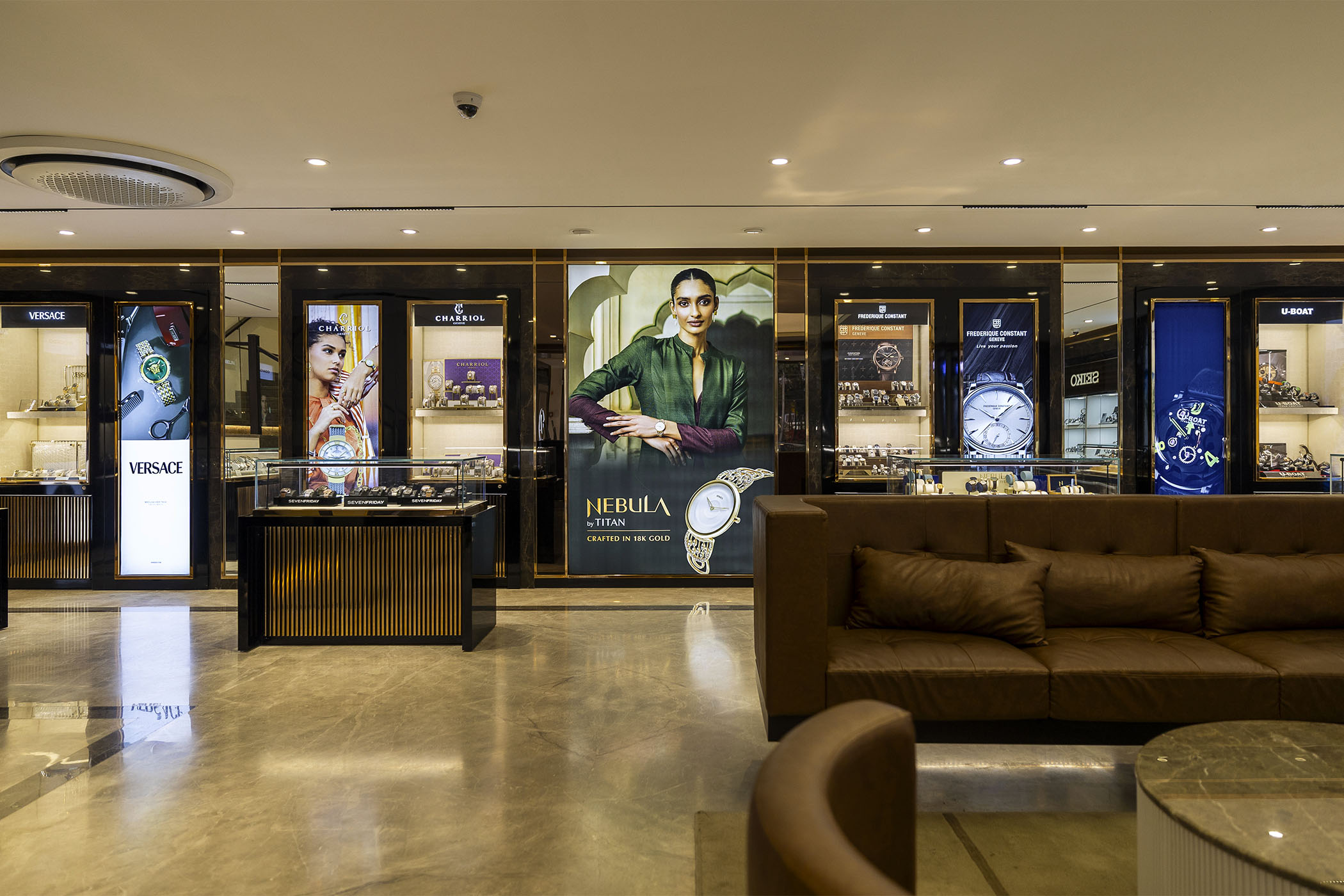
That approach gives the retailer room to speak to different kinds of buyers, from those drawn to classic Swiss credibility to those looking for something less obvious and more design-forward.
India’s watch market is not a China replacement story
India is often discussed as a potential counterweight to slowing demand in Mainland China, but the comparison can flatten what makes the market different.
Luxury consumption in India is more geographically distributed, with around 60 percent of demand coming from Tier 1 and Tier 2 cities rather than only a small group of major metros.
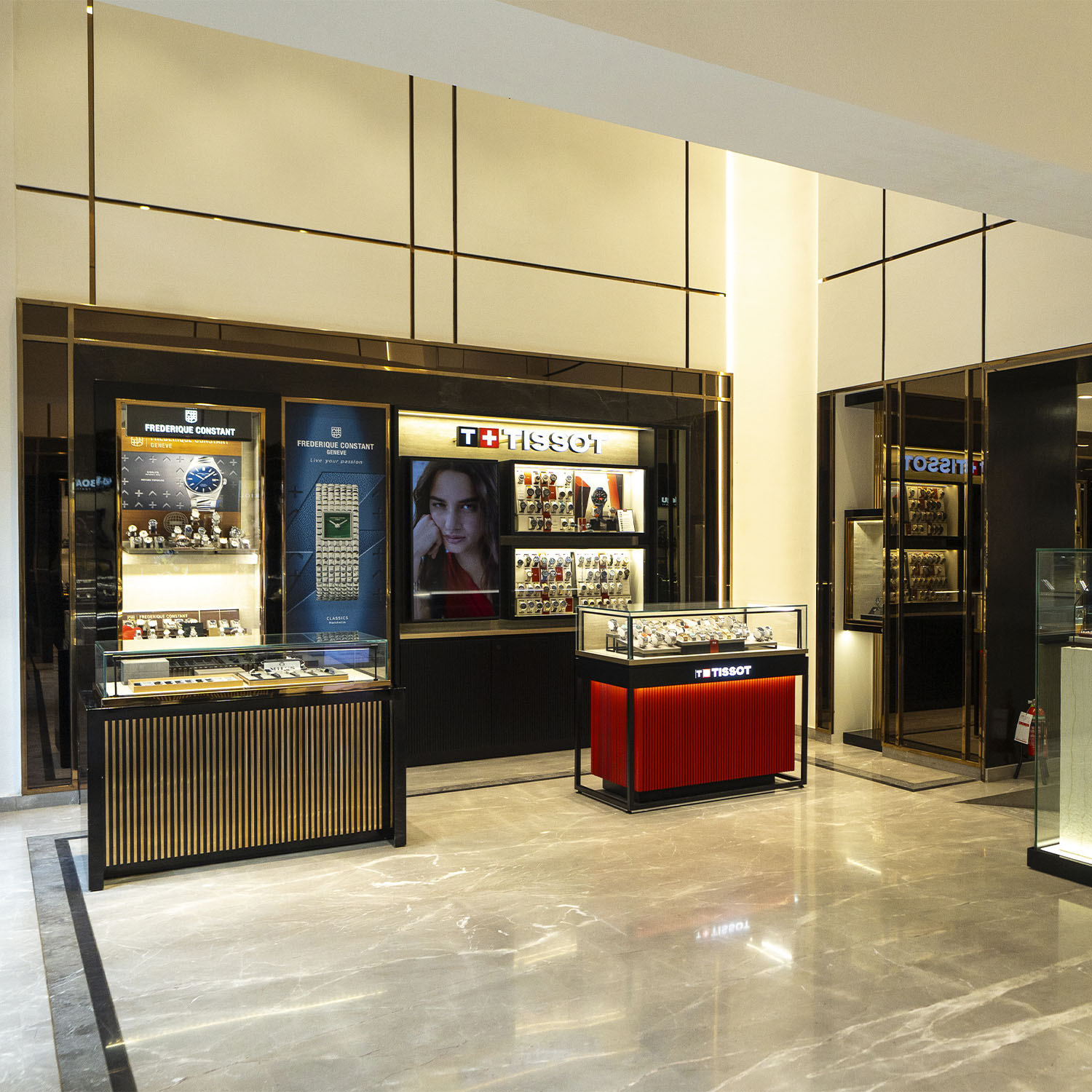
That creates a different retail challenge.
Brands need national reach, but they also need a nuanced understanding of local taste, gifting culture, celebration-driven buying and identity-led consumption.
The age profile adds another layer.
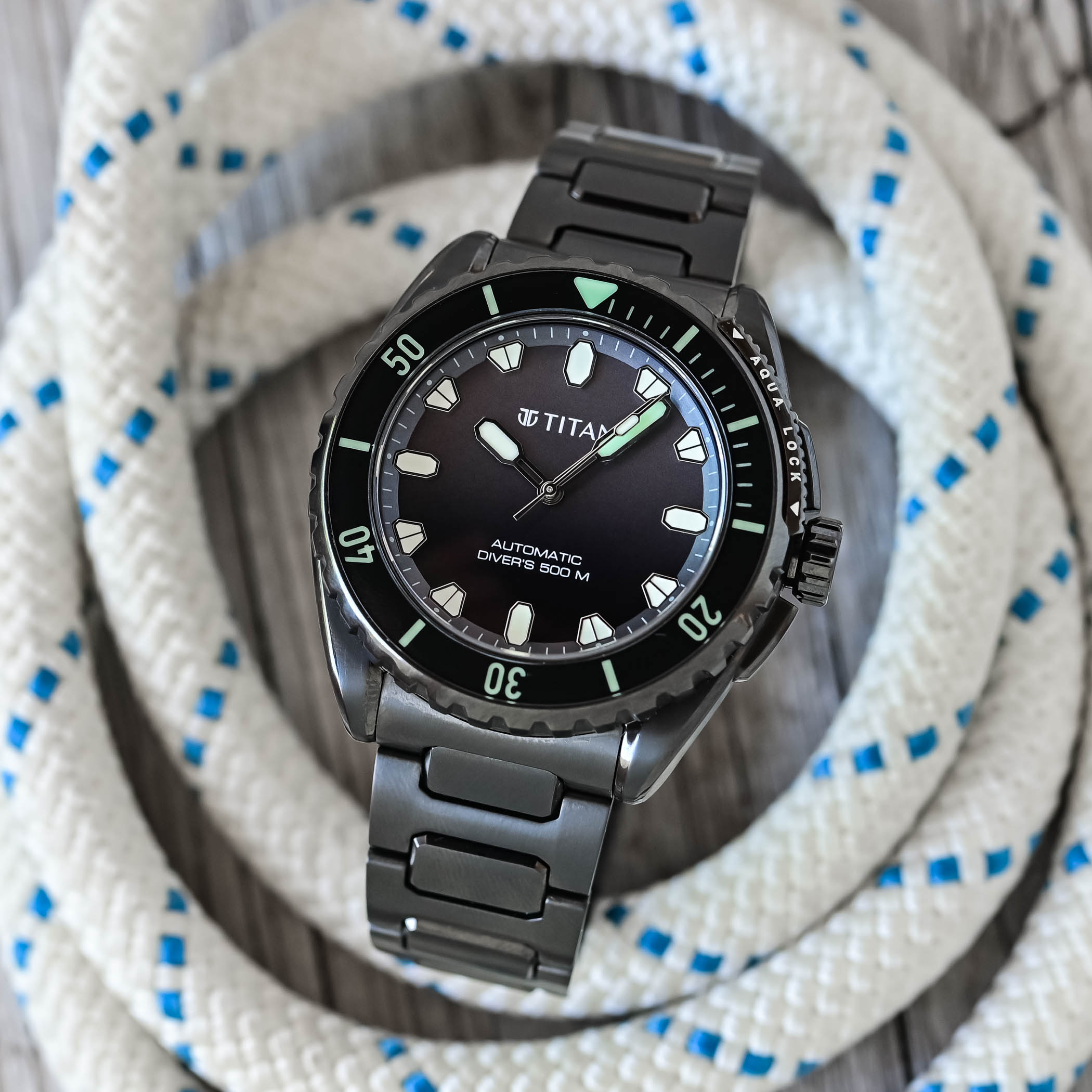
With roughly 65 percent of India’s population under 35, the long-term luxury watch customer is likely to be younger, digitally aware and more expressive in how they choose what to wear.
For Helios Luxe, this makes brand education and storytelling central to the business model.
The opportunity is not simply to sell watches that already have global recognition, but to help shape how Indian buyers understand design codes, mechanical value and long-term ownership.

Tariffs, pricing and the next phase of growth
Import duties have long been one of the complications for Swiss watch brands in India, but the Switzerland-India Free Trade Agreement has changed the conversation.
Duties have moved down from approximately 22 percent to around 15 percent and are scheduled to reduce further over the coming years.
That shift is already narrowing the gap between Indian pricing and European pricing in many cases.
For buyers, it weakens the old incentive to shop abroad for a luxury watch and strengthens the case for purchasing through authorised domestic retail.
For brands, the bigger opportunity may be reinvestment.
Lower tariff pressure can support better retail environments, stronger marketing, deeper customer experiences and more consistent long-term development in India.

Helios Luxe is clearly being built for that moment.
Its growth will depend not just on adding boutiques, but on convincing international watchmakers that India deserves careful, sustained brand-building rather than a short-term distribution push.
If it succeeds, Helios Luxe could become one of the more important gateways into a market that is still early in its luxury watch journey, but no longer waiting politely at the edge of the conversation.