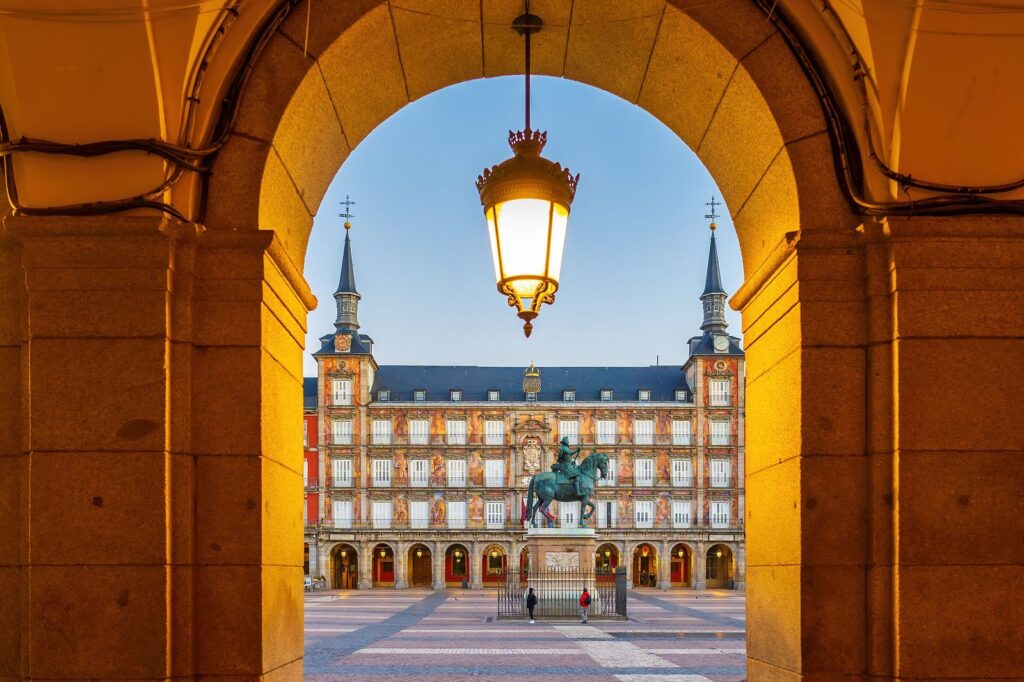
Madrid is a city break with depth, not just a checklist of landmarks.
Its great museums are reason enough to travel, but the Spanish capital becomes more compelling once you realise how naturally art spills into daily life.
Here, a morning with Velázquez can lead to lunch in a design-led dining room, an afternoon through literary streets and an evening on a rooftop as the city turns gold.
At a glance
- Madrid remains one of Europe’s strongest cultural city breaks, anchored by the Prado, Reina Sofía and Thyssen-Bornemisza museums.
- The city’s appeal stretches beyond galleries, with atmospheric neighbourhoods, public gardens, contemporary art spaces and a dynamic restaurant scene.
- It suits travellers who want a long weekend shaped by art, food, architecture and a distinctly local evening rhythm.
The Golden Triangle still defines Madrid’s cultural pull
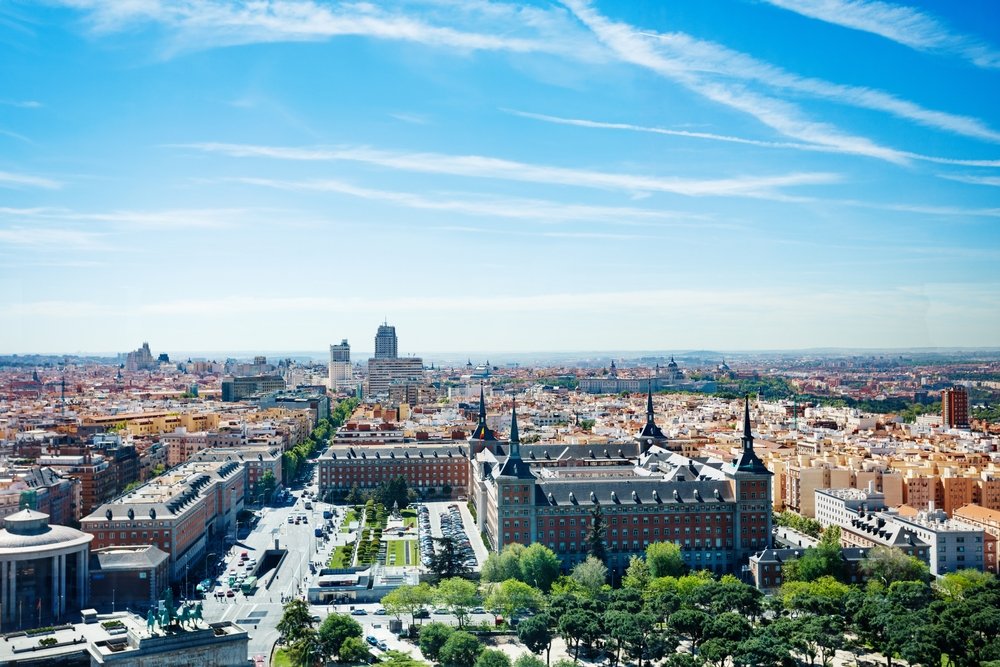
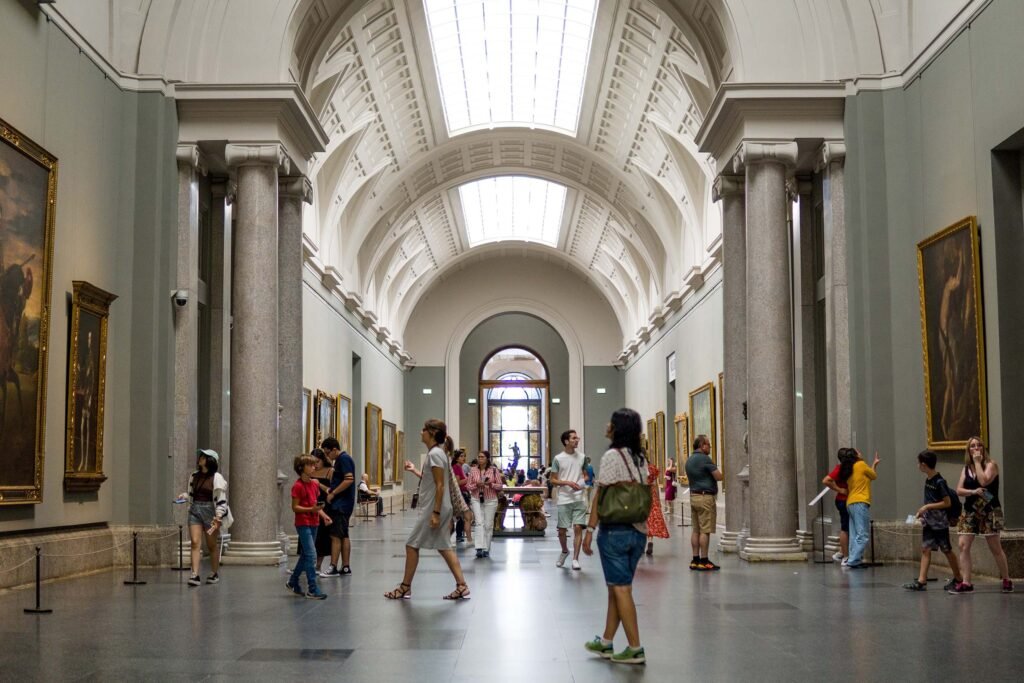
The centre of Madrid’s artistic gravity is Paseo del Prado, the grand avenue where the city’s most important museums sit within walking distance of one another.
The Museo del Prado is the essential starting point, both for its scale and for the emotional weight of its collection.
Velázquez’s Las Meninas remains one of its great magnets, while Goya’s Black Paintings give the museum a darker, more psychologically charged register.
The Prado’s galleries move through centuries of European painting with works by Titian, Rubens, Bosch and El Greco, making it less a single-museum visit than a compressed education in power, faith, myth and image-making.
A short walk away, the Reina Sofía brings Madrid into the modern age.
Picasso’s Guernica is the headline work, still startling in its scale and political force, but the museum’s wider collection gives Spain’s modern artistic identity room to breathe.
Dalí and Miró help shape that story, bringing surrealism, abstraction and experimentation into conversation with the country’s turbulent 20th century.
The Thyssen-Bornemisza completes the trio with a collection that bridges the historical and stylistic spaces between the Prado and Reina Sofía.
Its strength lies in range, moving from Renaissance portraiture through Impressionism and into 20th-century experimentation without losing coherence.
Neighbourhoods with their own cultural tempo
Madrid’s best moments often happen between major sights, in streets and plazas where the city’s history feels worn into the pavement.
Barrio de las Letras is one of its most atmospheric quarters, a literary district once associated with Cervantes and Lope de Vega.
Quotations appear underfoot on narrow streets, while antique bookshops and independent galleries keep the neighbourhood’s intellectual character intact.
Salamanca offers a more polished version of the capital, where designer boutiques sit inside Belle Époque buildings and private galleries share the streets with refined cafés.
It’s Madrid at its most composed, elegant without feeling static.
Malasaña operates with a different energy, shaped by graffiti, independent studios and a younger creative crowd.
The district gives the city its contemporary edge, showing how Madrid continues to reinvent itself without severing ties to its past.
El Retiro Park adds another layer to the experience, especially for travellers who like their culture with space to wander.
Once reserved for royalty, the park now offers landscaped gardens, marble monuments and a boating lake, with the Palacio de Cristal hosting art exhibitions beneath its glass dome.
Matadero Madrid shows the city’s adaptive side even more clearly.
The former slaughterhouse has become a major contemporary arts venue, with exhibitions, theatre, film and avant-garde installations giving industrial architecture a new cultural purpose.
Creative cooking for a long Madrid weekend
Madrid’s dining scene is increasingly difficult to separate from its wider cultural identity.
Chefs here aren’t simply serving dinner after the museums close, they’re adding another form of expression to the city break.
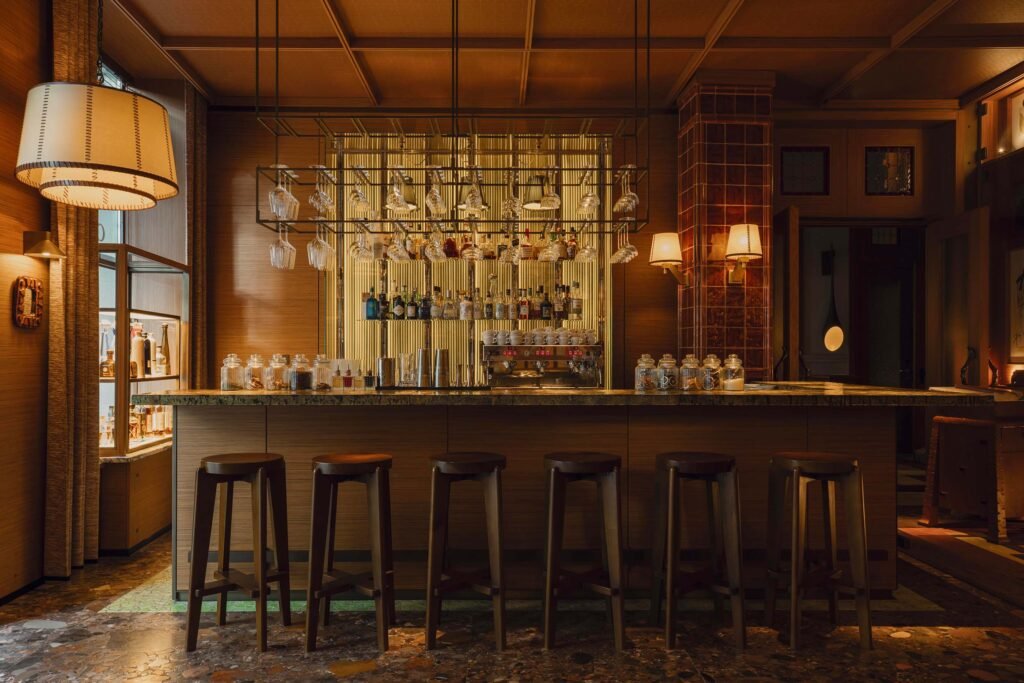
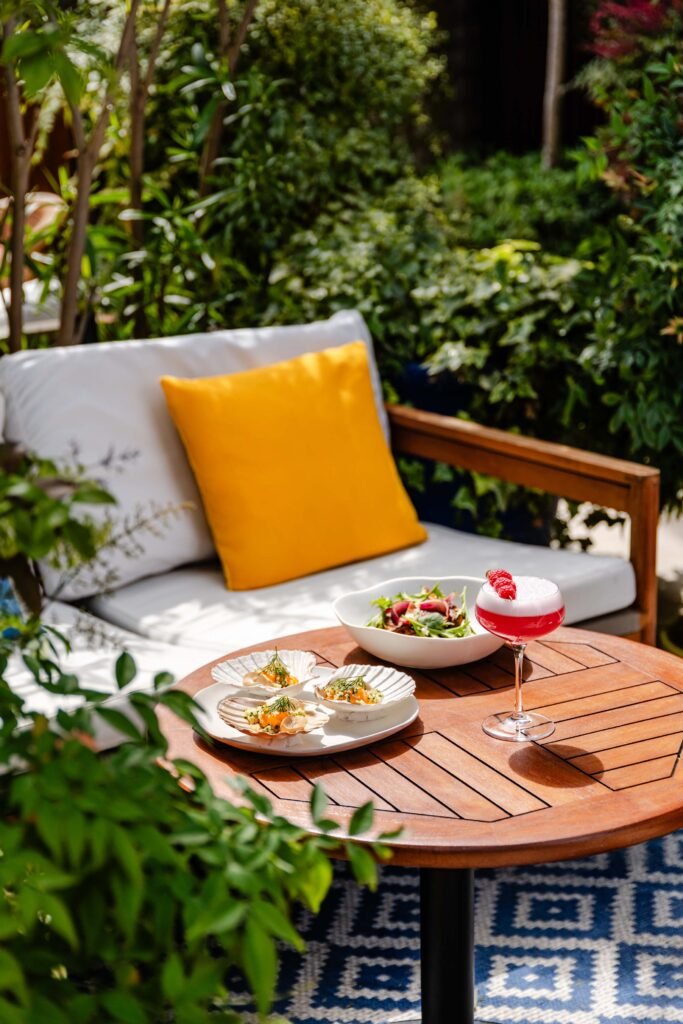
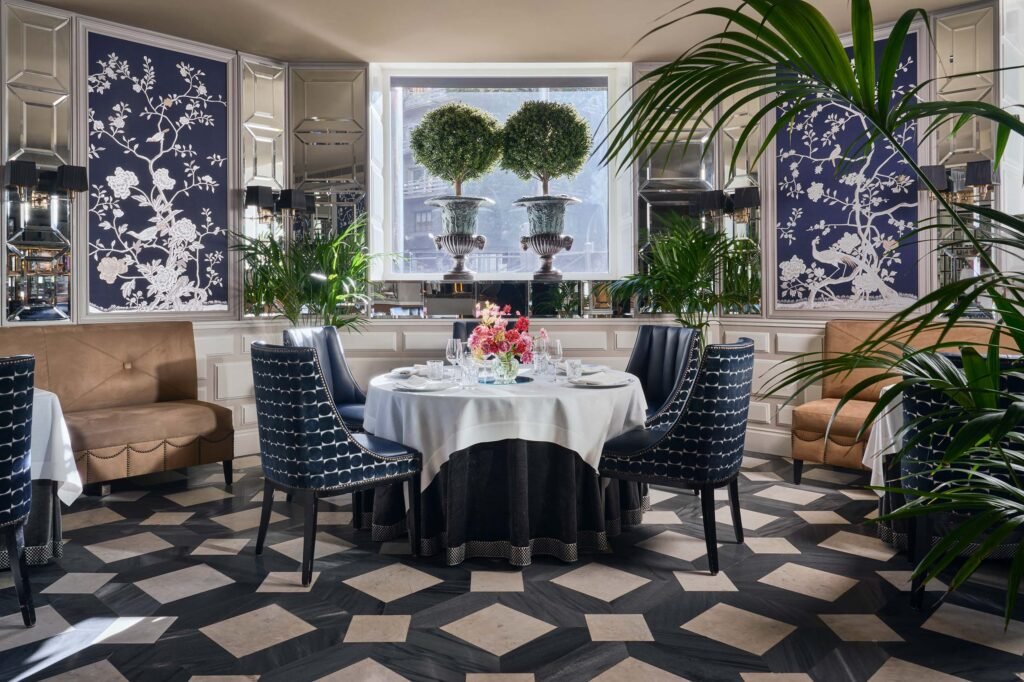
Allégorie by Romain Lascarides brings an inventive small-plates approach, combining international influences with European technique in a minimalist room that keeps attention on the plate.
The sea bass with green peas and chicken in shio koji marinade are among the dishes that show the restaurant’s interest in bold flavour without visual excess.
In Chueca, Kuoco takes a more overtly fusion-led route, drawing from Latin American, Asian and Mediterranean kitchens.
Head chef Rafa Bergamo’s signatures include croquettes, Peking duck and robata-grilled sea bass, with both à la carte options and the Attraverso tasting menu giving the kitchen room to play.
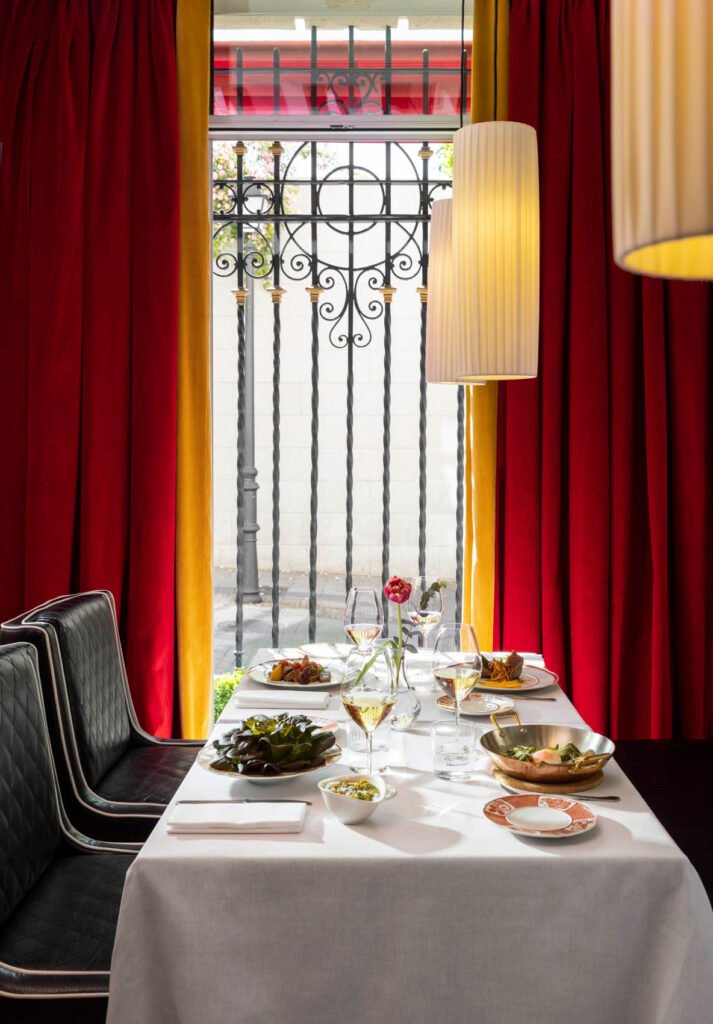
Casa Felisa feels more rooted in regional Spanish cooking, with seasonal produce, discreet service and a dining room built around intimacy rather than spectacle.
Jamon croquettes, grilled meats, fish plates, vegetables and a millefeuille dessert speak to a style of cooking that values clarity and confidence.
Haroma brings old-school elegance into the mix, with chef Mario Sandoval giving classic Spanish flavours a more contemporary twist.
The grilled Iberian pork shoulder stands out, while the tasting menus lean into seafood and slow-cooked meats in a setting that feels warm, rich and celebratory.
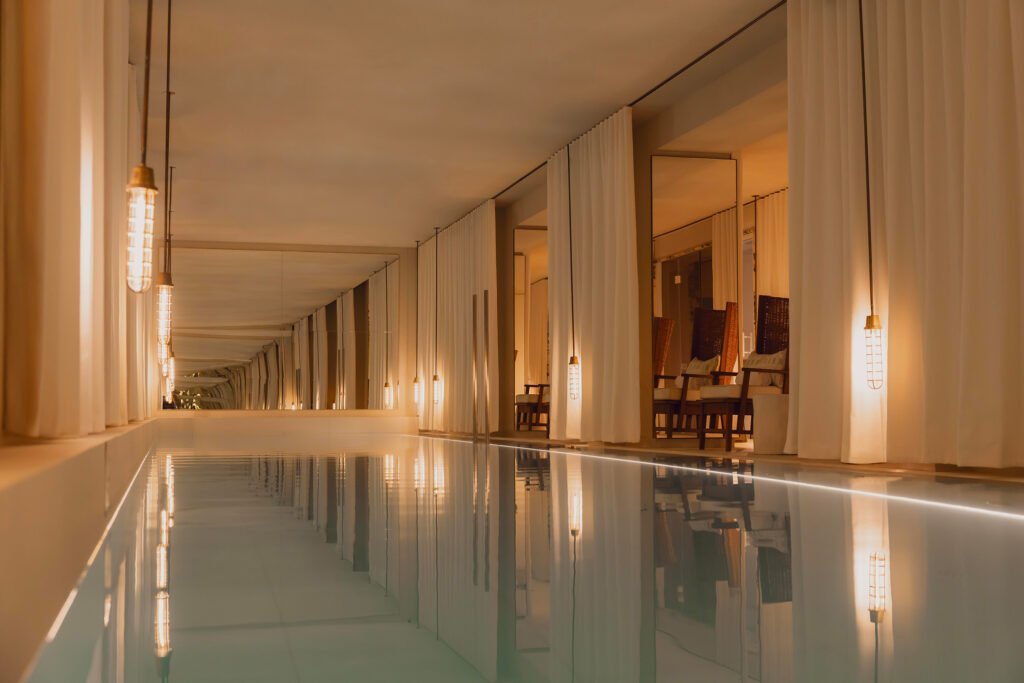
For the city from above, Dani Brasserie at Four Seasons Madrid pairs rooftop views with chef Dani García’s Andalusian-inspired and international cooking.
It works particularly well for a long lunch, sunset cocktails or the sort of evening that reminds you Madrid is as much about atmosphere as itinerary.
How Madrid rewards slow travel
The temptation with Madrid is to over-plan, especially when the museums alone can fill several days.
The better approach is to let the city’s rhythm do some of the work.
Start with one major cultural anchor each day, then leave space for a neighbourhood walk, a long meal or an unhurried hour in Retiro.
Madrid is especially rewarding in the evening, when terraces fill, flamenco can be heard from hidden tablaos and the city’s façades take on a softer glow.
That after-dark shift is central to its appeal, giving the capital a sense of theatre that doesn’t feel staged.
For travellers who want a city break with substance, Madrid offers a rare balance of museum-grade culture and lived-in pleasure.
It’s grand without being remote, creative without trying too hard, and generous enough to make even a short stay feel full.