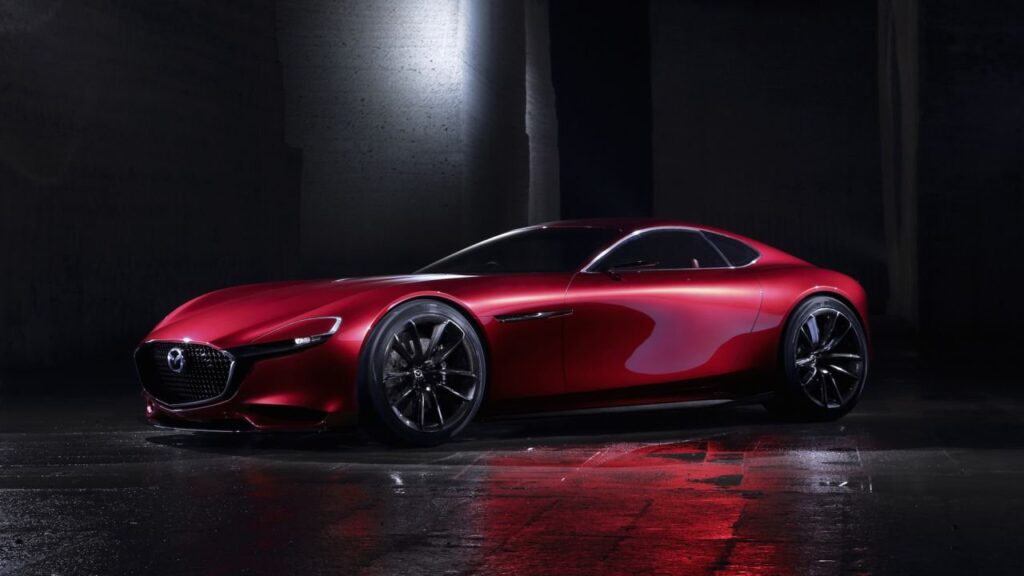
Mazda isn’t treating the combustion engine as a relic just yet.
As the wider car industry moves toward electrification, the Japanese automaker is making a more measured case for choice, arguing that different markets still need different powertrains.
That stance matters because Mazda sells into regions where the transition to electric cars is moving at very different speeds.

At a glance
- Mazda says petrol and diesel engines will remain part of its global product strategy.
- The brand is positioning combustion, hybrid and electric powertrains as market-specific choices rather than a single universal answer.
- Mazda Europe’s Moritz Oswald pointed to the United States and Japan as key markets where EV adoption remains comparatively lower.
Mazda’s powertrain strategy stays deliberately flexible
Moritz Oswald, Mazda Europe’s Project Manager for Product Planning and Co-Creation, has made the company’s position unusually plain.
“Part of our strategy is that we want the right engine for the right customer,” Oswald said.
He followed that with the line that best captures Mazda’s current mood.
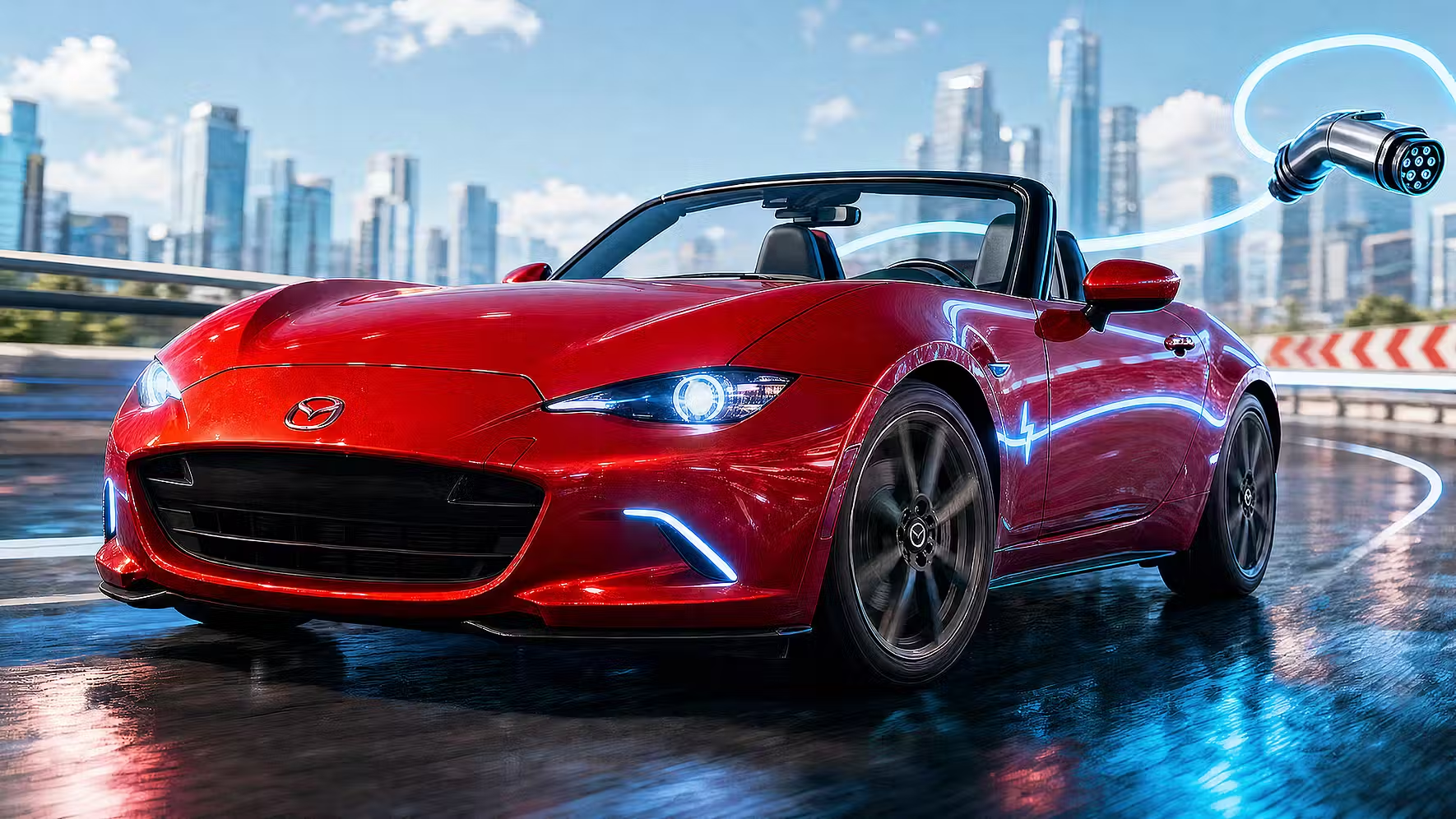
“We will not kill the combustion engine tomorrow.”
It’s a pragmatic message rather than a rejection of electrification.
Mazda is still working within an industry that’s shifting steadily toward battery-electric vehicles, but it isn’t presenting that shift as identical in every region or for every driver.
Why petrol and diesel still matter globally
Oswald pointed specifically to the United States and Japan, two major markets where electric vehicle uptake remains lower than in some parts of Europe.
In those regions, combustion-powered cars remain more than a legacy product.
They’re still relevant to buyers, infrastructure realities and everyday use cases that don’t always align neatly with a rapid all-electric switch.

That global imbalance is the key to Mazda’s argument.
While EVs are gaining visibility and importance in Europe and elsewhere, the brand sees combustion engines as “globally, super relevant” in the near term.
A choice-led approach in an electric age
Mazda’s position is less dramatic than a full-throated defence of petrol and diesel, and more nuanced than a simple electric-only pledge.

The company appears to be leaving itself room to tailor products by region, regulation and customer demand.
For buyers, that could mean Mazda showrooms continue to offer a broader spread of options while the market settles into its next phase.
For enthusiasts, it’s also a reminder that combustion’s exit won’t happen evenly across the industry.
Some brands will move faster, some will be pushed by regulation, and others will balance electrification with powertrain diversity for as long as the commercial case holds.
The wider industry context
Mazda’s view lands at a moment when carmakers are still trying to square long-term emissions goals with near-term customer behaviour.
Electric vehicles are no longer a niche experiment, but the supporting infrastructure, pricing and buyer confidence vary dramatically by country.
That makes a one-size-fits-all strategy risky, especially for a company with a global footprint but a smaller scale than some of the industry’s giants.
Mazda’s answer is to keep combustion engines in play while continuing to engage with electrification.
It’s a cautious, market-aware position, and one that suggests the next chapter for Mazda won’t be defined by a clean break from the engine bay just yet.