Luxury has always traded in emotion, but today’s most compelling objects need more than beauty and scarcity to hold attention.
At this year’s In Pursuit of Luxury Conference, held across Goldsmiths, University of London and Ravensbourne University London, a sharp question ran through the conversation. What makes luxury feel authentic when clients increasingly want both romance and proof?
The answer isn’t to strip away mystery entirely, but to give desire firmer ground to stand on.
At a glance
- The In Pursuit of Luxury Conference examined how authenticity and transparency are changing the meaning of modern luxury.
- Watchmaking and high jewellery were central to the discussion, with craft, origin, maker relationships and truthful storytelling emerging as key themes.
- The 2026 theme, Time to Change, framed transparency as a new creative opportunity rather than a threat to luxury’s allure.
Authenticity now means more than a genuine object
In luxury, authenticity once began with a simple question. Is the piece genuine?
That still matters, of course, but it no longer feels sufficient on its own.
Clients are asking whether a brand remains faithful to its identity as it evolves, whether its values are visible in practice, and whether the story around an object can withstand scrutiny.
Where did the materials come from, where was the piece made, and who made it?
Those questions don’t make luxury colder or more clinical.
Handled well, they can make an object more desirable because they add depth to the emotion already attached to it.
The maker is becoming part of the value
Independent watchmaking offers one of the clearest examples of this shift.
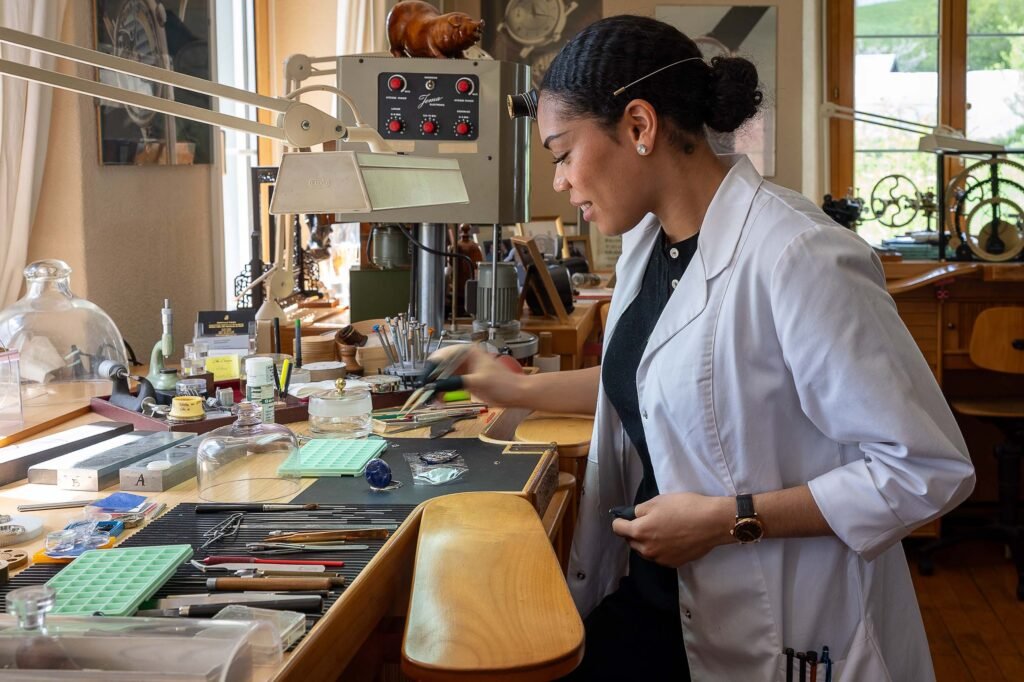
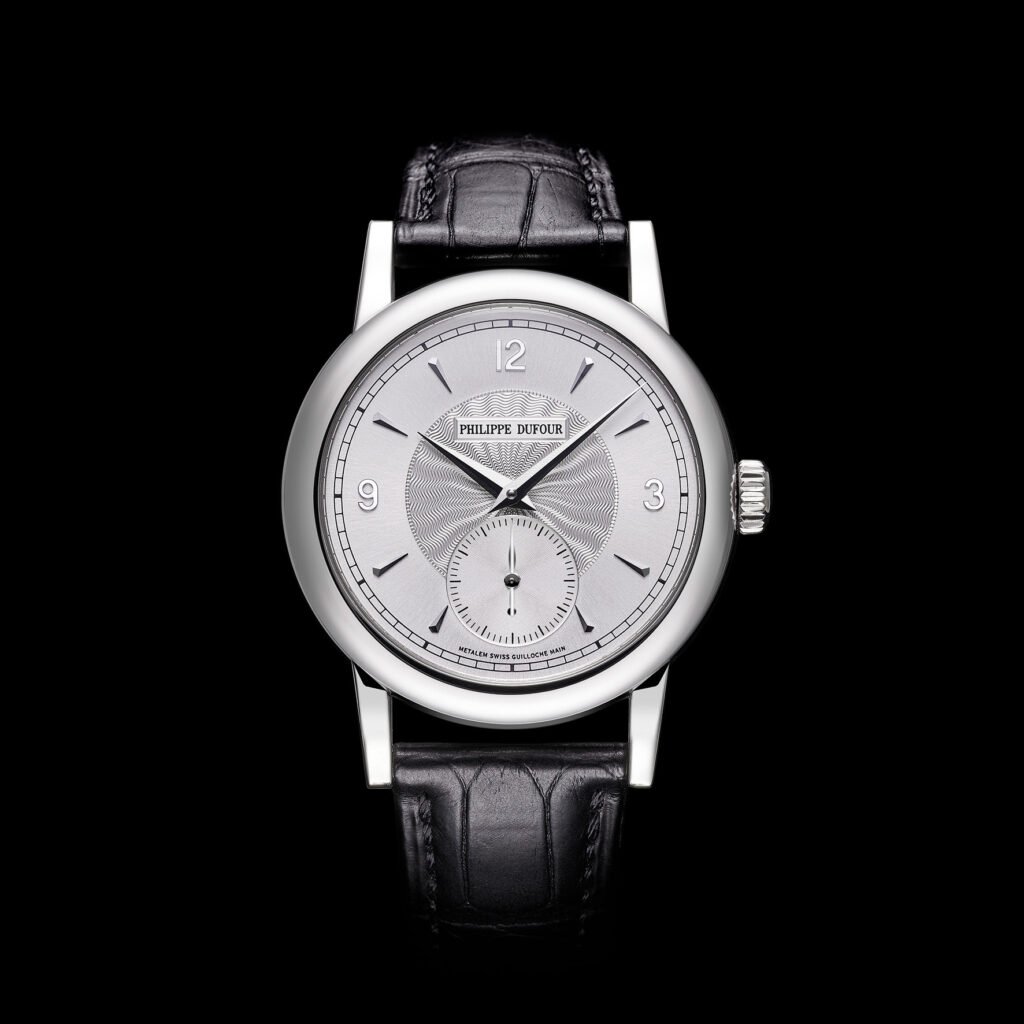
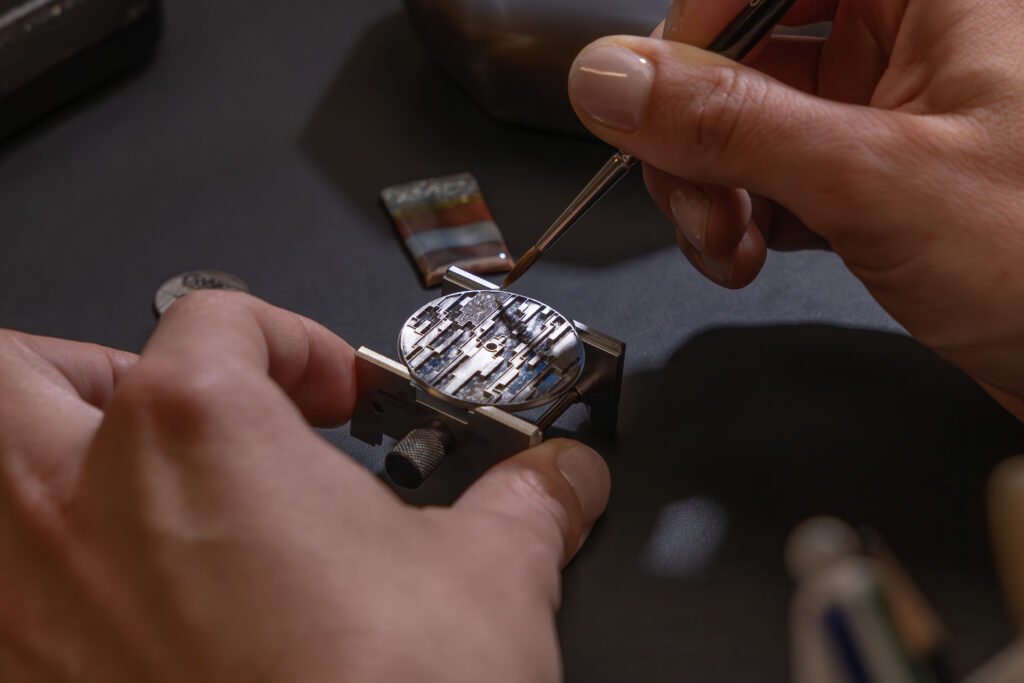
Danièla Dufour, watchmaker at Philippe Dufour, represents a world where the relationship between maker, object and collector can be intensely personal.
In this corner of haute horlogerie, a conversation with the person behind a watch can become part of the ownership experience.
That connection doesn’t diminish the mystique of fine watchmaking.
It can heighten it, because the watch is no longer admired only as an instrument of precision or finishing, but as the result of human decisions, patience and skill.
This is where luxury escapes the purely transactional.
The value of a piece may still rest on craft, provenance and technical mastery, but its emotional pull often comes from something less measurable.
Heritage is not always measured by age
Luxury often treats longevity as a shorthand for credibility, yet that can be too simple.
A young brand can carry deep expertise if the craft behind it has been cultivated over generations.
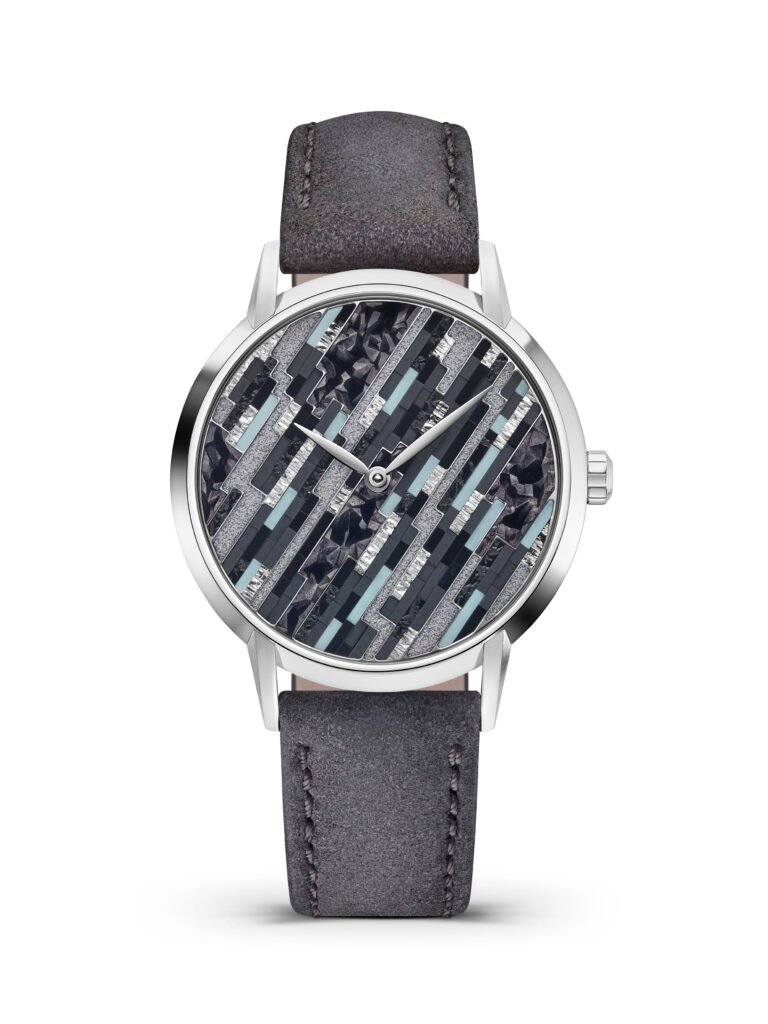
TAOS illustrates that distinction.
Launched in 2024, the watch brand brings together around 40 master artisans working across more than 15 specialised métiers d’art.
The company may be new, but the skills gathered within it are rooted in long traditions of handcraft and decorative technique.

That matters because heritage is only persuasive when it remains alive.
Established maisons still need to show that their expertise is active rather than archival, while newer houses can earn credibility by making their craft visible and coherent from the beginning.
Lab-grown diamonds change the luxury narrative
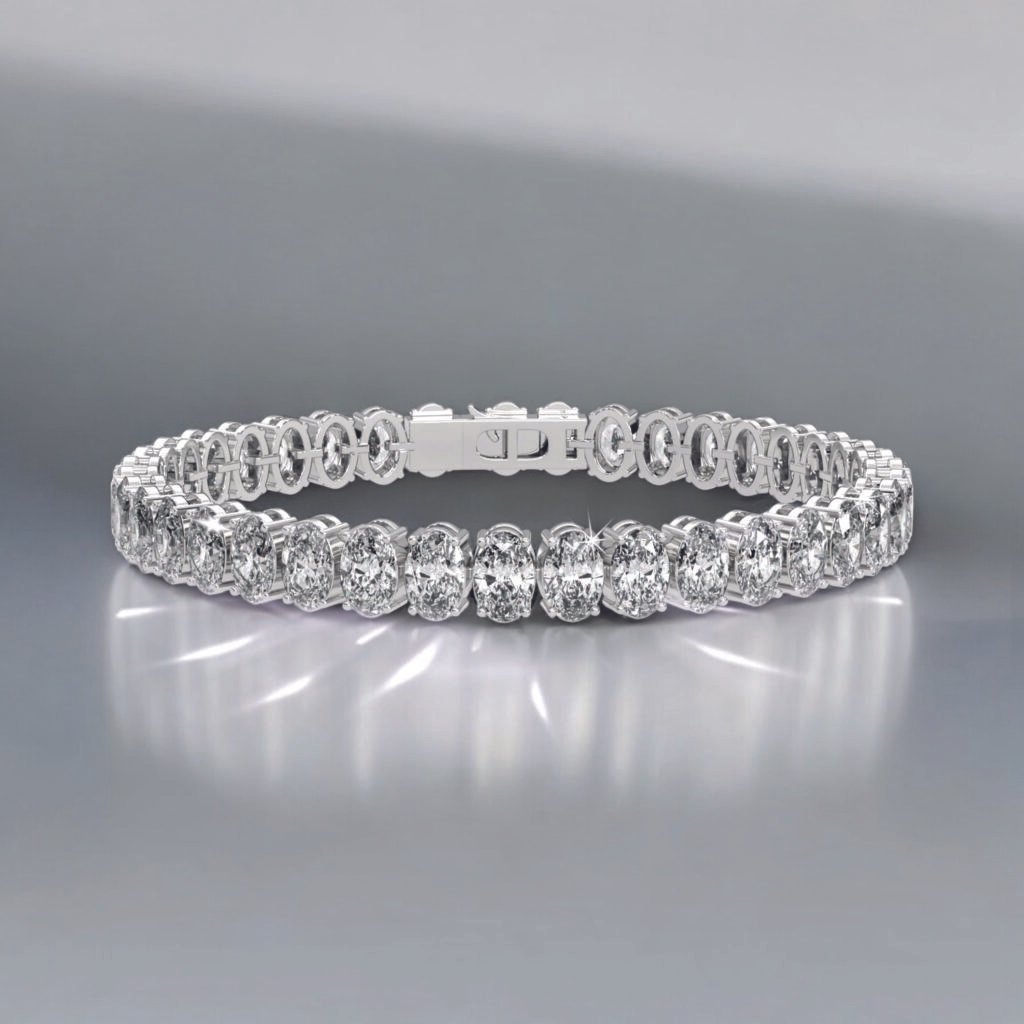
High jewellery adds another dimension to the conversation, especially as lab-grown diamonds become more culturally and commercially significant.
Natural and lab-grown diamonds share the same chemical, physical and optical properties, but the stories attached to them are very different.
Natural diamonds carry a narrative shaped by rarity and deep geological time.
Lab-grown diamonds invite a different kind of desirability, one centred on design, craft and human innovation.
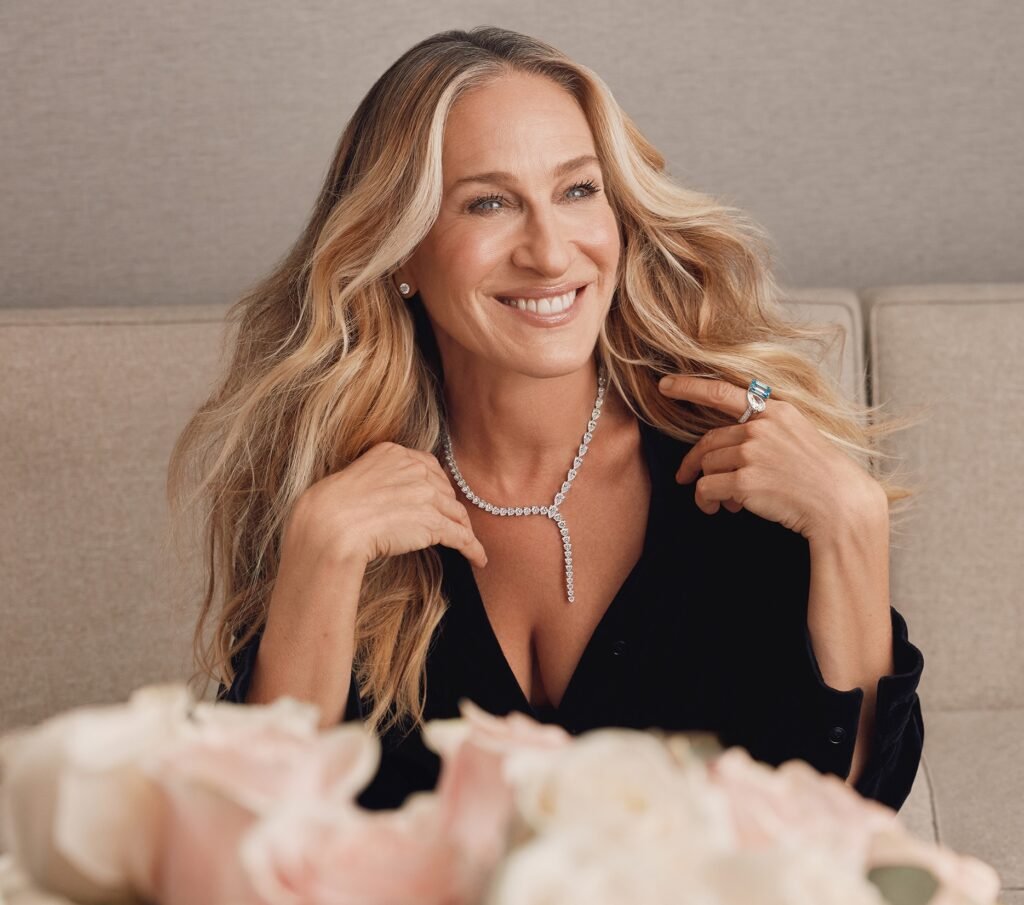
Astrea London is part of that developing conversation.
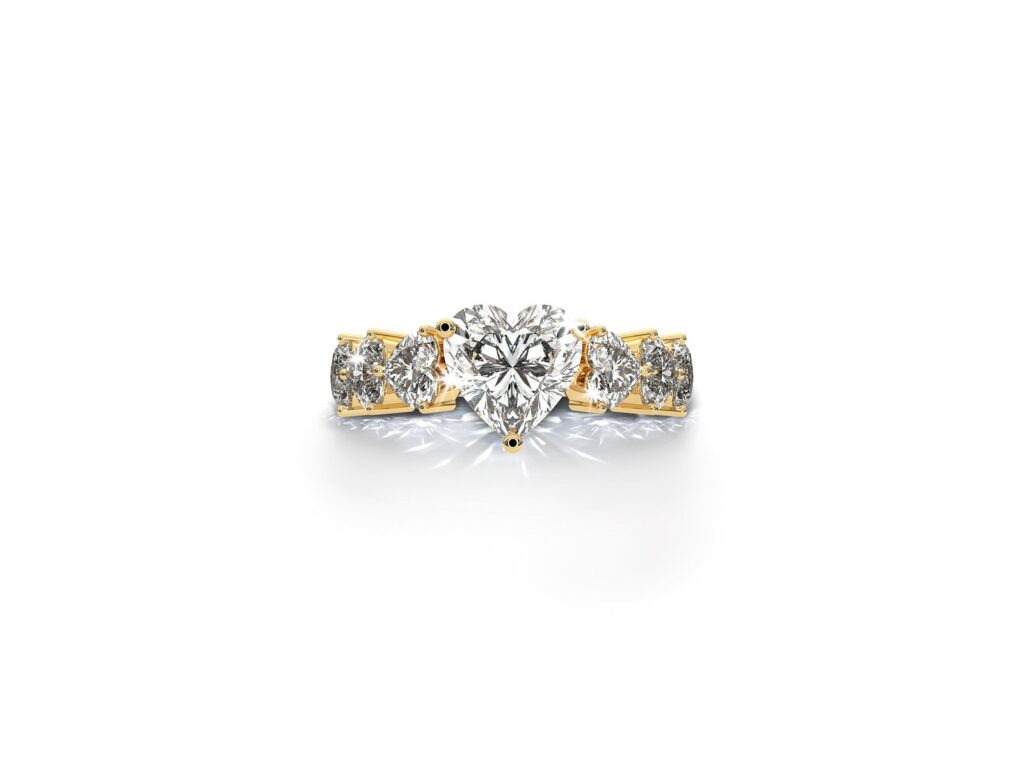
With Sarah Jessica Parker as Global Creative Director, the jewellery house is positioning lab-grown diamond jewellery not as a lesser substitute for mined stones, but as a design-led proposition in its own right.
That distinction is important.
The future of lab-grown diamond luxury won’t be decided solely by how convincingly it mirrors the old model, but by how confidently it creates its own emotional and aesthetic language.
Transparency can still leave room for romance
The most interesting point is that transparency and enchantment don’t have to be opposites.
A client can want beauty, atmosphere and aspiration while also wanting confidence that the story behind an object is true.
Under the conference theme of Time to Change, luxury is being asked to reveal more of itself.
That doesn’t mean giving everything away or reducing exceptional craft to a checklist.
It means treating knowledge, skill and human connection as part of desire rather than as practical details that sit outside it.
For an industry long fluent in the art of seduction, this is a meaningful change in tone.
The next chapter of luxury may not depend on preserving distance, but on creating a more honest connection between the people who make extraordinary things and the people who choose to live with them.